Artwork
The Brazilian Woman
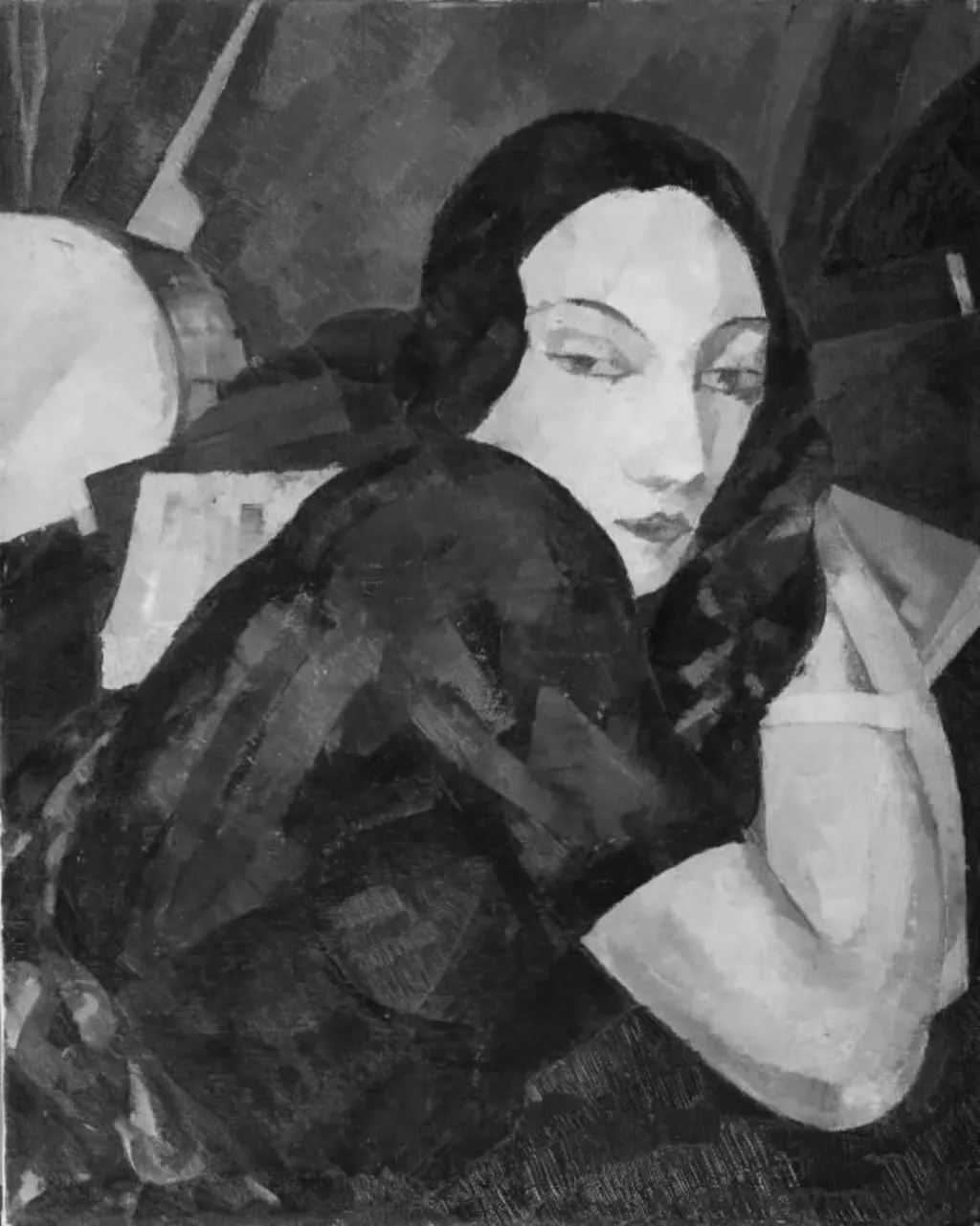
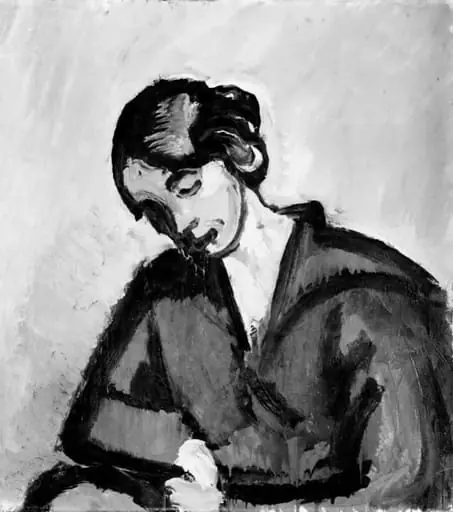
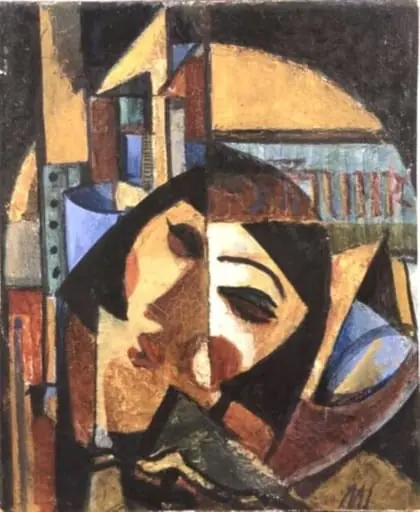
The Brazilian Woman is an oil painting by the Art Nouveau artist Luc Albert Moreau. It dates from 1919 and is held in the collection of the Statens Museum for Kunst.
About this work
Overview
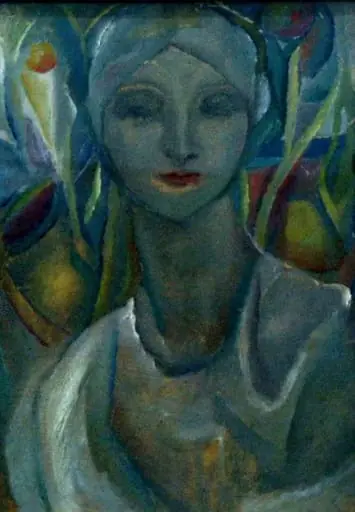
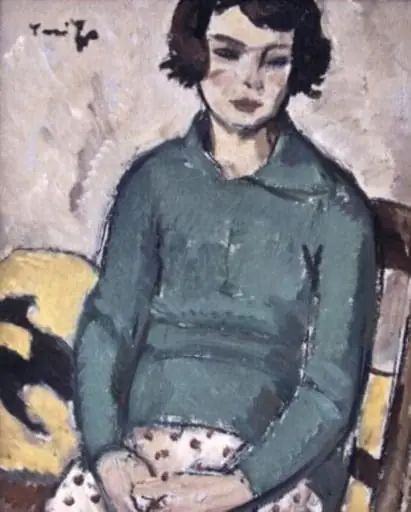
Luc Albert Moreau’s 1919 oil painting titled The Brazilian Woman is part of the Statens Museum for Kunst’s collection. Executed in the Art Nouveau idiom, the work presents a solitary female figure rendered with a restrained palette and simplified forms, creating a subdued, contemplative atmosphere.
Subject & Meaning
The canvas depicts a dark‑haired woman in a somber dress, her gaze directed downward. Her facial features are rendered with minimal detail, conveying a calm, introspective demeanor. The ambiguous background, composed of vague lighter shapes, suggests an interior space without distracting from the figure’s quiet presence.
Technique & Style
Moreau employs oil on canvas with a muted tonal range, emphasizing flatness and decorative line typical of Art Nouveau. The simplification of the woman’s visage and the lack of precise modeling align with early modernist tendencies toward abstraction, while the overall composition retains a lyrical quality.
History & Provenance
Created shortly after World War I, the painting entered the Statens Museum for Kunst’s holdings, where it remains on display. Its acquisition reflects the museum’s interest in early 20th‑century French art and the broader European avant‑garde movements of the period.
Context
Moreau’s involvement in pioneering exhibitions, notably the 1912 Knave of Diamonds show in Moscow, situates him within a network of artists exploring new visual languages. The Brazilian Woman thus exemplifies his engagement with contemporary modernist currents while maintaining a personal, decorative approach.
Own this work as a print
Artist & collection
Artist
Luc Albert Moreau (9 December 1882 – 25 April 1948) was a French painter. In 1910–1911, he participated in the first inaugural exhibition of the Knave of Diamonds in Moscow with three canvases (Groupe, Tête, Paysage).…