Artwork
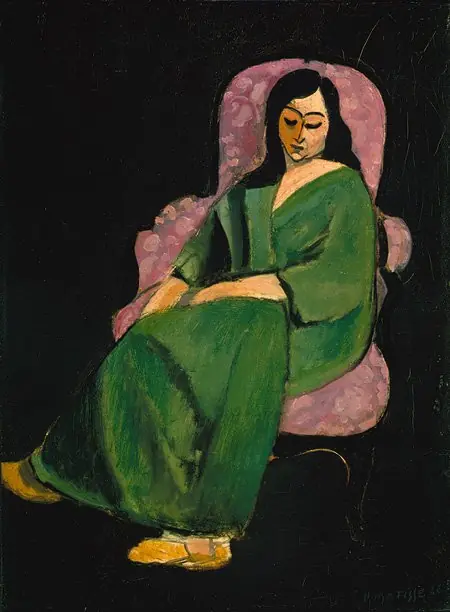
Lorette with Cup of Coffee
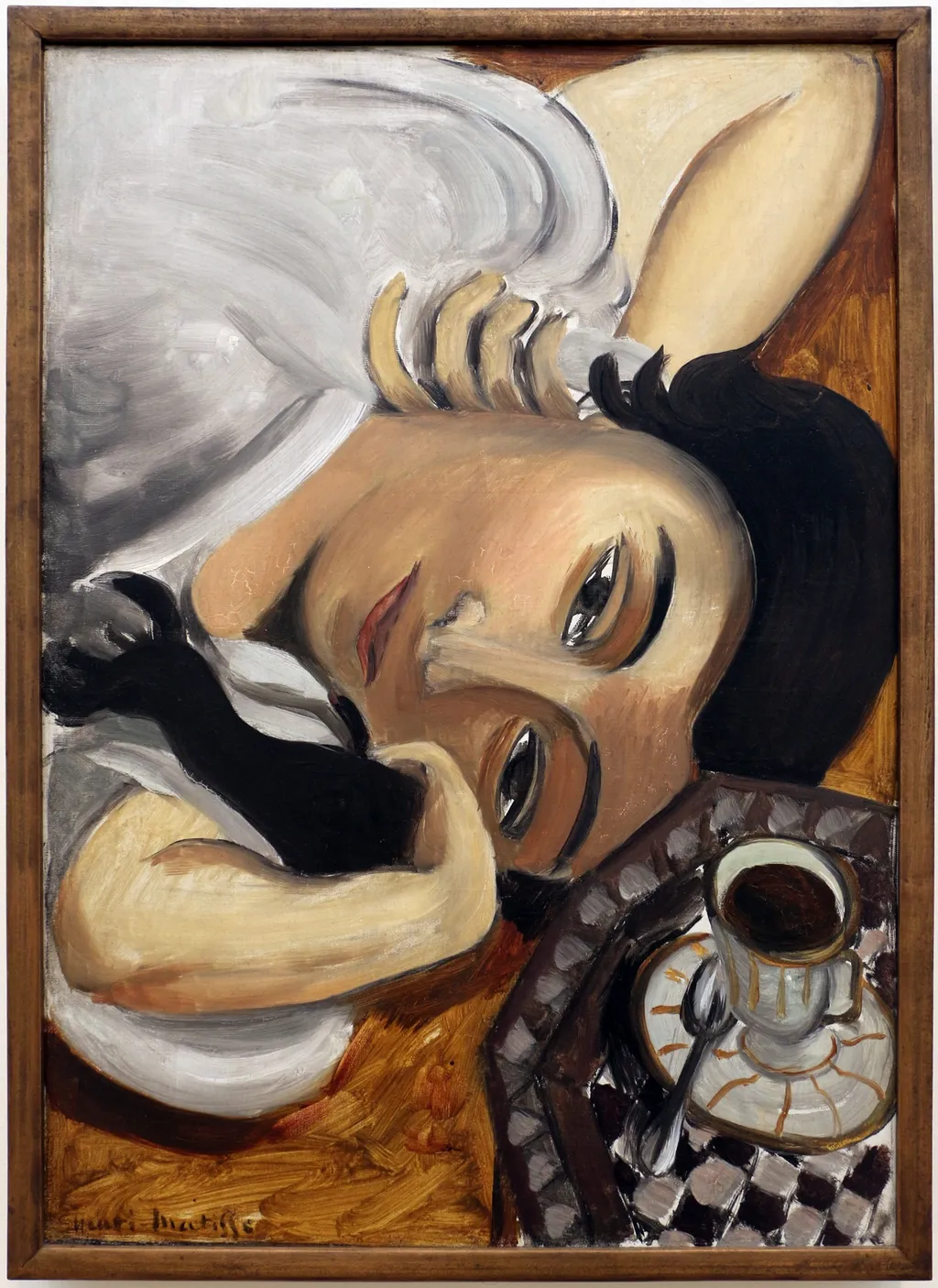
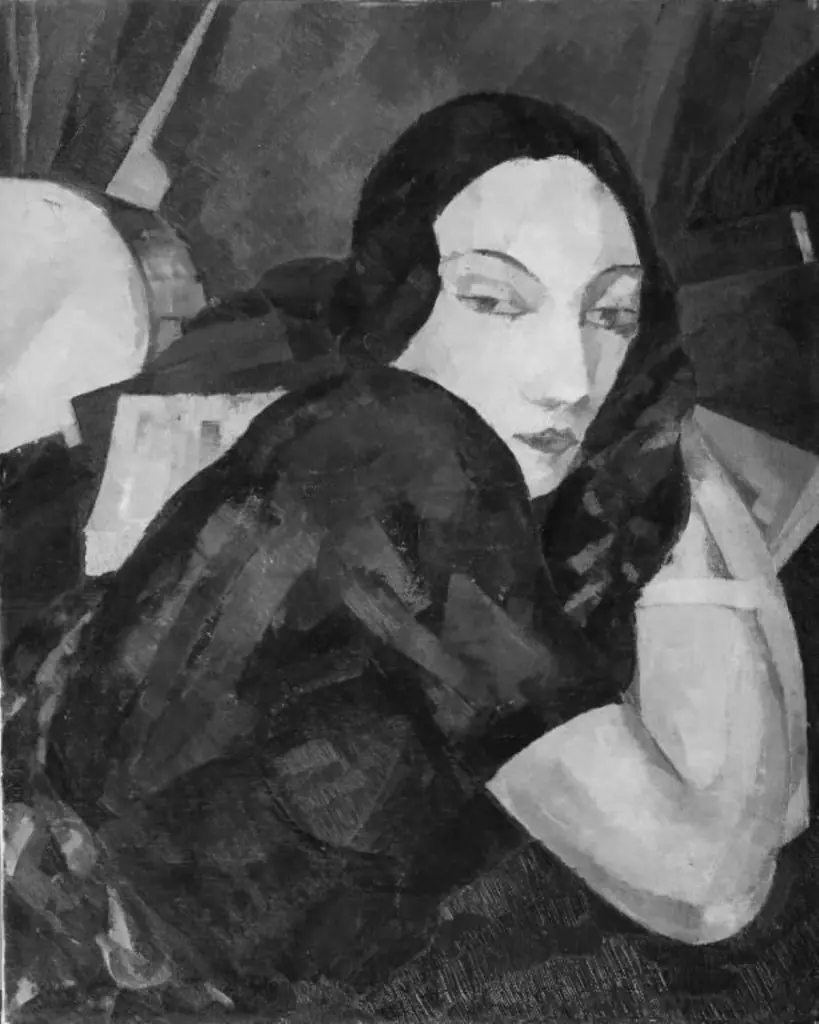
Lorette with Cup of Coffee is an oil painting by the Fauvist artist Henri Matisse. It dates from 1916 and is held in the collection of the Art Institute of Chicago.
About this work
Overview
It captures a quiet, intimate moment of a model who frequently appeared in his work during this period.
Painted in 1916, Lorette with Cup of Coffee is an oil on canvas portrait by Henri Matisse, created during a phase of his career focused on expressive color and reduced form. It captures a quiet, intimate moment of a model who frequently appeared in his work during this period. The painting is part of the permanent collection at the Art Institute of Chicago, where it reflects Matisse’s evolving approach to figure painting beyond the peak years of Fauvism.
Subject & Meaning
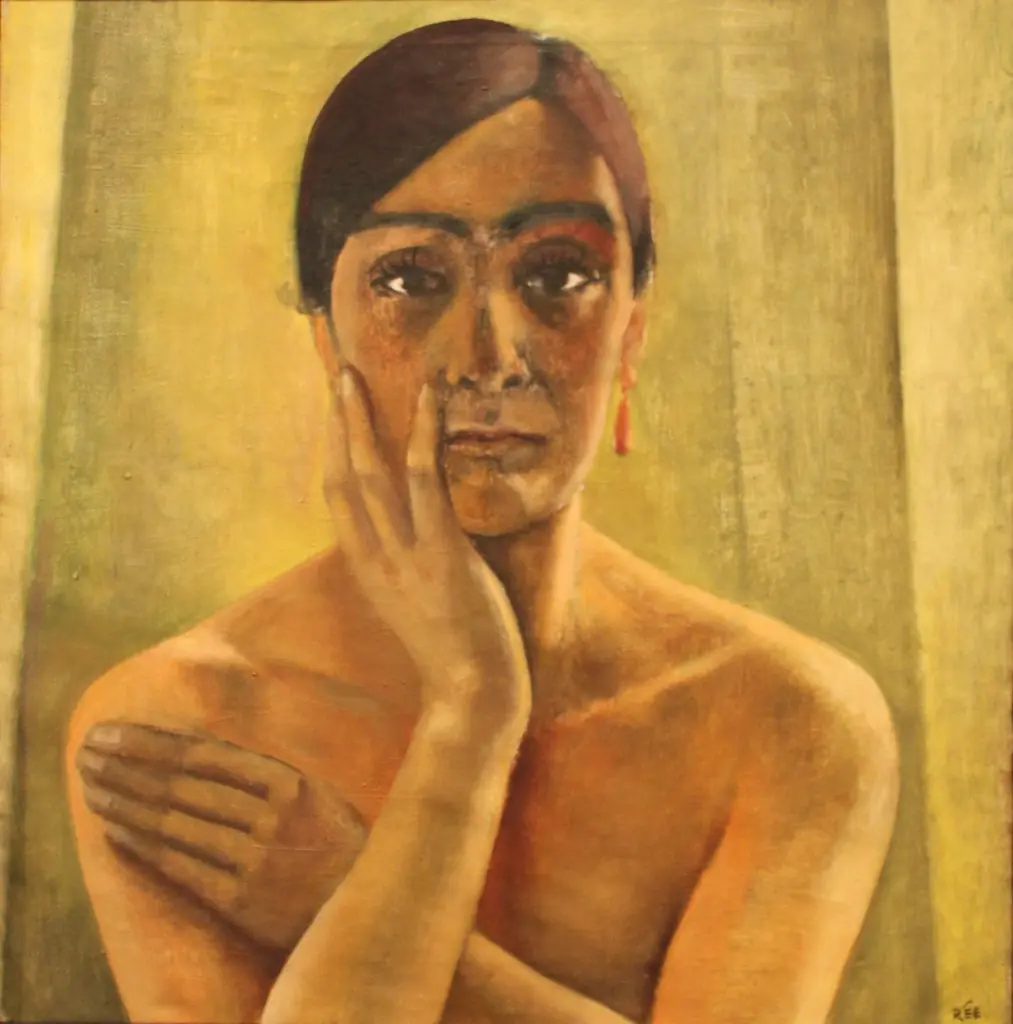
The subject is Lorette, a model known to Matisse in the mid-1910s, depicted in a moment of stillness with a cup of coffee beside her. Her posture, head resting on one hand, suggests contemplation or fatigue, avoiding theatricality. The modest setting and unadorned gesture emphasize interiority rather than narrative, aligning with Matisse’s interest in quiet, personal scenes over dramatic storytelling.
Technique & Style
Matisse applied oil paint with thick, deliberate brushstrokes, particularly evident in the texture of the hat’s feathers and the modeling of the face. Colors are restrained but intense: pale whites, deep browns, and a single accent of red on the lips. The impasto technique lends physicality to the surface, while forms are simplified, rejecting detailed realism in favor of emotional resonance through color and gesture.
History & Provenance
The painting was completed in 1916 during Matisse’s time in the south of France, a period marked by introspective portraiture. It entered the Art Institute of Chicago’s collection in the 20th century, likely through a private acquisition or donation. Its provenance remains relatively straightforward, with no major shifts in ownership recorded after its initial exhibition in the early 1920s.
Context
Created after the height of Fauvism, this work reflects Matisse’s continued engagement with color as an expressive tool, even as he moved toward greater formal discipline. While the bold palette recalls earlier Fauve experiments, the composition’s restraint signals a shift toward balance and calm. Lorette’s recurring presence in his work underscores his reliance on familiar models to explore subtle variations in mood and form.
Legacy
Though less widely known than Matisse’s larger compositions, Lorette with Cup of Coffee exemplifies his ability to convey depth through simplicity. Its quiet intensity influenced later generations of figurative painters interested in emotional economy and material presence. The painting remains a quiet touchstone in discussions of modern portraiture that prioritize atmosphere over anecdote.
Artist & collection
Artist
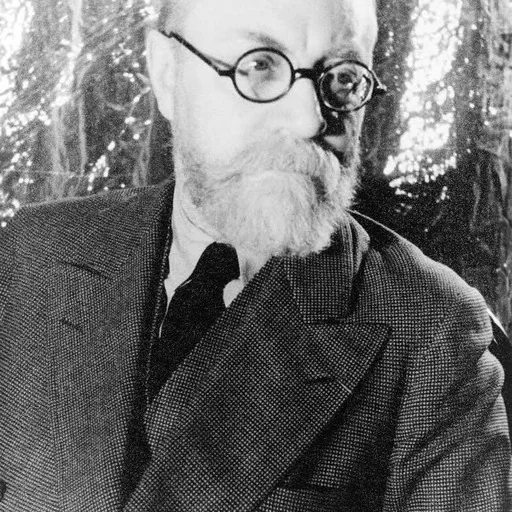
Henri Émile Benoît Matisse (French:; 31 December 1869 – 3 November 1954) was a French visual artist, known for both his use of colour and his fluid and original draughtsmanship.