Artwork
The Stag Hunt of the Elector Johann Friedrich of Saxony, or Frederic the Wise
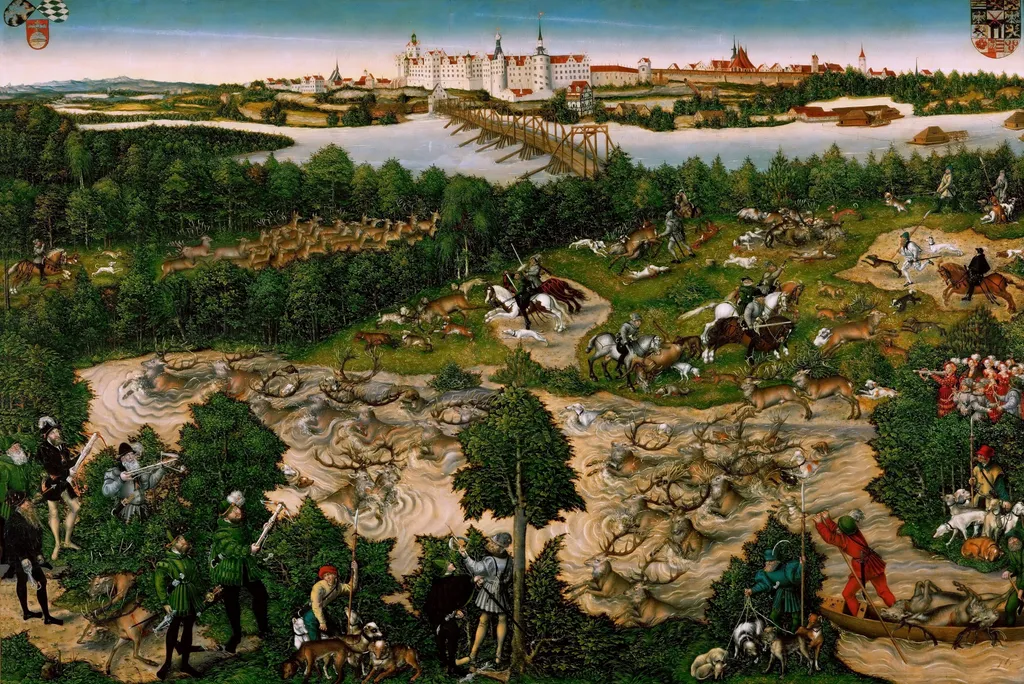
The Stag Hunt of the Elector Johann Friedrich of Saxony, or Frederic the Wise is an oil painting by the Northern Renaissance artist Lucas Cranach the Younger. It dates from 1544 and is held in the collection of the Kunsthistorisches Museum.
About this work
Technique & Style
The work was painted on a wooden panel before being transferred to canvas, a technique documented in contemporary records of the workshop’s methods.
The painting is executed in oil on canvas, measuring 116 cm in height and 176.5 cm in width, and depicts the stag hunt associated with Elector Johann Friedrich of Saxony. Its formal qualities include a landscape composition rendered in a naturalistic style characteristic of Lucas Cranach the Younger’s mature period, with careful attention to the anatomical detail of the animal and the surrounding terrain. The work was painted on a wooden panel before being transferred to canvas, a technique documented in contemporary records of the workshop’s methods.
History & Provenance
The painting was produced by Lucas Cranach the Younger in 1544, executed in oil on canvas and panel. It depicts a stag hunt associated with the Elector Johann Friedrich of Saxony, also referenced as Frederic the Wise.
The work subsequently entered the collection of Archduke Leopold Wilhelm of Austria. It is now held by the Kunsthistorisches Museum in Vienna, where it remains part of the institution's holdings.
Overview
Painted in 1544 by Lucas Cranach the Younger, this oil-on-panel work captures a hunting expedition organized by Johann Friedrich I, Elector of Saxony. Set in the landscape near Torgau, the scene reflects the aristocratic pastimes of the German Protestant elite during the Reformation era. The painting is part of the Kunsthistorisches Museum’s collection in Vienna, where it remains a key example of Northern Renaissance courtly imagery.
Subject & Meaning
The painting portrays a formal stag hunt, a ritualized activity symbolizing noble power and control over nature. The presence of the Elector and his retinue underscores political authority, while the slain deer signify the success of the hunt as both sport and status display. The inclusion of Torgau’s castle in the distance ties the event to a specific seat of power, reinforcing the connection between land, leadership, and lineage.
Context
Created during the Protestant Reformation, the painting reflects the cultural priorities of Saxony’s ruling family, who supported Luther and cultivated courtly traditions distinct from Catholic centers. Hunting scenes like this were common among German nobility, blending leisure with political messaging. The landscape setting, rooted in local geography, distinguishes it from idealized Italianate compositions, emphasizing regional identity.
Legacy
As a work by Lucas Cranach the Younger, it exemplifies the continuation of his father’s workshop style, adapted to serve the visual needs of Protestant aristocracy. Though less celebrated than his father’s religious works, this painting contributes to understanding how secular power was visually articulated in 16th-century Germany. It remains a reference for studies of Northern Renaissance court culture and landscape representation.
Own this work as a print
Artist & collection
Artist
Lucas Cranach the Younger (German: Lucas Cranach der Jüngere, IPA:; 4 October 1515 – 25 January 1586) was a German Renaissance painter and portraitist, the son of Lucas Cranach the Elder and brother of Hans Cranach.

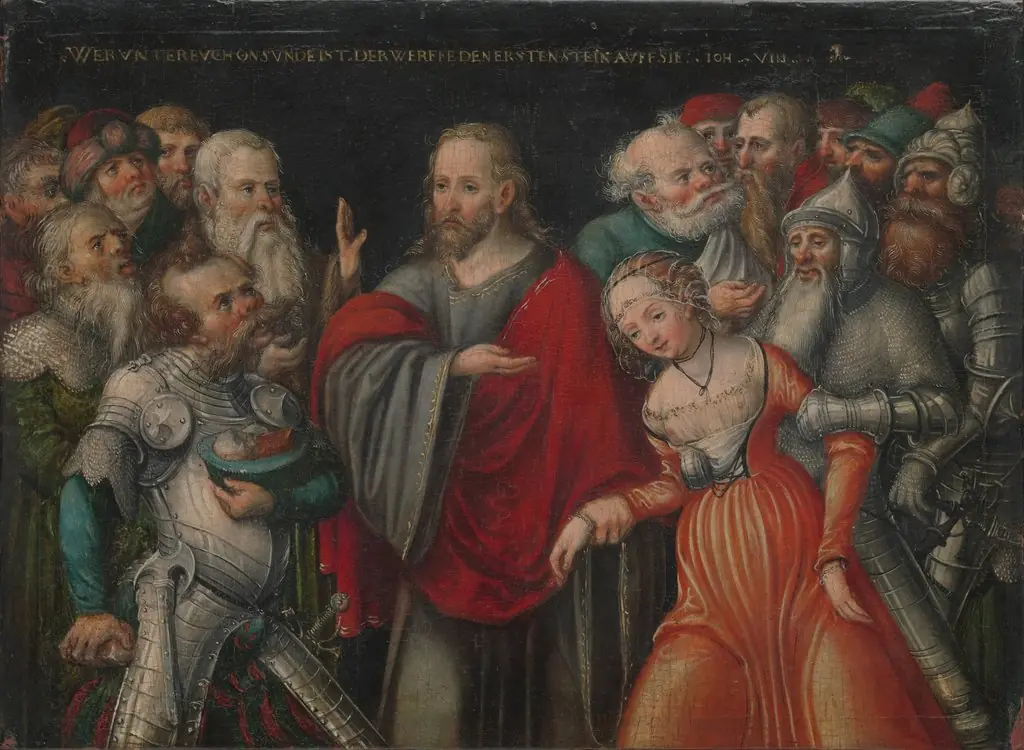
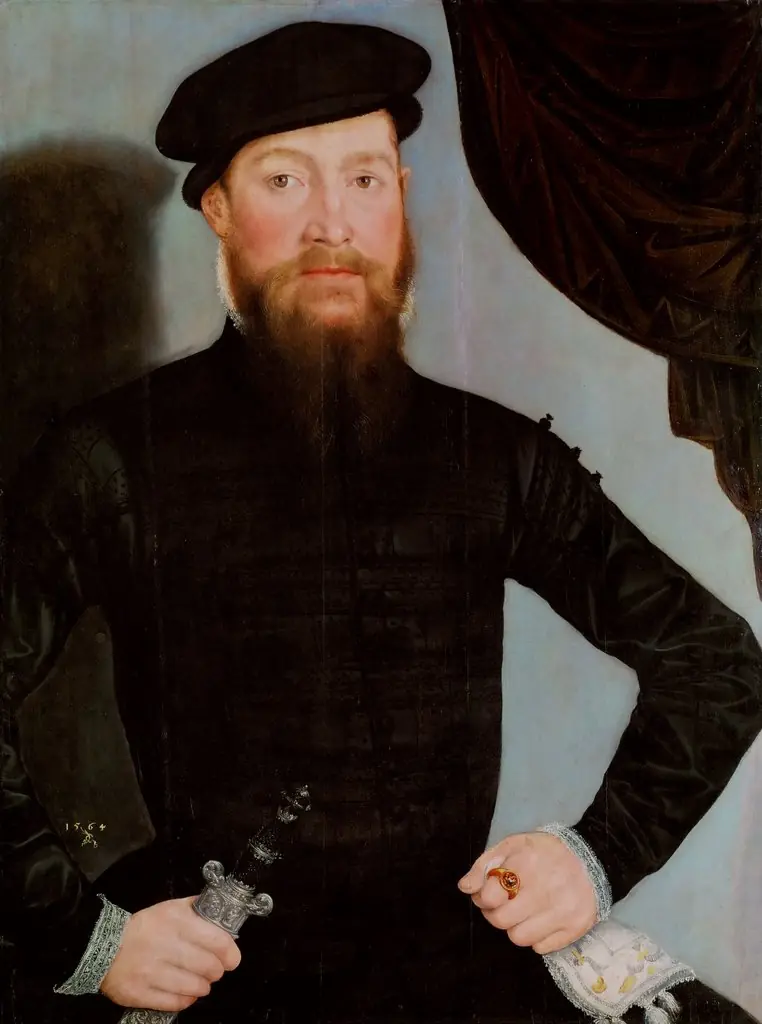
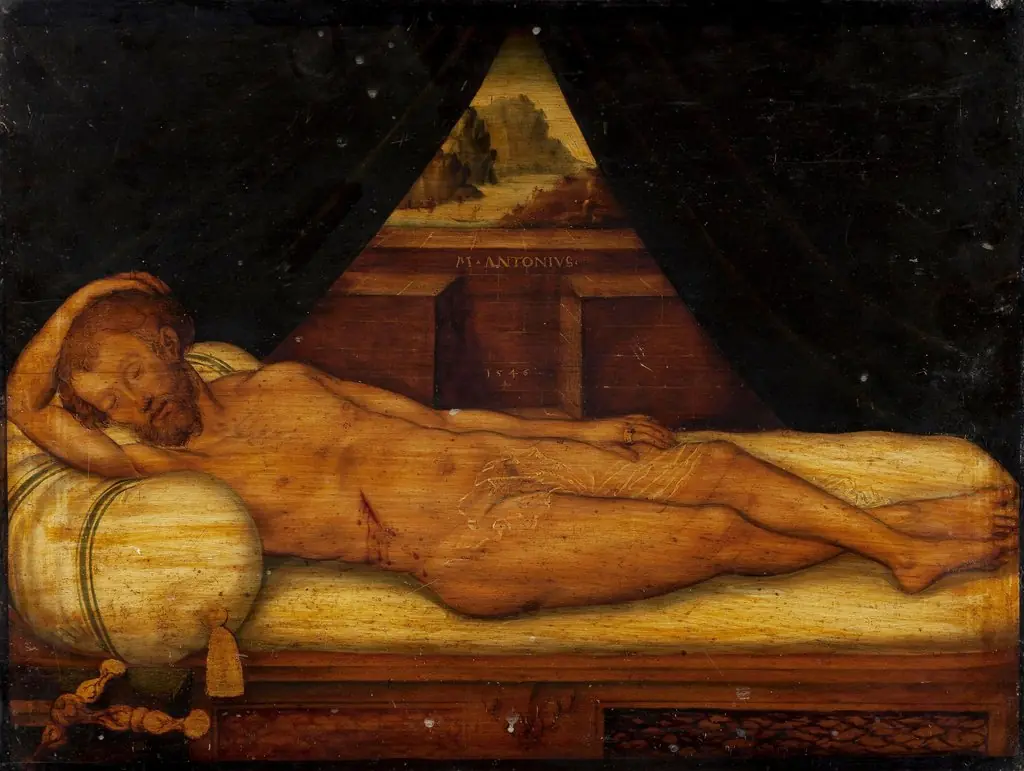
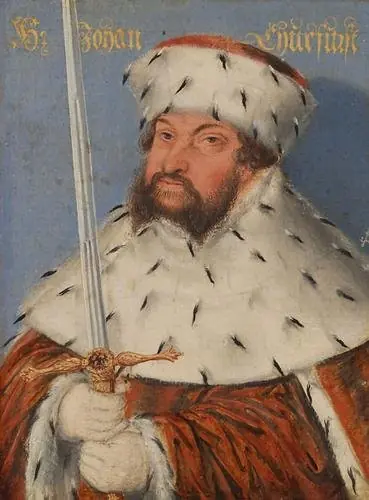
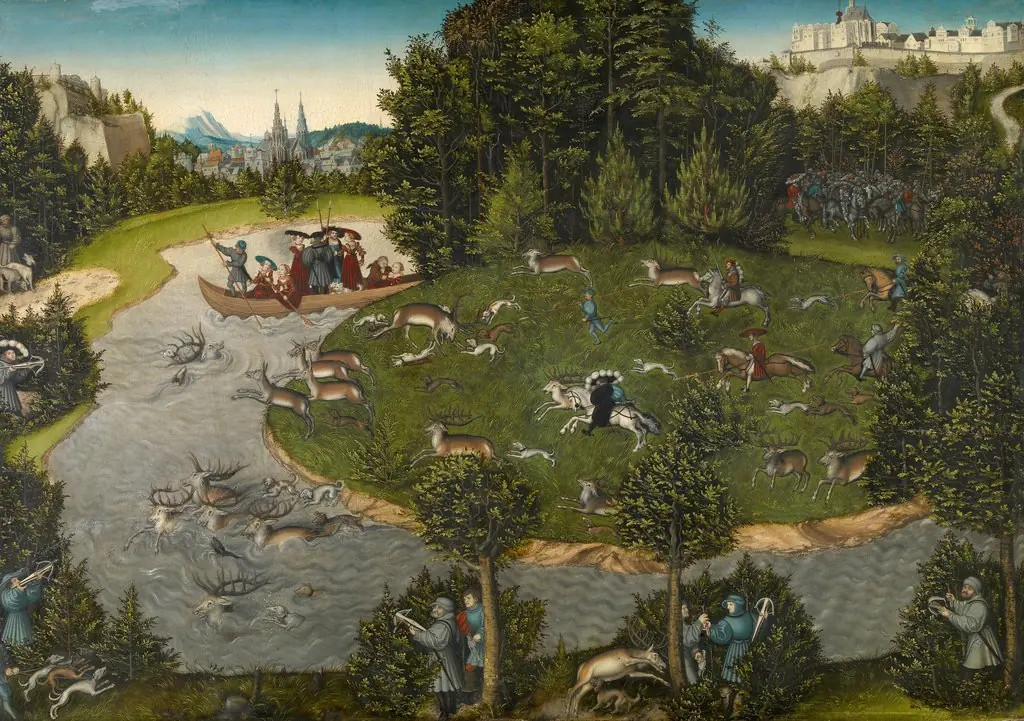
- A Stag Hunt with the Elector Friedrich the Wise of Saxony
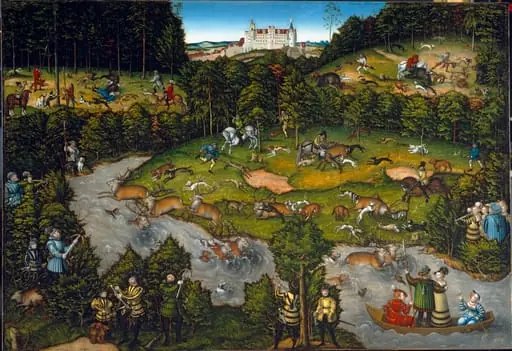 Hunting near Hartenfels Castle
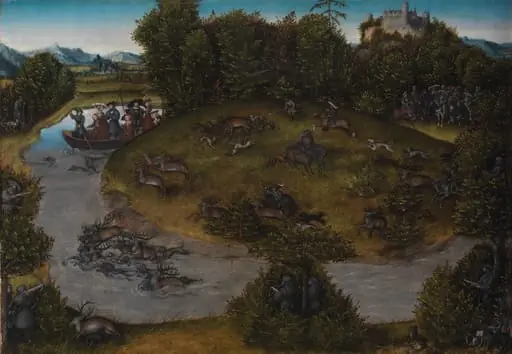 The Stag Hunt of the Elector Frederic the Wise (1463-1525) of Saxony
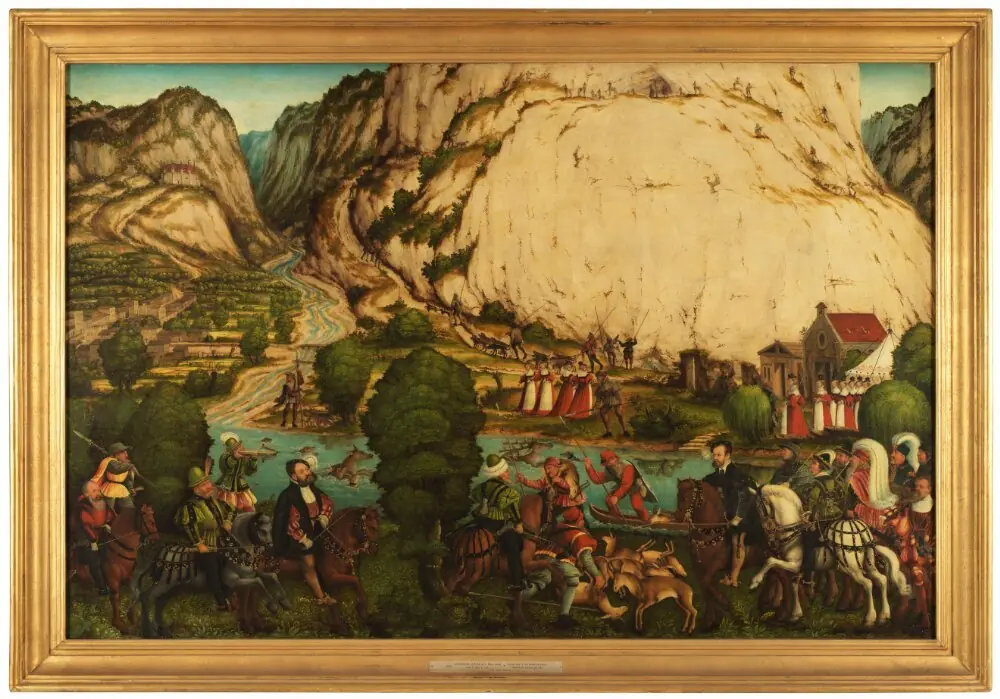 Emperor Charles V and the Elector John-Frederick of Saxony hunting
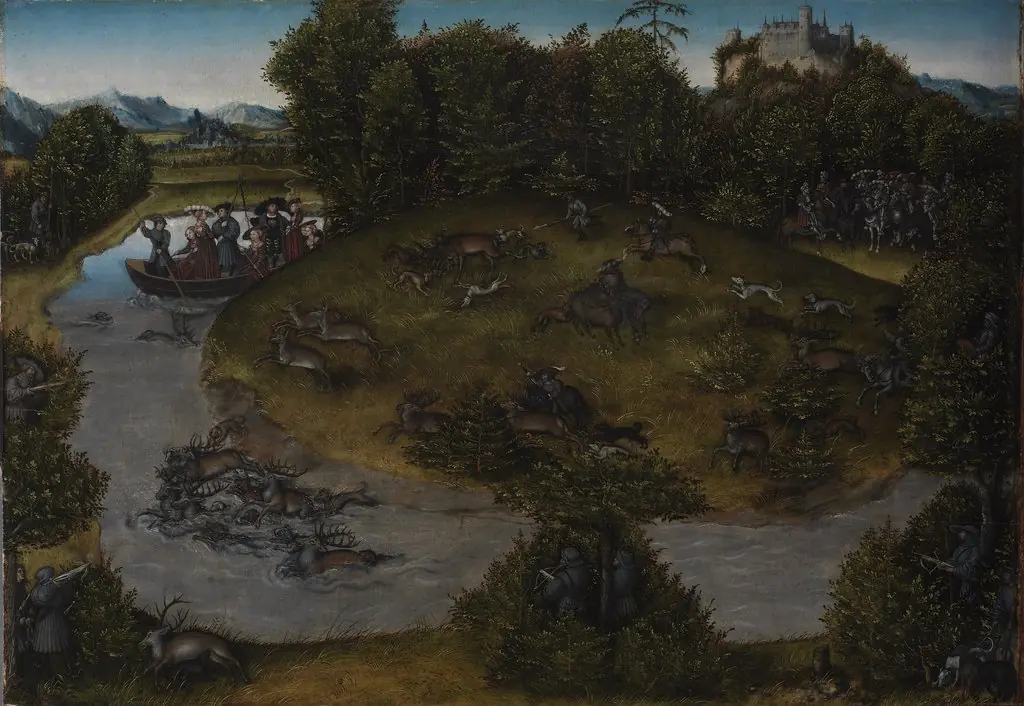 The Stag Hunt of the Elector Frederic the Wise (1463-1525) of Saxony
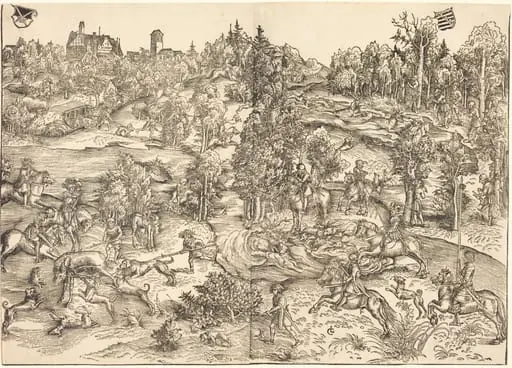 The Stag Hunt