Artwork
Male Portrait
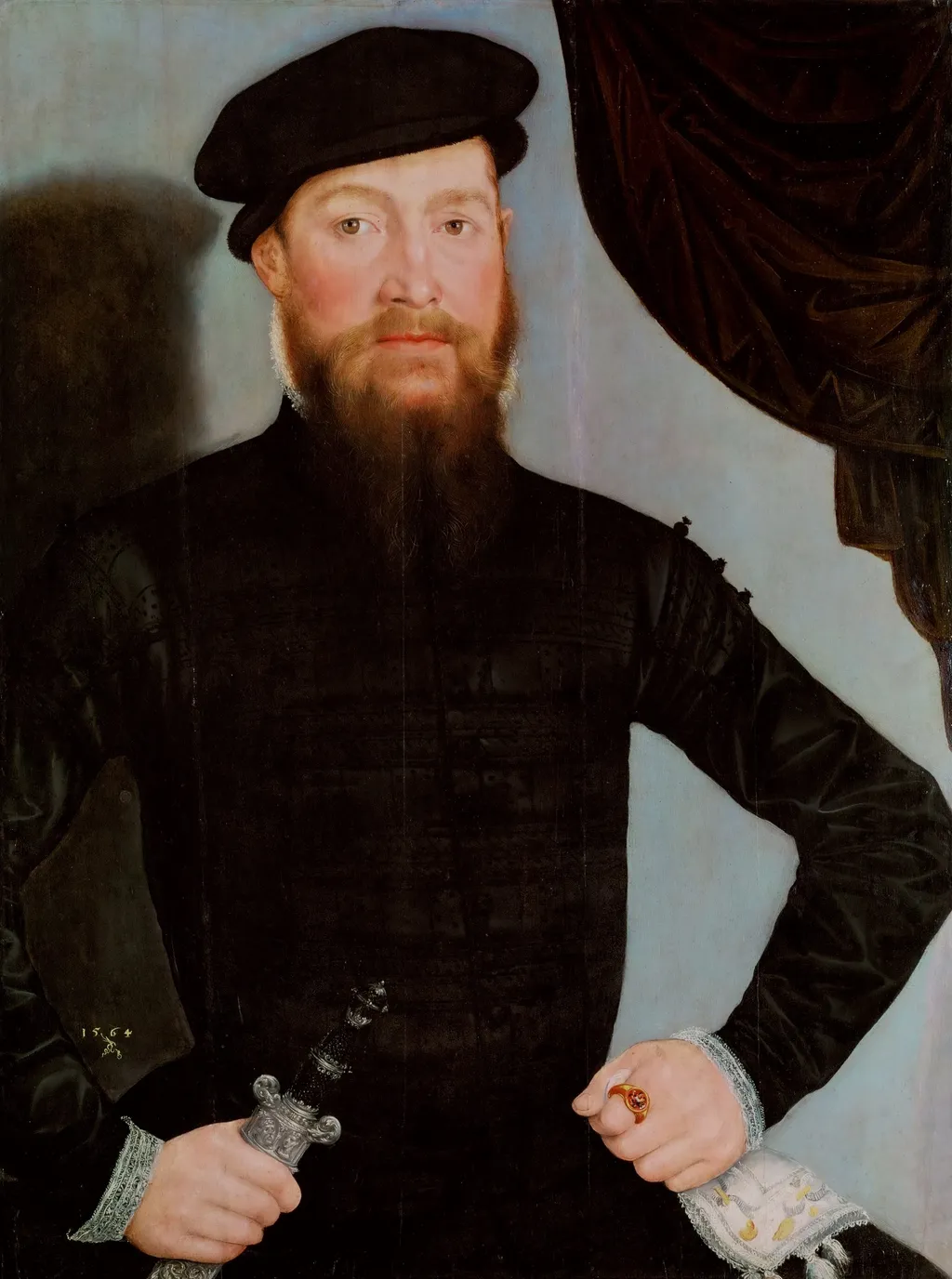
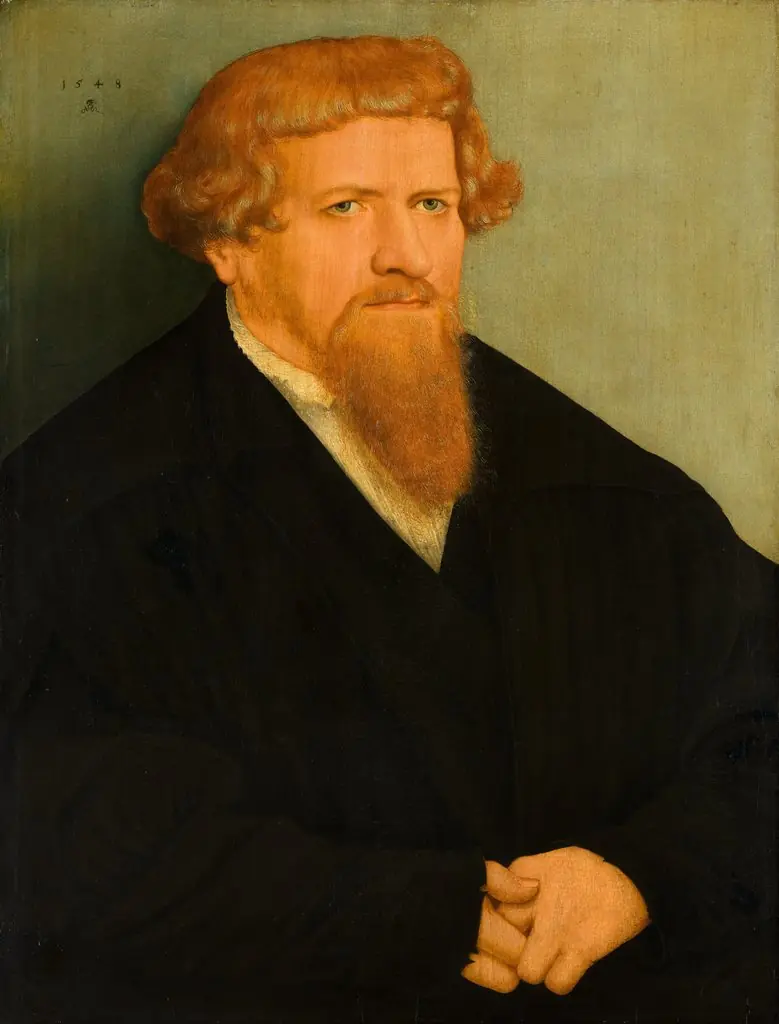
Male Portrait is a paint painting by the Northern Renaissance artist Lucas Cranach the Younger. It dates from 1564 and is held in the collection of the Kunsthistorisches Museum.
About this work
Subject & Meaning
The painting depicts a man, though the specific identity of the sitter remains unstated in the available sources.
The painting depicts a man, though the specific identity of the sitter remains unstated in the available sources. As a portrait executed by Lucas Cranach the Younger in 1564, it belongs to the Northern Renaissance tradition of individual likeness, a genre that emphasized the status and character of the subject. The work's meaning rests in its function as a representation of masculine identity during the mid-sixteenth century, a period when portraiture served both personal commemoration and social assertion. No further symbolic or iconographic details are recorded in the sources.
Technique & Style
Executed in 1564, this portrait by Lucas Cranach the Younger is a painted work on a lime panel support. The composition measures 84.4 cm in height and 63.5 cm in width. As a formal portrait, the piece depicts a male subject, adhering to the genre conventions of the period. The application of paint on the wooden panel constitutes the primary material construction of the artwork.
History & Provenance
The painting titled Male Portrait was created by Lucas Cranach the Younger in 1564 as a portrait of a man. It was painted on a lime panel using oil medium and measures 84.4 cm in height by 63.5 cm in width. Following its creation, the work entered the collection of Archduke Leopold Wilhelm of Austria, who later placed it within the holdings of the Kunsthistorisches Museum, where it remains today.
The provenance traces a direct chain of ownership from the artist to the Archduke, and subsequently to the museum, ensuring documented stewardship through successive custodians.
Male Portrait by Lucas Cranach the Younger, dated 1564, is held in the collection of the Kunsthistorisches Museum. According to the work's provenance, it was formerly owned by Archduke Leopold Wilhelm of Austria before entering the museum's holdings. The painting is catalogued within the Kunsthistorisches Museum's collection of works by Lucas Cranach the Younger.
No specific exhibition history is documented in the available sources.
Context
The 1564 portrait by Lucas Cranach the Younger was owned by Archduke Leopold Wilhelm of Austria and remains in the Kunsthistorisches Museum collection. As a work by a member of the Cranach family active during the later phase of German Renaissance painting, it reflects the enduring influence of their workshop traditions within the broader context of Northern European portraiture. The painting's depiction of a man aligns with contemporary portrait conventions of the period, emphasizing status and individuality through precise rendering and symbolic detail.
Overview
Created in 1564, this oil painting by Lucas Cranach the Younger depicts a solitary male sitter against a plain, light‑colored wall. The composition is straightforward, focusing on the figure’s attire and demeanor, and it now belongs to the Kunsthistorisches Museum’s collection.
Own this work as a print
Artist & collection
Artist
Lucas Cranach the Younger (German: Lucas Cranach der Jüngere, IPA:; 4 October 1515 – 25 January 1586) was a German Renaissance painter and portraitist, the son of Lucas Cranach the Elder and brother of Hans Cranach.

- Sir William Butts
 René de Batarnay, Comte du Bouchage
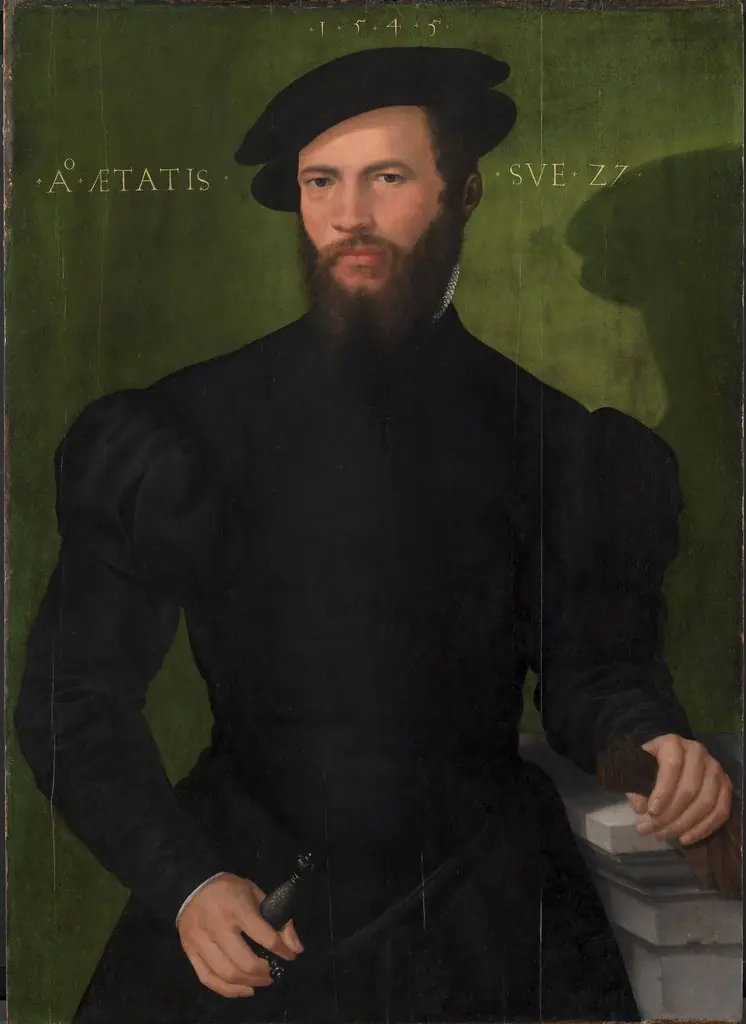 Portrait of a Gentleman aged 27
 Portrait of a Gentleman aged 27
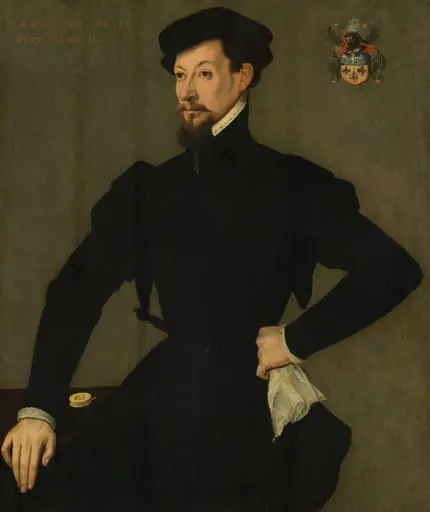 Portrait of a Member of the Quaratesi Family
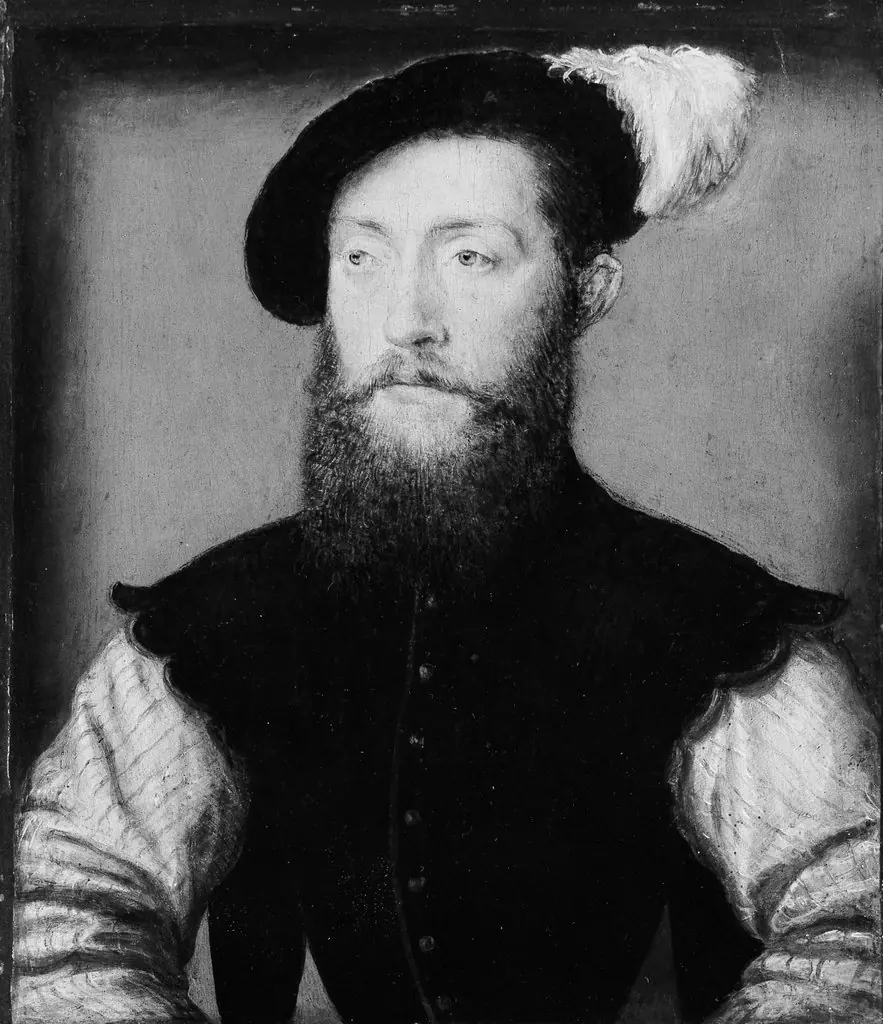 Charles de Cossé (1506–1563), Comte de Brissac
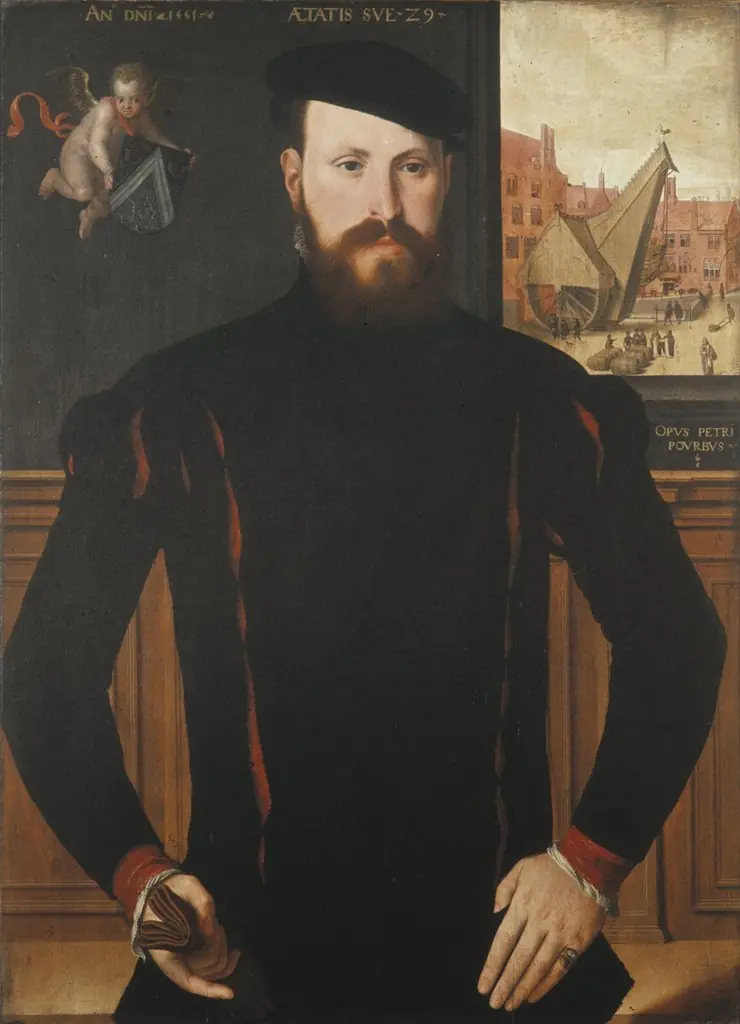 Portrait of Jan van Eyewerve
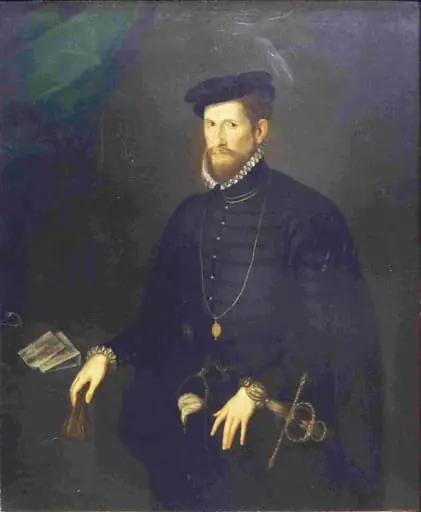 Portretul lui Nicholas Throckmorton
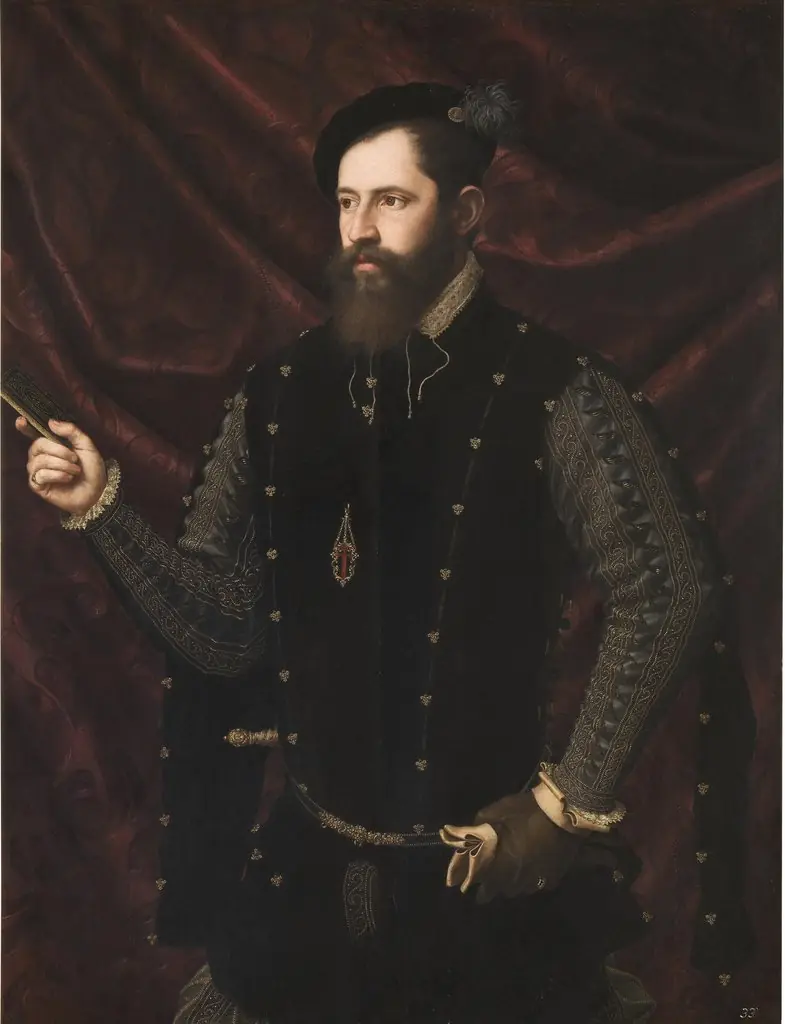 Portrait of a Knight of the Order of Santiago
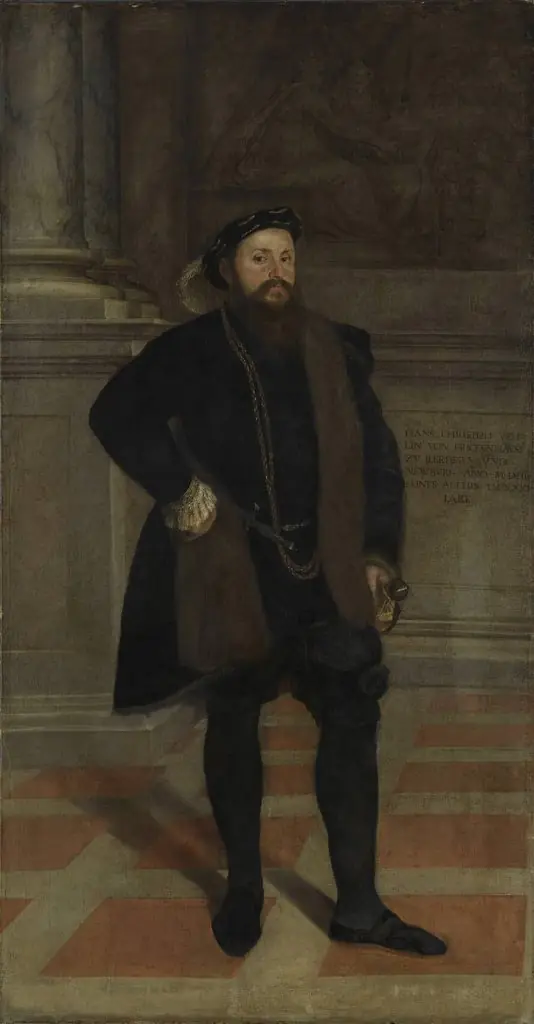 Hans Christoph I. Vöhlin von Frickenhausen (1522-1576)
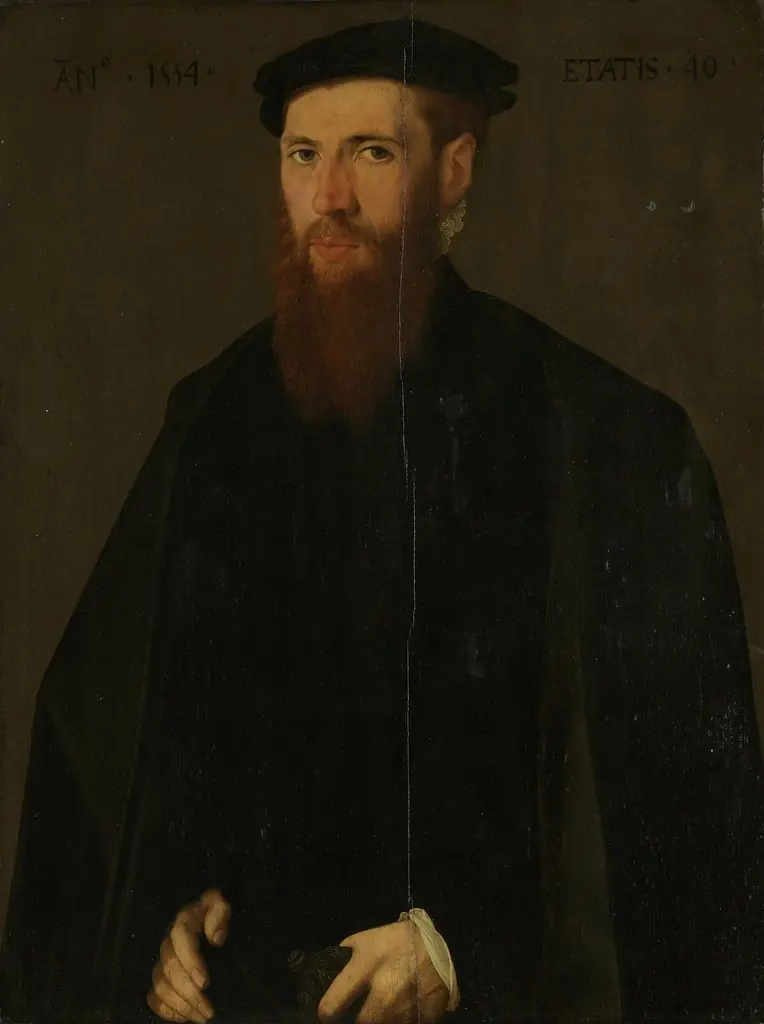 Portrait of Willem van Lokhorst (1514-64)
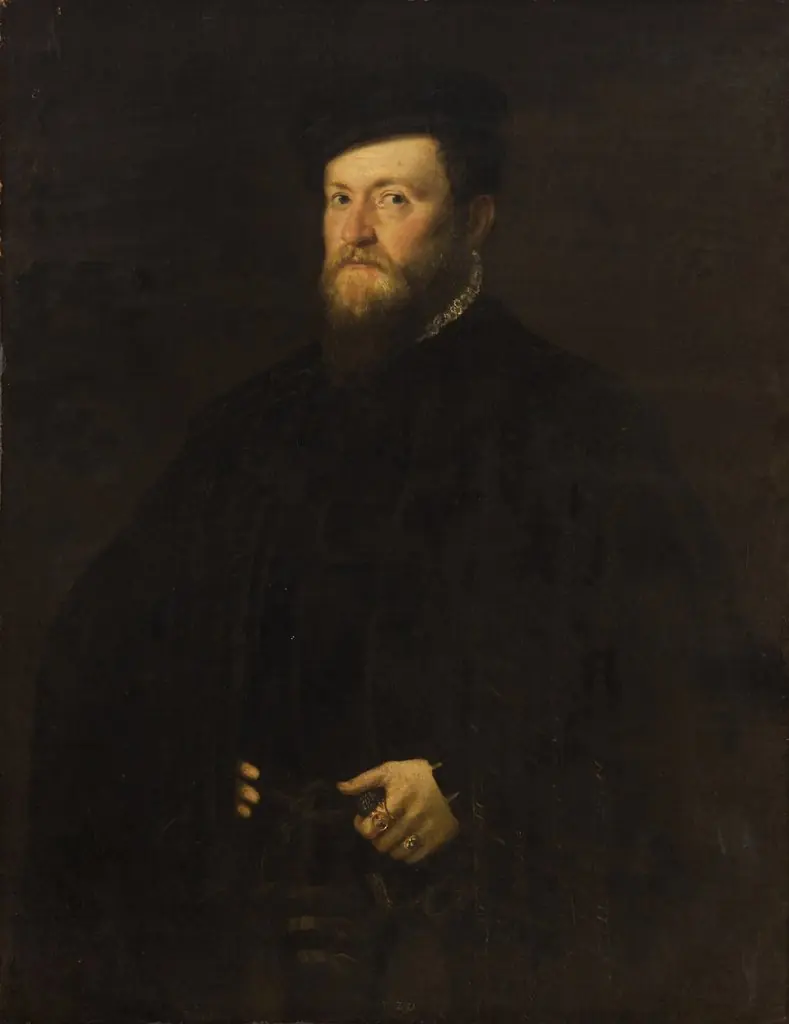 Portrait of a Man in a Cape