Artwork
Paharul cu vin
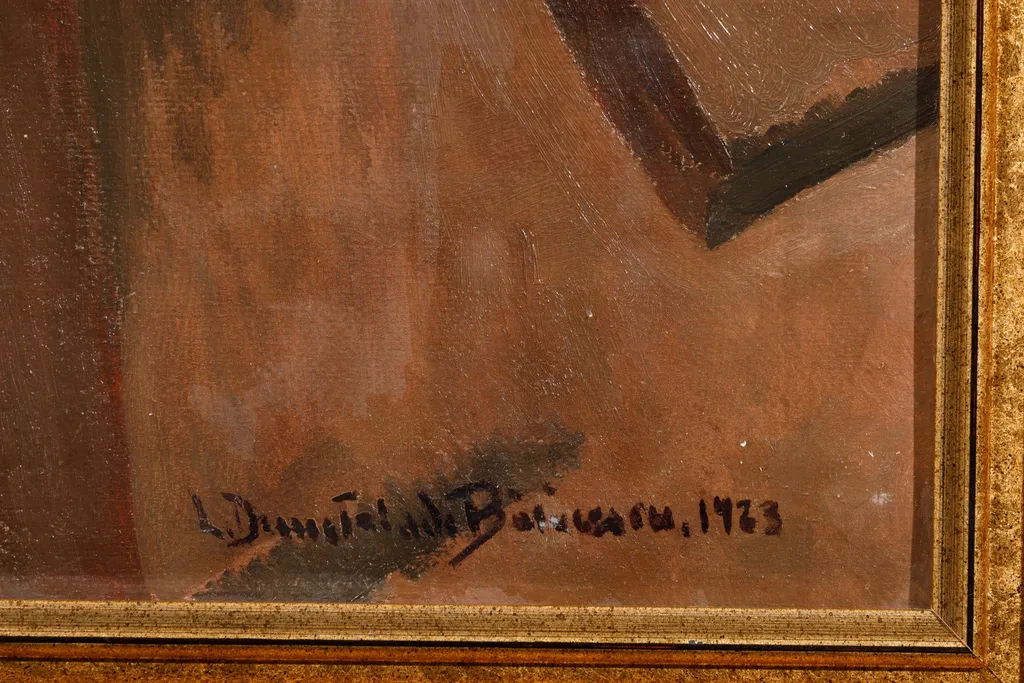
Paharul cu vin is an unspecified painting by the Romanesque artist Lucia Dem-Bălăcescu. It dates from 1923 and is held in the collection of the National Museum of Art of Romania. Created in 1923 by Romanian artist Lucia Dem.
About this work
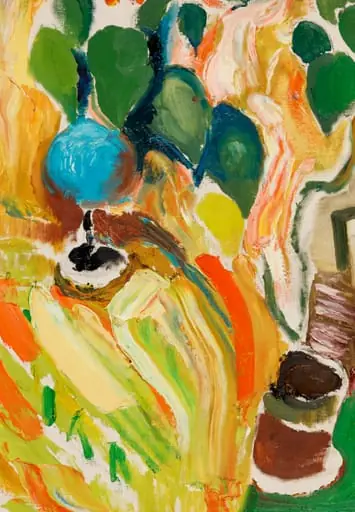
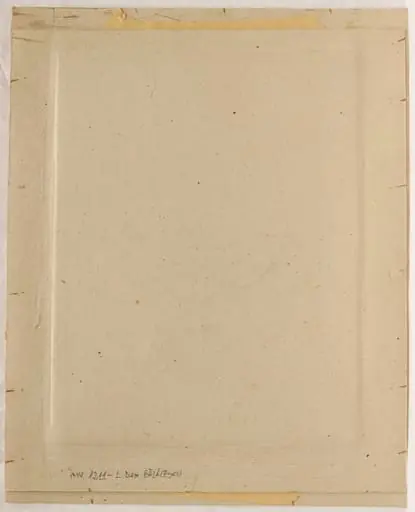
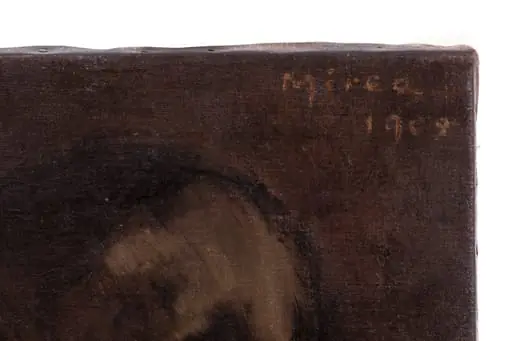
This painting shows a dark, earthy brown background with a faint sketch of something small and blurry near the bottom.
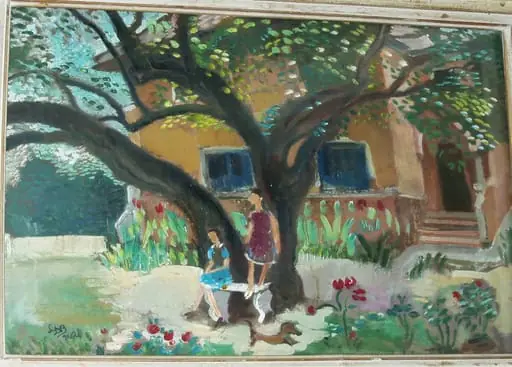
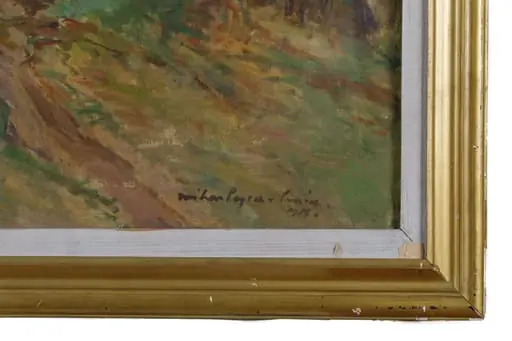
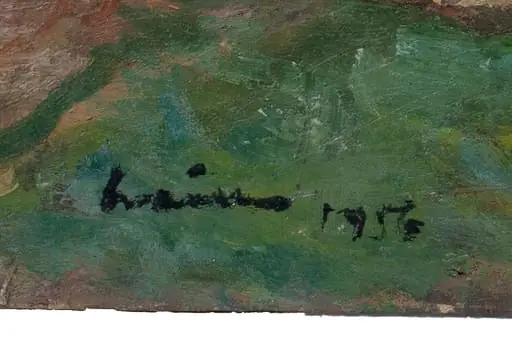
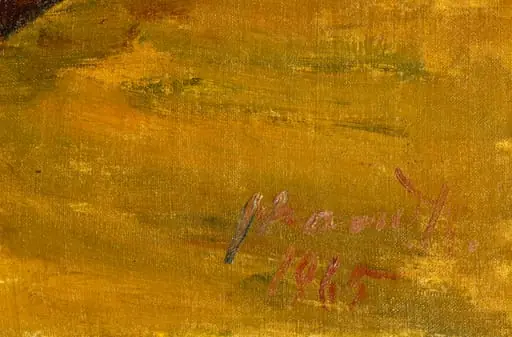
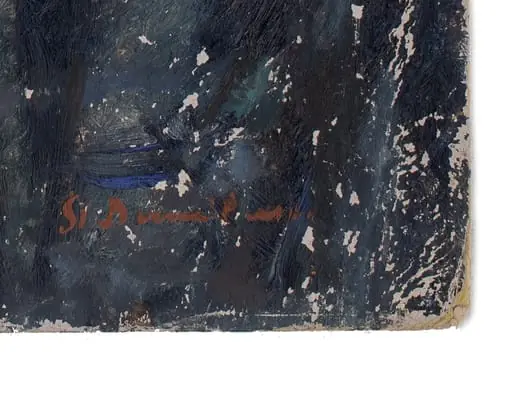
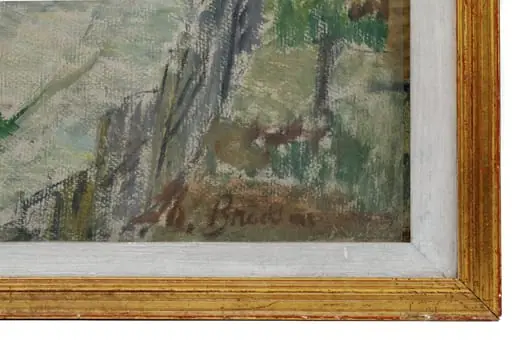
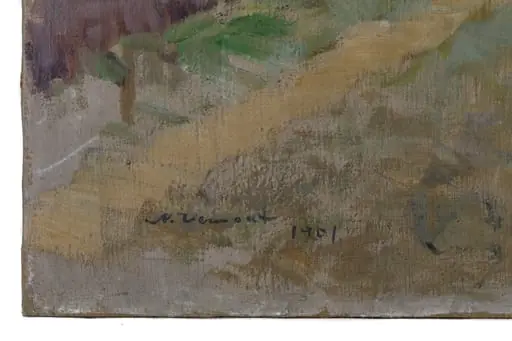
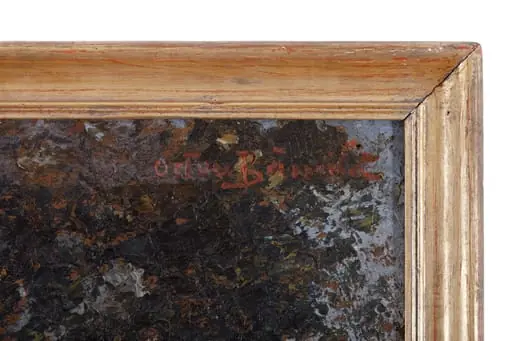
This painting shows a dark, earthy brown background with a faint sketch of something small and blurry near the bottom. The colors are mostly muted, and the edges of the frame are worn, with a mix of gold and wood tones. A signature in messy handwriting reads "Lucia Dem. Bălăcescu, 1923."
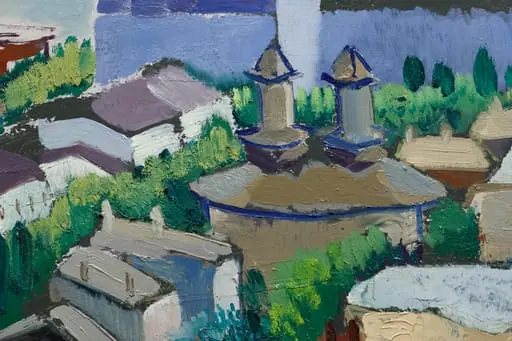
The title, Paharul cu vin, means "The Wine Glass" in Romanian, likely what the blurry shape hints at. The brushwork looks thick in spots, almost like it was applied with a palette knife.
If you like this style, check out impasto for more paintings with bold, textured brushstrokes.
Overview
Created in 1923 by Romanian artist Lucia Dem. Bălăcescu, Paharul cu vin (The Wine Glass) is an image work that presents a muted, earthy composition. The piece is dominated by a dark brown ground, over which a faint, indistinct form appears near the lower edge, suggesting the silhouette of a glass.
Subject & Meaning
The title directly references a wine glass, and the barely rendered shape at the bottom of the canvas is commonly interpreted as an allusive representation of that object. The subtlety of the form invites viewers to contemplate the presence of everyday objects through suggestion rather than explicit detail.
Technique & Style
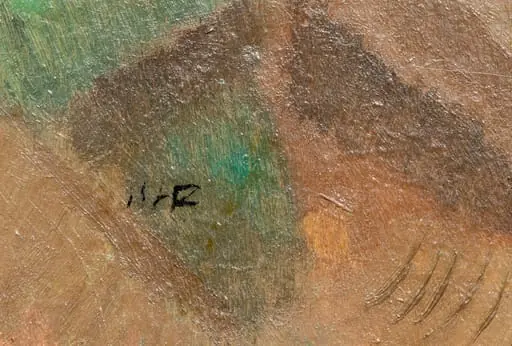
Bălăcescu employs a restrained palette of subdued tones, allowing the dark background to dominate. In certain areas the paint is applied thickly, creating a textured surface that resembles impasto or palette‑knife work, while other sections remain smoother, enhancing the contrast between form and void.
History & Provenance
The work bears the artist’s handwritten signature and date, confirming its creation in 1923. Beyond this internal evidence, no further provenance details are recorded, and the piece remains catalogued primarily as an image by the artist.
Context
Produced in the early 1920s, the painting aligns with a period in Romanian art where modernist tendencies began to intersect with traditional subjects. The focus on a single, everyday object rendered in an abstracted manner reflects broader European explorations of form and perception during the interwar years.
Artist & collection