Artwork
Verheissung der drei Engel an Abraham
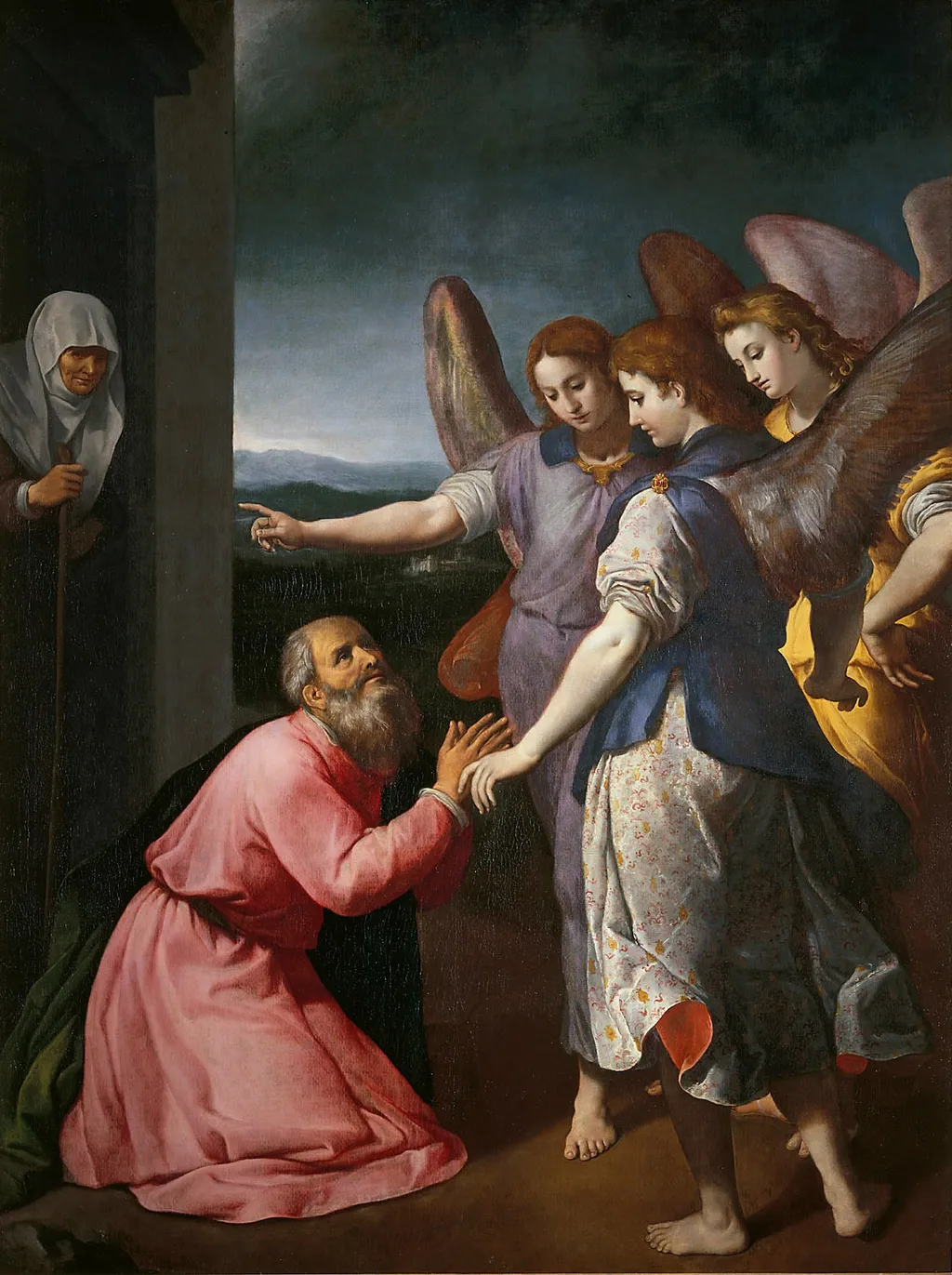
Verheissung der drei Engel an Abraham is an unspecified painting by the Early Baroque Italian artist Ludovico Buti. It dates from 1598 and is held in the collection of the Kunsthistorisches Museum.
About this work
Overview
Verheissung der drei Engel an Abraham is a 1598 painting by Ludovico Buti, an Italian artist associated with the late-Mannerist period in Florence. The work is characteristic of the early Baroque style.
Subject & Meaning
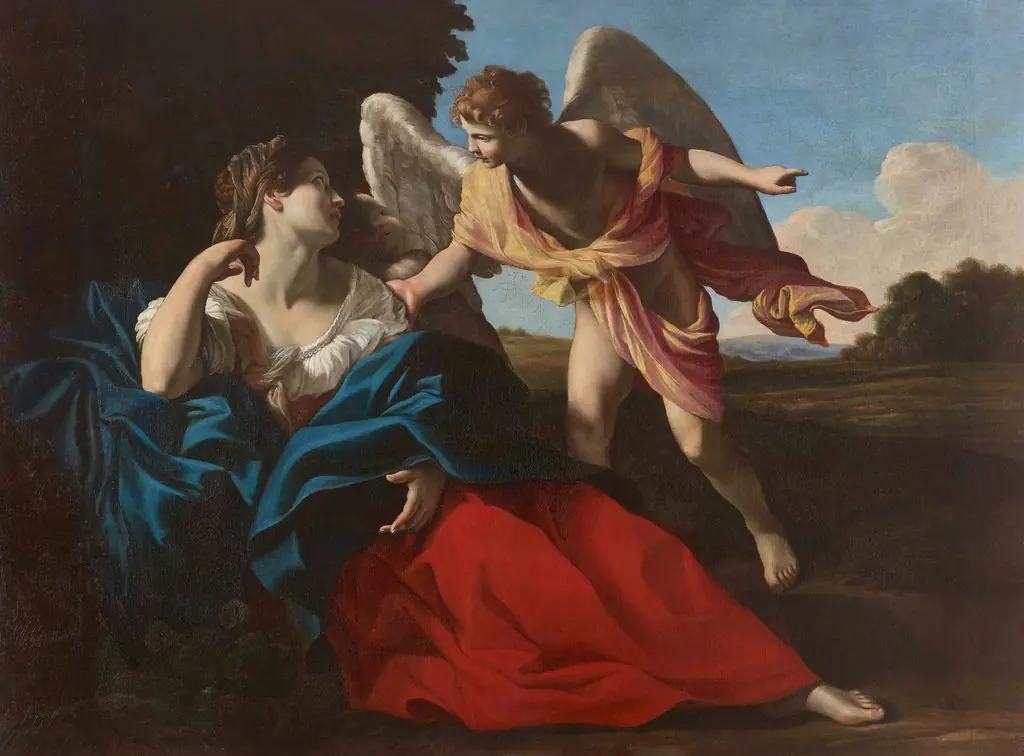
The painting depicts a biblical scene: three angels appearing to Abraham to promise him a son. A bearded Abraham kneels before the angels, while a woman in a hooded cloak observes from the side. The figures are set against a distant landscape.
Technique & Style
The composition features strong contrasts and a vivid color palette, with the angels' soft blues and golds standing out. The use of chiaroscuro creates a dramatic effect, with light and shadow emphasizing the figures' forms and gestures.
History & Provenance
Buti worked on large-scale decorative projects, often in collaboration with other prominent artists, including ceiling decorations in the Uffizi and Santa Maria Novella.
Artist & collection
Artist
Ludovico Buti (c. 1560 - after 1611) was an Italian painter, active mostly in Florence. Belonging to the late-Mannerist period, he worked along with more famous figures as Alessandro Allori, Bernardino Poccetti or Santi…

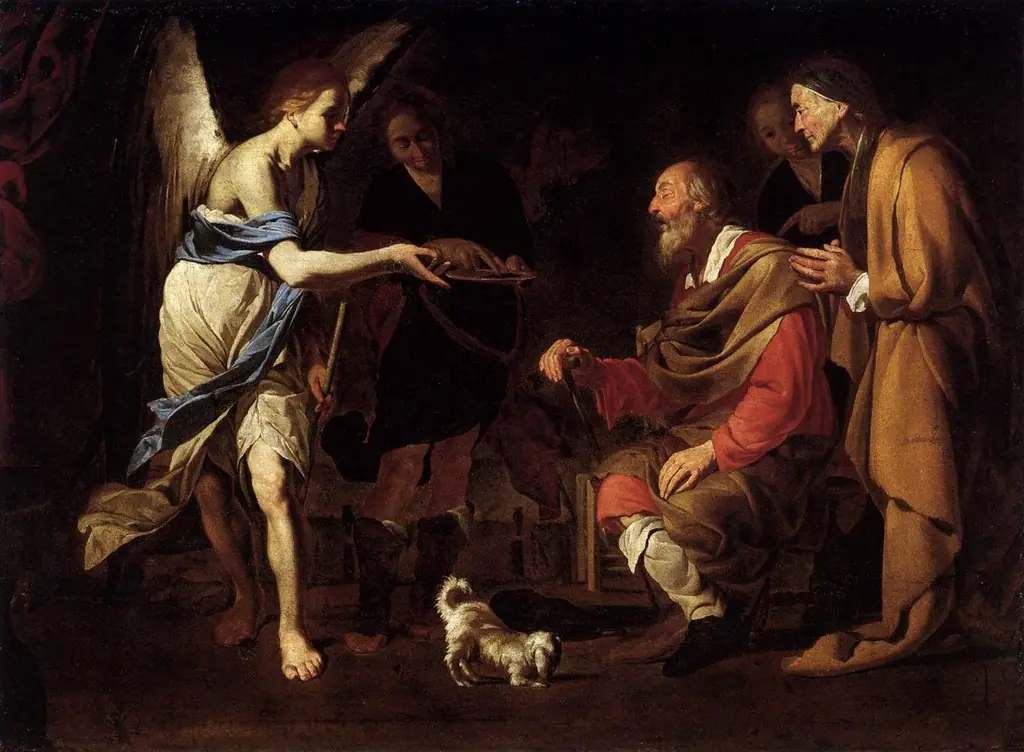
- Curing of Tobias
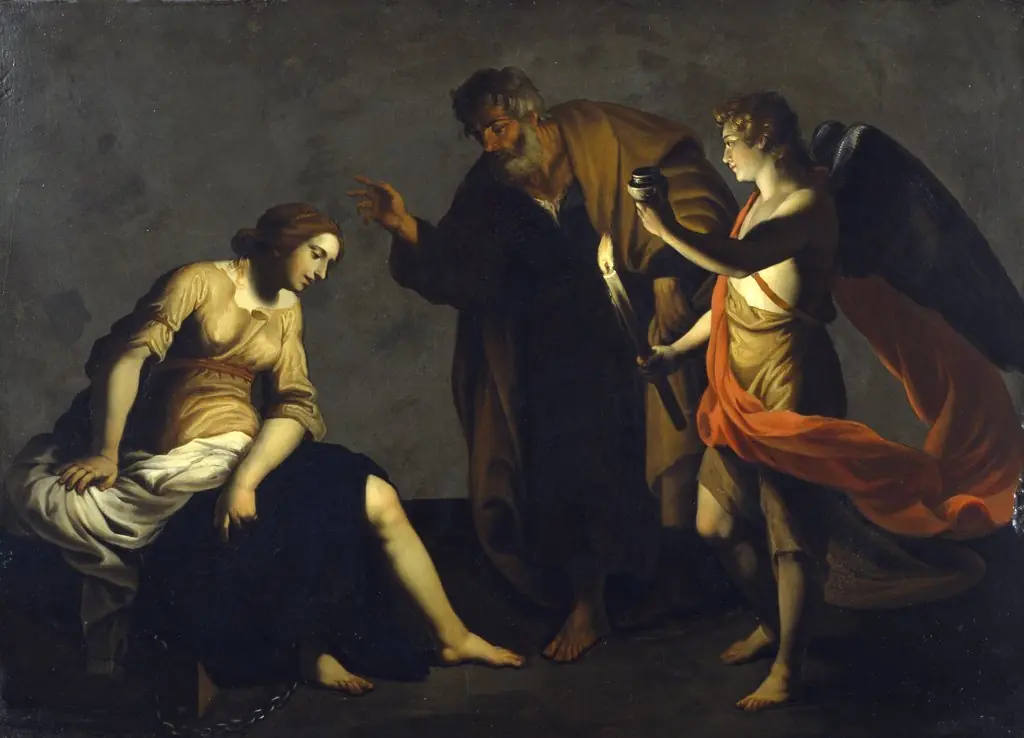 Saint Agatha Attended by Saint Peter and an Angel in Prison
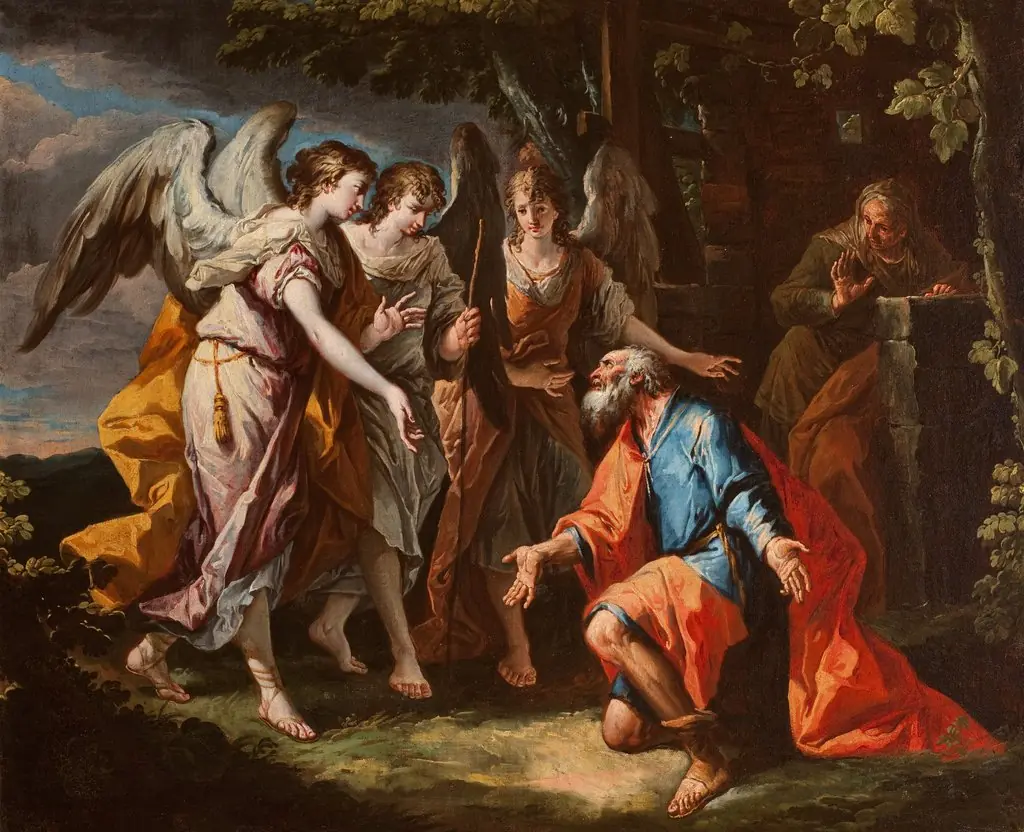 Abraham and the Angels
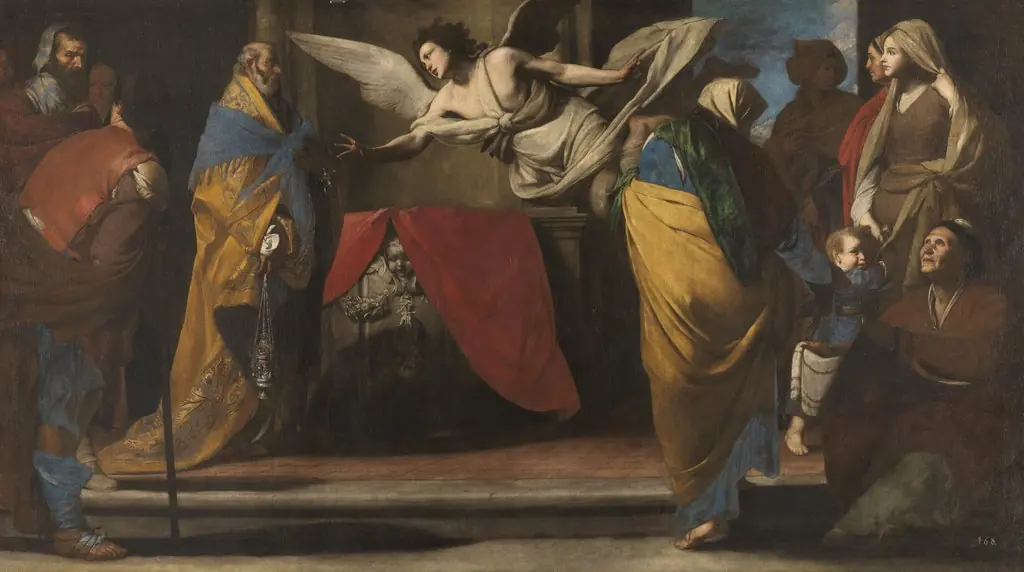 The Birth of John the Baptist announced to Zacharias
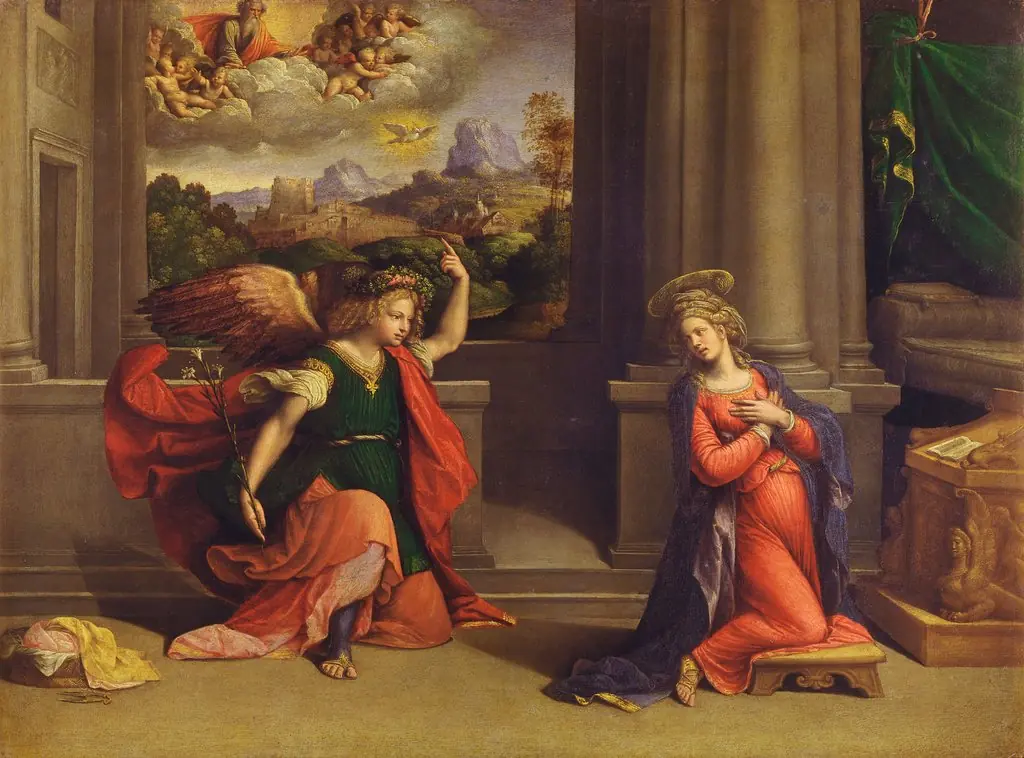 Annunciation
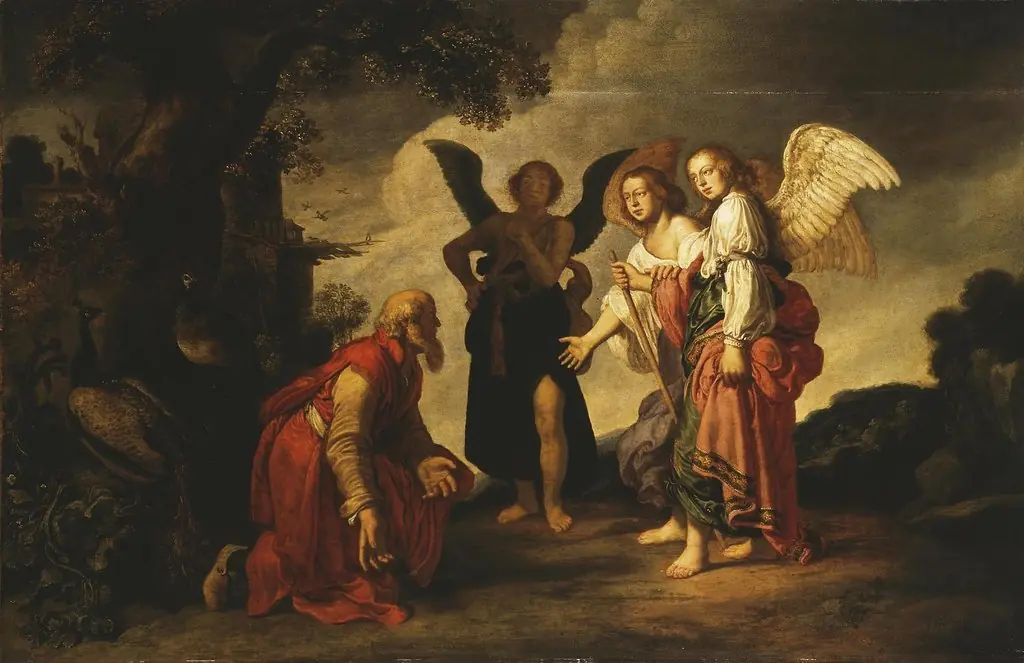 Abraham and the Three Angels
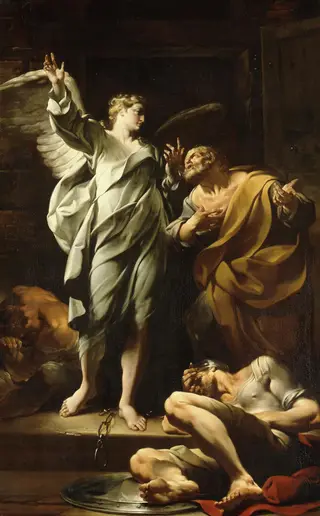 The liberation of saint Peter
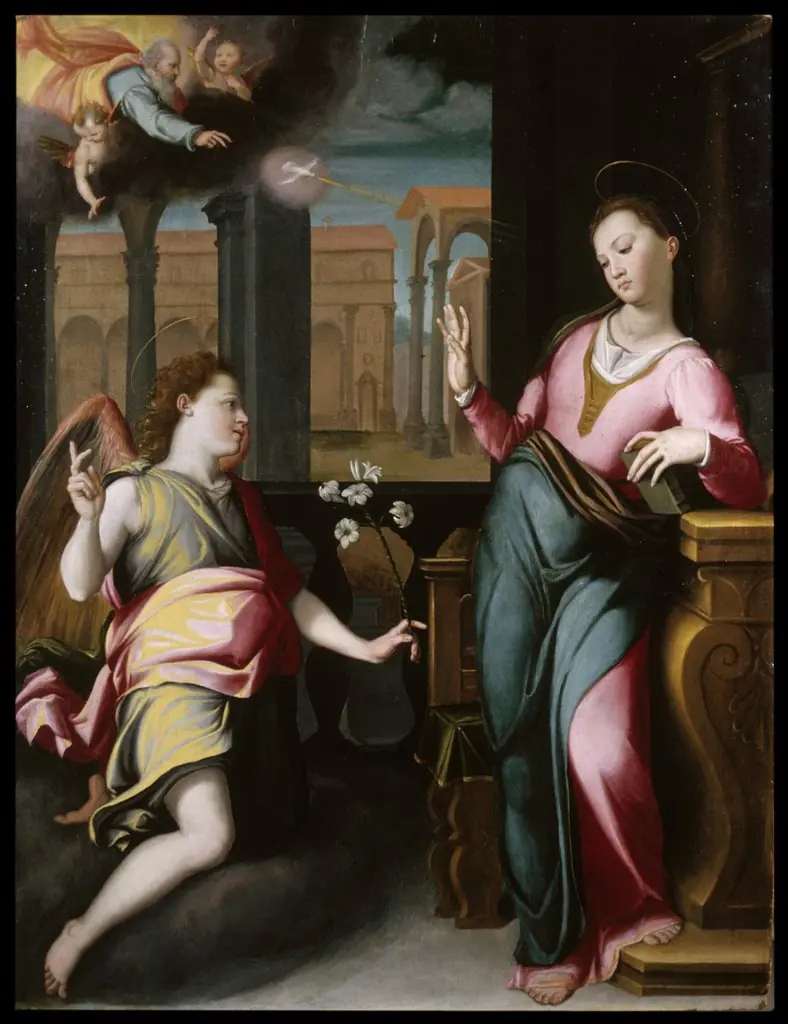 The Annunciation
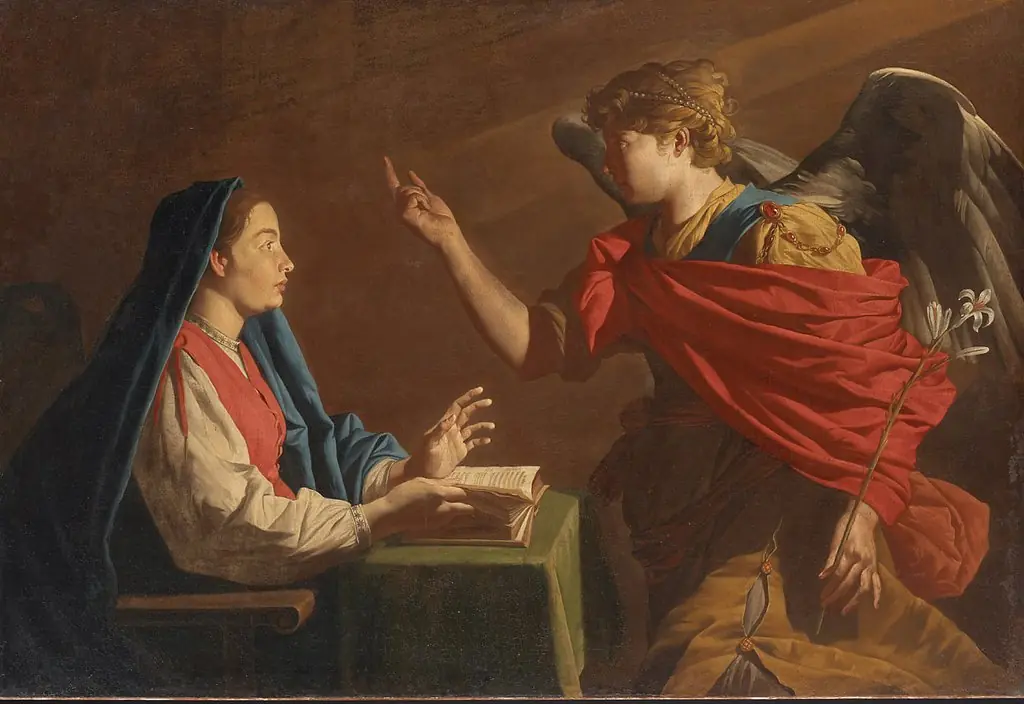 The Annunciation
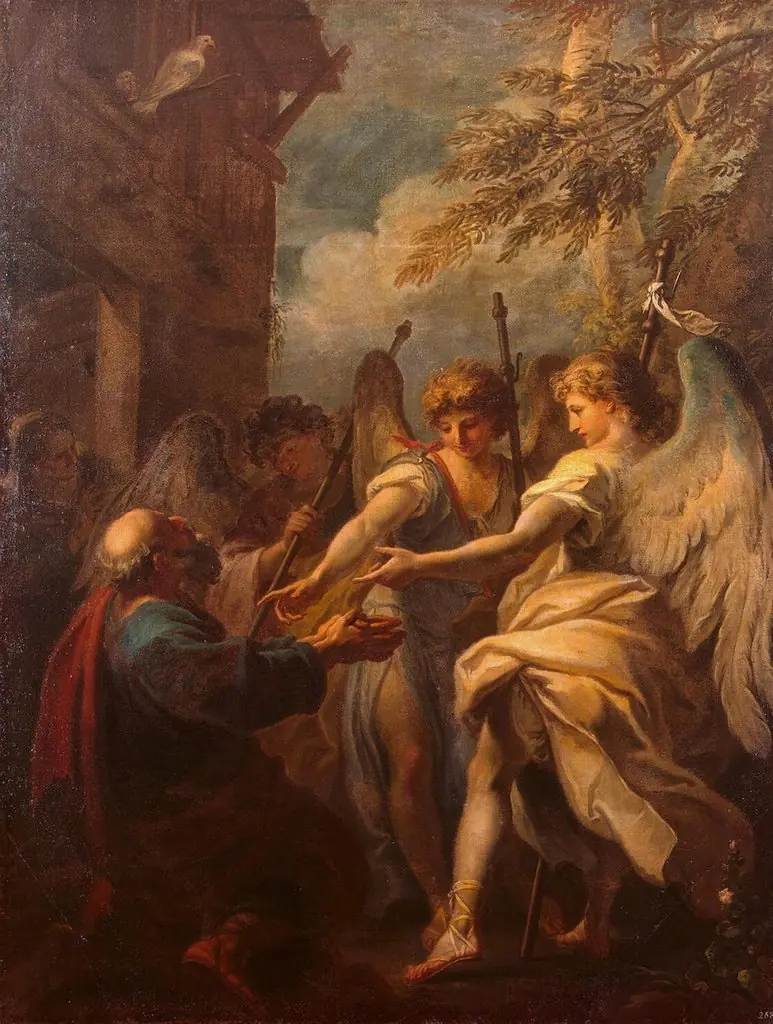 Abraham and the Angels
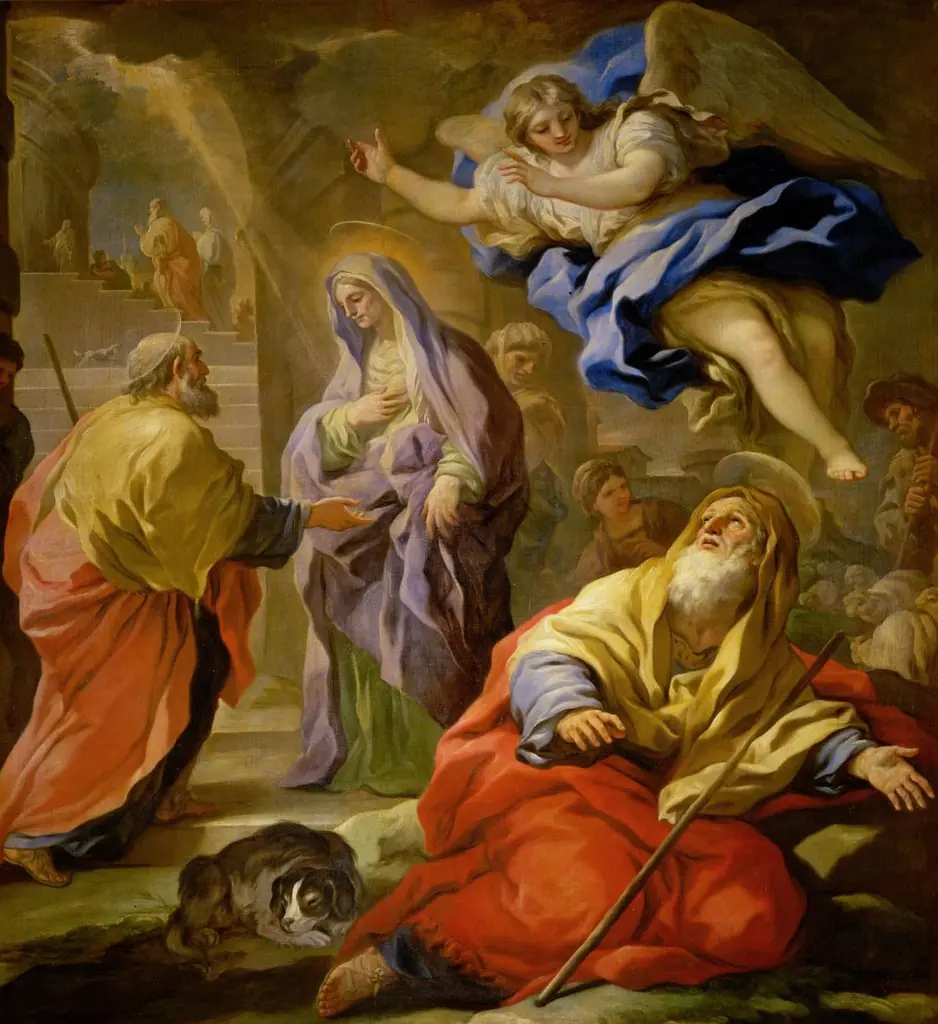 Verheißung an Joachim und Begegnung von Joachim und Anna an der Goldenen Pforte
 Hagar and the angel in the desert