Artwork
The Annunciation
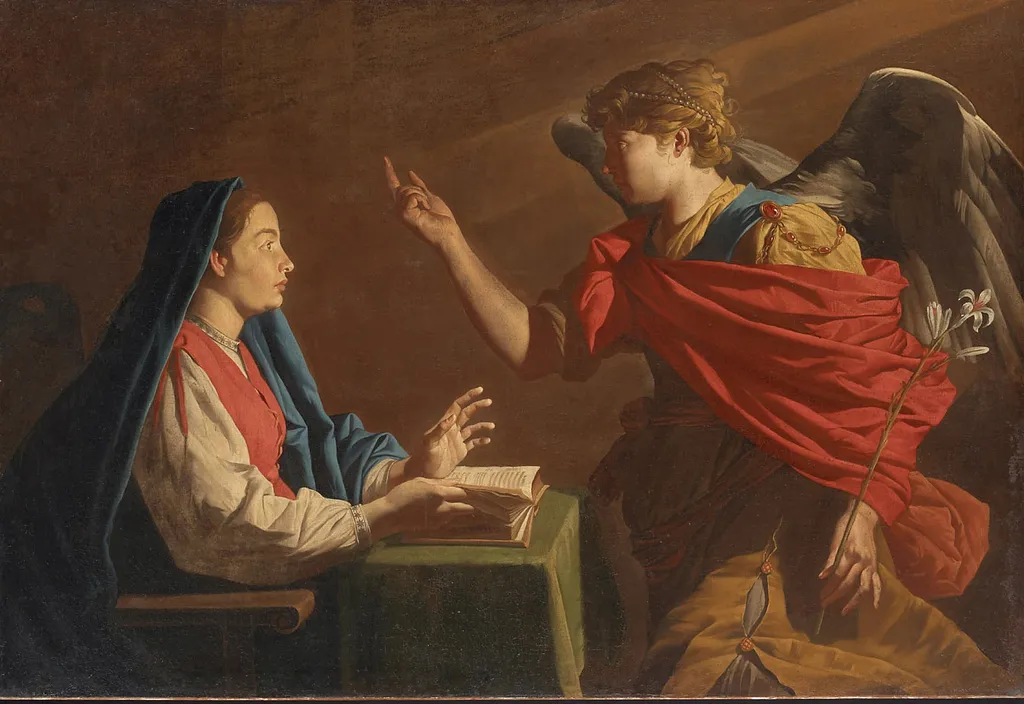
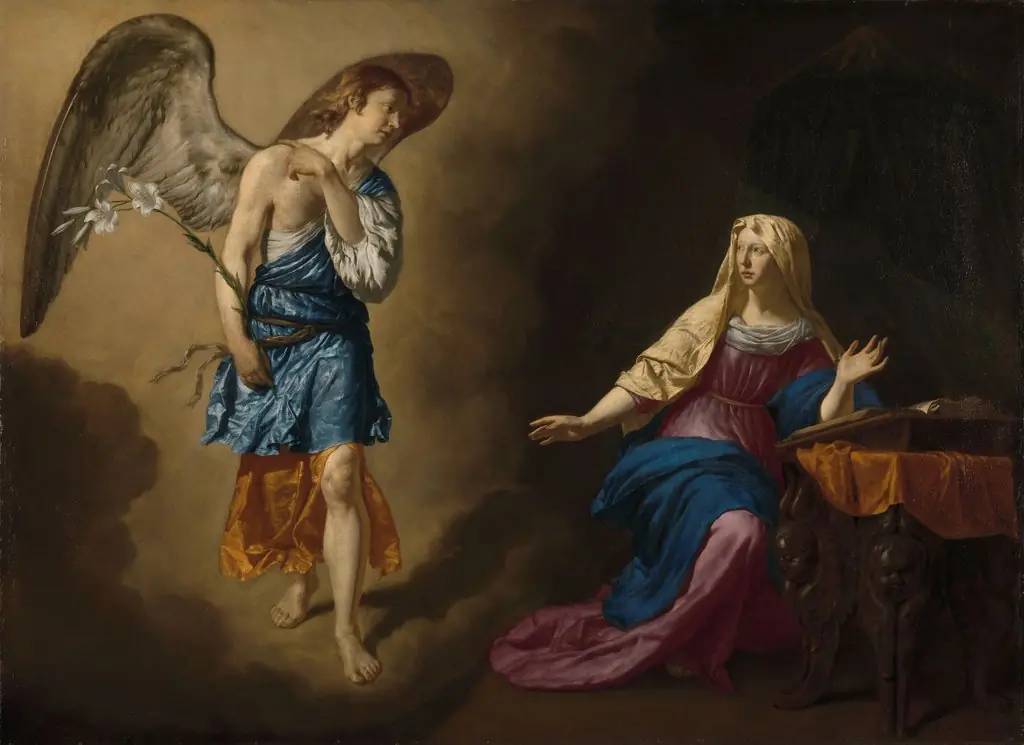
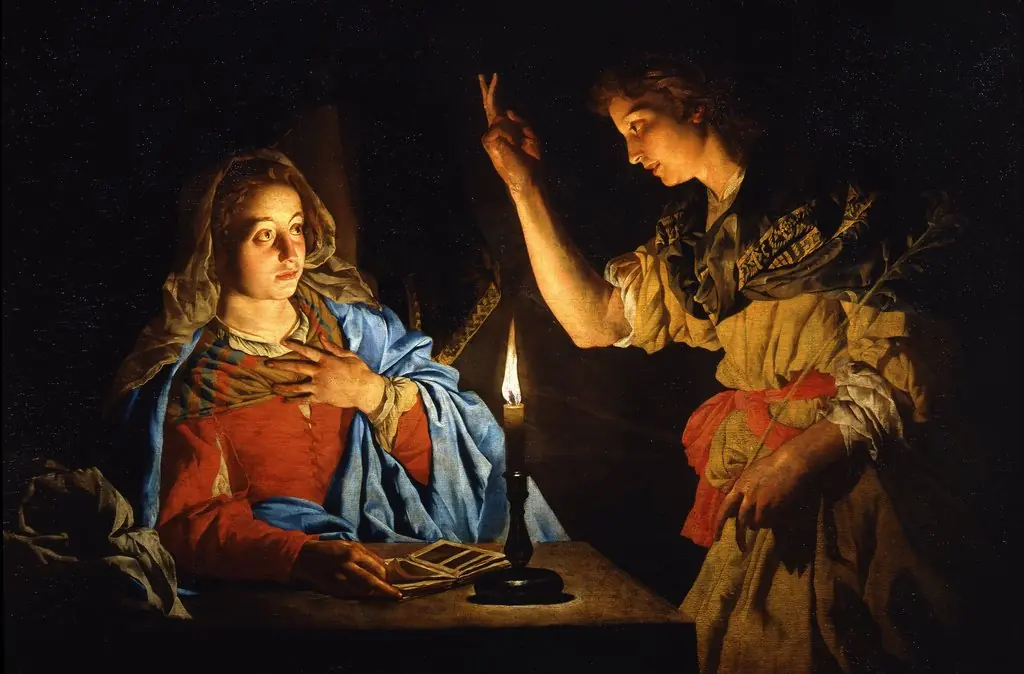
The Annunciation is an oil painting by the Early Baroque Italian artist Matthias Stom. It dates from 1630 and is held in the collection of the Kunsthistorisches Museum.
About this work
Subject & Meaning
The work depicts the Annunciation, the biblical event marking the moment the Archangel Gabriel announces to the Virgin Mary that she will conceive and bear the Son of God. As a piece of religious art, the painting focuses entirely on this pivotal theological subject, illustrating the divine intervention central to Christian doctrine. The composition serves as a visual representation of the Incarnation, capturing the interaction between the celestial messenger and the human recipient of the message.
The subject matter is explicitly identified as the Annunciation, situating the image within the broader tradition of religious iconography that explores themes of humility, obedience, and divine will.
Technique & Style
The painting's surface bears signs of age, including fine craquelure and localized pigment loss along the edges, though the overall condition remains stable.
Matthias Stom's 'The Annunciation' is executed in oil on panel, measuring 171.5 cm in width and 117 cm in height. The work depicts the biblical moment of the Annunciation, rendered with a focus on chiaroscuro and naturalistic detail characteristic of the artist's style. It is housed in the Kunsthistorisches Museum.
The painting's surface bears signs of age, including fine craquelure and localized pigment loss along the edges, though the overall condition remains stable. Stylistically, the composition emphasizes dramatic lighting and richly textured brushwork, with oil paint applied thinly to preserve the luminosity of the forms.
Overview
Matthias Stom, a painter of Dutch or Flemish origin, executed The Annunciation circa 1630 while working in Italy. The panel exemplifies the early Baroque period, characterized by dramatic intensity and religious subject matter. Stom’s focus on biblical narratives distinguishes his work from contemporaries who favored genre or allegory. The painting resides in the Kunsthistorisches Museum.
History & Provenance
Created during Stom’s Italian period, the work reflects his absorption of local artistic developments, particularly the tenebristic style of Caravaggio’s followers. The painting entered the Kunsthistorisches Museum’s collection, though its earlier ownership remains undocumented. Its attribution to Stom aligns with his known output of religious compositions.
Context
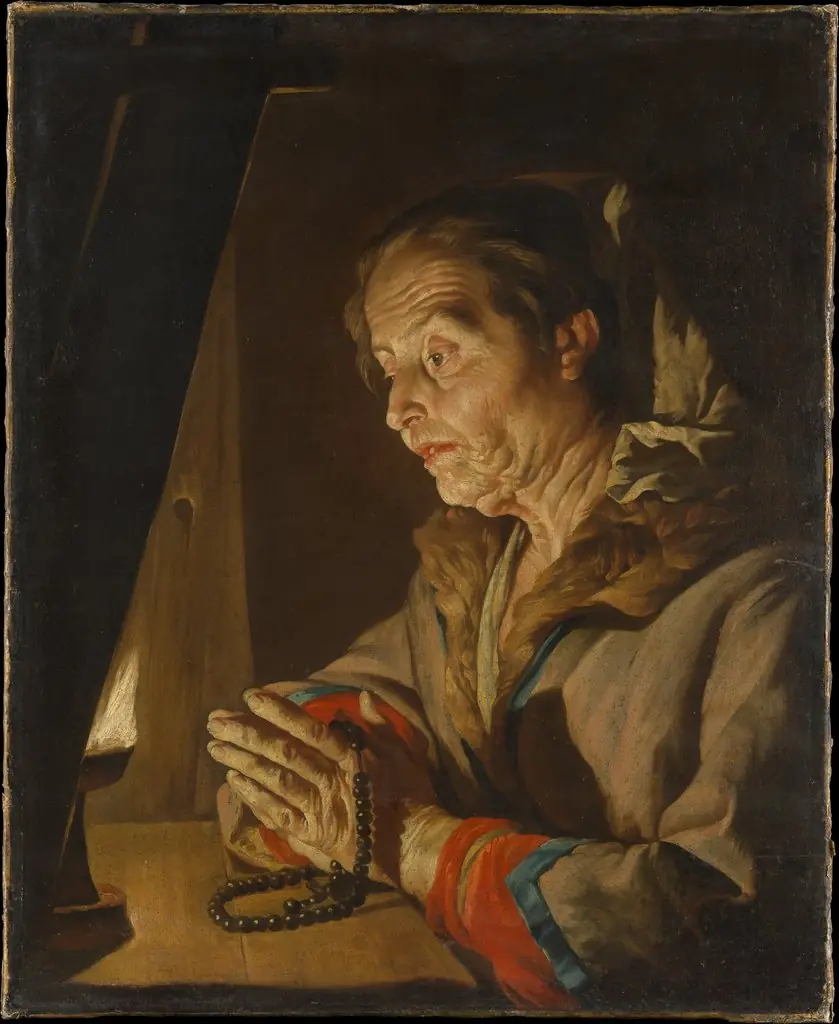
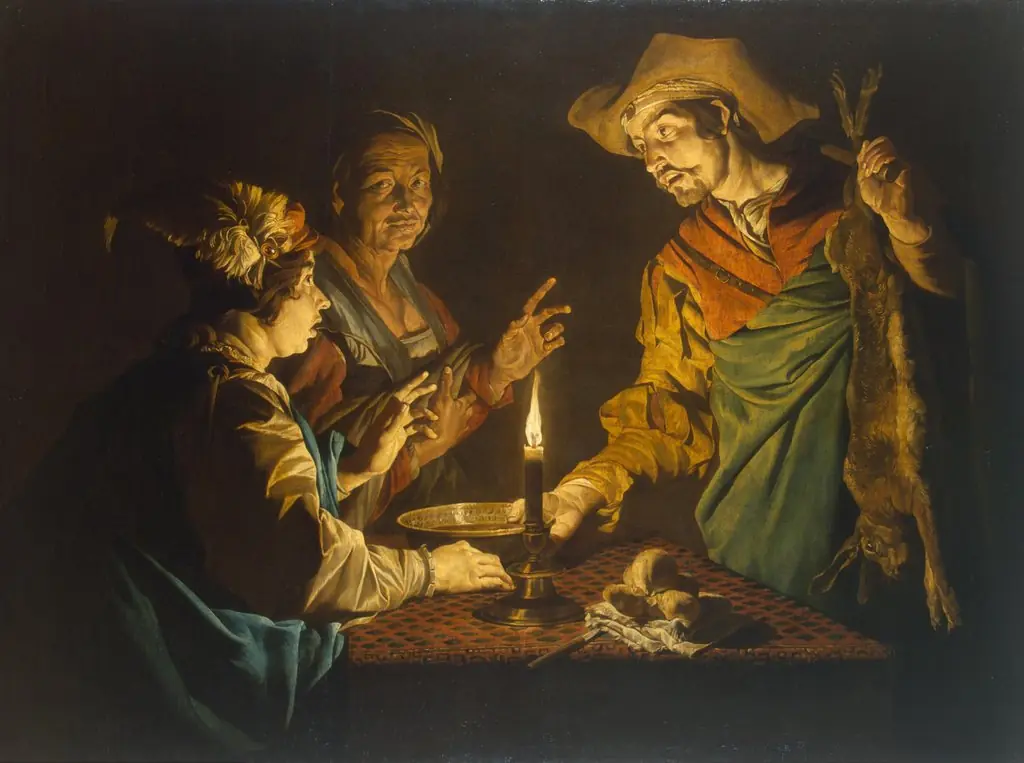
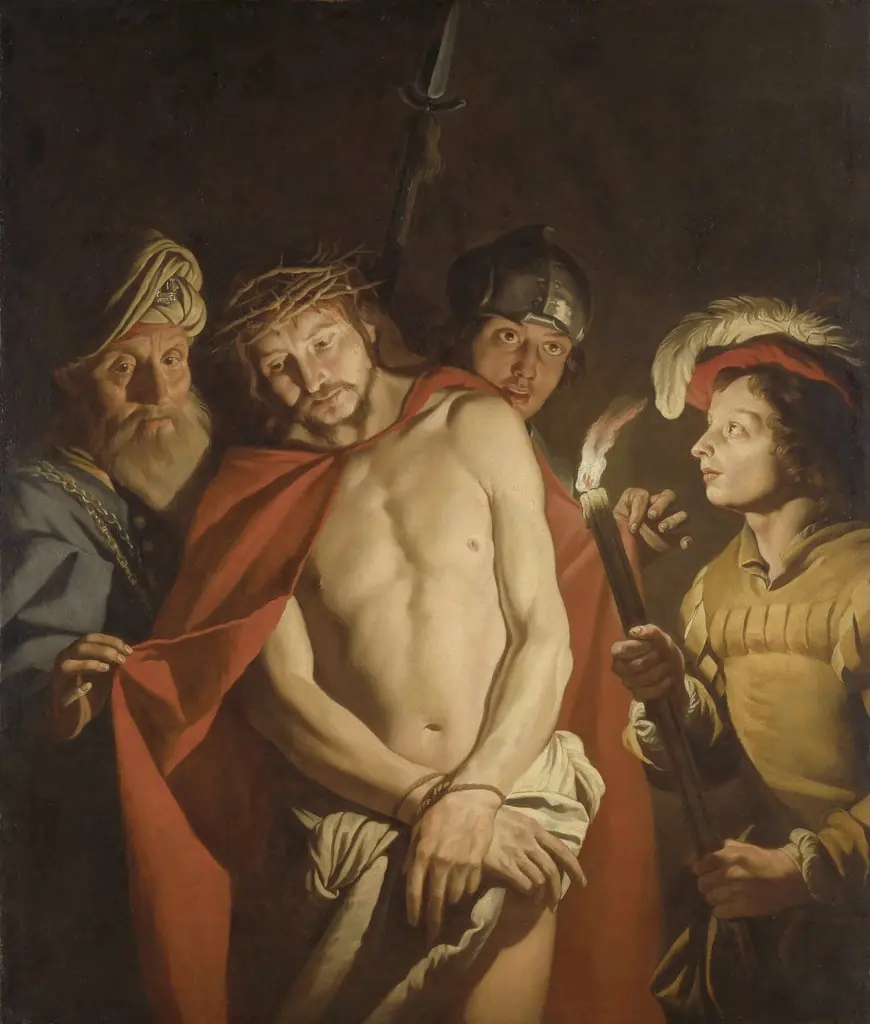
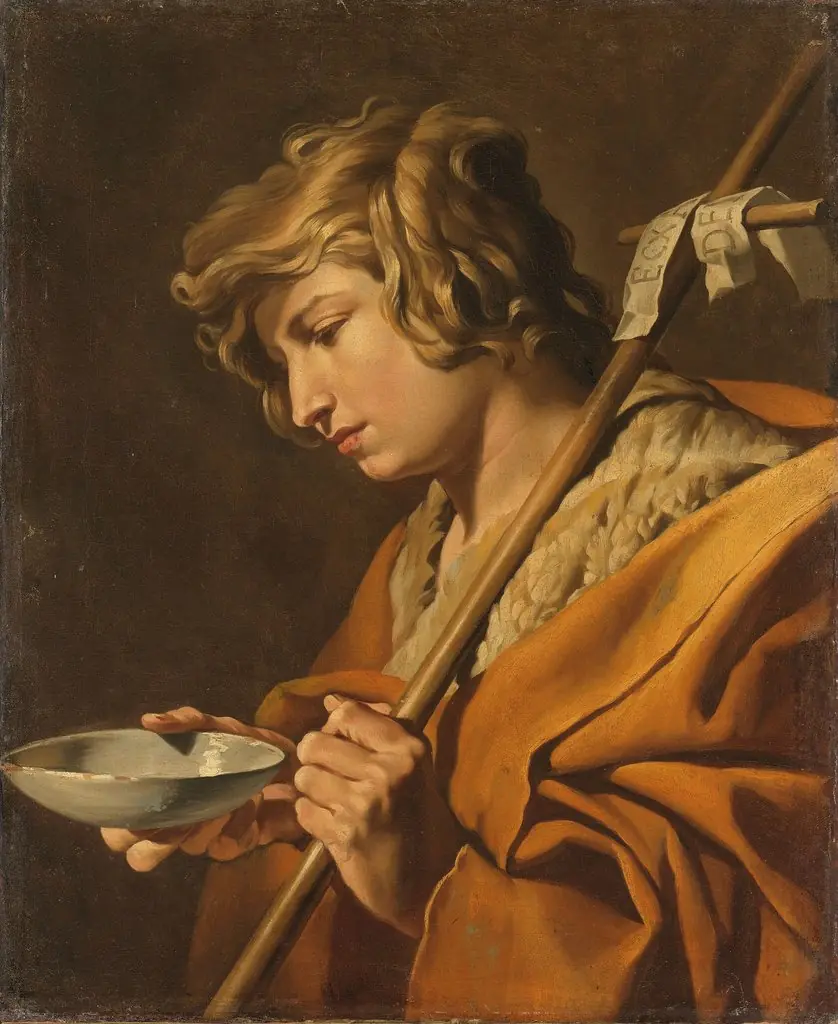
Active in Italy during the early 17th century, Stom engaged with a network of artists influenced by Caravaggio, including the Utrecht Caravaggists, Jusepe de Ribera, and Peter Paul Rubens. This milieu fostered a fusion of Northern precision with Italian dramatic lighting. The Annunciation exemplifies the era’s emphasis on emotionally charged, narrative-driven religious art.
Legacy
While not among the most widely reproduced Baroque works, The Annunciation contributes to the understanding of Caravaggist diffusion beyond Italy. Its composition and lighting techniques reflect broader trends in early Baroque painting, illustrating how artists adapted chiaroscuro to convey spiritual immediacy. The work remains a study piece for scholars of trans-European artistic exchange.
Artist & collection
Artist
Matthias Stom or Matthias Stomer (c. 1600 – after 1652) was a Dutch, or possibly Flemish, painter who is only known for the works he produced during his residence in Italy. He was influenced by the work of non-Italian…