Artwork
Still Life with Ham Eggs and Vessels
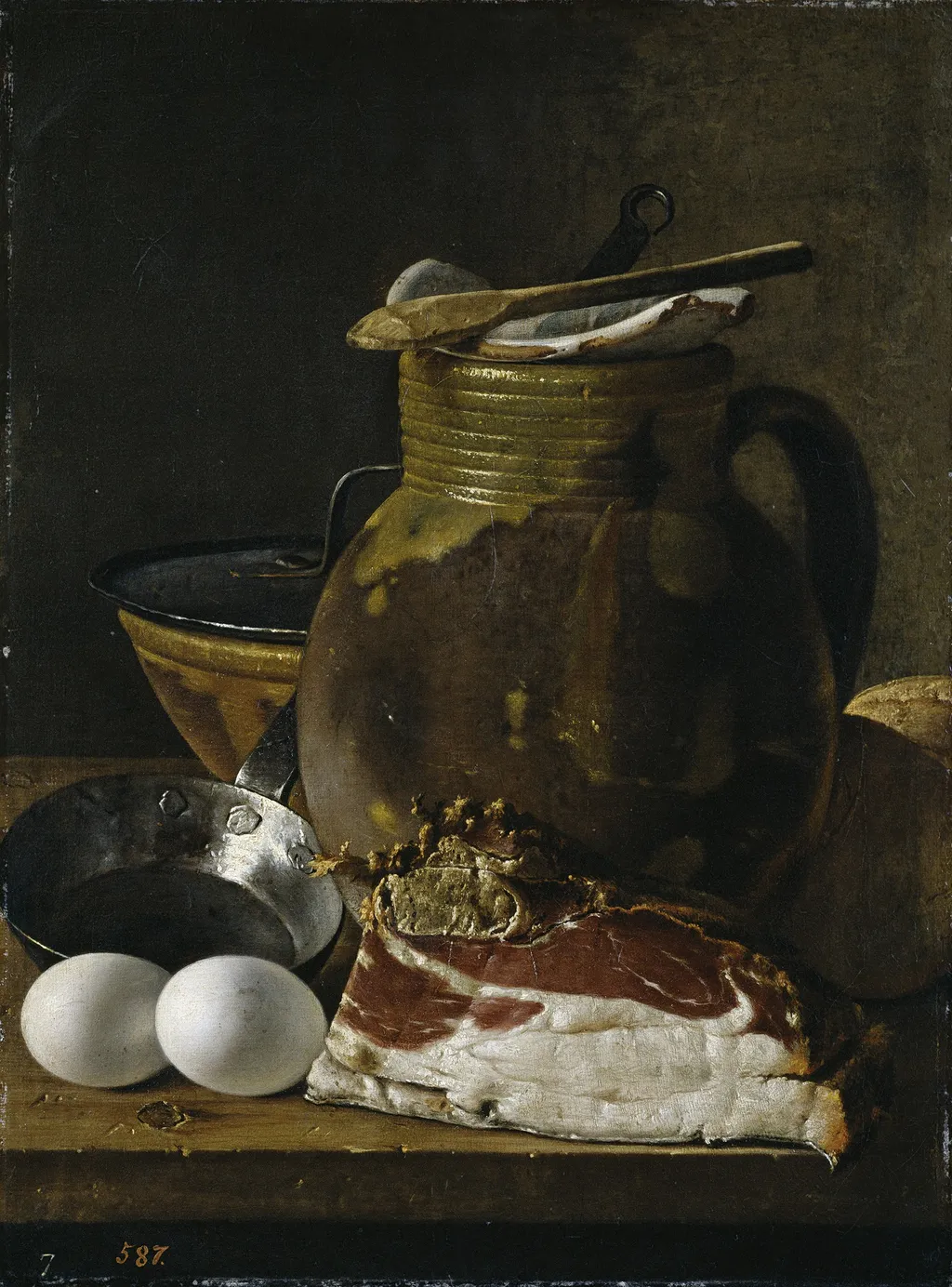
Still Life with Ham Eggs and Vessels is an oil painting by the Rococo painting artist Luis Egidio Meléndez. It dates from 1750 and is held in the collection of the Museo del Prado.
About this work
Subject & Meaning
Still Life with Ham Eggs and Vessels presents a carefully arranged selection of everyday foodstuffs and utensils, typical of the Spanish bodegón tradition.
Still Life with Ham Eggs and Vessels presents a carefully arranged selection of everyday foodstuffs and utensils, typical of the Spanish bodegón tradition. The composition centers on a piece of cured ham, two gleaming white-shelled eggs, and a loaf of bread, accompanied by ceramic and metal vessels. The ham's deep red tones and marbled fat contrast with the eggs' pristine shells and the bread's golden crust, while the wooden spoon and metal vessels catch the light, emphasizing texture and volume.
The work's iconography reflects themes of sustenance and domestic life, common in 18th-century still lifes. The inclusion of a lebrillo (earthenware basin), a spoon, and a Talavera jug underscores the preparation and serving of food, evoking both nourishment and the labor of the kitchen. The precise geometry and subdued palette align with Meléndez's style, which, while drawing comparisons to Chardin, distinguishes itself through its meticulous realism and luminous effects.
Technique & Style
Still Life with Ham Eggs and Vessels is an oil on canvas measuring 49 × 37 cm, signed by the artist at the lower left corner. The composition is arranged geometrically across a wooden tabletop, with objects carefully stratified from foreground to background: a large slice of deep red, white-veined smoked ham and two eggs in gleaming white shells at the front, a small metal pan catching silvery reflections behind them, and at the rear a brown Talavera ceramic jug topped with a white tejoleta bearing a wooden spoon, alongside a covered earthenware vessel with a metal lid. A piece of golden bread recedes into shadow to the right of the jug.
Meléndez models volume through a controlled handling of light, lending each surface, the matte ceramic, polished metal, organic ham, and chalky eggshell, a distinct tactile presence. According to the critic Luna, this luminous treatment sets the painter slightly apart from Chardin, with whom he has been compared, and anticipates Cézanne.
History & Provenance
Luis Egidio Meléndez created the oil on canvas painting Still Life with Ham, Eggs and Vessels in 1750. The work is signed in the lower left corner and measures 49 by 37 centimeters. It originated from the royal collection housed at the Royal Palace of Aranjuez before entering the holdings of the Museo del Prado in Madrid, where it carries inventory number 934.
Historical records indicate the piece was owned by Ferdinand VII of Spain. The painting has been exhibited internationally, including shows in London during the winters of 1954–1955 and 1963–1964, as well as in Madrid in 1982–1983 and Paris in 1987–1988.
Context
Still Life with Ham, Eggs and Vessels occupies a distinctive position within Luis Egidio Meléndez's body of work and within the broader tradition of Spanish still-life painting. The composition, arranged geometrically on a wooden table, has been analyzed by the scholar Luna, who situates Meléndez's handling of light in relation to Chardin, noting both affinities and a subtle divergence that distinguishes his technique. The same analysis extends the painter's significance forward, arguing that his volumetric treatment anticipates Cézanne.
The painting's institutional trajectory reflects its scholarly and public reception. It was exhibited in London in the winters of 1954–1955 and 1963–1964, presented in Madrid in 1982–1983, and shown at the Musée du Petit Palais in Paris from October 1987 to January 1988. It is discussed in Eleanor Tufts's monograph on Meléndez, the principal English-language study of the artist, published in 1985.
Legacy
Still Life with Ham Eggs and Vessels has been repeatedly cited as a key work in the evolution of Spanish still-life painting during the eighteenth century. Its geometric arrangement and treatment of light were noted in an early twentieth-century assessment that situated Meléndez's practice between the example of Chardin and the innovations later associated with Cézanne, underscoring the painting's perceived modernity within a traditional genre. The work entered public view through major international exhibitions beginning in the mid-twentieth century, including displays in London in 1954–55 and 1963–64 alongside European and Spanish masters, and in Madrid in 1982–83 as part of a dedicated retrospective of Meléndez's oeuvre.
Its inclusion in the 1987–88 Paris presentation at the Petit Palais further consolidated its reputation beyond Spain, framing the painting as a touchstone for understanding eighteenth-century realism and its stylistic afterlives.
Overview
Luis Egidio Meléndez, an 18th-century Spanish artist, created Still Life with Ham Eggs and Vessels around 1750. This oil painting exemplifies his focus on domestic subjects. Despite facing financial hardship and limited acknowledgment during his lifetime, Meléndez is now recognized as a preeminent still-life painter of his period.
The work is housed in the collection of the Museo del Prado, representing a significant contribution to the genre.
Own this work as a print
Artist & collection
Artist
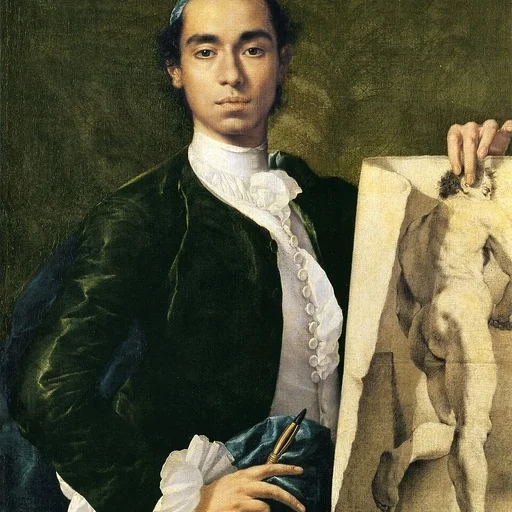
Luis Egidio Meléndez (1716–1780) was a Spanish painter. Though he received little acclaim during his lifetime and died in poverty, Meléndez is recognized as one of the greatest Spanish still-life painters of the 18th…

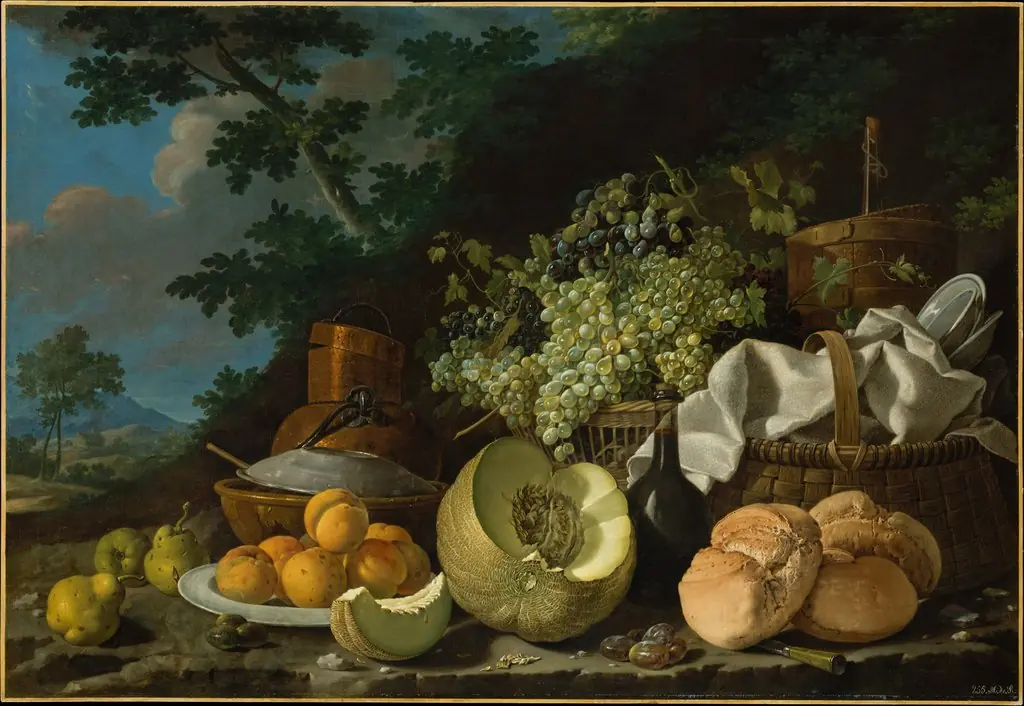 The Afternoon Meal (La Merienda)
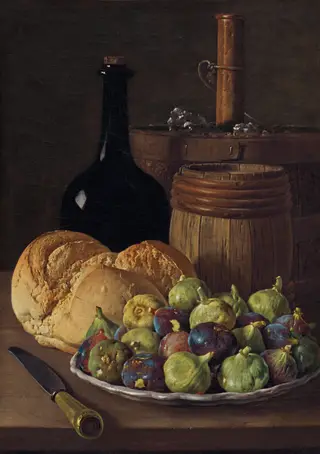 Still Life with Figs and Bread
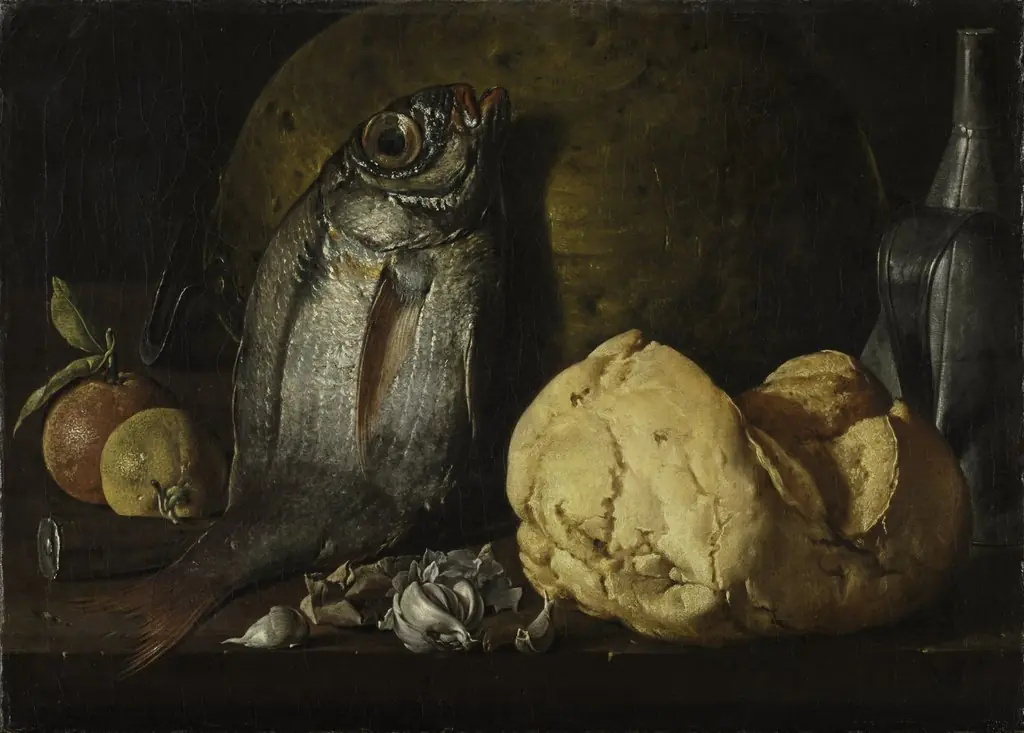 Still Life with Fish, Bread, and Kettle
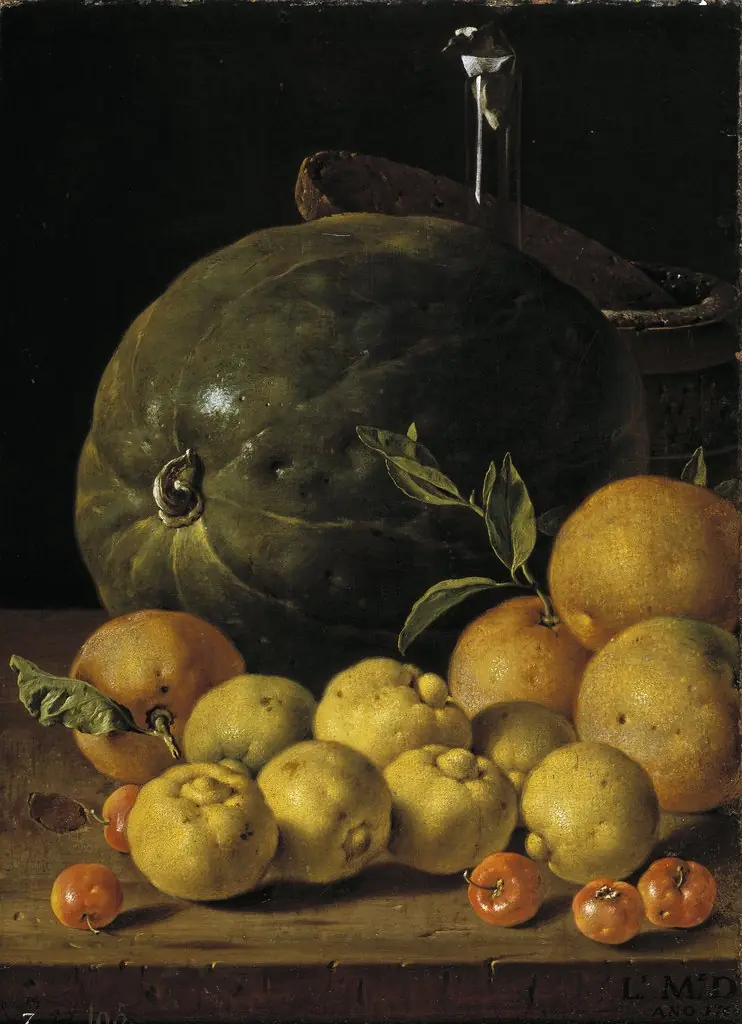 Still Life with Limes Oranges Haw Berries and Watermelon
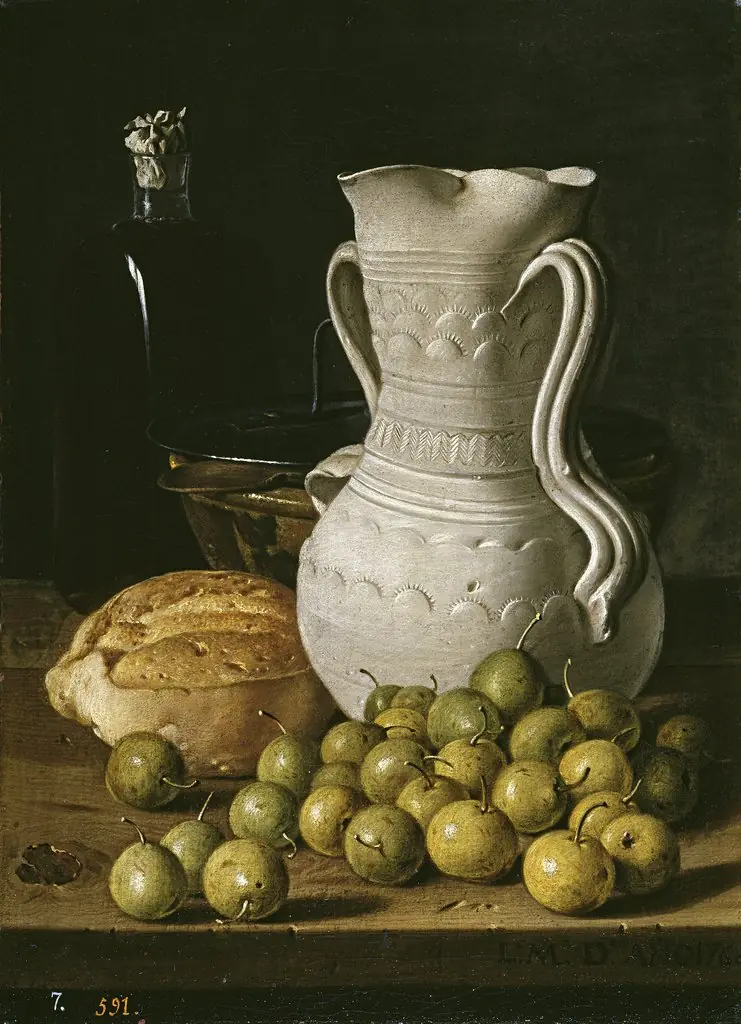 Still Life with Small Pears Bread Flask Bowl and Dry Leaves
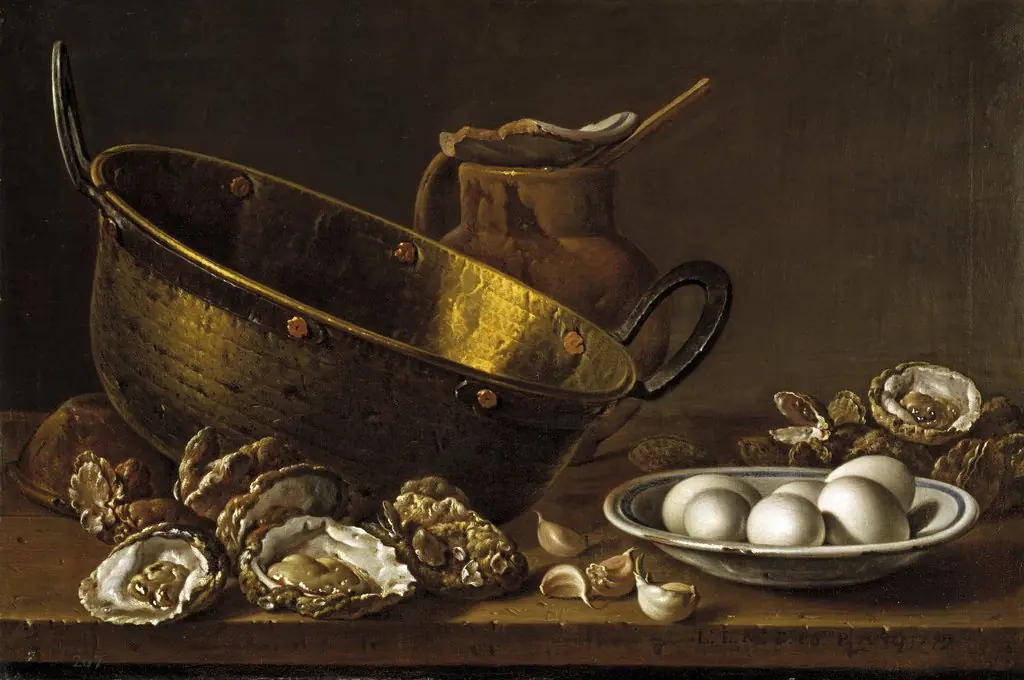 Still Life with Oysters Garlic Eggs Pot and Pan
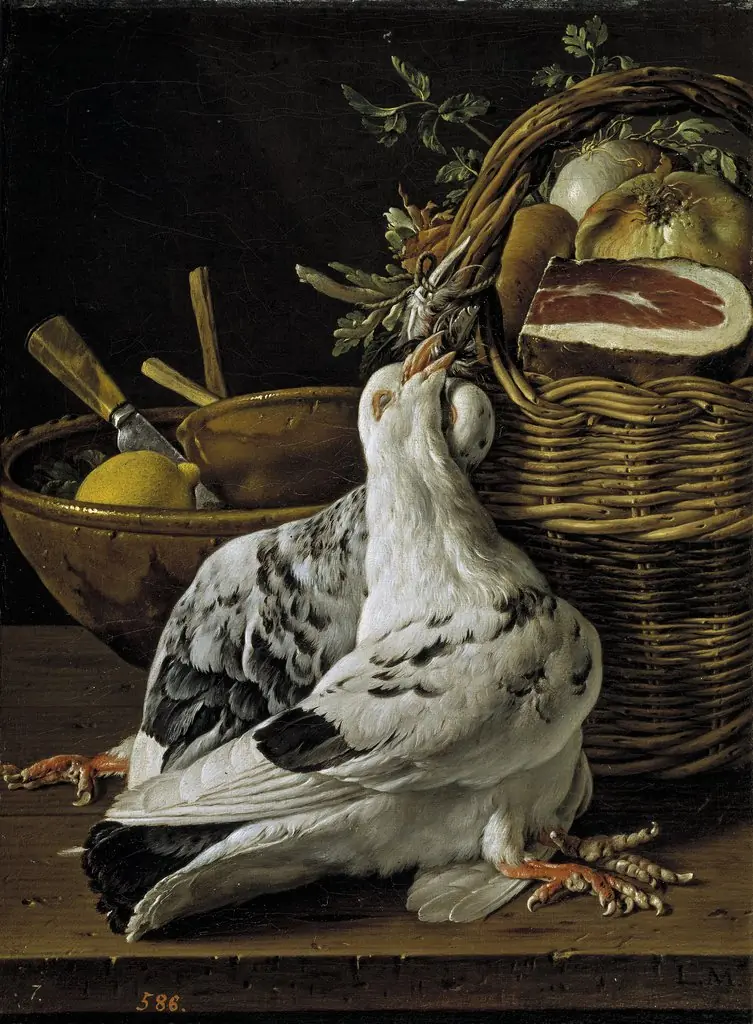 Bodegón con pichones cesta de comida y cuencos
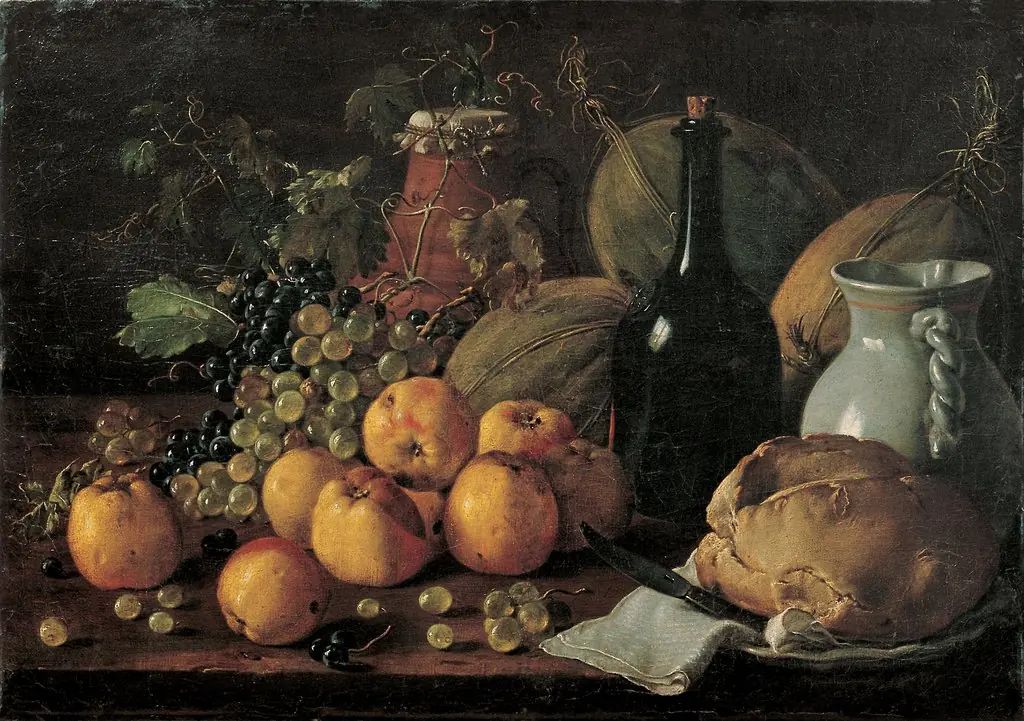 Still Life with Apples, Grapes, Melons, Bread, Jug and Bottle