Artwork
María de las Nieves Micaela Fourdinier, the Painter's Wife
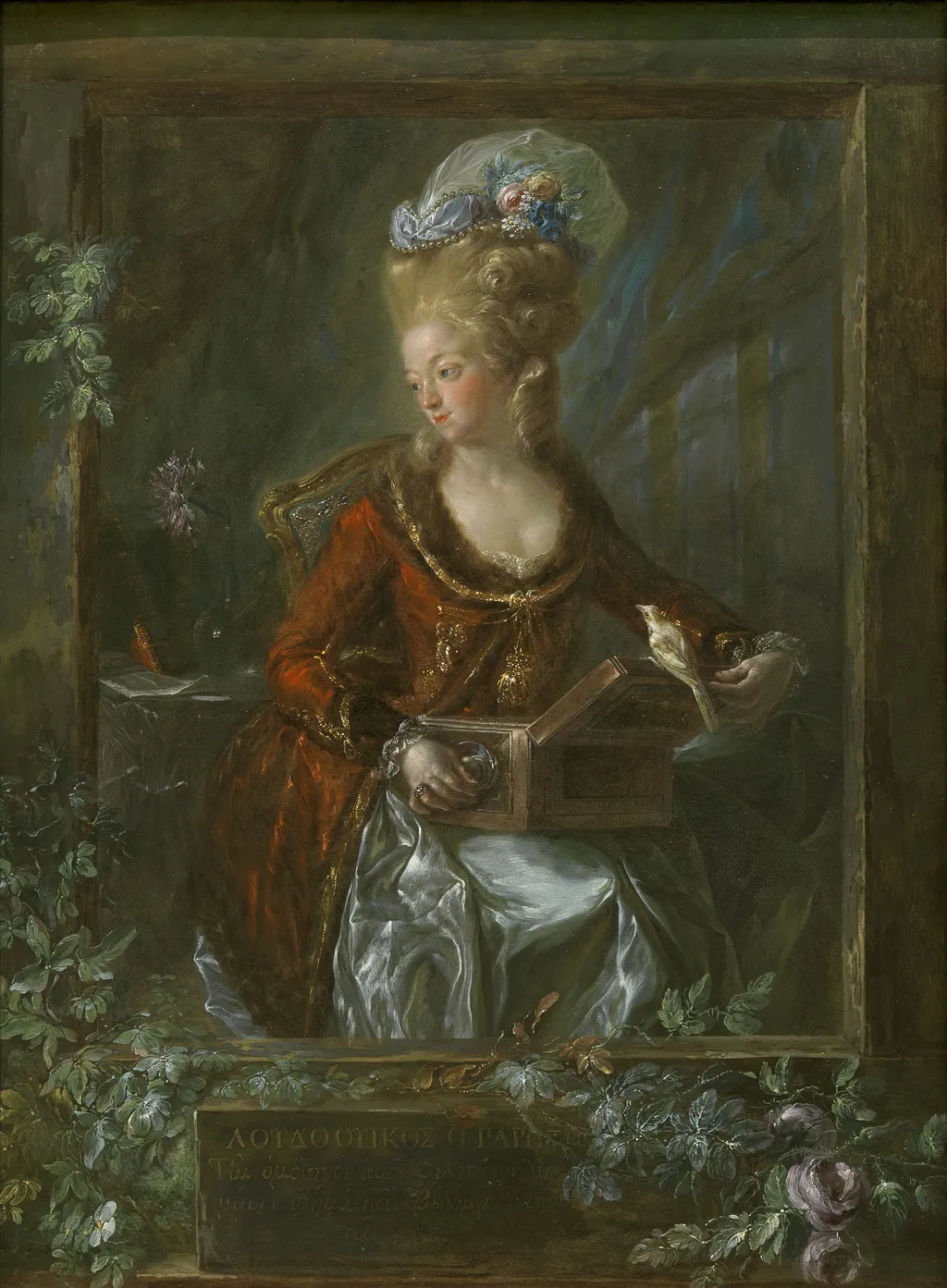
María de las Nieves Micaela Fourdinier, the Painter's Wife is an oil painting by the Rococo painting artist Luis Paret y Alcázar. It dates from 1792 and is held in the collection of the Museo del Prado.
About this work
Subject & Meaning
7 centimeters and belongs to the collection of the Museo del Prado.
The painting shows María de las Nieves Micaela Fourdinier, the artist's wife, holding a book and a miniature canvas, symbolizing domestic virtue and artistic aspiration. The composition reflects Enlightenment ideals of education and femininity in 18th-century Spain, with the book representing knowledge and the painting within a painting denoting creative agency. Executed in oil on copper in 1782, the work measures 37 by 27.7 centimeters and belongs to the collection of the Museo del Prado.
Technique & Style
Luis Paret y Alcázar executed María de las Nieves Micaela Fourdinier, the Painter's Wife in 1782 using oil paint applied to a copper support. The work measures 37 cm in height and 27.7 cm in width, a format typical for fine portrait miniatures or small-scale cabinet paintings of the period. The depiction includes specific attributes such as a book and a painting within the composition, rendered with the precision characteristic of the artist's handling of the medium on metal.
History & Provenance
Luis Paret y Alcázar created the portrait María de las Nieves Micaela Fourdinier, the Painter's Wife in 1782. Executed in oil on copper, the work measures 37 cm in height and 27.7 cm in width. The painting has been part of the collection of the Museo del Prado since its inception, where it remains housed today.
While some records suggest a possible completion or accession date extending into early 1783, the primary creation date is established as 1782.
Overview
Luis Paret y Alcázar’s 1792 copper painting, María de las Nieves Micaela Fourdinier, the Painter’s Wife, presents a solitary female figure framed by a dimly lit interior. The work resides in the Museo del Prado and exemplifies late‑Baroque portraiture that balances decorative richness with intimate observation.
Own this work as a print
Artist & collection

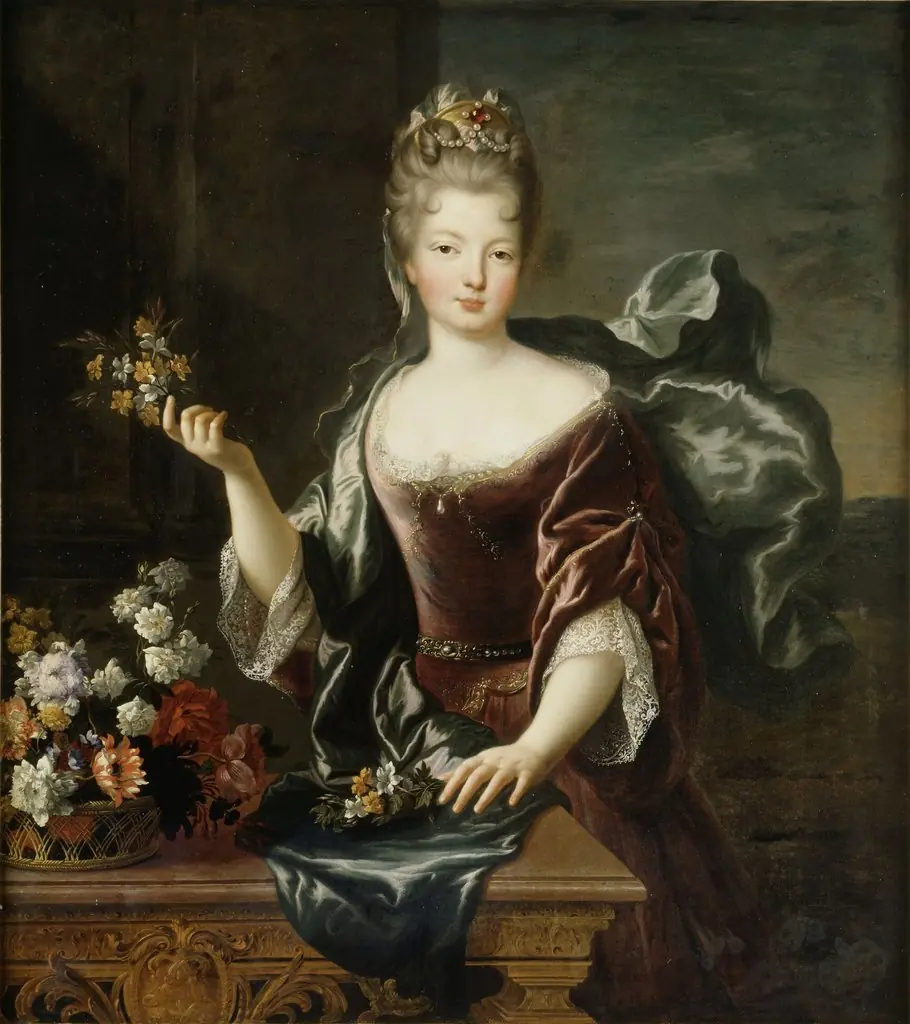 Françoise-Marie de Bourbon, Mademoiselle de Blois, Duchess of Orleans
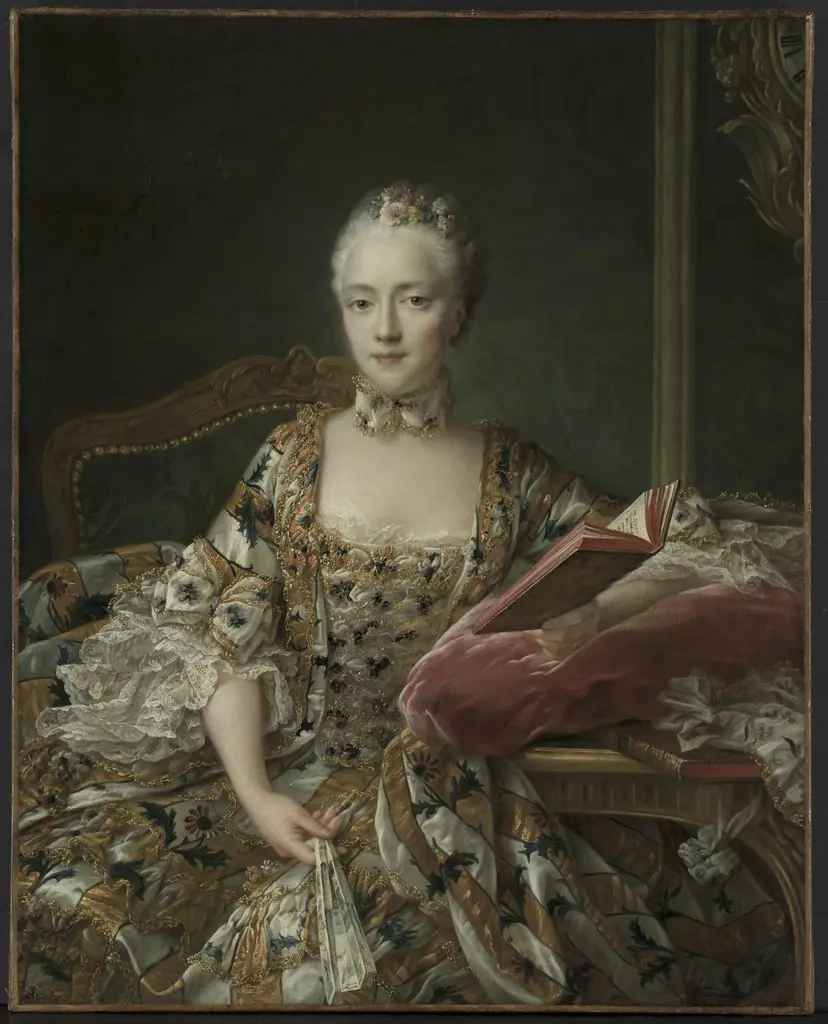 Portrait of the Marquise d'Aguirandes
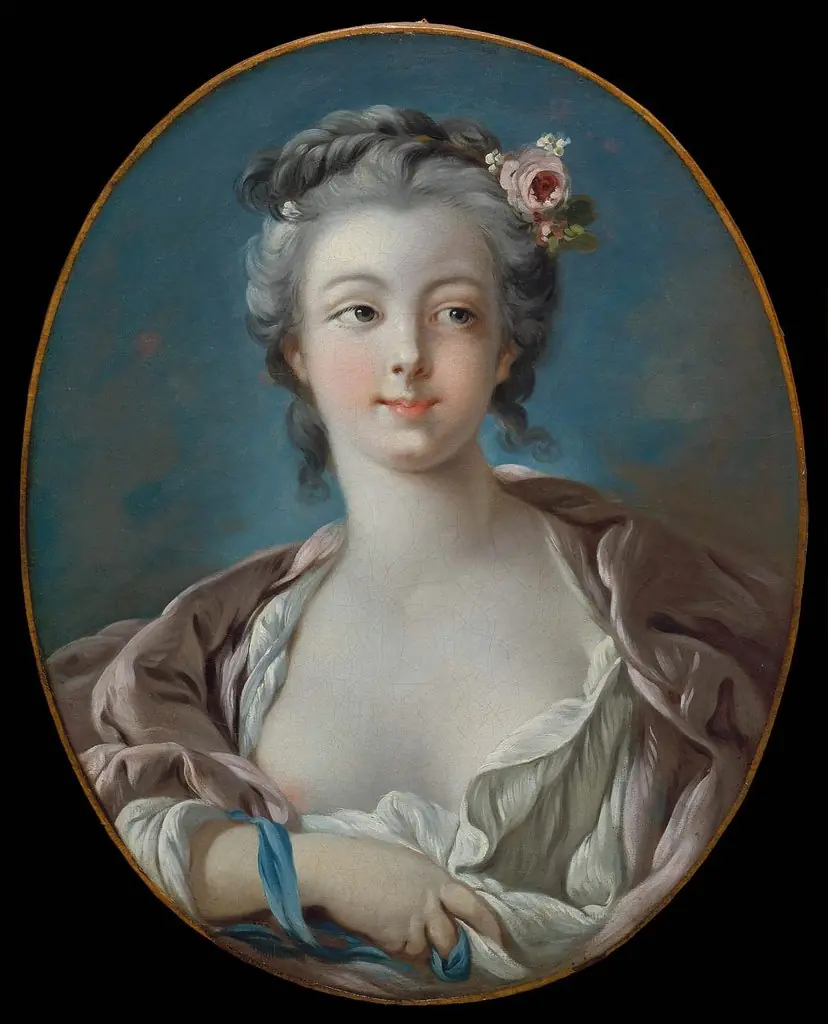 Young Woman with Flowers in Her Hair
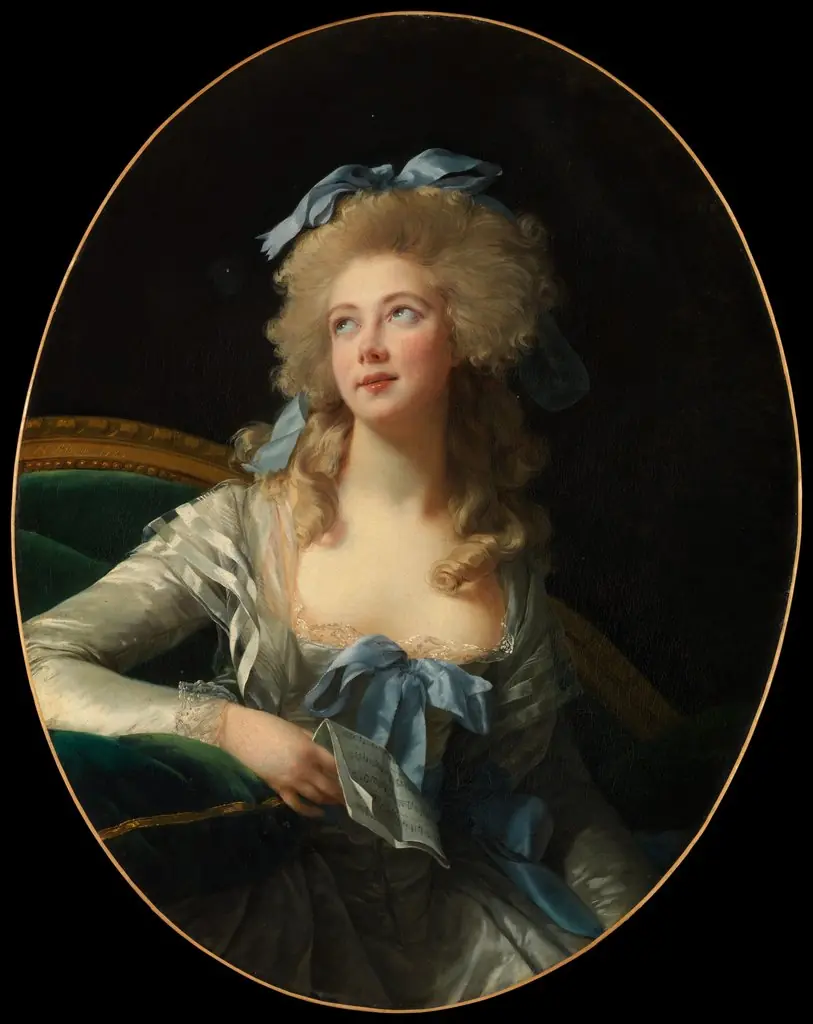 Madame Grand (Noël Catherine Verlée, 1761–1835)
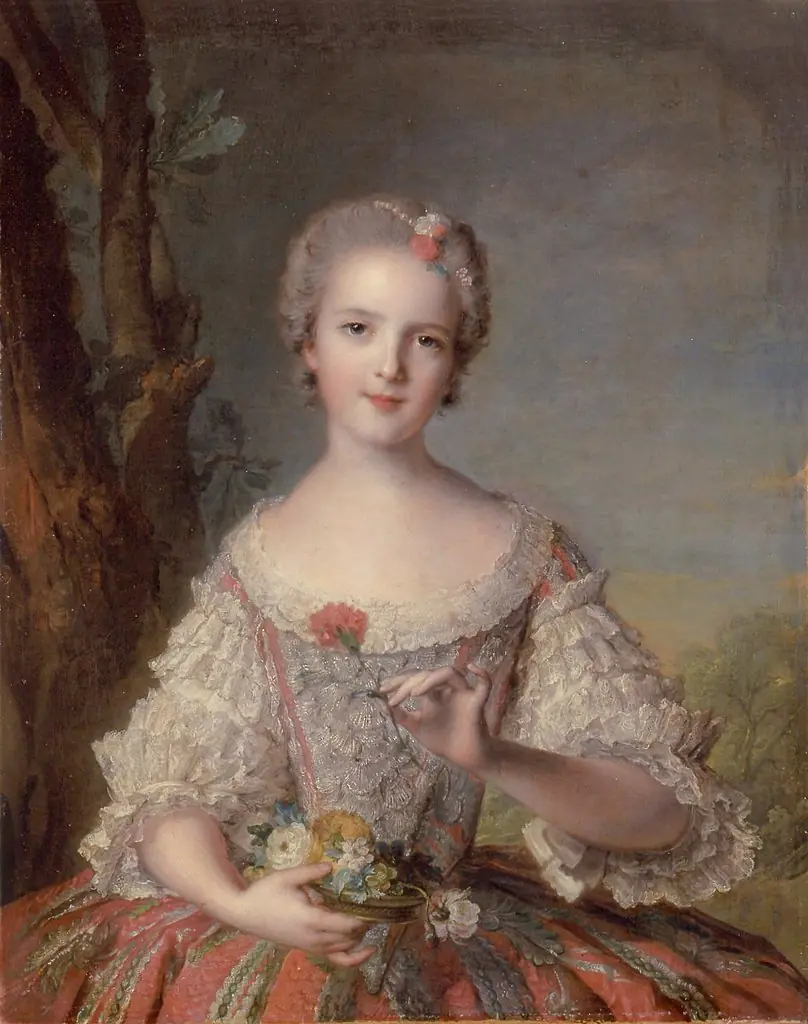 Madame Louise of France
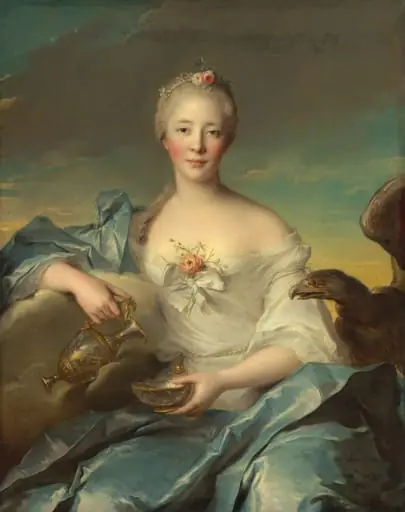 Madame Le Fèvre de Caumartin as Hebe
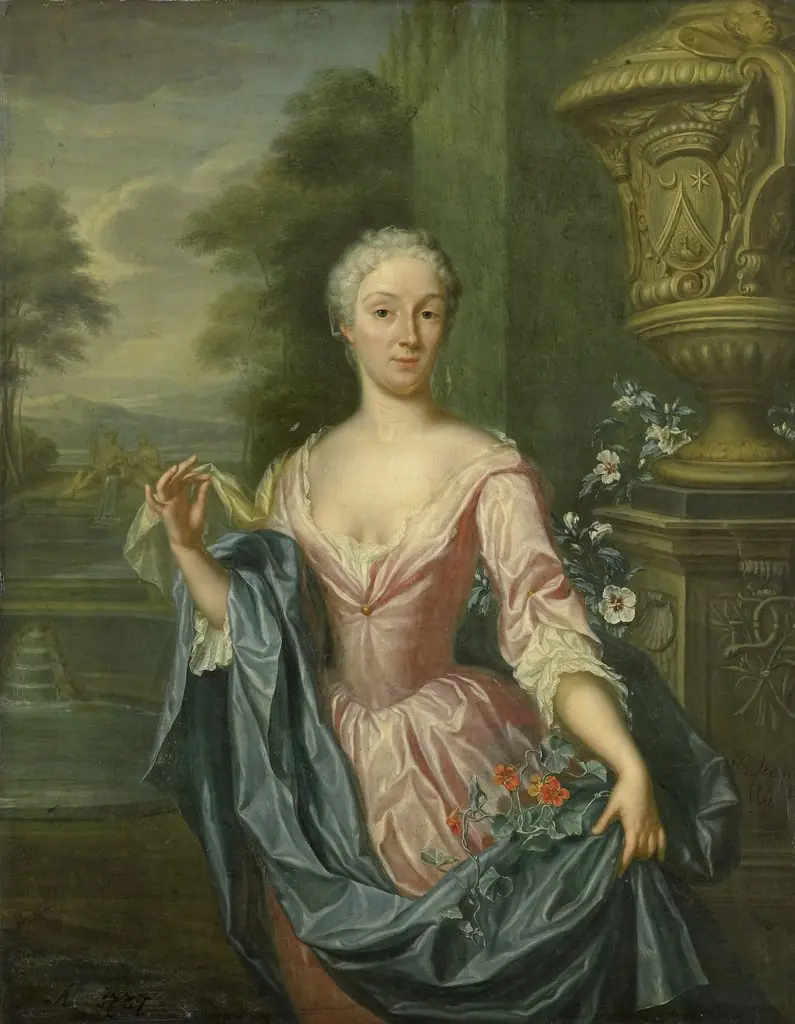 Portrait of Claudine van Royen (born 1712), Wife of Pieter Teding van Berkhout
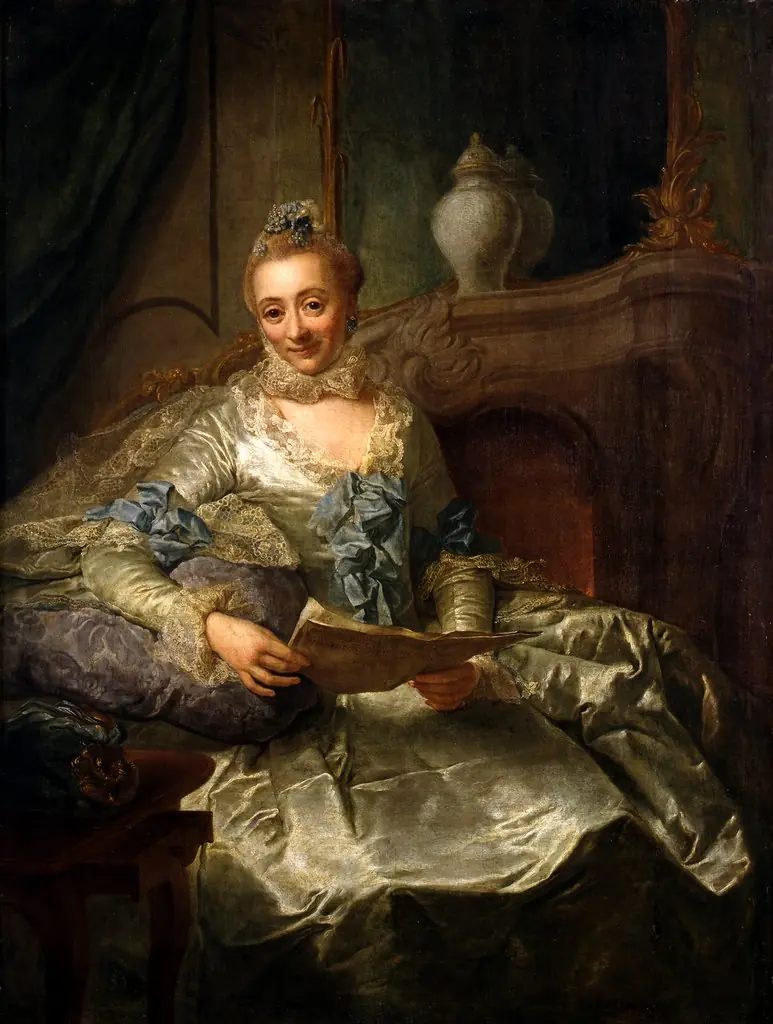 Chamber Councilor Sophie Elisabeth Giese, born von Schwerin
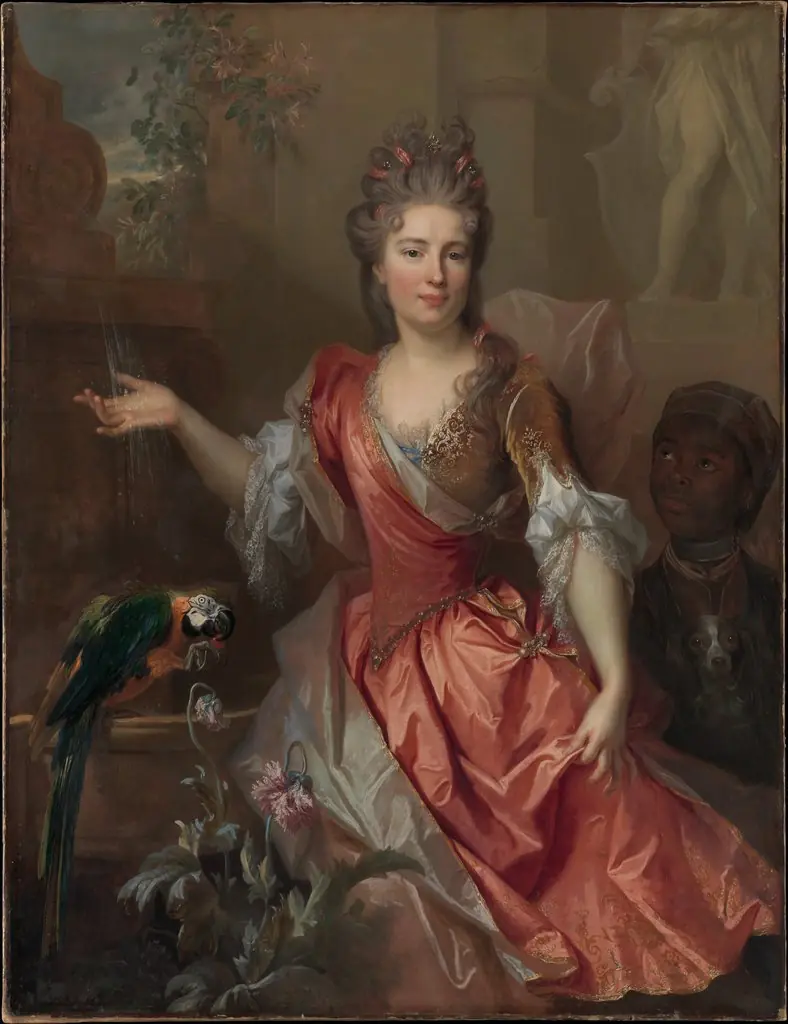 Portrait of a Woman, Possibly Madame Claude Lambert de Thorigny (Marie Marguerite Bontemps, 1668–1701)
 The Marriage Presents
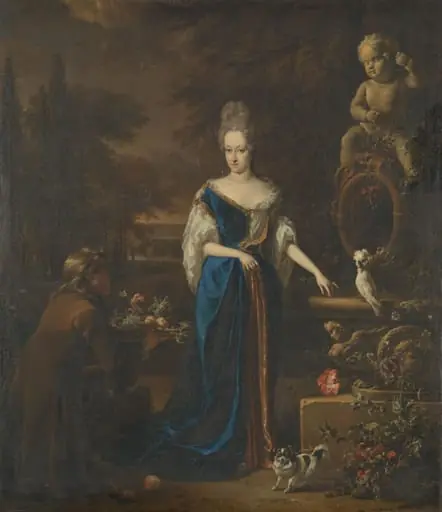 Portrait of Maria Cornelisz, Wife of Silvester van Tongeren
- Portrait of Maria Cornelisz, wife of Silvester van Tongeren