Artwork
Portrait of Maria Cornelisz, Wife of Silvester van Tongeren
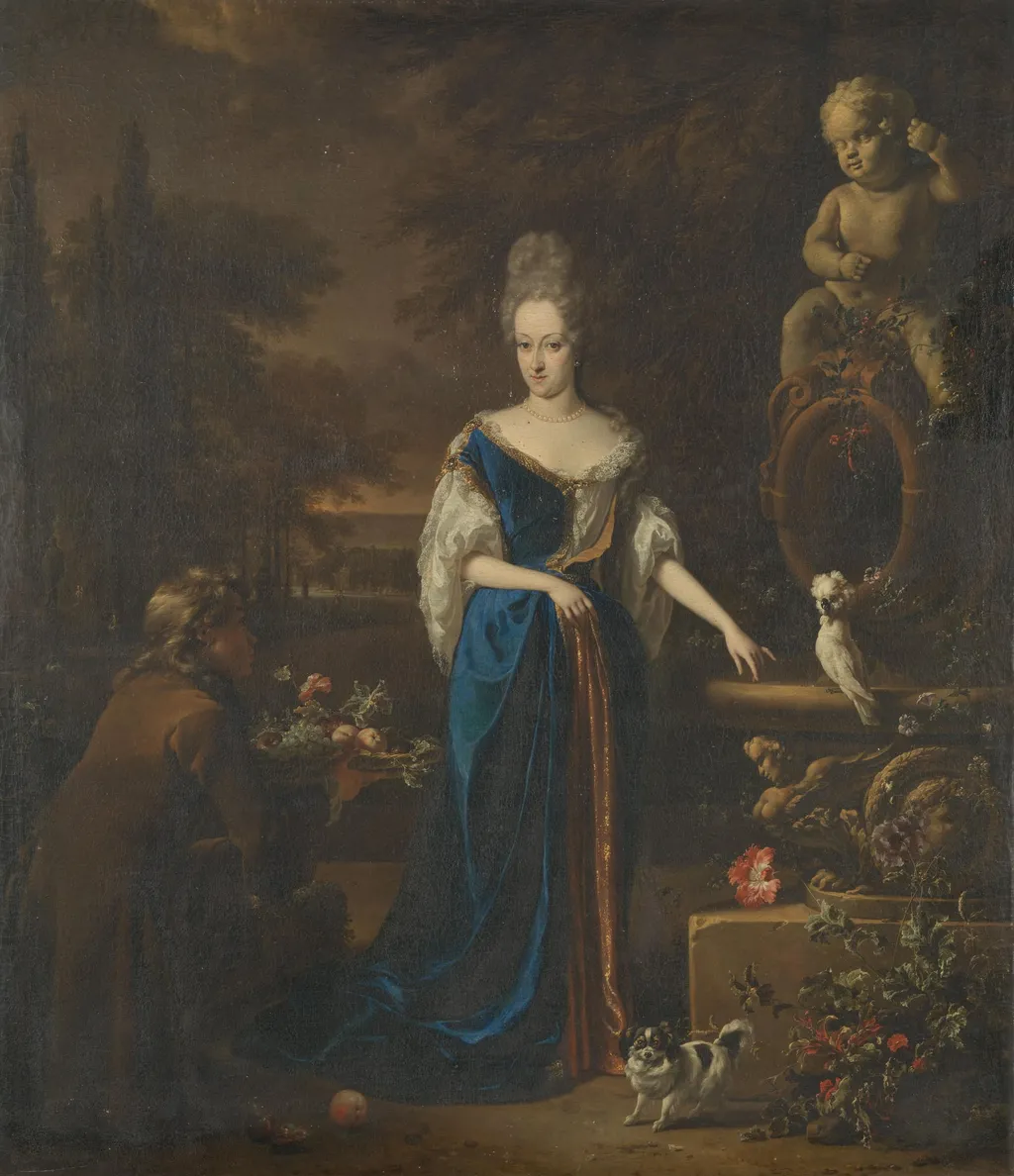
Portrait of Maria Cornelisz, Wife of Silvester van Tongeren is an unspecified painting by the Dutch Golden Age artist Jan Weenix. It dates from 1700 and is held in the collection of the Rijksmuseum. This portrait depicts Maria Cornelisz, wife of Silvester van Tongeren, in a formal, seated pose.
About this work
Technique & Style
This technical precision contributes to the formal stylistic quality of the work, characterized by rich coloration and meticulous attention to material detail.
The portrait is an oil painting on canvas, created in the late 17th century during Jan Weenix' active period in Amsterdam. The work exemplifies his mature technique of rendering fine textural detail in animal subjects, though as a portrait it focuses on the sitter's clothing and demeanor rather than game or hunting motifs. The canvas support shows typical 17th-century Dutch painting practices, with a smooth finish and careful brushwork evident in the rendering of fabric textures and facial features. The painting's condition remains stable, with no documented restoration issues noted in the sources.
Weenix employed a refined oil medium with layered glazes to achieve depth in the portrait's surface, consistent with his approach to still lifes where he 'equaled and even surpassed nature' in depicting textures like hair and feathers. This technical precision contributes to the formal stylistic quality of the work, characterized by rich coloration and meticulous attention to material detail.
Context
Jan Weenix’s Portrait of Maria Cornelisz occupies a modest but instructive place within the broader arc of his career, which moved decisively from Italianate landscapes and early portraits to the lavish hunting still lifes that define his posthumous reputation. Painted between 1680 and 1719, the work belongs to the artist’s mature period, when he was consolidating a practice centered on refined portraiture and decorative cycles for elite Dutch and German patrons. Weenix’s training under his father, Jan Baptist Weenix, and alongside his cousin Melchior d’Hondecoeter, situated him within a Utrecht network long associated with ornate, color-rich figural and animal painting.
His later court engagements, most notably the twelve monumental hunting scenes executed for Elector Johann Wilhelm’s Bensberg hunting lodge (1702–1712), cemented his status as a leading exponent of the opulent, large-scale decorative style that flourished in northern Europe at the turn of the eighteenth century.
Scholarly attention to Weenix’s portraits has historically been eclipsed by analyses of his hunting still lifes, yet recent reassessments emphasize the continuity between his portraiture and his decorative idiom. The portrait’s restrained elegance and careful attention to costume and setting typify the Dutch aristocratic portrait tradition while anticipating the sumptuous color harmonies that animate his later decorative projects.
Overview
This portrait depicts Maria Cornelisz, wife of Silvester van Tongeren, in a formal, seated pose. It was designed as a pendant to her husband's portrait (SK-A-4958), intended for simultaneous display.
Subject & Meaning
Maria Cornelisz is shown in a black dress with hands folded over a prominent white lace collar, conveying dignity and modesty. The composition emphasizes her face and the intricate collar, suggesting attention to her personal and social stature.
History & Provenance
The artist remains anonymous. Originally part of a pair with her husband's portrait, both were likely displayed in the Van Tongeren home before entering the museum collection.
Own this work as a print
Artist & collection

Artist
Jan Weenix or Joannis Wenix (between 1641/1649 – 19 September 1719 (buried)) was a Dutch painter.

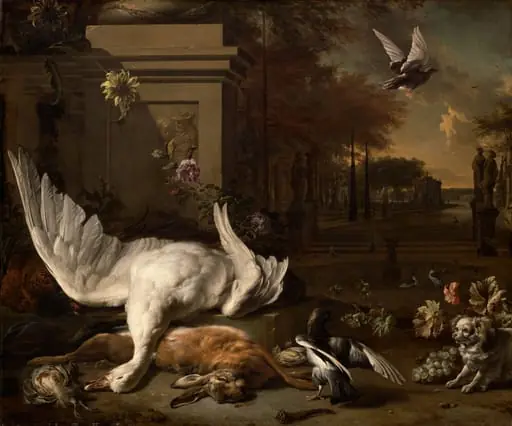 Still Life with Goose and Game before a Country Estate
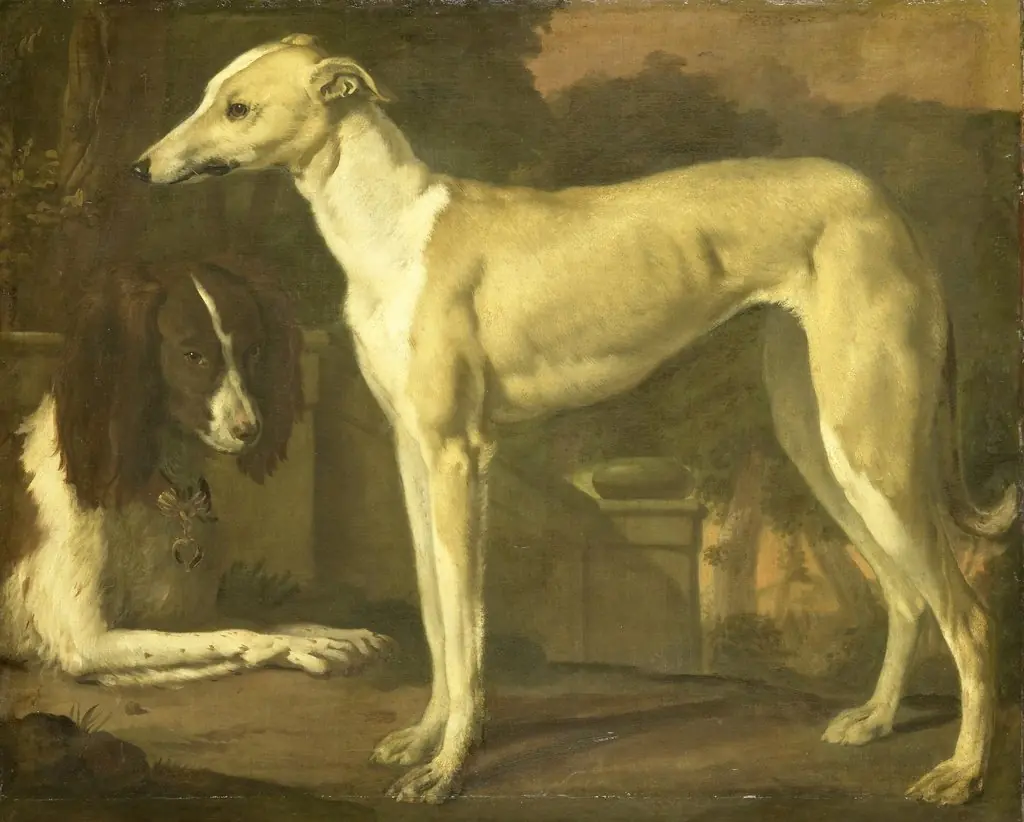 Portrait of a greyhound and a spaniel
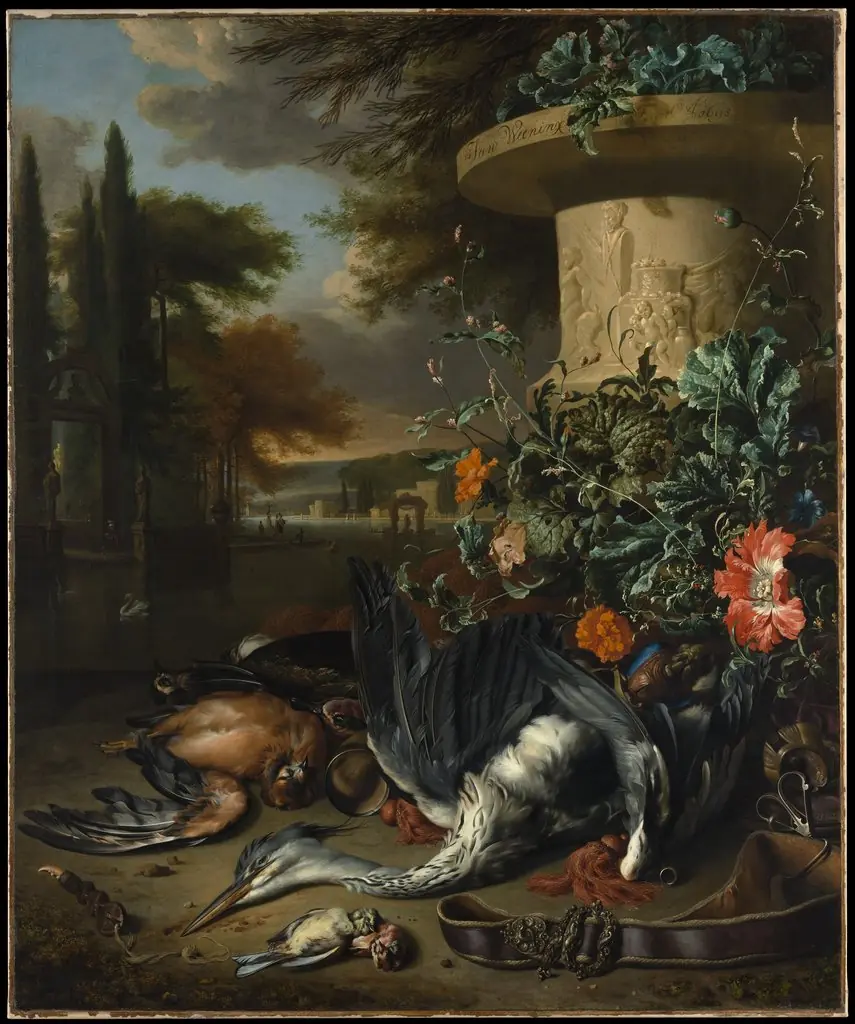 Gamepiece with a Dead Heron ("Falconer's Bag")
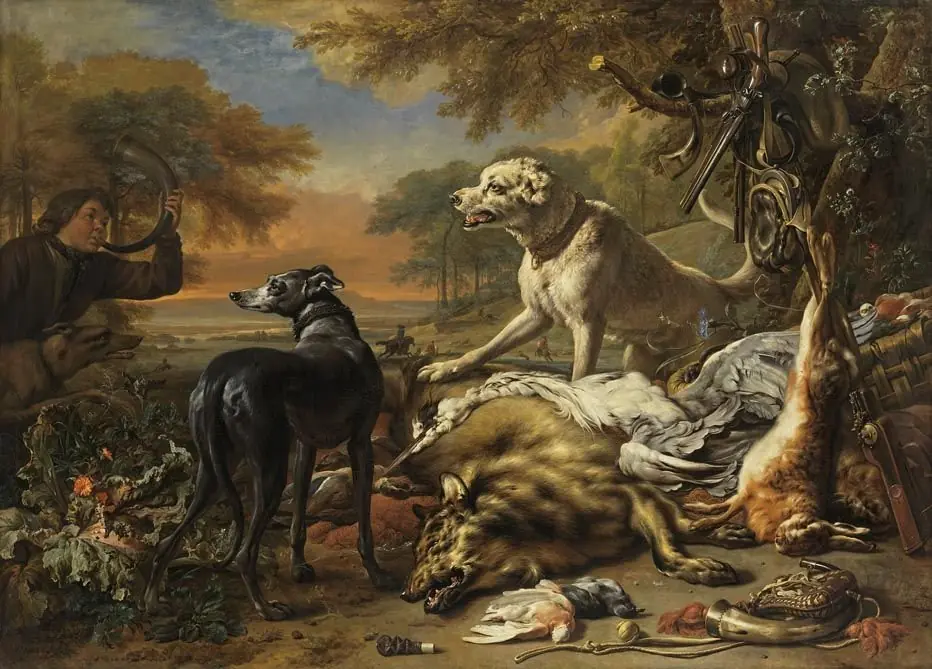 Hunting still life with wolf
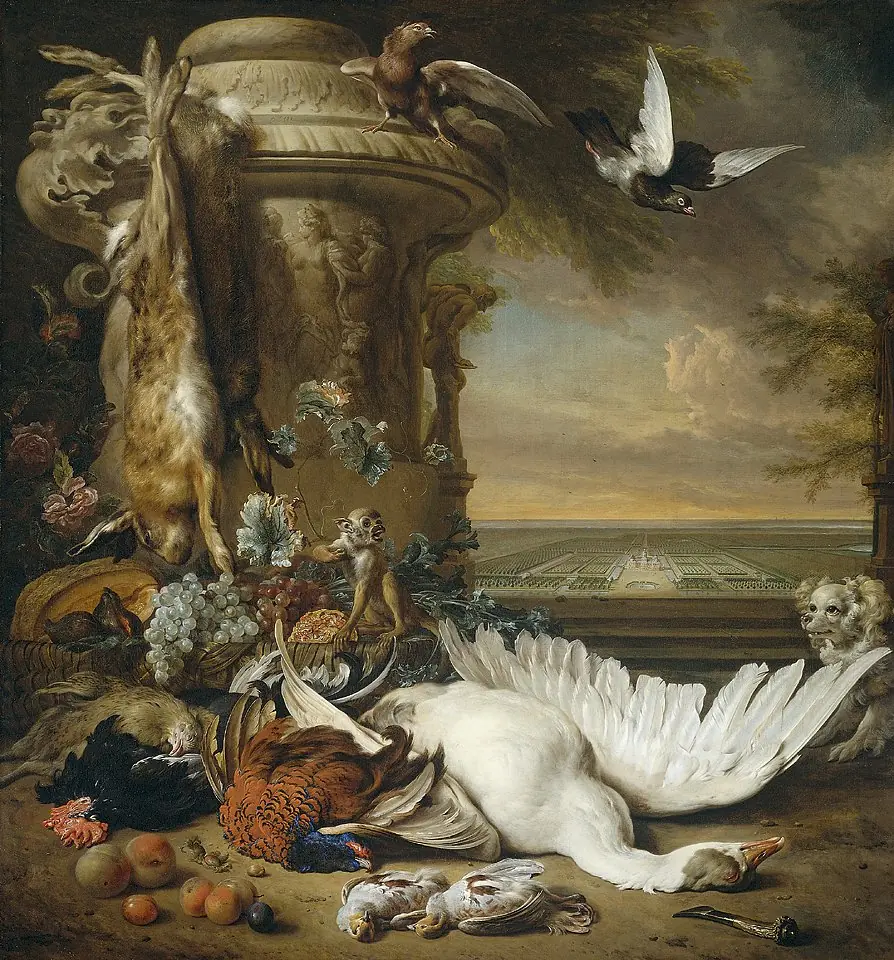 Still Life with Dead Game and Fruit beside a Garden Vase, with a Monkey, a Dog and Two Pigeons; in the Background Rijksdorp near Wassenaar, the Estate of Jonkheer Jacob Emmery, Baron of Wassenaar
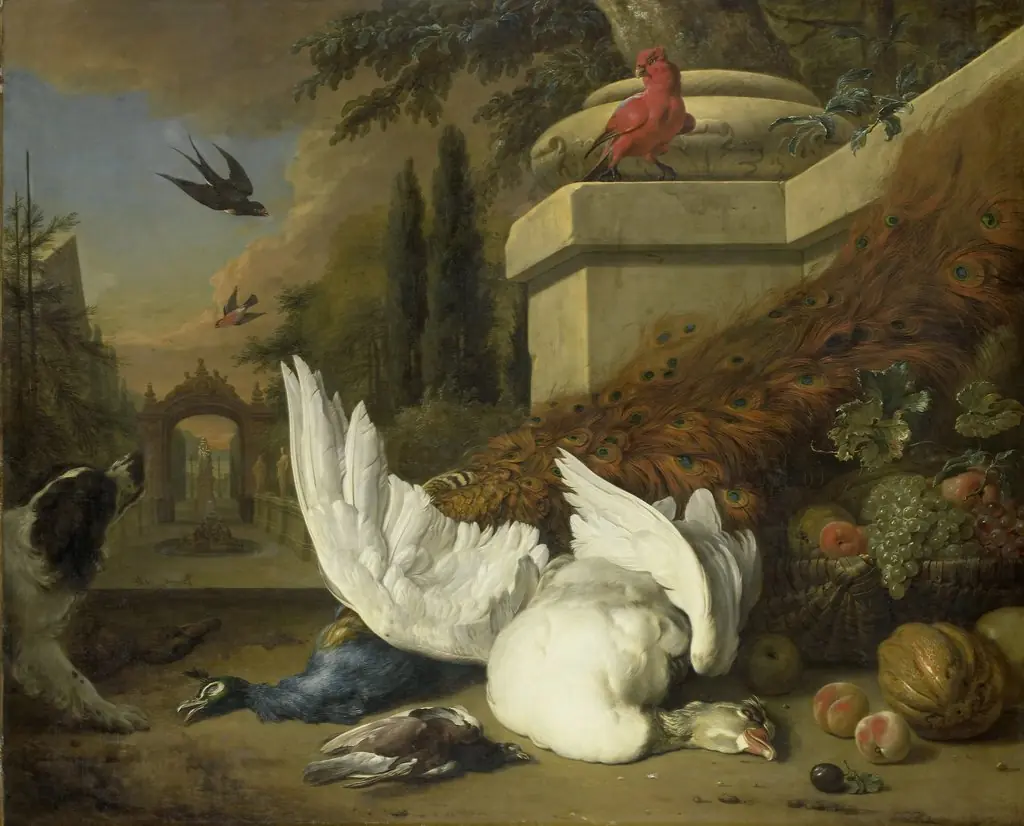 A monkey and a dog beside dead game and fruits, with the estate of Rijxdorp near Wassenaar in the background
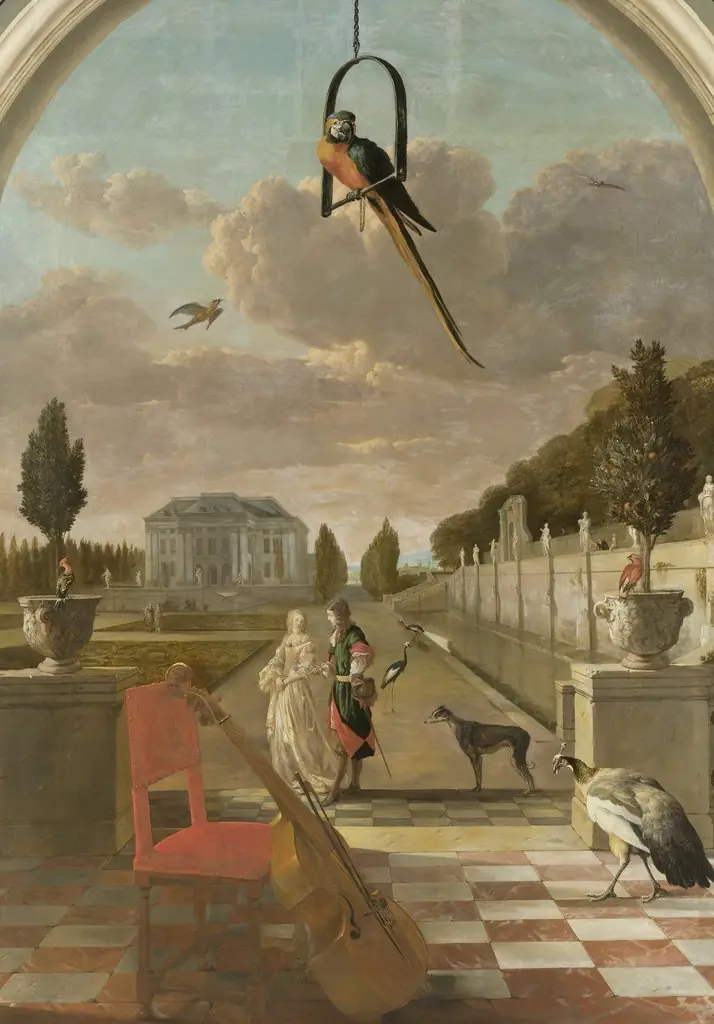 Park with country home
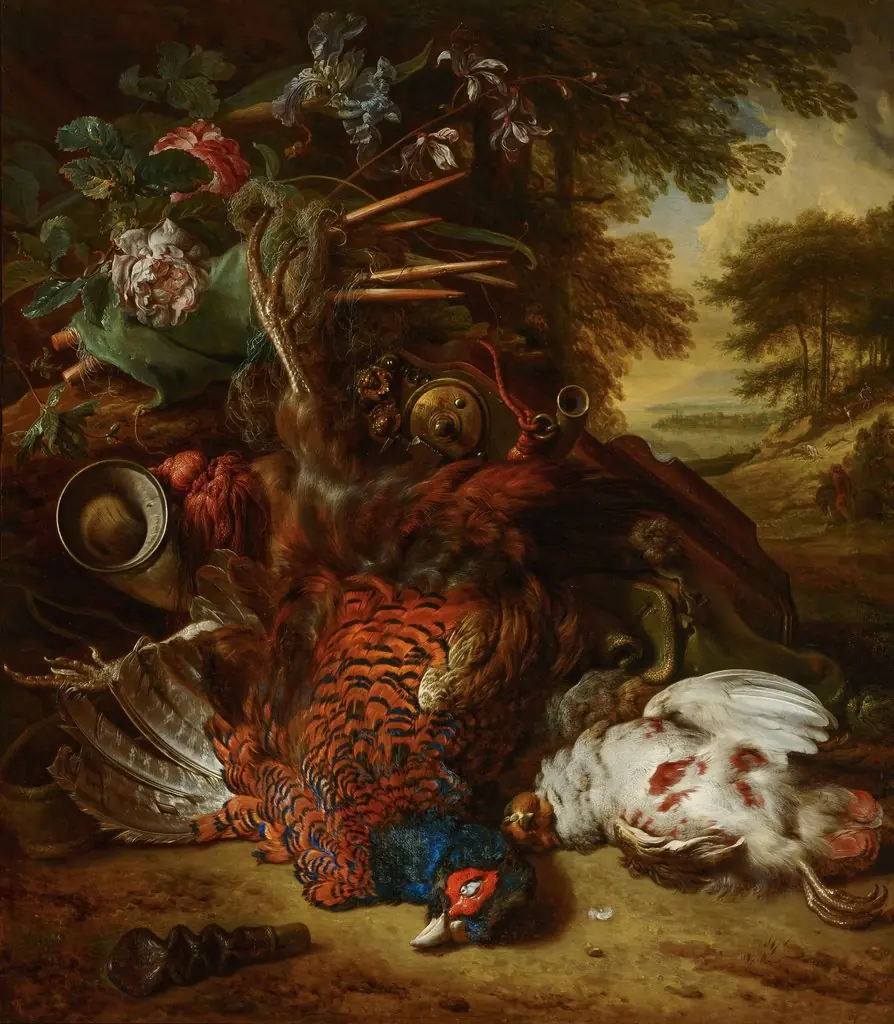 Hunting Still Life
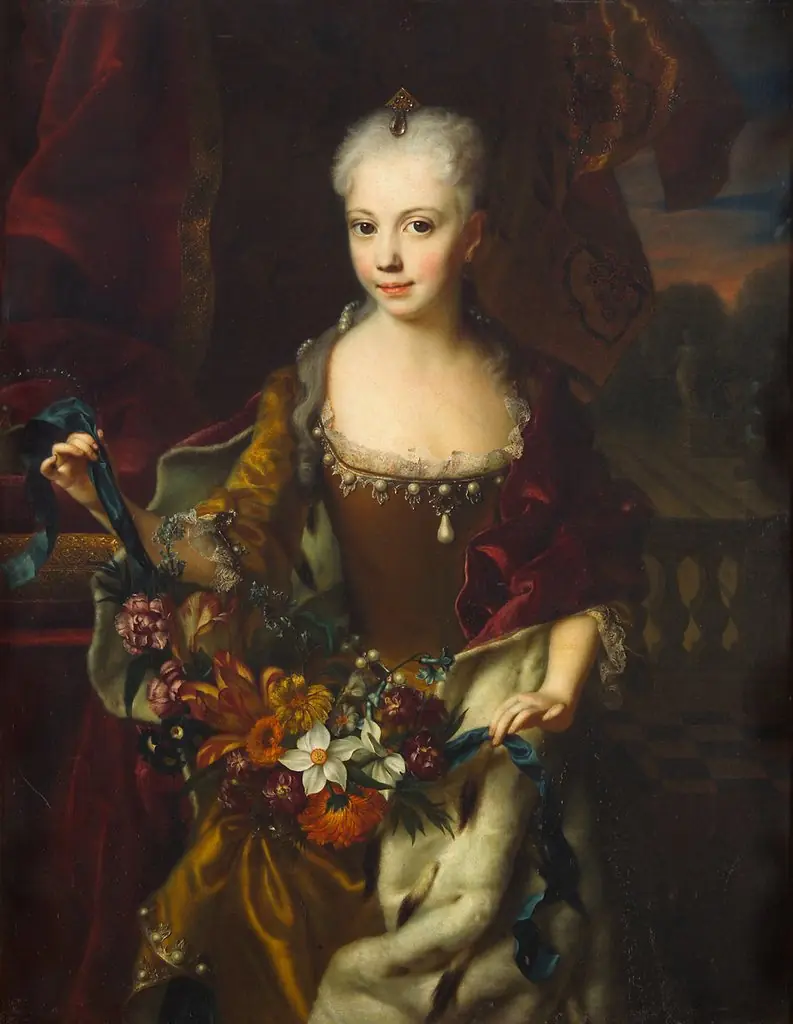 Erzherzogin Maria Anna (1718-1744), Tochter von Karl VI. im Alter von neun Jahren, Kniestück
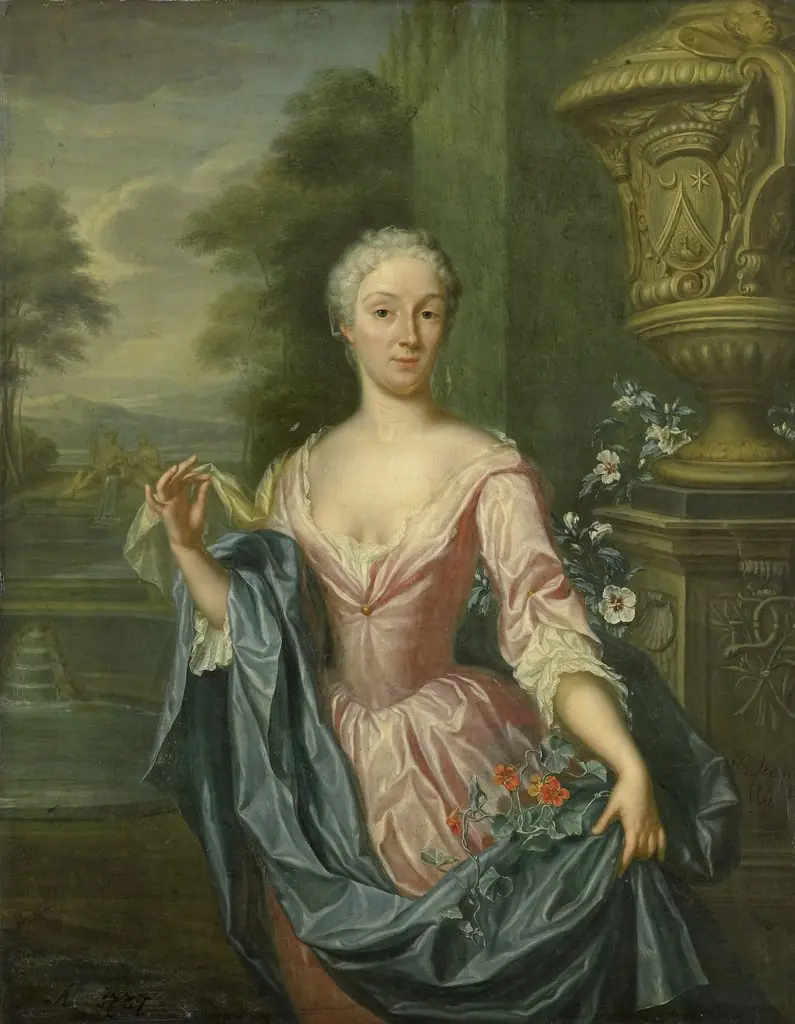 Portrait of Claudine van Royen (born 1712), Wife of Pieter Teding van Berkhout
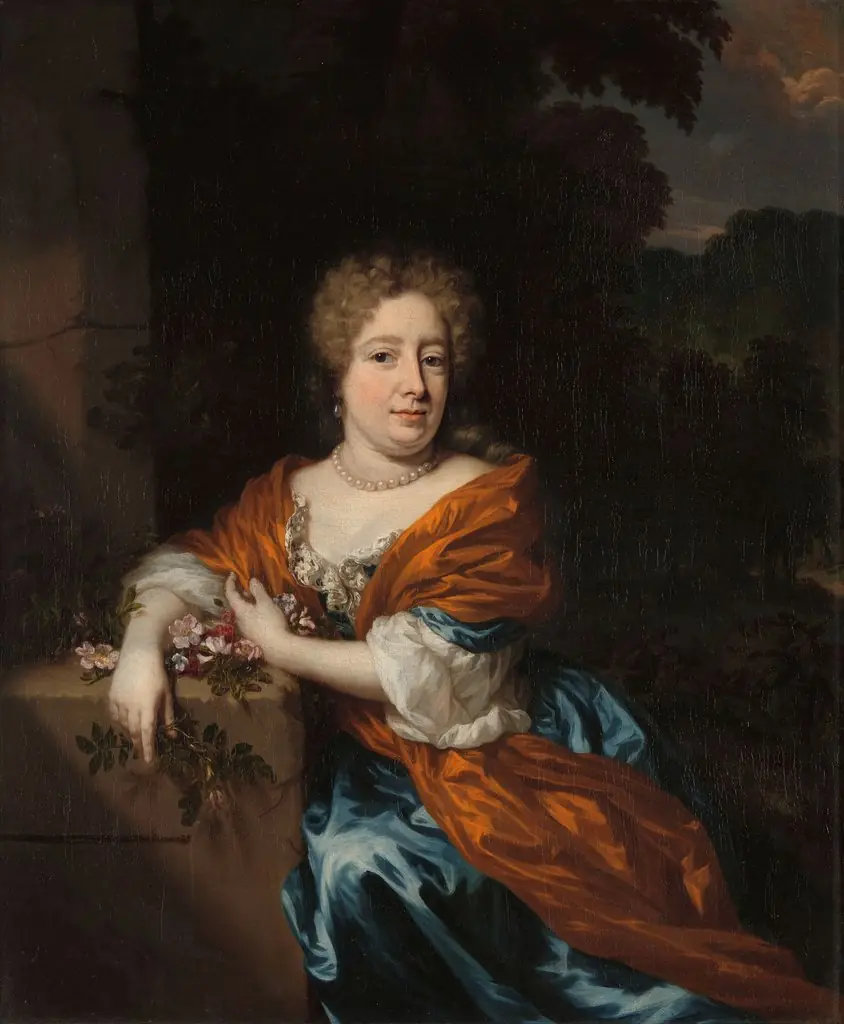 Portrait of Petronella Dunois
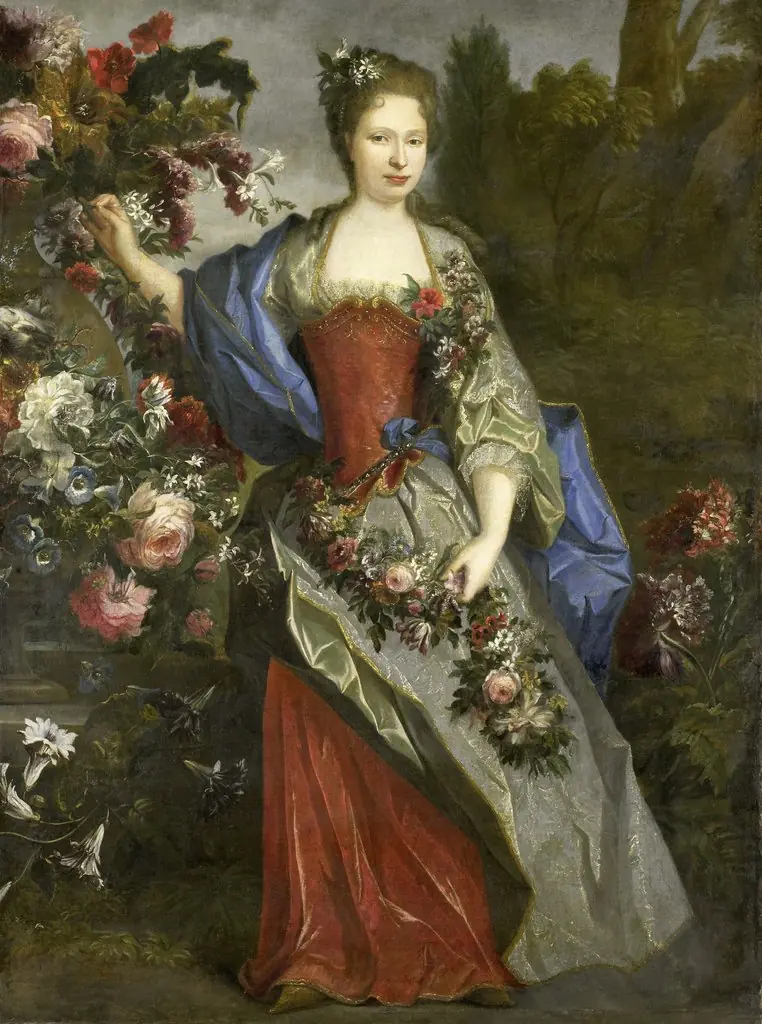 Portrait of a Woman, according to tradition Marie Louise Elisabeth d'Orléans, Duchess of Berry, as Flora
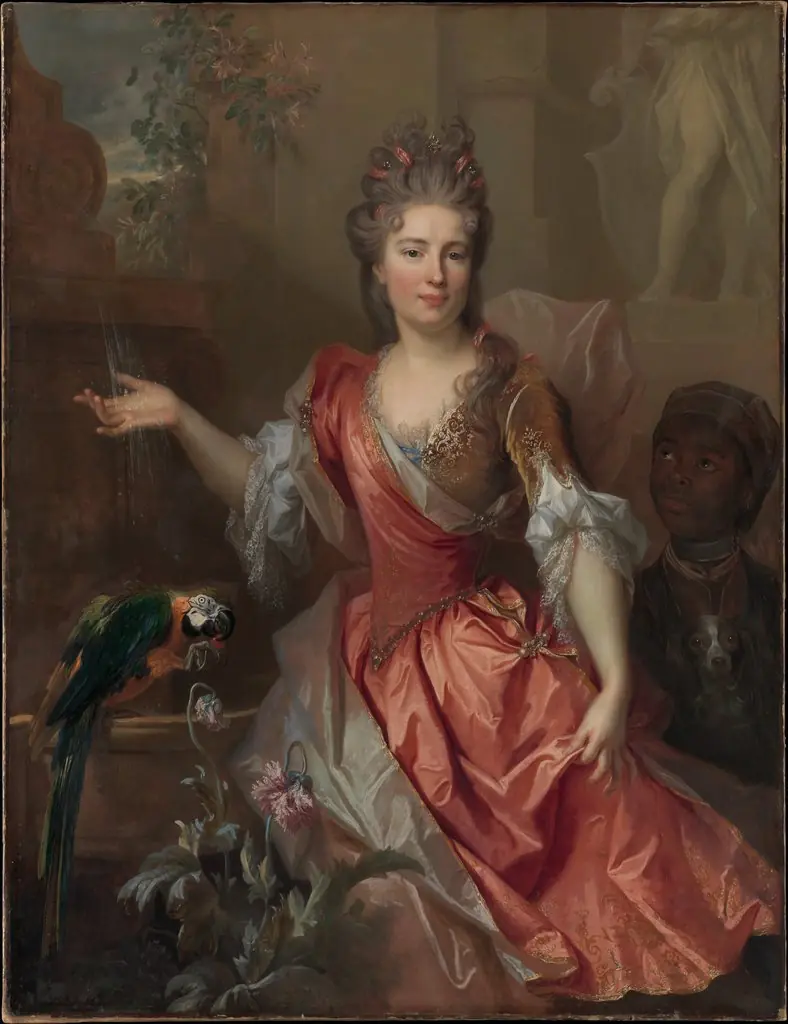 Portrait of a Woman, Possibly Madame Claude Lambert de Thorigny (Marie Marguerite Bontemps, 1668–1701)
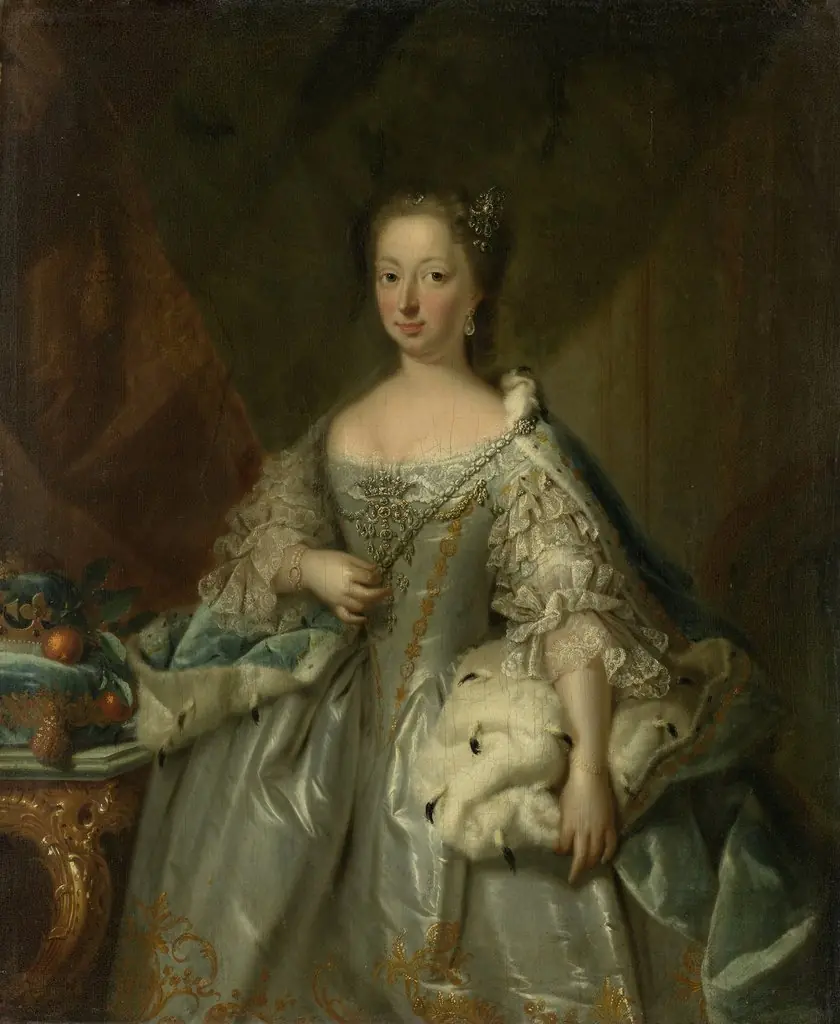 Anna of Hanover
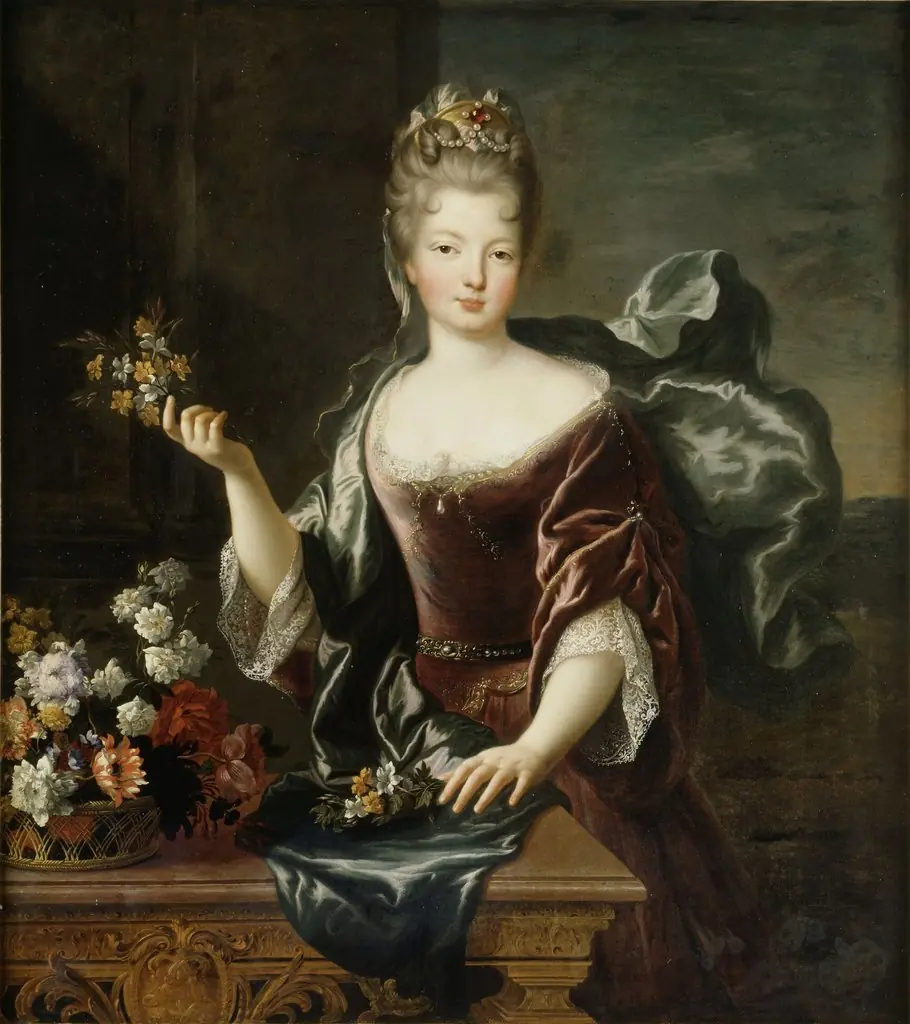 Françoise-Marie de Bourbon, Mademoiselle de Blois, Duchess of Orleans
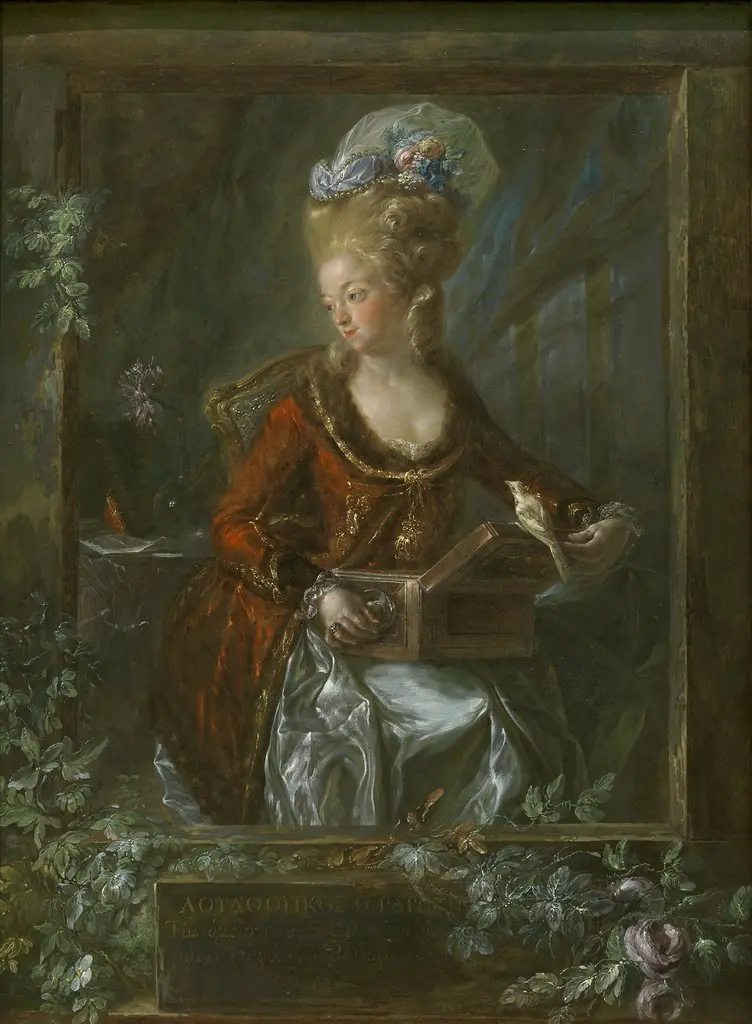 María de las Nieves Micaela Fourdinier, the Painter's Wife