Artwork
Untitled
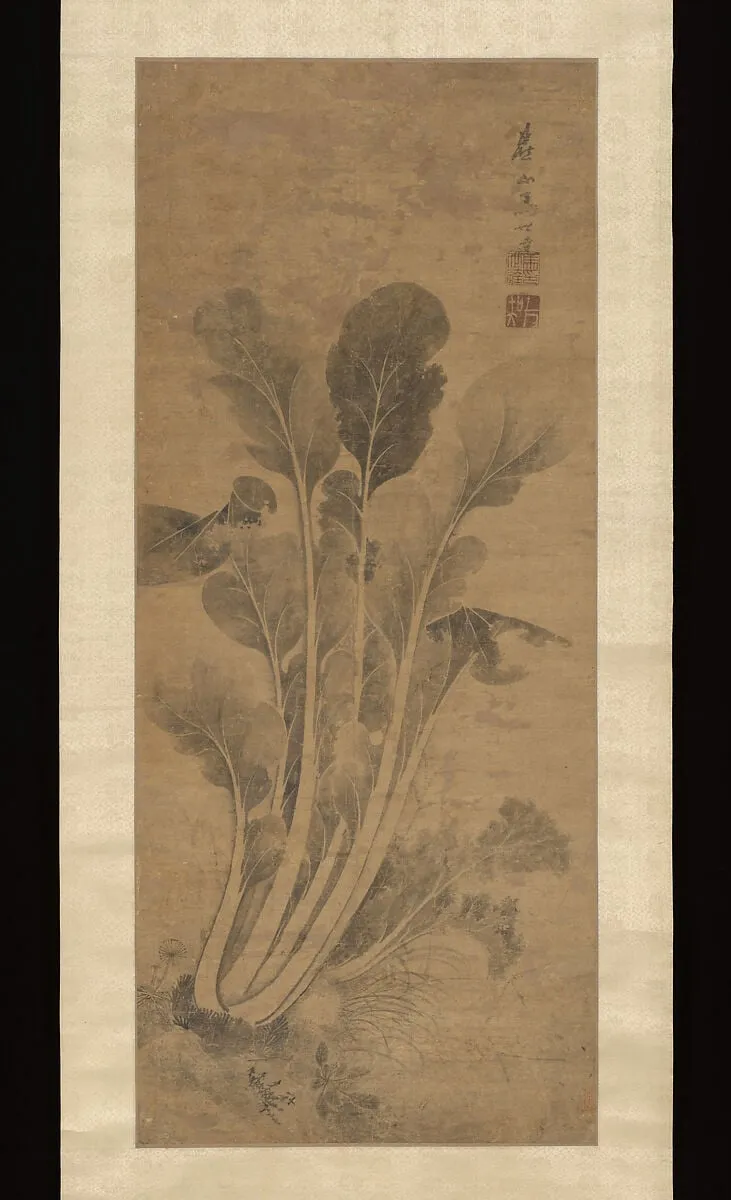
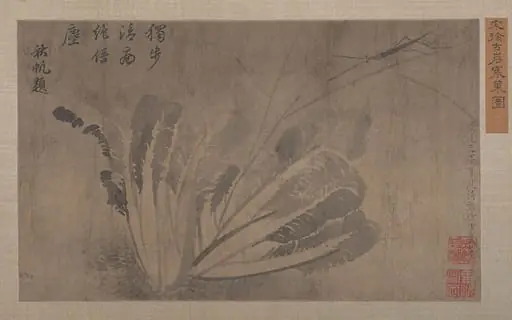
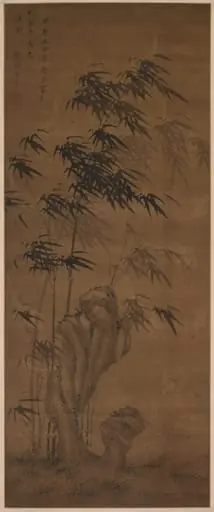
Untitled is an ink painting by the Chinese Orthodox School artist Ma Shida. It dates from 1449 and is held in the collection of the Metropolitan Museum of Art.
About this work
Subject & Meaning
By presenting the produce without narrative or symbolic accompaniment, the artist emphasizes material simplicity and the quiet dignity of rural sustenance.
The painting shows a single, unadorned vegetable rendered in ink on paper. The work belongs to the still‑life genre and was created as a hanging scroll in 1449 in China. Its subject is identified in the catalog as a vegetable, suggesting an everyday agricultural element elevated to artistic focus.
By presenting the produce without narrative or symbolic accompaniment, the artist emphasizes material simplicity and the quiet dignity of rural sustenance. The composition reflects traditional Chinese aesthetic concerns with balance and restraint, allowing the viewer to contemplate the ordinary object as a meditation on nourishment and transience.
Technique & Style
The work is executed in ink on paper and presented as a hanging scroll, a traditional East Asian format suited to vertical display. Its classification as a painting and its still-life genre indicate a focused, observational approach centered on the depiction of a vegetable subject. The piece originates from China and is held in the collection of the Metropolitan Museum of Art.
History & Provenance
The work was created in 1449, as indicated by the artist’s inscription on the scroll. It is attributed to Ma Shida and depicts a vegetable subject, consistent with the still-life genre associated with the artist’s oeuvre.
The painting entered the collection of the Metropolitan Museum of Art, where it is currently held. Its presence in the museum’s holdings is documented, aligning with the work’s classification as a hanging scroll in ink on paper.
Overview
Created in 1449, this hanging scroll by Ma Shida presents a modest still‑life composition rendered in ink on paper. The work measures a long, narrow format typical of Chinese scrolls and focuses on a small grouping of vegetables, offering a quiet study of everyday produce.
Context
During the Ming dynasty, artists often explored the genre of vegetable still lifes as a means of expressing personal restraint and scholarly virtue. This work aligns with that tradition, using modest subject matter to reflect the painter’s cultivated sensibility.
Legacy
The piece exemplifies the subtle power of monochrome ink to convey texture and atmosphere, influencing later Chinese artists who pursued similar economies of line and negative space in their own botanical studies.
Artist & collection


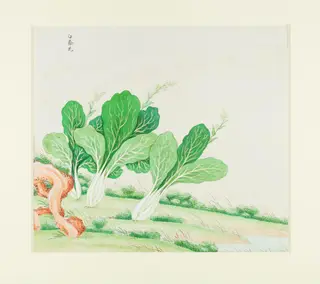
- Chinese White Cabbage
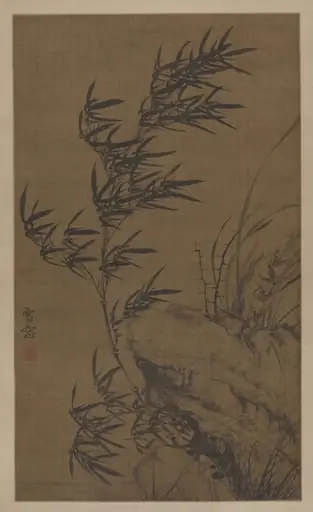 Bamboo in the Wind
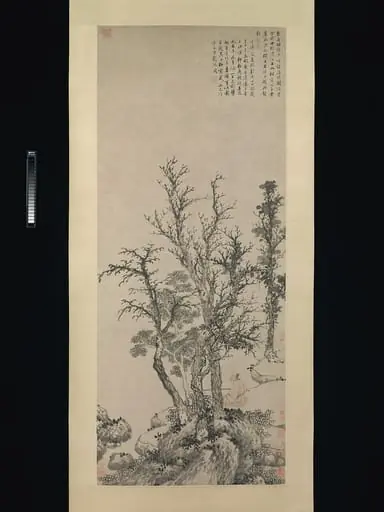 明 沈周 秋林閒釣圖 軸|Silent fisherman in an autumn wood
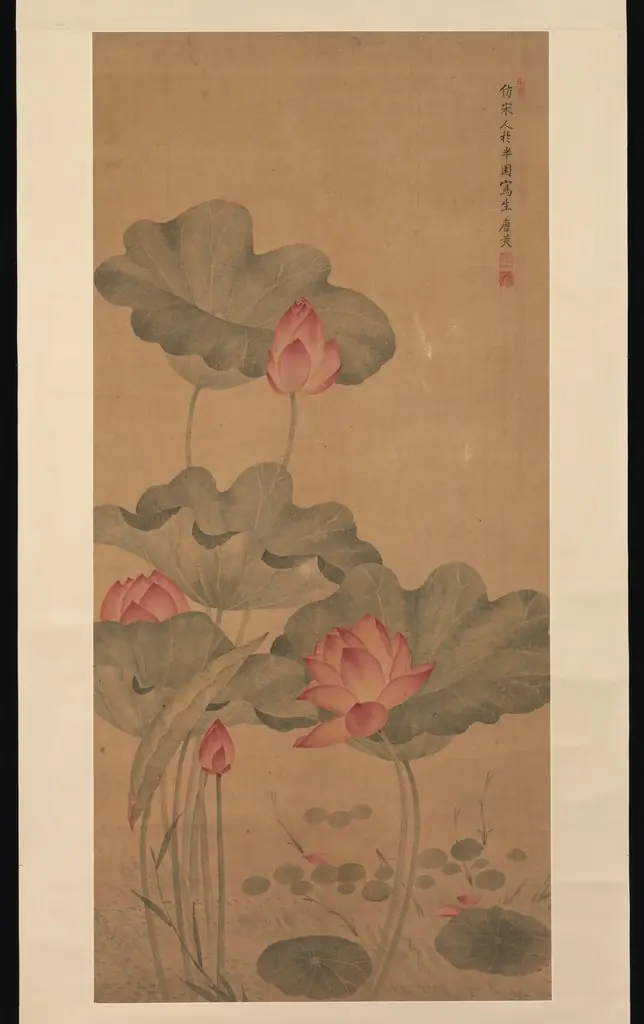 Red Lotus and Fish
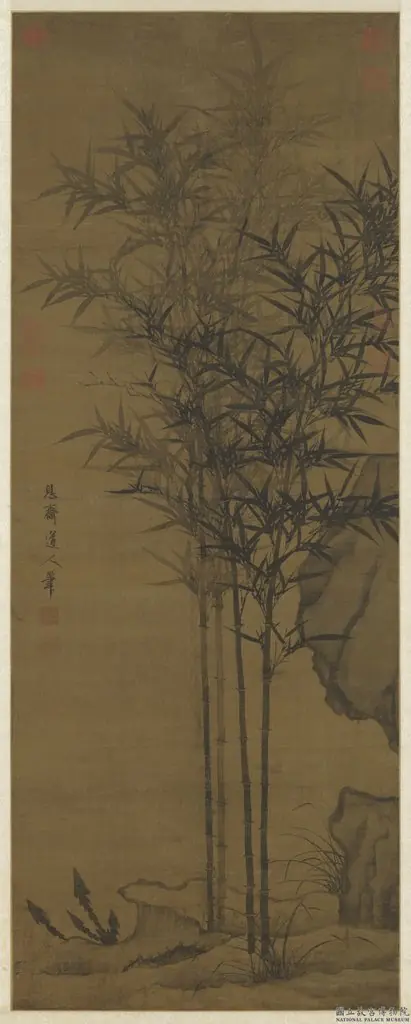 元李衎四季平安圖 軸
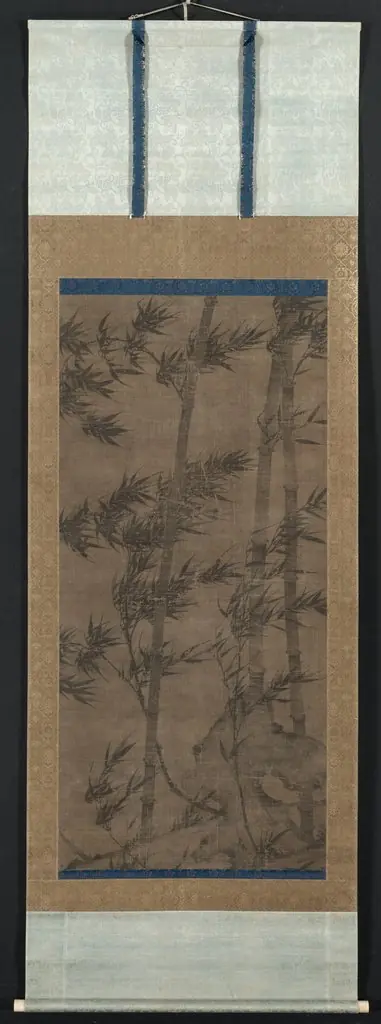 Bamboo in Four Seasons: Summer and Winter
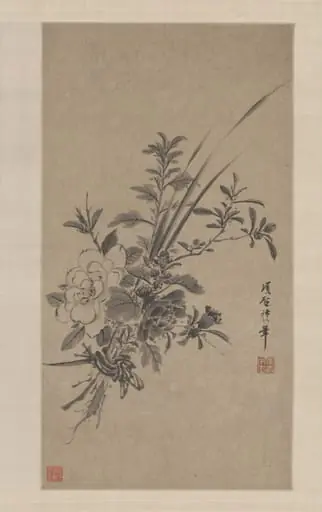 Bunch of Flowers With Calamus
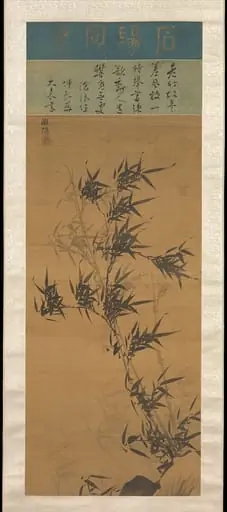 탄은 이정 대나무 조선|灘隱 李霆 墨竹圖 朝鮮|Bamboo in the Wind
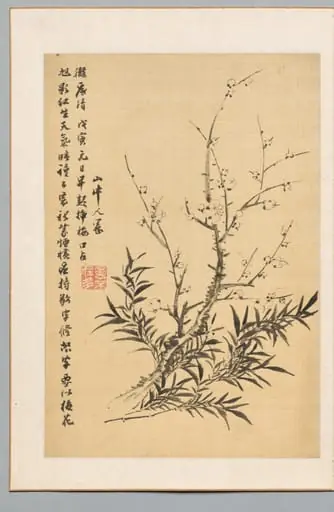 Plum Blossoms and Bamboo
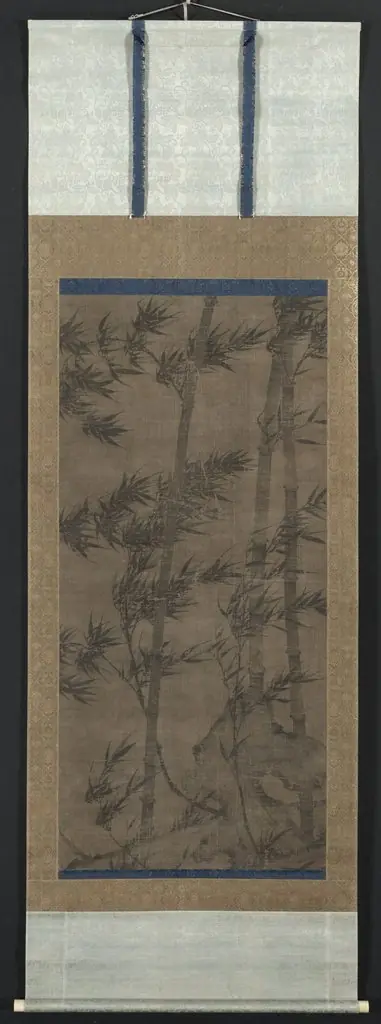 Bamboo in Four Seasons: Summer
 Untitled
 Bamboo in the Wind