Artwork
Bamboo in the Wind
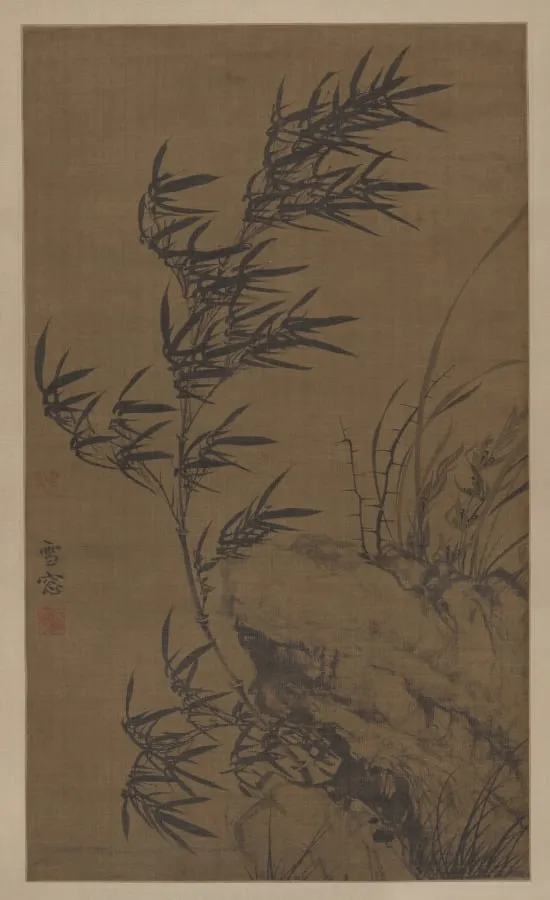
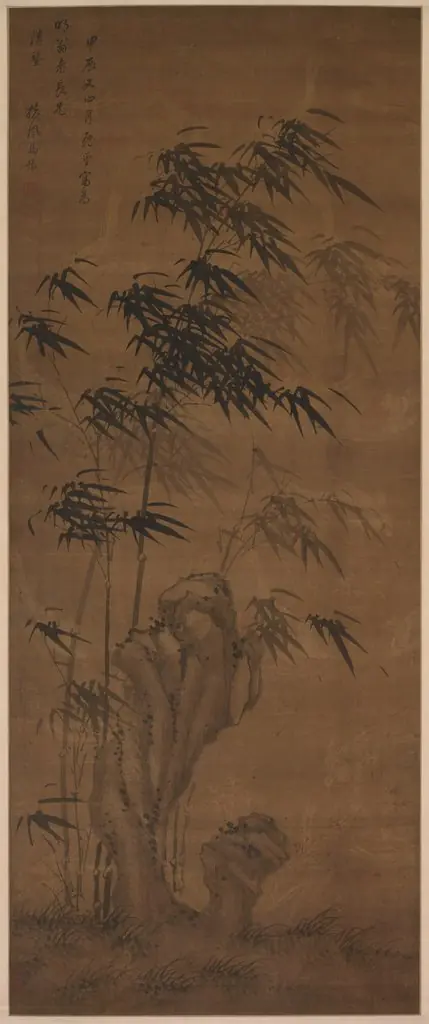
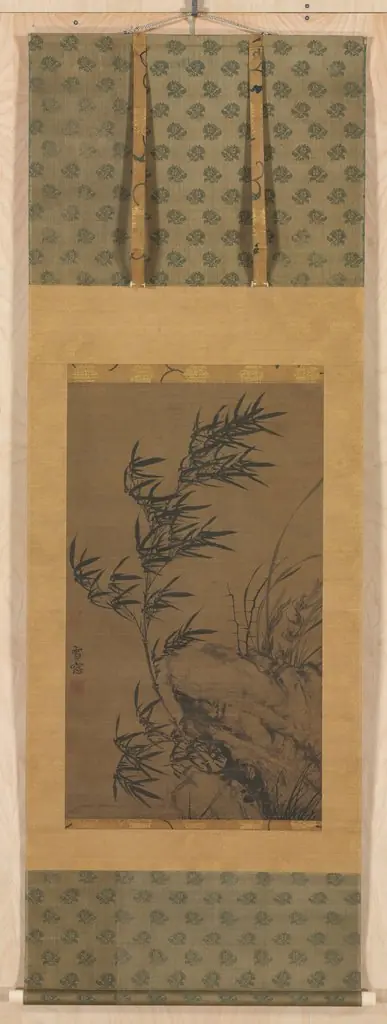
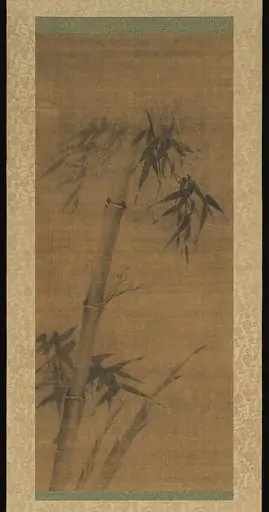
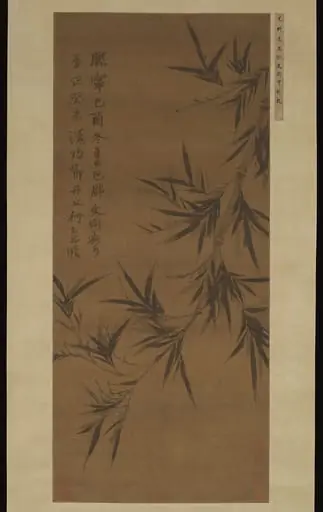
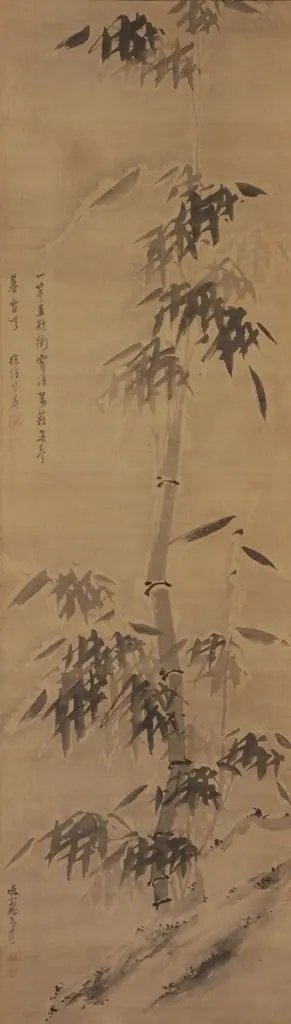
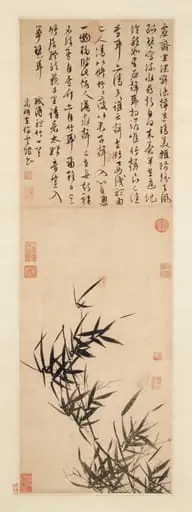
Bamboo in the Wind is an unspecified painting by the Ming dynasty painting artist Puming (Xuechuang). It dates from 1304 and is held in the collection of the Cleveland Museum of Art. This ink painting depicts a single bamboo stalk swaying in a light wind, rendered with delicate brushwork and minimal detail.
- Accession no.
- 1953.246
- Credit line
- John L. Severance Fund
About this work
You see a single stalk of bamboo bending in a soft wind, leaves fluttering like thin ribbons.
Bamboo doesn’t snap under snow or storm, so Chinese scholars painted it as a symbol of resilience. This artist was a monk, and the quiet curve of the stalk feels like a breath of calm.
To see more of this quiet strength, look up subject: china, yuan dynasty (1271-1368).
Overview
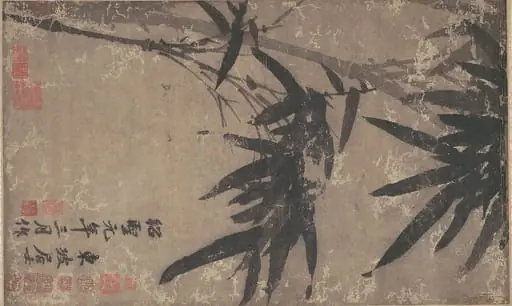
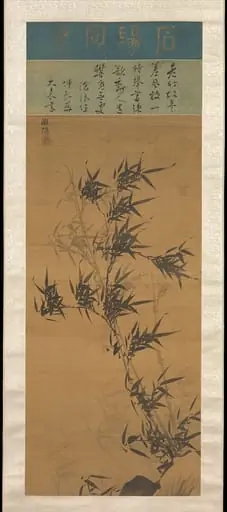
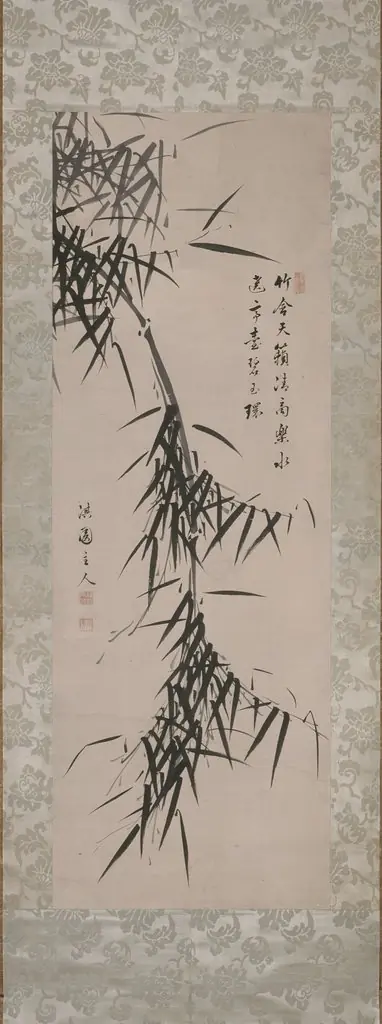
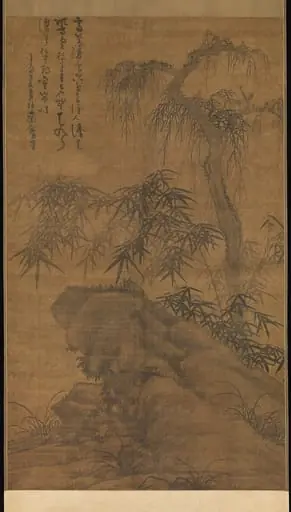
This ink painting depicts a single bamboo stalk swaying in a light wind, rendered with delicate brushwork and minimal detail.
This ink painting depicts a single bamboo stalk swaying in a light wind, rendered with delicate brushwork and minimal detail. Created during the Yuan dynasty, it reflects the literati tradition of using natural forms to express moral ideals. The artist, a Buddhist monk, captures movement with restraint, emphasizing grace over drama. The work embodies quiet endurance, a theme central to both Confucian and Chan Buddhist thought.
Subject & Meaning
Bamboo, unbroken by snow or storm, served as a symbol of steadfastness in Chinese scholarly culture. Its flexible yet unyielding nature mirrored the ideal of inner resilience amid external pressures. Here, the bent stalk does not break, it bends with the wind, suggesting harmony with circumstance rather than resistance. The painting invites contemplation of composure, not as passive submission, but as quiet strength.
Technique & Style
Executed in monochrome ink, the painting relies on varying brush pressure and ink density to suggest form and motion. The stalk is drawn with a steady, fluid line, while the leaves are rendered with rapid, feathery strokes that imply fluttering movement. There is no background or context, only the bamboo, isolated to focus attention on its posture and rhythm. The technique is economical, yet expressive.
History & Provenance
The artist, Xuechuang, also known as Monk Puming, was a Chan Buddhist monk active in Suzhou during the mid-14th century. He served as abbot of Yunyan Temple on Tiger Hill in 1338. His works, though few survive, were highly regarded in East Asia, particularly in Japan and Korea, where they influenced monastic painting traditions. This piece likely originated in a temple setting, intended for meditation and reflection.
Context
During the Yuan dynasty, many scholar-officials withdrew from court life under Mongol rule, turning to art and spirituality as forms of personal integrity. Monks like Puming became key figures in this cultural shift, blending Chan Buddhist introspection with literati aesthetics. Bamboo painting, already established as a moral symbol, gained renewed resonance as a quiet act of resistance and self-cultivation.
Legacy
Puming’s bamboo paintings were preserved and copied in Japan and Korea, where they contributed to the development of ink-wash traditions in Zen monasteries. His restrained style influenced later generations who valued subtlety over grandeur. Though few of his works remain, this painting exemplifies how a single, unadorned image could carry deep philosophical weight across cultures and centuries.
Artist & collection