Artwork
The Visitation
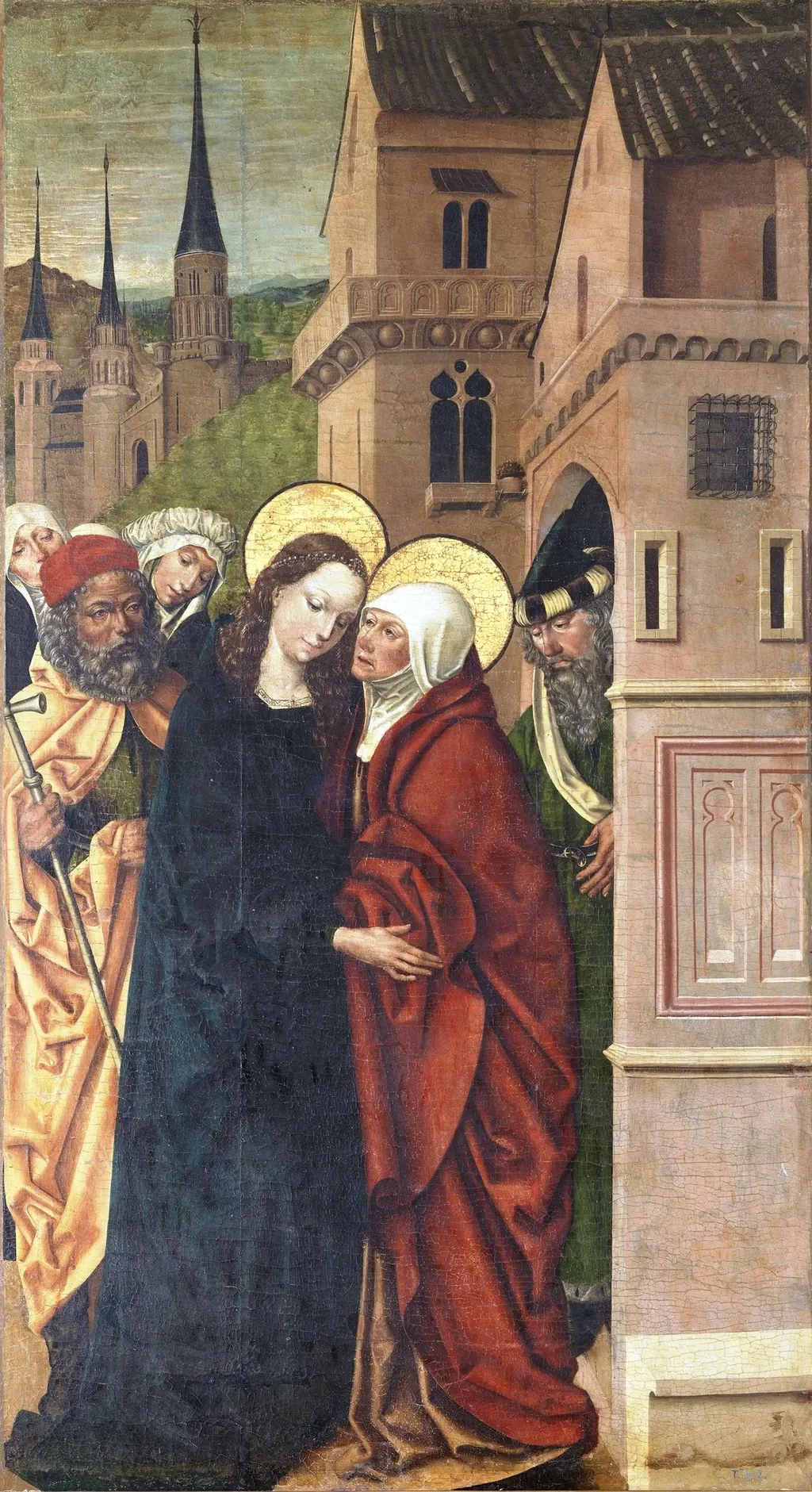
The Visitation is a mixed painting by the Early Renaissance artist Maestro de la Sisla. It dates from 1500 and is held in the collection of the Museo del Prado.
About this work
Subject & Meaning
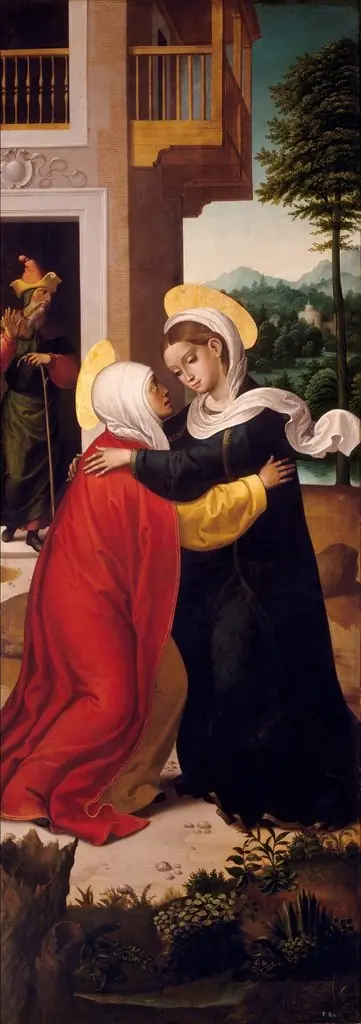
The artwork depicts the biblical moment of the Visitation, when Mary visits her cousin Elizabeth, a scene drawn from Luke 1:39-56.
The artwork depicts the biblical moment of the Visitation, when Mary visits her cousin Elizabeth, a scene drawn from Luke 1:39-56. This subject belongs to the religious narrative tradition common in early sixteenth‑century Spanish painting, emphasizing the encounter of two holy women and the recognition of Christ's presence in both.
Iconographically the composition includes Mary, Elizabeth, and often John the Baptist as a child, set within a domestic interior that underscores the familial connection. The mixed‑technique panel from 1500, housed in the Museo del Prado, uses careful modelling of figures and subtle gestures to convey reverence and spiritual intimacy.
The work’s meaning lies in its devotional function, inviting viewers to meditate on the joyous anticipation of the Incarnation and the communion of the faithful through the intercession of the holy family.
Technique & Style
The Visitation is executed in a mixed technique on panel, a combination characteristic of late fifteenth- and early sixteenth-century Spanish painting practice. The work is a religious painting on a vertical panel measuring 200 cm in height by 114 cm in width, giving it a pronounced elongated format suited to its devotional subject. It is held in the collection of the Museo del Prado, having been associated with the Museo de la Trinidad prior to its transfer there.
The mixed technique on a large wooden support is consistent with the Hispano-Flemish transitional methods employed by the Maestro de la Sisla, an anonymous master active around 1500.
History & Provenance
The painting titled The Visitation was created circa 1500 by the Maestro de la Sisla. It was executed in mixed technique on panel and portrays the biblical scene of the Visitation. The work entered the collection of the Museo del Prado and was later associated with the Museo de la Trinidad, remaining in the holdings of these institutions as documented.
The provenance indicates ownership by the Museo del Prado and the Museo de la Trinidad, reflecting a documented commission and institutional history within Spanish religious art.
Dating is anchored to the inception recorded in 1500, and the dimensions of the piece measure 200 cm in height and 114 cm in width, confirming its scale within the period's devotional paintings.
The Visitation is held in the collection of the Museo del Prado in Madrid. The work, executed around 1500 by the Maestro de la Sisla, carries the inventory number P001255 within the museum's holdings. Historically, the painting was also part of the collection at the Museo de la Trinidad before its current location.
The panel measures 200 cm in height and 114 cm in width. No specific exhibition history for this work is detailed in the available records.
Context
Critical reception of The Visitation remains limited due to its attribution to the obscure Master of the Sisla, though its formal qualities align with early 16th-century Castilian religious painting. Scholarship situates the work within the Master's oeuvre as a mature religious composition, reflecting the devotional practices of the period. The painting is housed in the Museo del Prado and forms part of the collection associated with the Museo de la Trinidad, anchoring its provenance within institutional holdings.
Legacy
The painting's composition influenced subsequent depictions of the Visitation in Spanish religious art, particularly in its treatment of spatial interaction between figures. Art historians note its role in shaping devotional practices within Counter-Reformation visual culture, with the work remaining on display in a major Spanish institution since its acquisition.
Overview
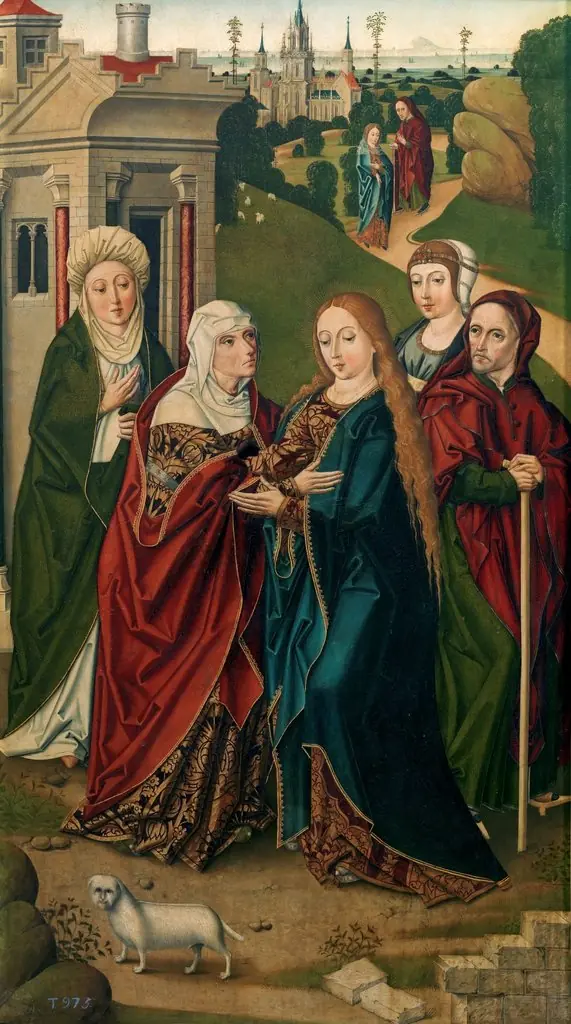
Created circa 1500, The Visitation is a mixed‑technique panel attributed to the anonymous Master of La Sisla, an early‑Renaissance painter linked to the altarpiece of the former Monastery of Santa María de Sisla, now in the Prado Museum. The composition presents the biblical encounter between the Virgin Mary and her cousin Elizabeth, set before an architectural backdrop.
Artist & collection
Artist
The Master of La Sisla (active c.1500) is the name given to an anonymous artist who painted the panels for the altarpiece at the Monastery of Santa María de Sisla, near Toledo; now preserved at the Museo del Prado.