Artwork
Untitled
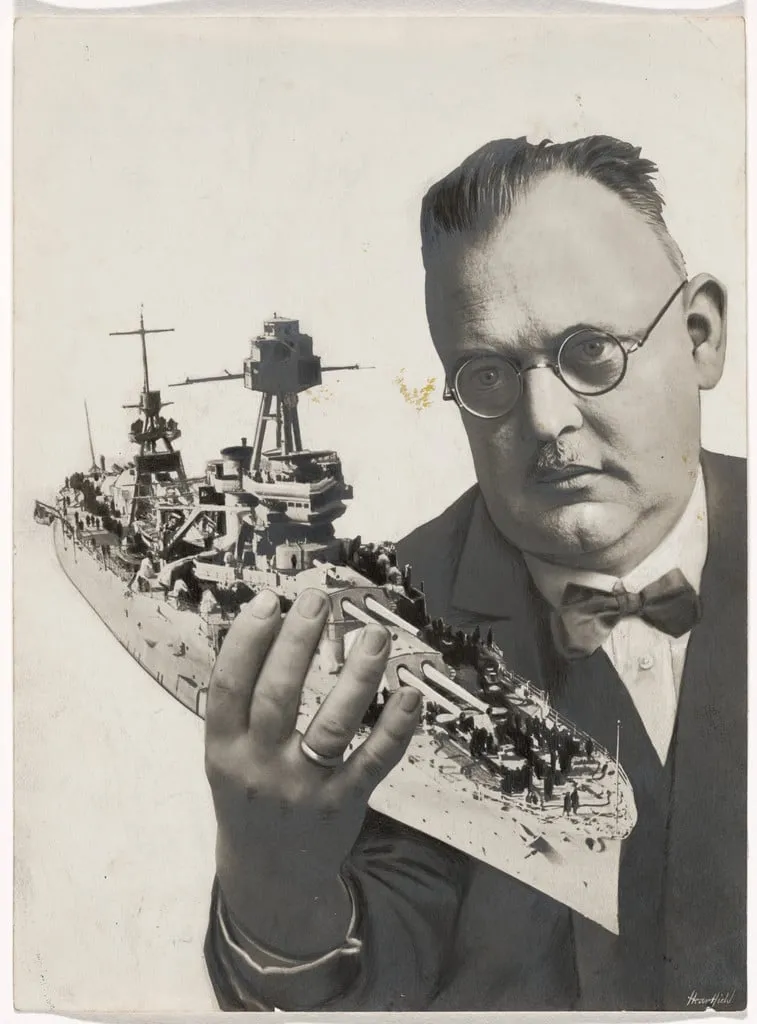
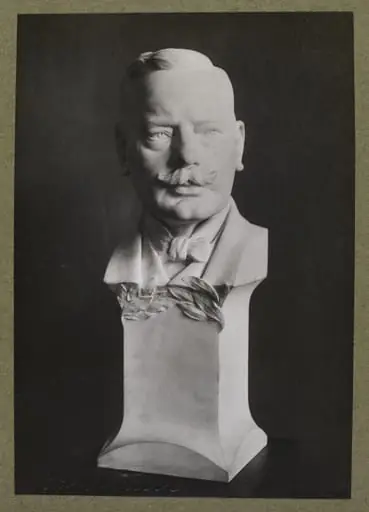
Untitled is an ink drawing by John Heartfield. It dates from 1928 and is held in the collection of the Museum of Modern Art.
About this work
Overview
Heartfield’s method merges documentary imagery with deliberate textual intervention to disrupt passive viewing.
This gelatin silver print with ink, created by John Heartfield in 1928, is part of a series of photomontages that critically engage with the rise of militarism in interwar Germany. Though titled 'Untitled,' the work functions as a visual argument, using photographic elements and handwritten annotations to expose the entanglement of industrial power and fascist ideology. Heartfield’s method merges documentary imagery with deliberate textual intervention to disrupt passive viewing.
Subject & Meaning
The image depicts a man in formal attire, wearing round glasses and a bow tie, holding a detailed model of a warship. His focused gaze suggests contemplation, but the context transforms this into a critique: the figure embodies the technocratic elite who rationalize military expansion. The model, rendered with precision, symbolizes industrialized warfare, while the suit and tie represent the respectable facade of those enabling aggression. The quiet composition belies a violent undercurrent.
Technique & Style
Heartfield employed photomontage, cutting and reassembling photographic elements with ink annotations to construct layered meaning. The gelatin silver print provides a stark, high-contrast base, while handwritten text adds urgency and directness. The background is deliberately neutral, isolating the figures to emphasize symbolic weight over environmental detail. This restrained aesthetic avoids sensationalism, relying on precision and juxtaposition to provoke critical reflection.
History & Provenance
Created during Heartfield’s most politically active period, this work emerged from his collaboration with leftist publications in Weimar Germany. It was likely produced for or in response to anti-fascist periodicals such as AIZ (Arbeiter-Illustrierte-Zeitung), where his photomontages regularly appeared. The work remained in private hands after Heartfield fled Nazi Germany in 1933, later entering institutional collections as part of broader recognition of his resistance art.
Context
In the late 1920s, Germany’s industrial and military elites increasingly aligned with nationalist agendas, masking militarism as economic progress. Heartfield’s work responded to this normalization, using visual irony to reveal the human cost behind technological advancement. His imagery countered state propaganda by exposing the continuity between capitalist interests and fascist ambition, positioning the artist as a critical voice in a society moving toward authoritarianism.
Legacy
Heartfield’s photomontages established a precedent for politically engaged visual culture, influencing later movements from Dada to contemporary activist art. His integration of photography, text, and composition demonstrated how media could be repurposed to challenge power. Though lesser known than his more overtly satirical works, this quiet, precise image endures as an early example of visual dissent that refuses spectacle in favor of sober indictment.
Artist & collection
Artist
John Heartfield (born Helmut Herzfeld; 19 June 1891 – 26 April 1968) was a German visual artist who pioneered the use of art as a political weapon.

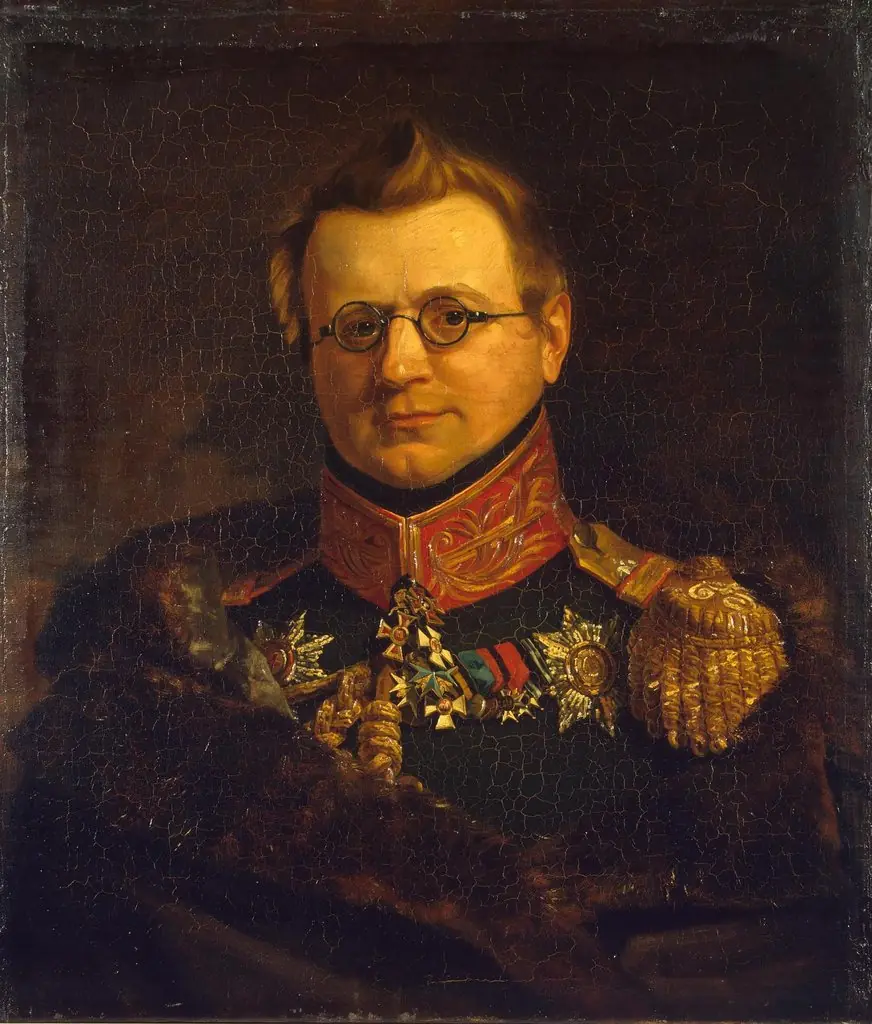
- Portrait of Stanislav S. Pototsky (1787-1831)
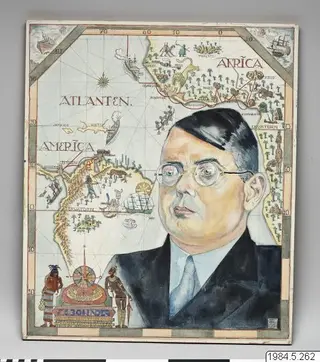 tavla, painting
 Portrait of John Redmond (1856-1918), Parliamentarian
 Portrait of Max Reger
 Omakuva
 John Robertson, J. P., Dundee
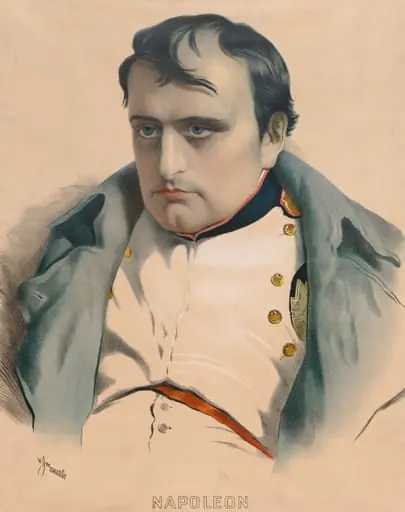 Bust Portrait of Napoleon
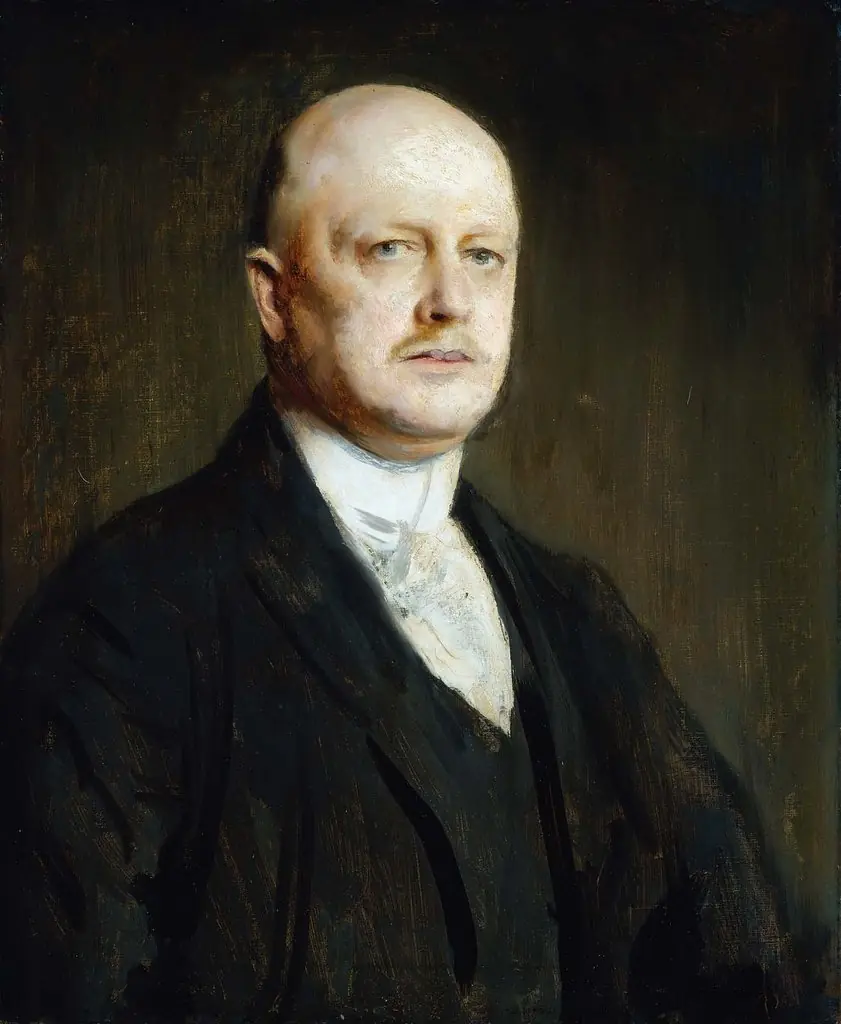 Thomas B. Clarke
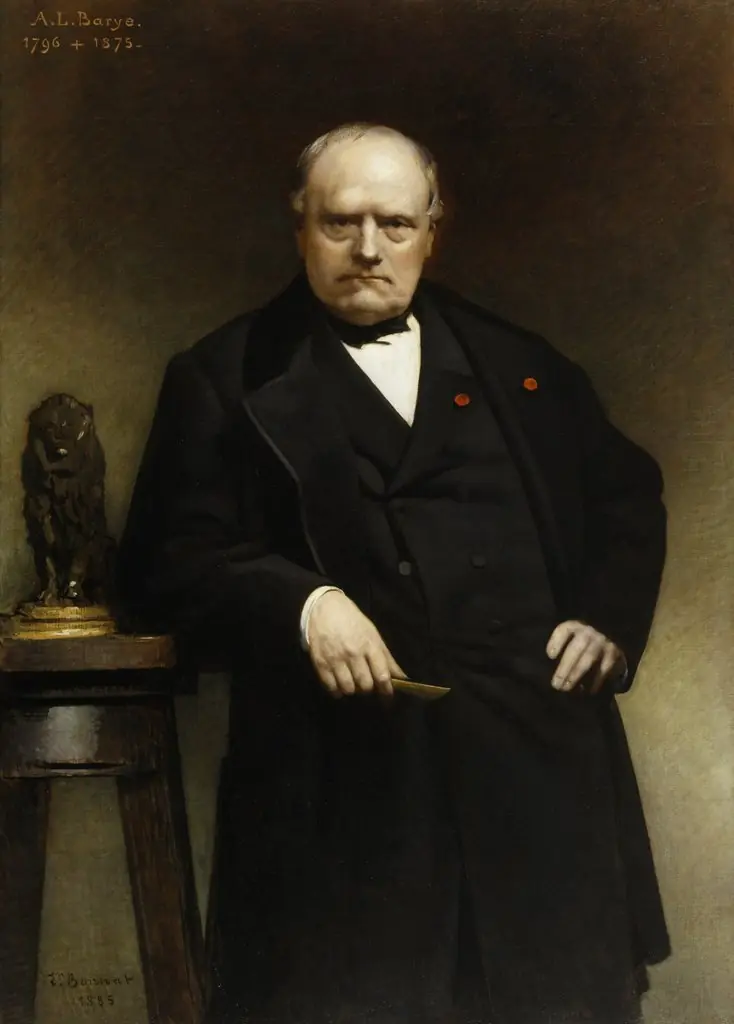 Portrait of Barye with a Wax Model of "Seated Lion"
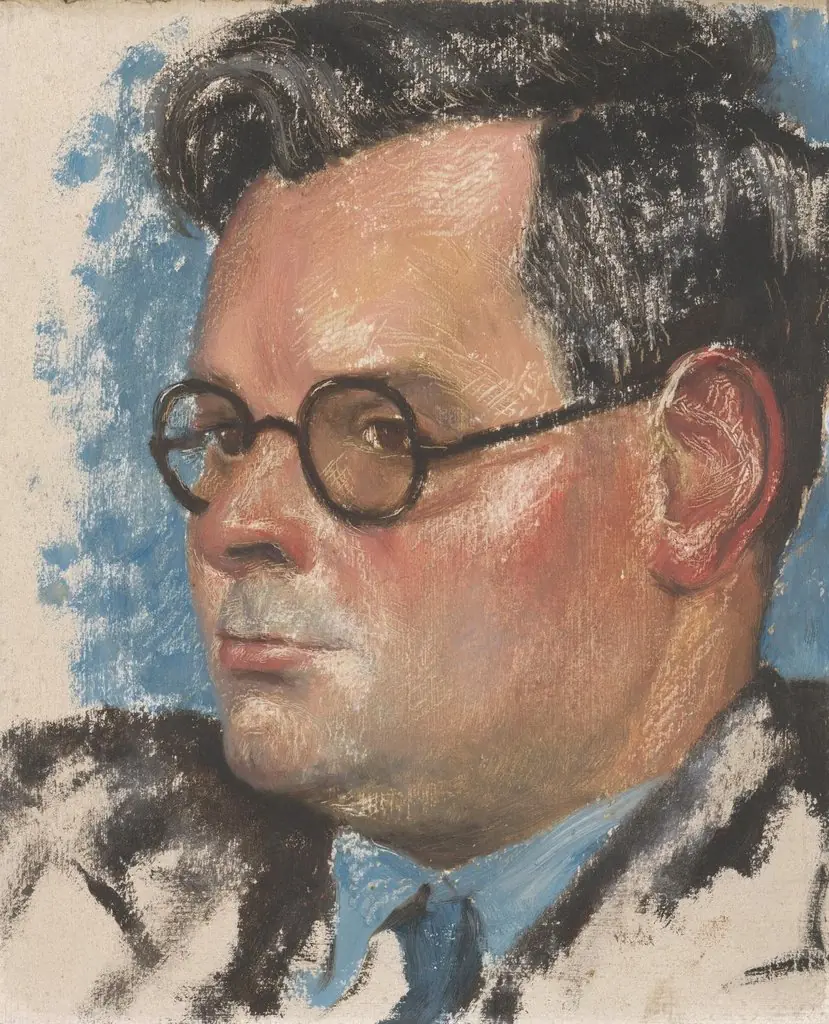 Raymond Postgate
 Untitled
 Portrait de Camille Cavour