Artwork
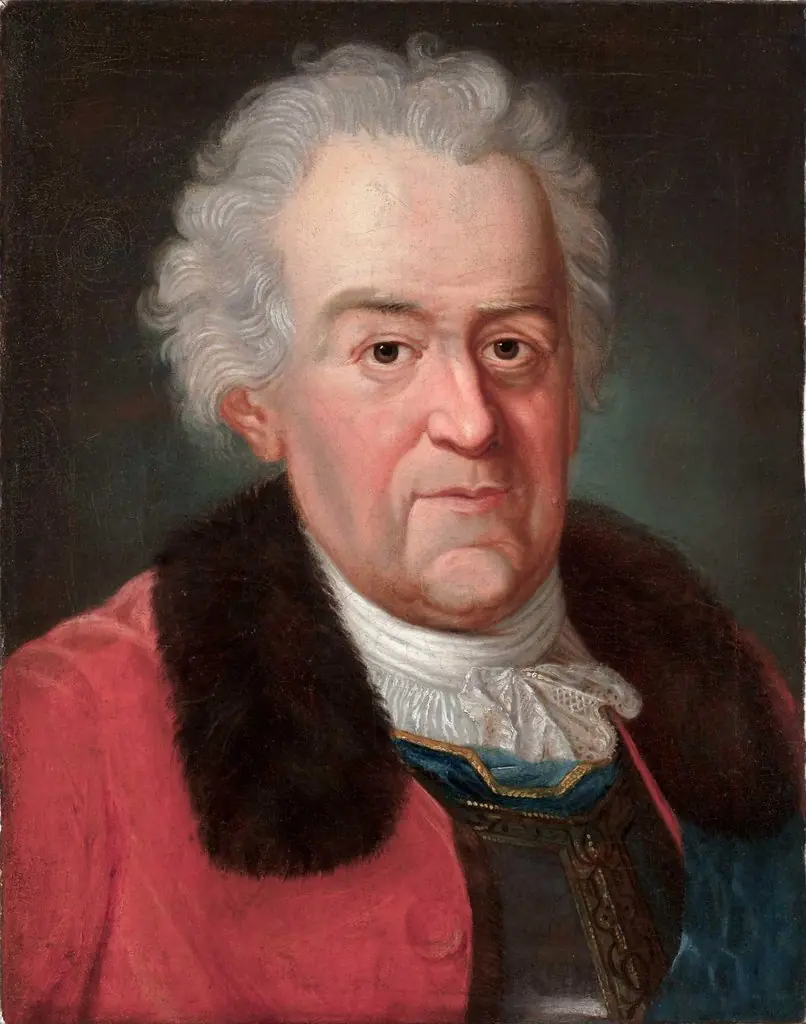
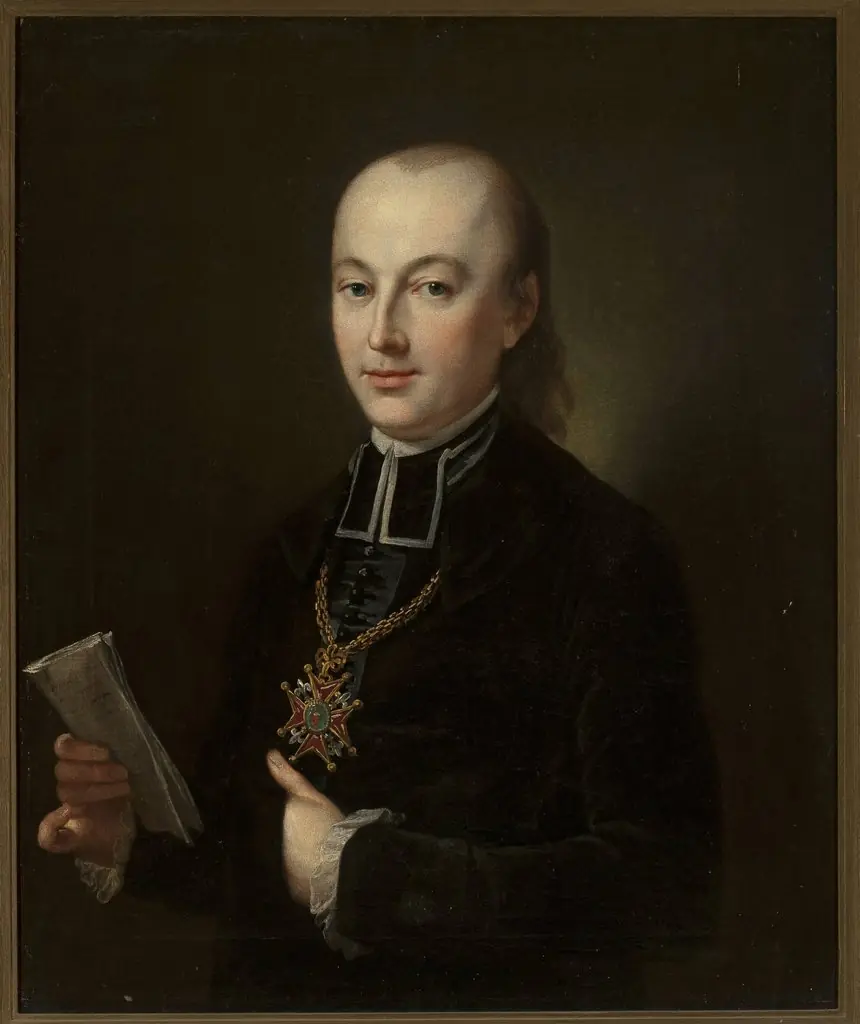
Portrait of John Baptist Albetrandi (1731–1808), bishop
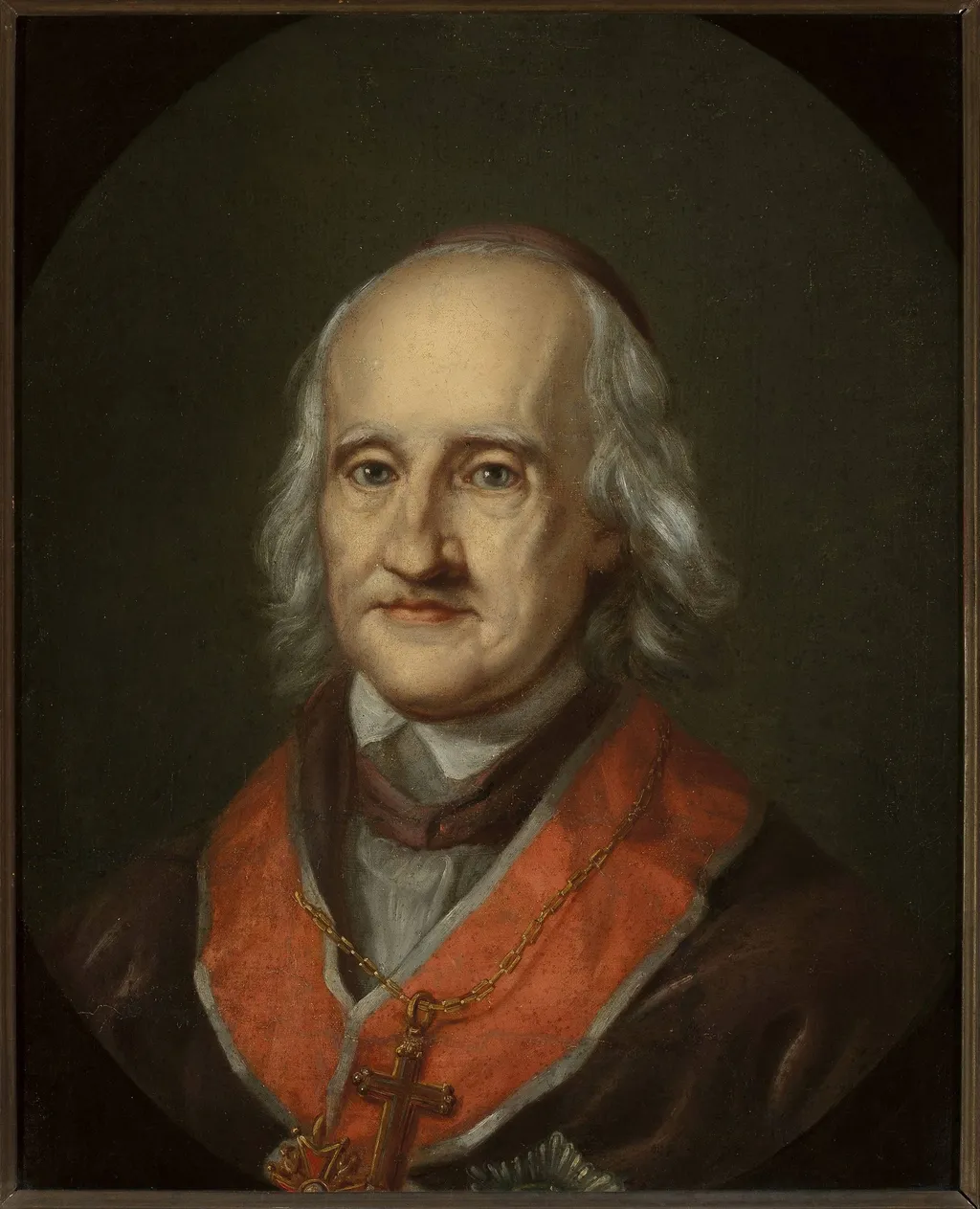
Portrait of John Baptist Albetrandi (1731–1808), bishop is an oil painting by Marcello Bacciarelli. It dates from 1800 and is held in the collection of the National Museum in Warsaw.
About this work
Overview
Marcello Bacciarelli painted the portrait of John Baptist Albetrandi in 1800 using oil on canvas. Though Italian by birth, Bacciarelli spent much of his career in Poland, where he gained recognition for his refined portraiture. The work is part of the National Museum in Warsaw’s collection and reflects his late career style, blending Baroque precision with emerging Neoclassical restraint.
Subject & Meaning
John Baptist Albetrandi, a bishop who lived from 1731 to 1808, is depicted in ecclesiastical regalia that signals his high rank within the Church. His white hair and composed expression convey age and authority. The gold cross and chain, illuminated subtly against the dark background, emphasize his spiritual role without overt symbolism, suggesting dignity rather than grandeur.
Technique & Style
The brushwork is controlled, avoiding theatricality; the composition reflects a shift toward Neoclassical clarity while retaining Baroque attention to detail.
Bacciarelli employed careful modeling to render the textures of fabric and metal, with light catching the gold embroidery to create quiet luminosity. The dark, neutral background isolates the figure, focusing attention on his attire and facial presence. The brushwork is controlled, avoiding theatricality; the composition reflects a shift toward Neoclassical clarity while retaining Baroque attention to detail.
History & Provenance
The portrait was completed in 1800, near the end of Bacciarelli’s time in Poland, where he served as court painter. Albetrandi, a Polish bishop, likely commissioned the work during his tenure. It remained in Poland after the artist’s death and entered the National Museum in Warsaw’s collection, where it has been preserved as part of the nation’s artistic heritage.
Context
Bacciarelli’s work in Poland coincided with a period of cultural consolidation under the Polish–Lithuanian Commonwealth. Portraits of clergy like Albetrandi served both personal and institutional purposes, affirming ecclesiastical status amid political change. The painting reflects the blending of Italian artistic training with local patronage demands in late 18th-century Eastern Europe.
Legacy
This portrait exemplifies Bacciarelli’s role in shaping Polish portraiture during a transitional era. While not widely known outside Poland, his works, including this one, contributed to the development of a national visual language that balanced European conventions with local identity. The painting remains a quiet testament to the intersection of faith, authority, and artistic skill in its time.
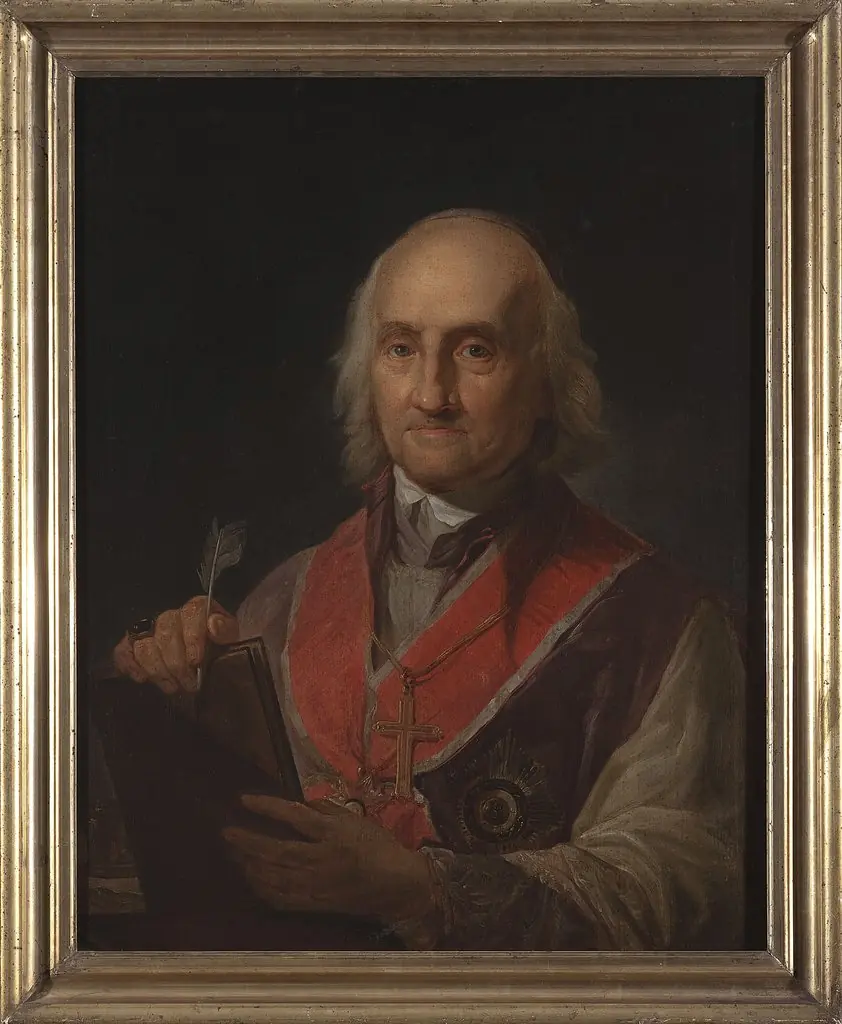
Own this work as a print
Artist & collection
Artist
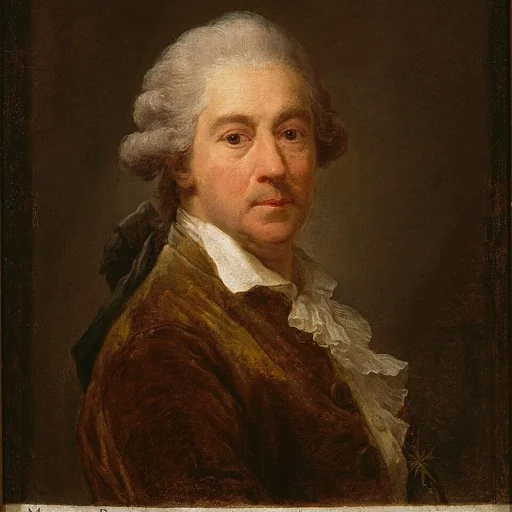
Marcello Bacciarelli (Italian pronunciation:; 16 February 1731 – 5 January 1818) was an Italian-born painter of the late-baroque and Neoclassic periods active in Poland and the Polish–Lithuanian Commonwealth.

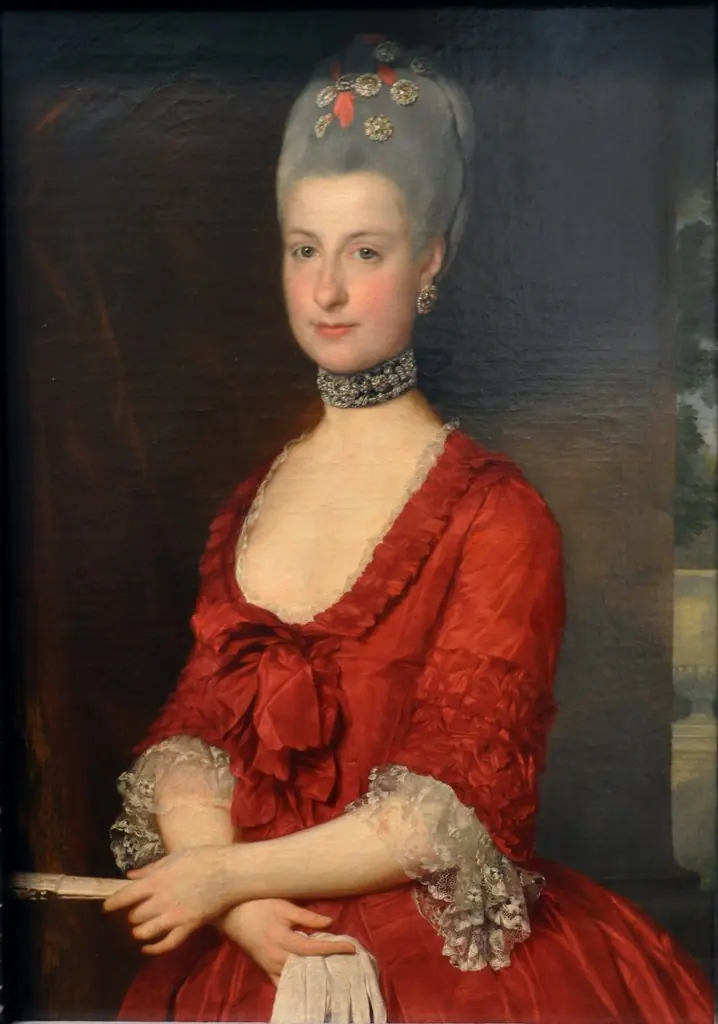 Portrait of Archduchess Maria Christina (1742-1798), Duchess of Teschen
 Portrait of Stanisław Poniatowski (1676–1762), king’s father
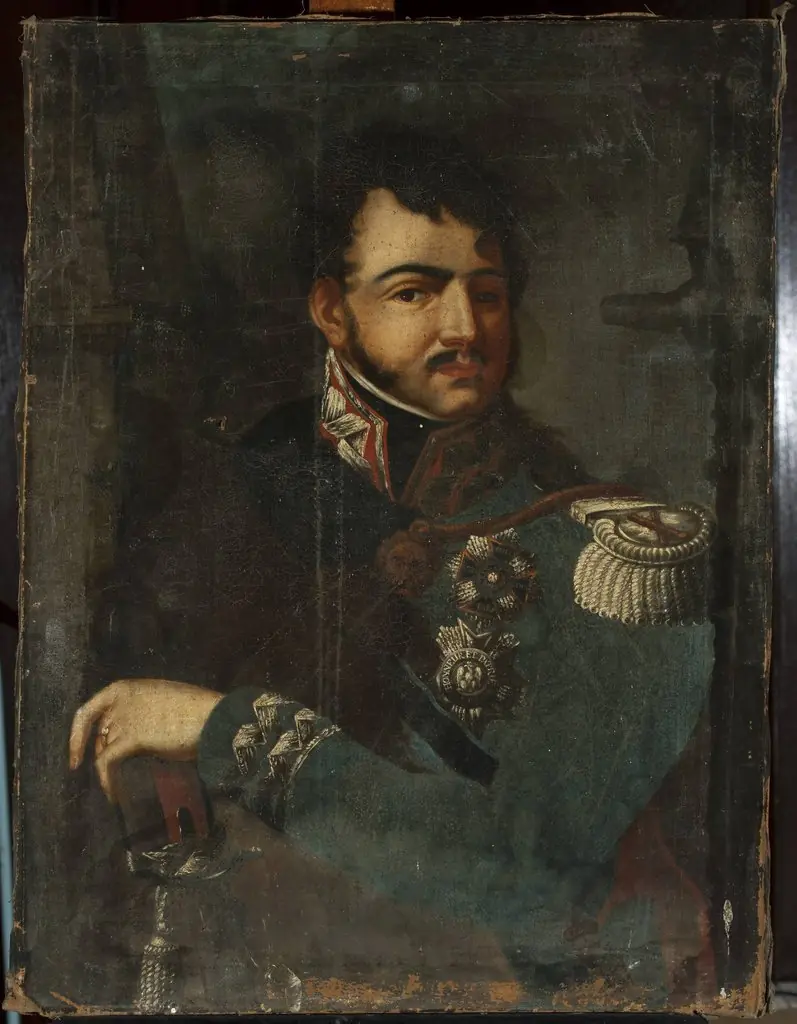 Portrait of Prince Józef Poniatowski
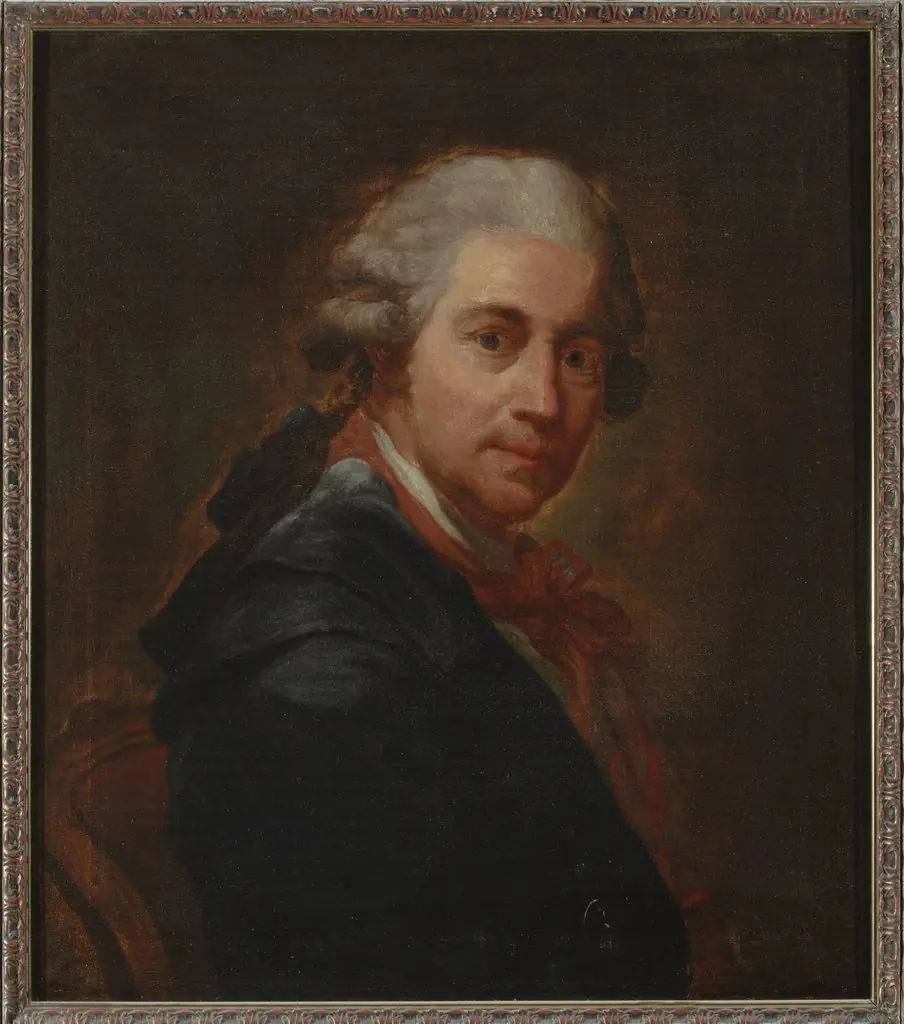 Self-portrait of Bacciarelli in a redingote
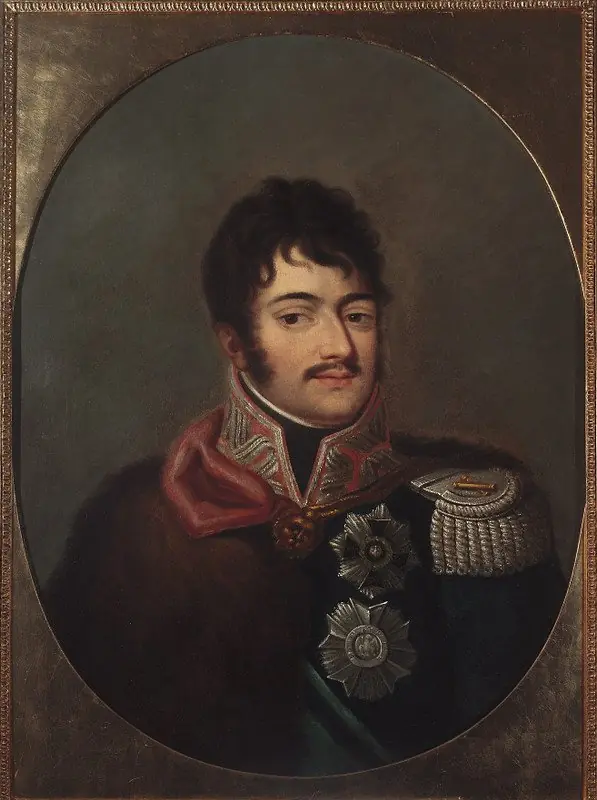 Portrait of Prince Józef Poniatowski
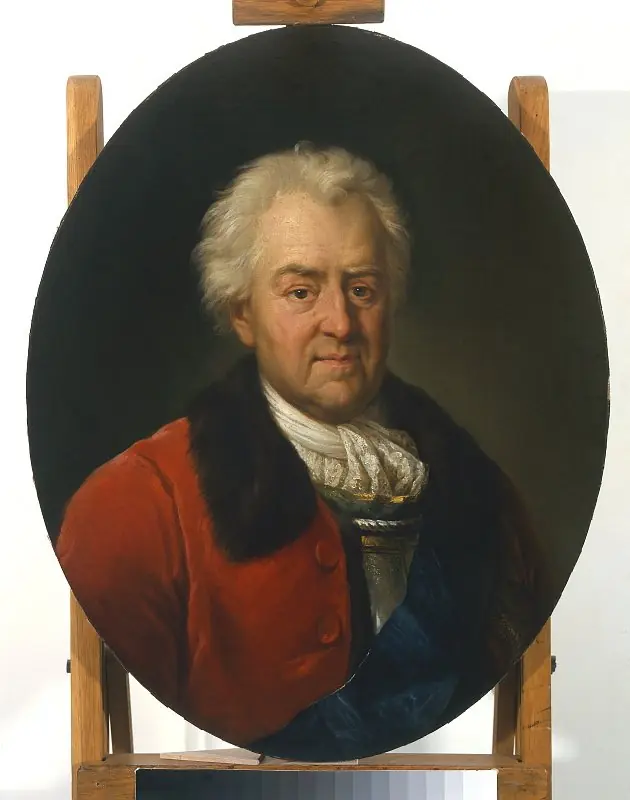 Portrait of Stanisław Poniatowski (1676–1762), king’s father
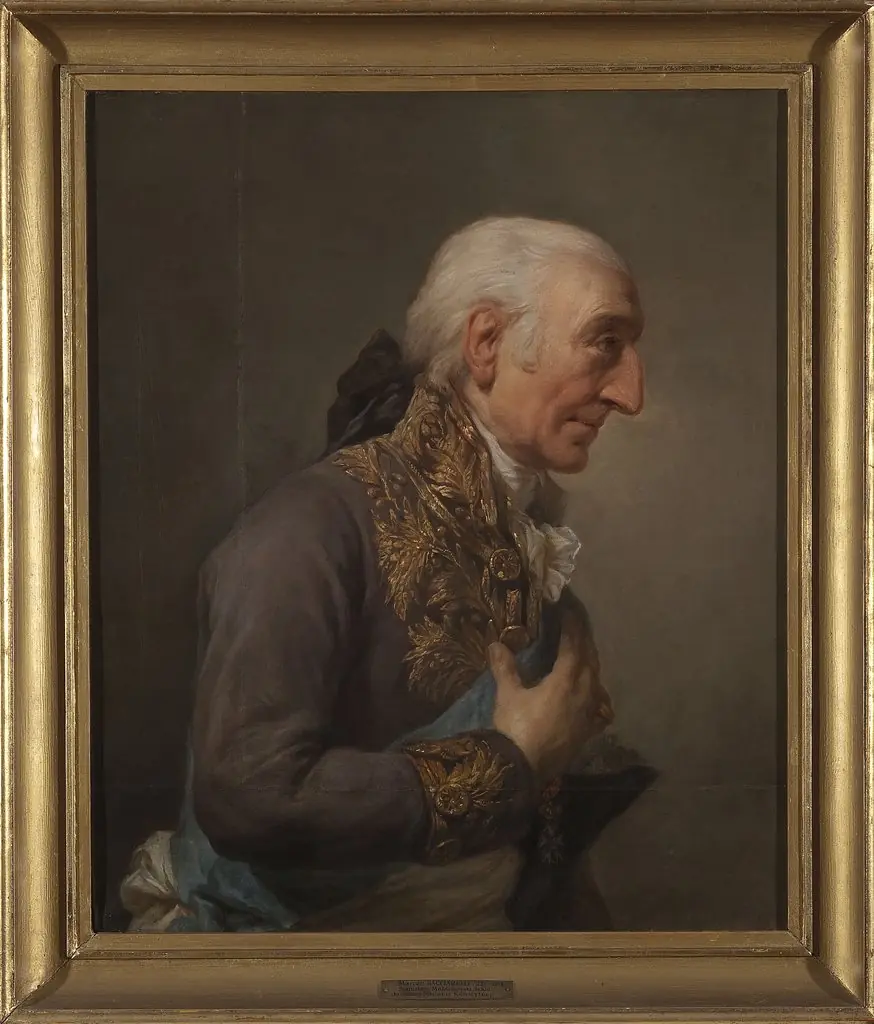 Portrait of Stanisław Małachowski (1736–1809), Marshal of the Seym
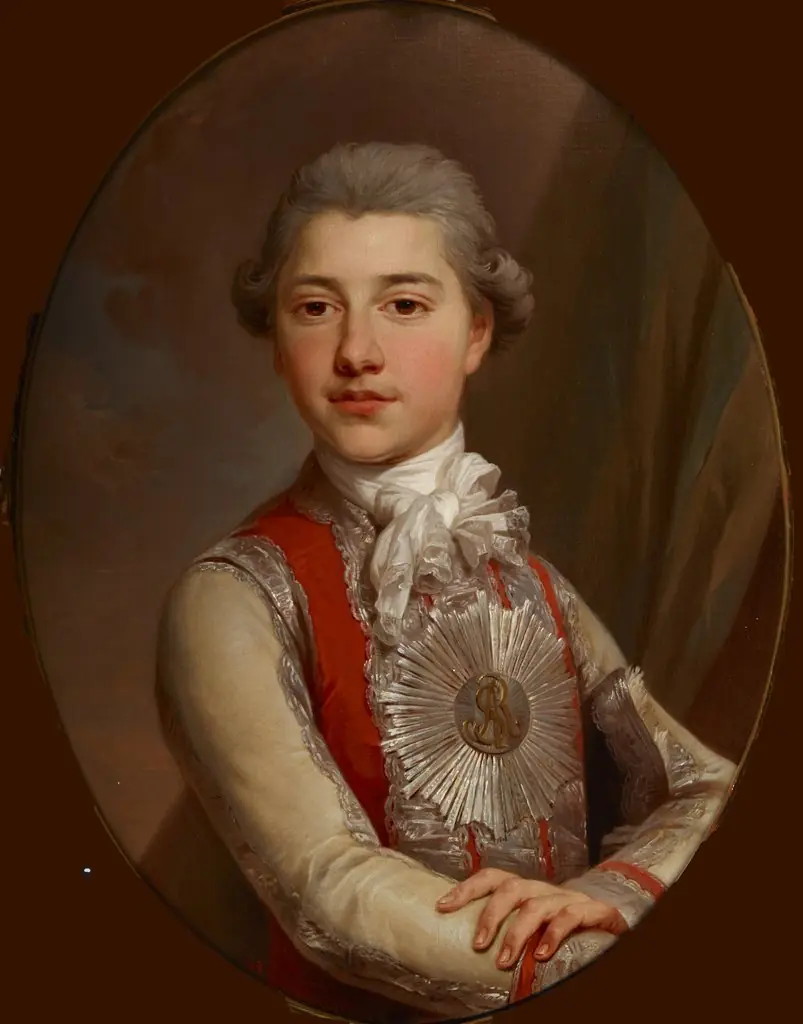 Portrait of Prince Józef Poniatowski as a Youth
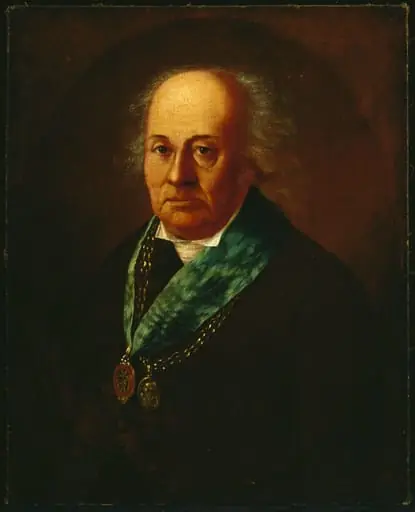 Kauppaneuvos Johan Sederholm (1722-1805)
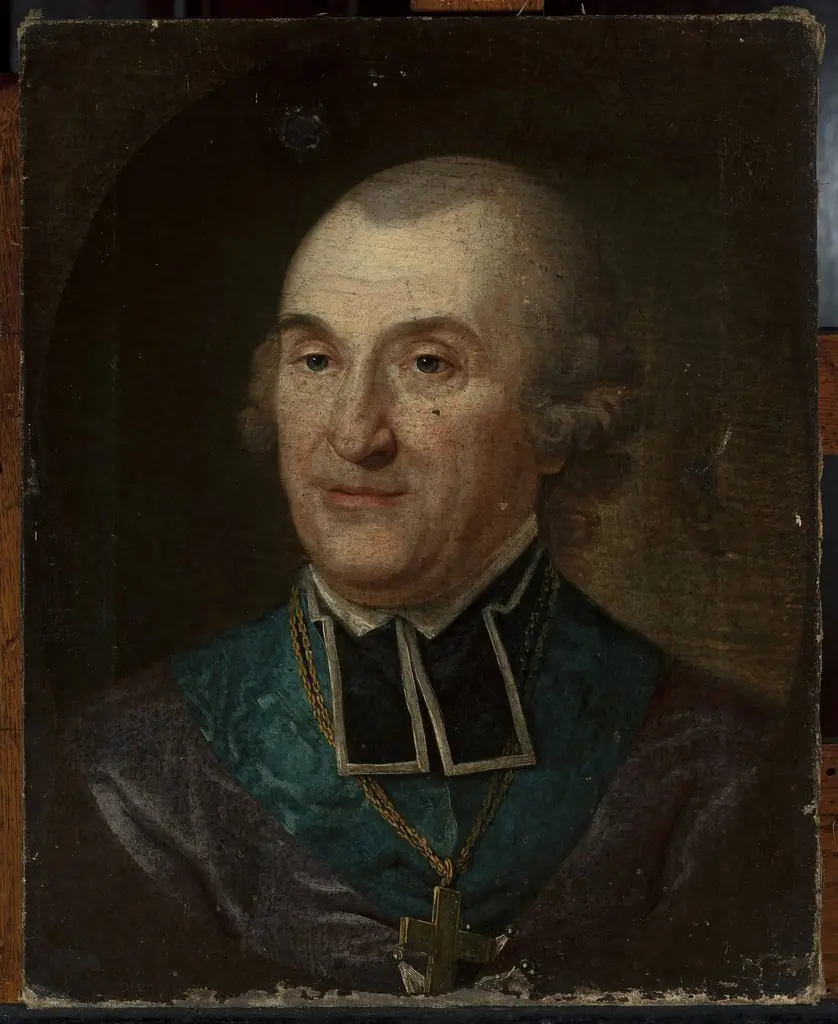 Portrait of Adam Krasiński, bishop of Kamyanets
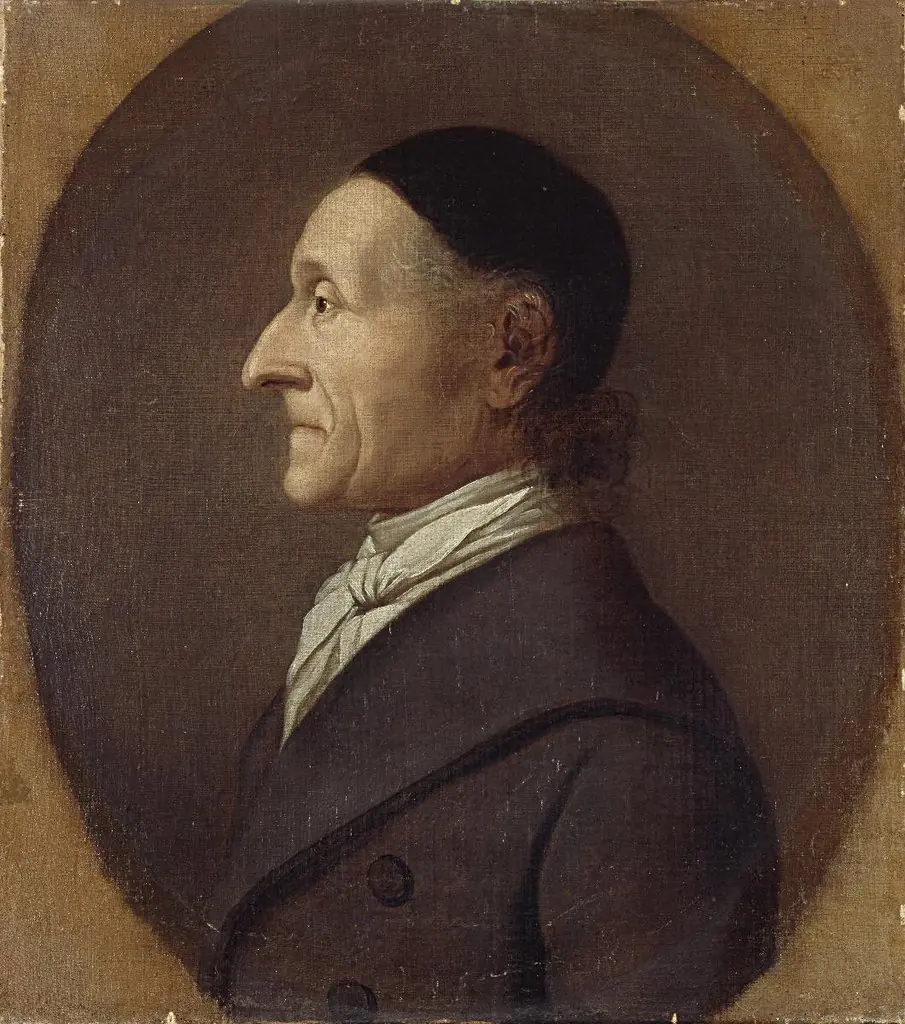 Bildnis Johann Caspar Lavater
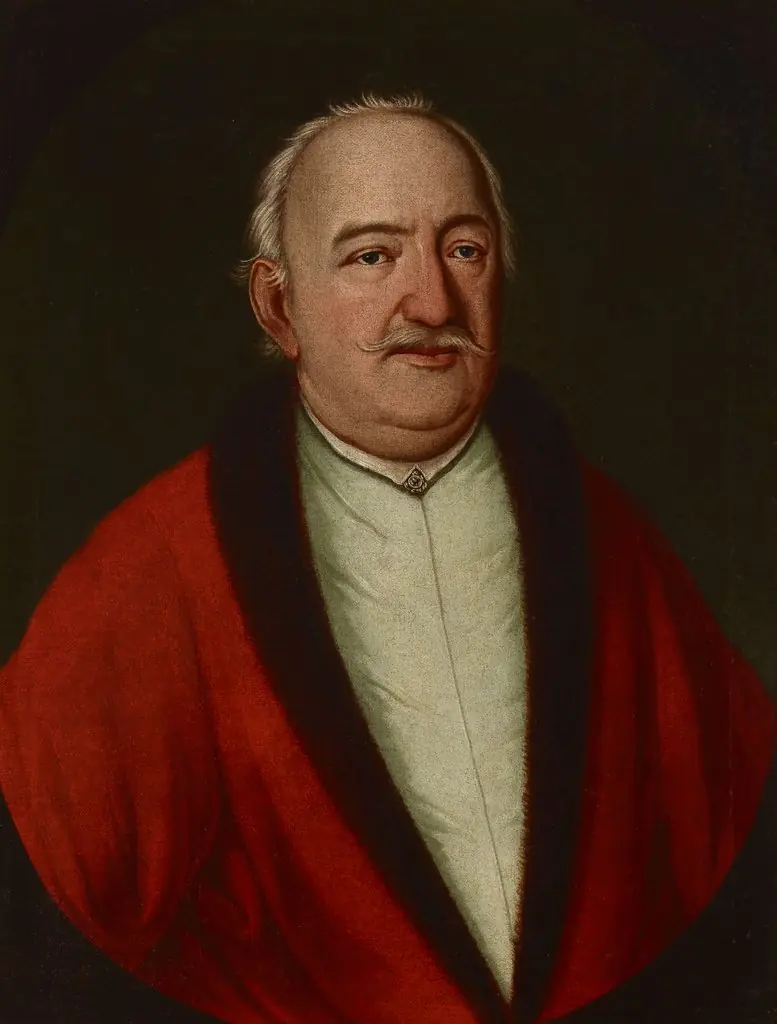 Portrait of Konstanty Zawadzki, Judge of the Court of the Radom Voivodship, or Stanisław Gostkowski
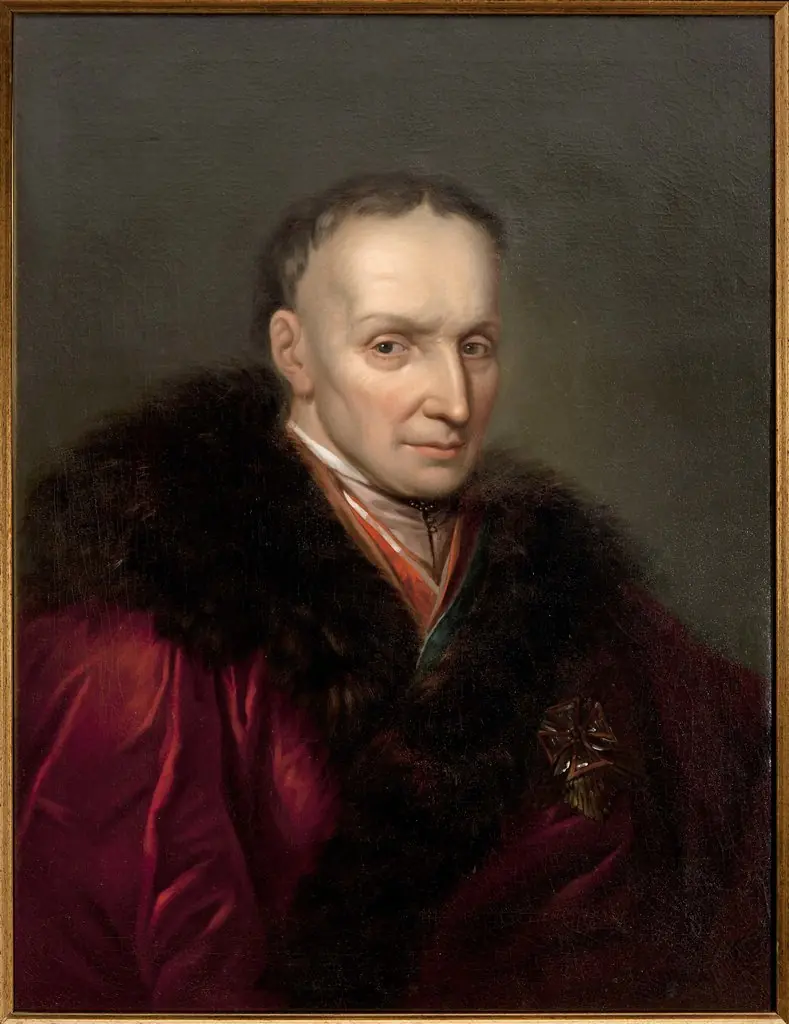 Portrait of Maciej Sobolewski
 Portrait of Johan Maurits (1604-79), count of Nassau-Siegen and governor of Brazil
 Portrait of Władysław Łubieński (1703–1767), Archbishop of Gniezno and the Primate of Poland
 Portrait of Pope Pius VII
 Portrait of Adam Krasiński (1714–1800), bishop of Kamieniec
 Portrait of Antoni Kruszewski, prelate