Artwork
Portrait of Johan Maurits (1604-79), count of Nassau-Siegen and governor of Brazil
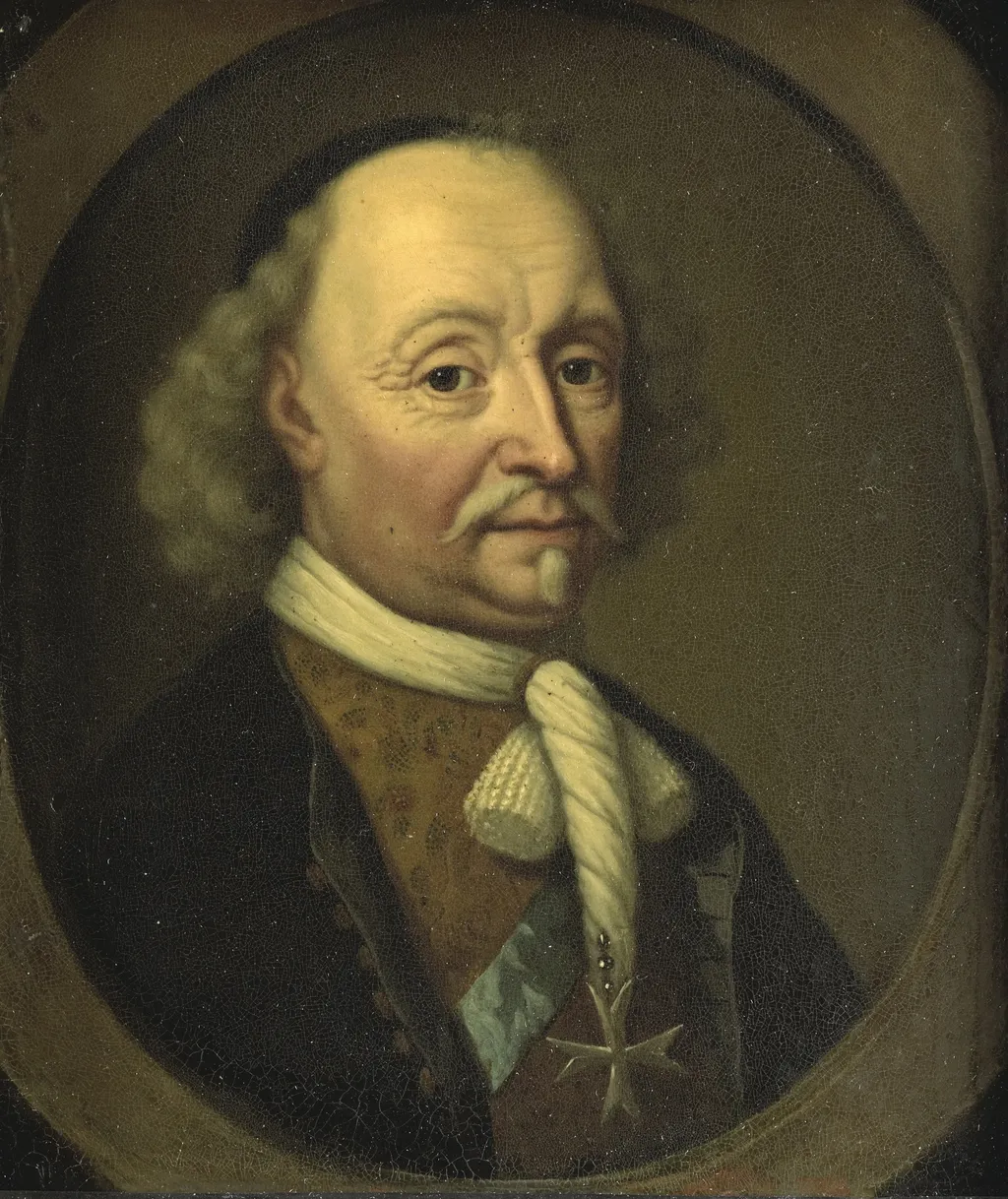
Portrait of Johan Maurits (1604-79), count of Nassau-Siegen and governor of Brazil is an oil painting by the Dutch Golden Age artist Michiel van Musscher. It dates from 1675 and is held in the collection of the Rijksmuseum.
About this work
Subject & Meaning
The portrait depicts Johan Maurits, Count of Nassau-Siegen (1604–1679), a Dutch nobleman and colonial administrator.
The portrait depicts Johan Maurits, Count of Nassau-Siegen (1604–1679), a Dutch nobleman and colonial administrator. He appears as a gentleman in formal attire, distinguished by a cravat, signifying his elevated social rank. The work commemorates his role as governor of Dutch Brazil, a colony he administered from 1637 to 1644.
As a portrait genre image on copper, the small scale (15.9 × 14 cm) suggests an intimate, personal keepsake or diplomatic gift rather than a grand public monument. The direct presentation of the sitter emphasizes his individual identity and political stature, typical of Dutch Golden Age portraiture that celebrated civic and aristocratic achievement.
Technique & Style
The portrait is executed in oil paint on a copper support, a combination often used for small, finely detailed works in the Dutch Golden Age. The handling is precise and smooth, reflecting van Musscher’s training in the Amsterdam studio tradition, with careful modeling of the face and crisp rendering of the lace cravat. Stylistically, the work adheres to the sober, dignified conventions of Dutch portraiture, emphasizing clarity and restrained color to convey the sitter’s status without ostentation.
The small scale and reflective copper ground likely enhanced the luminosity of the oil layers, a technique suited to cabinet pictures intended for close viewing.
Overview
Michiel van Musscher’s 1675 copper portrait presents Johan Maurits, Count of Nassau‑Siegen and former governor of Brazil. The work is part of the Rijksmuseum’s collection and measures the subject’s likeness in a close‑up format, emphasizing his aged features and formal attire.
History & Provenance
Created in 1675, the painting entered the Rijksmuseum’s holdings as part of its Dutch Golden Age collection. Its provenance traces back to the artist’s workshop, where copper portraits were a popular medium for their durability and luminous finish.
Context
Johan Maurits was a key figure in Dutch colonial administration, overseeing the Dutch West India Company’s Brazilian territories. Van Musscher’s portrait reflects the period’s practice of commemorating high‑ranking officials through formal, individualized likenesses.
Legacy
The work remains a valuable visual document of Dutch colonial leadership and 17th‑century portraiture techniques. Its presence in a national museum provides scholars and visitors insight into the intersection of art, politics, and material practice during the Dutch Golden Age.
Own this work as a print
Artist & collection

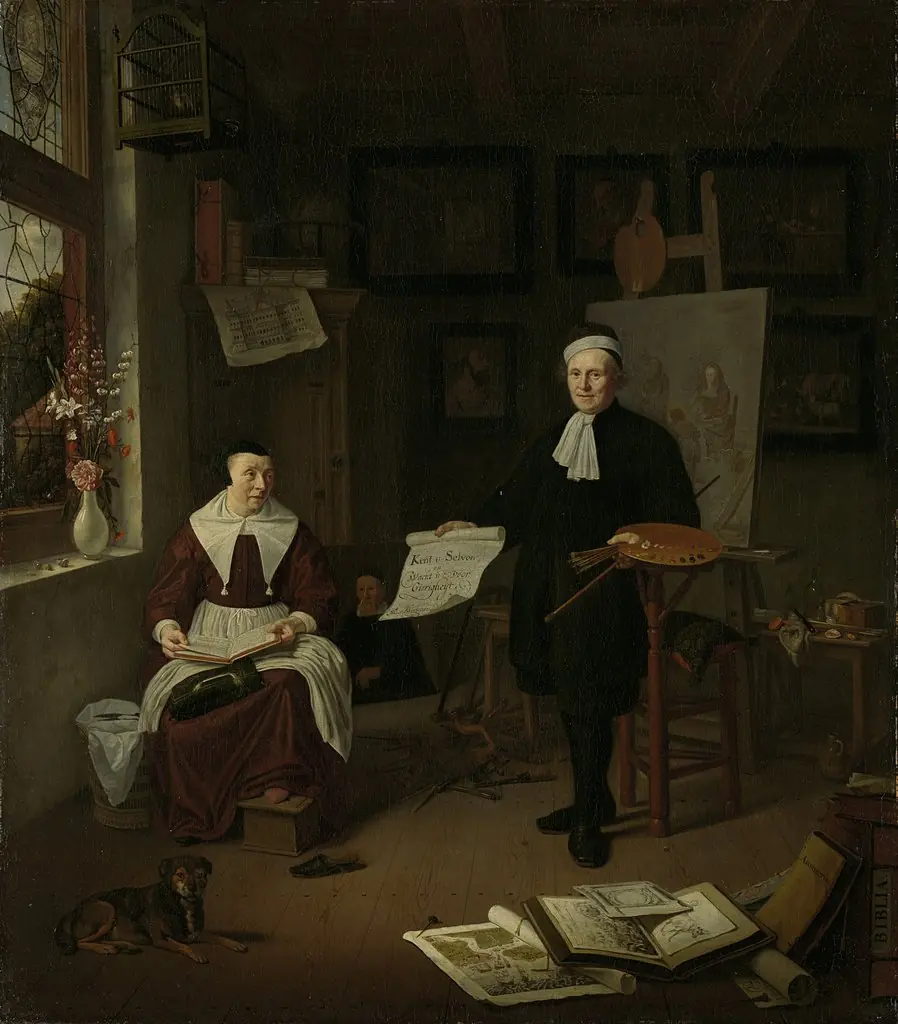 Portrait of Michiel Comans (d. 1687), calligrapher, etcher, painter and schoolmaster, with his third wife Elisabeth van der Mersche
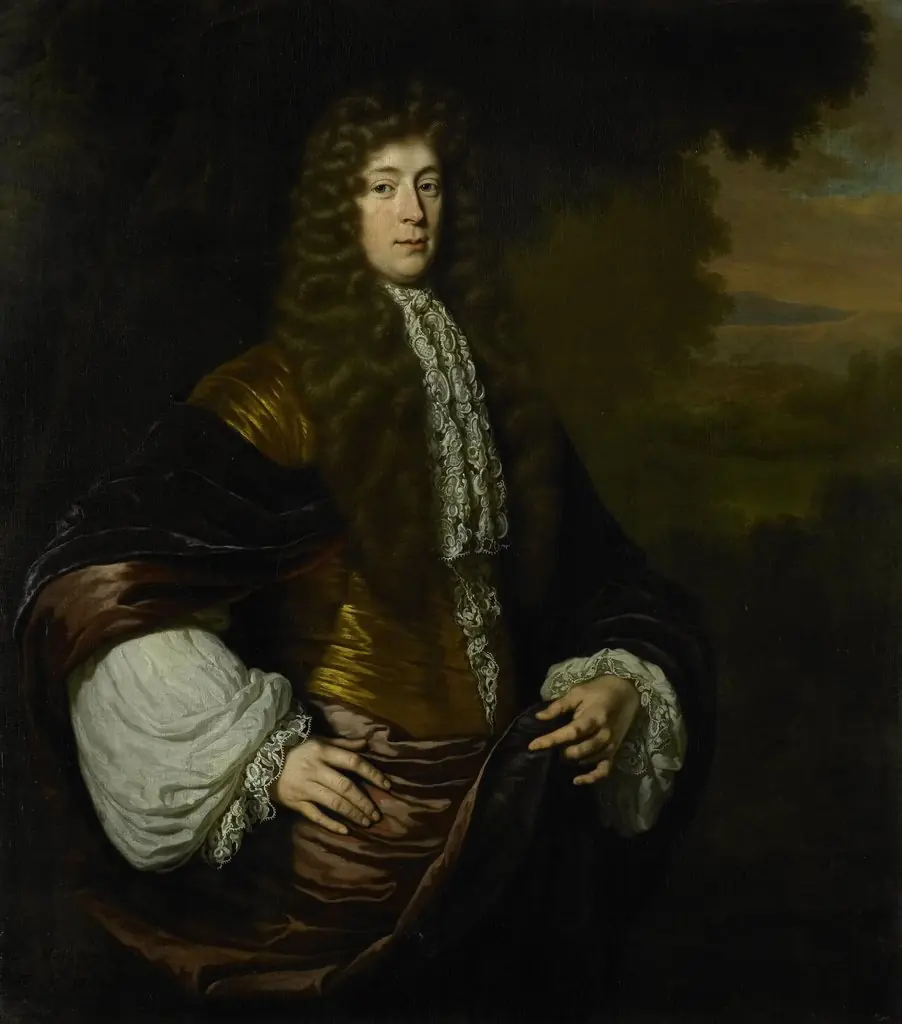 Portrait of Hendrick Bicker (1649 - 1718), burgomaster of Amsterdam
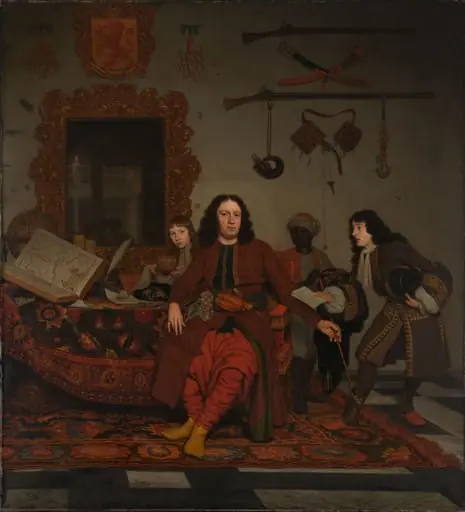 Thomas Hees and his Servant Thomas and Nephews Jan and Andries Hees
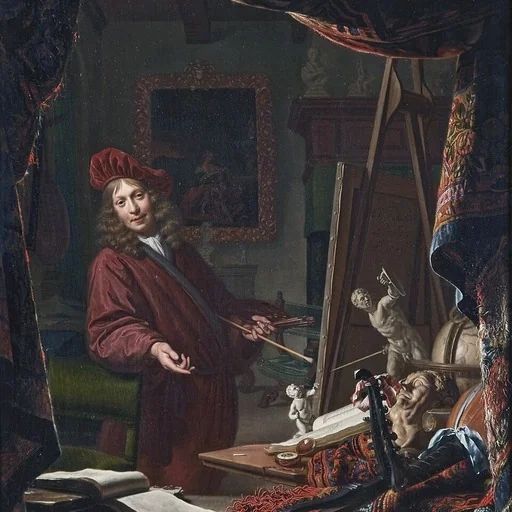
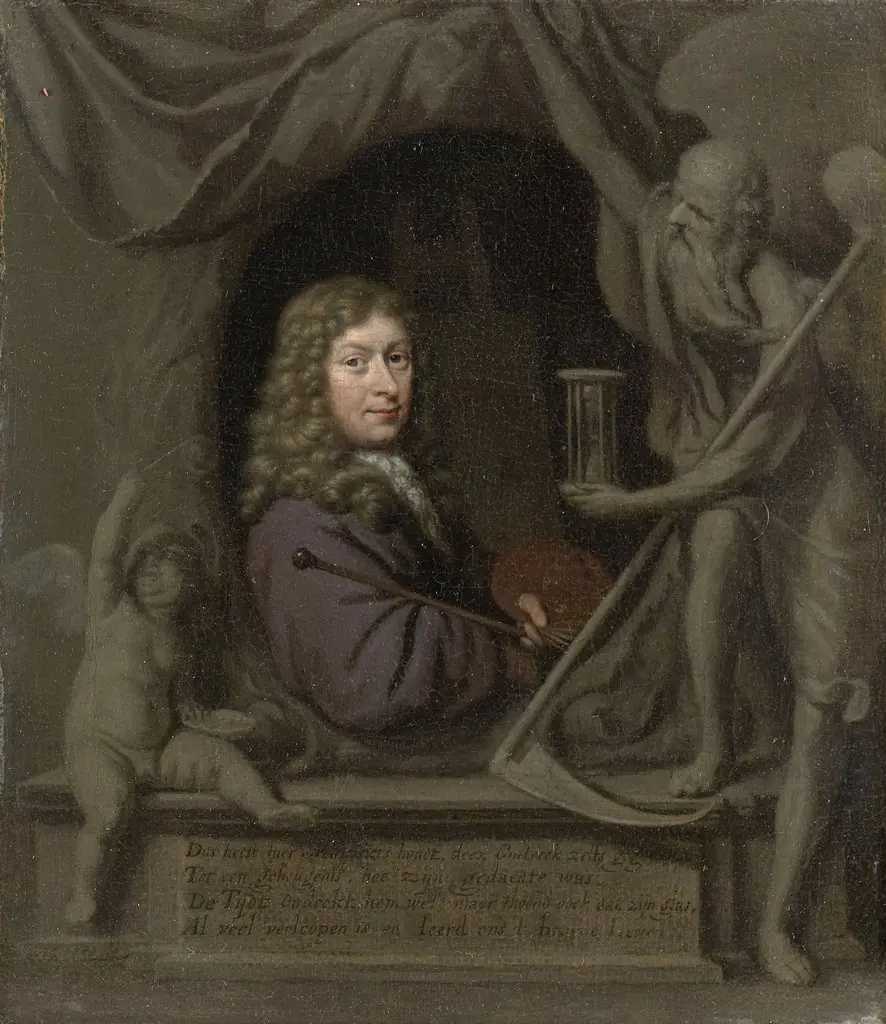 Self portrait
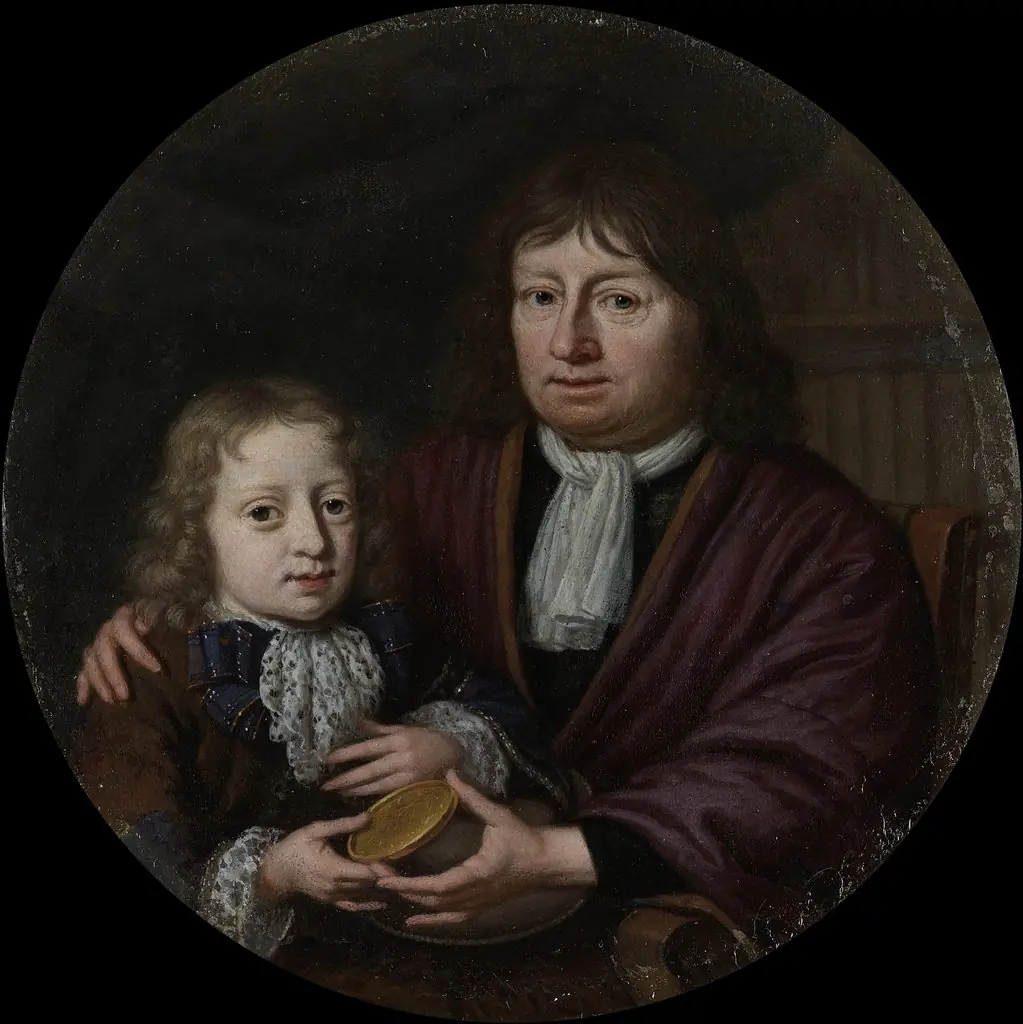 Isaac Pontanus Giving a Gold Medal to his Grandson Hendrik van Beek
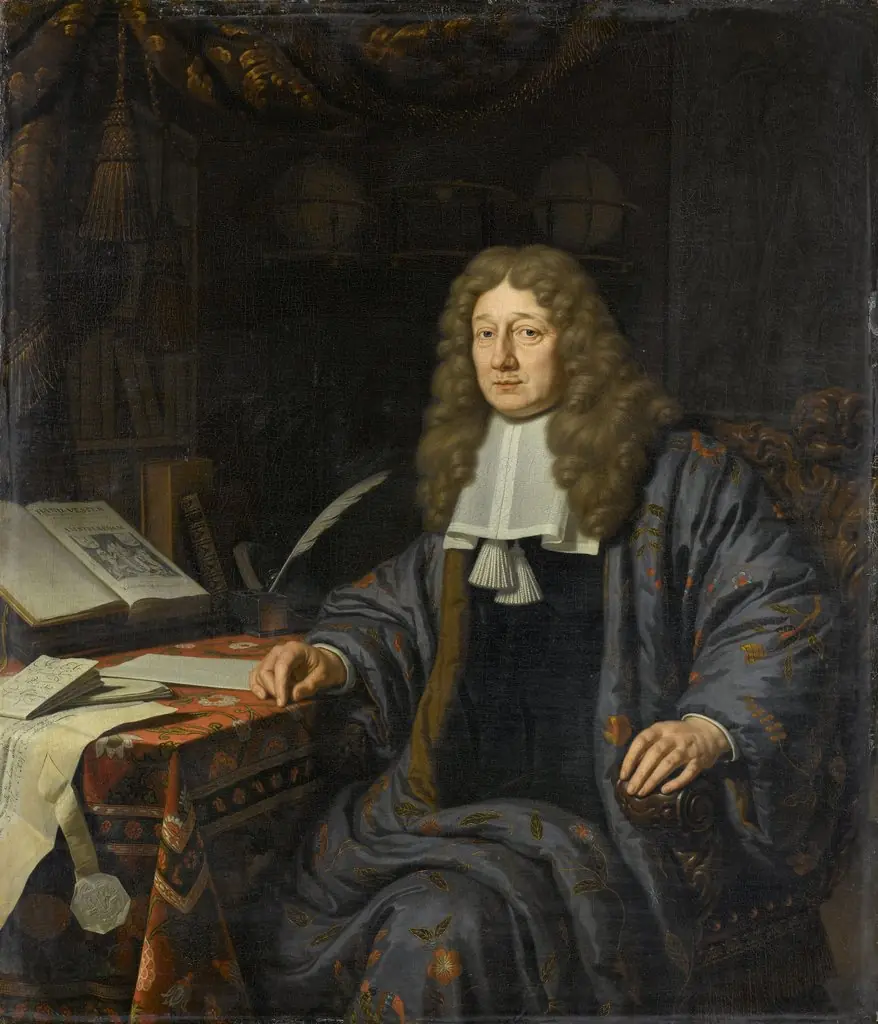 Portrait of Johannes Hudde (1628-1704), burgomaster of Amsterdam
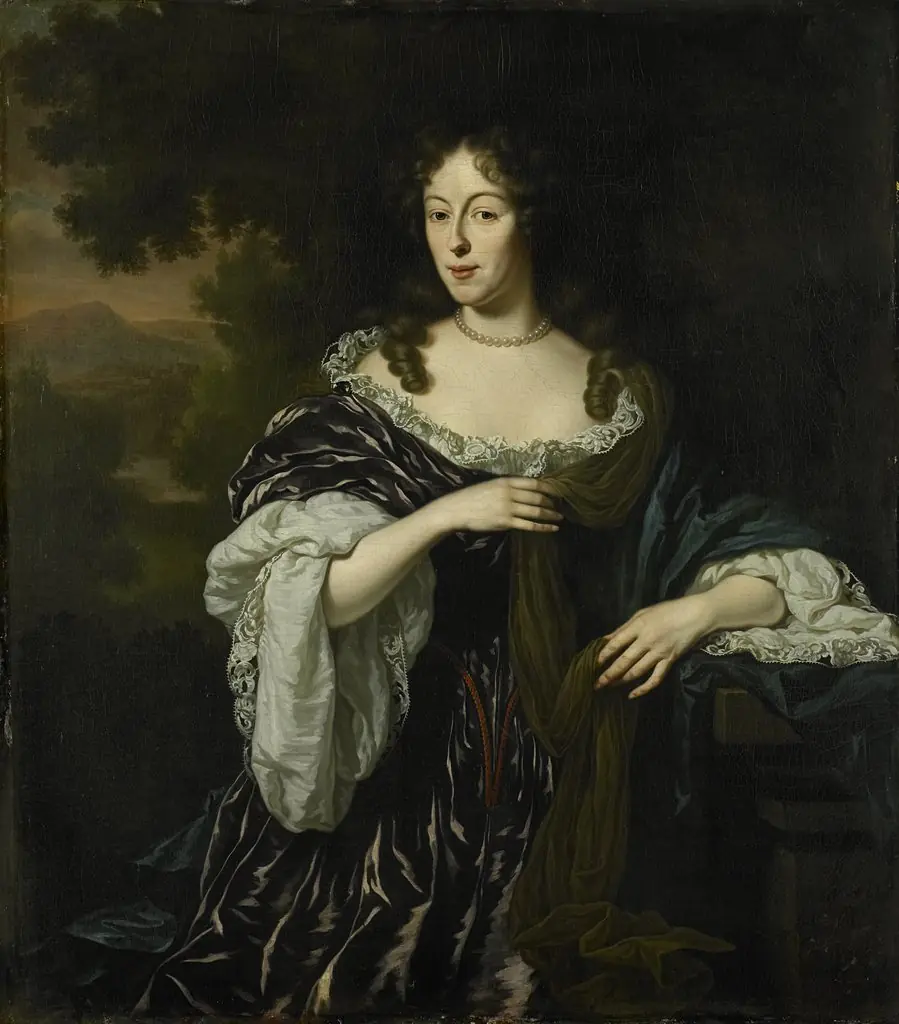 Portrait of Maria Schaep (1658-1725), wife of Hendrick Bicker
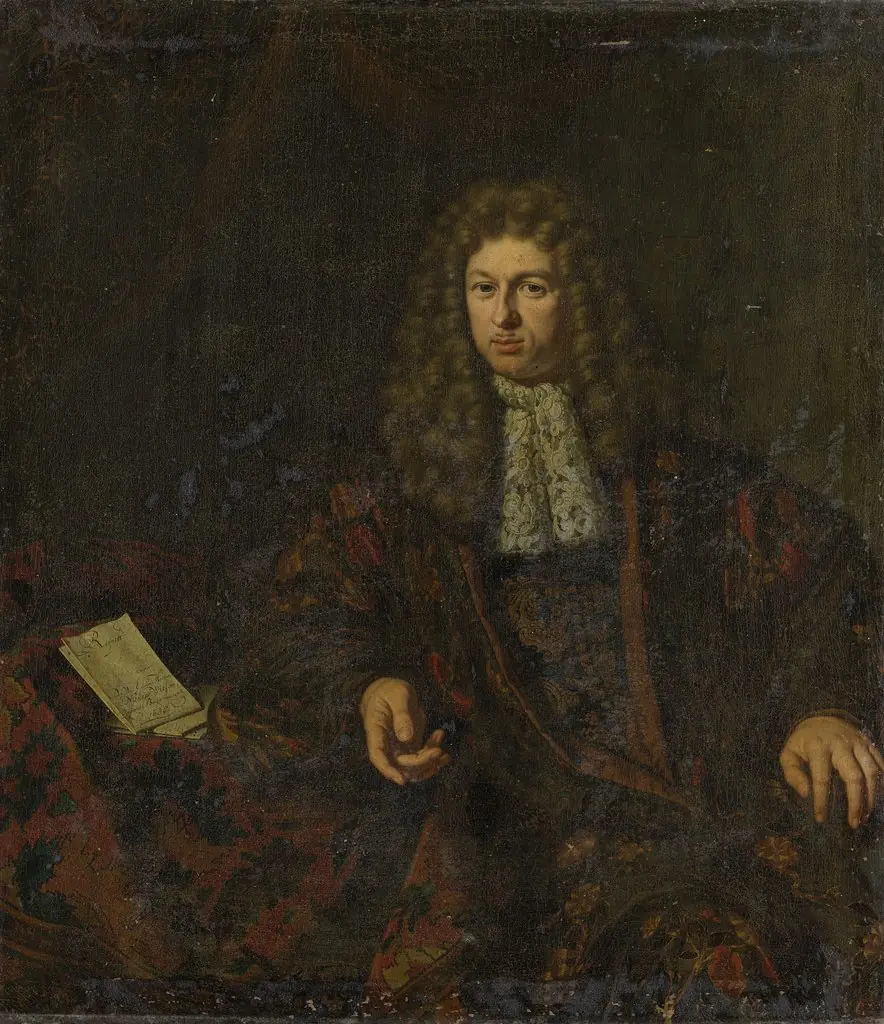 Portret van Nicolaes Witsen (1641-1717)
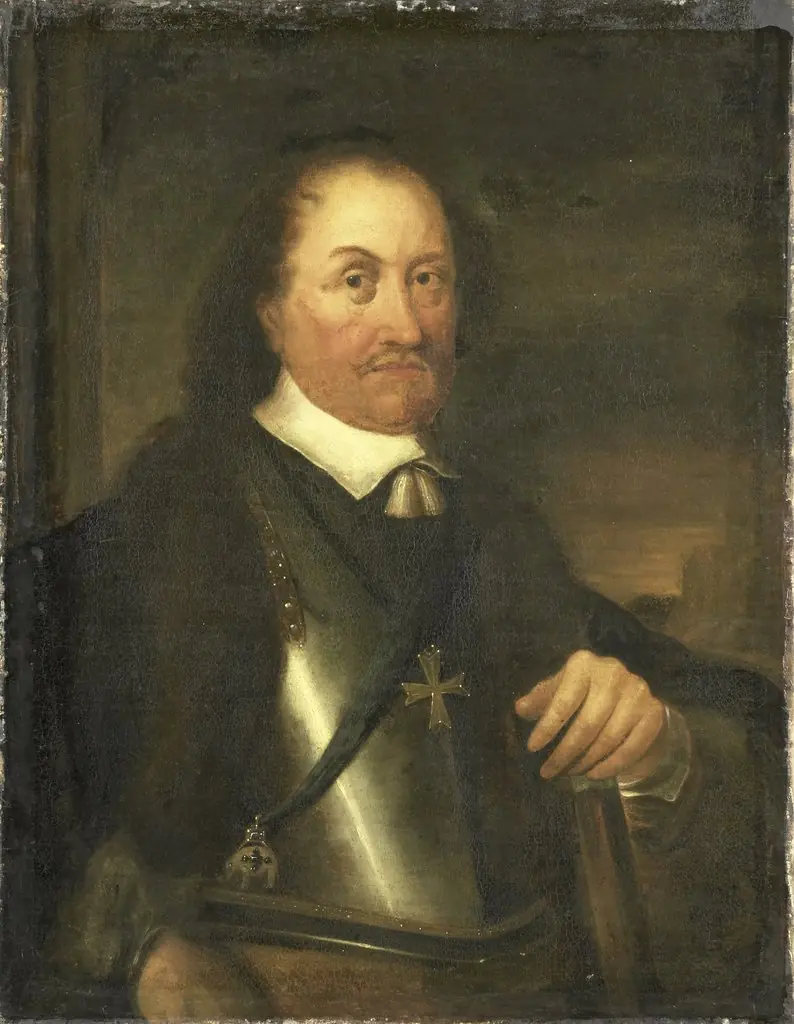
- Portrait of Johan Maurits, Count of Nassau-Siegen, Governor of Brazil
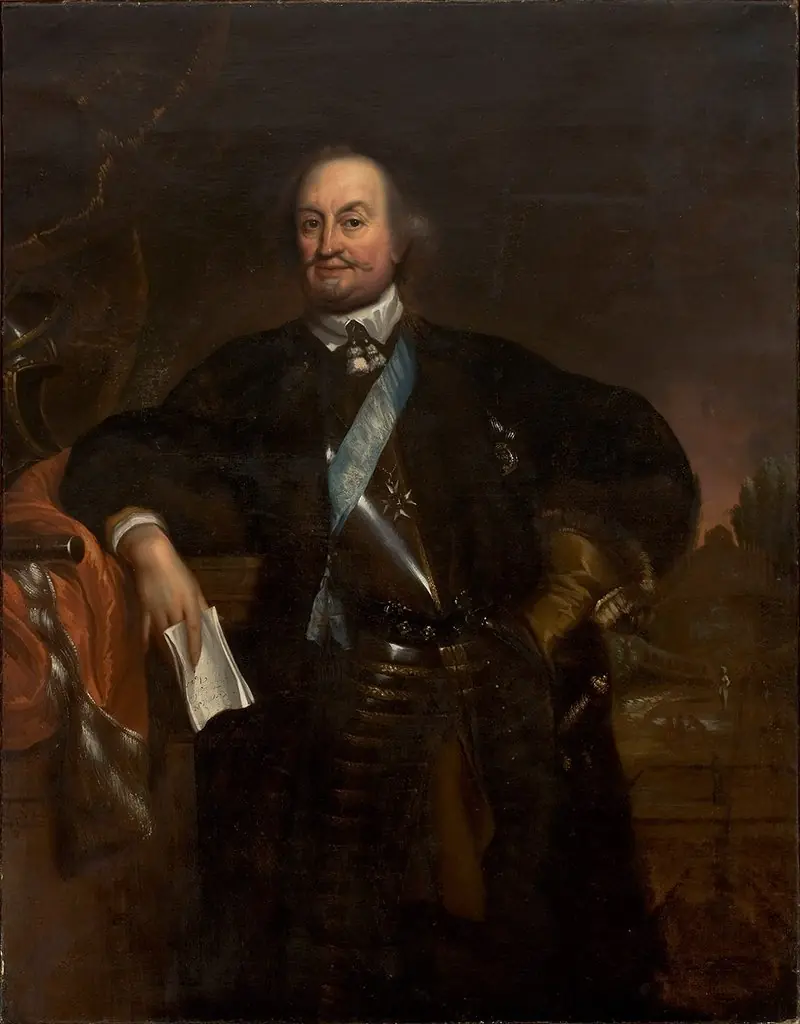 Portrait of Prince Johan Maurits van Nassau-Siegen
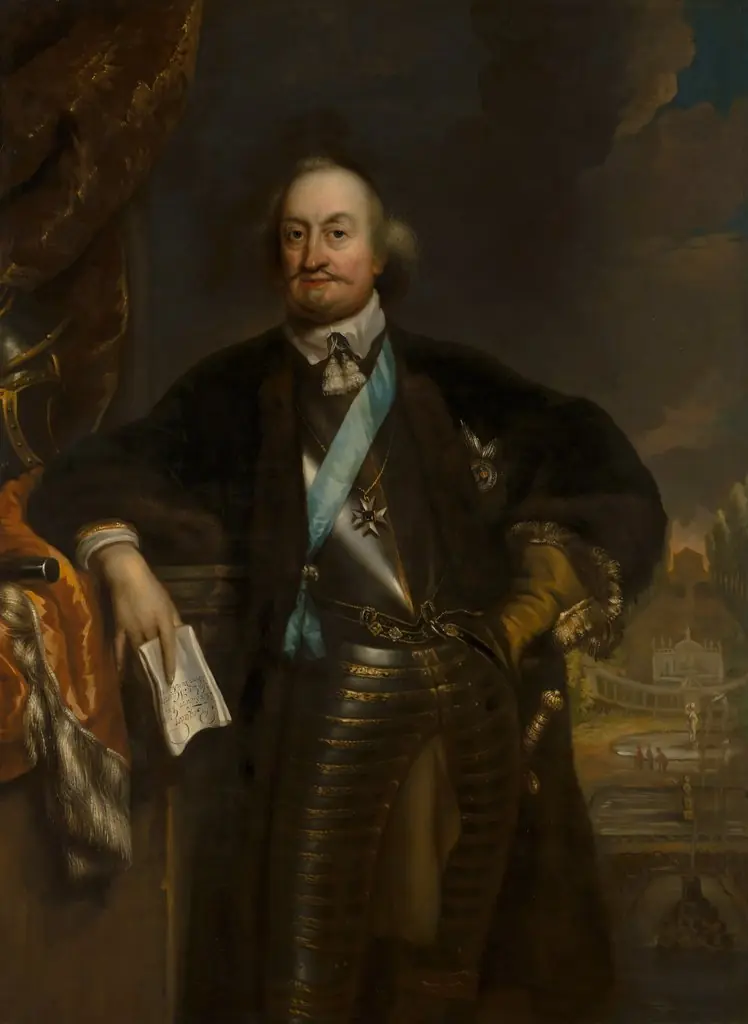 Portrait of Johan Maurits (1604-1679), Count of Nassau-Siegen, Founder of the Mauritshuis
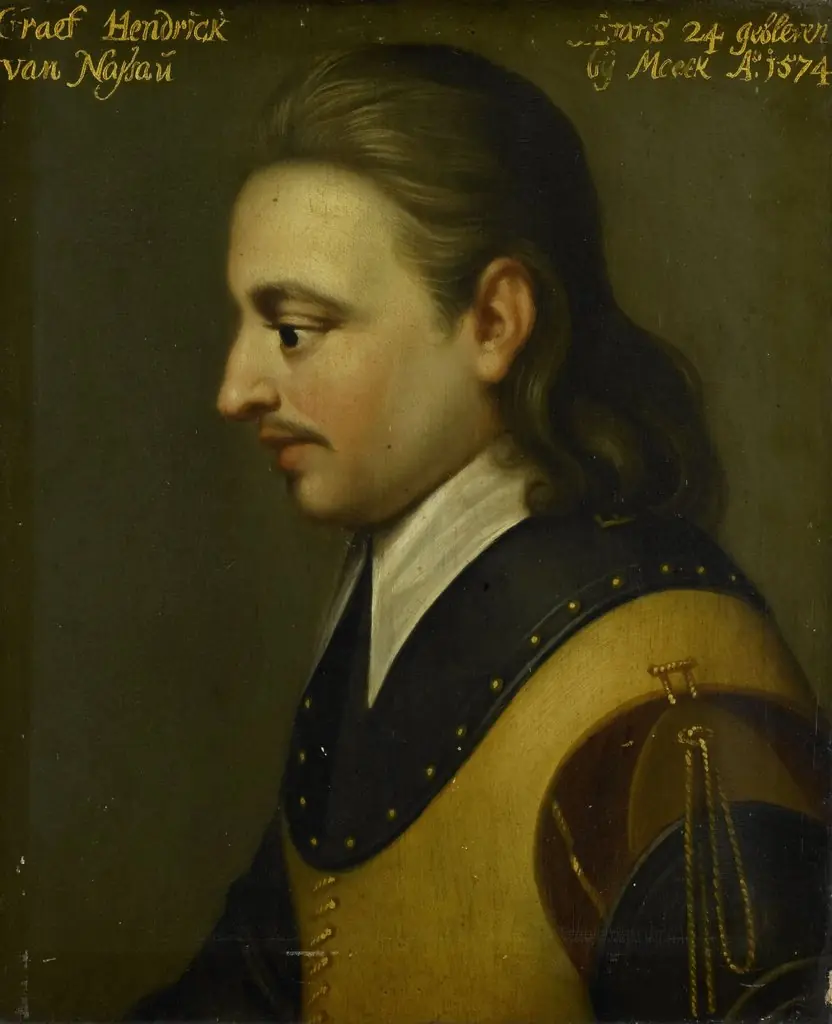 Portrait of Hendrik (1550-74), Count of Nassau
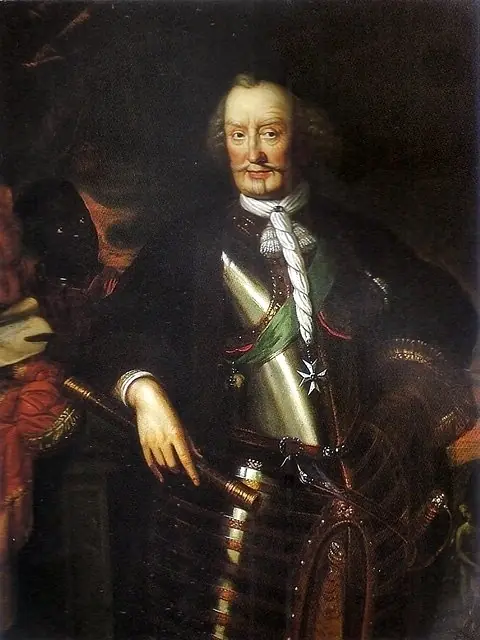 Portrait of John Maurice, Prince of Nassau-Siegen
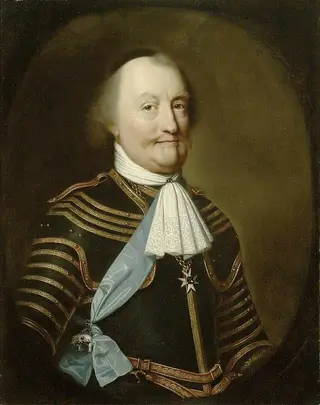 John Maurice, Count of Nassau Siegen