Artwork
The Martinoff Drawings
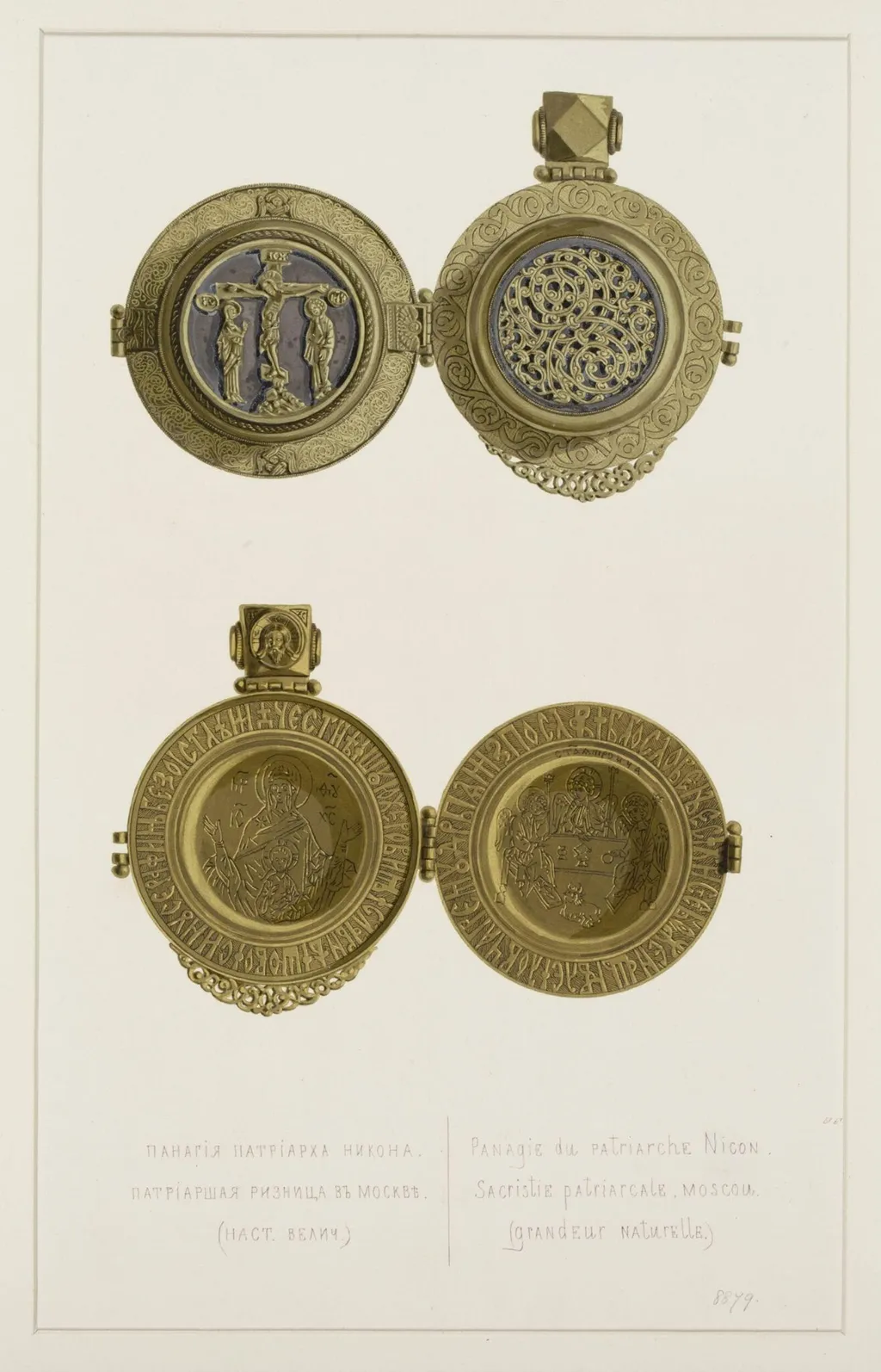
The Martinoff Drawings is a drawing by the Impressionist artist Nikolai Avenirovich Martynov. It dates from 1880 and is held in the collection of the Victoria and Albert Museum.
About this work
Overview
Each drawing captures the object in precise scale, documenting both its exterior and interior surfaces.
Sixty detailed drawings by Nikolai Avenirovich Martynov, completed in 1880, record the physical form of a portable religious object known as a panagia once owned by Patriarch Nikon. Each drawing captures the object in precise scale, documenting both its exterior and interior surfaces. Commissioned as a visual archive, the set was acquired by the Victoria and Albert Museum in the same year it was finished, preserving a rare example of Russian liturgical metalwork.
Subject & Meaning
The panagia, a devotional object worn by high-ranking clergy, displays the Crucifixion on its front and an ornamental geometric pattern on its reverse. The interior surface features the Virgin and Child alongside a biblical narrative, likely intended for private contemplation. These images reflect Orthodox Christian iconography, where sacred figures serve as focal points for prayer and spiritual reflection, embedded in a portable, personal artifact.
Technique & Style
Martynov rendered the panagia with meticulous attention to surface detail, capturing engraved lettering, raised reliefs, and the texture of chased metal. The drawings employ fine linework and subtle tonal gradations to convey the object’s three-dimensional form and decorative complexity. The style is documentary rather than interpretive, prioritizing accuracy over artistic embellishment, aligning with 19th-century scholarly practices in artifact recording.
History & Provenance
The drawings were commissioned specifically to document the panagia, a relic associated with Patriarch Nikon, a central figure in 17th-century Russian church reform. Created in 1880, they entered the Victoria and Albert Museum’s collection that year, likely through institutional acquisition of ethnographic or liturgical materials. Their preservation reflects a broader 19th-century interest in cataloging religious artifacts from Eastern Christian traditions.
Context
In late 19th-century Russia, there was growing scholarly interest in preserving ecclesiastical objects amid political and religious upheaval. Martynov’s drawings emerged within this climate, serving as a visual record of sacred items that might otherwise be lost or altered. Similar documentation efforts occurred across Europe, where museums sought to archive religious and cultural heritage through precise illustration.
Legacy
The Martinoff Drawings remain a key resource for understanding the material culture of Russian Orthodoxy. Their precision offers insight into the craftsmanship and symbolic language of liturgical objects from the 17th century, preserved through 19th-century documentation. Held in the Victoria and Albert Museum, they continue to support research into religious art, metalwork, and the transmission of devotional practices across centuries.
![Coins [plate 4]](https://artifactworldgallery.com/img/jacques-callot--coins-plate-4--85863c28ddb9f3d6-w320.webp)
Own this work as a print
Artist & collection
Artist
A quiet man who sketched theater posters by day and drew crowds of St. Petersburg street kids by night, Martynov carried a dog-eared copy of Dostoevsky in his coat pocket. His Martinoff Drawings show gaunt faces and…

- Coins [plate 4]
![Coins [plate 9], by Jacques Callot](https://artifactworldgallery.com/img/jacques-callot--coins-plate-9--b629077b5f494bba-w320.webp) Coins [plate 9]
Coins [plate 9]![Coins [plate 5], by Jacques Callot](https://artifactworldgallery.com/img/jacques-callot--coins-plate-5--e74707f00b802da6-w320.webp) Coins [plate 5]
Coins [plate 5]![Coins [plate 1], by Jacques Callot](https://artifactworldgallery.com/img/jacques-callot--coins-plate-1--42329d599bf008a3-w320.webp) Coins [plate 1]
Coins [plate 1]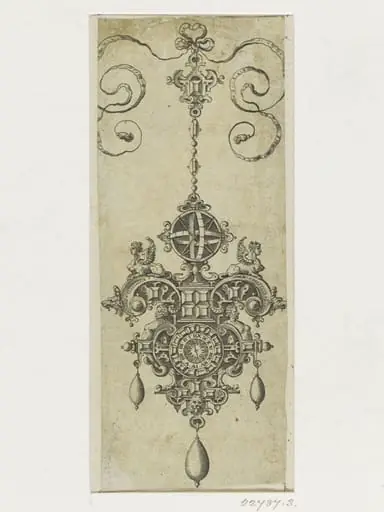 Monilivm Bvllarvm, Inavrivmqve Artificiocissimae Icones
![Coins [plate 7], by Jacques Callot](https://artifactworldgallery.com/img/jacques-callot--coins-plate-7--2d5636beaedc8195-w320.webp) Coins [plate 7]
Coins [plate 7]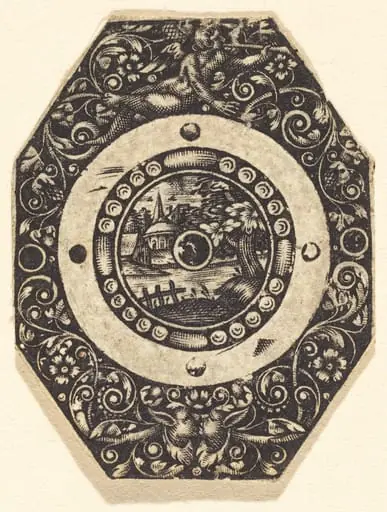 Landscape
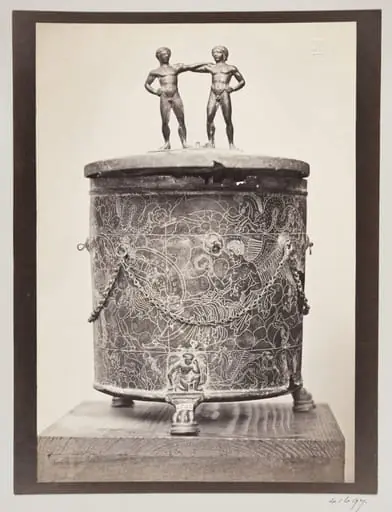 Etruscan cyste in bronze
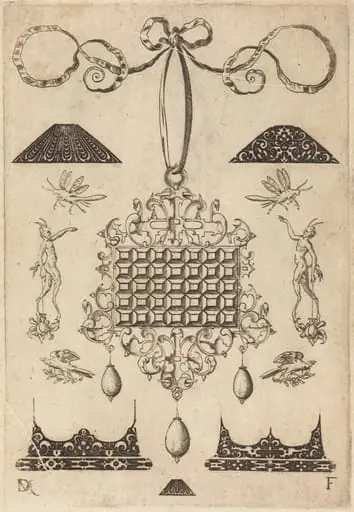 Large Pendant with Square with 35 Flat Stones
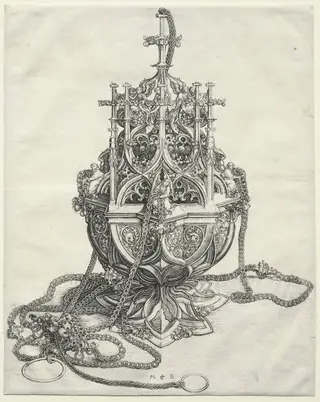 A Censer
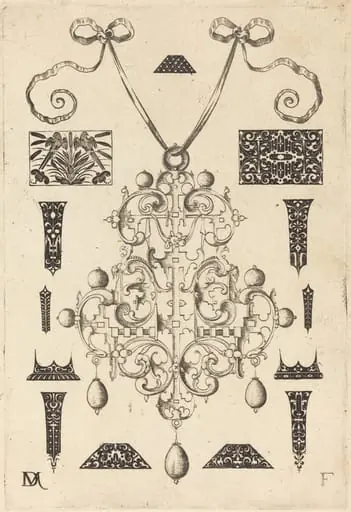 Large Pendant, Surrounded by Thirteen Studs
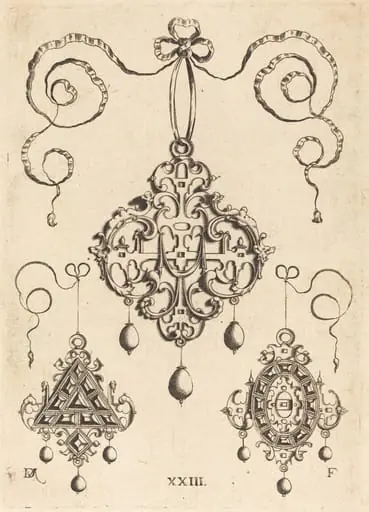 Three Strapwork Pendants, The Lower Ones Triangular and Oval