Subject
Mary
Mary is a subject in art. The gallery holds 200 works in this subject in art, including works by Titian, Paolo Veronese and Lorenzo Lotto.
In Western and Eastern Christian art, "Mary" denotes the mother of Jesus, by far the most frequently depicted woman in the history of art. Her name descends through the Latin Maria from the Greek María or Mariám of the Septuagint and New Testament, ultimately the Hebrew Miryam—but as an artistic subject she belongs less to philology than to two millennia of devotional image-making. The oldest surviving images are humble: a fresco of a seated mother and child in the Catacomb of Priscilla on the Via Salaria in Rome, conventionally dated to the mid-second century, around AD 150. Her status as a monumental subject was secured in 431, when the Council of Ephesus affirmed her as Theotokos, the "God-bearer." The dogmatic ruling triggered a surge of imagery and lent it new gravity, as fifth-century portrayals grew increasingly regal.
Byzantine art codified Mary into recognizable types, often named after a famous prototype icon. The Hodegetria ("she who shows the way") presents her holding the Christ Child on one arm while gesturing toward him; the Nikopoia shows the enthroned Madonna as "bringer of victory"; the tender Eleousa presses mother and child cheek to cheek. Legend ascribed the first such portrait to Luke the Evangelist, a tradition that conferred quasi-relic authority on the form.
The Italian Renaissance loosened these conventions toward naturalism and emotion. Raphael's tondo The Alba Madonna (c. 1511), held in this collection, seats the Virgin directly on the ground as a "Madonna of Humility," surrounded by flowers—violets for humility, anemones for the Passion—while the Child accepts a cross from the infant John the Baptist. The intimate circular format flourished in Florence, where Raphael learned from Leonardo da Vinci and Michelangelo. Fra Bartolomeo's Madonna and Child with the Young Saint John the Baptist extends the same Tuscan devotional language.
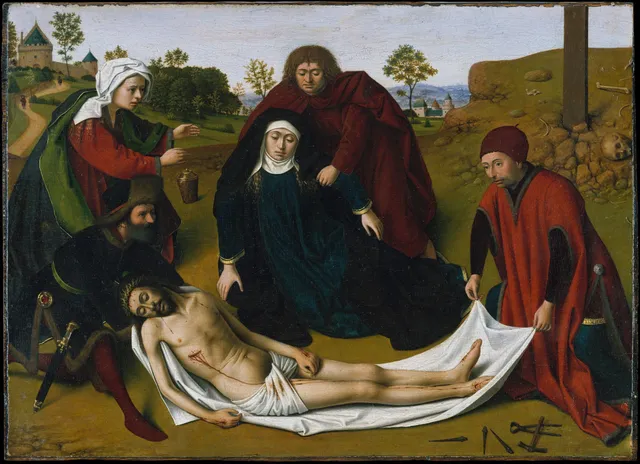
Northern Europe pursued a parallel intensity. Joos van Cleve's Holy Family and Petrus Christus's Lamentation render Marian narrative with Flemish precision and grief, while anonymous works such as Madonna and Child with Saints in the Enclosed Garden draw on the hortus conclusus, the "enclosed garden" symbolizing her virginity. Across icon, altarpiece, and panel, Mary remained the connective subject linking Byzantine, Italian, and Netherlandish traditions.
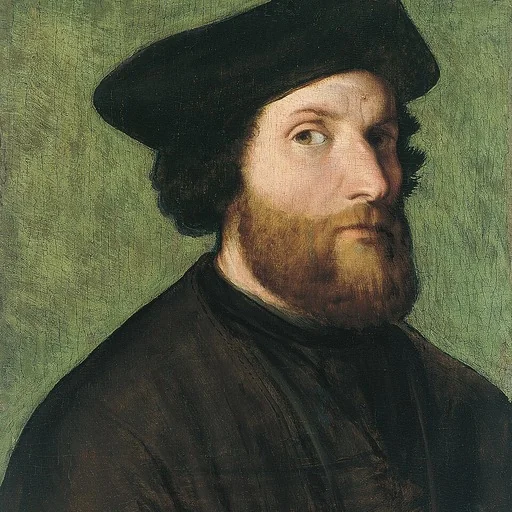
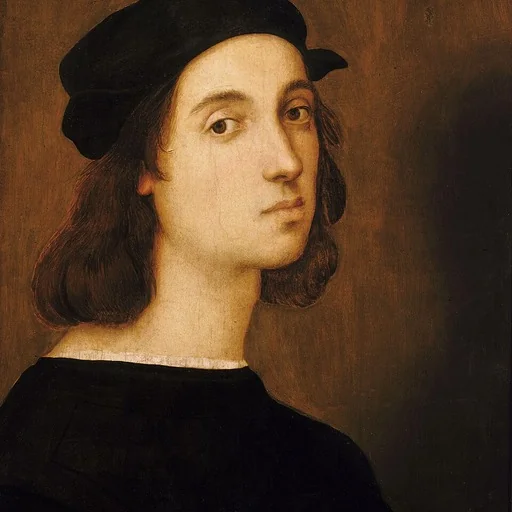
Key artists
Overview
Mary, the English form of Maria, derives from the Latin and Greek Μαρία found in the Septuagint and New Testament, reflecting the Hebrew מרים (Miryam). The name entered Middle English through French Marie, with the modern spelling established by the sixteenth century in translations such as Tyndale's Bible (1525) and the Coverdale Bible (1535). In art, however, "Mary" refers preeminently to the Virgin Mary, mother of Jesus, who constitutes one of the most frequently depicted subjects in Western art history. The collection holds 2,125 works depicting her, spanning devotional images, narrative scenes, and iconic portraits that have served as focal points for Christian veneration across centuries.
Iconography & meaning
The iconography of Mary developed around three central mysteries: her virginal purity, her maternal fertility, and her divine sanctity. These aspects generated a complex visual vocabulary. Attributes drawn from the Canticles and liturgical texts include the sun and moon, referencing Revelation's "woman clothed with the sun" and the crescent symbolizing perpetual chastity; the star, alluding to her title Stella Maris (Star of the Sea), derived from the Hebrew interpretation of her name; the lily and rose as emblems of purity and beauty; the enclosed garden (hortus conclusus) from the Song of Solomon; and the mirror without blemish (specula sine macula) for her immaculate nature. In Eastern Orthodox tradition, four principal iconographic types predominate: the Hodegetria (She Who Shows the Way), the Eleusa (Virgin of Tenderness), the Oranta (Our Lady of the Sign, with arms raised in prayer and Christ depicted within her figure), and the Akathist Hymn type, often showing Mary alone. Color symbolism diverges between traditions: Western painting typically robes her in blue, while Orthodox iconography favors deep red. The Council of Ephesus in 431, which affirmed the title Theotokos (God-Bearer), catalyzed the proliferation of her imagery.
Across movements & periods
The treatment of Mary in art evolved significantly across periods and cultures. Early Christian imagery emerged from the fifth century with church dedications in Constantinople and the theological consolidation around the Theotokos title. Byzantine and Orthodox traditions developed stringent iconographic conventions, with types such as the Hodegetria carried into battle for protection and the Vladimir Mother of God brought from Constantinople to Russia in the twelfth century to serve as a palladium. The Western medieval period saw increasing narrative elaboration and the introduction of personalized devotional imagery, exemplified by the Madonna della Misericordia type, in which Mary shelters devotees beneath her outspread cloak. The Renaissance expanded both naturalism and symbolic complexity, as artists explored psychological depth in the mother-child relationship while maintaining traditional attributes. The Counter-Reformation further diversified Marian imagery to meet specific devotional needs, producing types such as Our Lady of Sorrows and Our Lady of Perpetual Help. Denominational splits within Christianity generated divergent emphases: Catholic art proliferated genre variations addressing particular prayer needs, while Protestant regions often reduced or eliminated Marian imagery.
Legacy
The cultural afterlife of Mary as an artistic subject extends far beyond the works in this collection. The Christian need to relate spiritually to "the most Godly of women" has sustained continuous production of Marian imagery across two millennia. The title Stella Maris, originating from St. Jerome's etymological interpretation and perpetuated through scribal transformation from stilla maris (drop of the sea), became one of her most enduring epithets and visual attributes. The name Mary itself achieved extraordinary cultural penetration: it was the most popular name for American girls from 1880 to 1961 and remains the seventh most common given name for living women in the United States as of 2023, with 2.16 million bearers. This nominal ubiquity reflects and perpetuates the cultural centrality that Marian imagery helped establish. The persistence of specific iconographic types, such as the Vladimir icon or the Madonna della Misericordia, demonstrates how artistic formulations of Mary have shaped devotional practice and collective identity across diverse Christian communities.
Works
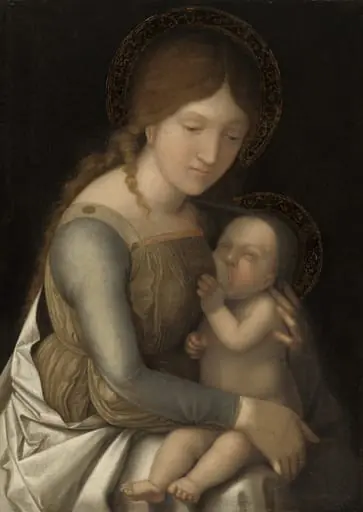 Madonna and Child
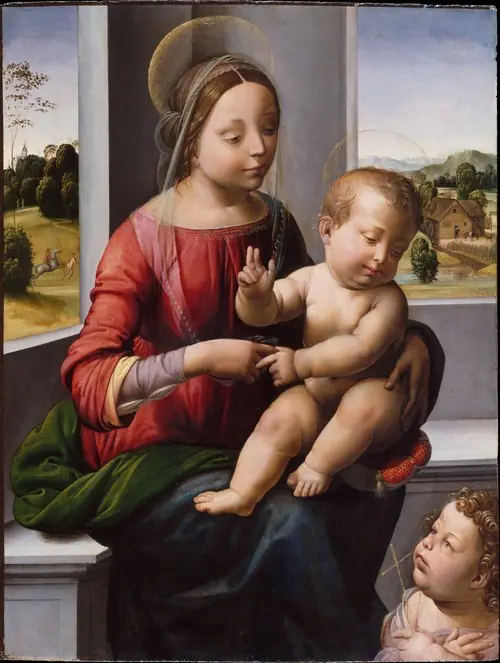 Madonna and Child with the Young Saint John the Baptist
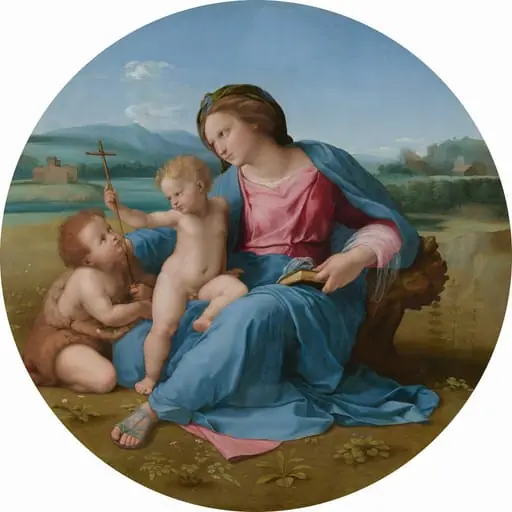 The Alba Madonna
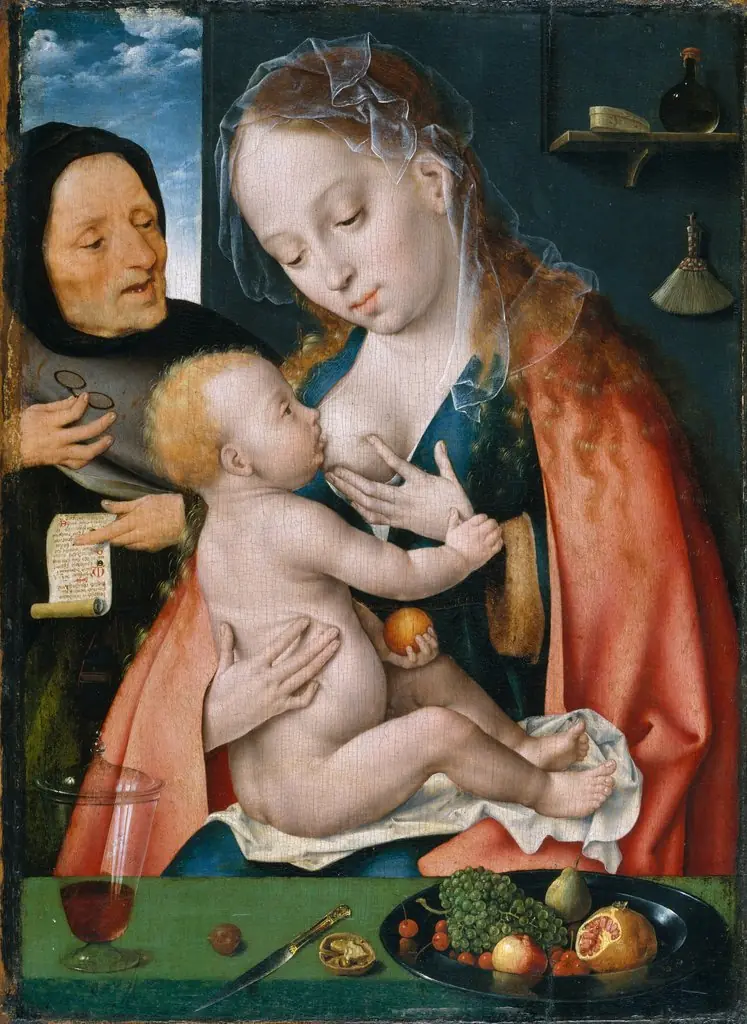 The Holy Family
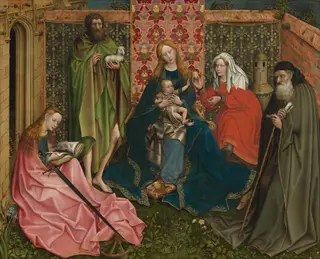 Madonna and Child with Saints in the Enclosed Garden
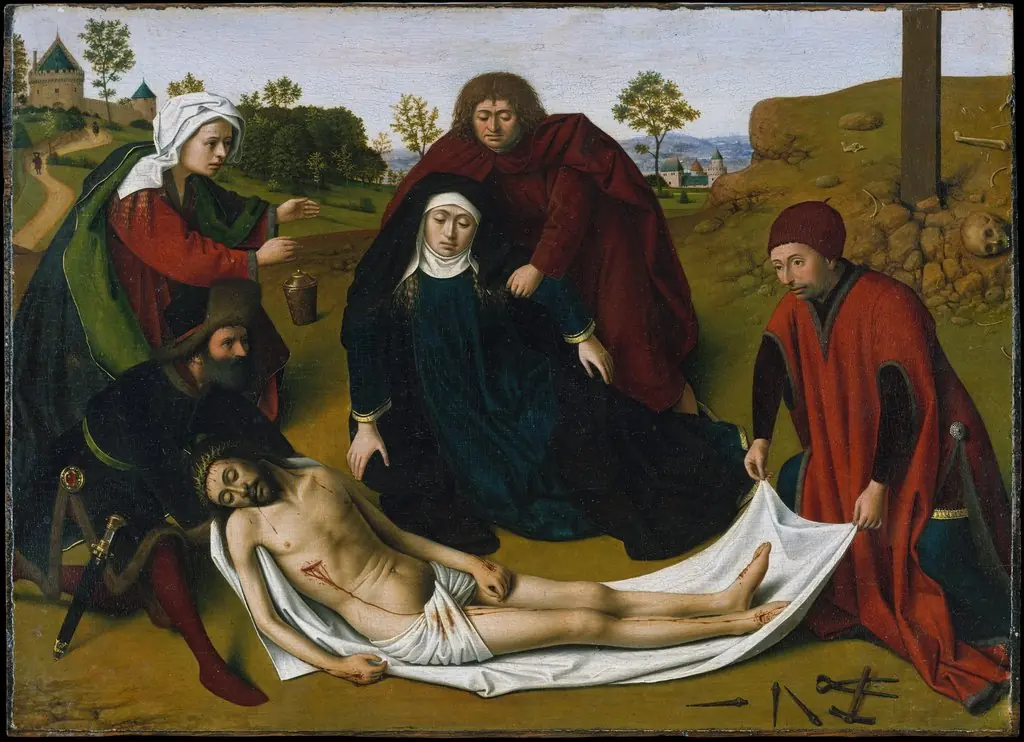 The Lamentation
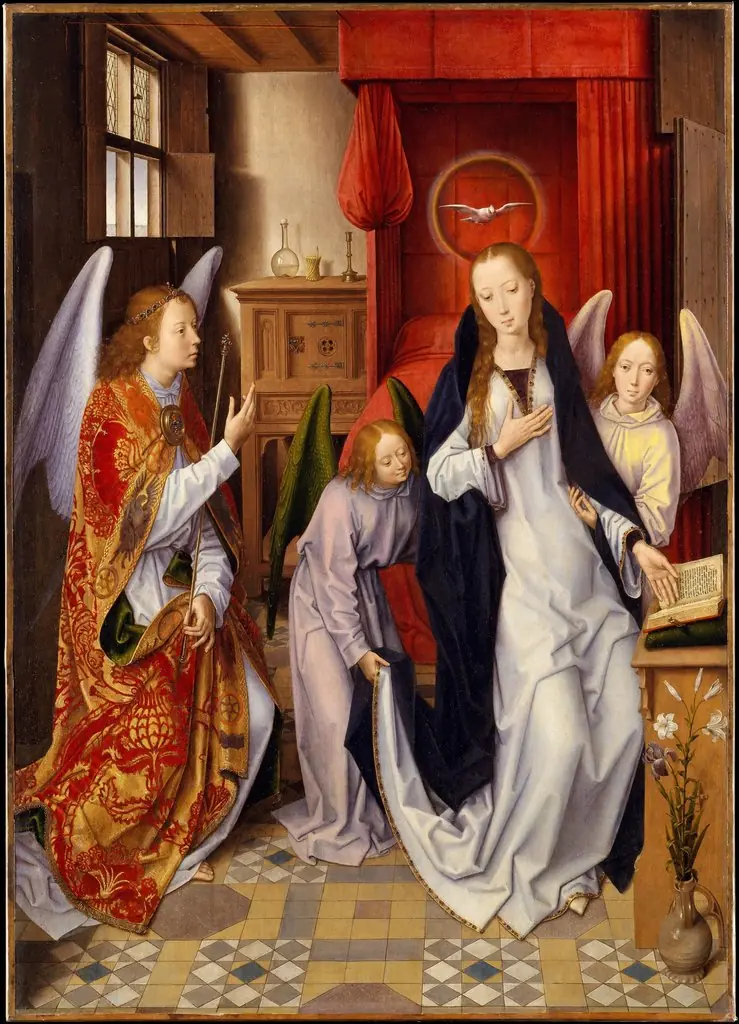 Annunciation
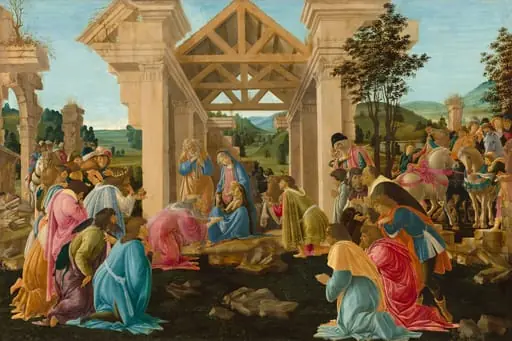 The Adoration of the Magi
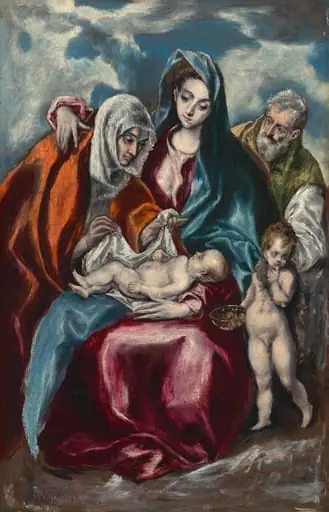 The Holy Family with Saint Anne and the Infant John the Baptist
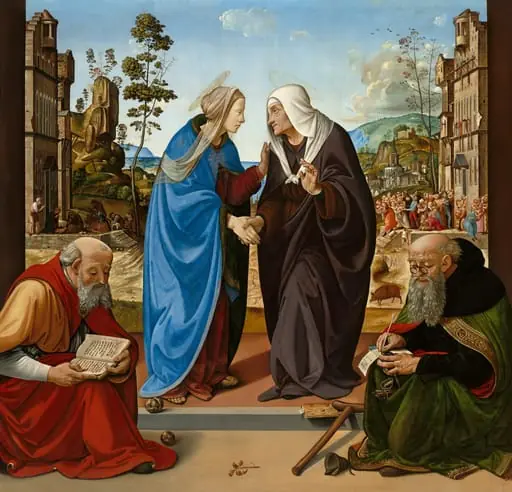 The Visitation with Saint Nicholas and Saint Anthony Abbot
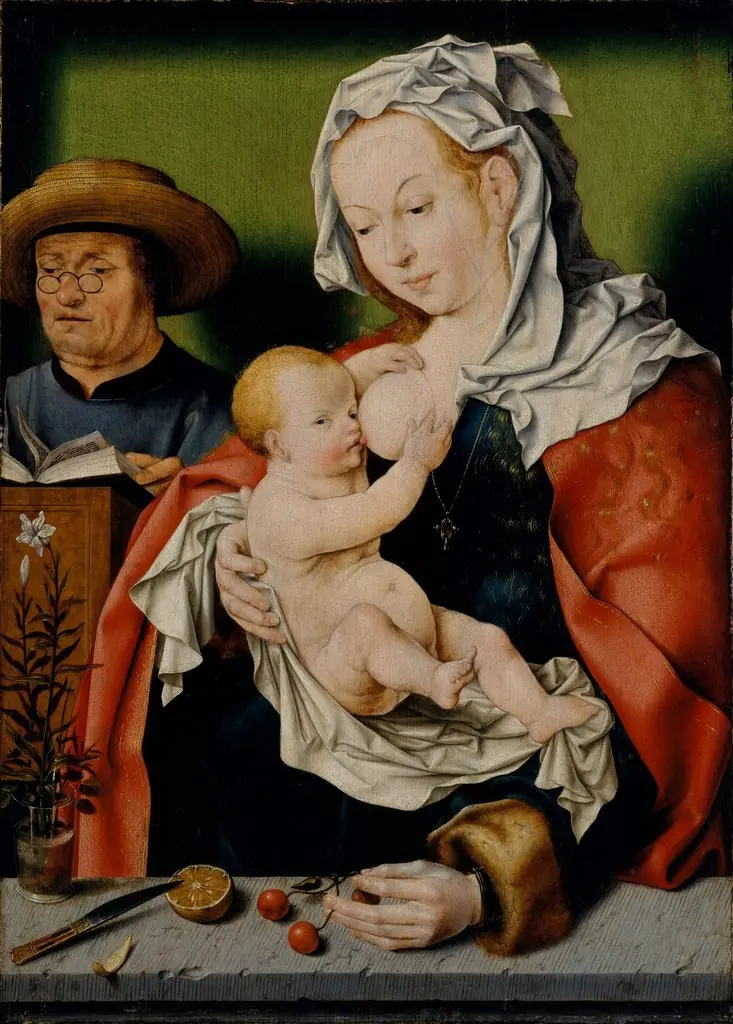 The Holy Family
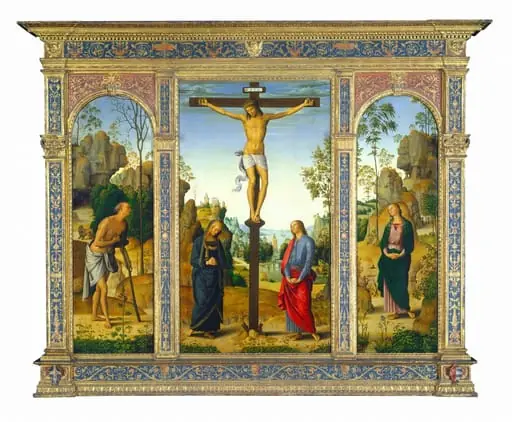 The Crucifixion with the Virgin, Saint John, Saint Jerome, and Saint Mary Magdalene
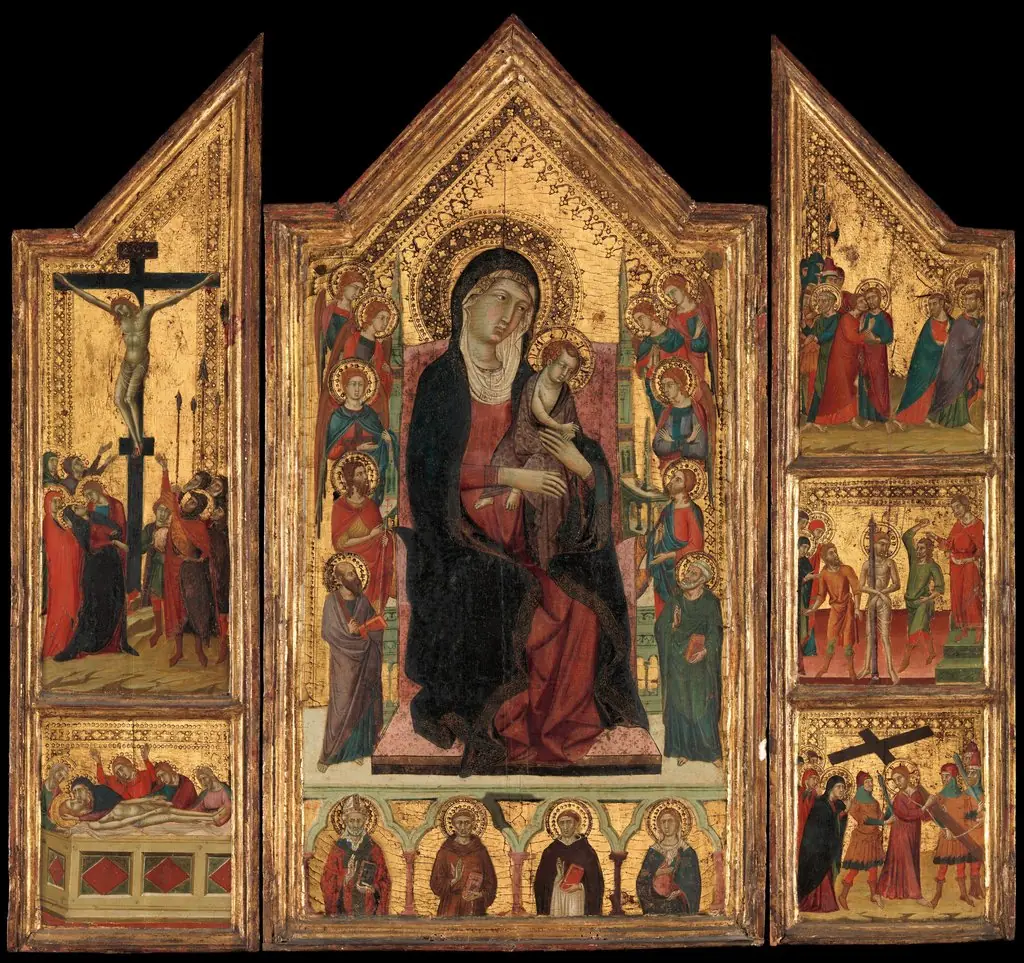 Madonna and Child Enthroned
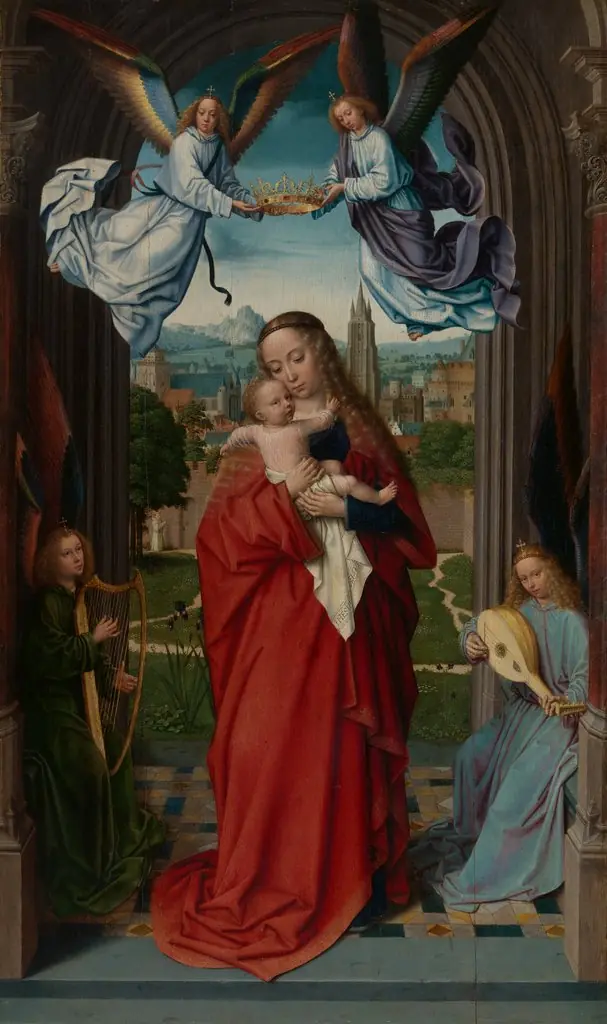 Virgin and Child with Four Angels
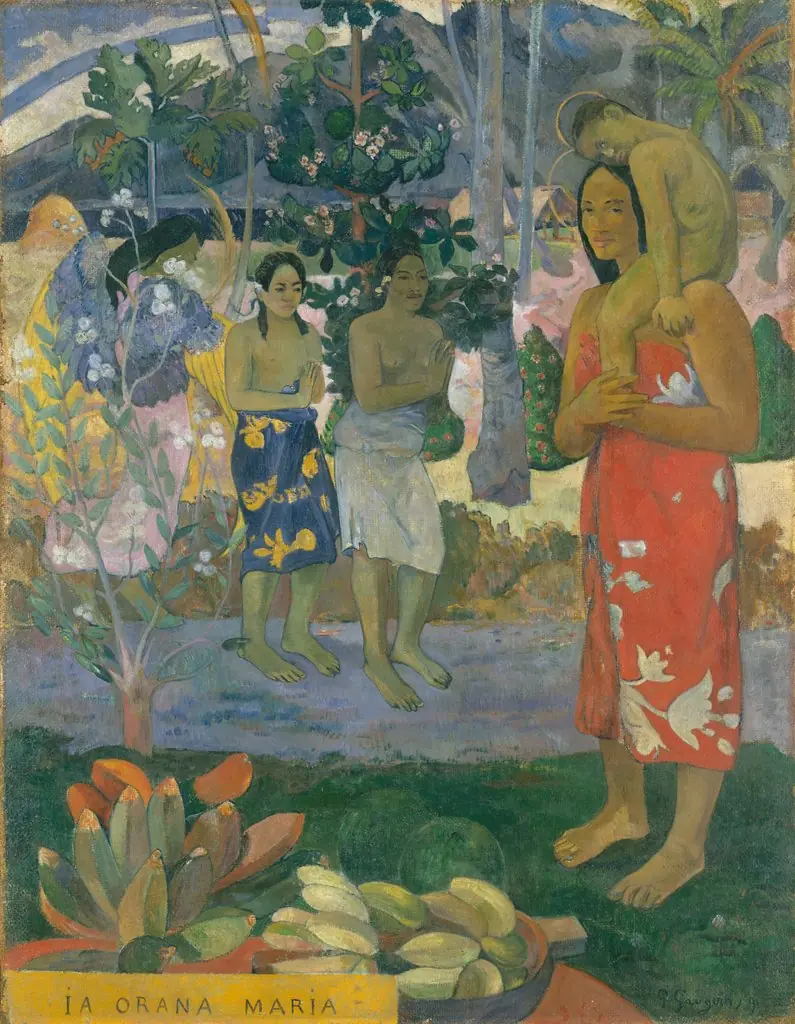 Ia Orana Maria
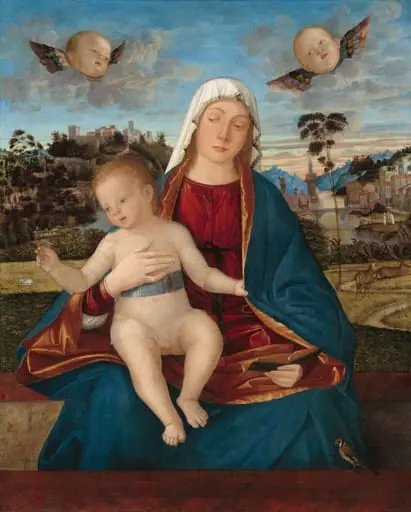 Madonna and Child
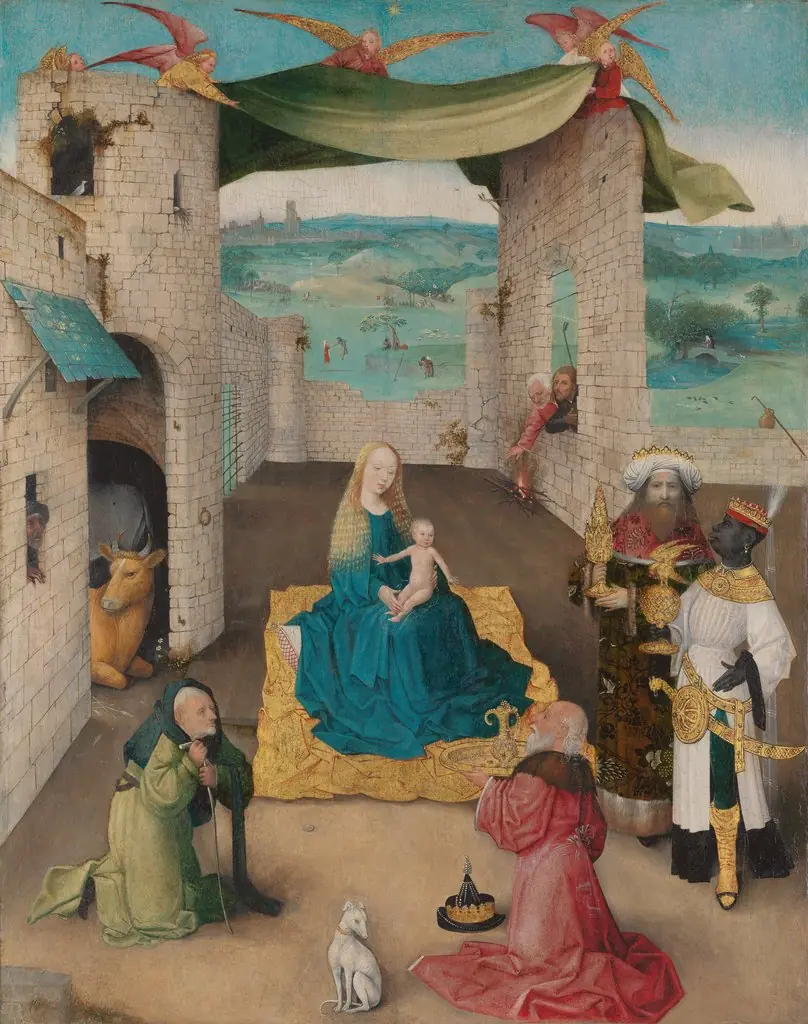 The Adoration of the Magi
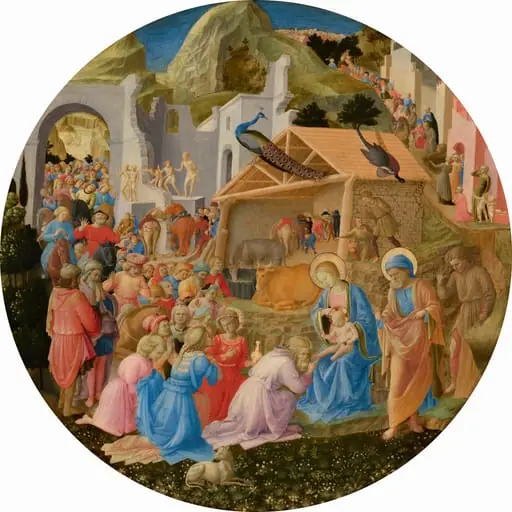 The Adoration of the Magi
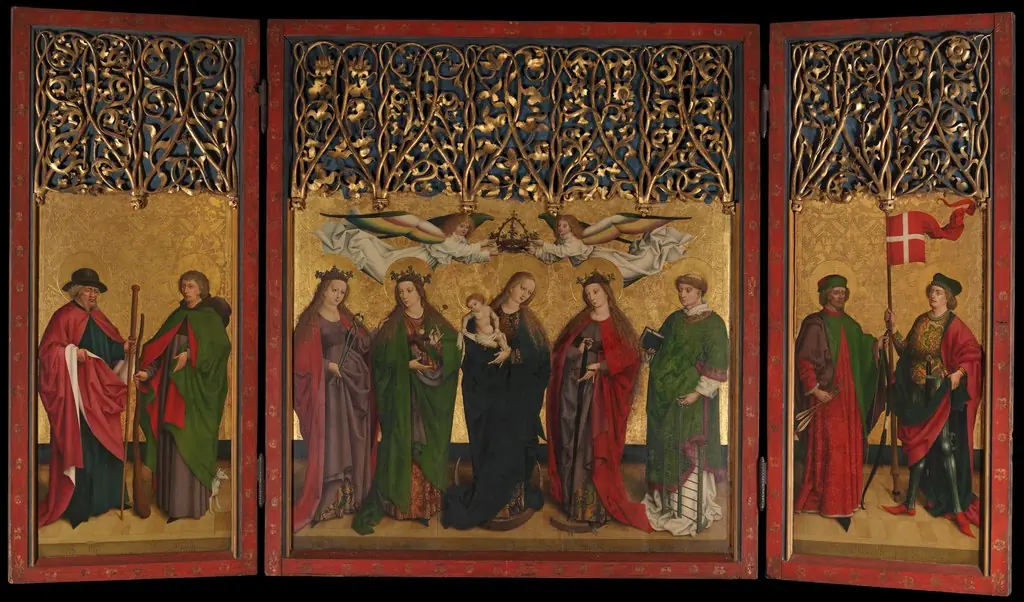 Burg Weiler Altar Triptych
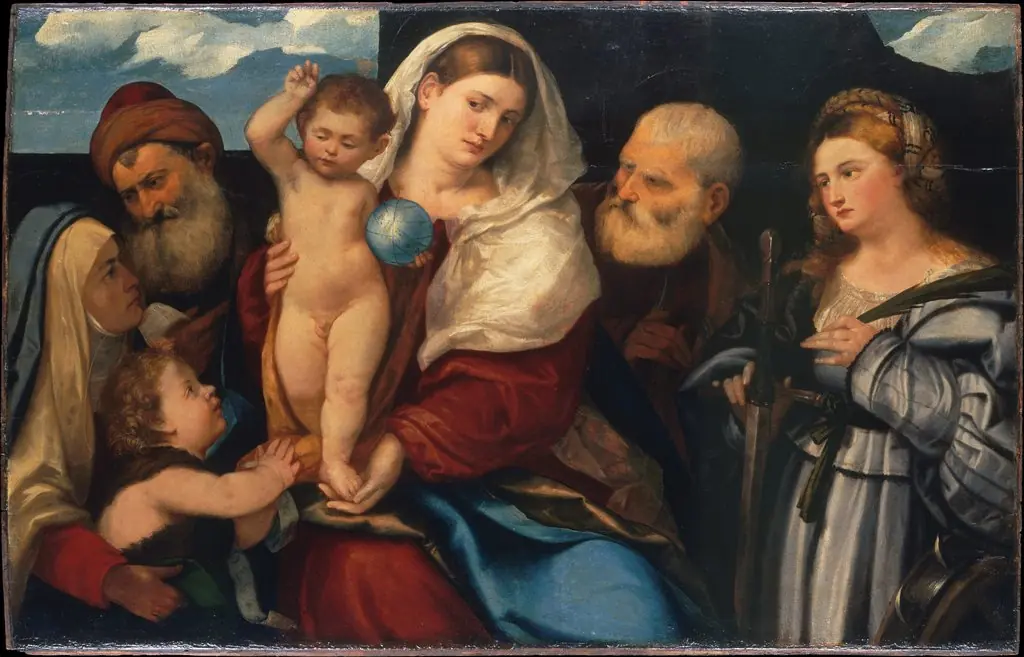 Madonna and Child with Saints
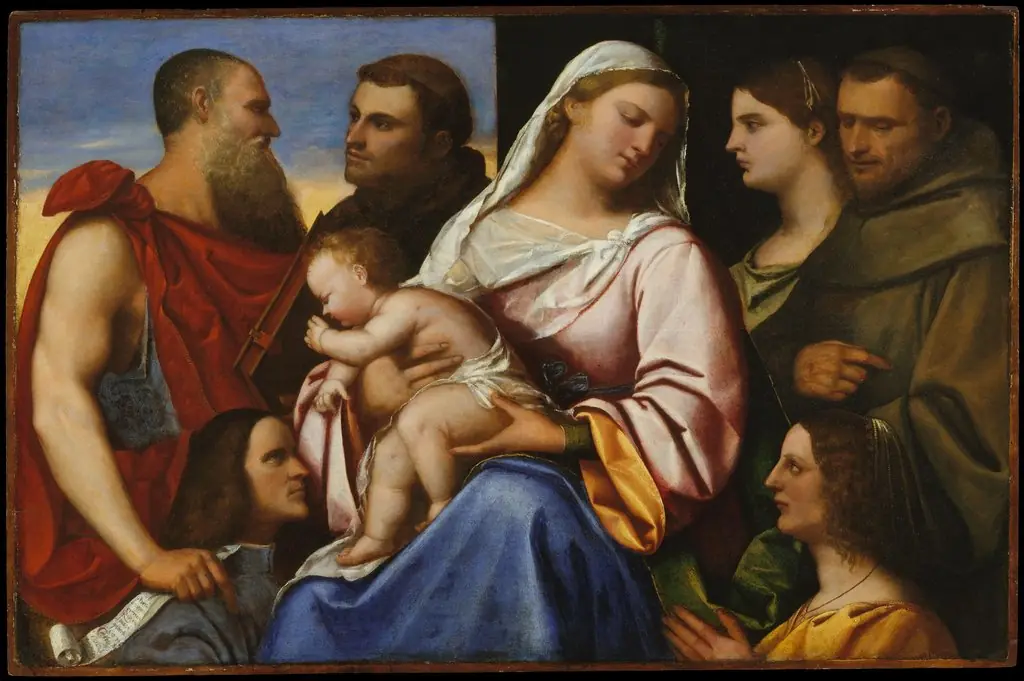 Madonna and Child with Saints and Donors
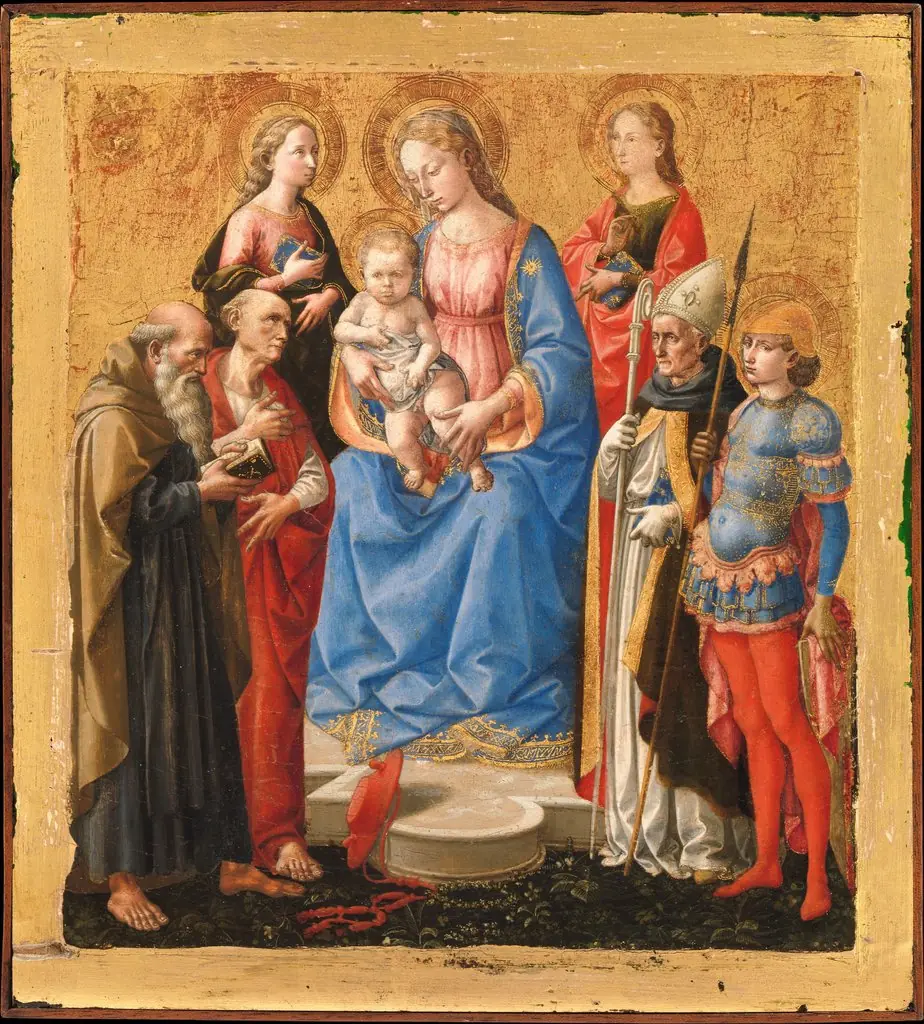 Madonna and Child with Six Saints
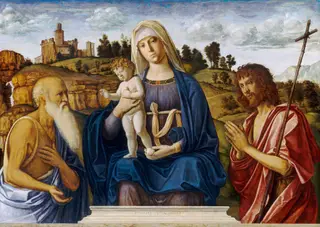 Madonna and Child with Saint Jerome and Saint John the Baptist
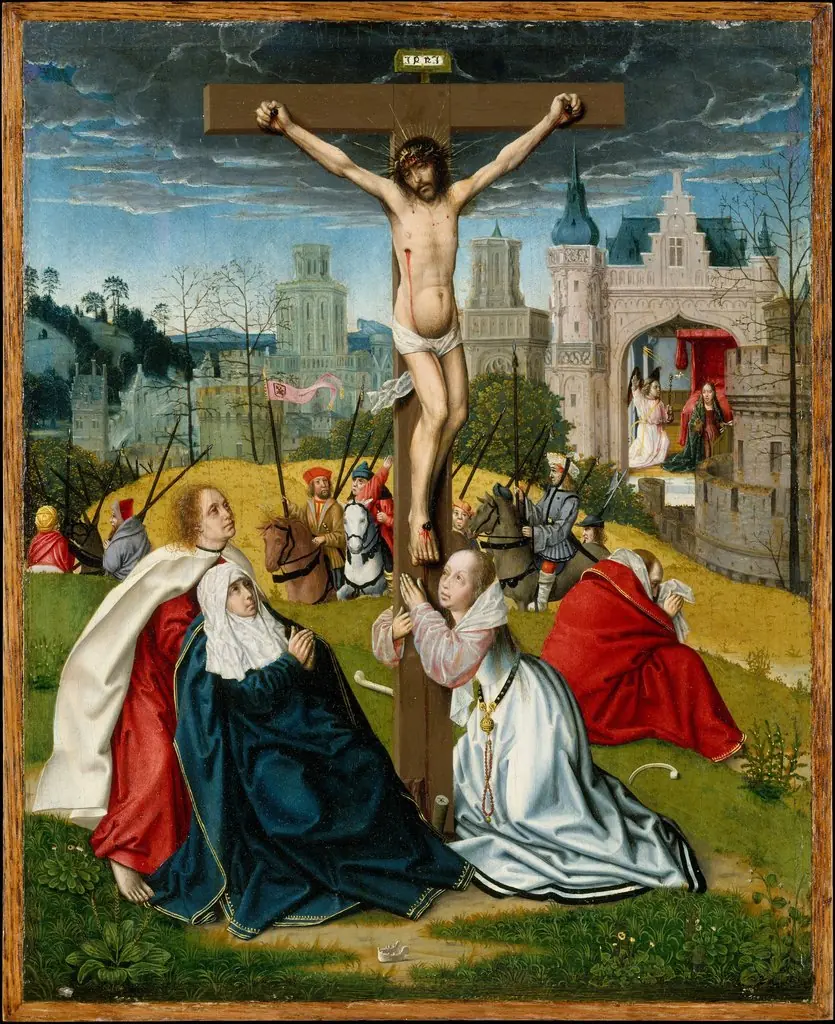 The Crucifixion
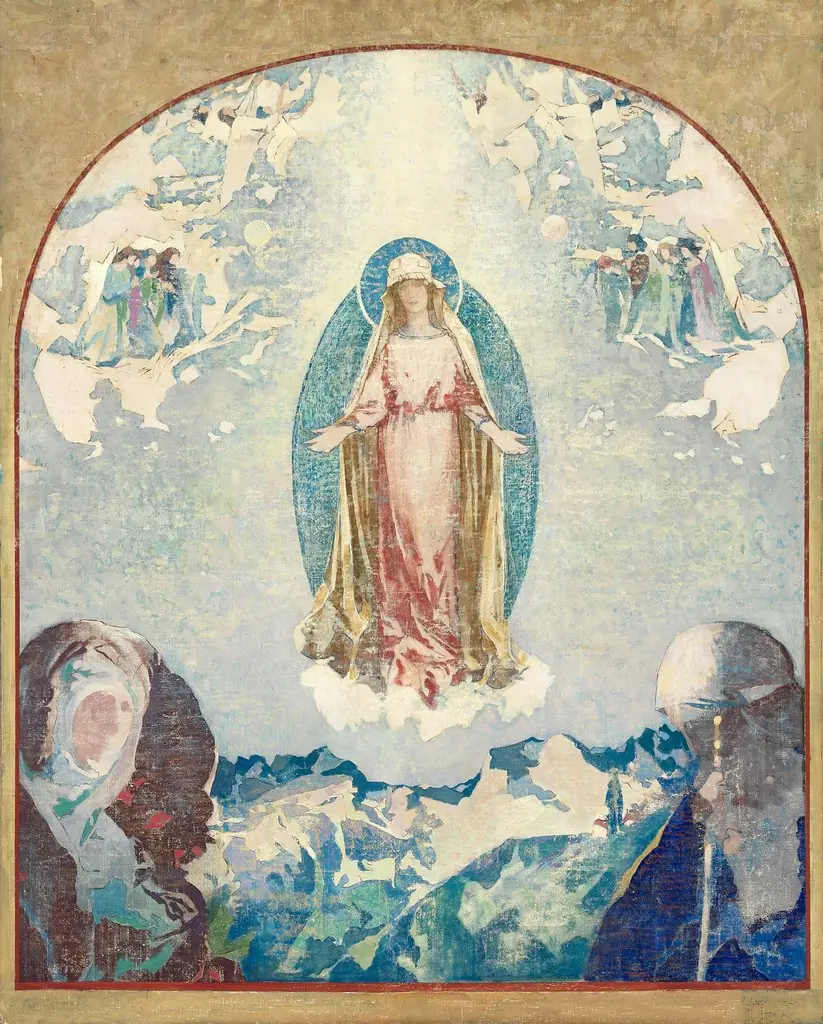 Rosa Mystica
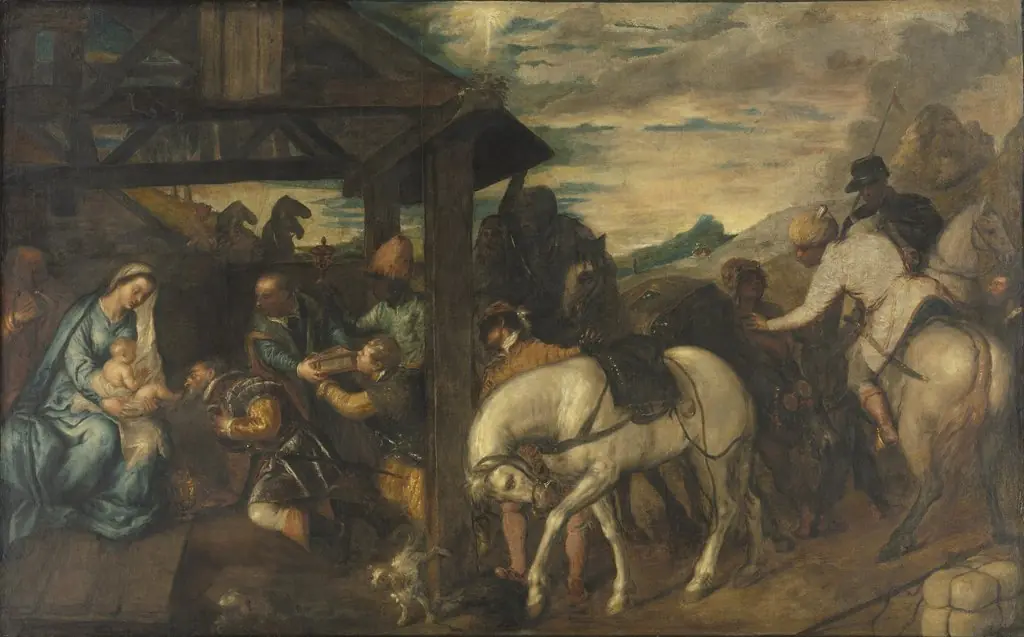 Adoration of the Magi
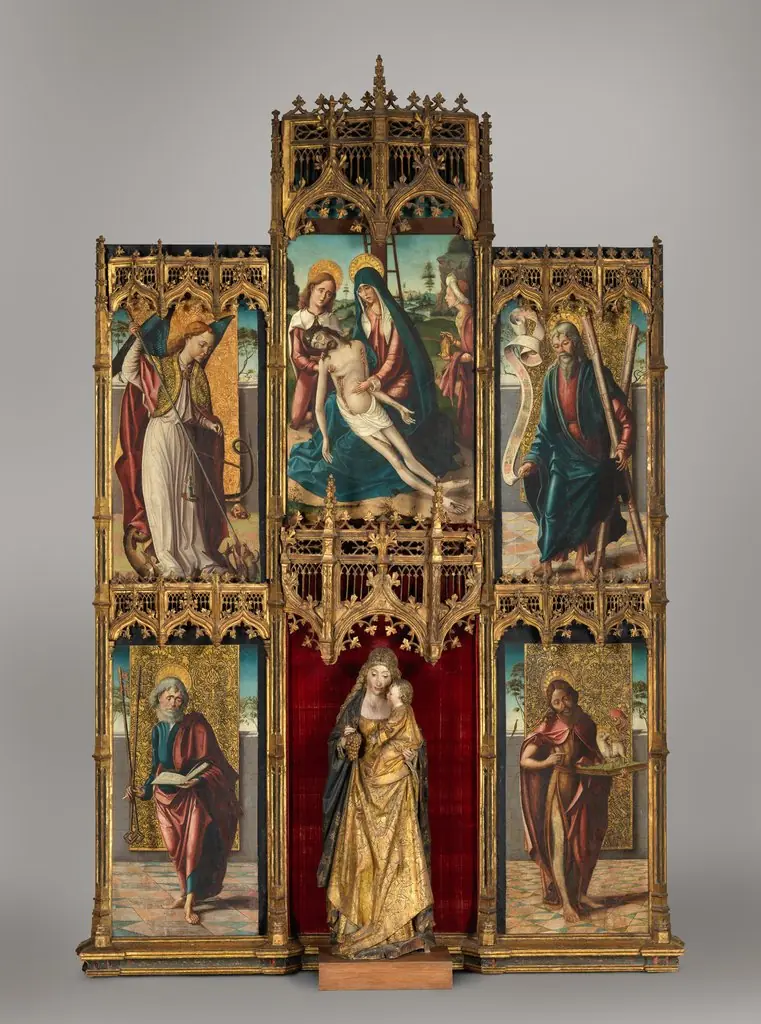 Virgin and Child with the Pietà and Saints
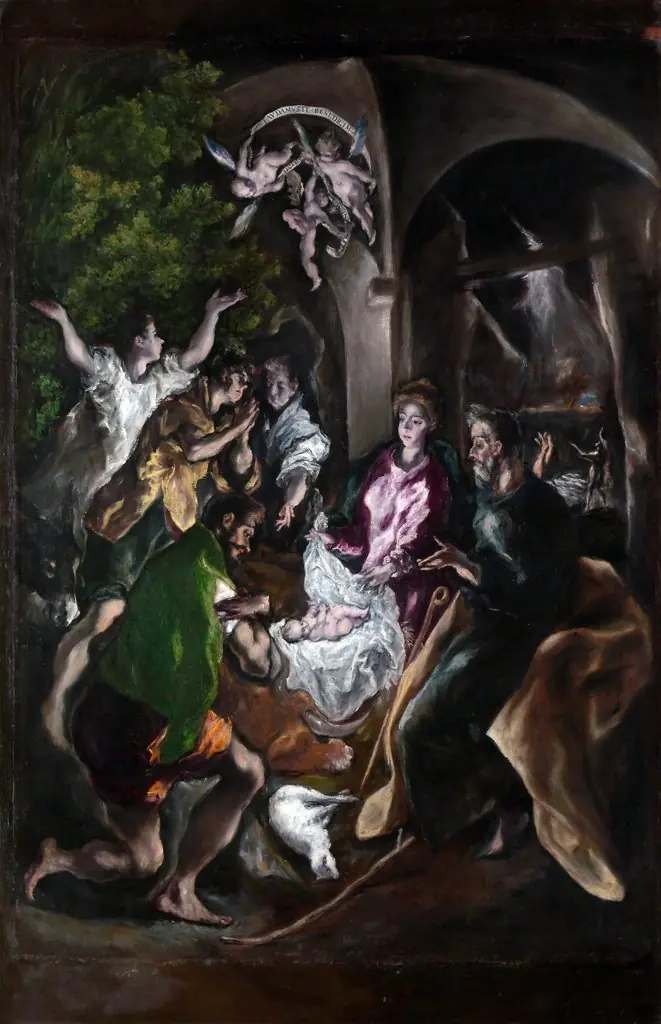 The Adoration of the Shepherds
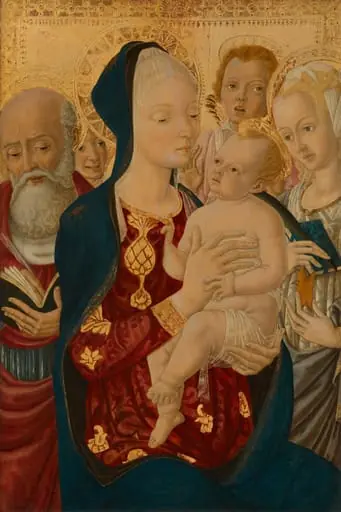 Madonna and Child with Saint Jerome, Saint Catherine of Alexandria, and Angels
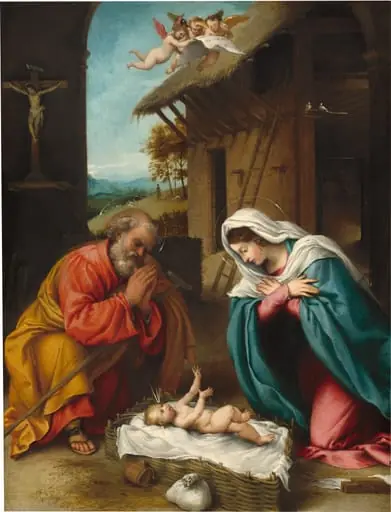 The Nativity
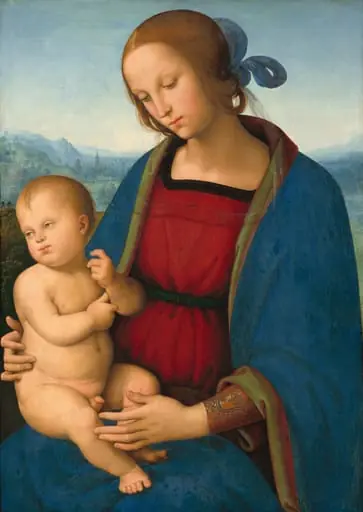 Madonna and Child
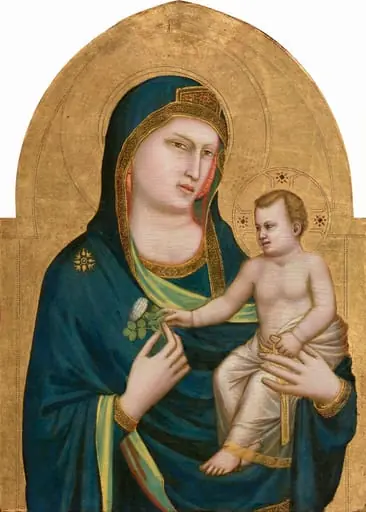 Madonna and Child
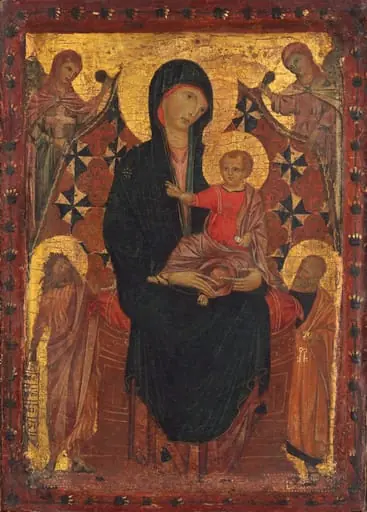 Madonna and Child with Saint John the Baptist, Saint Peter, and Two Angels
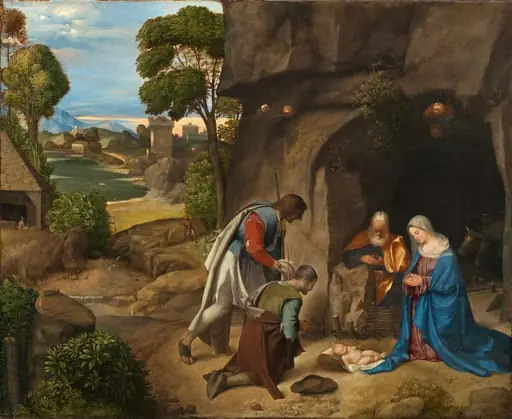 The Adoration of the Shepherds
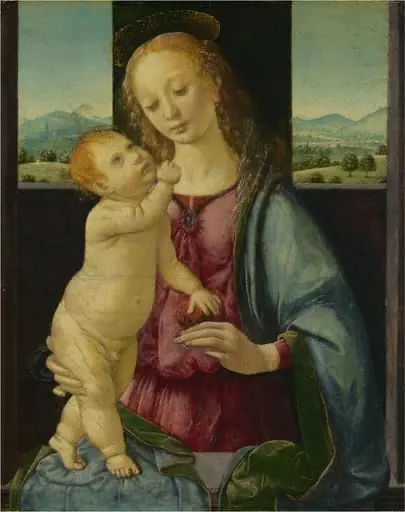 Madonna and Child with a Pomegranate
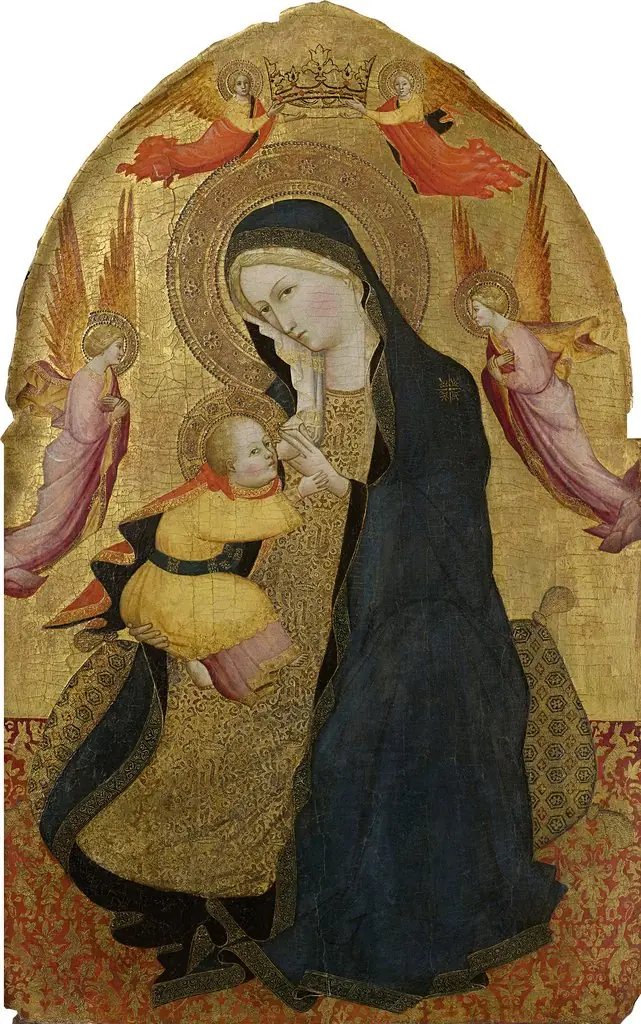 Madonna of Humility (Madonna dell'Umiltà)
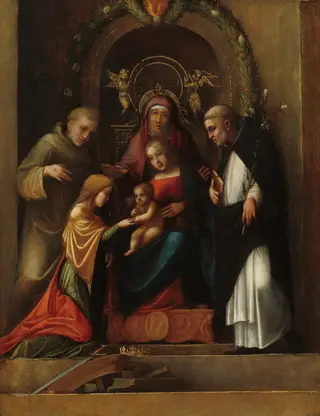 The Mystic Marriage of Saint Catherine
![Madonna and Child [obverse]](https://artifactworldgallery.com/img/albrecht-durer--madonna-and-child-obverse--d7b8ebf05d22ebe5-w320.webp) Madonna and Child [obverse]
Madonna and Child [obverse]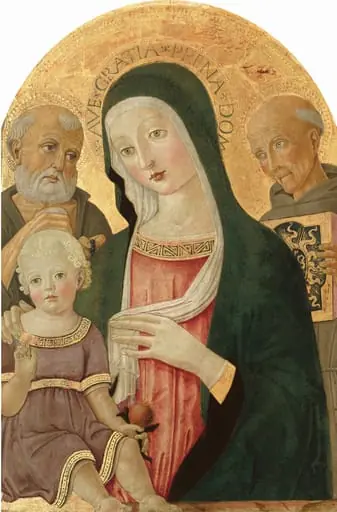 Madonna and Child with Saint Jerome and Saint Bernardino of Siena
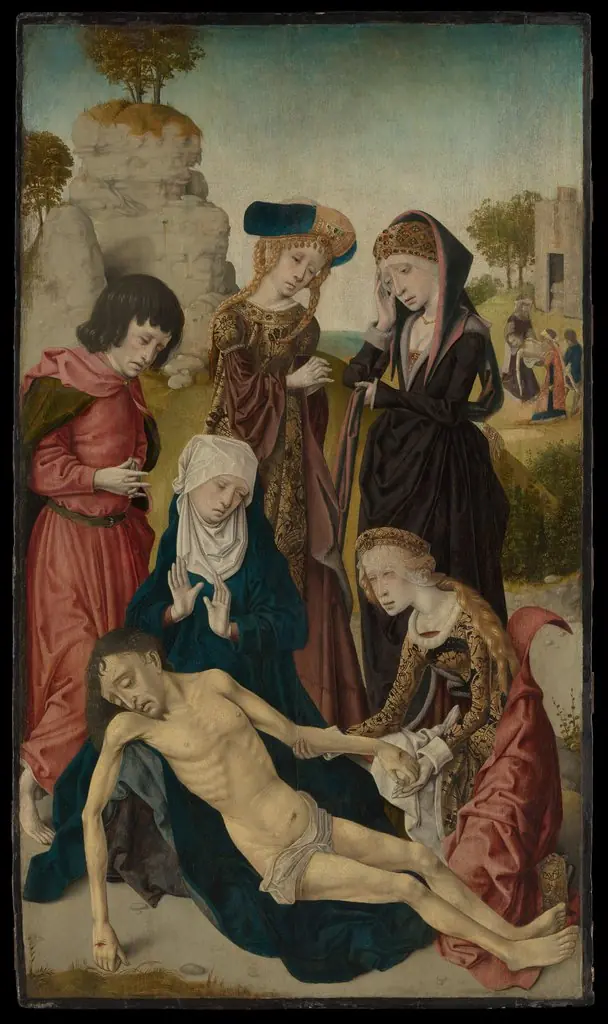 The Lamentation
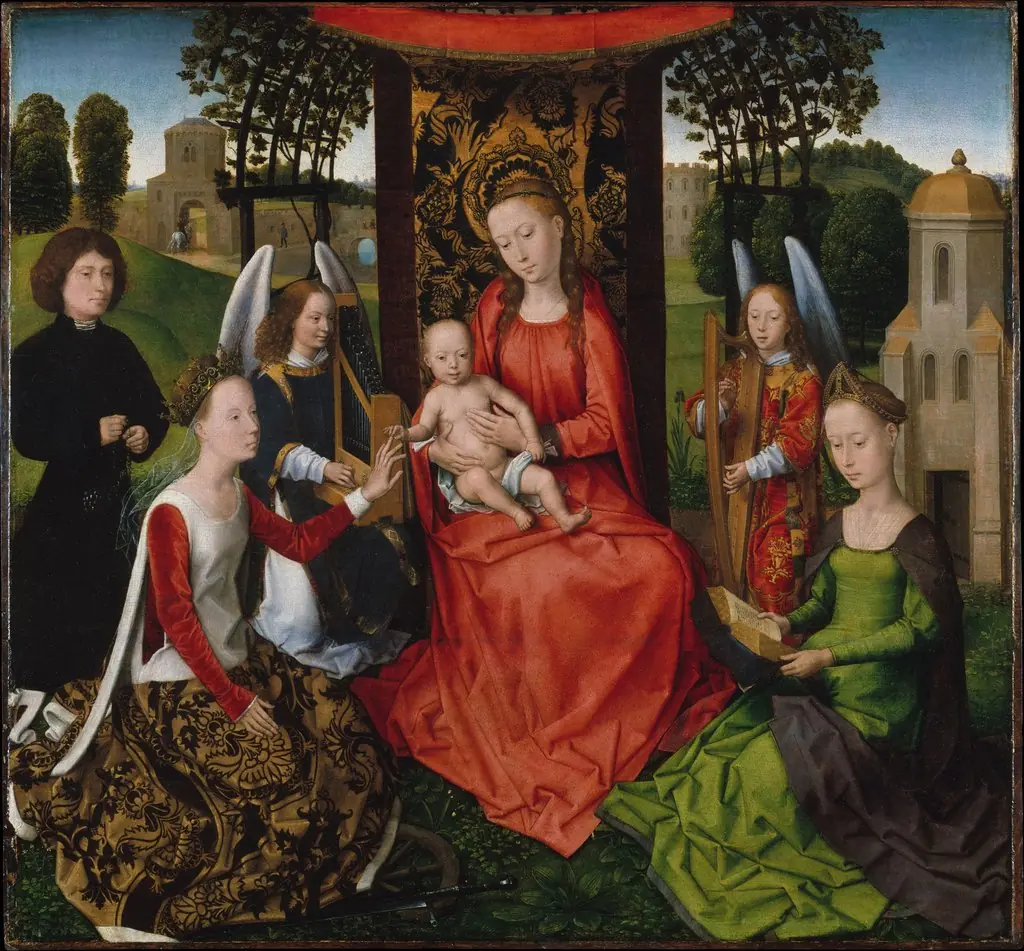 Virgin and Child with Saints Catherine of Alexandria and Barbara
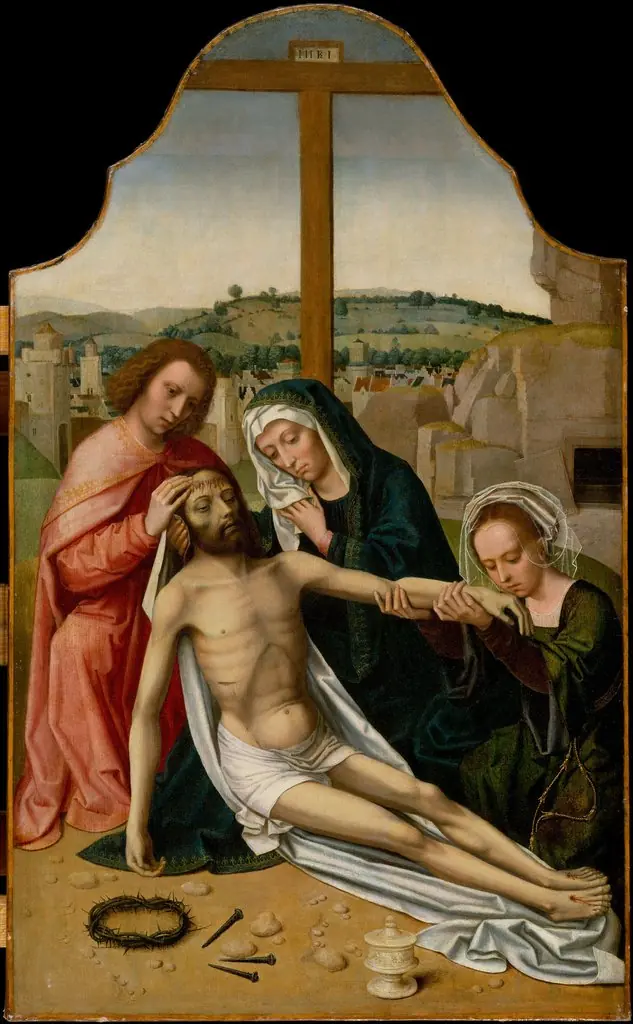 The Lamentation
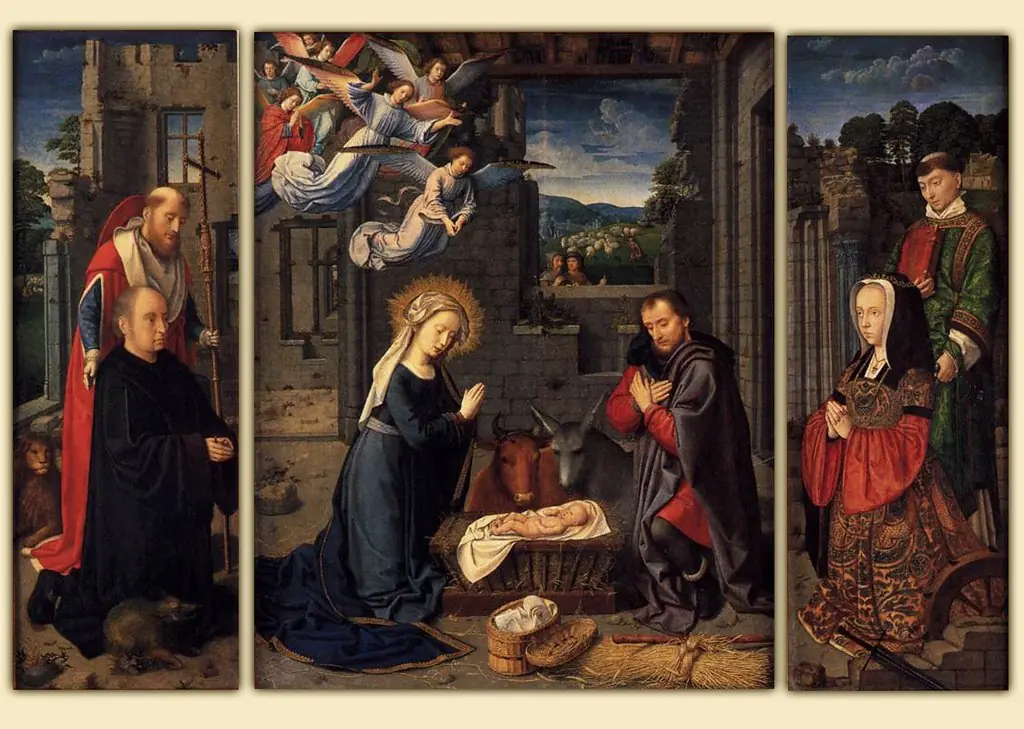 The Nativity with Donors and Saints Jerome and Leonard
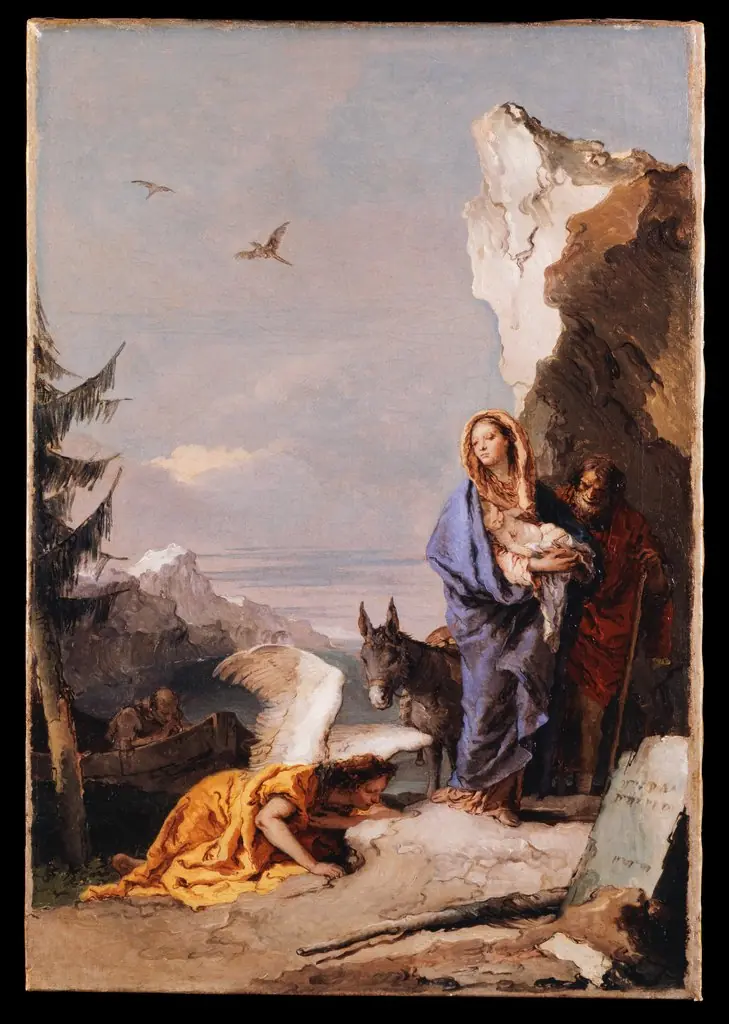 The Flight into Egypt
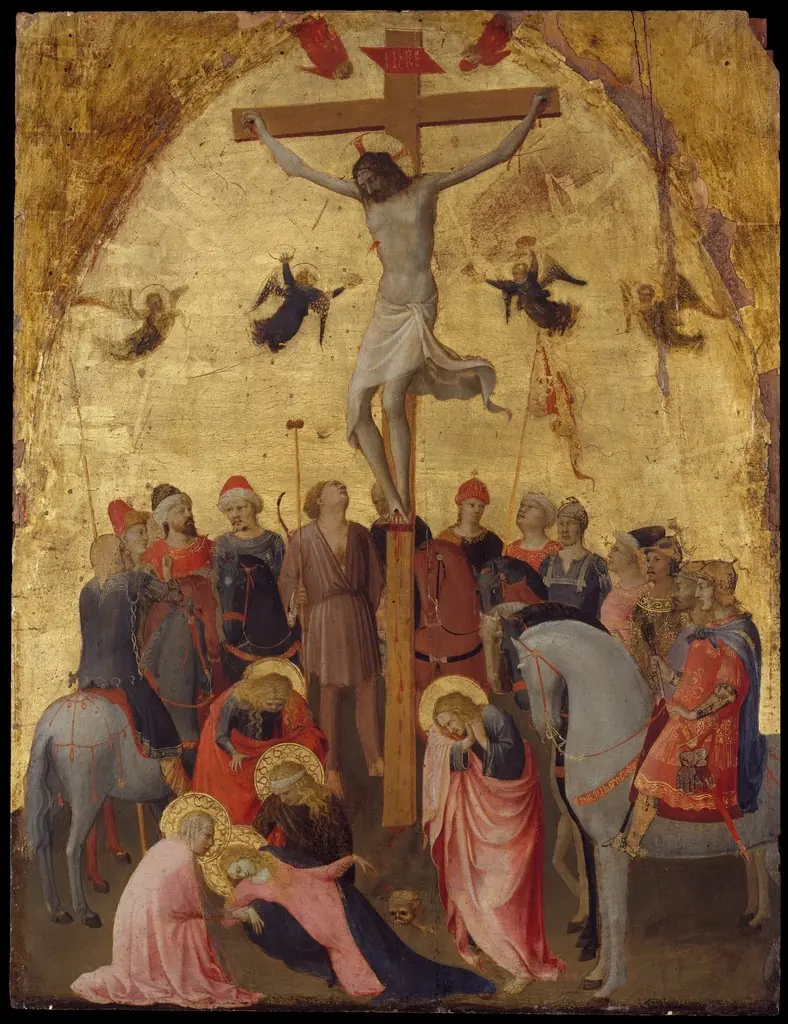 The Crucifixion
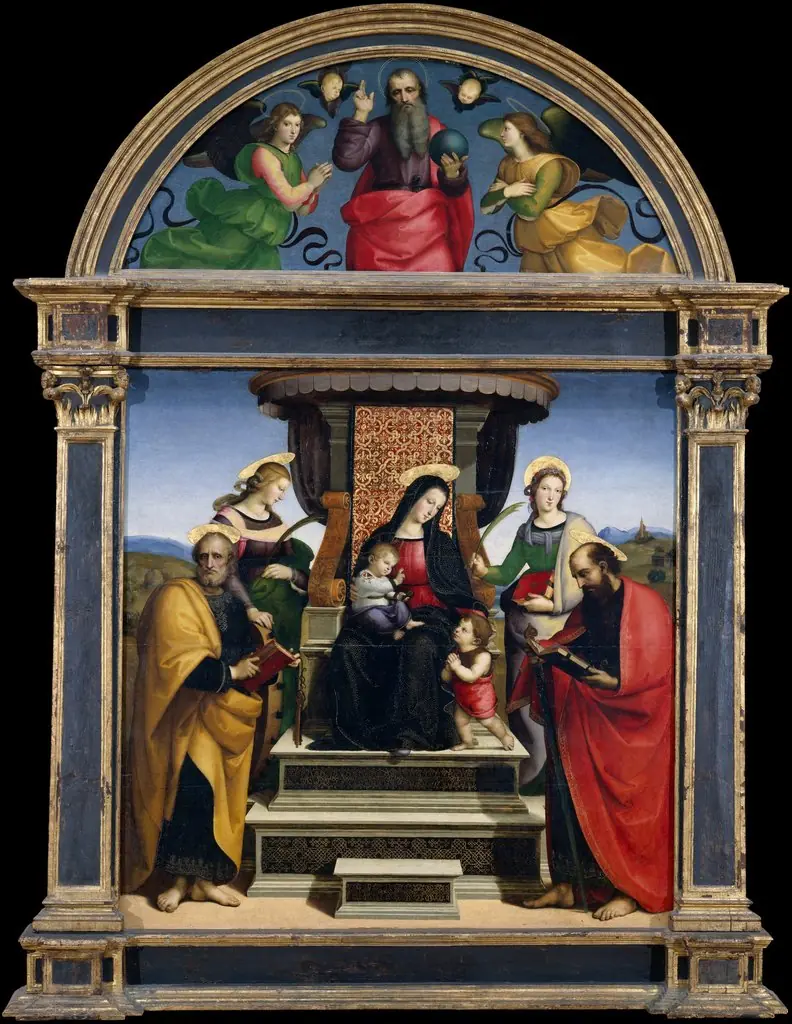 Madonna and Child Enthroned with Saints
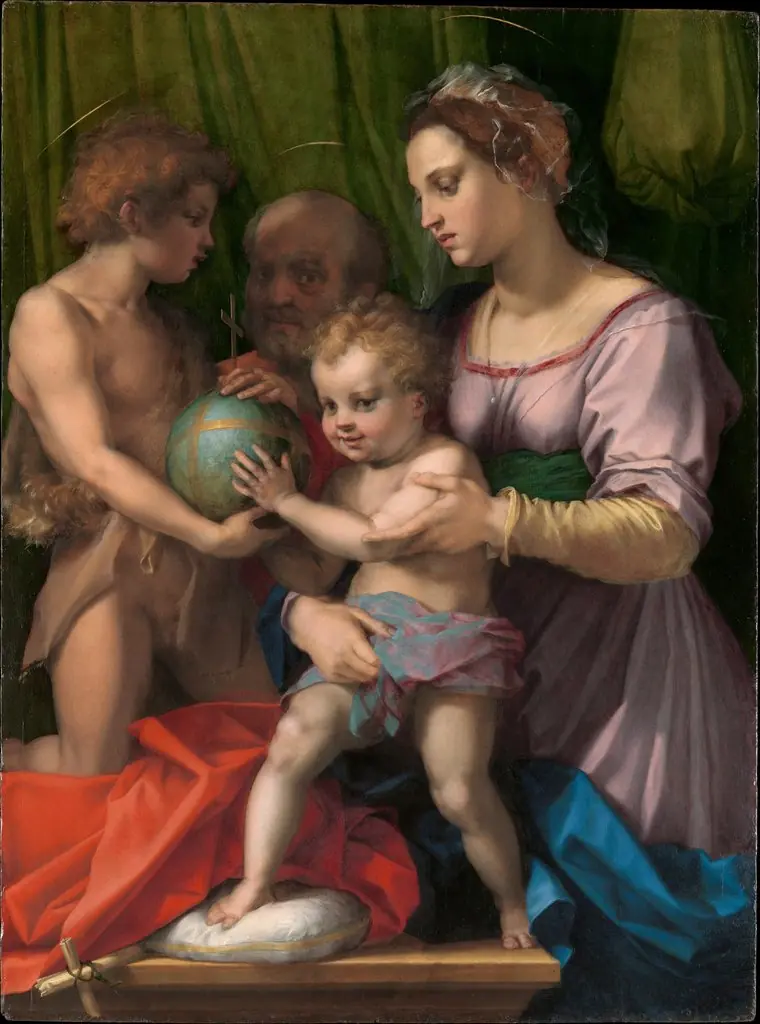 The Holy Family with the Young Saint John the Baptist
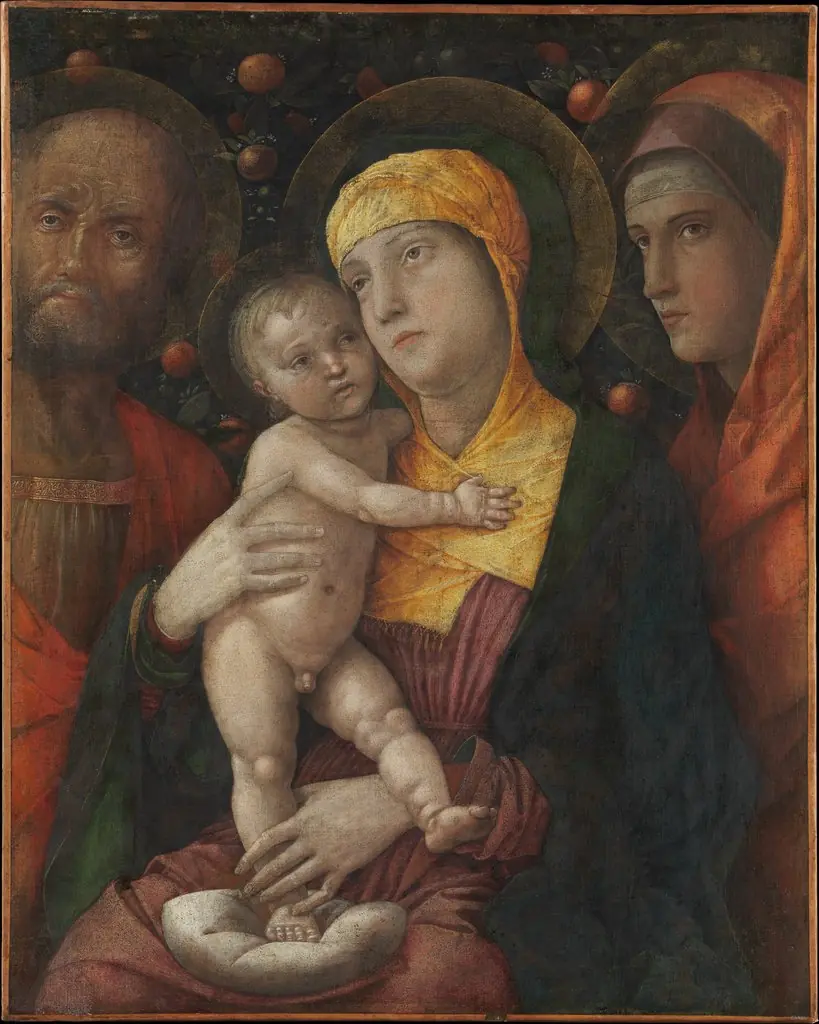 The Holy Family with Saint Mary Magdalen
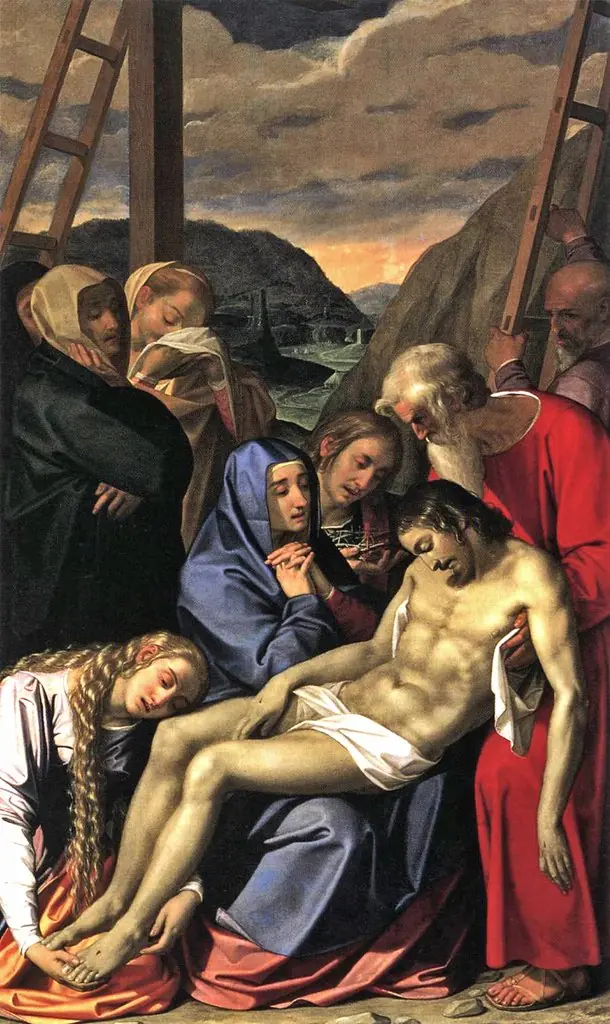 The Lamentation
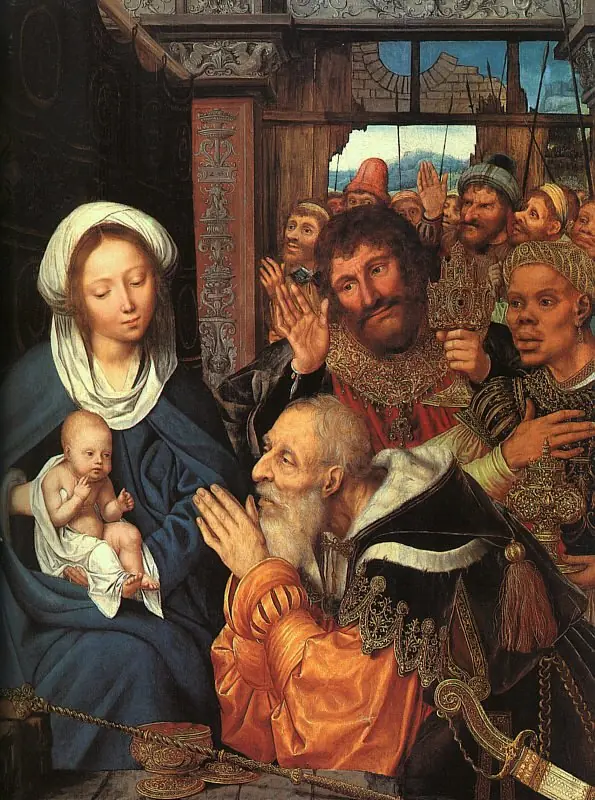 The Adoration of the Magi
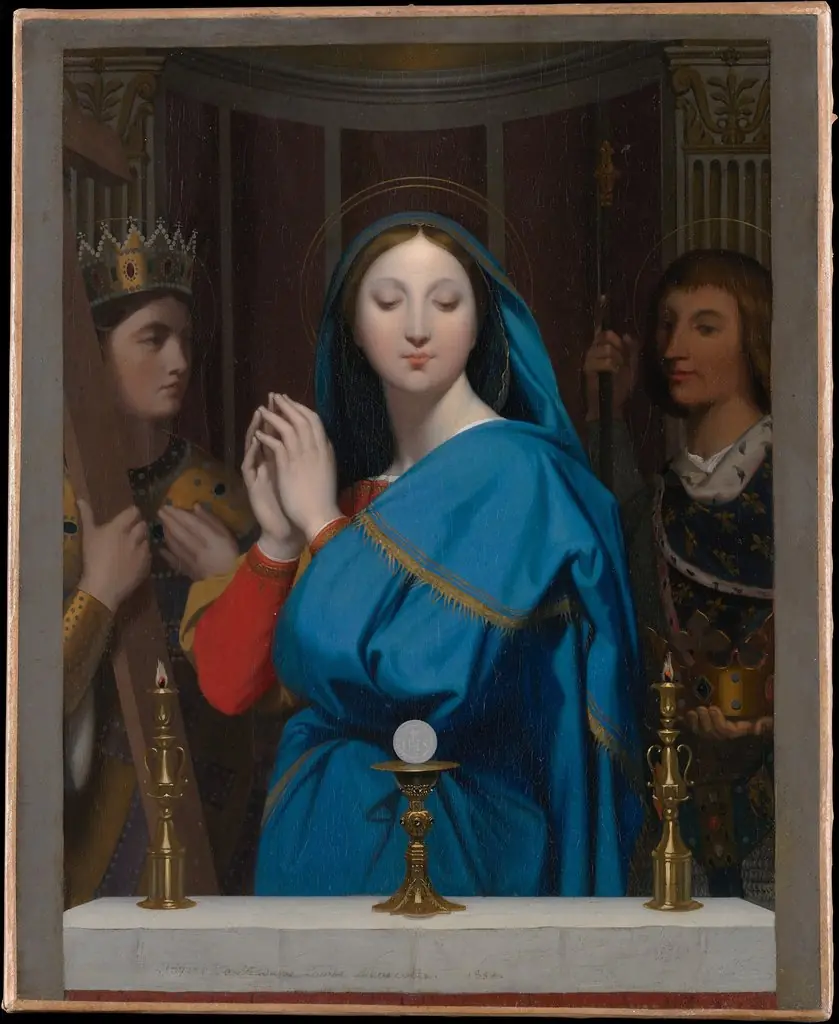 The Virgin Adoring the Host
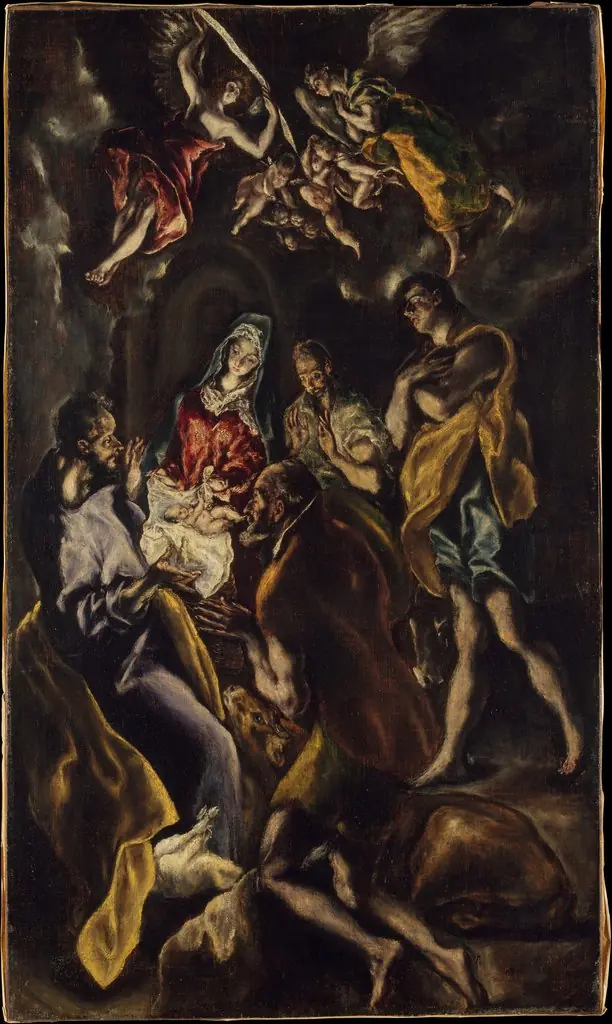 The Adoration of the Shepherds
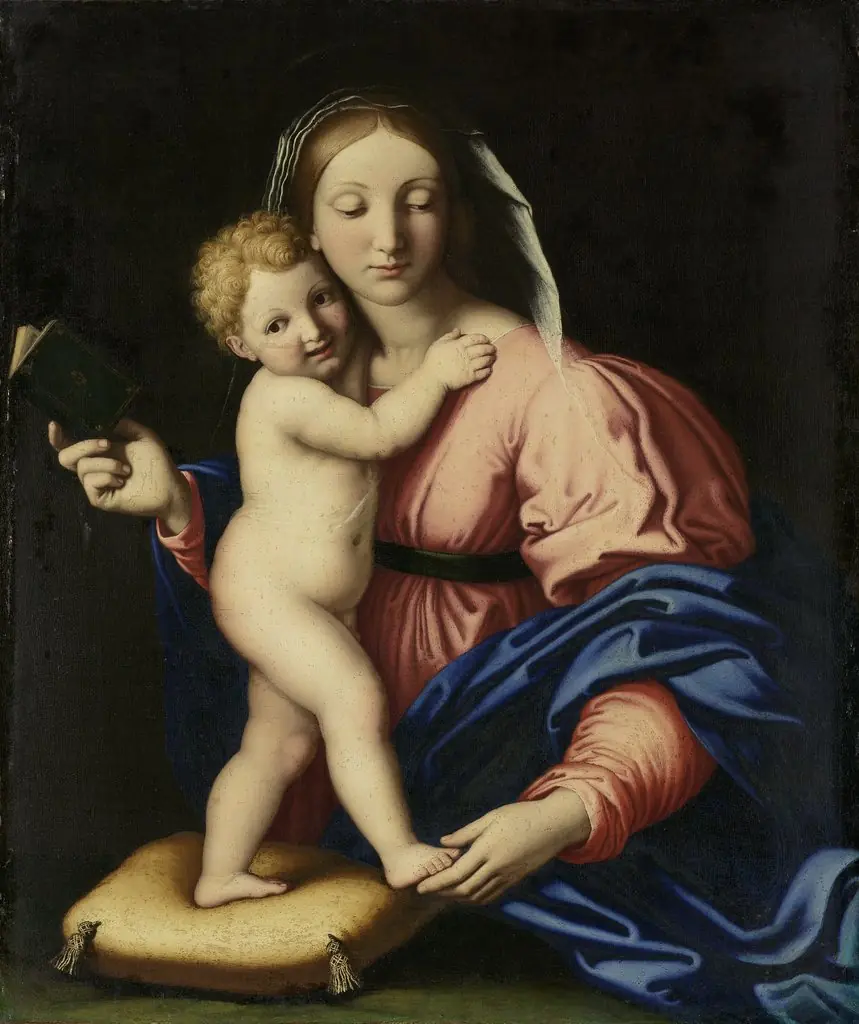 Virgin and Child
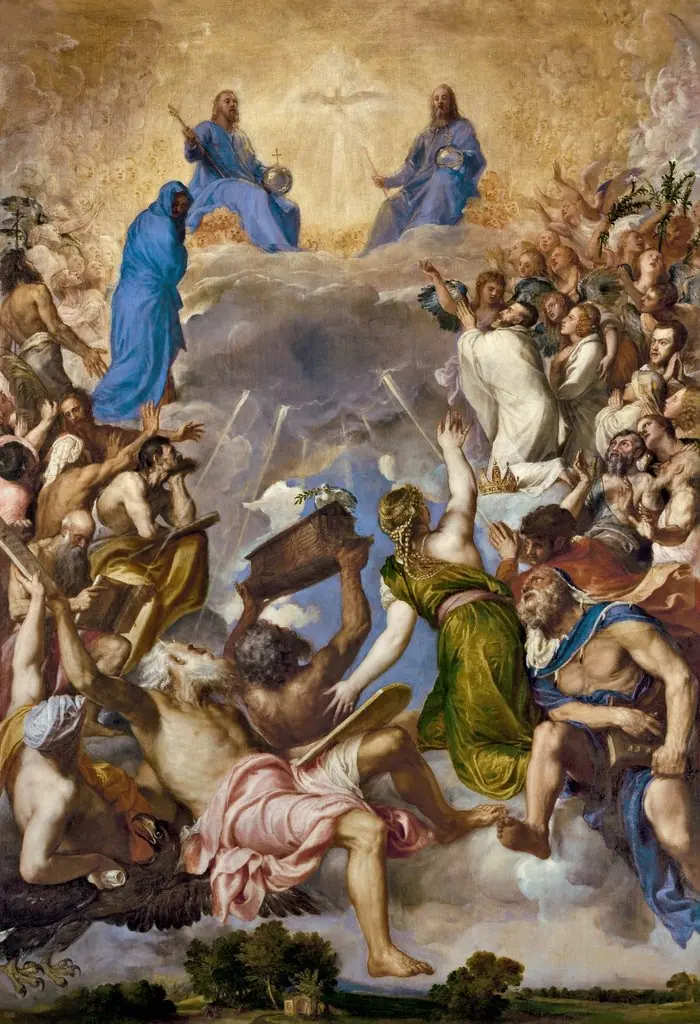 La Gloria
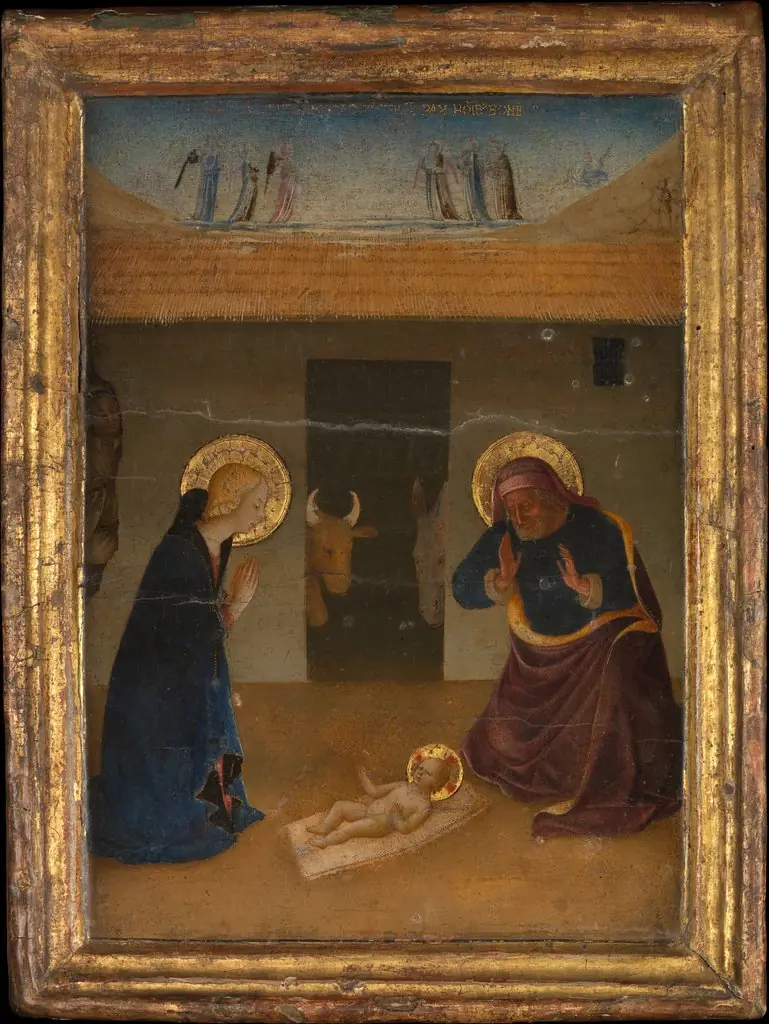 The Nativity
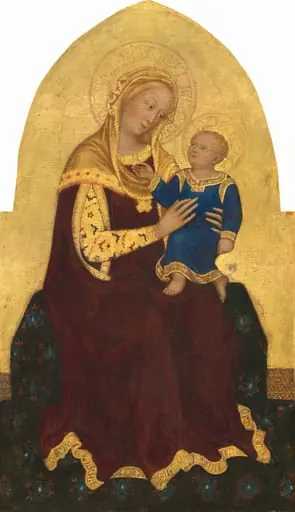 Madonna and Child Enthroned
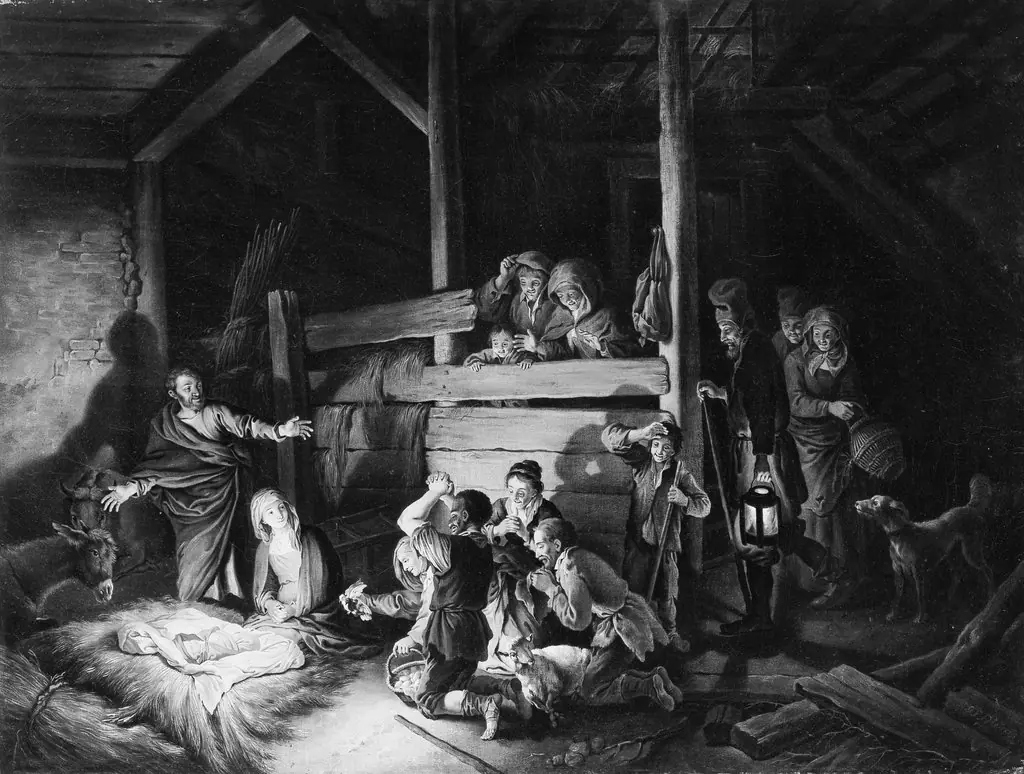 The Adoration of the Shepherds
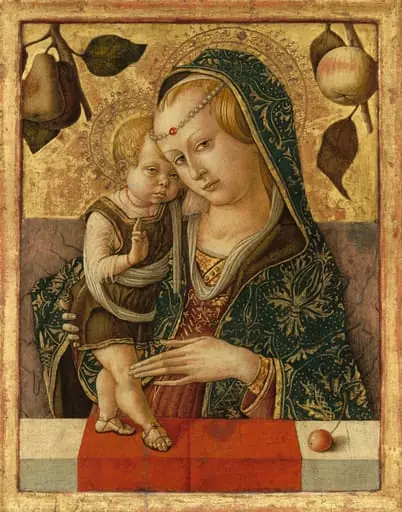 Madonna and Child
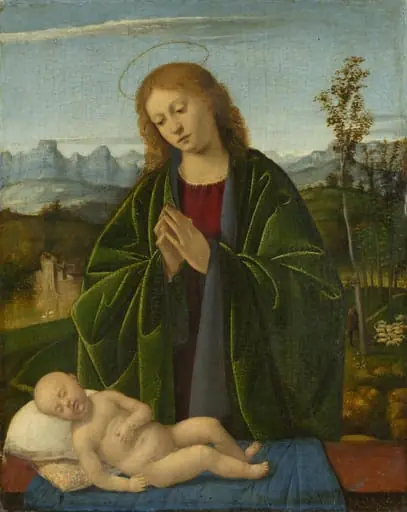 Madonna Adoring the Child
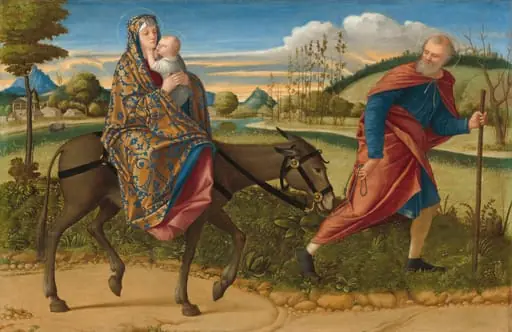 The Flight into Egypt
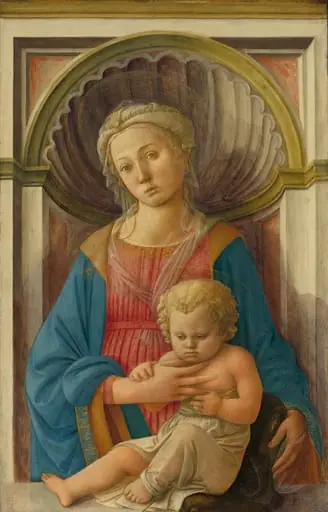 Madonna and Child
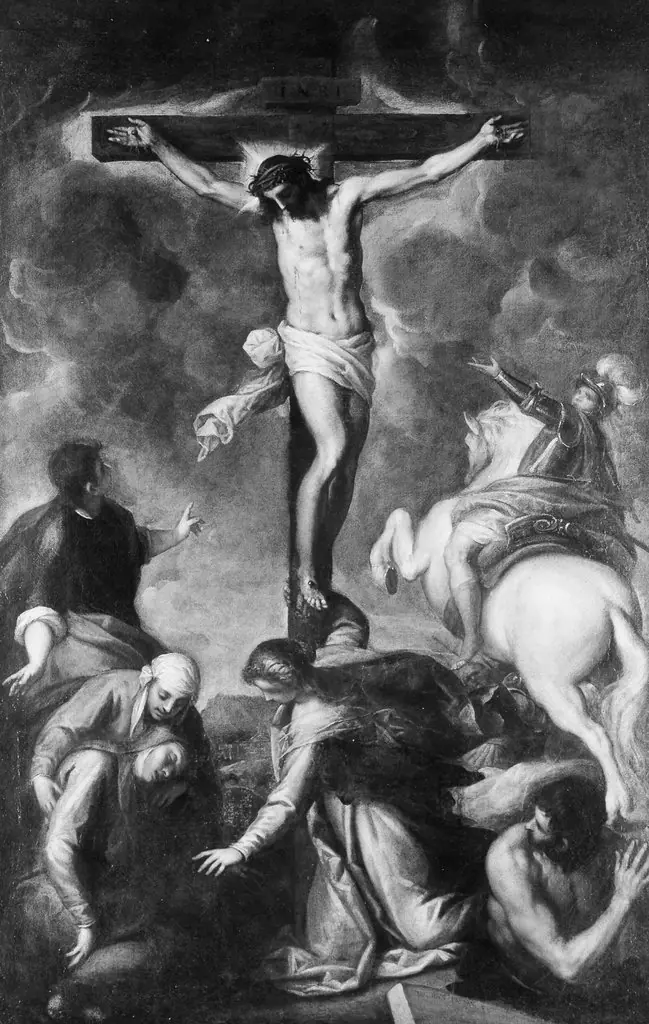 The Crucifixion
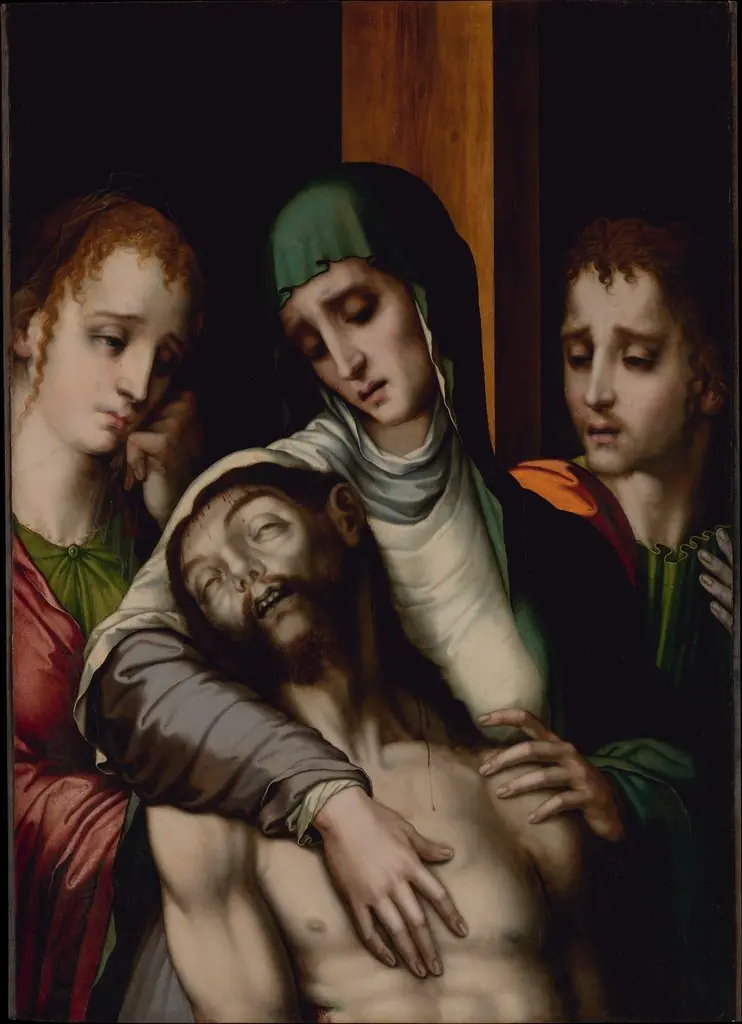 The Lamentation
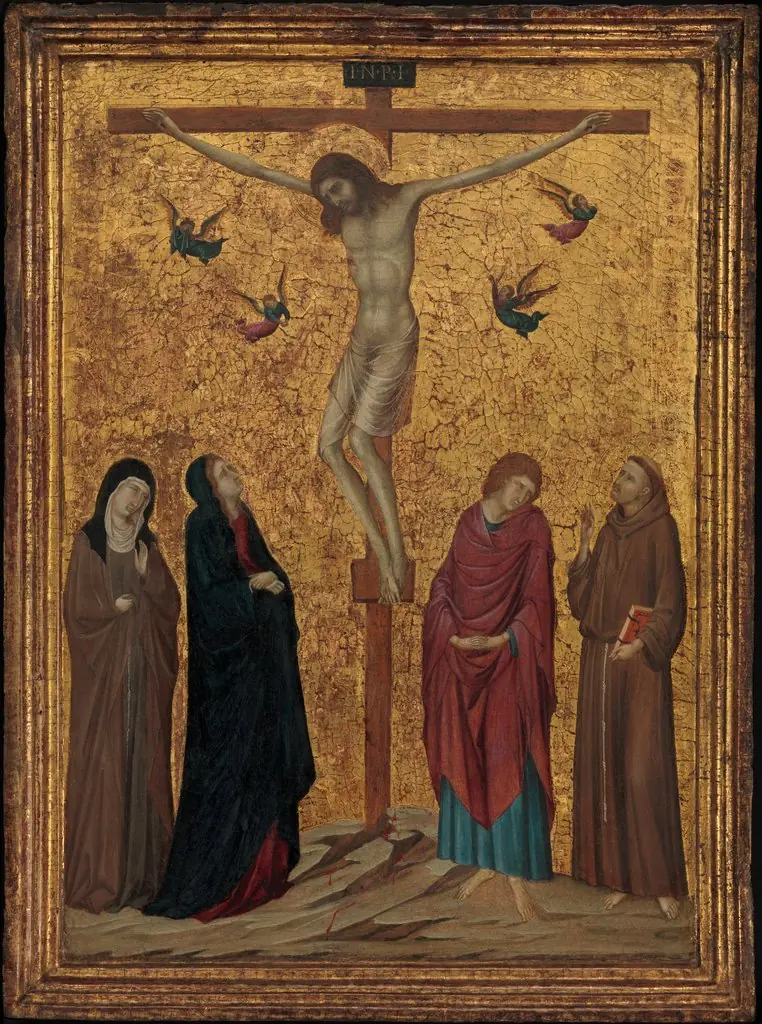 The Crucifixion
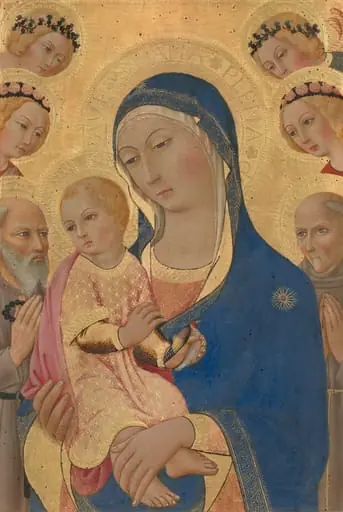 Madonna and Child with Saint Jerome, Saint Bernardino, and Angels
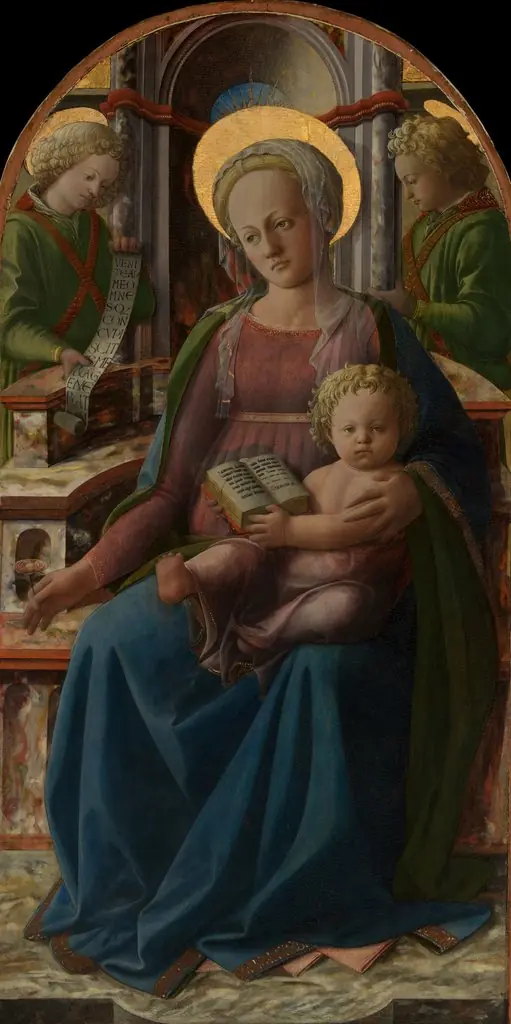 Madonna and Child Enthroned with Two Angels
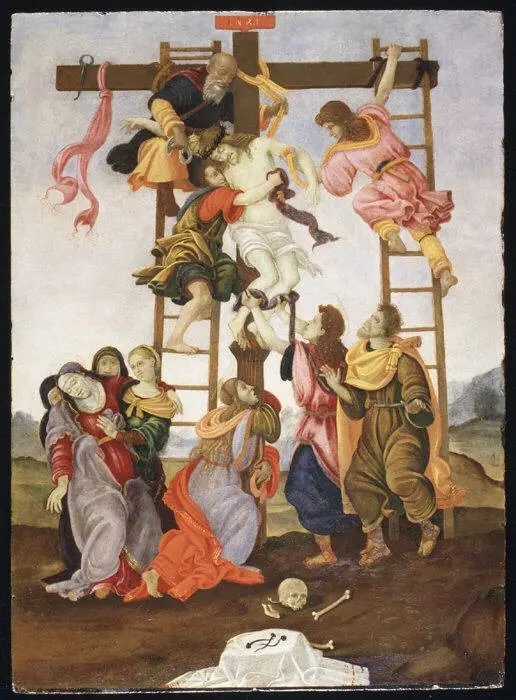 The Descent from the Cross
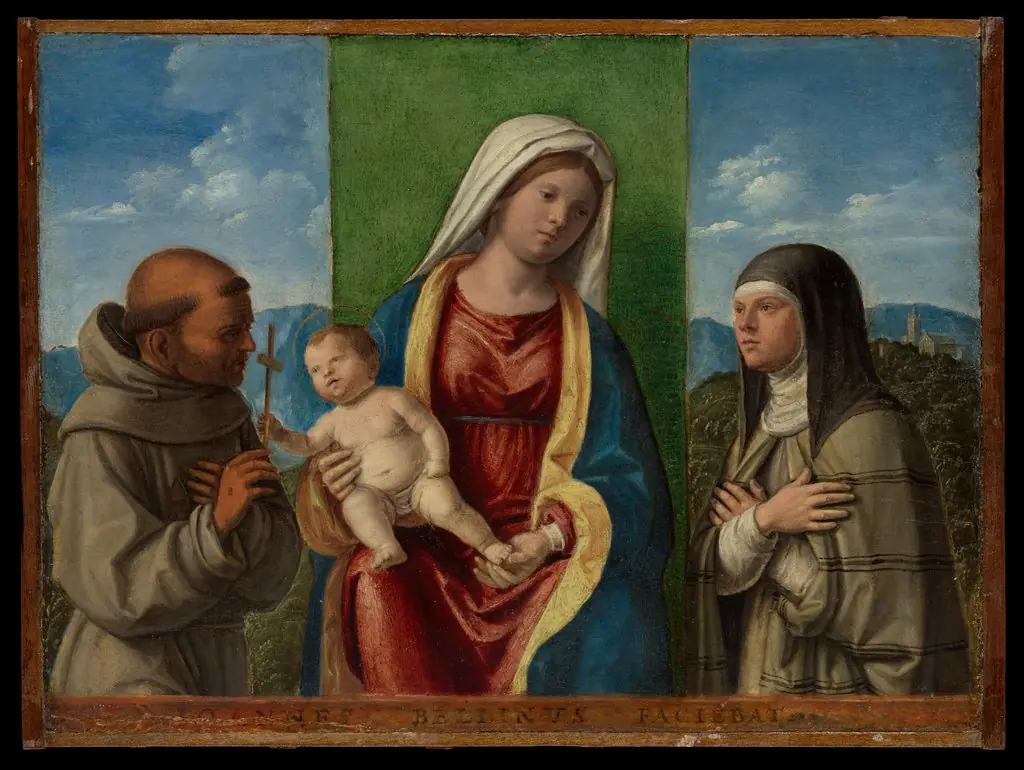 Madonna and Child with Saints Francis and Clare
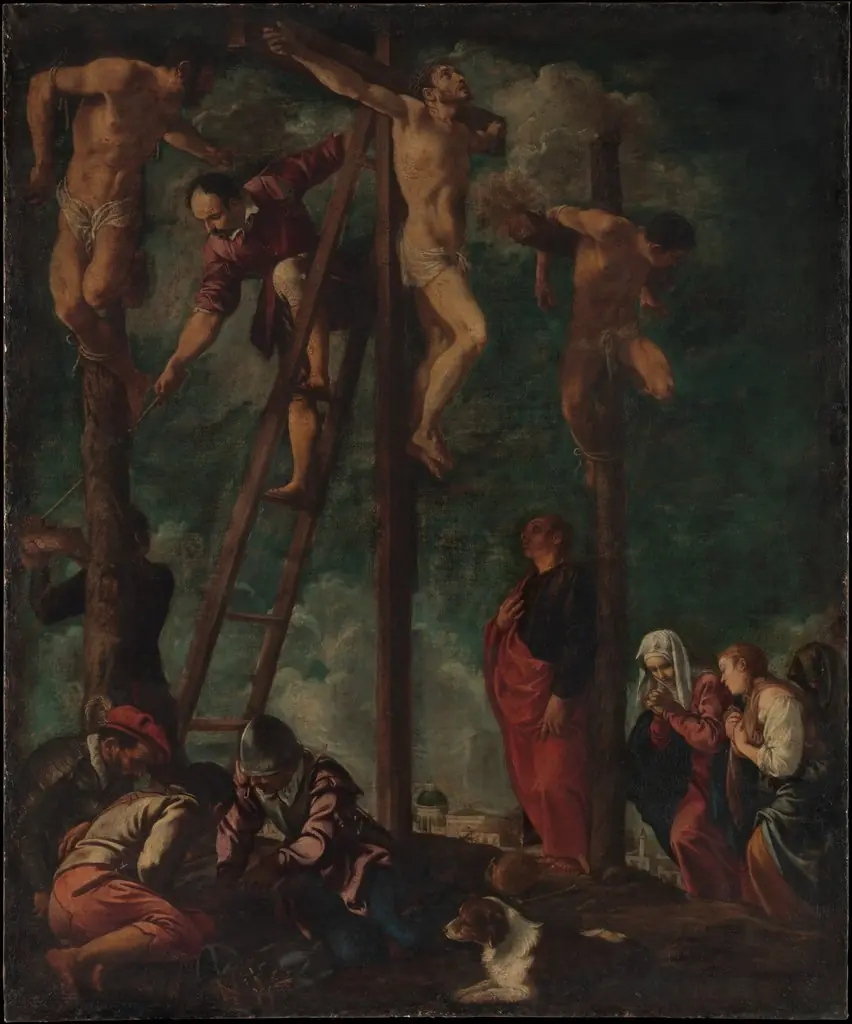 The Crucifixion
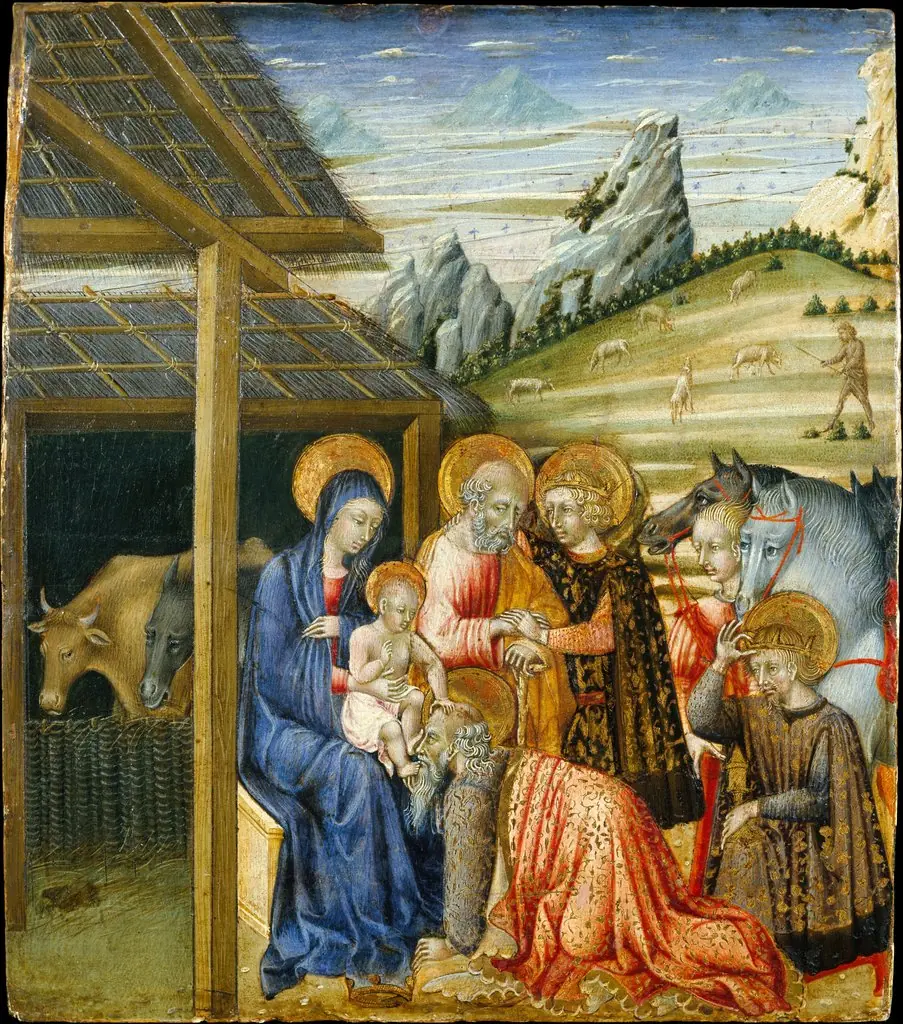 The Adoration of the Magi
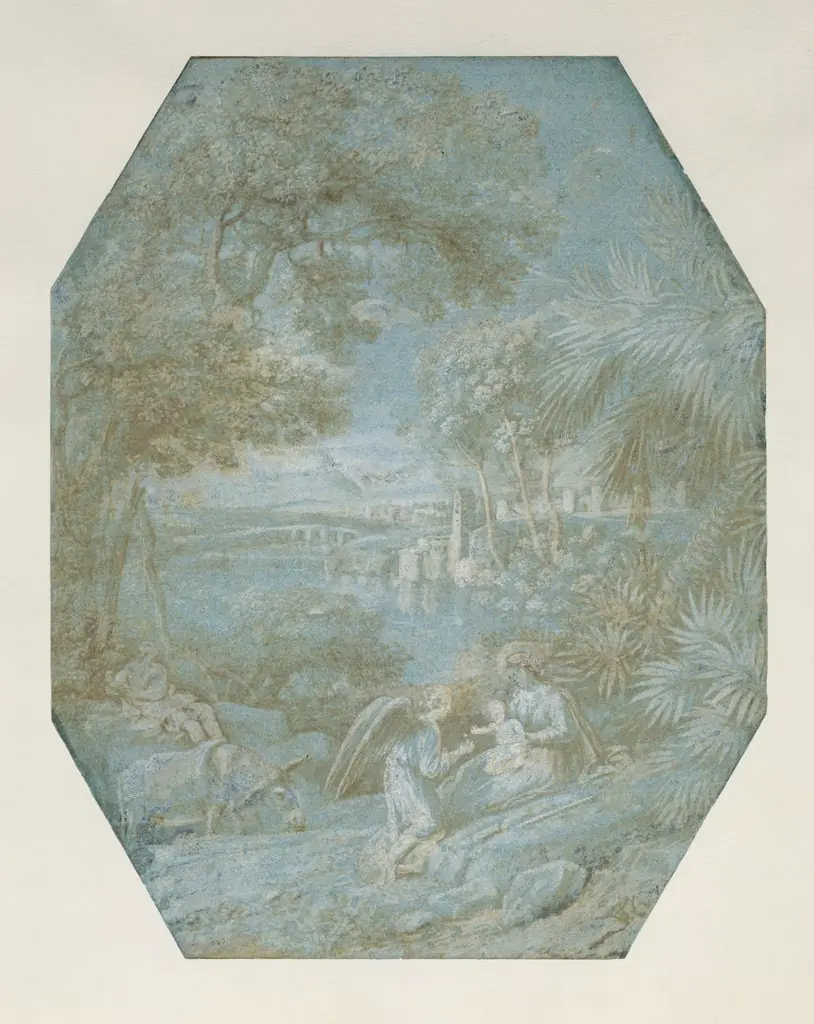 Landscape with the Rest on the Flight into Egypt
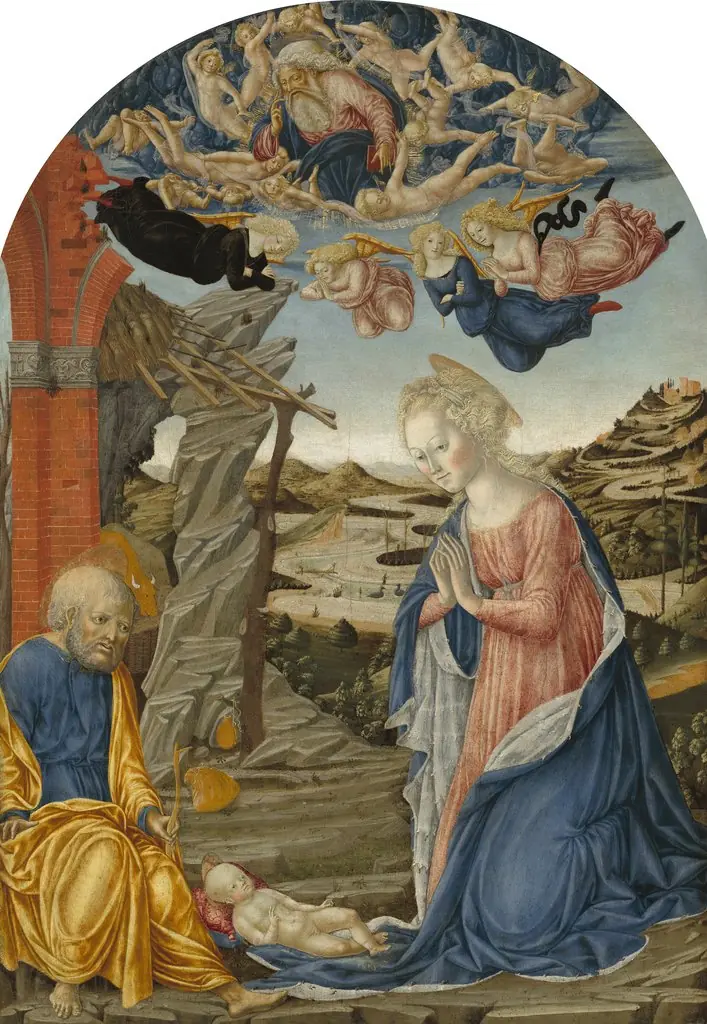 The Nativity
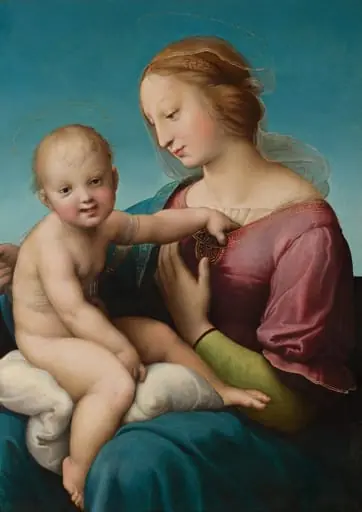 The Niccolini-Cowper Madonna
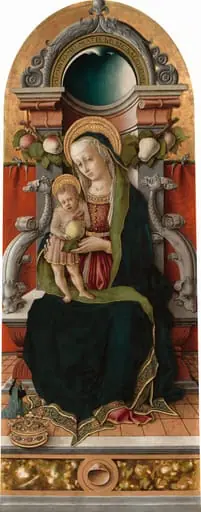 Madonna and Child Enthroned with Donor
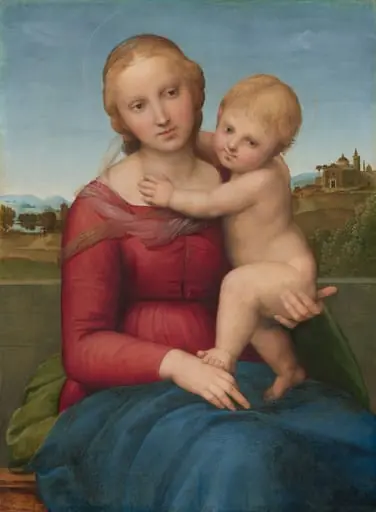 The Small Cowper Madonna
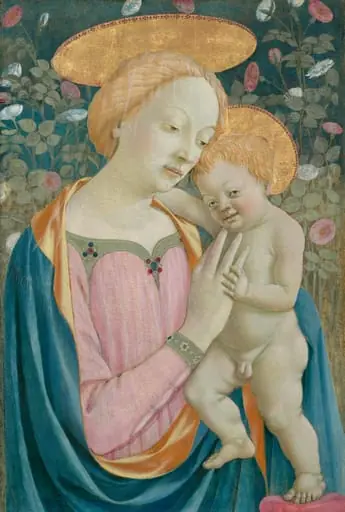 Madonna and Child
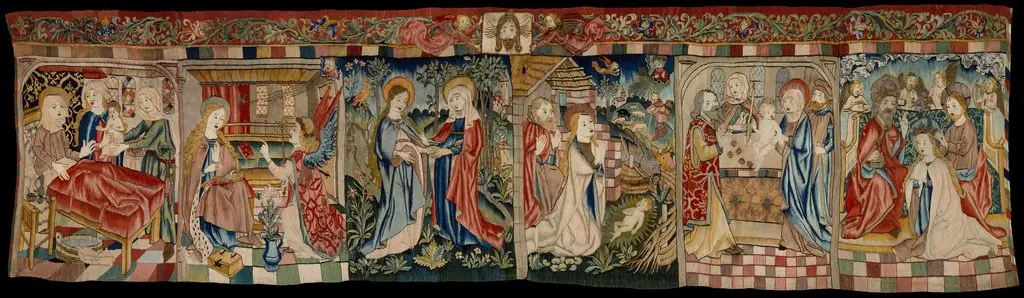 Scenes from the Life of the Virgin
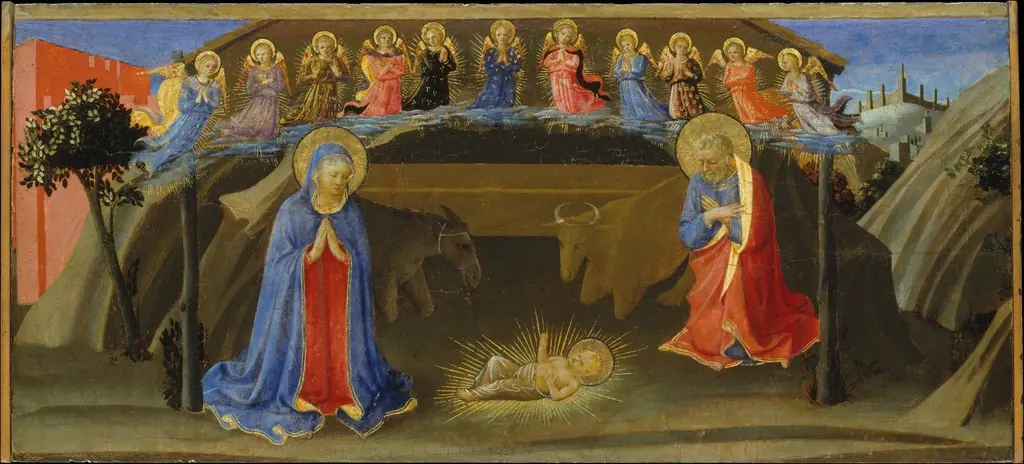 The Nativity
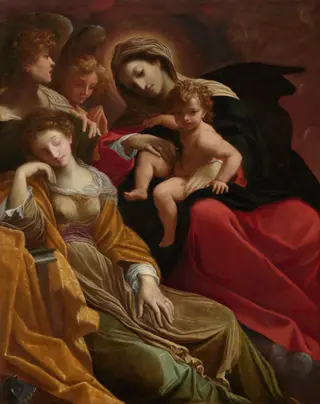 The Dream of Saint Catherine of Alexandria
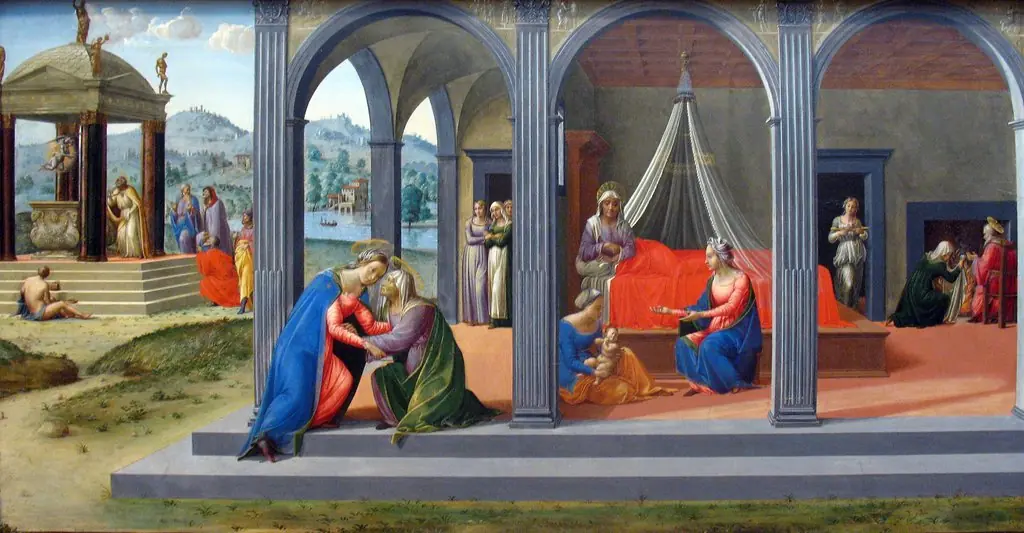 Scenes from the Life of Saint John the Baptist
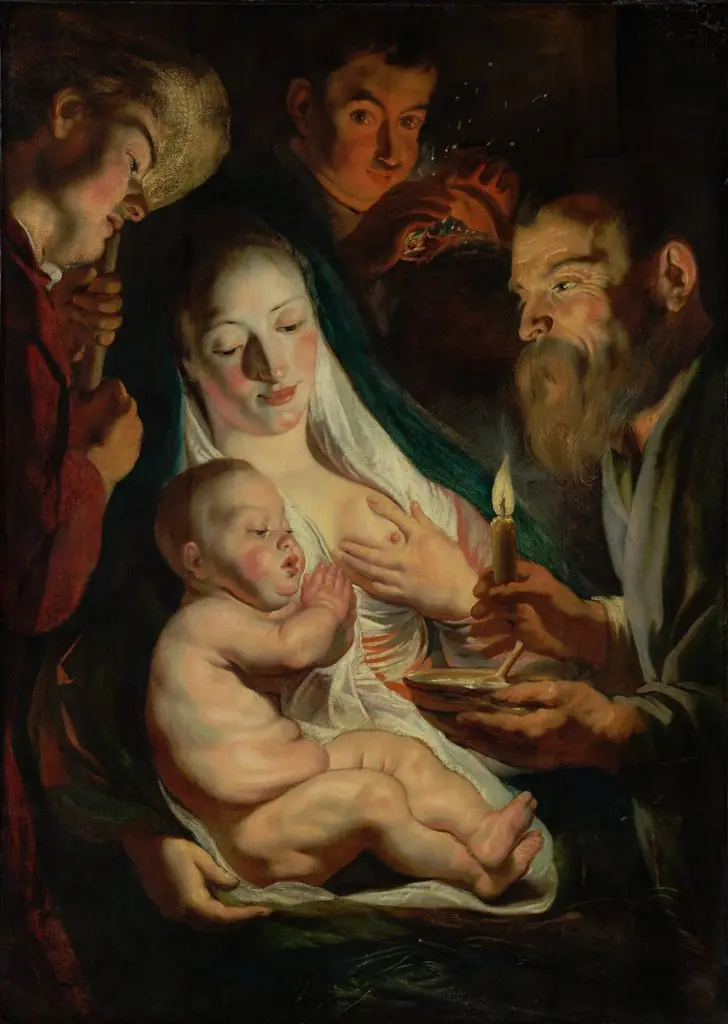 The Holy Family with Shepherds
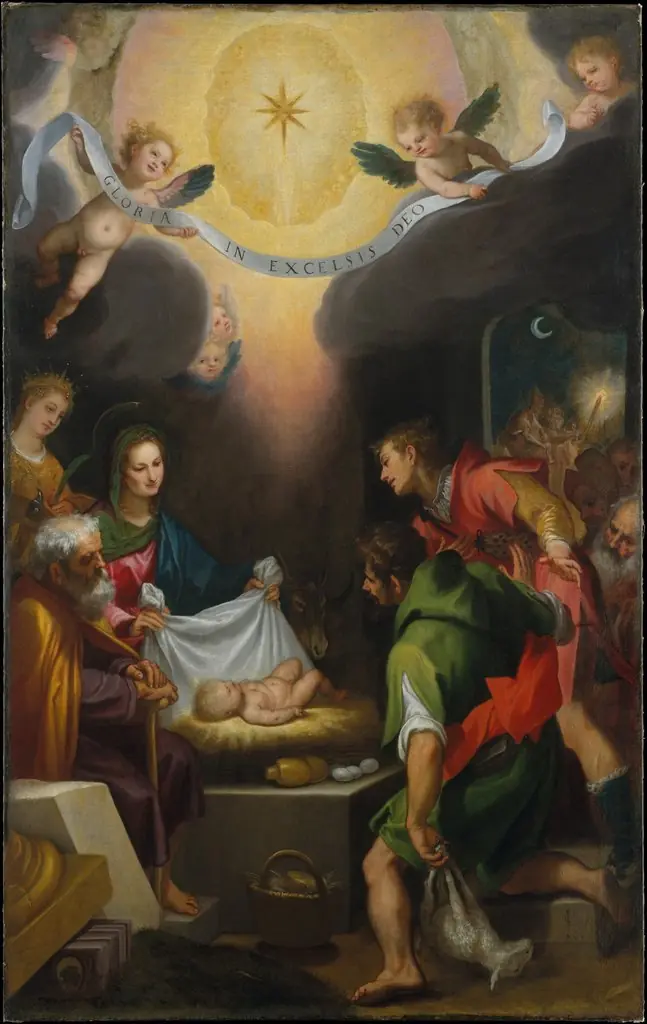 The Adoration of the Shepherds with Saint Catherine of Alexandria
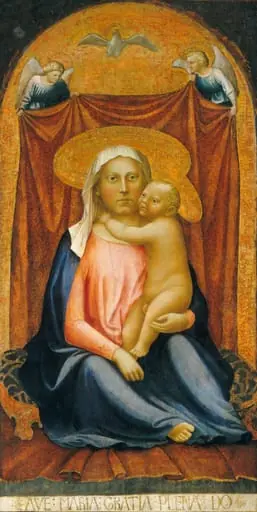 The Madonna of Humility
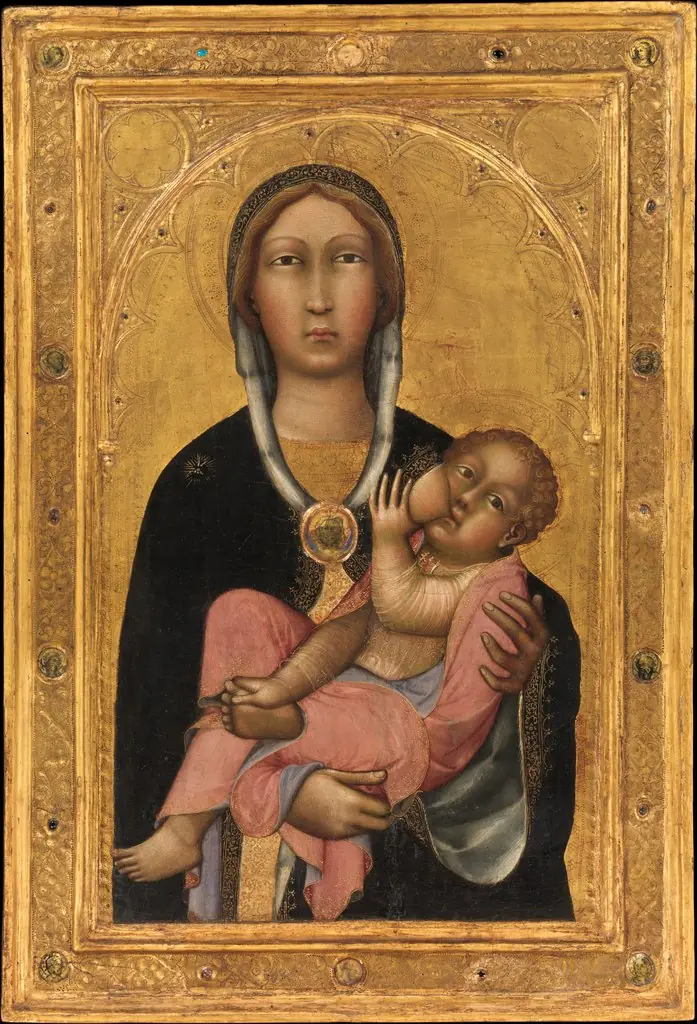 Madonna and Child
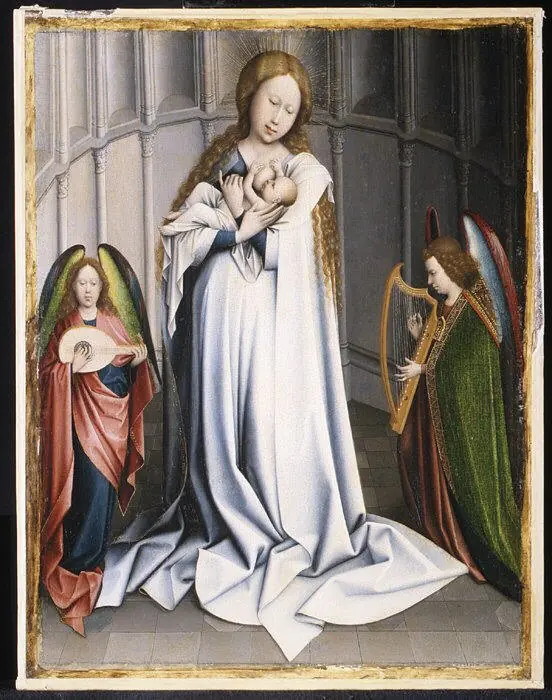 Virgin and Child in an Apse
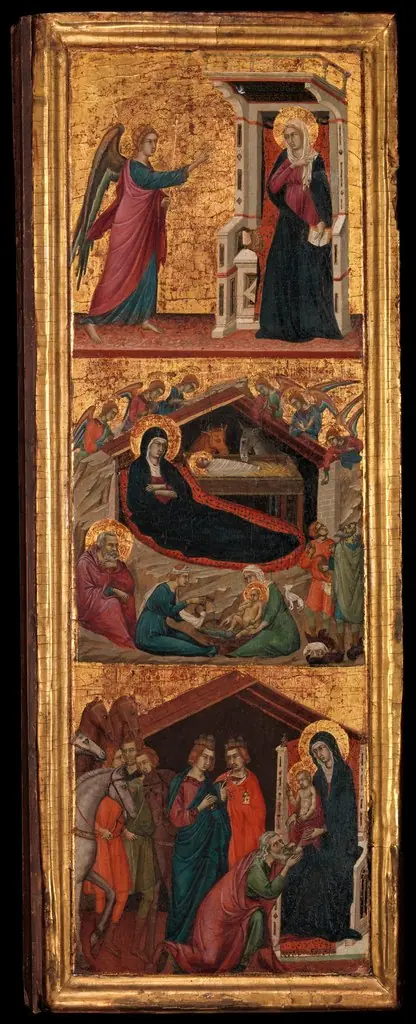 Saints and Scenes from the Life of the Virgin
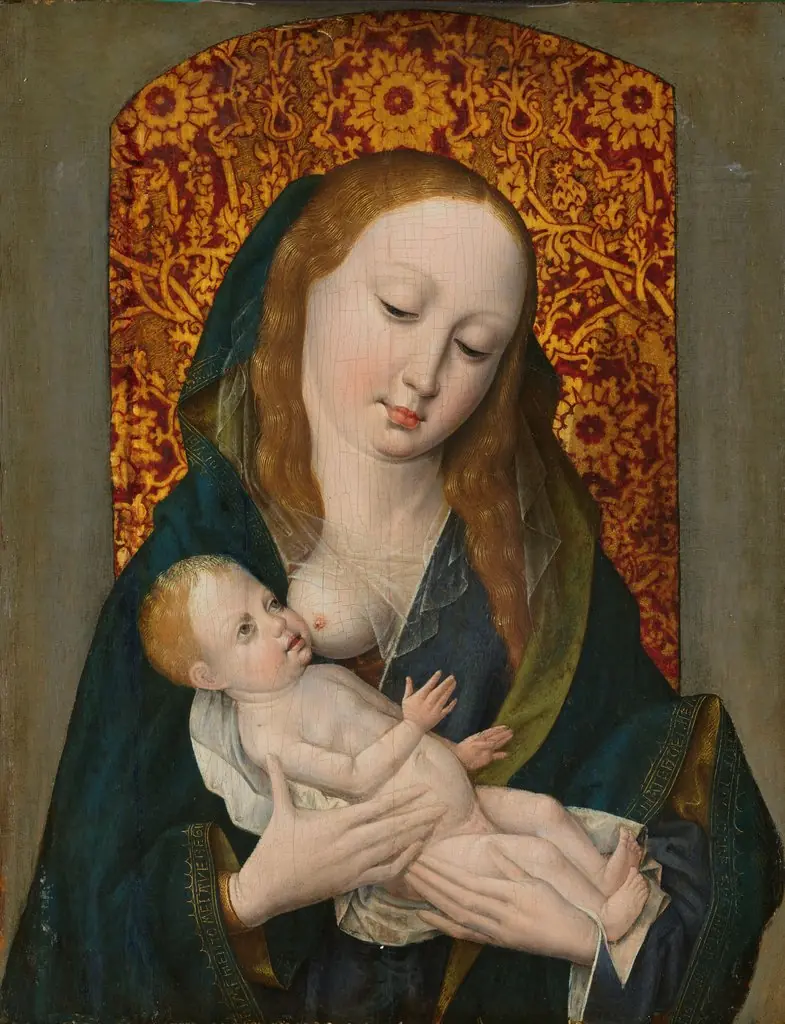 The Virgin and Child
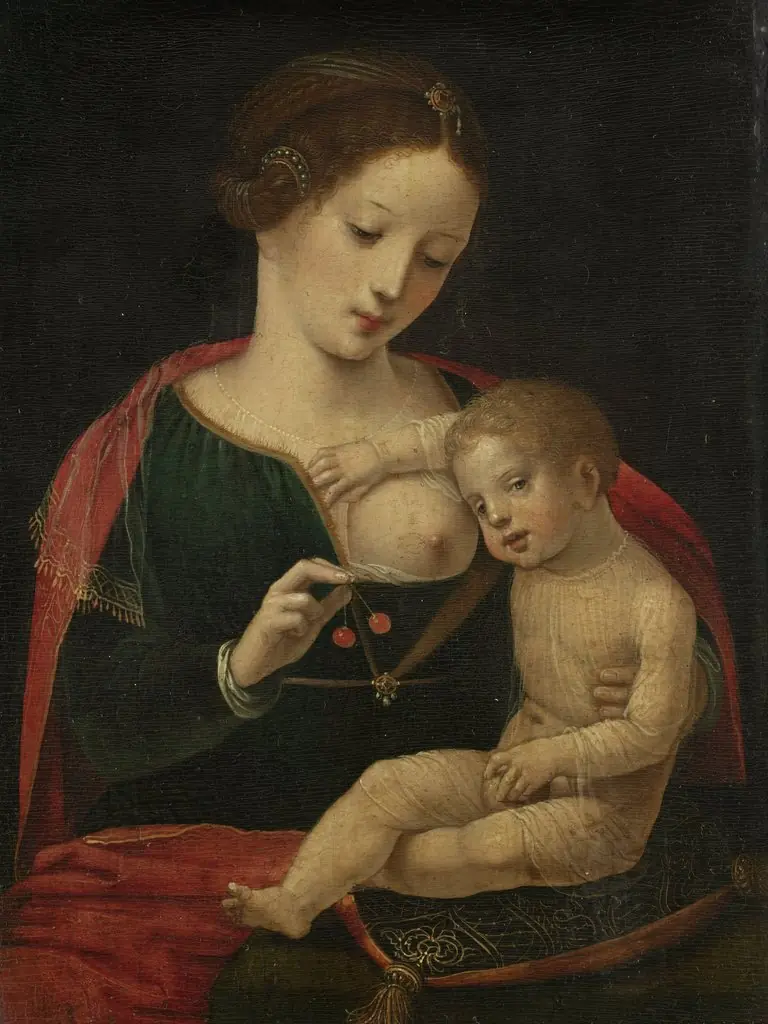 Madonna and child
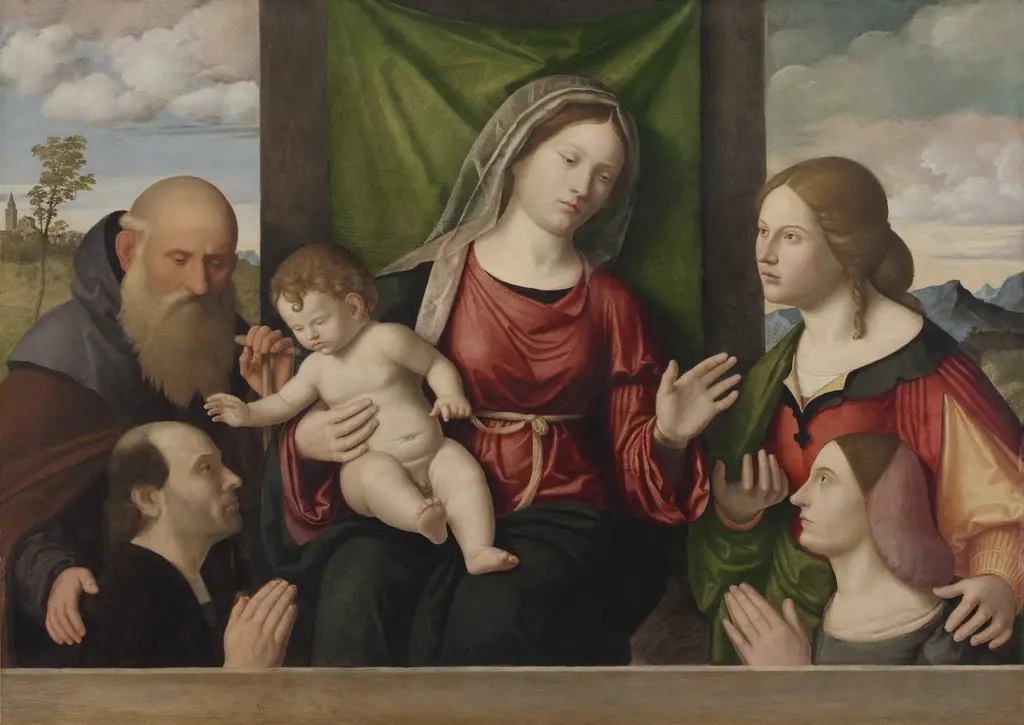 Virgin and Child with Saints and Donors
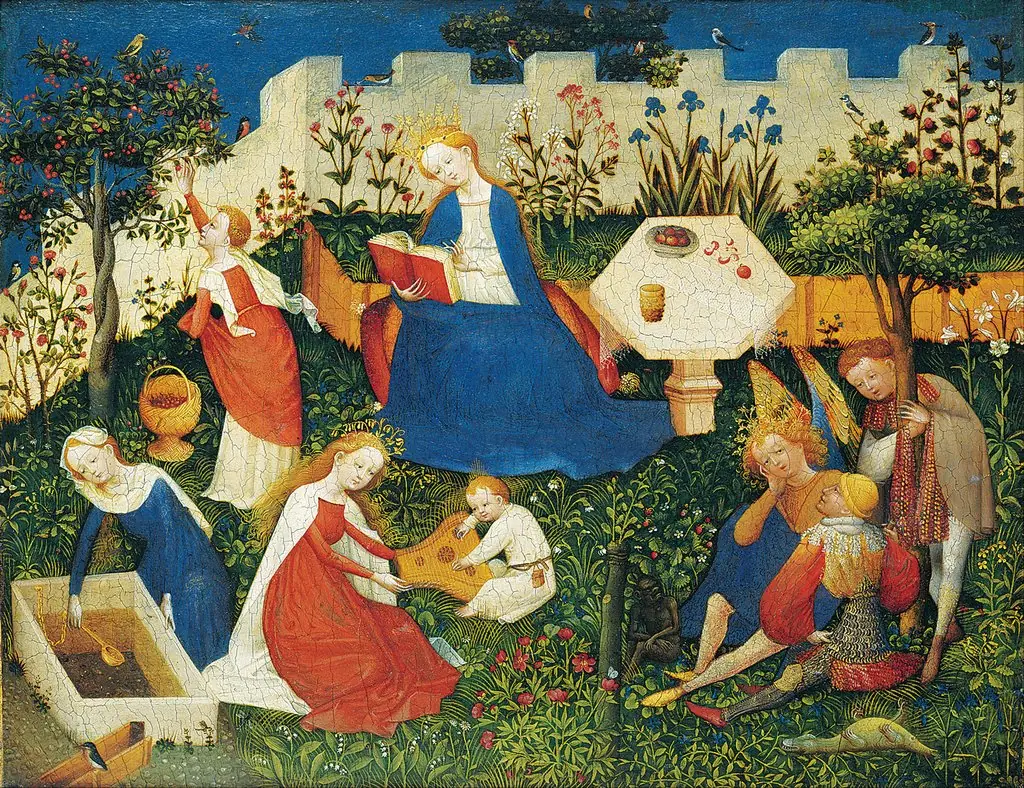 Paradiesgärtlein
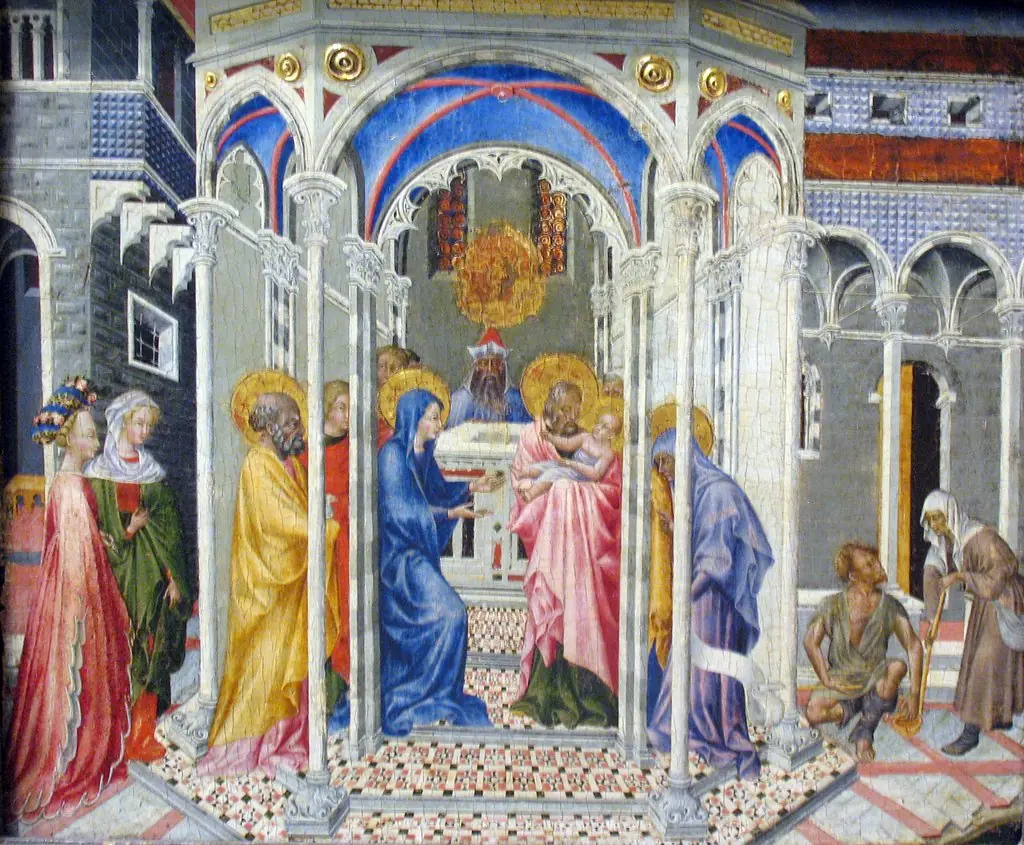 The Presentation of Christ in the Temple
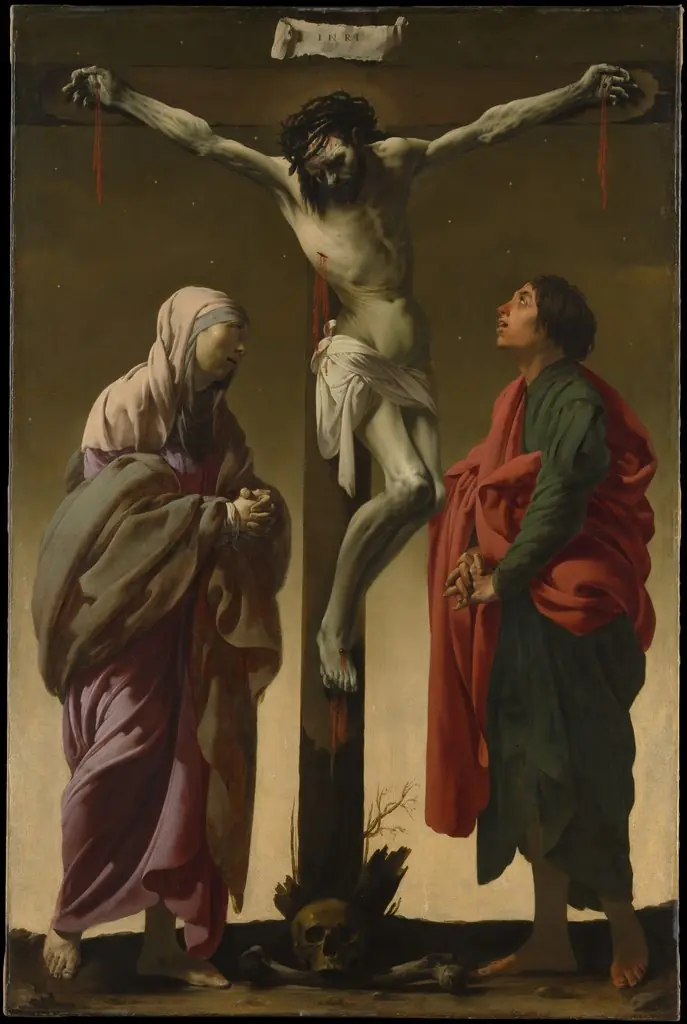 The Crucifixion with the Virgin and St John
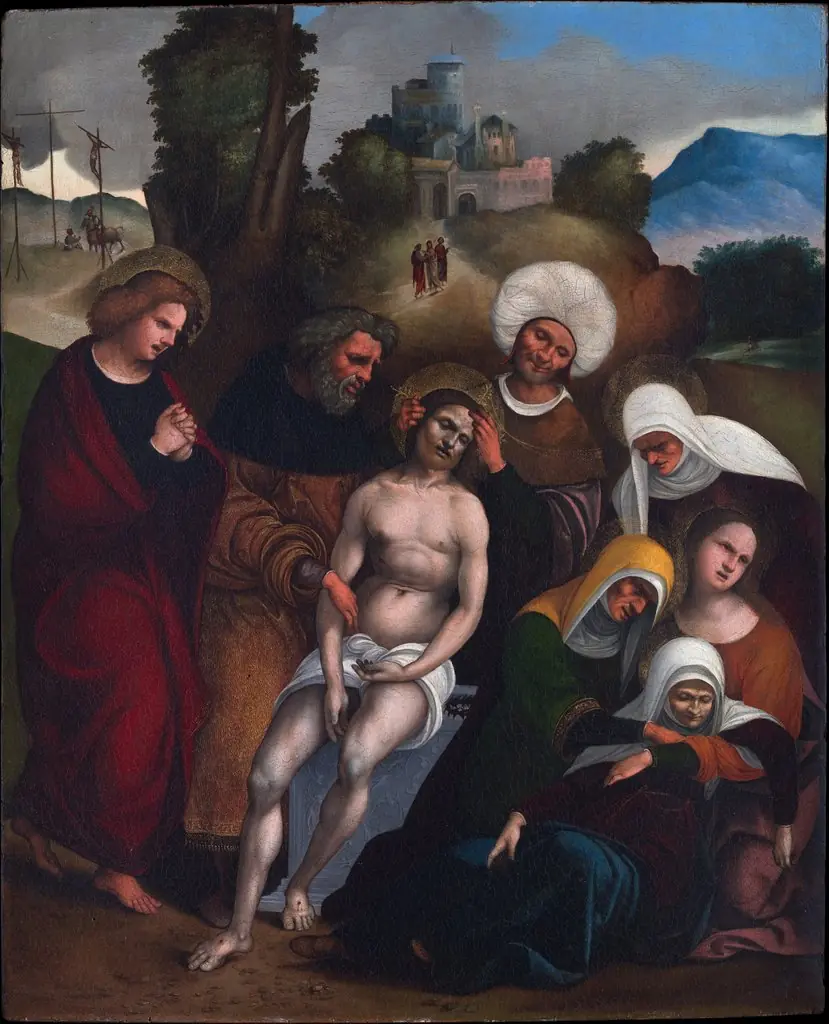 The Lamentation
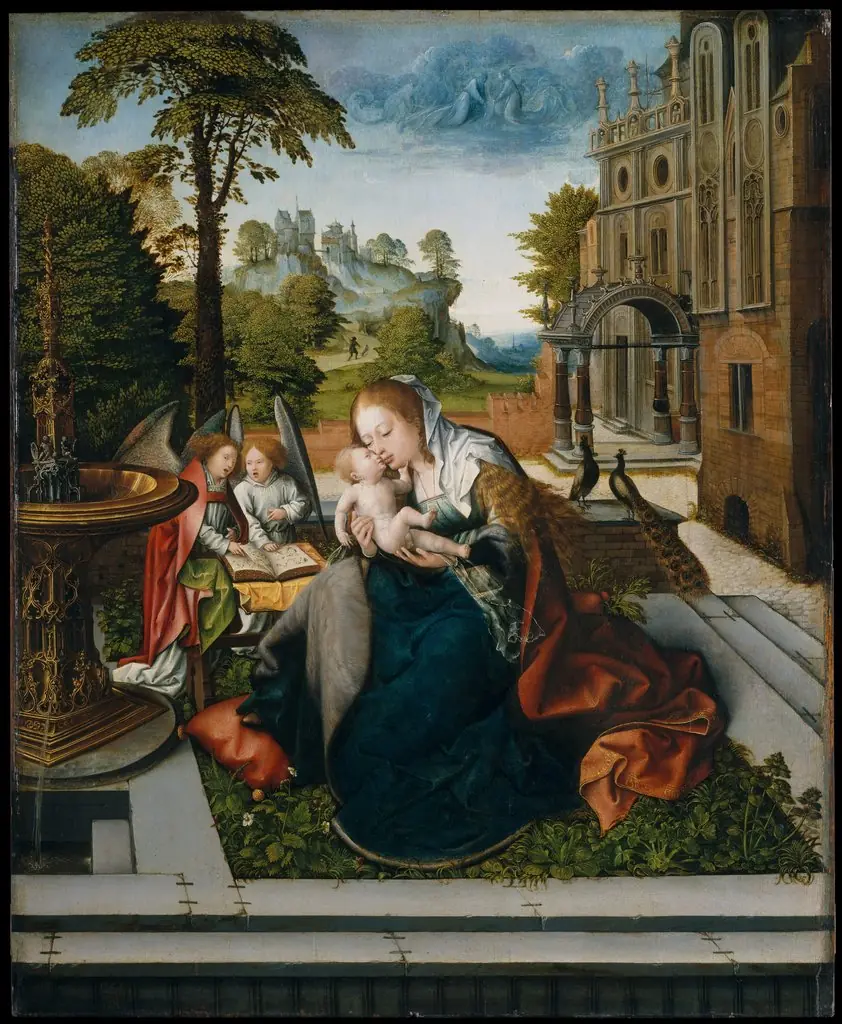 Virgin and Child with Angels
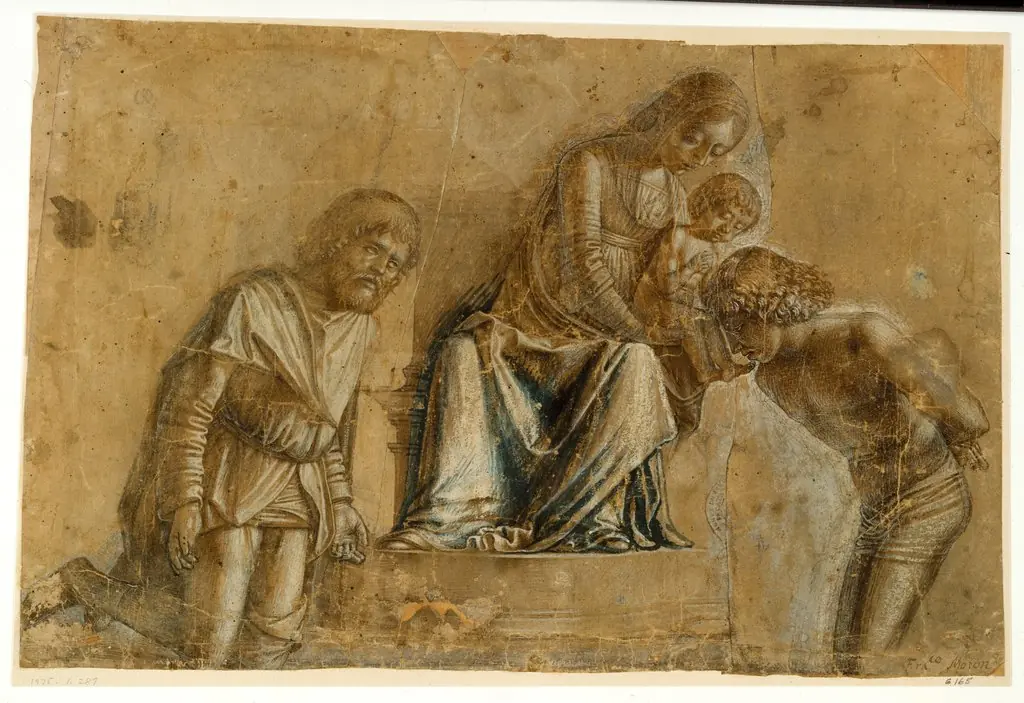 Madonna and Child with Saints Roch and Sebastian
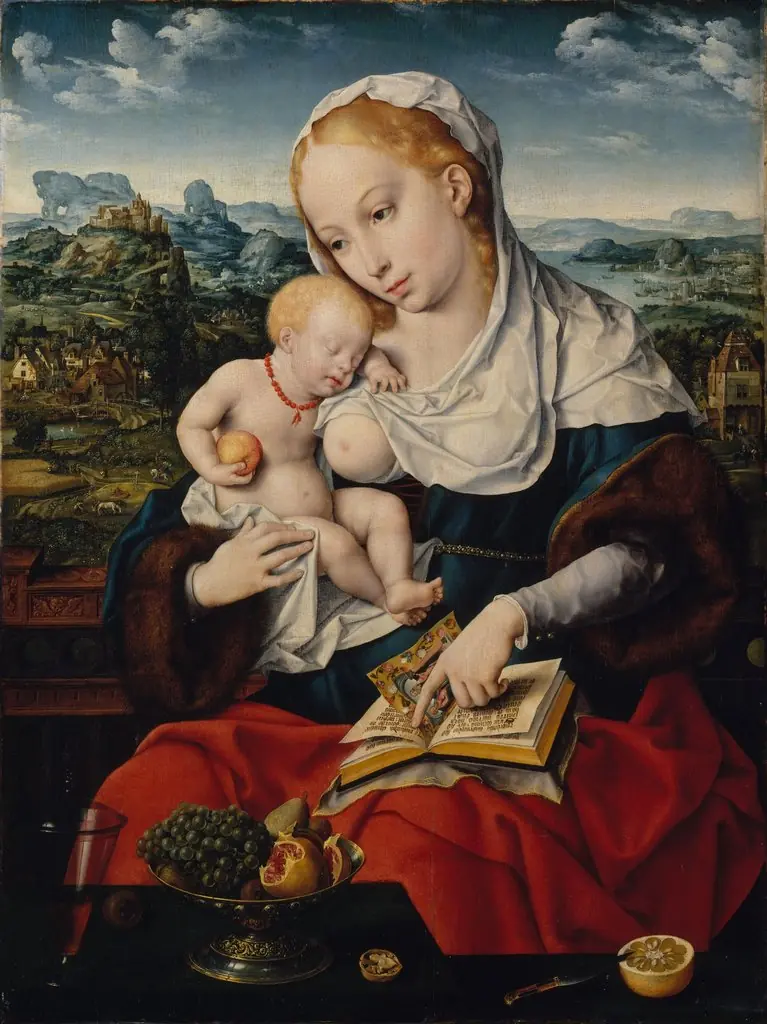 Virgin and Child
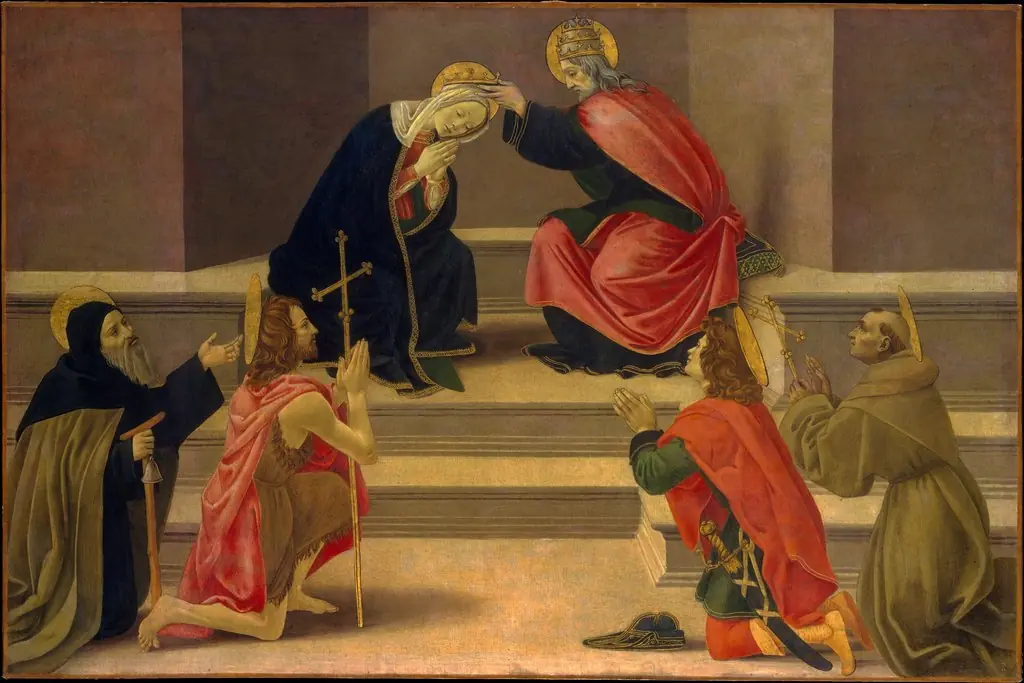 The Coronation of the Virgin
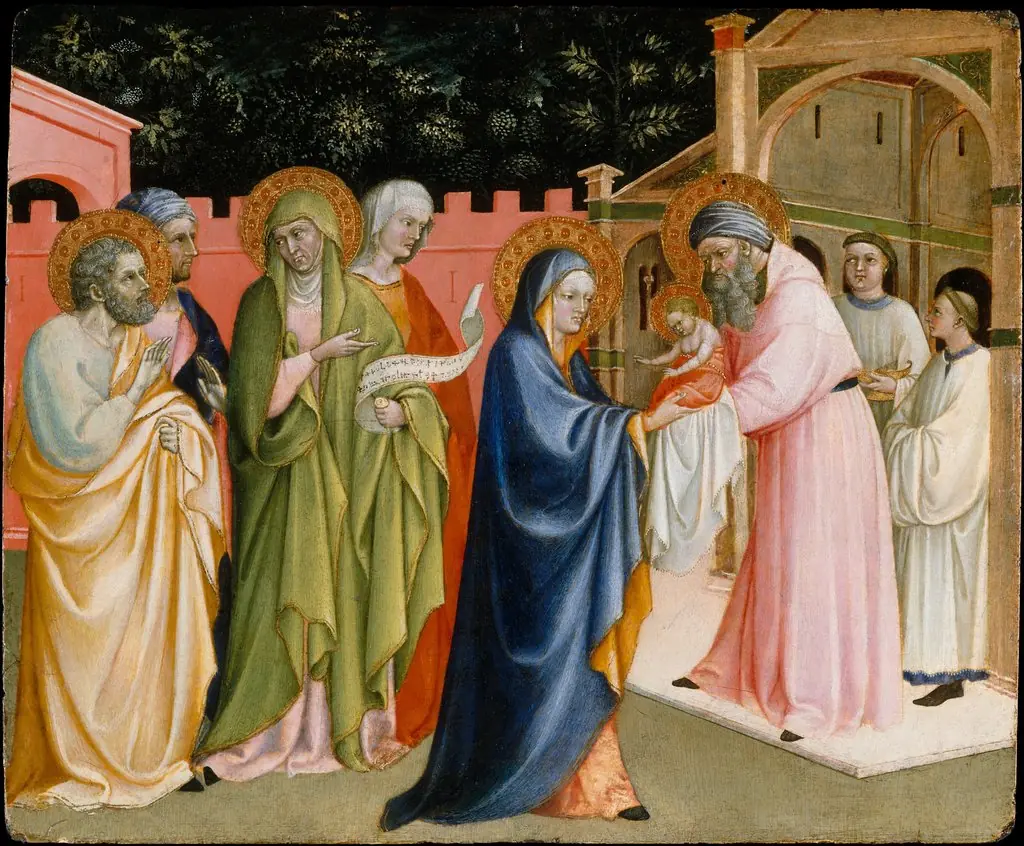 The Presentation in the Temple
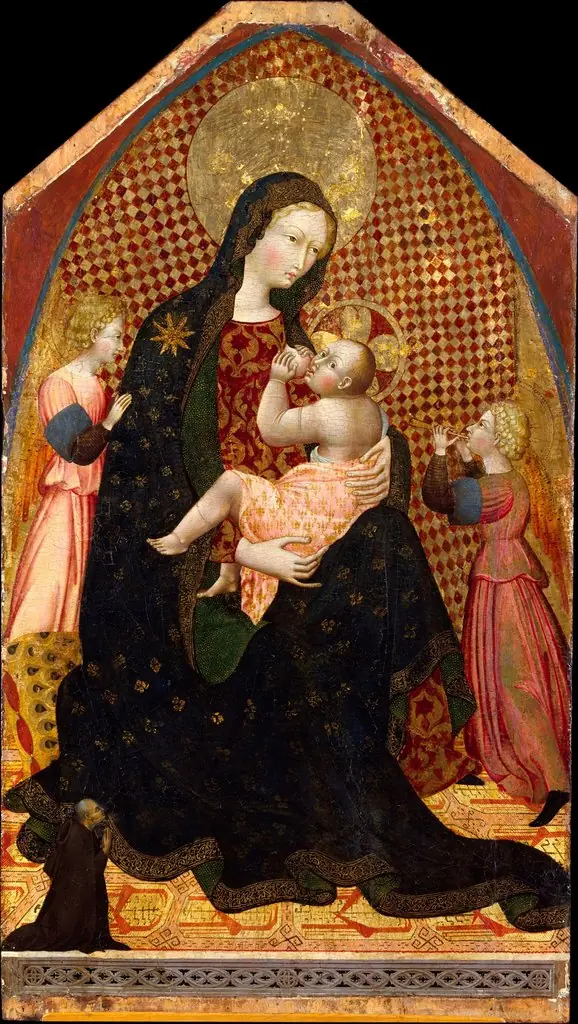 Madonna and Child with Two Angels and a Donor
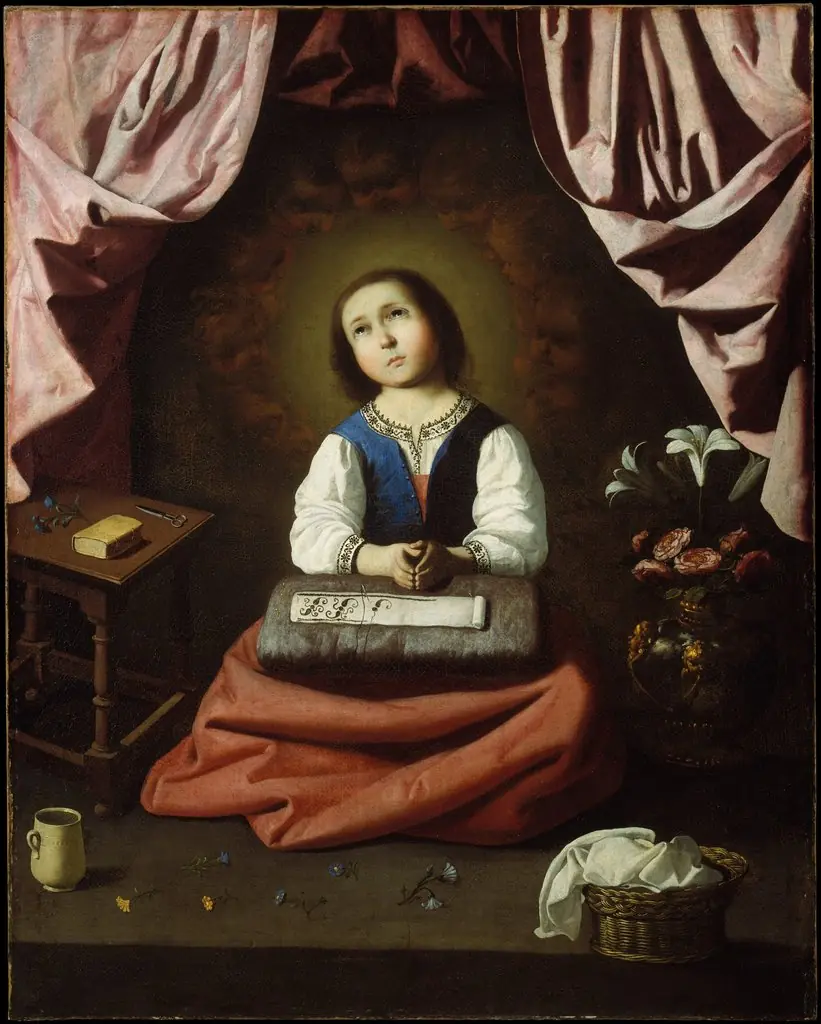 The Young Virgin
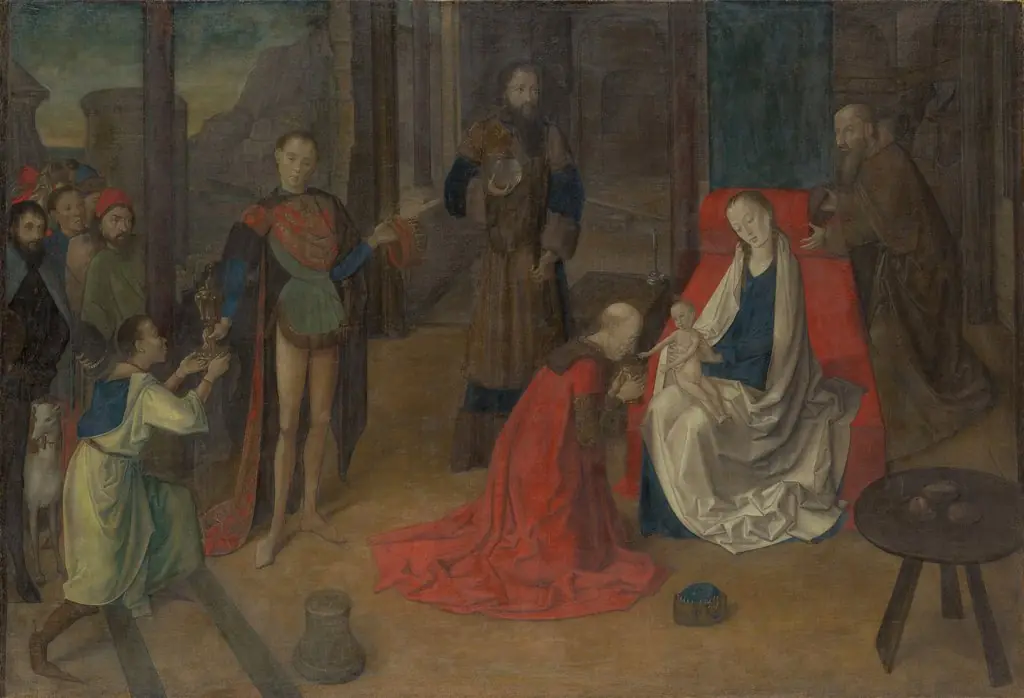 The Adoration of the Magi
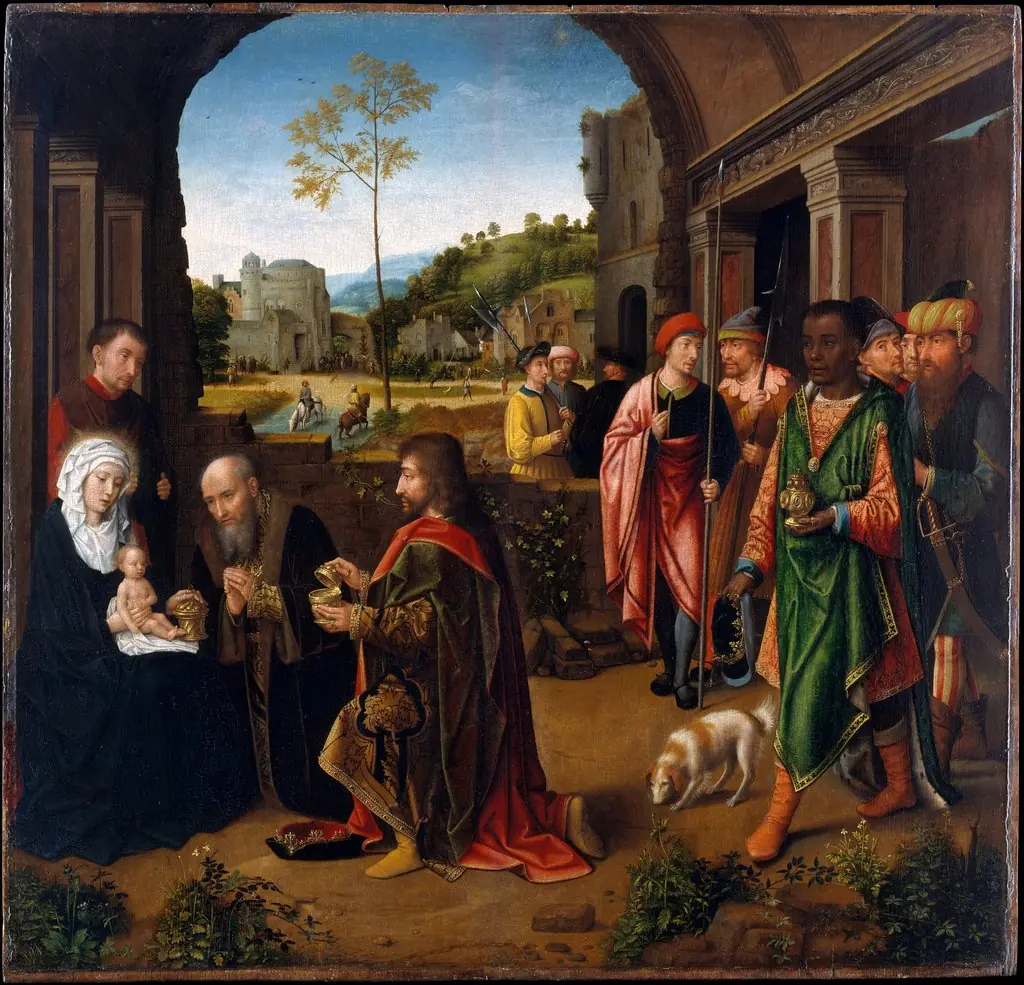 The Adoration of the Magi
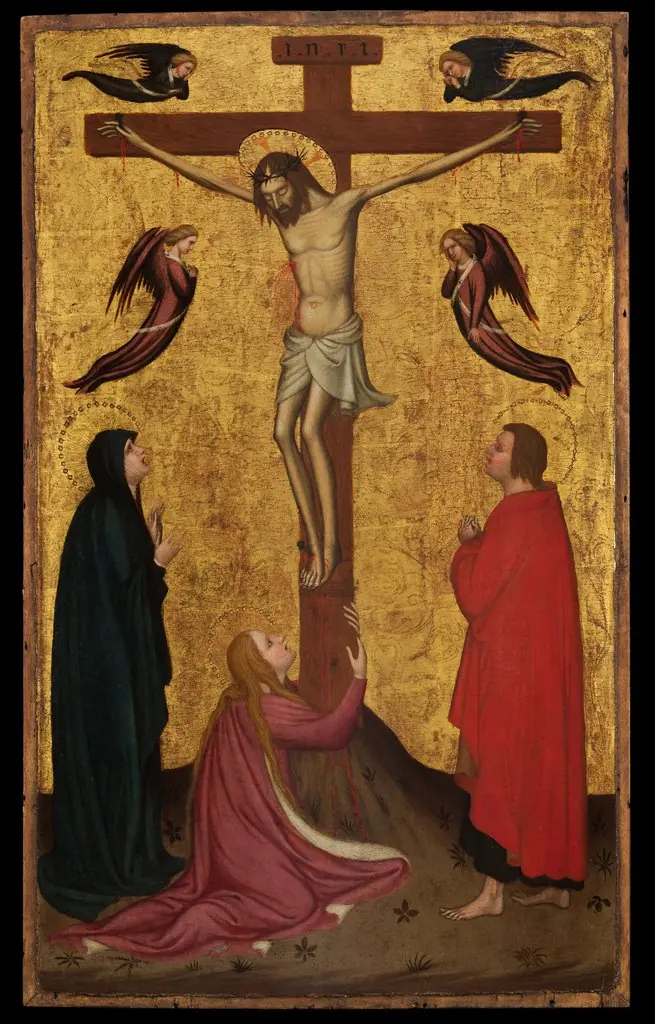 The Crucifixion
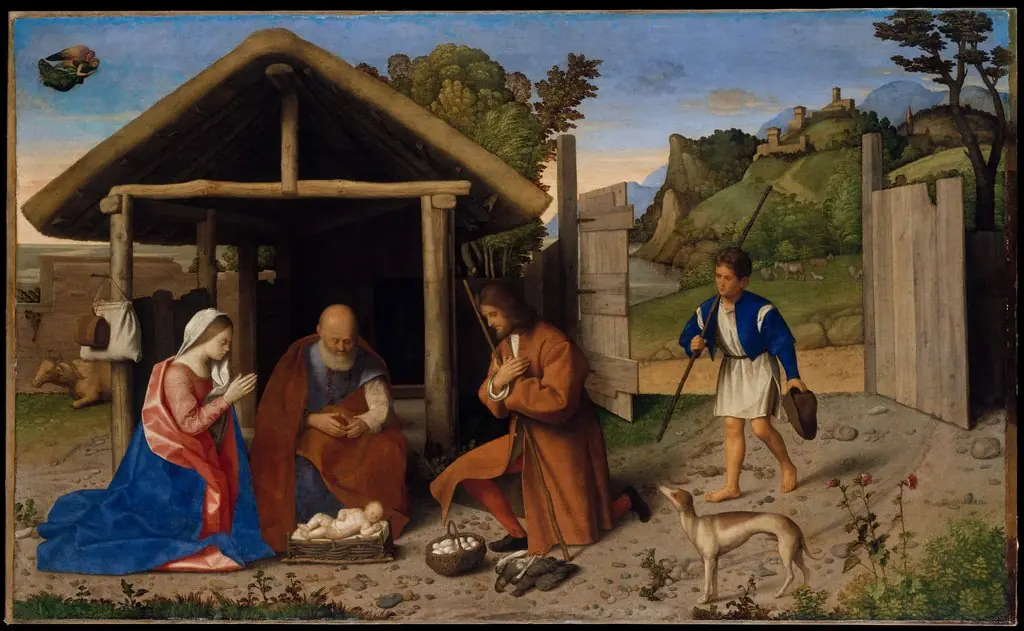 The Adoration of the Shepherds
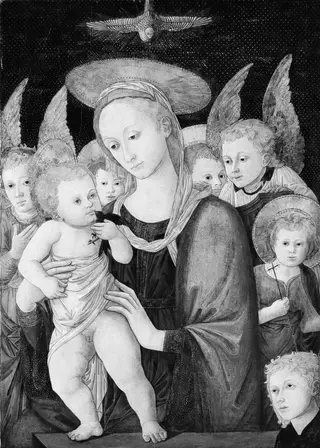 Madonna and Child with the Infant Saint John the Baptist and Angels
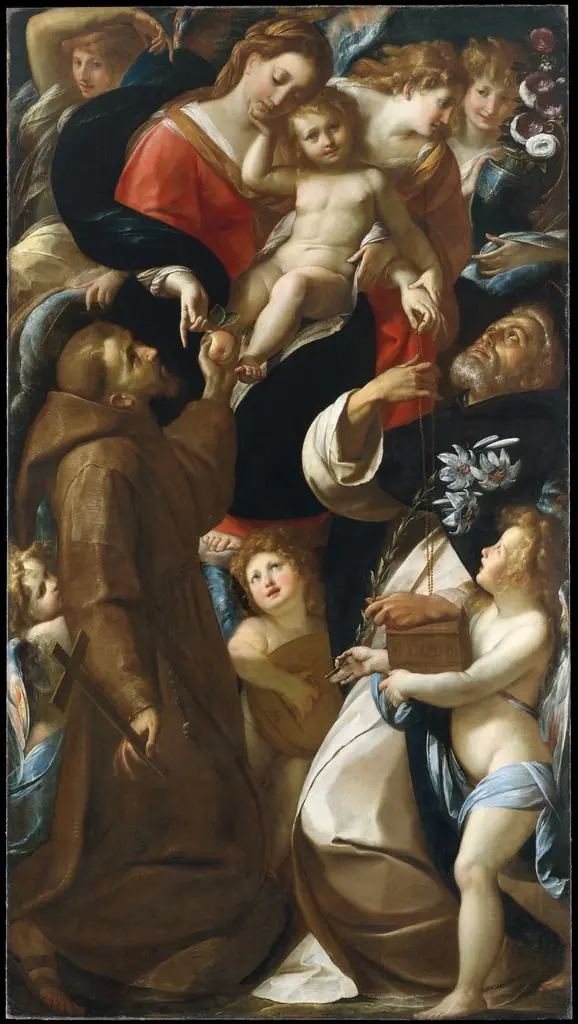 Madonna and Child with Saints Francis and Dominic and Angels
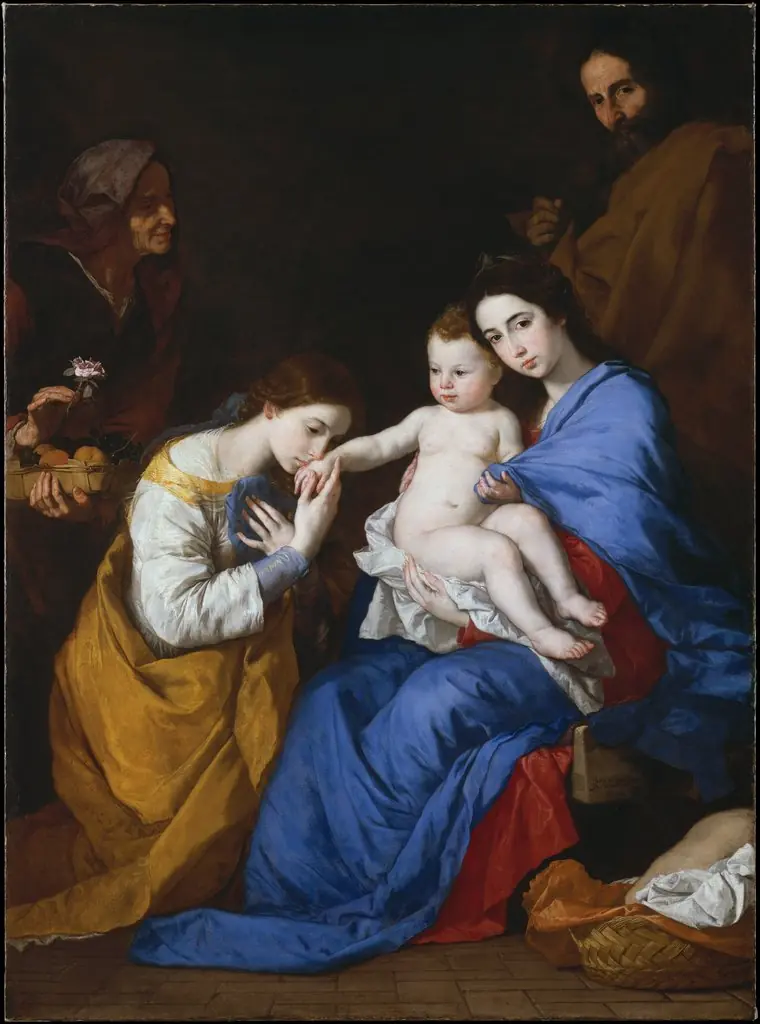 The Holy Family with Saints Anne and Catherine of Alexandria
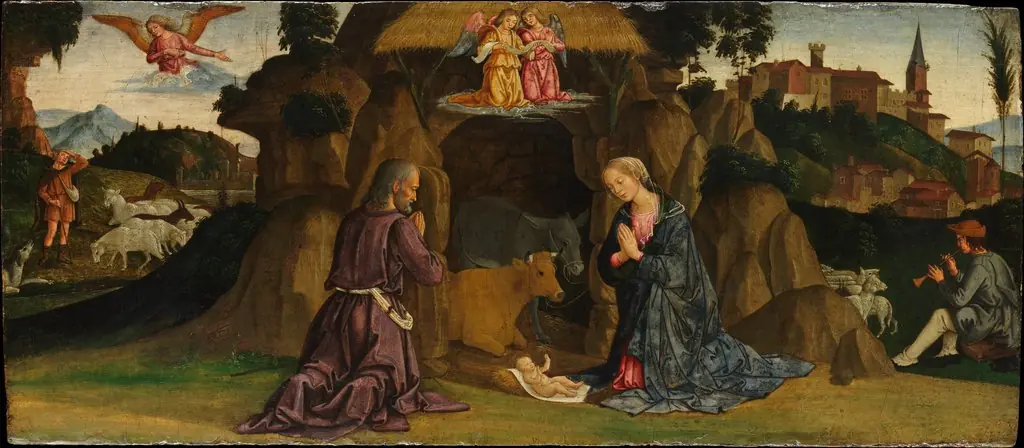 The Nativity
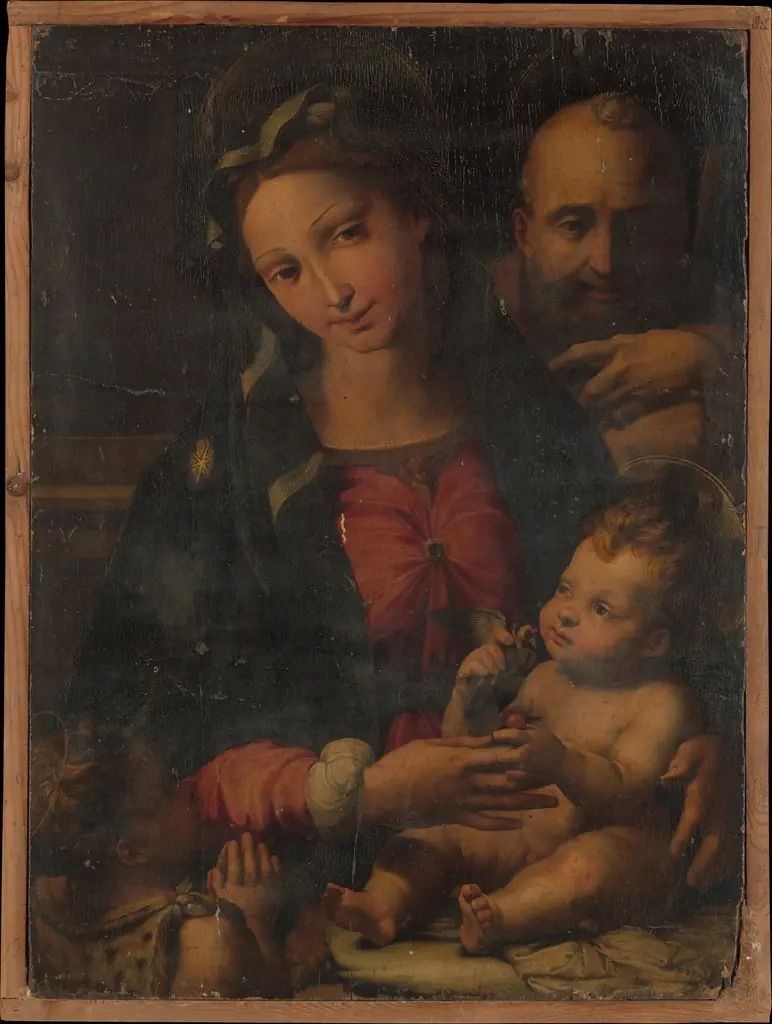 The Holy Family with the Infant Saint John the Baptist
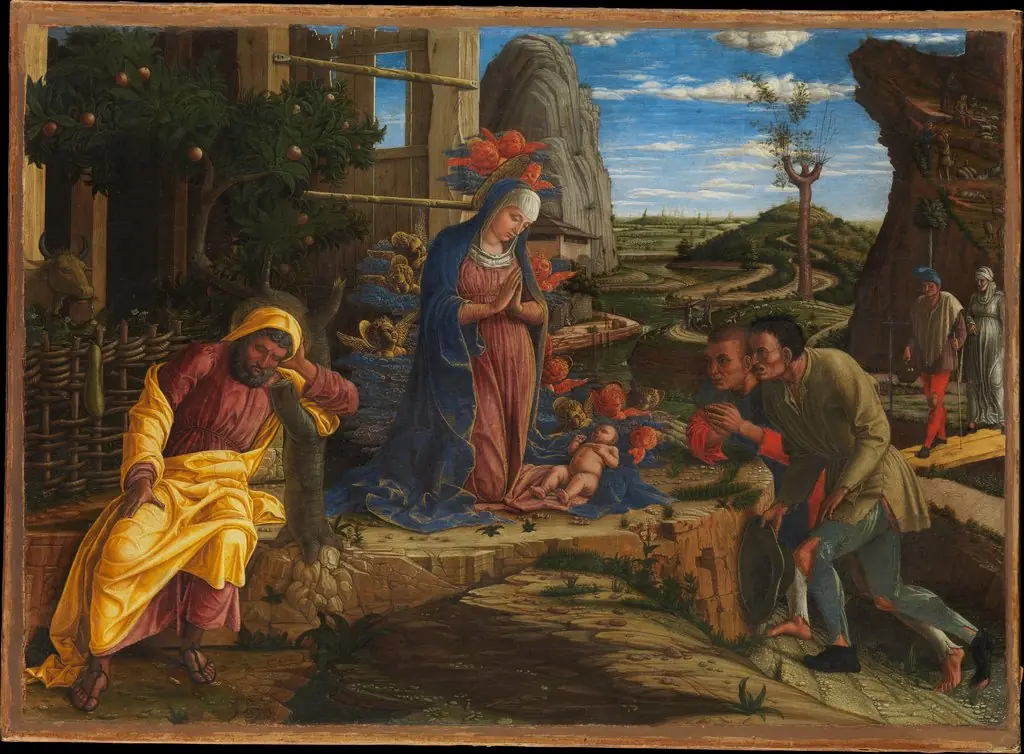 Adoration of the Shepherds
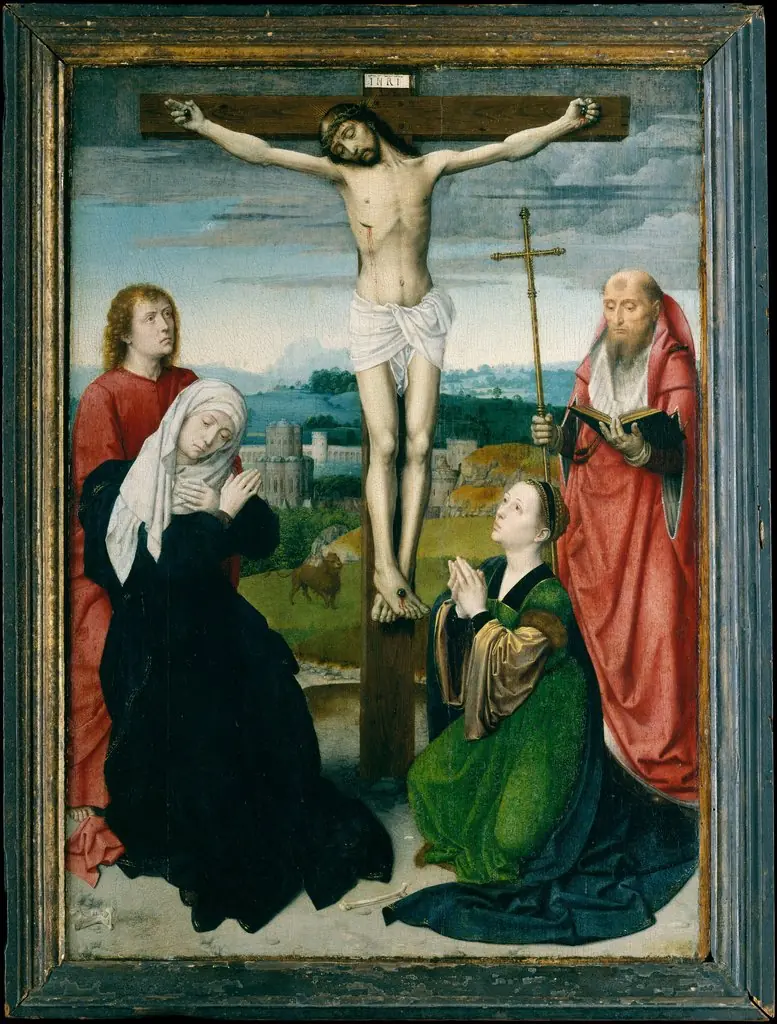 The Crucifixion
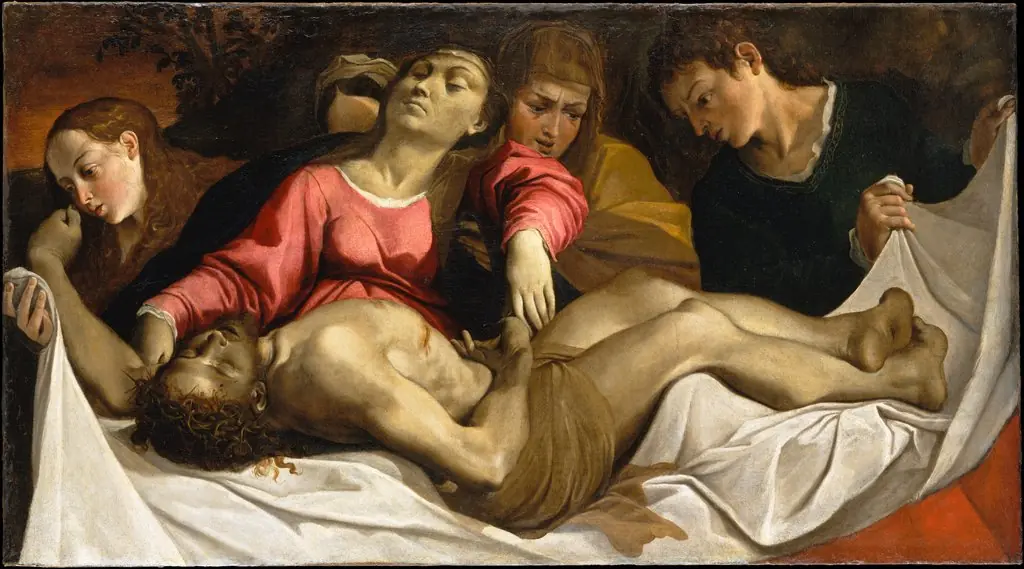 The Lamentation
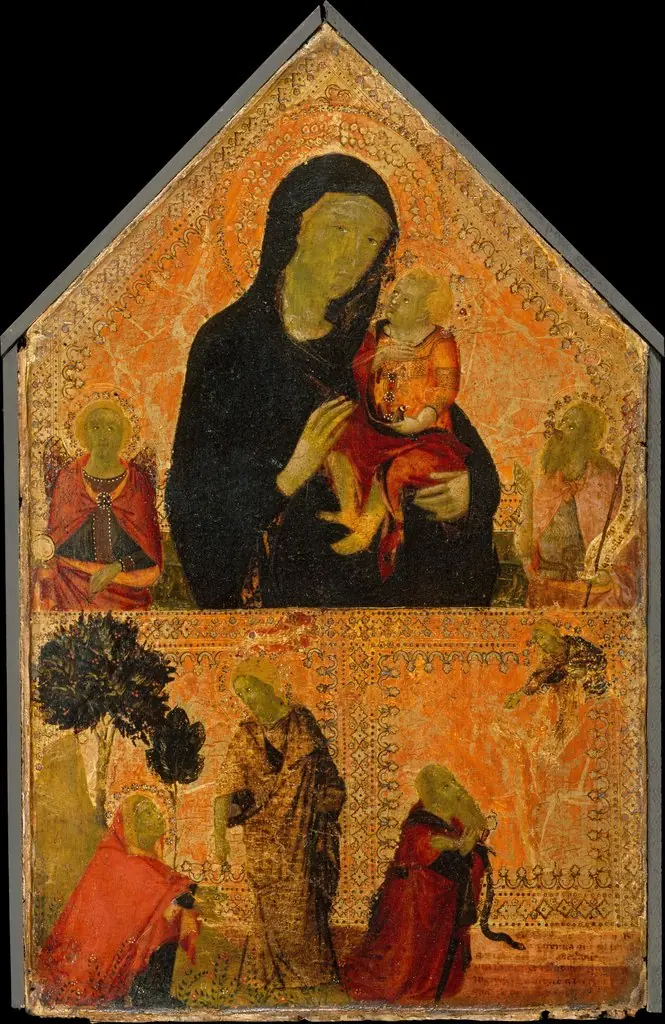 Madonna and Child with Saints Michael and John the Baptist; The Noli Me Tangere; The Conversion of Saint Paul
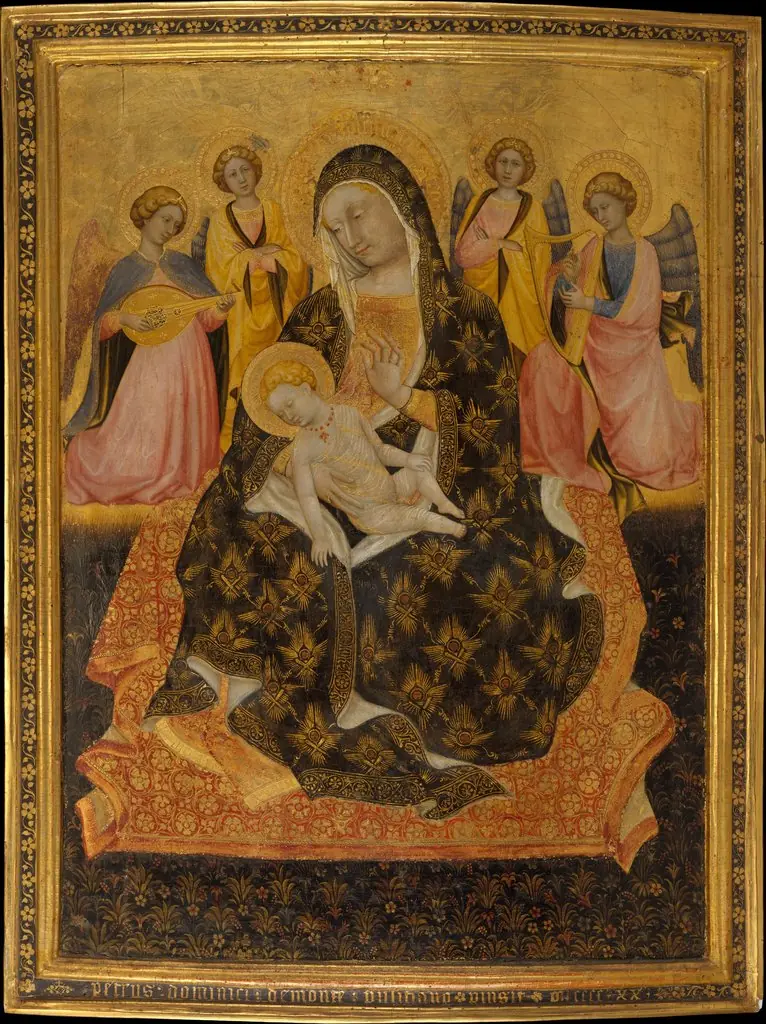 Madonna and Child with Angels
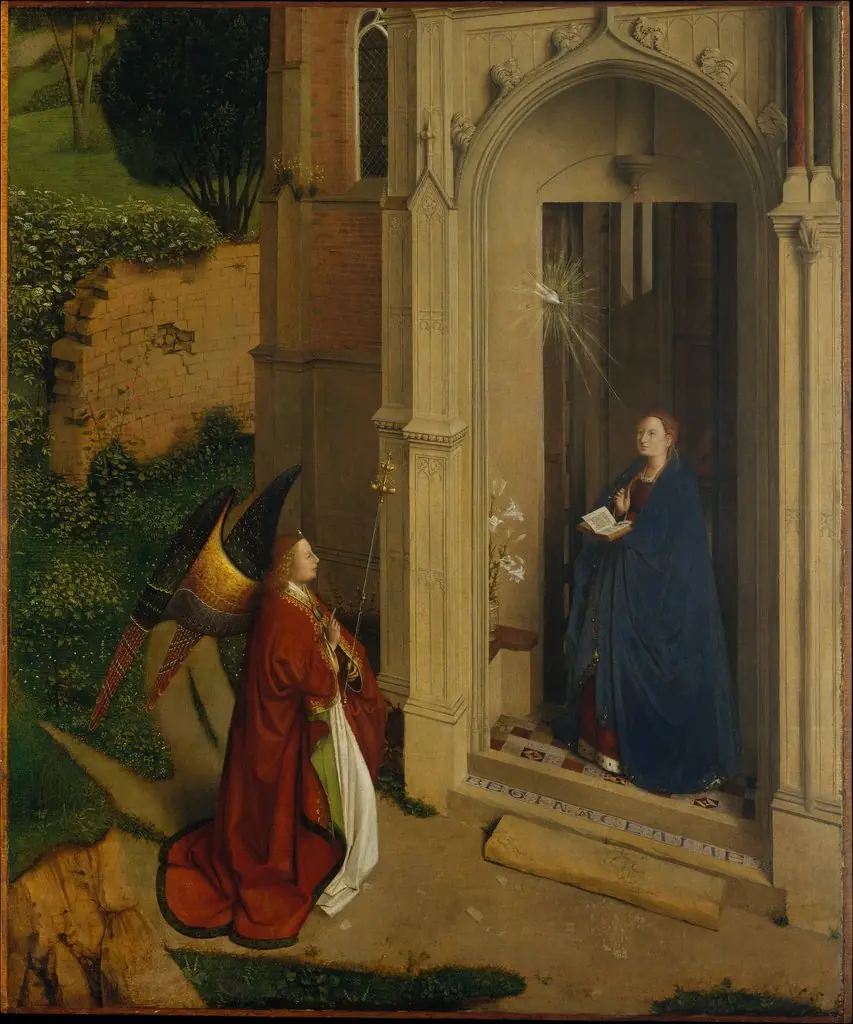 The Annunciation
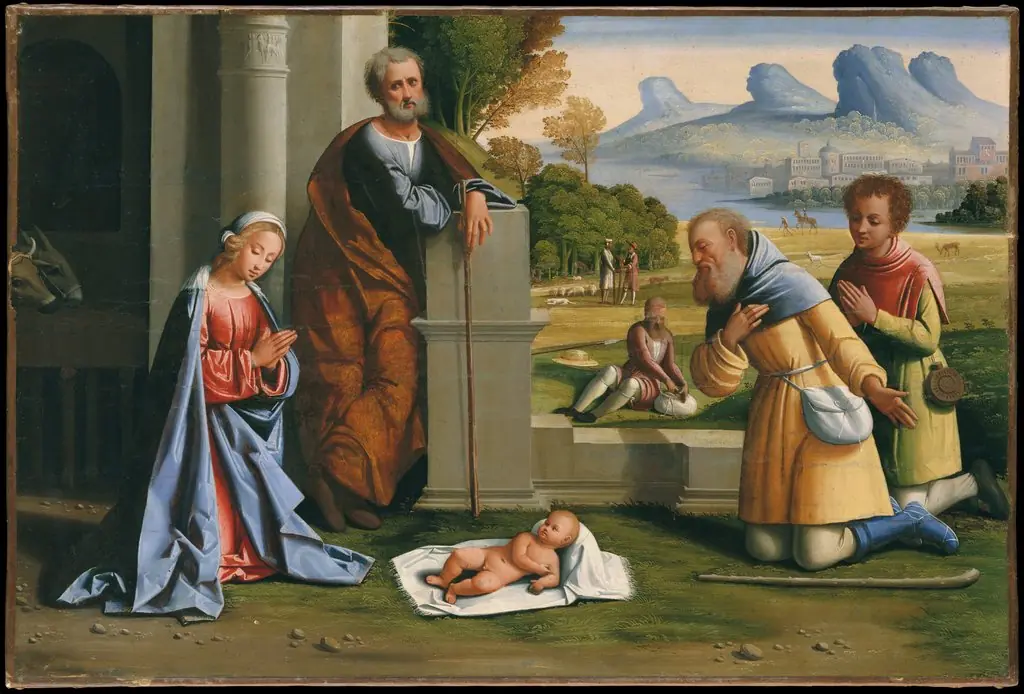 The Adoration of the Shepherds
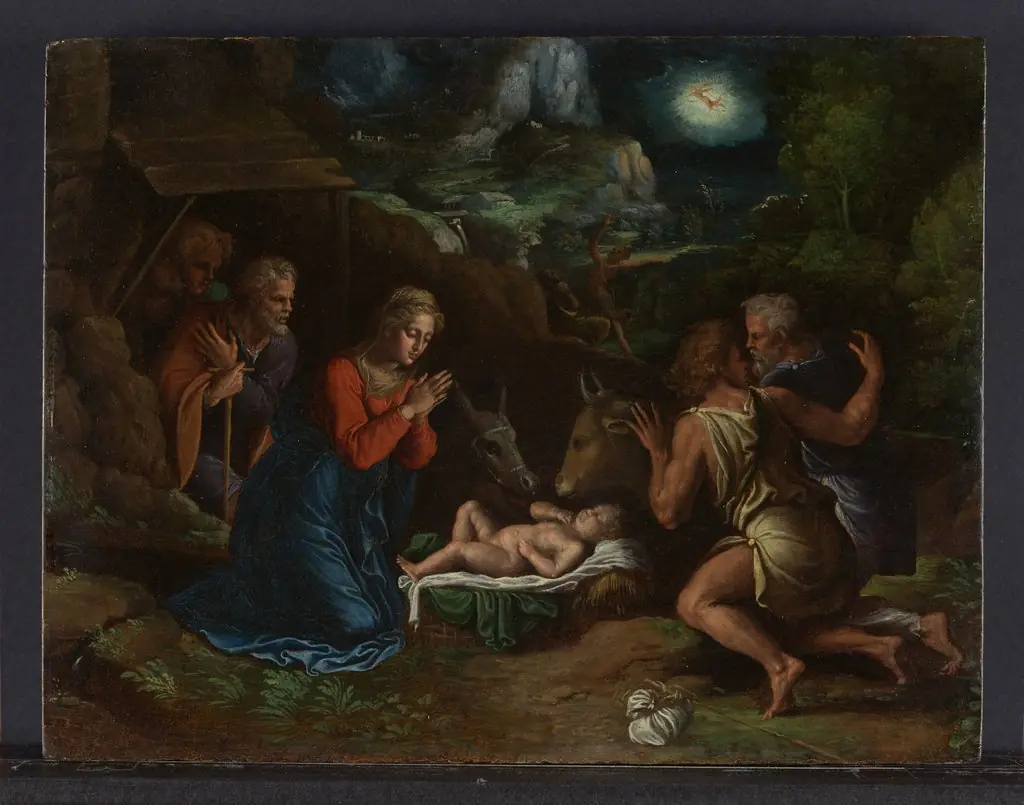 The Adoration of the Shepherds
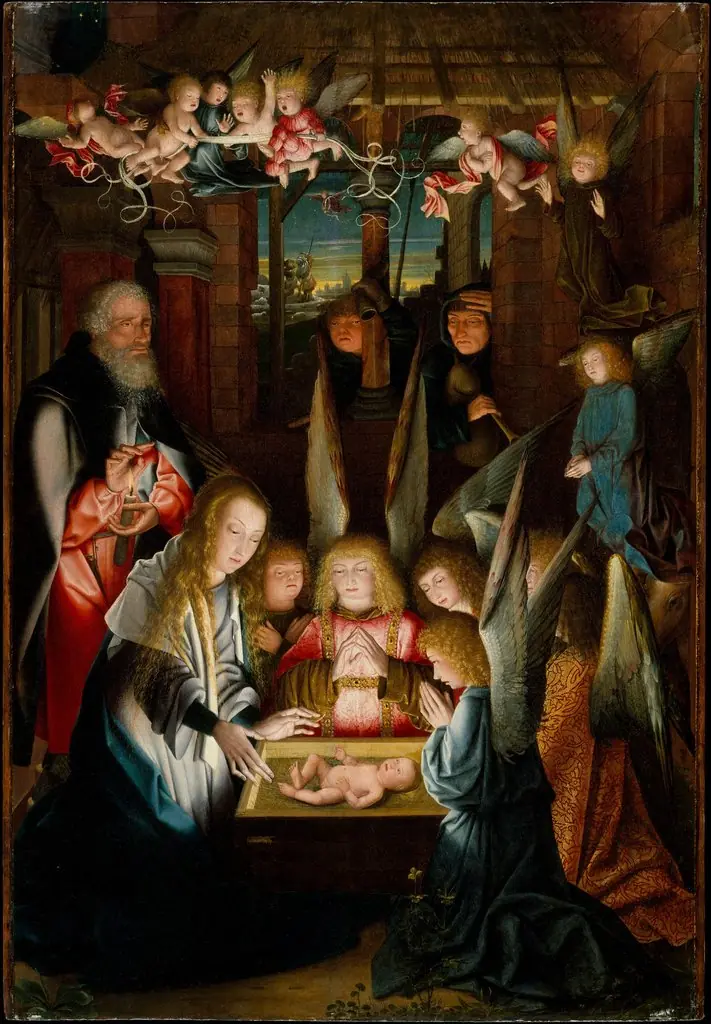 The Adoration of the Christ Child
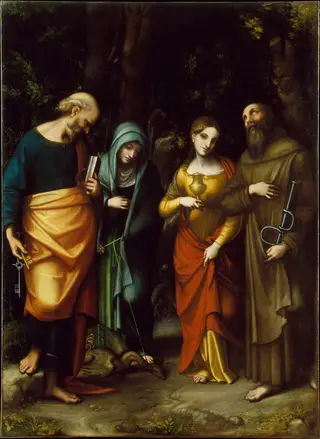 Saints Peter, Martha, Mary Magdalen, and Leonard
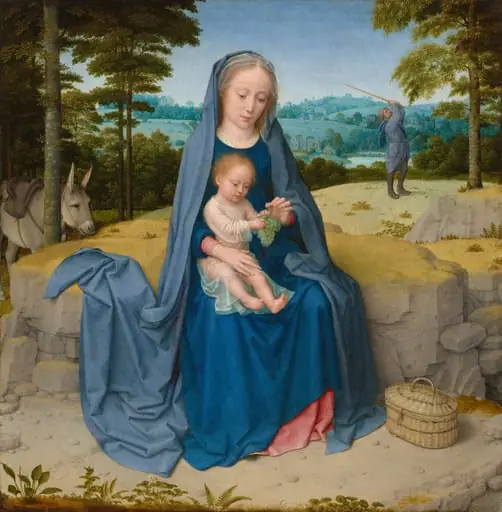 The Rest on the Flight into Egypt
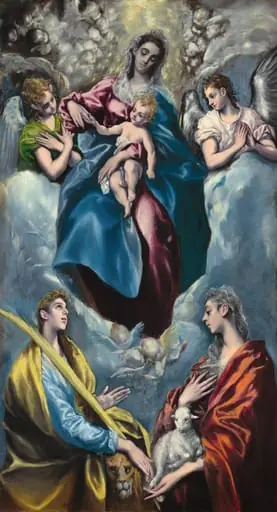 Madonna and Child with Saint Martina and Saint Agnes
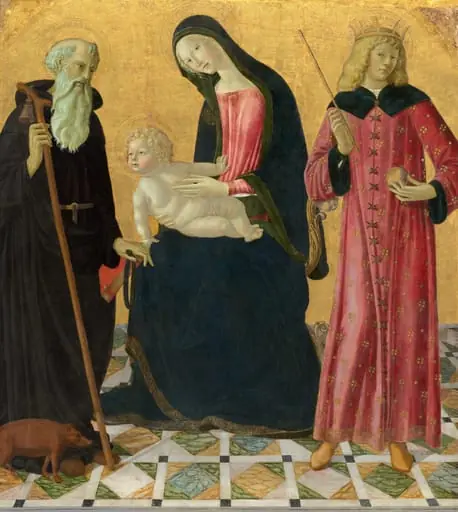 Madonna and Child with Saint Anthony Abbot and Saint Sigismund
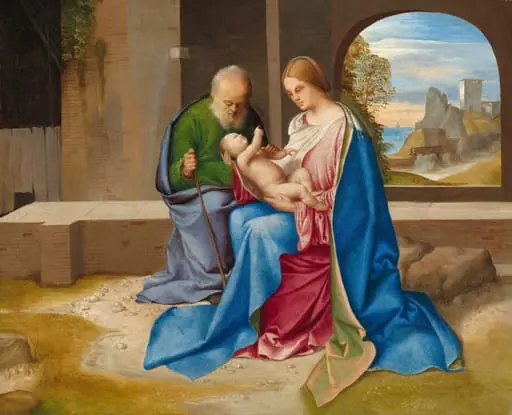 The Holy Family
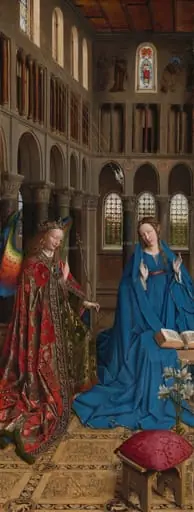 The Annunciation
![The Saint Anne Altarpiece: Saint Anne with the Virgin and Child [middle panel]](https://artifactworldgallery.com/img/gerard-david--the-saint-anne-altarpiece-saint-anne-with-the-virgin-and-chi--781e919f9012a004-w320.webp) The Saint Anne Altarpiece: Saint Anne with the Virgin and Child [middle panel]
The Saint Anne Altarpiece: Saint Anne with the Virgin and Child [middle panel]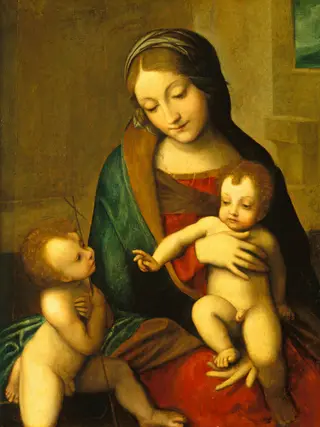 Madonna and Child with the Infant Saint John
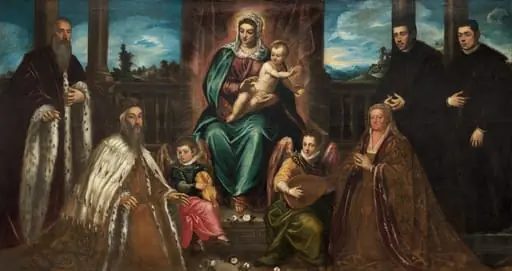 Doge Alvise Mocenigo and Family before the Madonna and Child
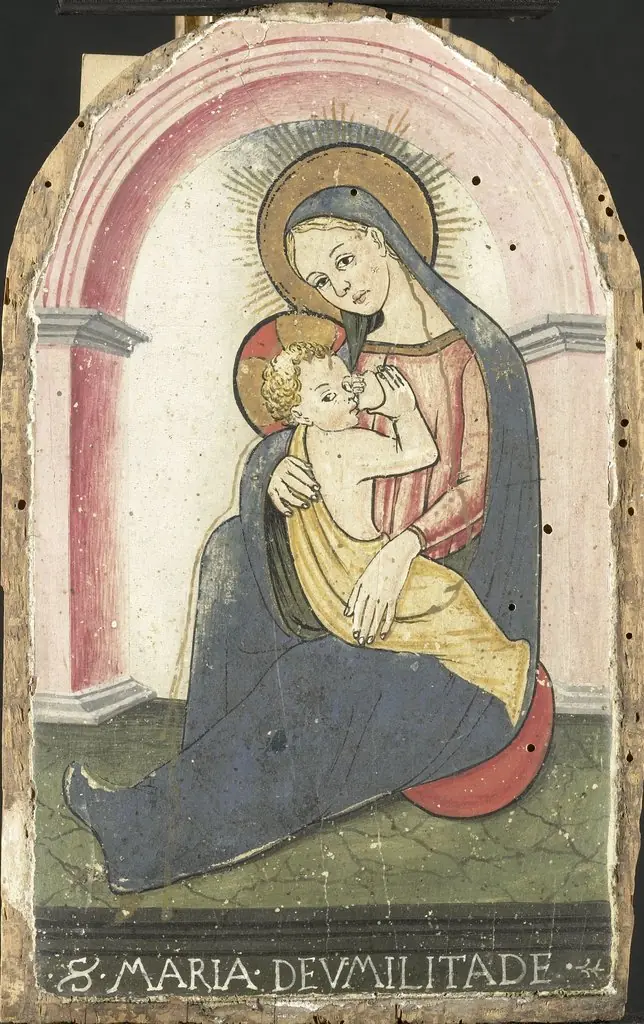 Madonna of Humility
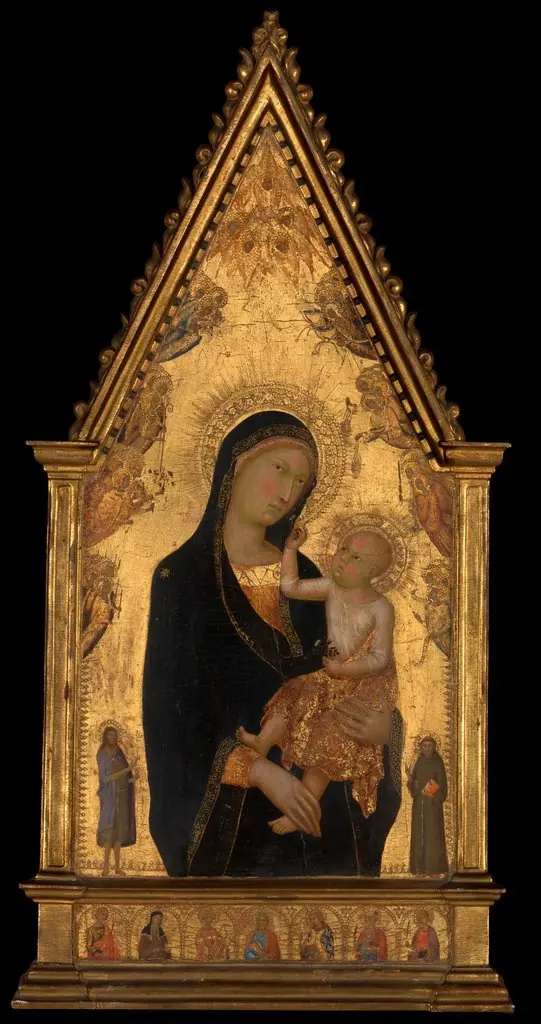 Madonna and Child with Saints and Angels
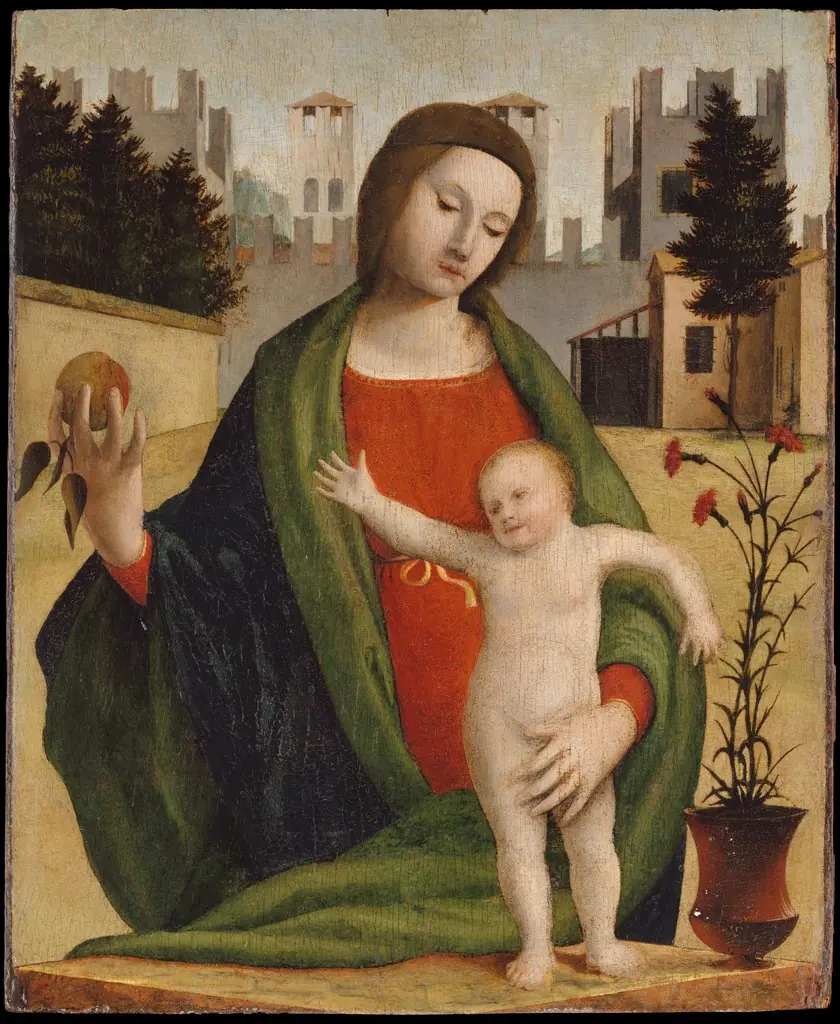 Madonna and Child
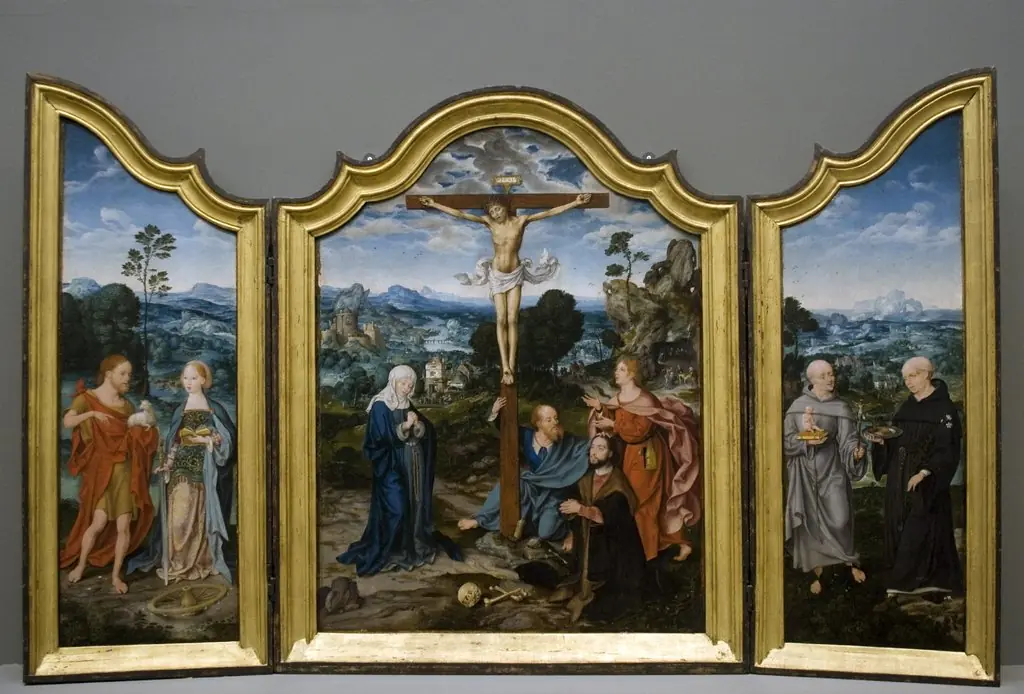 The Crucifixion with Saints and a Donor
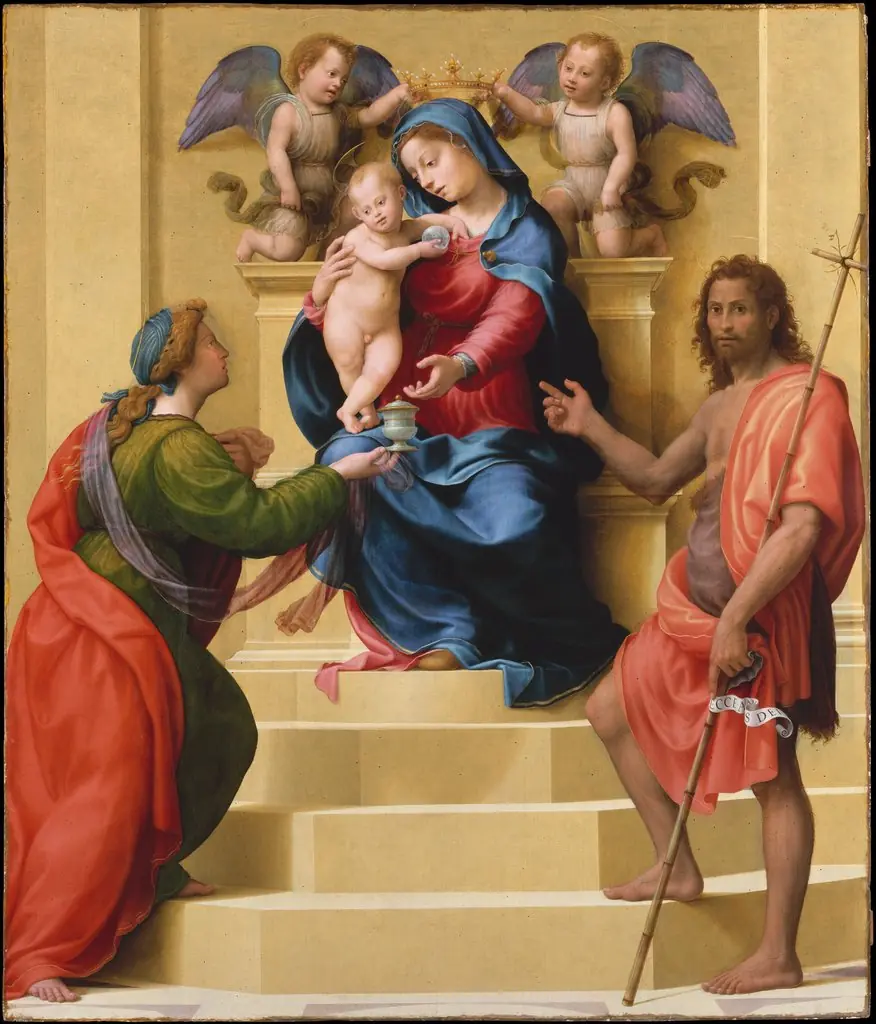 Madonna and Child Enthroned with Saints Mary Magdalen and John the Baptist
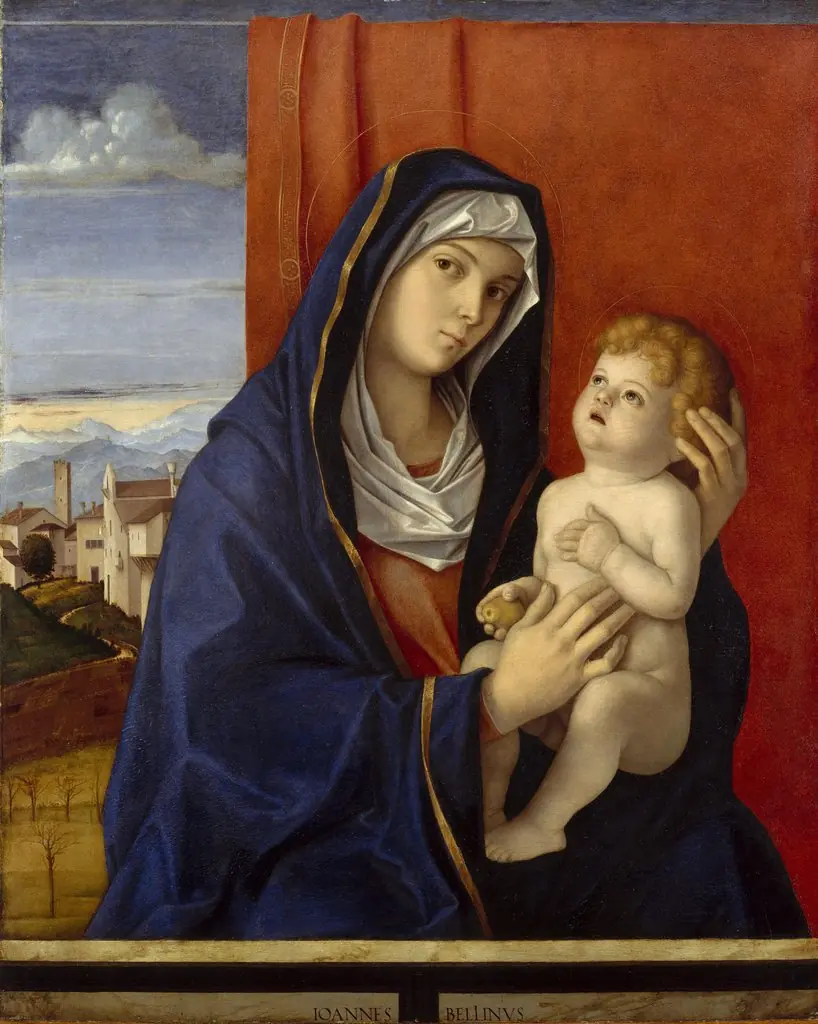 Madonna and Child
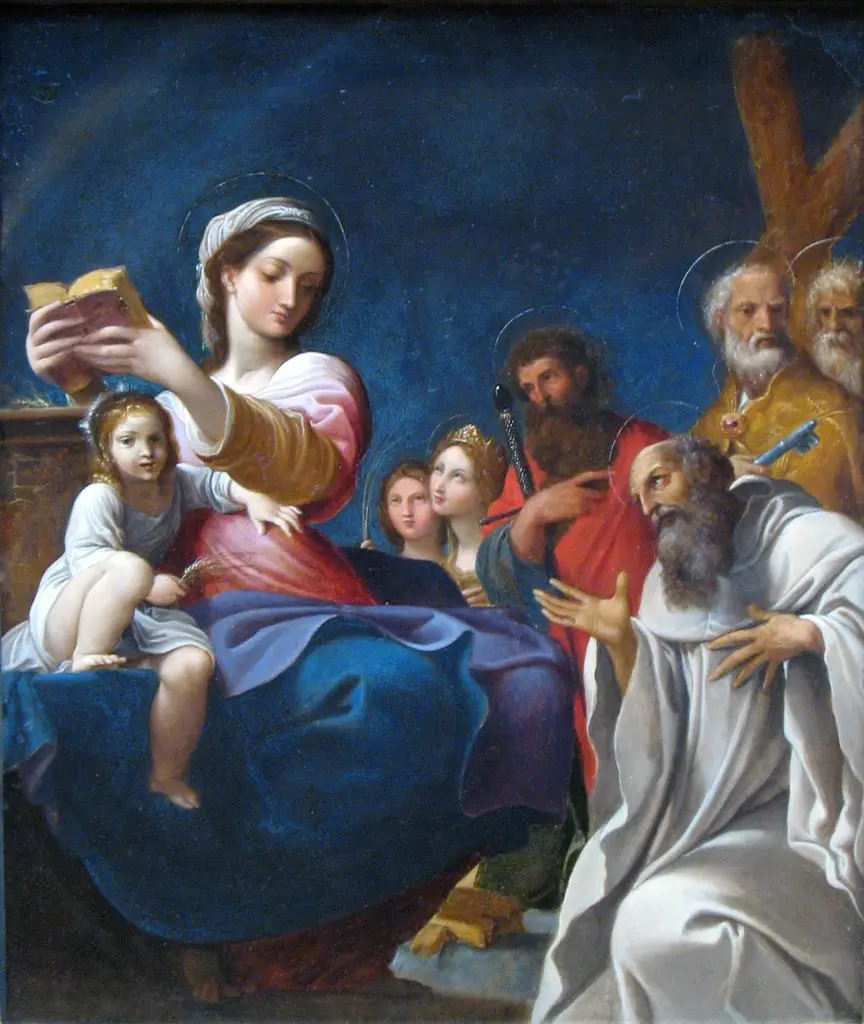 Madonna and Child with Saints
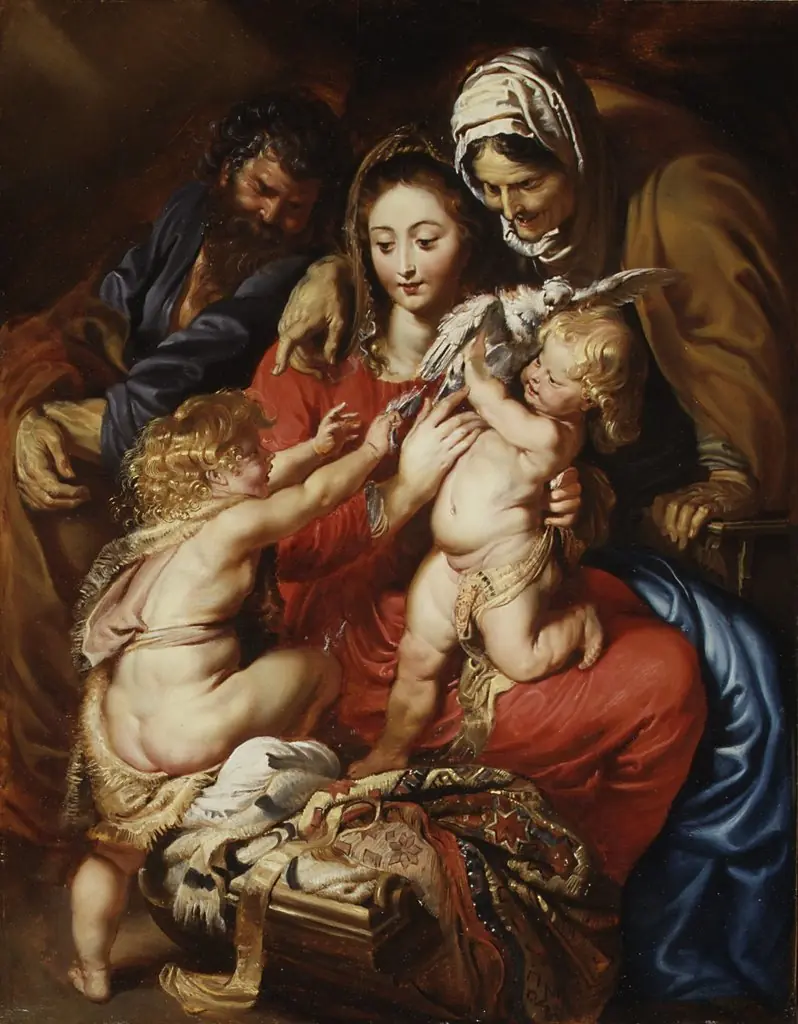 The Holy Family with Saint Elizabeth, Saint John, and a Dove
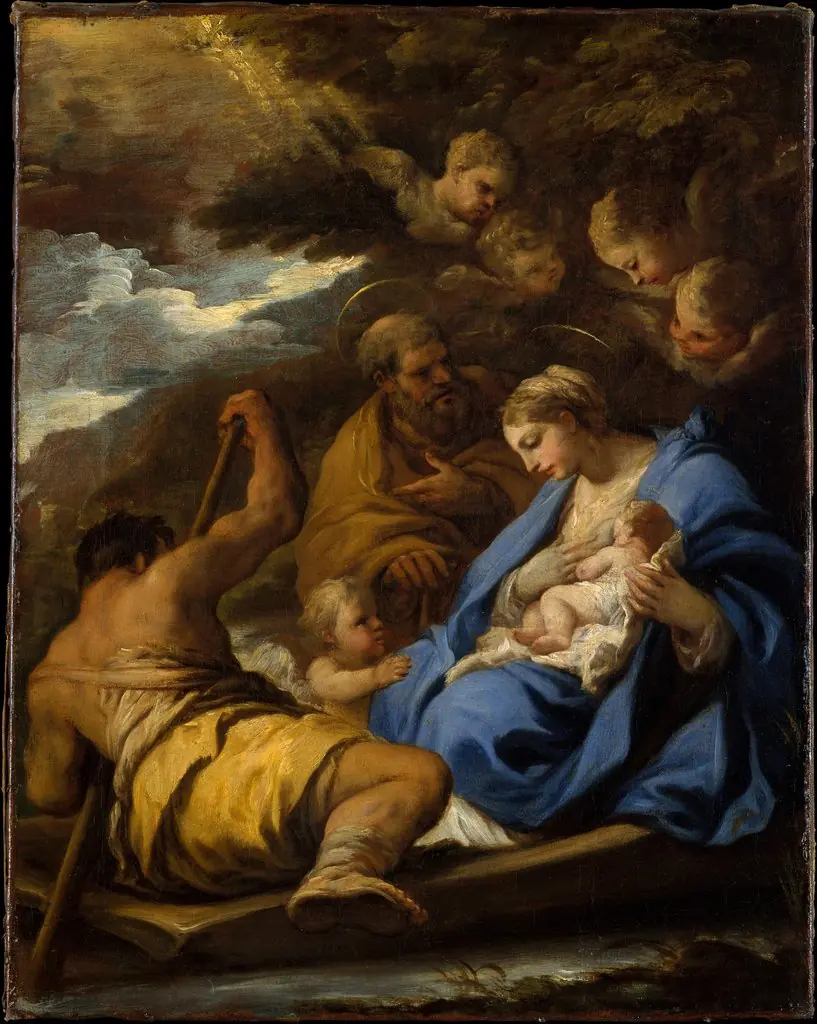 The Flight into Egypt
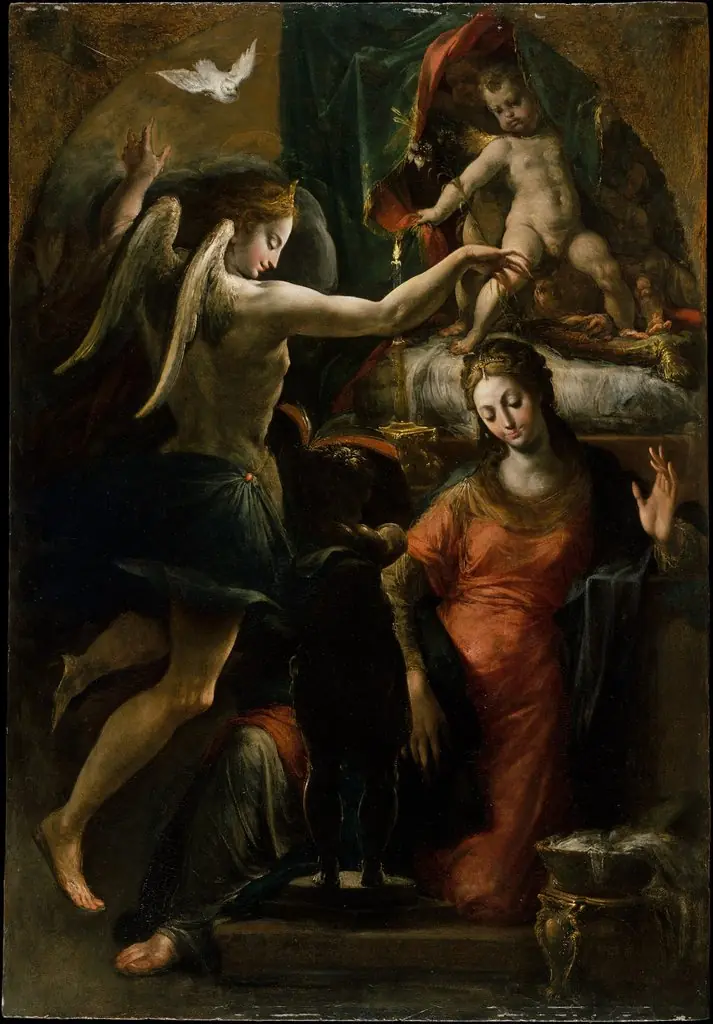 The Annunciation
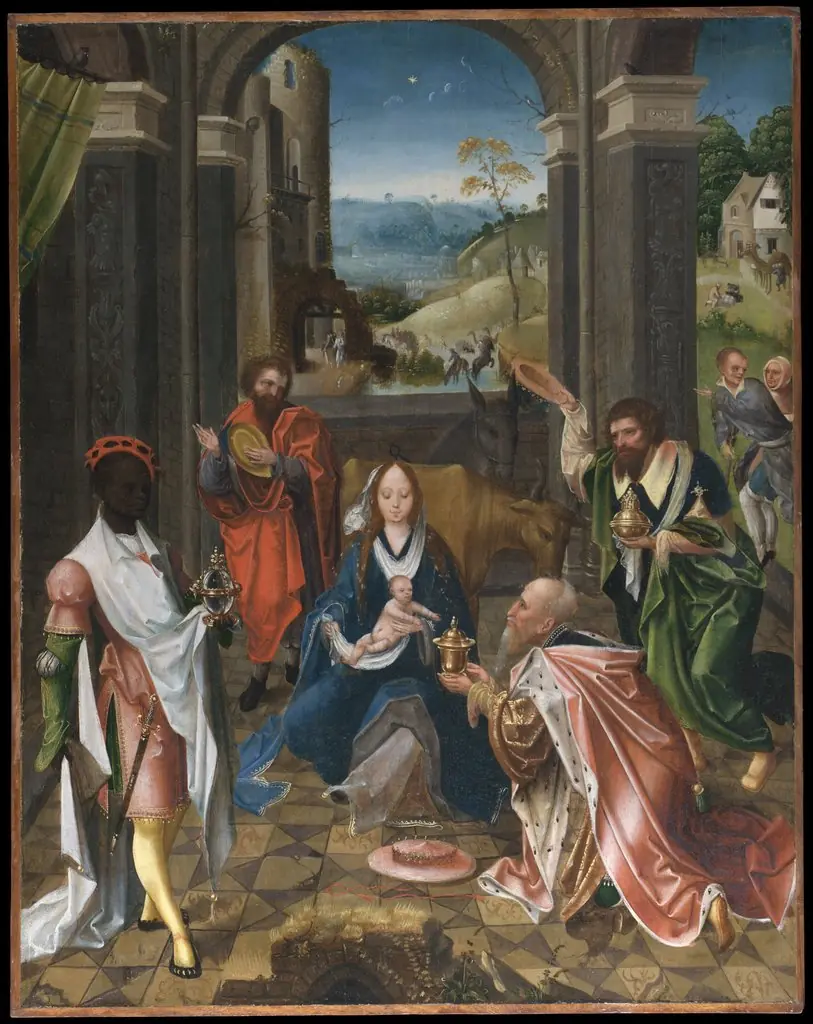 The Adoration of the Magi
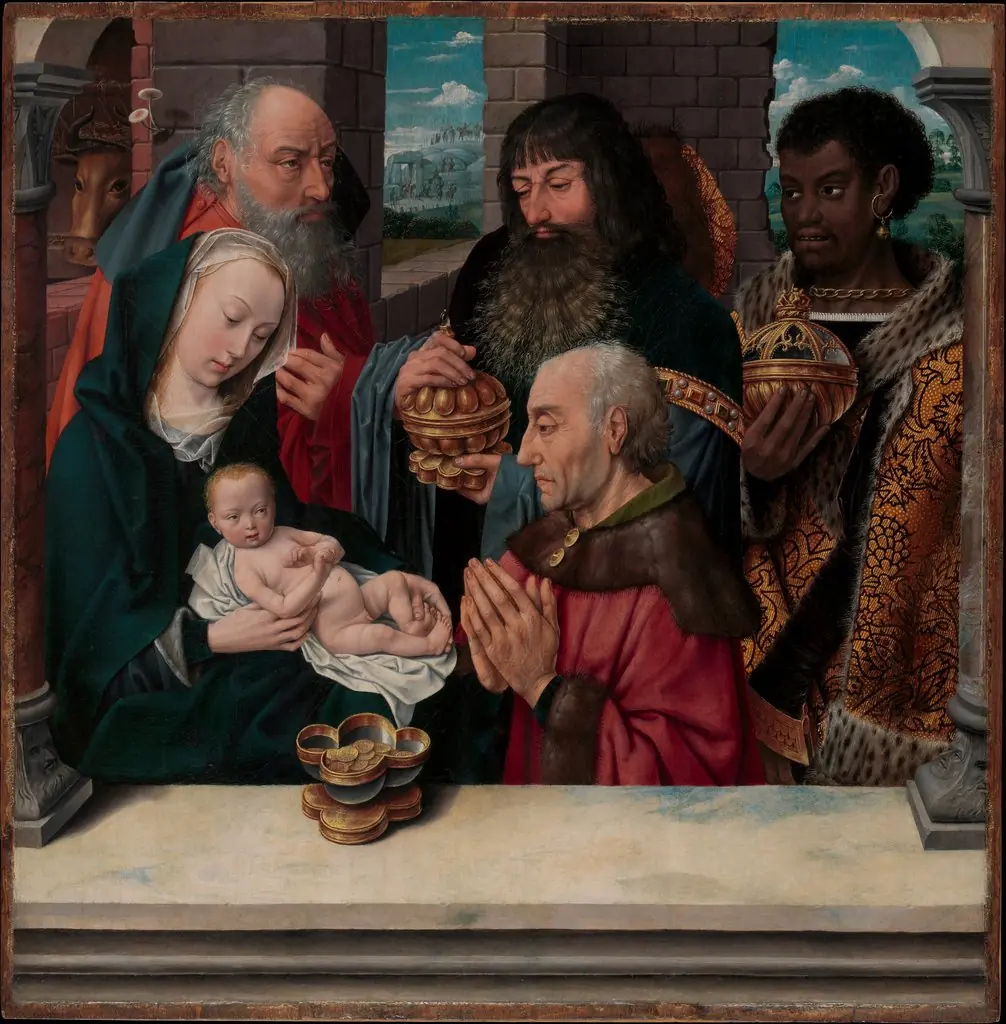 The Adoration of the Magi
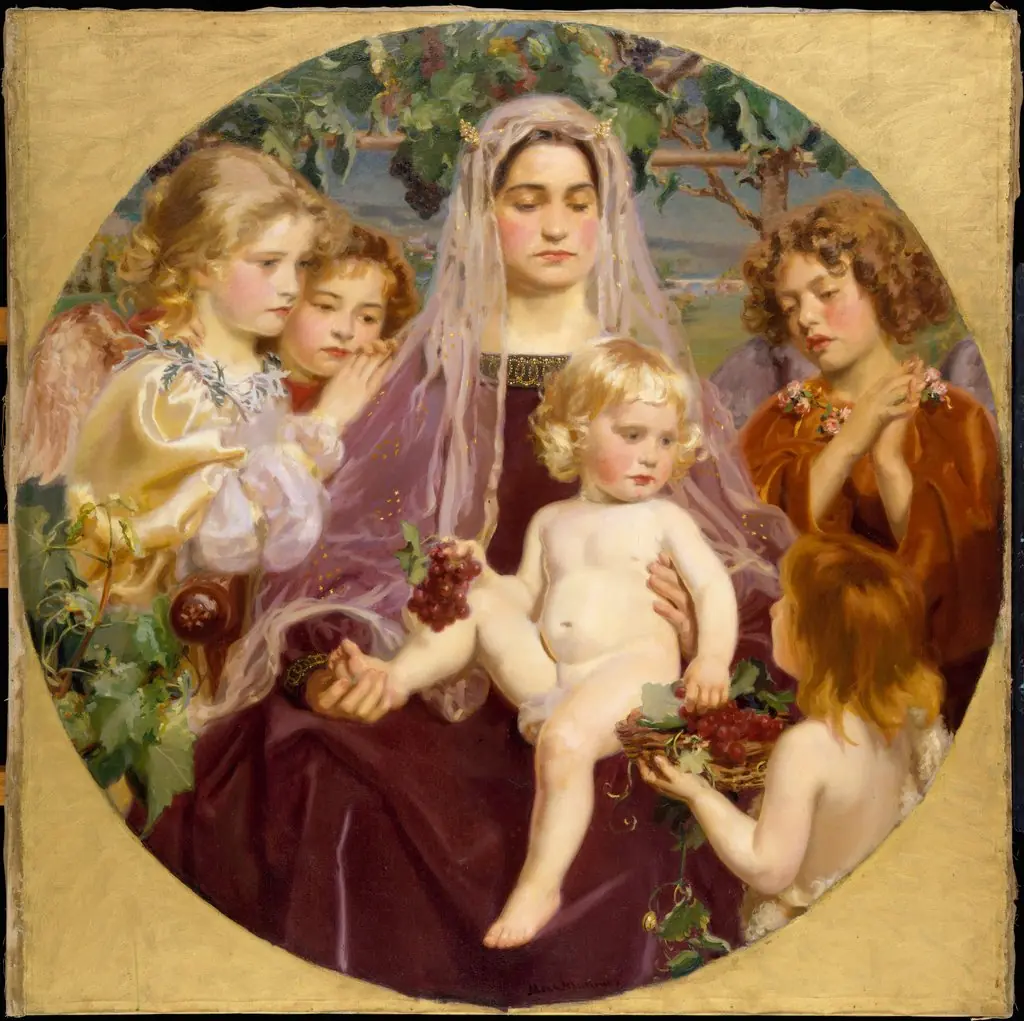 Madonna of Giverny
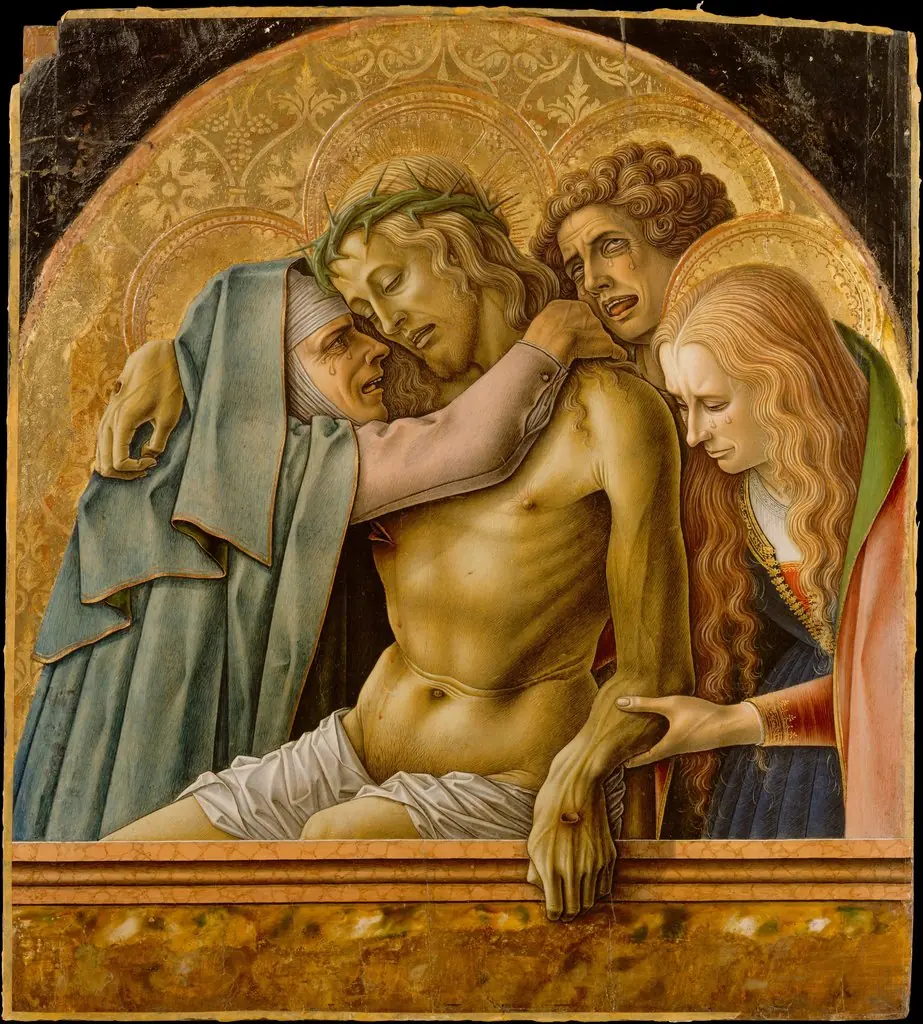 Pietà
Pietà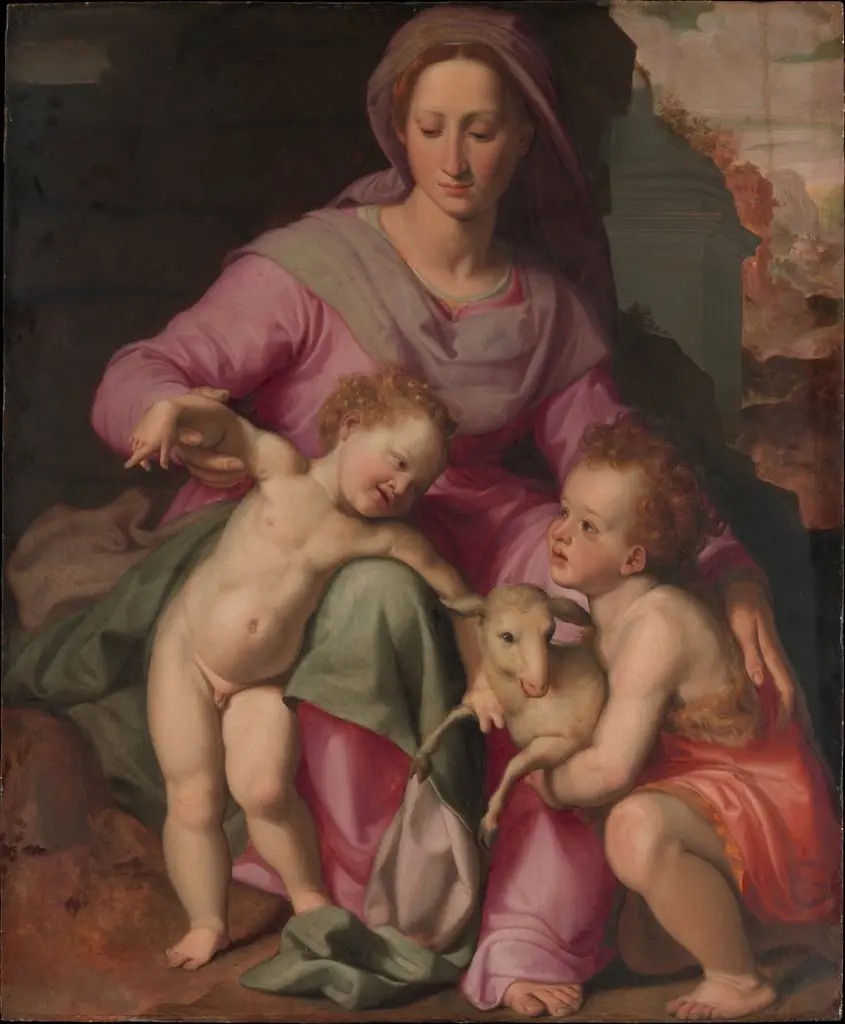 Madonna and Child with the Infant Saint John the Baptist
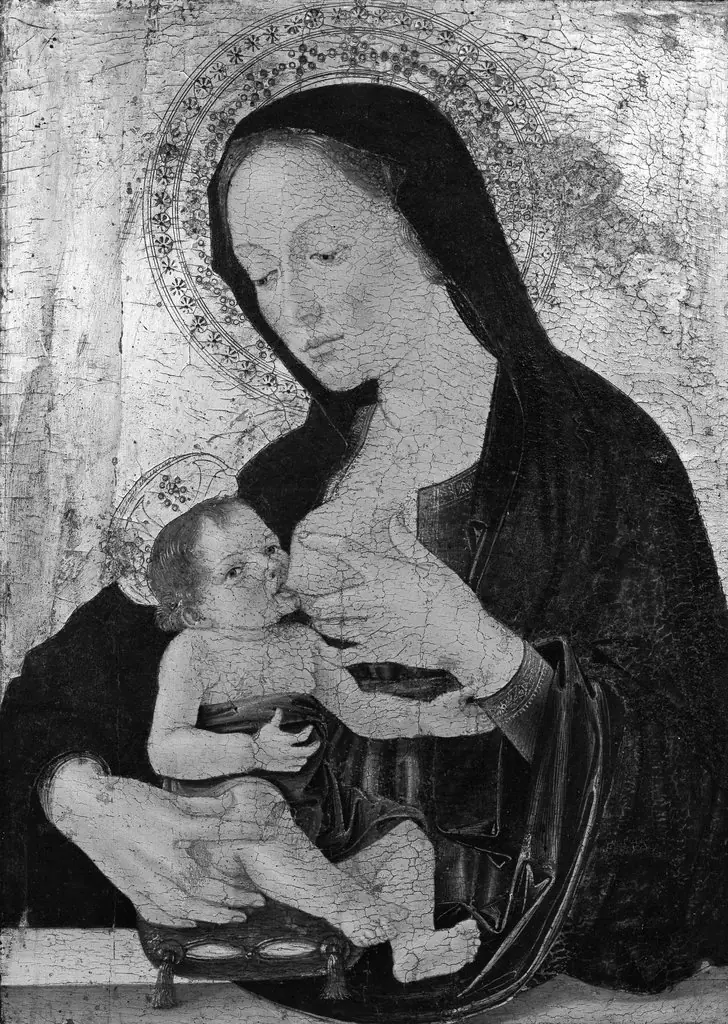 Madonna and Child
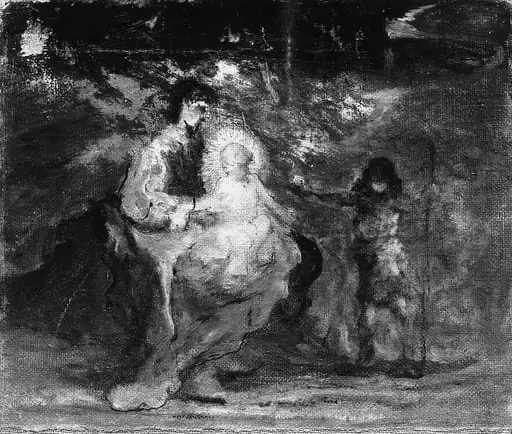 Madonna and Child and Little Saint John
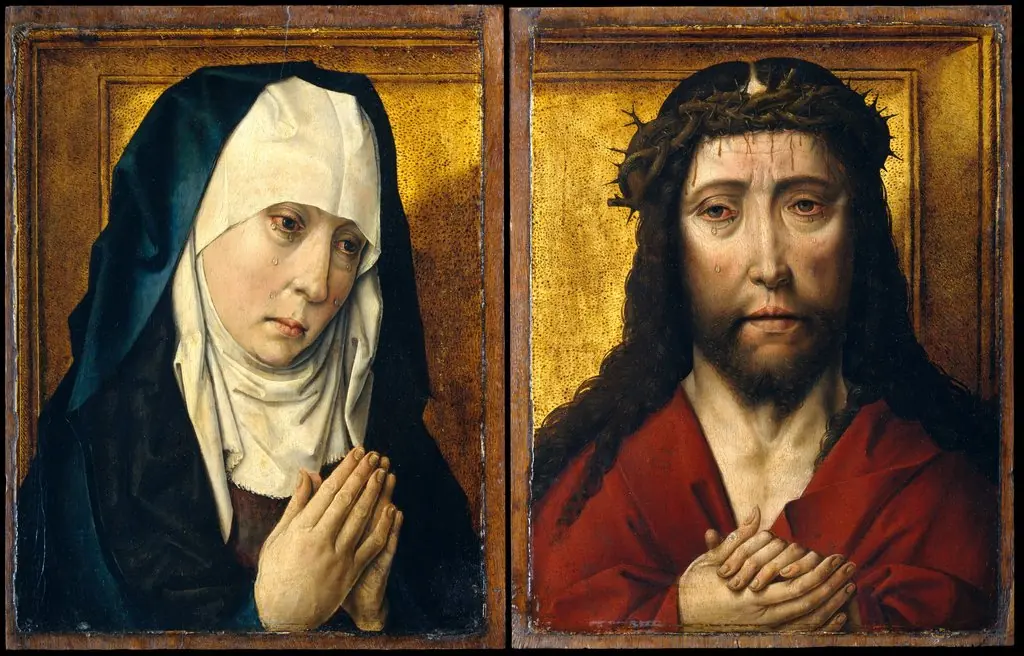 The Mourning Virgin; The Man of Sorrows
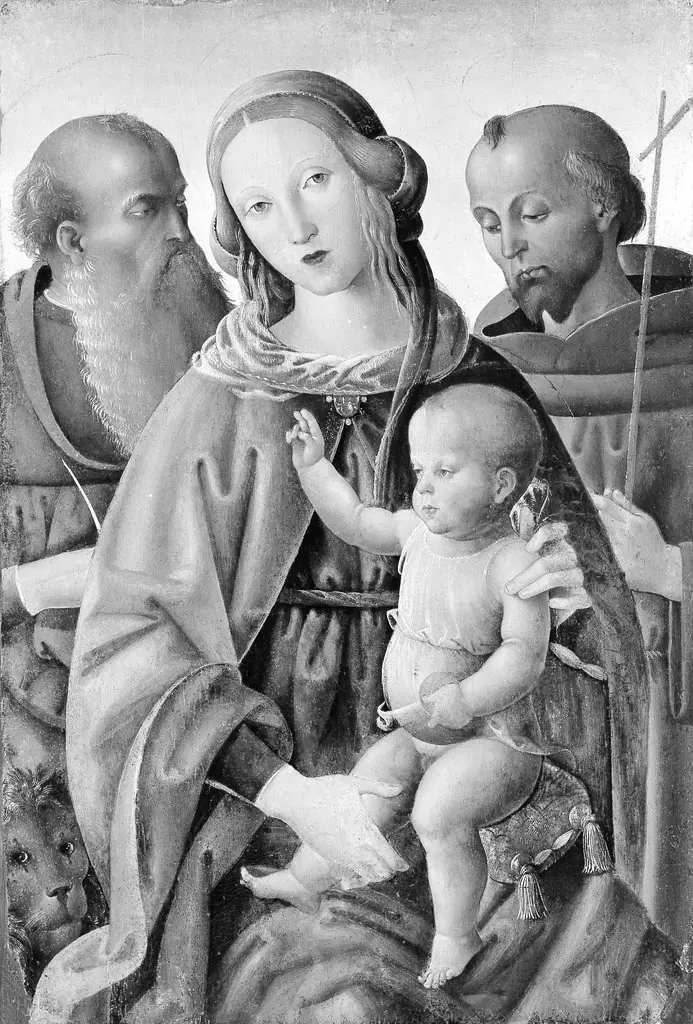 Madonna and Child with Saints Jerome and Francis
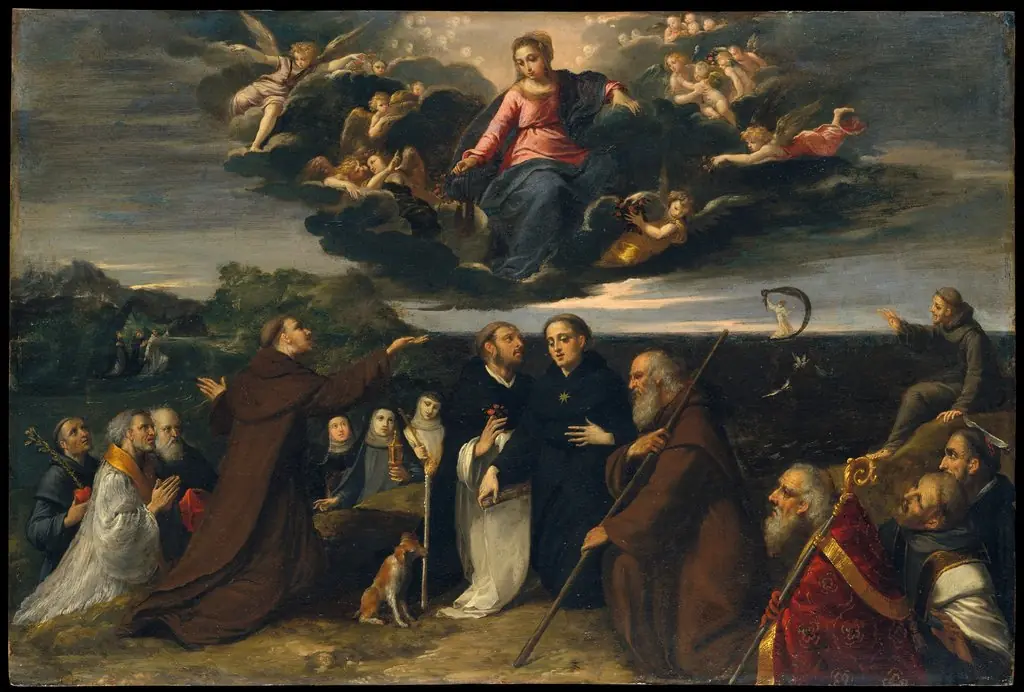 The Virgin Adored by Saints
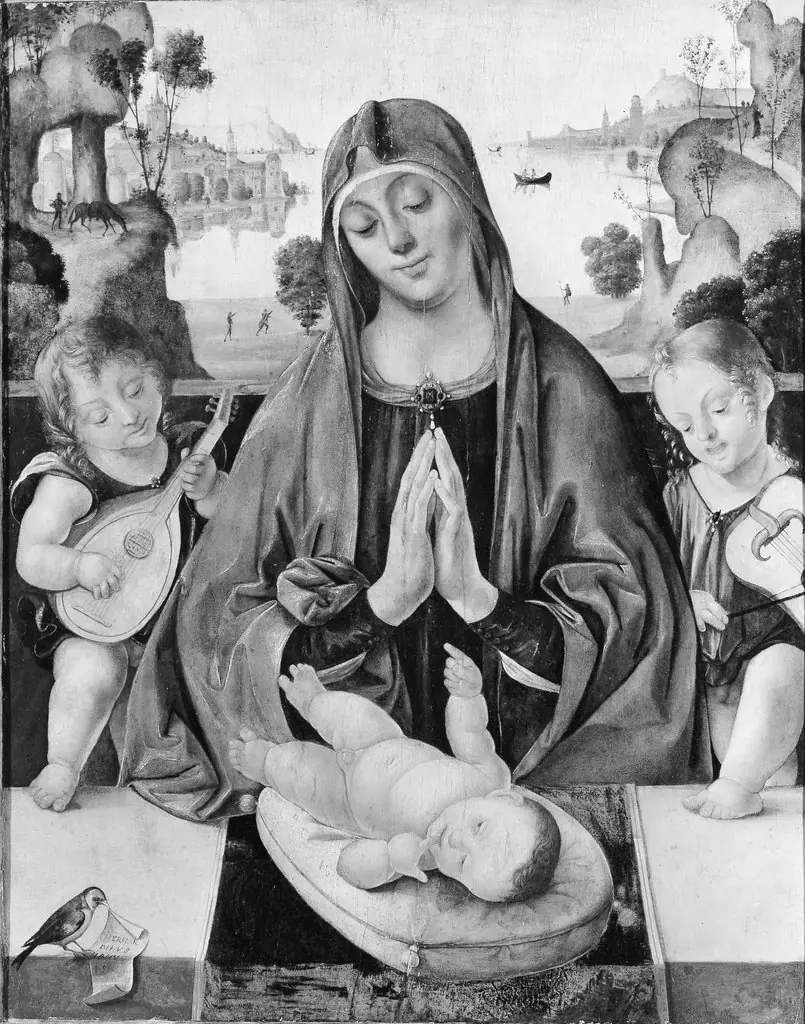 Madonna and Child with Angels
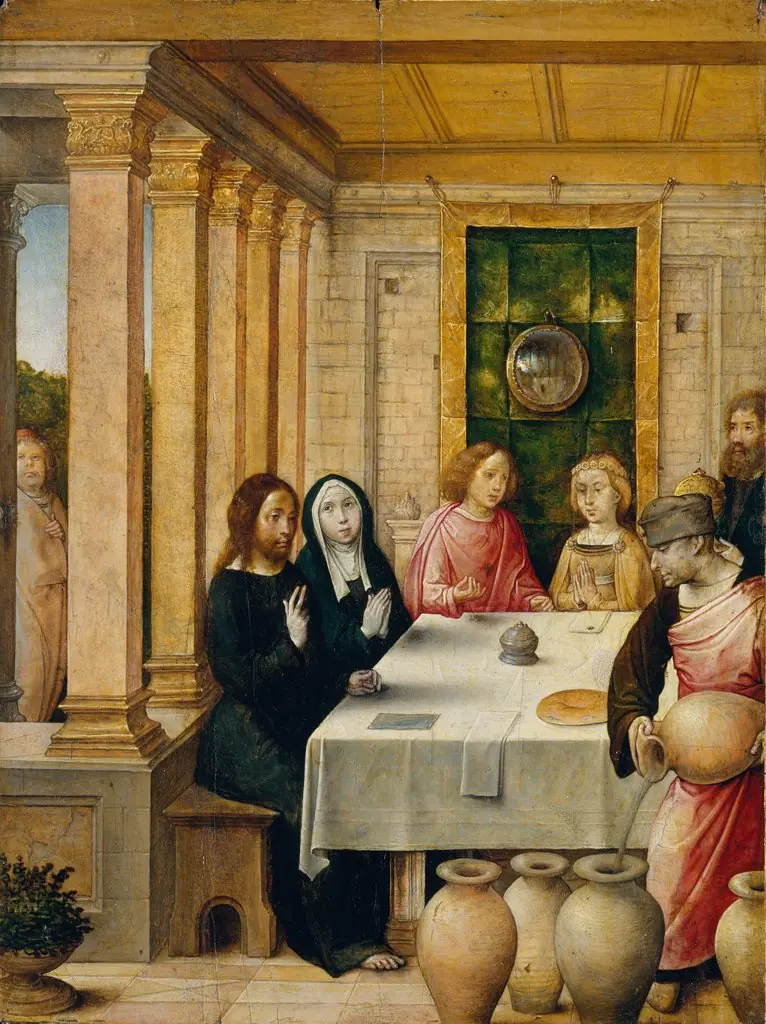 The Marriage Feast at Cana
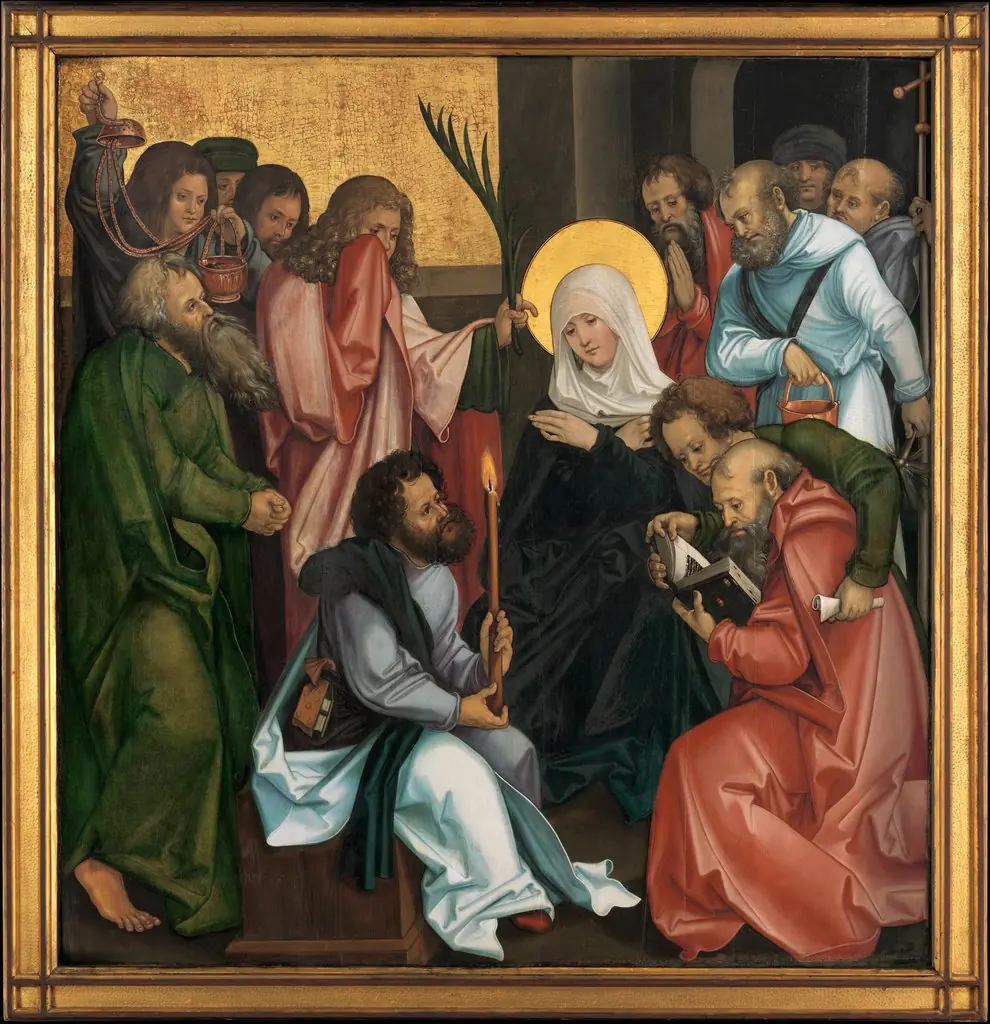 The Dormition of the Virgin; (reverse) Christ Carrying the Cross
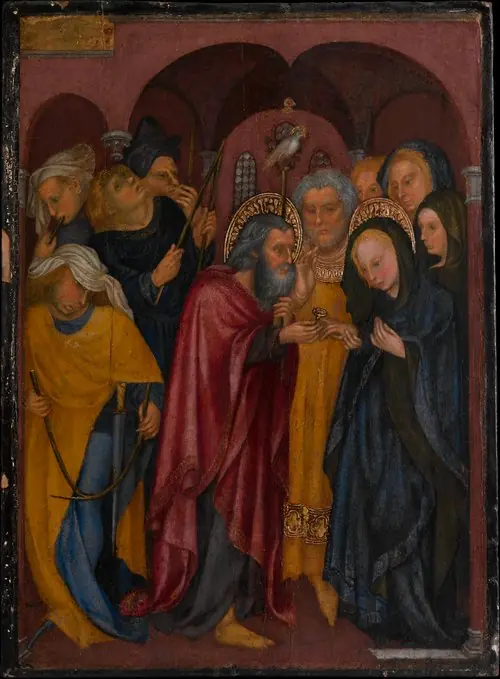 The Marriage of the Virgin
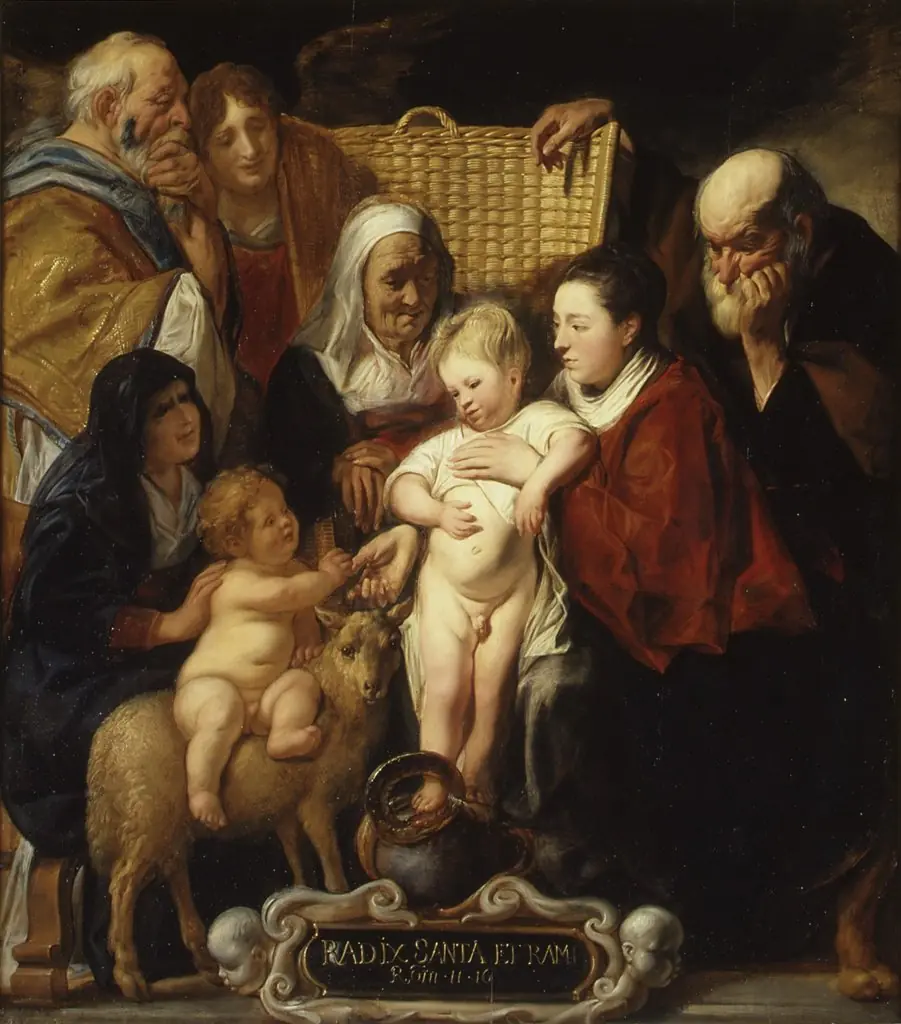 The Holy Family with Saint Anne and the Young Baptist and His Parents
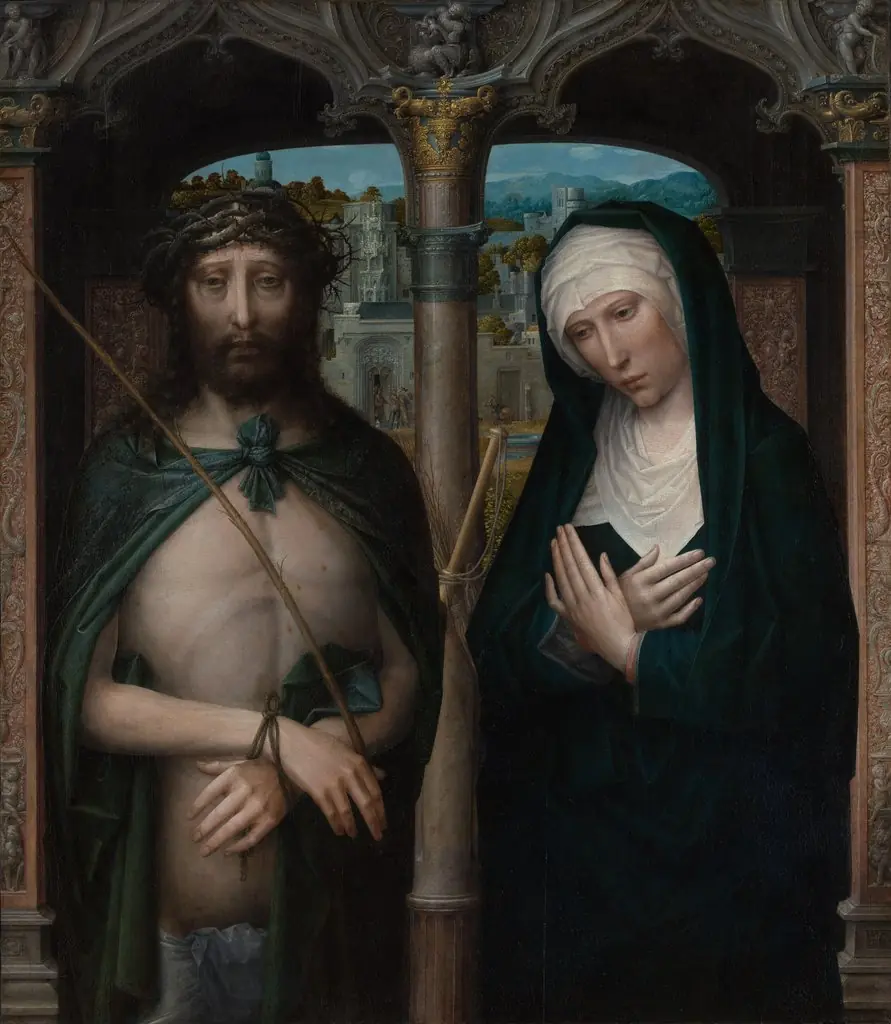 Christ Crowned with Thorns (Ecce Homo), and the Mourning Virgin
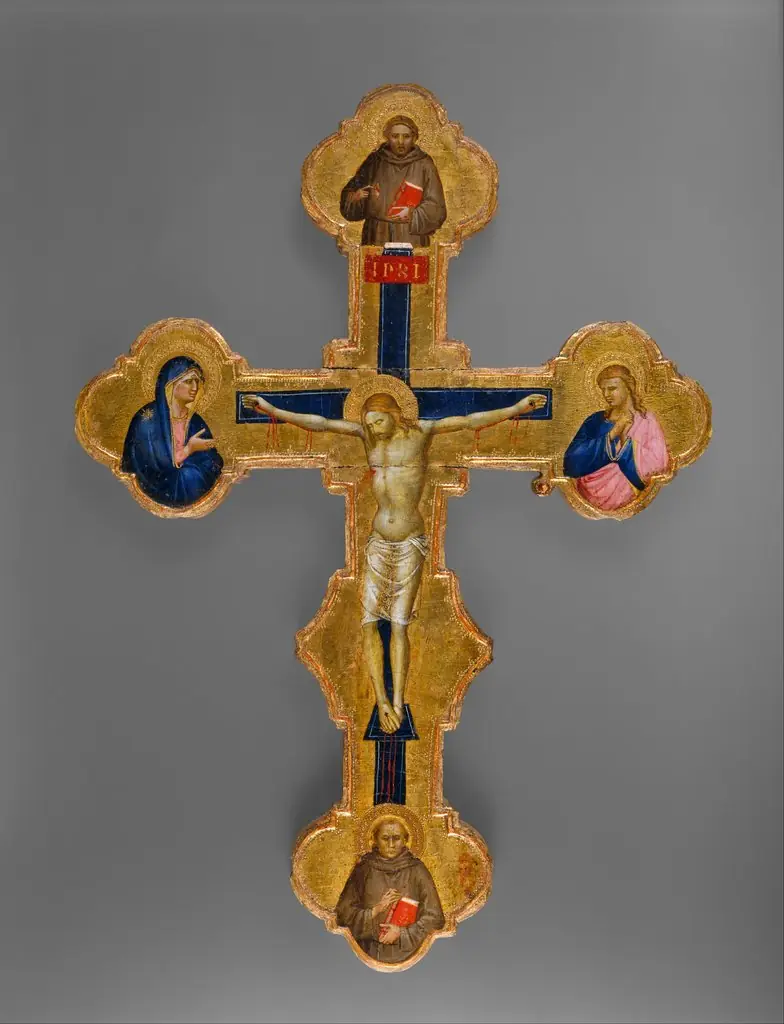 Crucifix
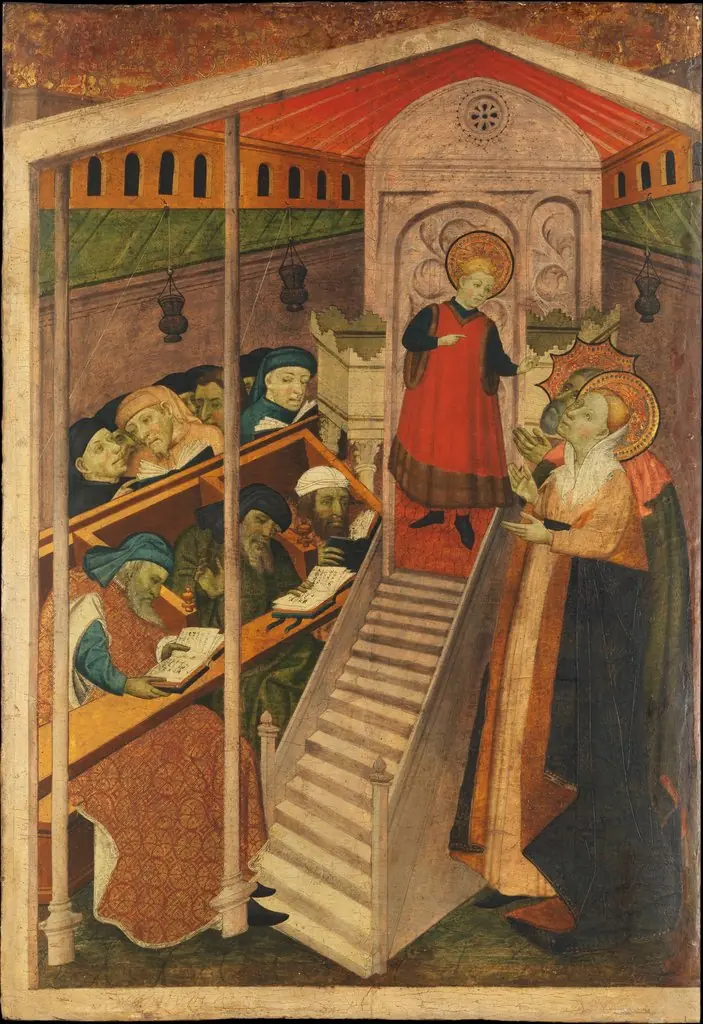 Christ among the Doctors
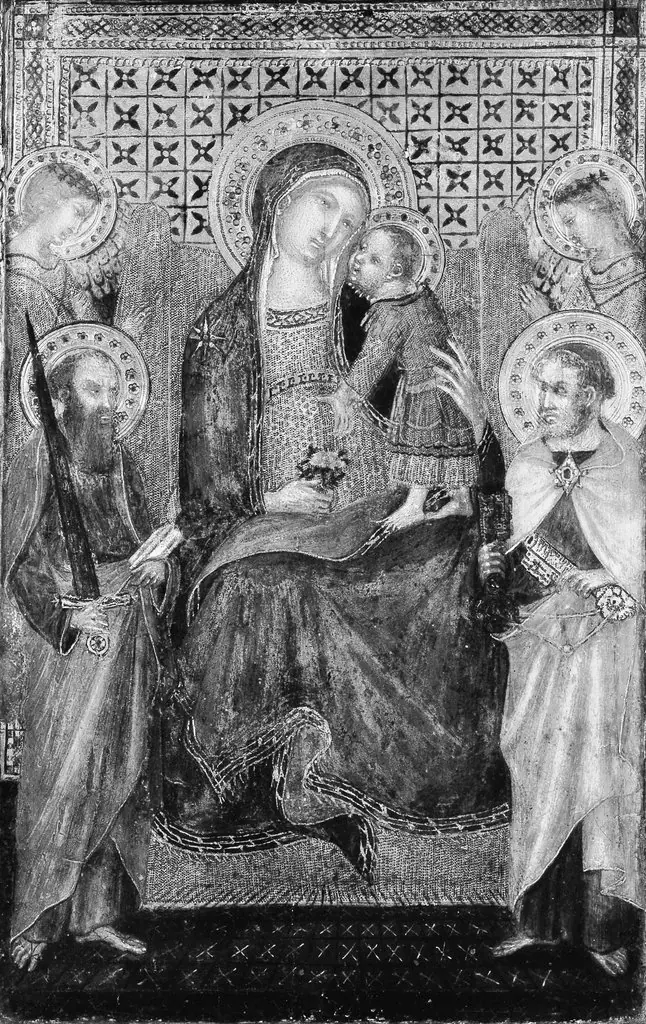 Madonna and Child Enthroned with Saints Peter and Paul and Angels
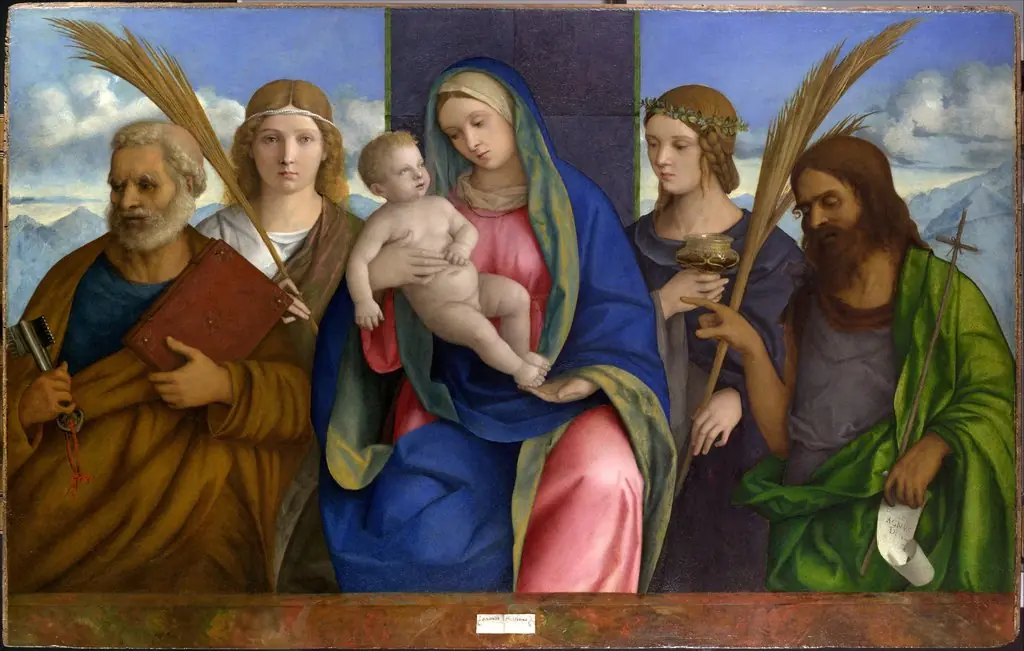 Madonna and Child with Saints
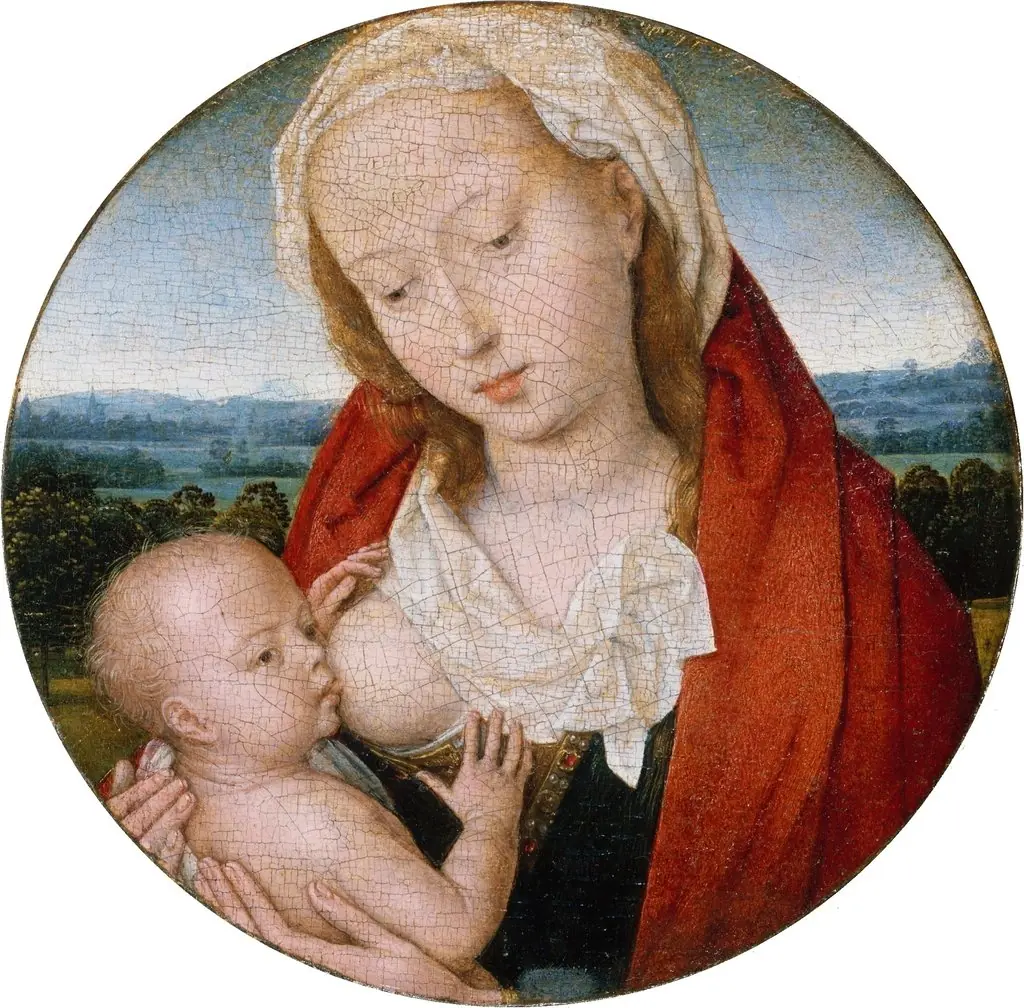 Virgin and Child
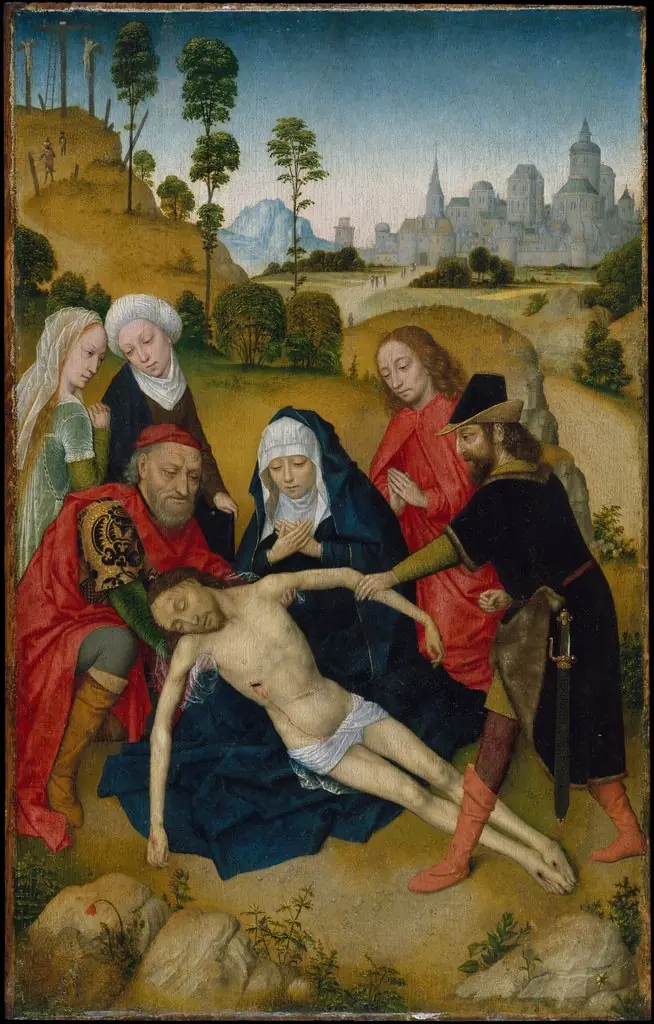 The Lamentation of Christ
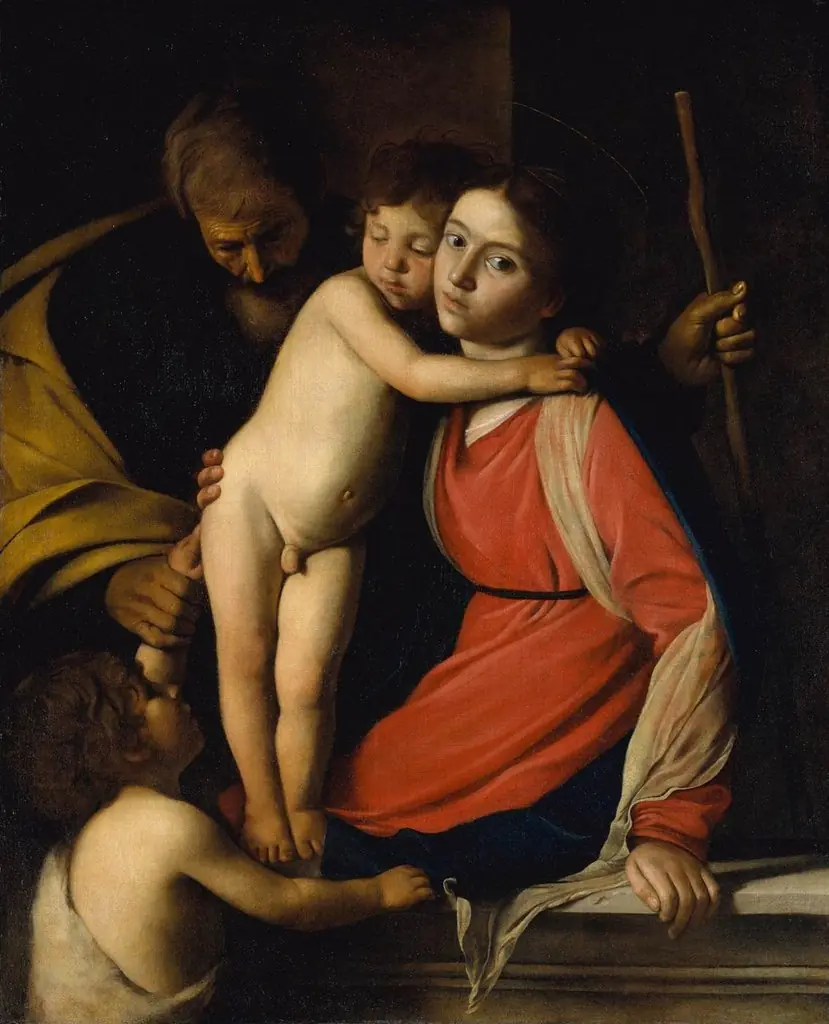 The Holy Family with Saint John the Baptist
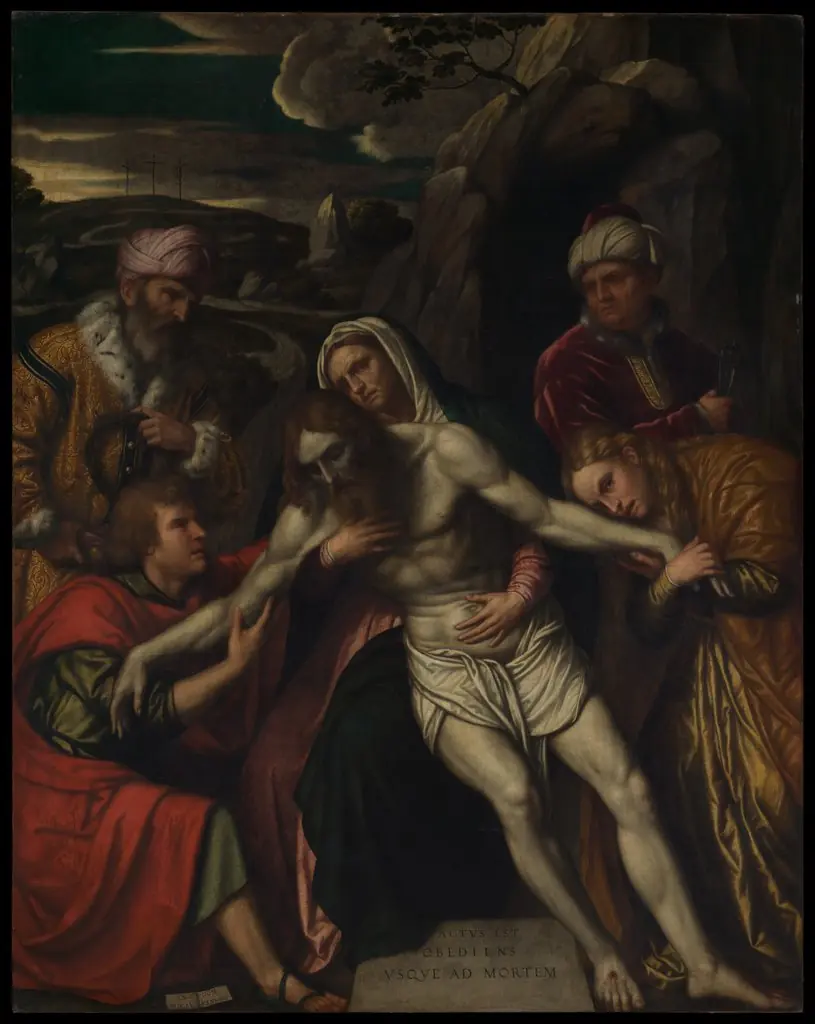 The Entombment
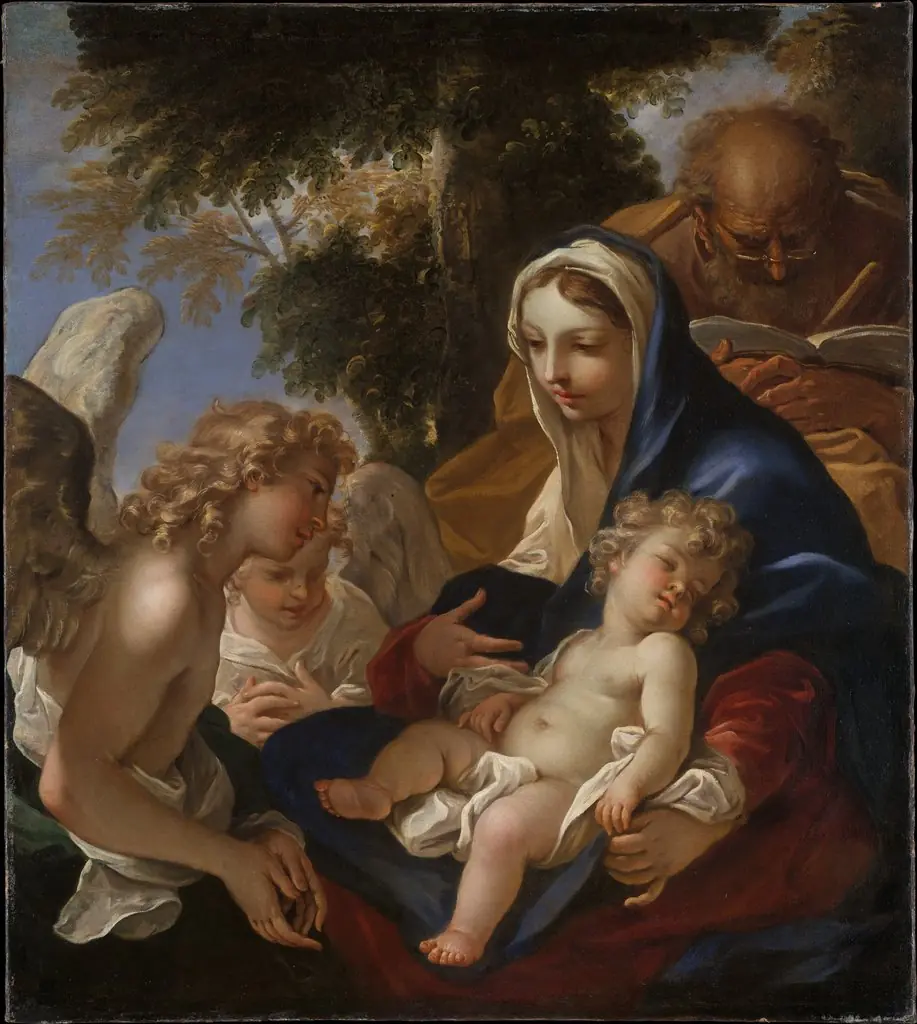 The Holy Family with Angels
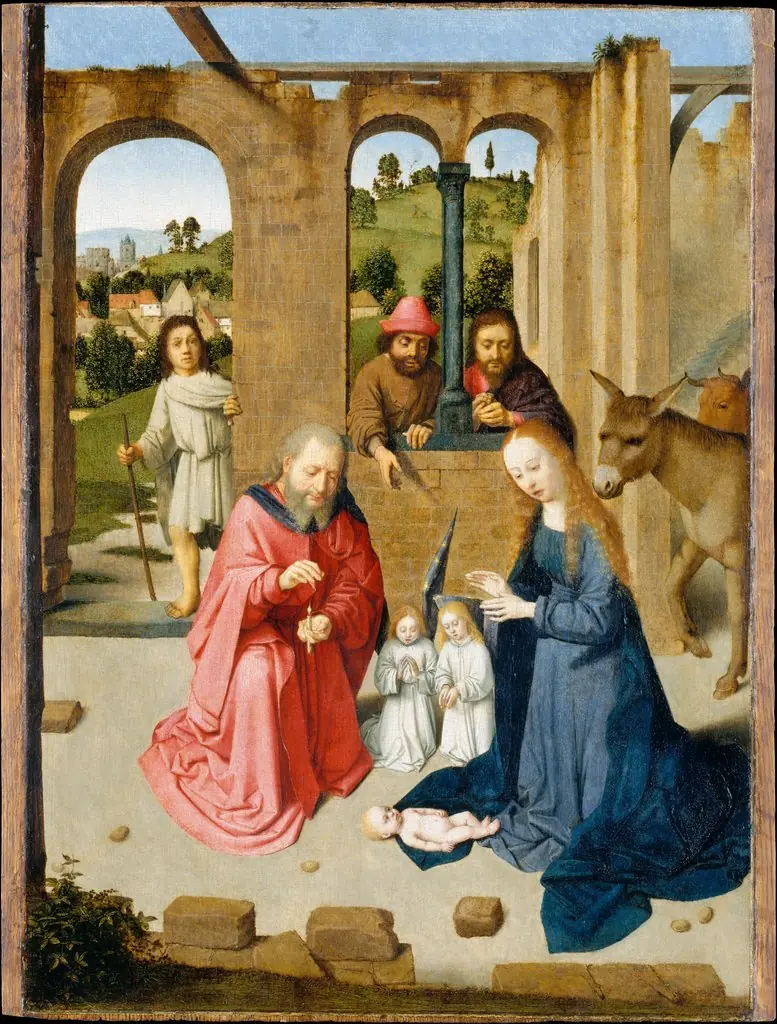 The Nativity
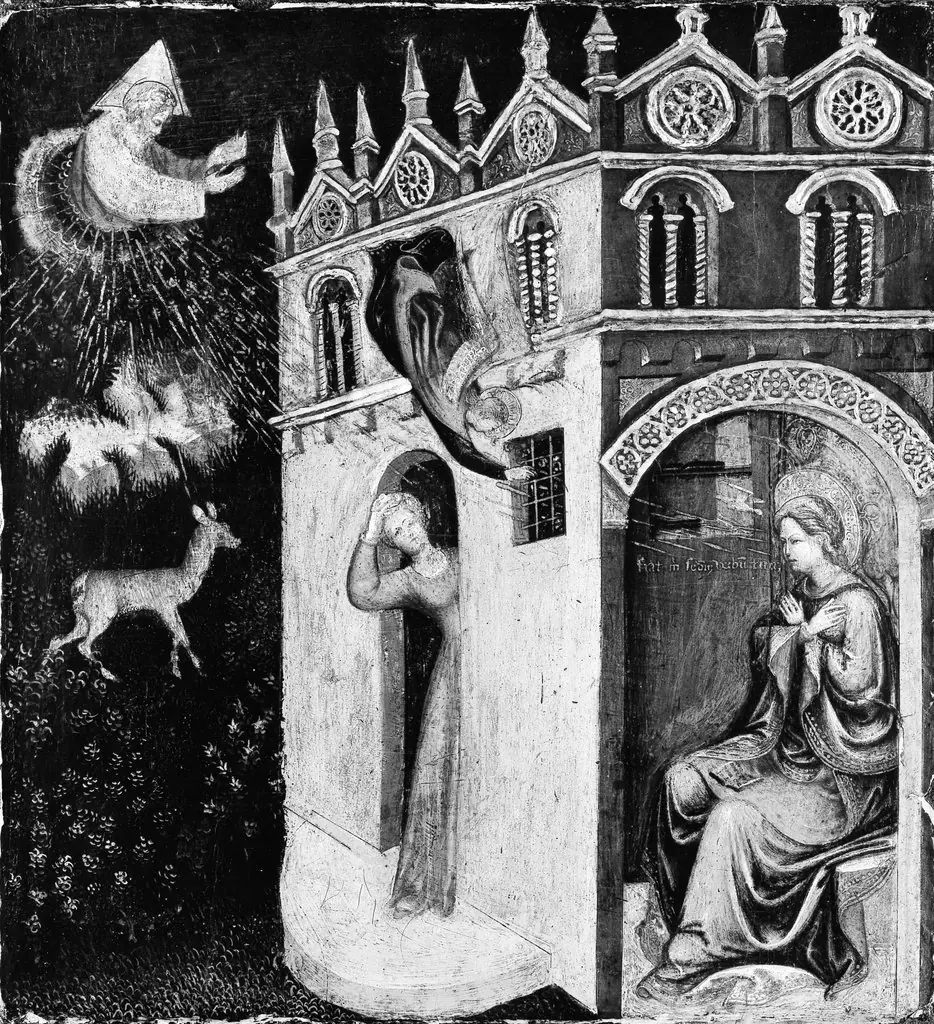 The Annunciation
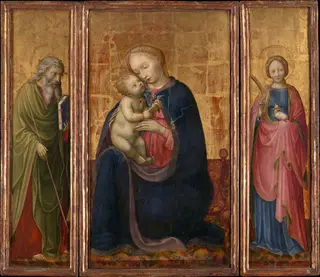 Madonna and Child with Saints Philip and Agnes
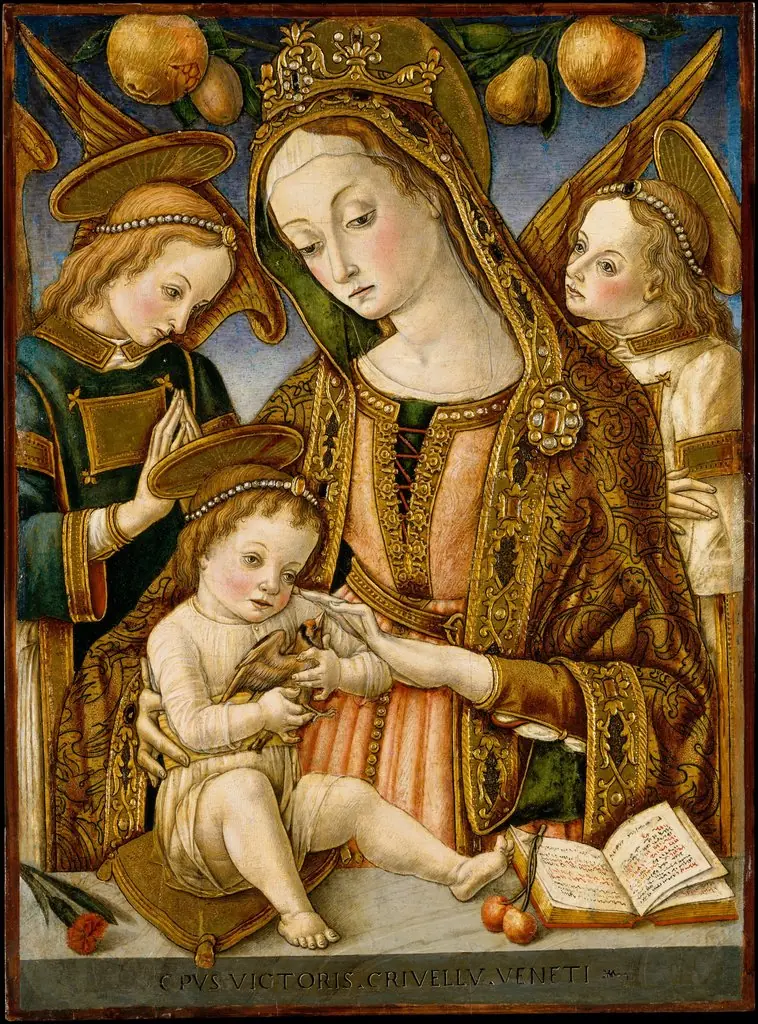 Madonna and Child with Two Angels
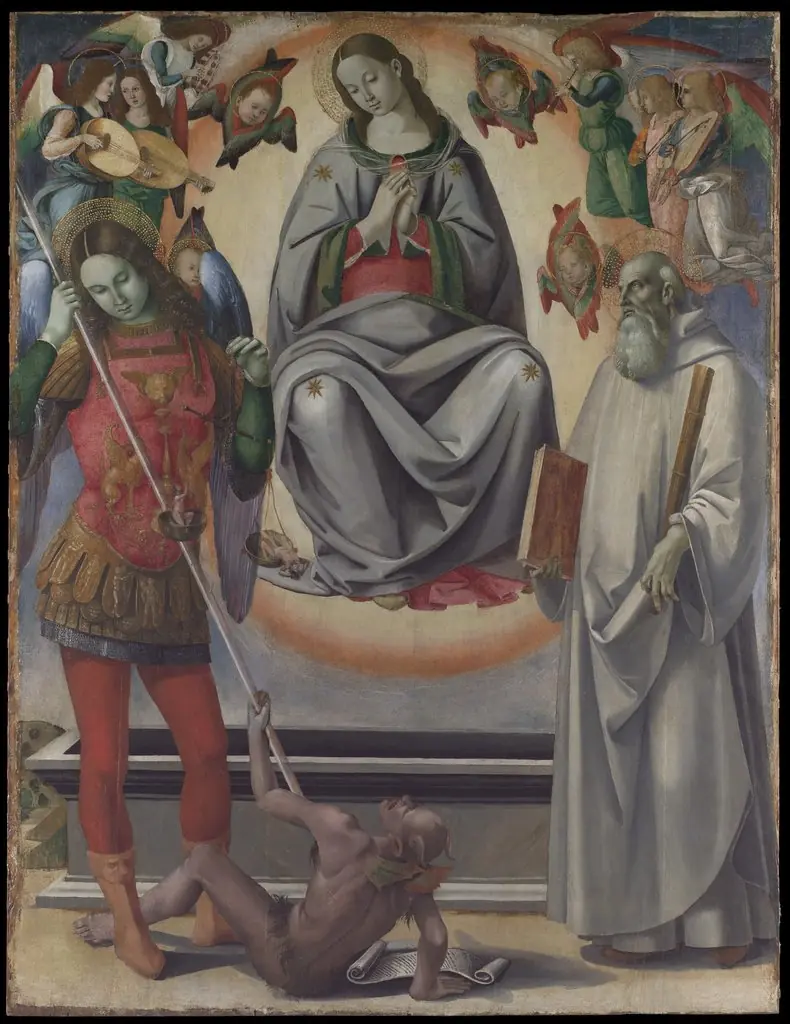 The Assumption of the Virgin with Saints Michael and Benedict
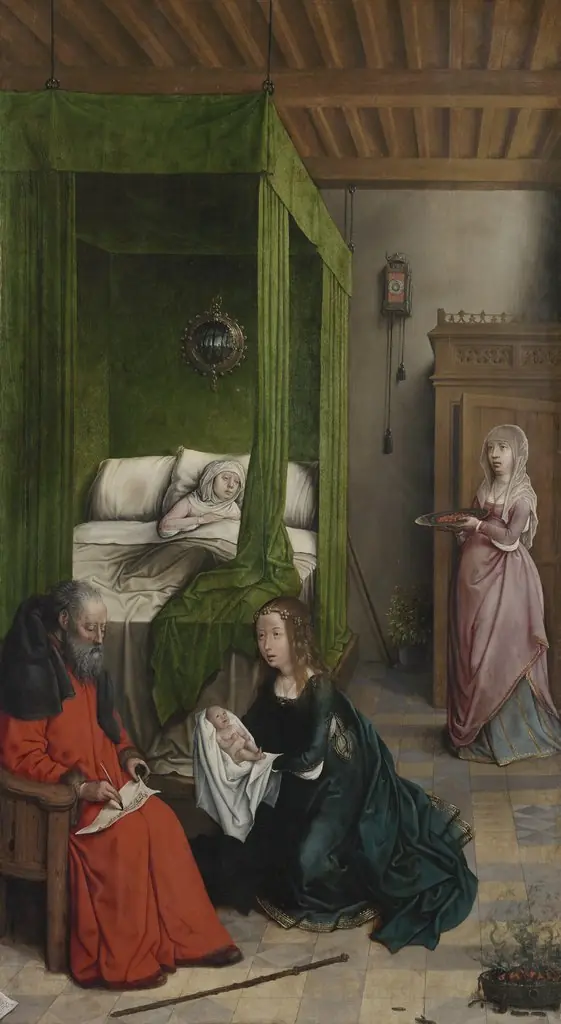 The Birth and Naming of John the Baptist
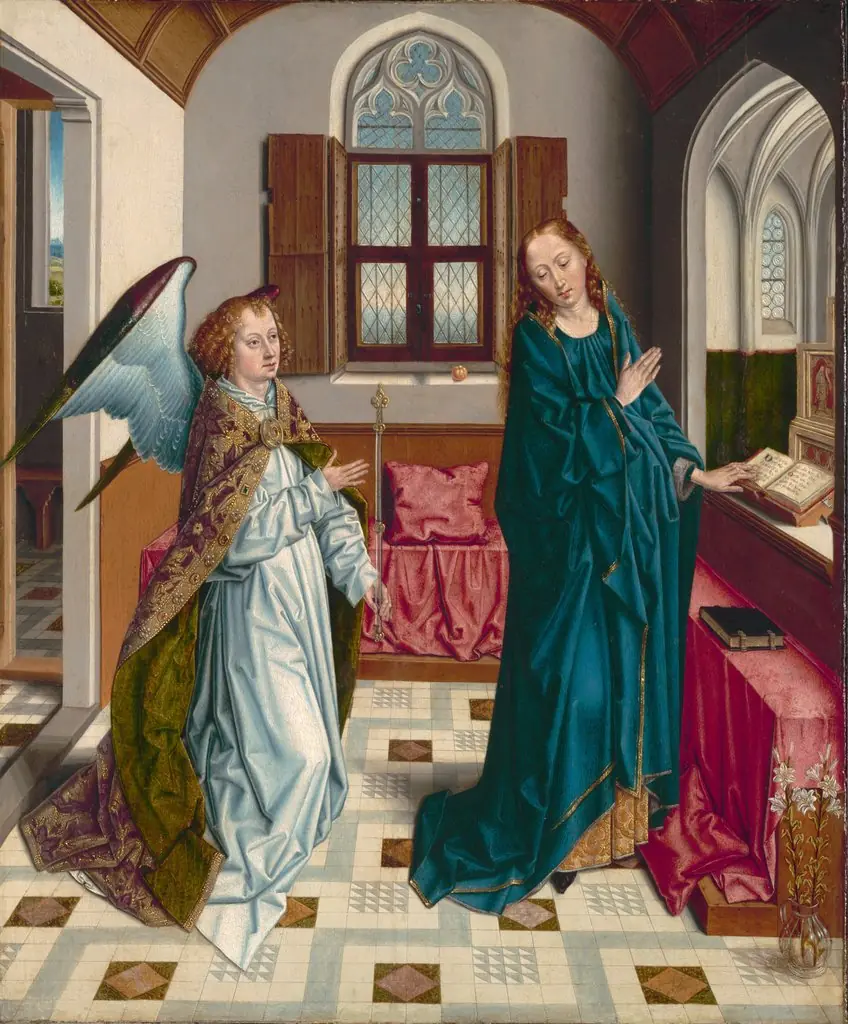 The Annunciation
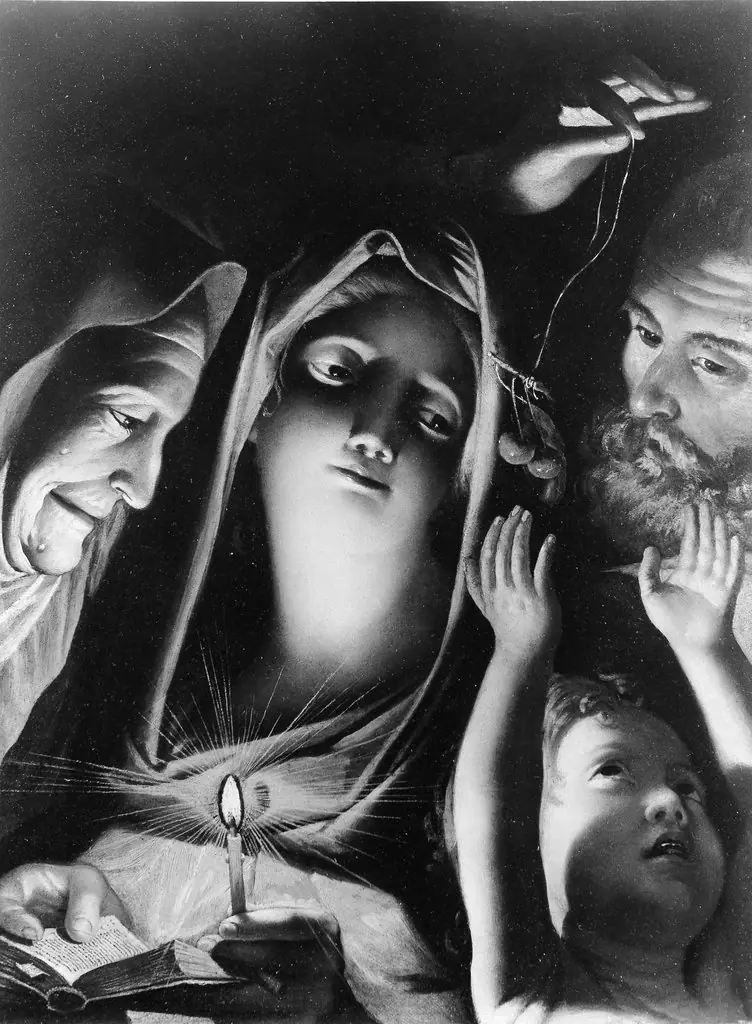 Holy Family with Saint Anne
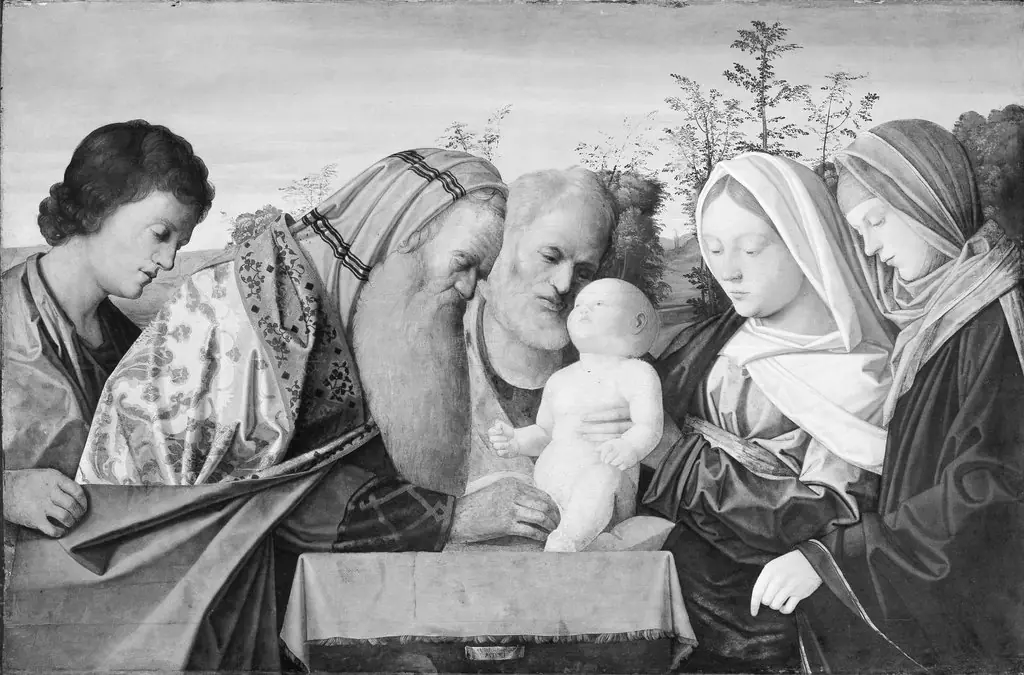 The Circumcision
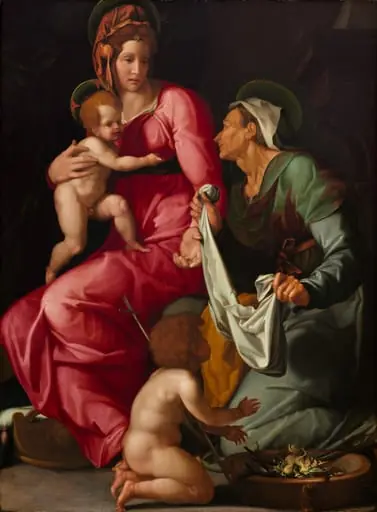 Madonna and Child with Saint Elizabeth and Saint John the Baptist
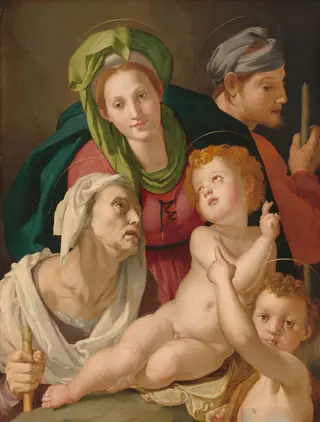 The Holy Family
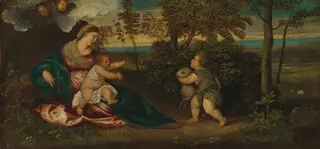 Madonna and Child and the Infant Saint John in a Landscape
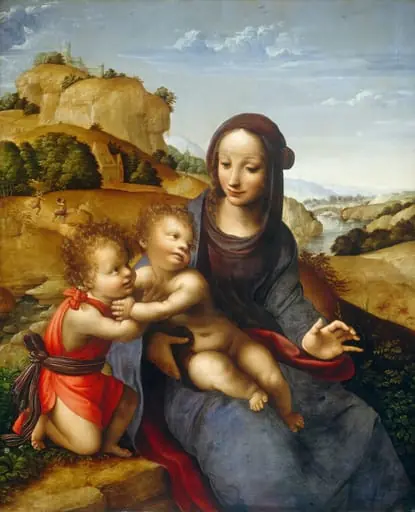 Madonna and Child with the Infant Saint John
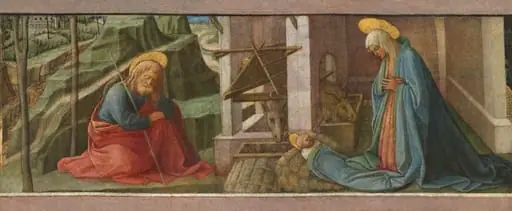 The Nativity
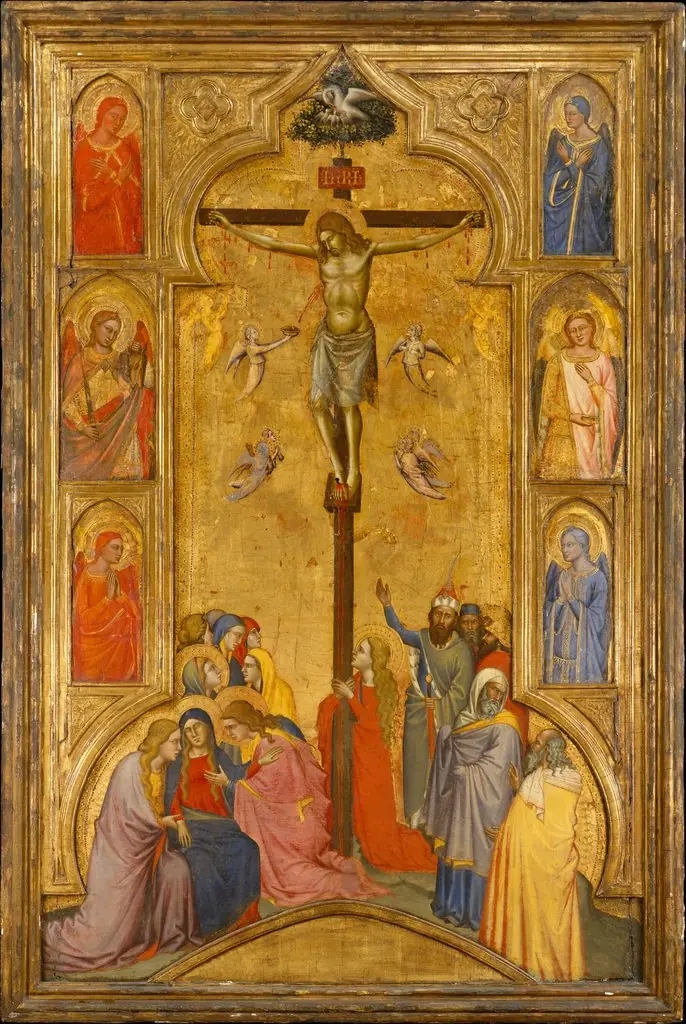 The Crucifixion
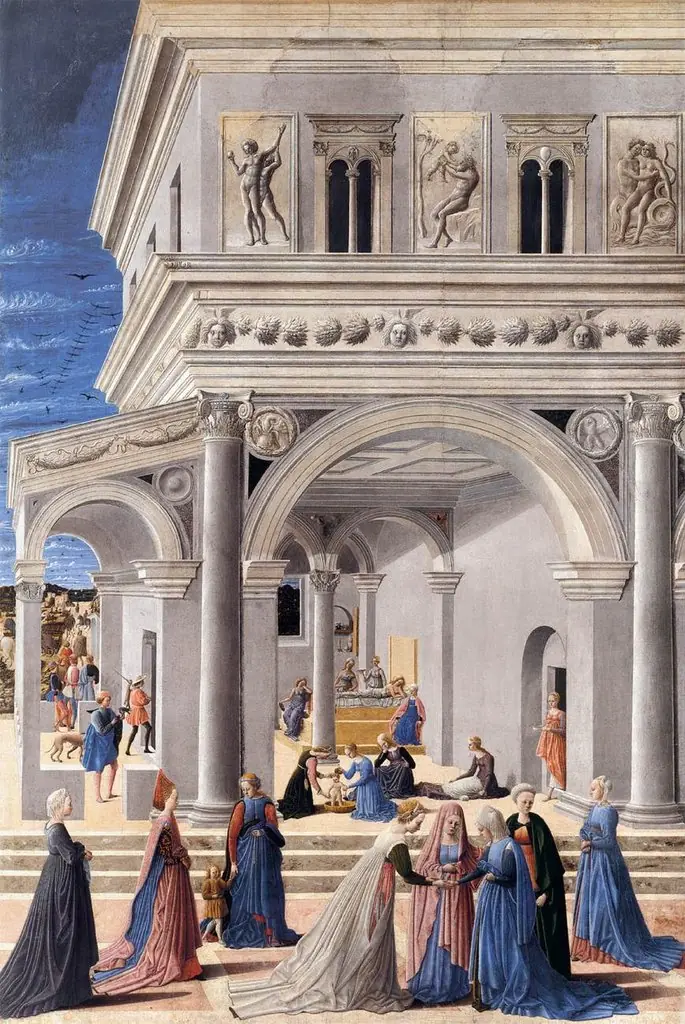 The Birth of the Virgin
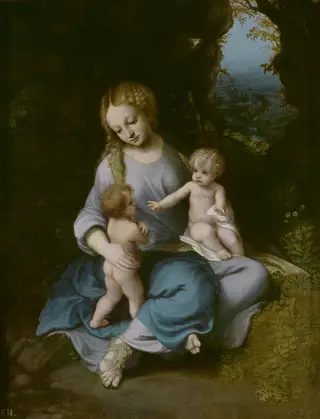 Madonna and Child with the Young Saint John
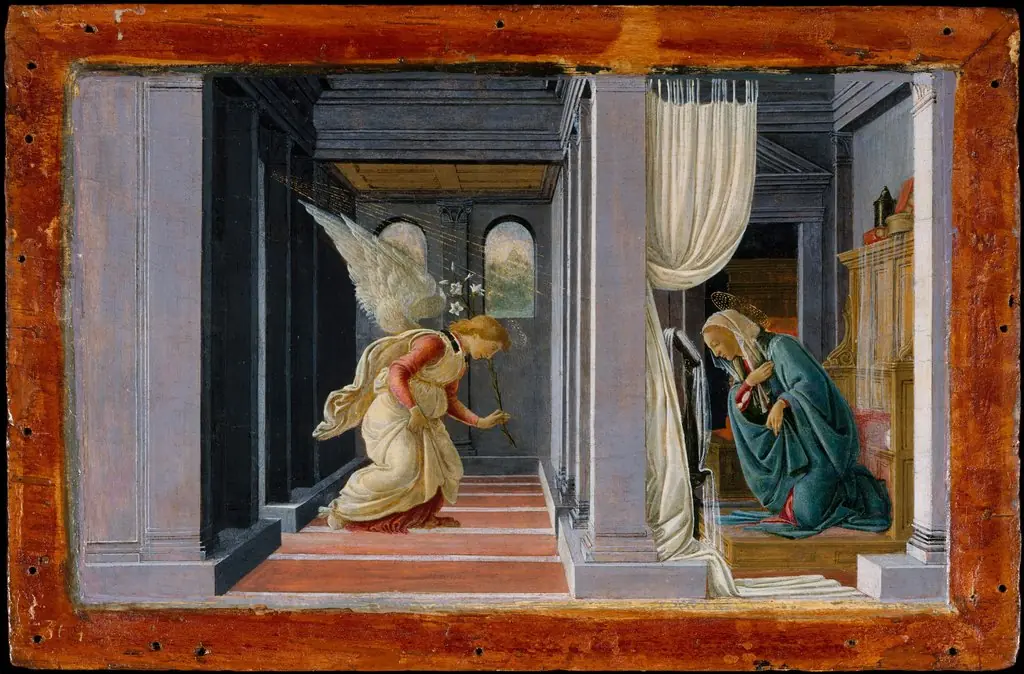 The Annunciation
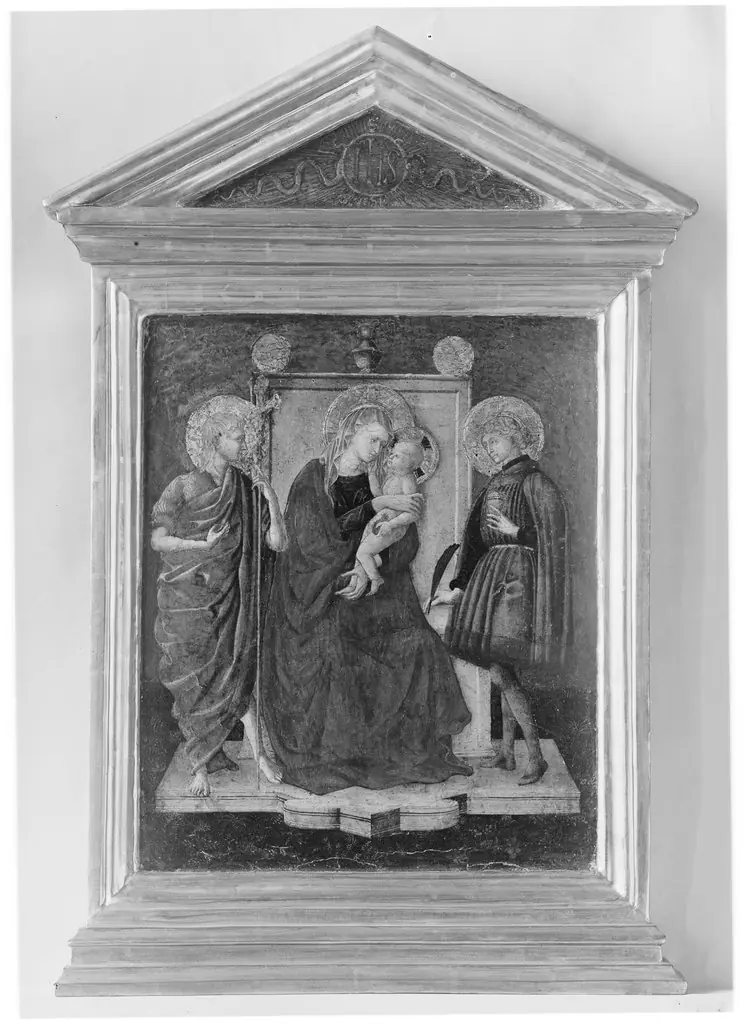 Madonna and Child Enthroned with Saint John the Baptist and Another Saint
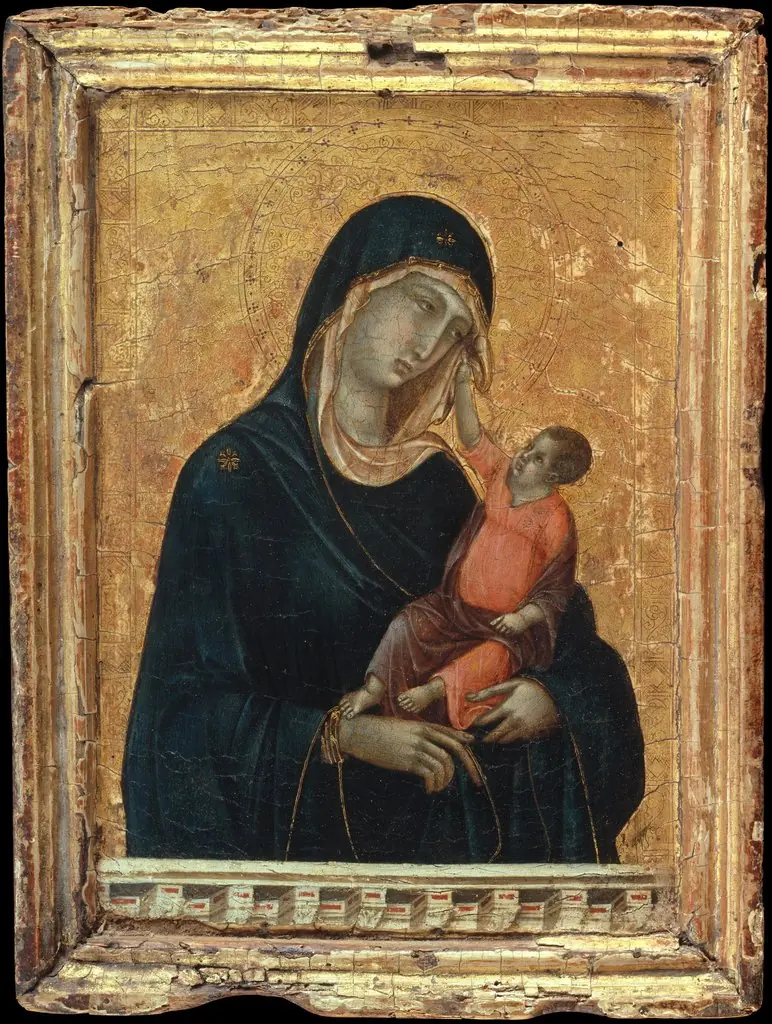 Madonna and Child
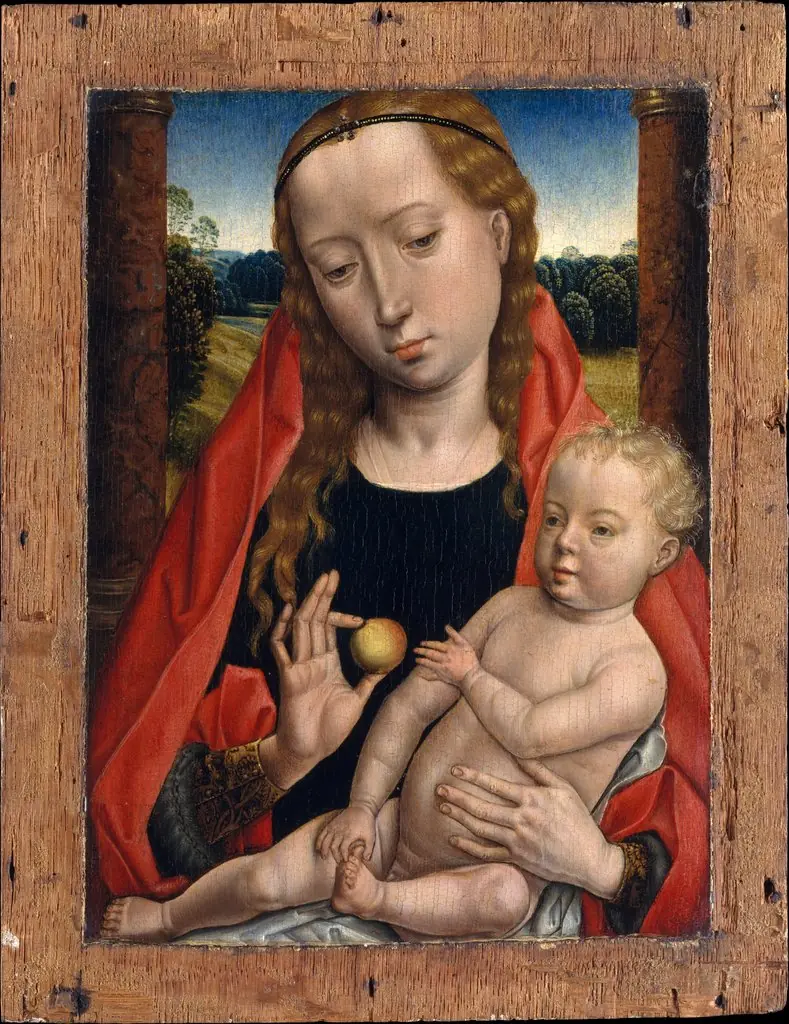 Virgin and Child
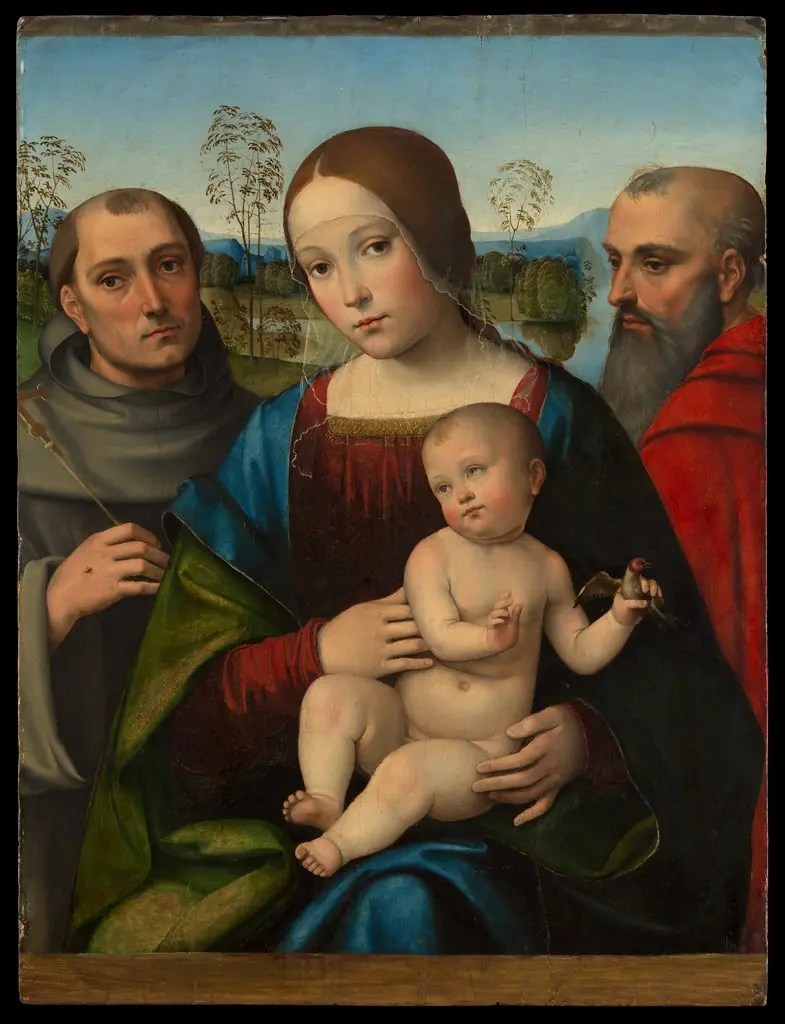 Madonna and Child with Saints Francis and Jerome
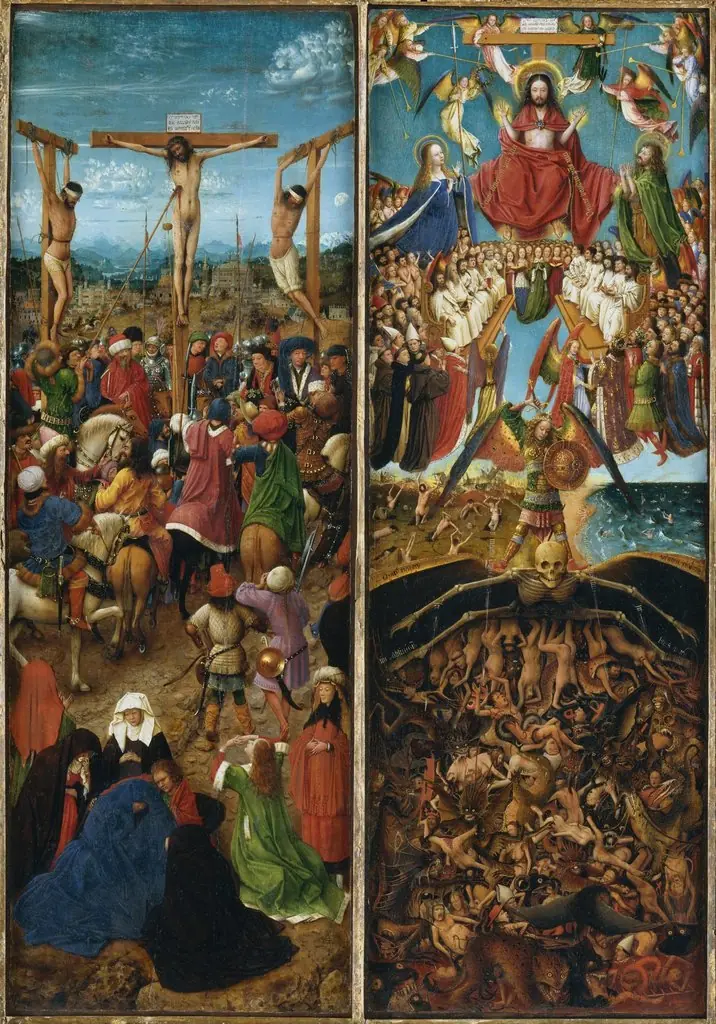 Crucifixion and Last Judgement diptych
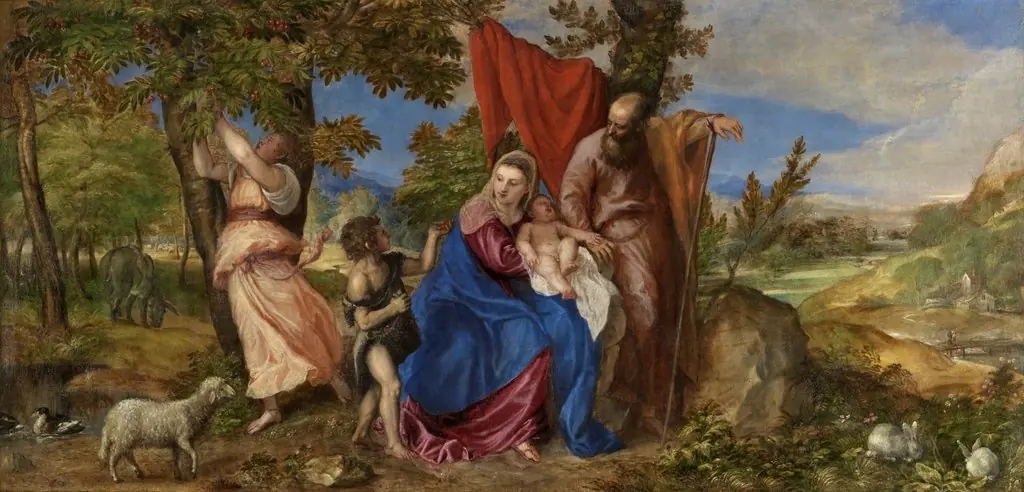 Rest on the Flight into Egypt
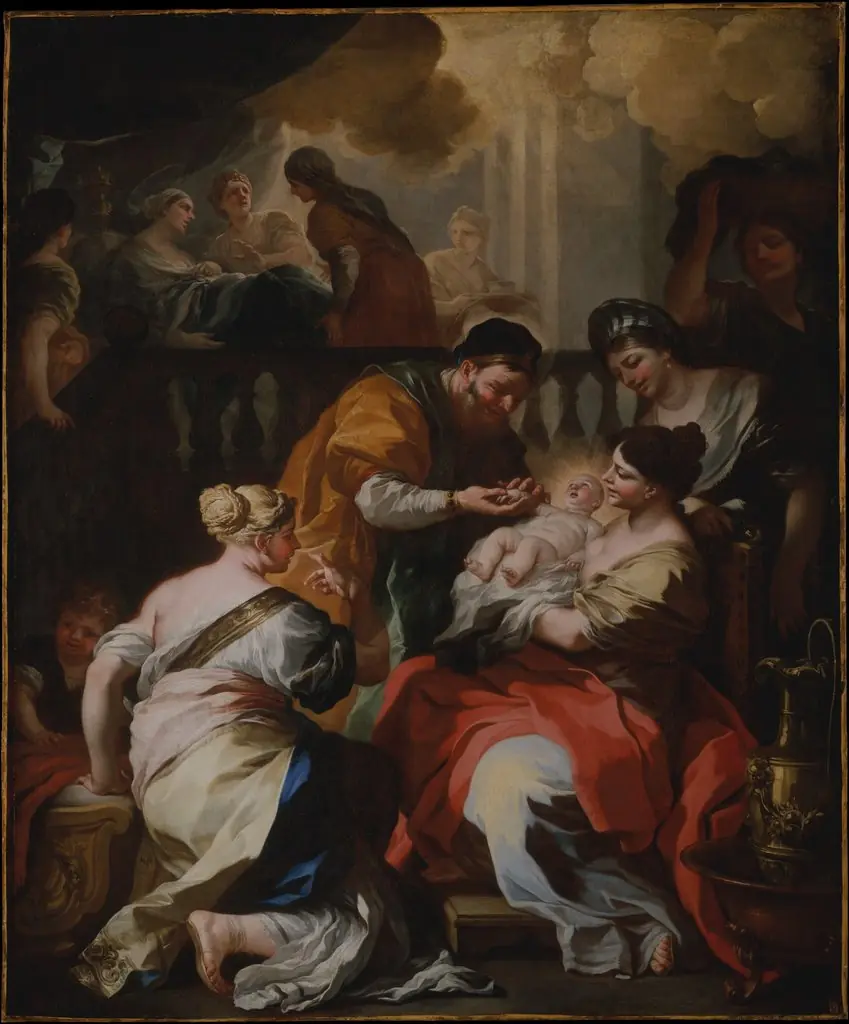 The Birth of the Virgin
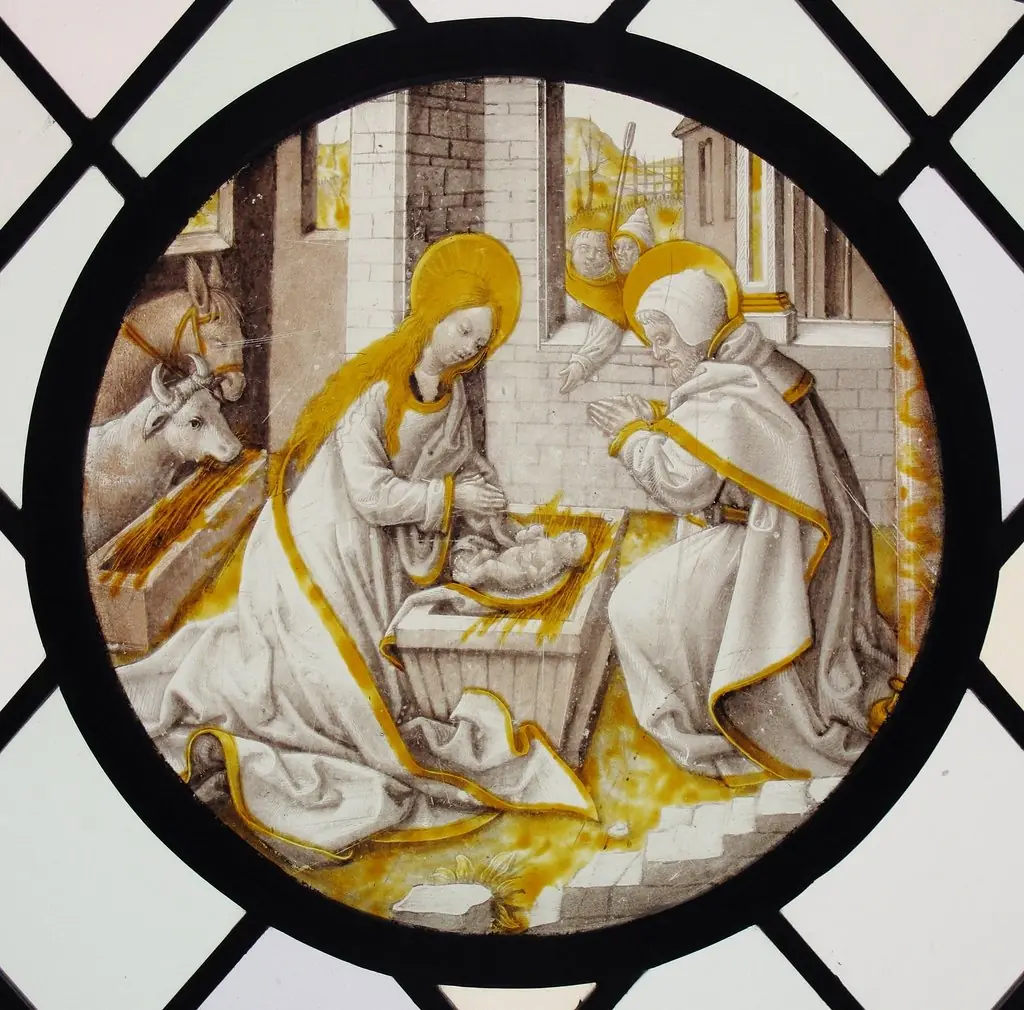 Roundel with the Nativity
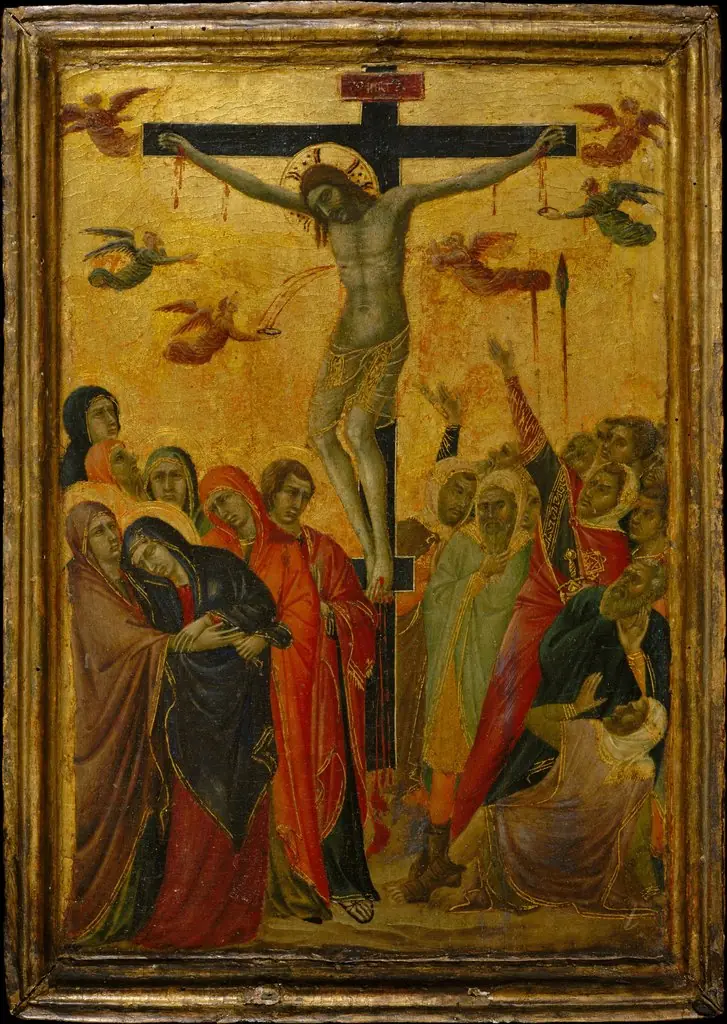 The Crucifixion
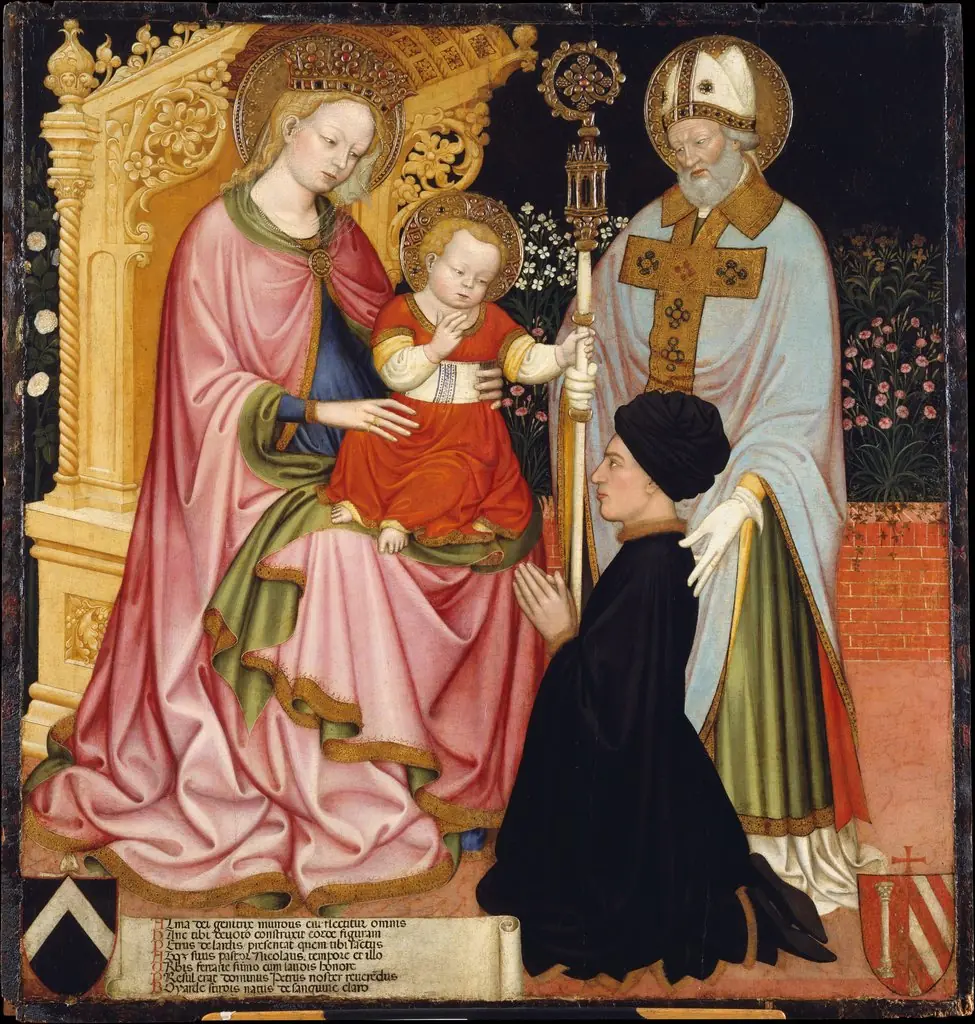 Madonna and Child with the Donor, Pietro de' Lardi, Presented by Saint Nicholas
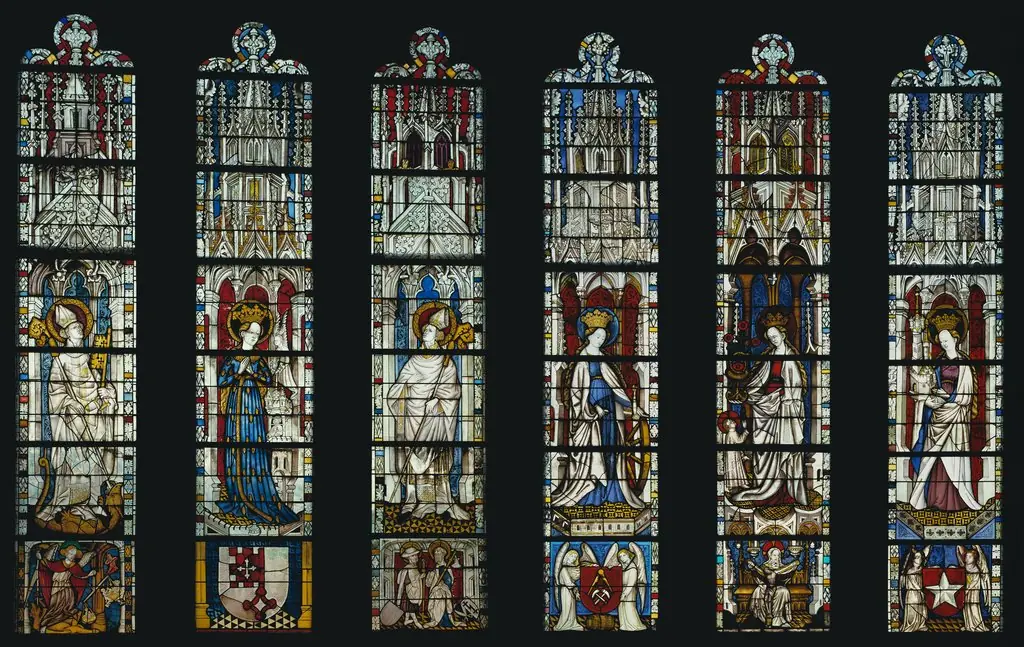 The Virgin Mary and Five Standing Saints above Predella Panels
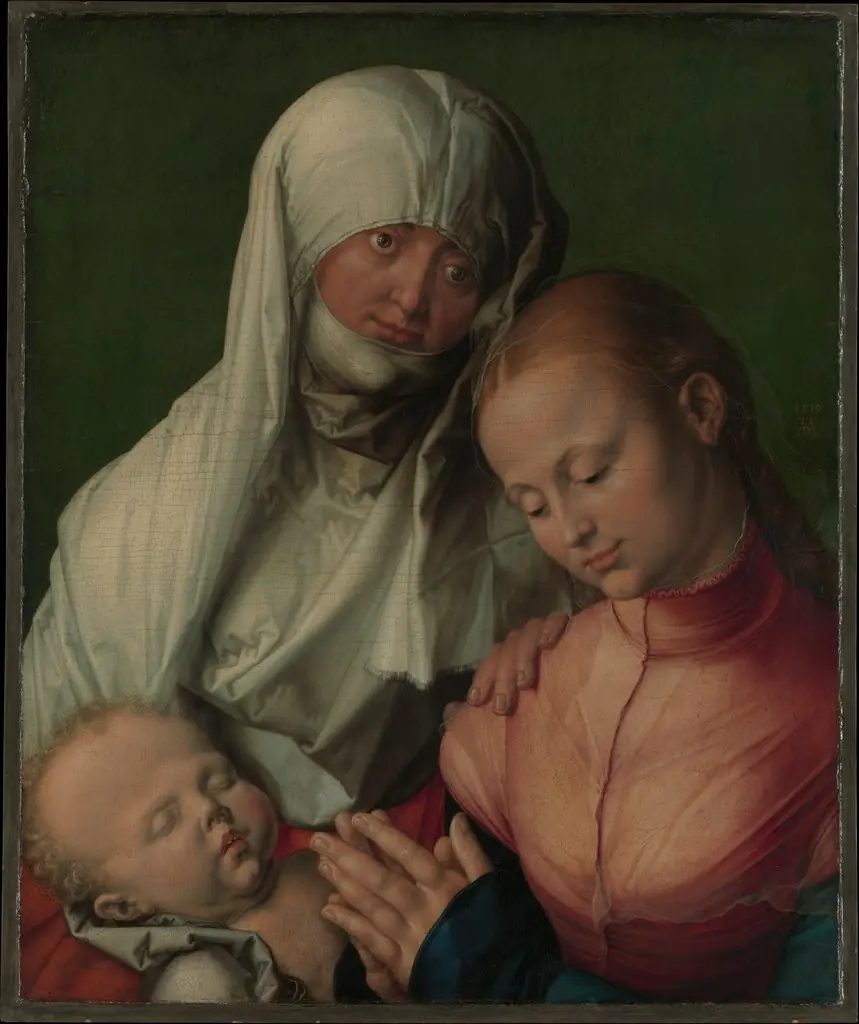 Virgin and Child with Saint Anne
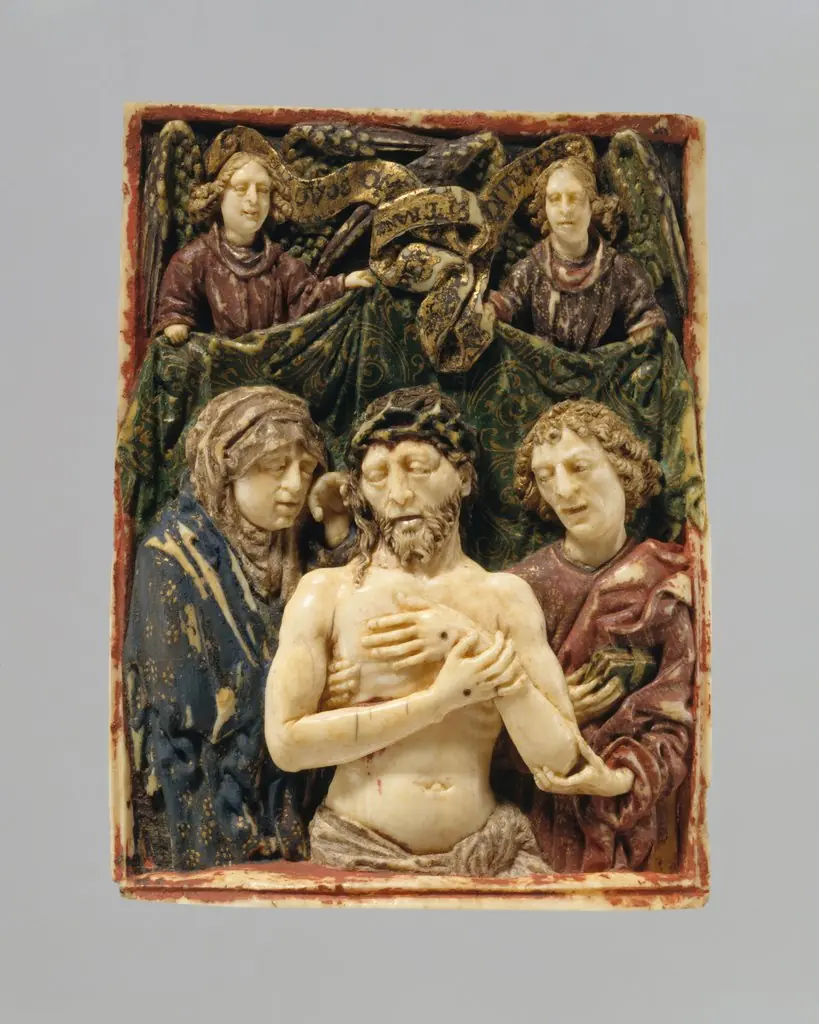 Man of Sorrows
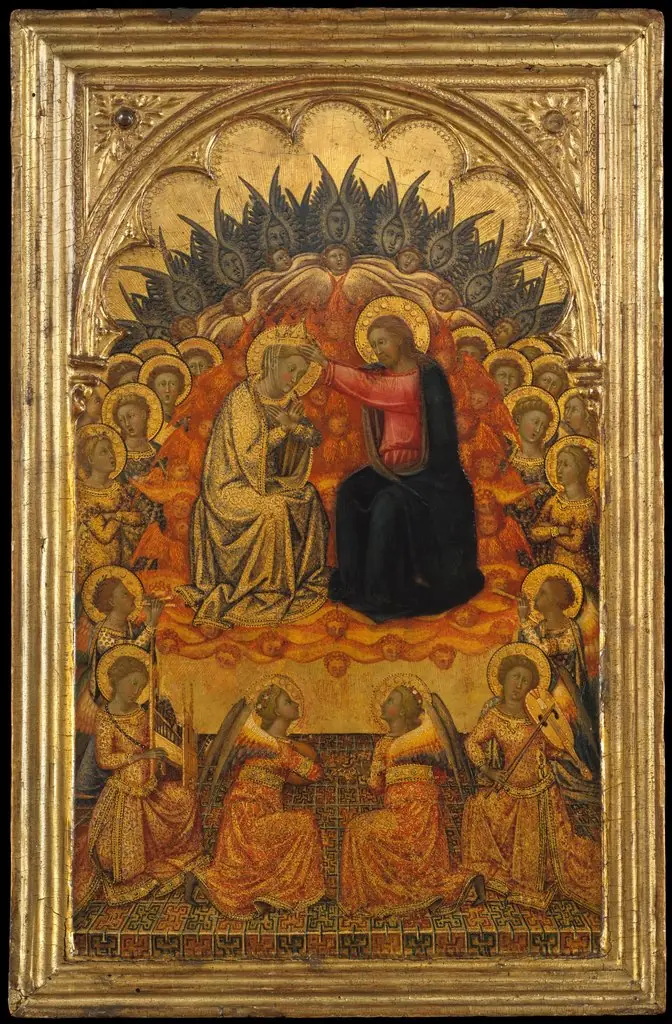 Engaged cassetta frame on a polyptych panel
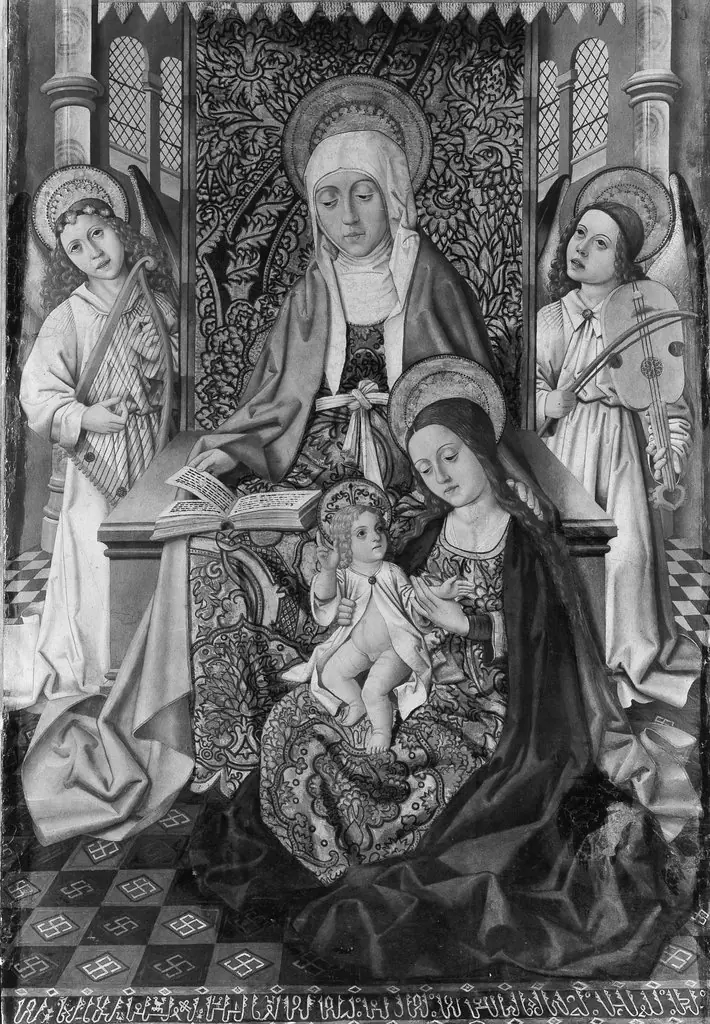 Saint Anne Enthroned with the Virgin and Child
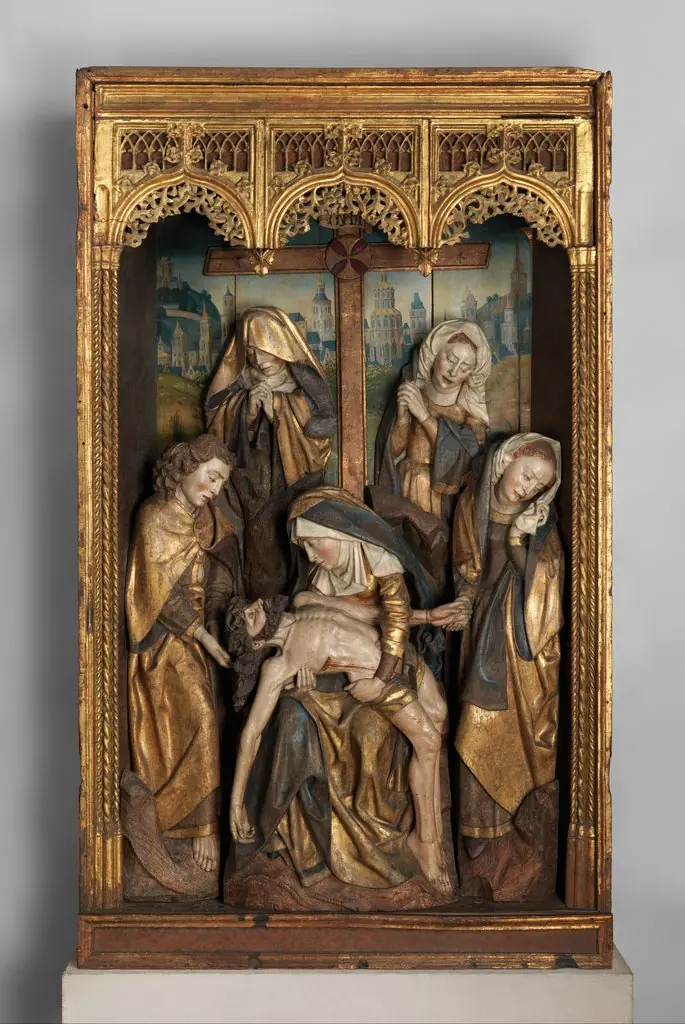 The Lamentation
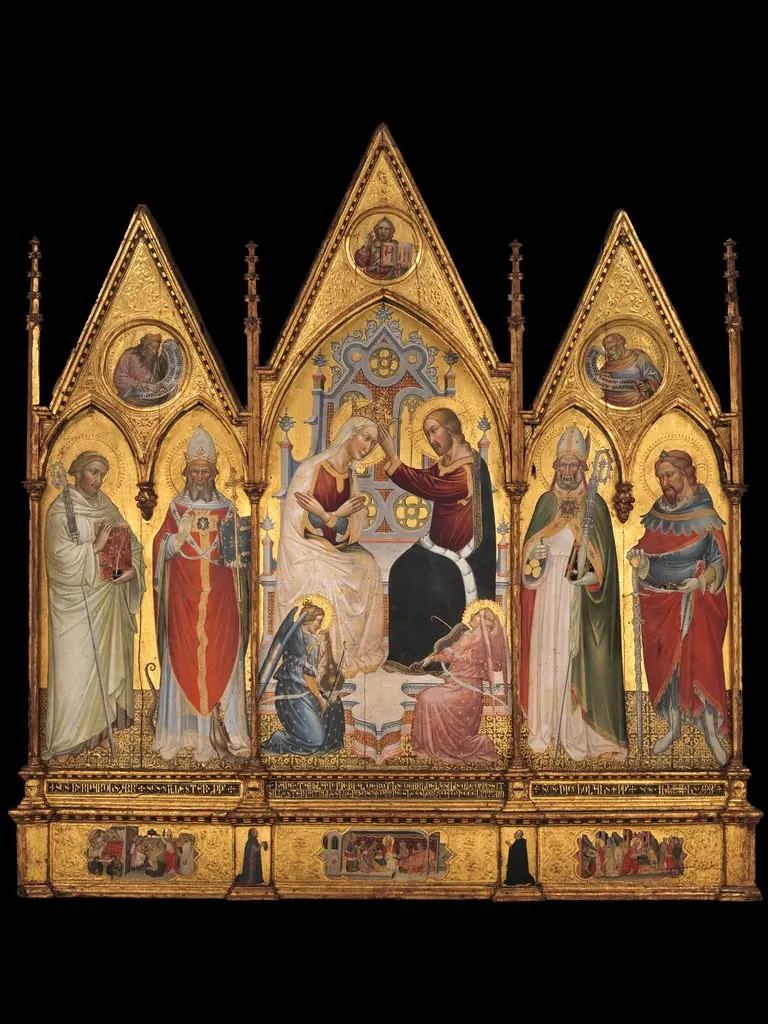 The Coronation of the Virgin, and Saints
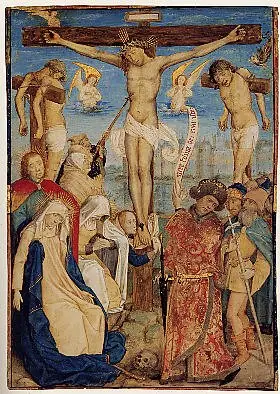 The Crucifixion
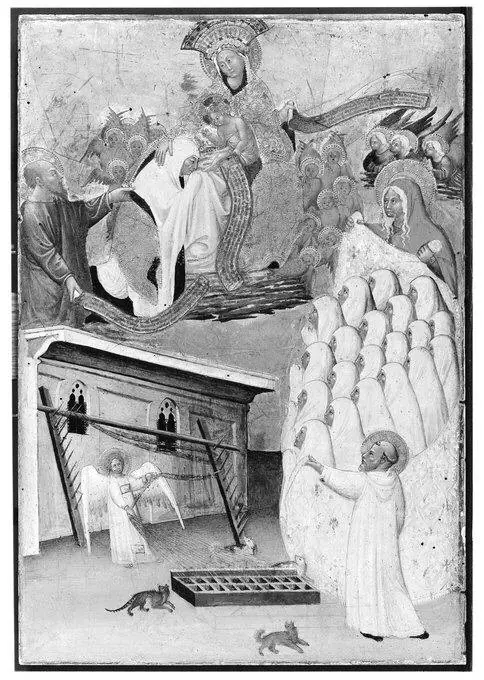 Santa Francesca Romana (1384–1440) Clothed by the Virgin
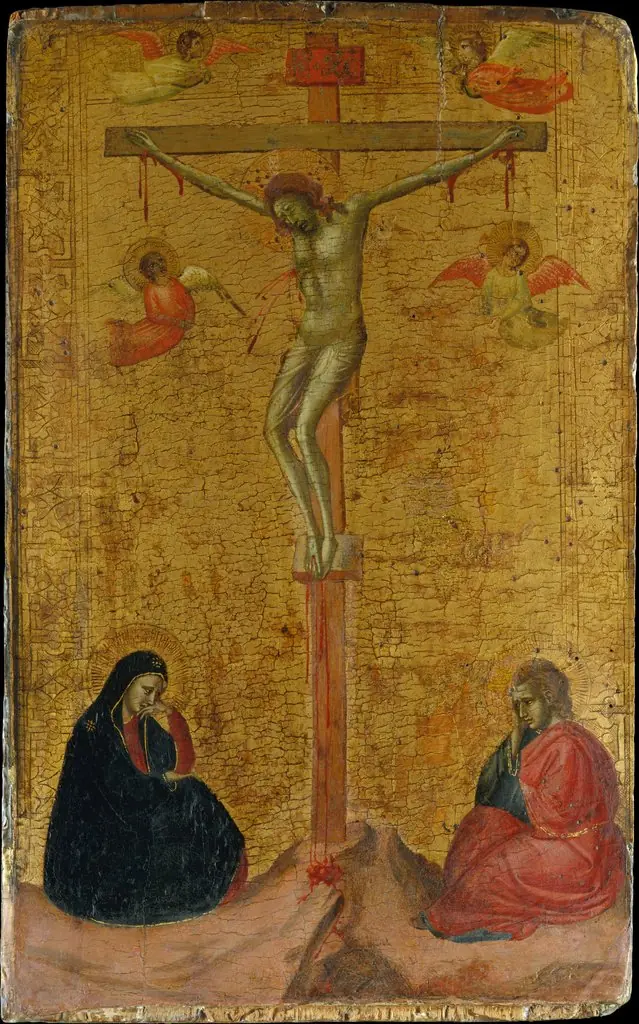 The Crucifixion
Frequently asked questions
What is Mary?
Mary (, MAIR-ee) is a feminine given name, the English form of the name Maria, which was in turn a Latin form of the Greek name Μαρία, María or Μαριάμ, Mariam, found in the Septuagint and New Testament.
How many Mary works does Artifact World Gallery have?
Artifact World Gallery holds 200 public-domain Mary works, all free to view and download.
Who are the key Mary artists?
Key Mary artists in the collection include Titian, Paolo Veronese and Lorenzo Lotto.
Where can I see Mary works?
Mary works in the collection are held by Metropolitan Museum of Art, Gemäldegalerie Berlin and Museo del Prado.