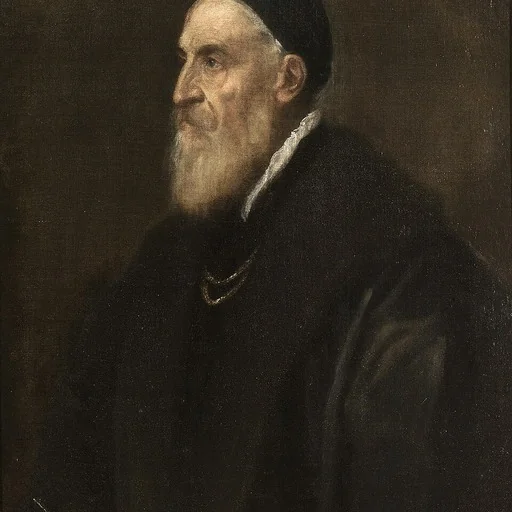
Subject
John the Baptist
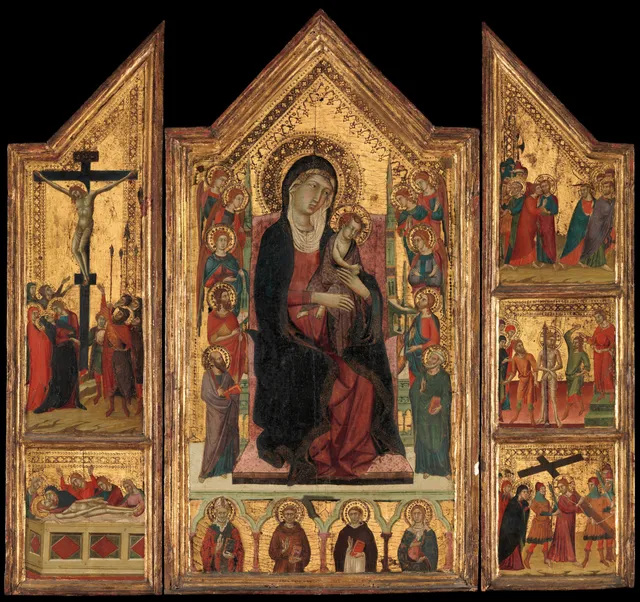
John the Baptist is a subject in art. The gallery holds 200 works in this subject in art, including works by Titian, Paolo Veronese and Raphael.
Few figures recur across Christian art as persistently as John the Baptist, the desert prophet who baptised Christ in the Jordan and hailed him as the "Lamb of God." He entered the visual tradition early: he appears in scenes as old as the second century, almost always tied to the Baptism of Christ, and by the fifth century artists were drawing on the Gospels, apocryphal texts, and legend to narrate his whole life. From the start his image was built around a fixed set of attributes—a rough garment of camel hair belted with leather, a slender reed cross-staff, a scroll reading "Ecce Agnus Dei," and the lamb that embodies his prophecy. The platter bearing his severed head, fruit of his denunciation of Herod and the dance of Salome, became an equally durable motif.
In the Latin West, John acquired a civic dimension few saints could match. As patron of Florence and titular of its Baptistery, he anchored one of the great monuments of the early Renaissance. Andrea Pisano cast the building's bronze south doors between 1330 and 1336, devoting twenty of their quatrefoil panels to John's life, from his desert retreat to his martyrdom; Lorenzo Ghiberti's later doors carried the same tradition forward. Donatello's gaunt, painted wood Baptist of 1438, still in the Frari in Venice, gave sculptural force to the emaciated ascetic.
Painting transformed that ascetic image. Leonardo da Vinci's Saint John the Baptist (c. 1513–1516, Louvre), thought to be his last work, replaced the haggard hermit with an androgynous, smiling youth emerging from shadow—an innovation that shaped Raphael's workshop. The Renaissance also invented the boy Baptist, the young companion of the Christ Child in countless devotional pictures, seen in Fra Bartolomeo's Madonna and Child with the Young Saint John the Baptist, Raphael's Alba Madonna, and El Greco's Holy Family with Saint Anne and the Infant John the Baptist.
The Baroque sharpened the drama. Caravaggio painted the Baptist at least eight times, stripping away halo and lamb for raw psychological presence and staging his death in the vast Beheading of Saint John the Baptist (1608) in Malta and in his brooding Salomes. El Greco's elongated Saint John (1597–1607) shows the theme bending toward Mannerist spirituality. The same iconography migrated into stained glass, as in the pendant panel held in the Museum Schnütgen, Cologne (M 520).
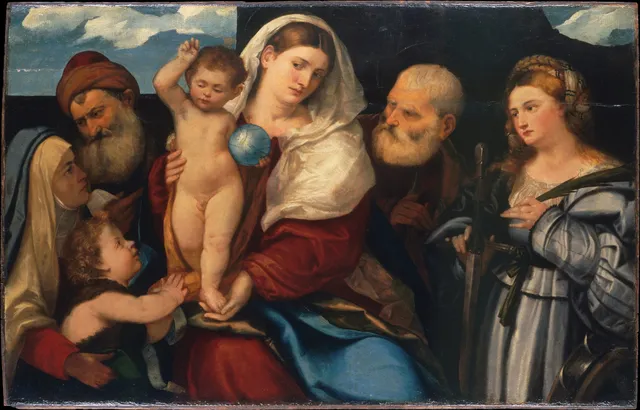
Key artists
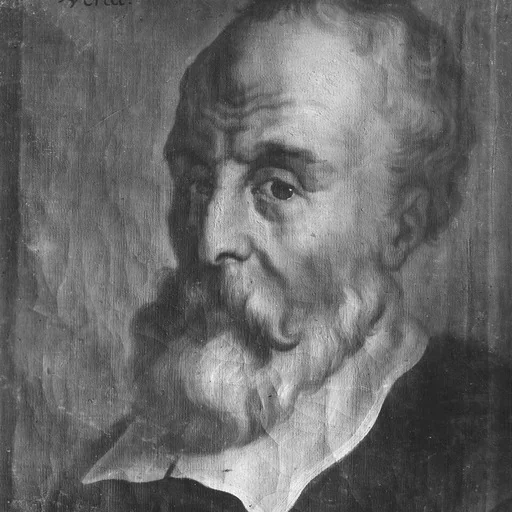
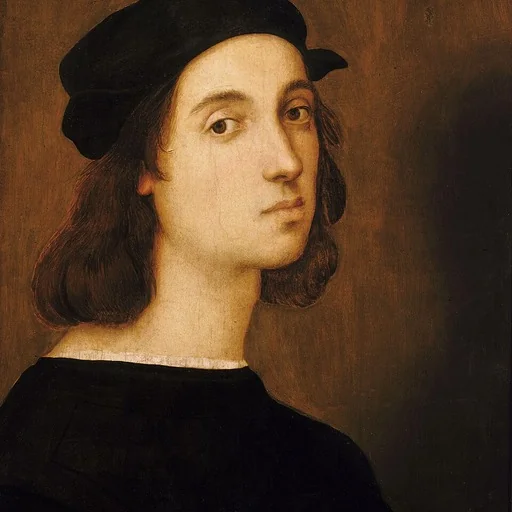
Overview
John the Baptist is a major religious figure revered in Christianity, Islam, the Baháʼí Faith, the Druze faith, and Mandaeism, the last of which considers him its greatest and final prophet. Born circa 6 BC in the Herodian Kingdom of Judea and dying circa AD 30 by decapitation at Machaerus on the orders of Herod Antipas, he was a Jewish preacher active near the Jordan River. According to the New Testament, he served as the precursor or forerunner of Jesus, baptizing him and proclaiming him the Messiah. In Christian theology, he bridges the Old and New Testaments, functioning as the last prophet of the Old Covenant and the first herald of the New. His distinct theological position, ascetic life in the wilderness, and martyrdom made him an irresistible subject for artists, and Western art has dedicated more space and time to him over the centuries than to any other saint.
Iconography & meaning
The iconography of John the Baptist centers on his role as the baptizer and herald of Christ, with attributes that have remained largely unchanged over the centuries. He is identifiable by his camel-skin robe, a reed cross, a lamb, and a scroll inscribed with the phrase Ecce Agnus Dei. He is also frequently shown pouring water from a scallop shell or his hands, or bearing a platter with his own severed head. In Byzantine and Eastern Orthodox art, he commonly accompanies Jesus and the Holy Virgin Mary in the Deesis composition, a motif that eventually made its way into every Eastern Orthodox church. Hagiographic sources from early Christianity onward expanded his narrative, leading to varied symbolic depictions ranging from the Baptist as an angel to the impressive platters featuring his decapitated head, known as Joahannessschussel. His pointing finger, directing attention toward Christ, visually encapsulates his theological purpose as the voice crying in the wilderness.
In the collection
The subject of John the Baptist appears in 539 works within the referenced collection, demonstrating his pervasive presence in Western art. These works span various formats and narrative moments, including the Madonna and Child with the Young Saint John the Baptist, The Alba Madonna, The Holy Family with Saint Anne and the Infant John the Baptist, and The Birth and Naming of Saint John the Baptist. Other compositions feature him alongside other saints, as seen in Madonna and Child with Saint Jerome and Saint John the Baptist, or focus on his martyrdom, such as Salome with the Head of Saint John the Baptist. A specific example from the broader corpus is a stained glass painting with a pendant, created around 1400 in Cologne, measuring 74 by 42 centimeters, and currently held in the Museum Schnütgen.
Across movements & periods
The treatment of John the Baptist evolved significantly across art movements and periods. One of the earliest scenes in Early Christian art was the Baptism of Christ, and by the 5th century, his tall, gaunt, and bearded appearance was established. In western art, he frequently appeared on altarpieces commissioned for churches honoring him. From the 15th century onward, imagery increasingly focused on him as a young boy, dressed in camel hair and displaying a slenderness attributed to his desert asceticism. Florentine art writers referred to this subject as San Giovannino, denoting a youth under ten, which became a popular form for artists like Donatello, Desiderio, Michelangelo, and Filippo Lippi. During the Counter-Reformation, Baroque artists utilized dramatic chiaroscuro and intense realism to depict his martyrdom, shifting focus to the psychological gravity of his execution and the somber presentation of his severed head.
Notable depictions
Leonardo da Vinci painted one of the most debated and unconventional depictions, Saint John the Baptist, circa 1513 to 1516, as an oil on walnut wood. Now in the Musée du Louvre, it shows a youthful, enigmatically smiling figure emerging from absolute darkness with a pointing finger and a thin reed cross, stripped of traditional wilderness elements. Caravaggio painted the subject at least eight times, often depicting him as a partly clothed youth in the wilderness, as seen in his c. 1598 John in the Wilderness, which features the saint among grape leaves and thorns holding a reed cross. Caravaggio also painted Youth with a Ram in 1602, substituting the traditional lamb with a ram, a symbol of lust and sacrifice, and created narrative scenes of his death, including The Beheading of Saint John the Baptist in Malta and two Salome paintings in London and Madrid. Earlier, Duccio di Buoninsegna included John the Baptist in his Madonna and Child with Saints Polyptych between 1311 and 1318, a tempera and gold on wood work now in Siena's Pinacoteca Nazionale. In Northern Renaissance art, Geertgen tot Sint Jans painted a poetic, small panel of Saint John the Baptist in the Wilderness around 1485 to 1490, emphasizing meditative solitude, while Hieronymus Bosch painted a more unsettling version around 1489 featuring a fantastical plant.
Legacy
John the Baptist's legacy extends deeply into civic and cultural life, particularly in Florence, where he serves as the city's patron saint. His role as guardian was established from the city's beginnings, carrying both religious and political weight. His feast day on June 24 was celebrated with massive festivities, including processions, a candle-lit ceremony in the Baptistery, and palio races, a tradition well documented by the 14th-century chronicler Goro Dati. The artistic legacy of his imagery also fostered a rich theological afterlife. Theologians like Peter Damian described him as a recapitulation of all holiness, assigning him seven titles, including patriarch, prophet, angel, apostle, evangelist, virgin, and martyr, to emphasize his unique position at the threshold of the New Covenant. In the Roman martyrology, he remains the only saint whose birth and death are both commemorated, underscoring his enduring significance across religious and cultural history.
Works
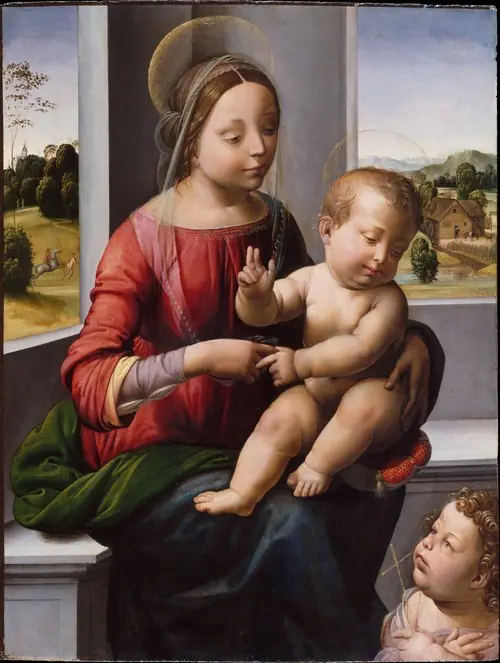 Madonna and Child with the Young Saint John the Baptist
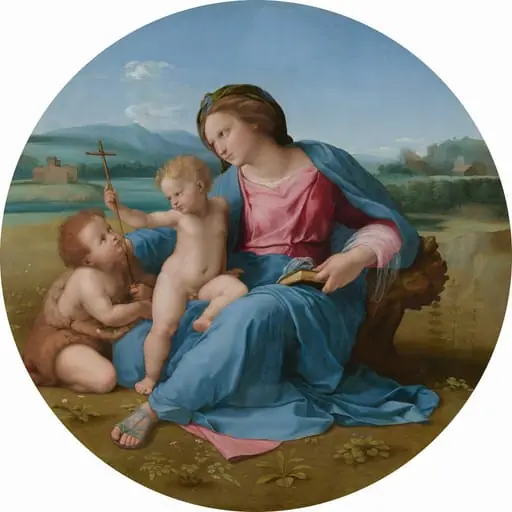 The Alba Madonna
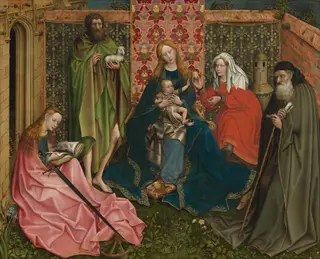 Madonna and Child with Saints in the Enclosed Garden
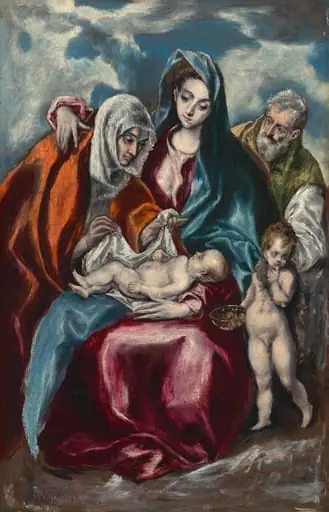 The Holy Family with Saint Anne and the Infant John the Baptist
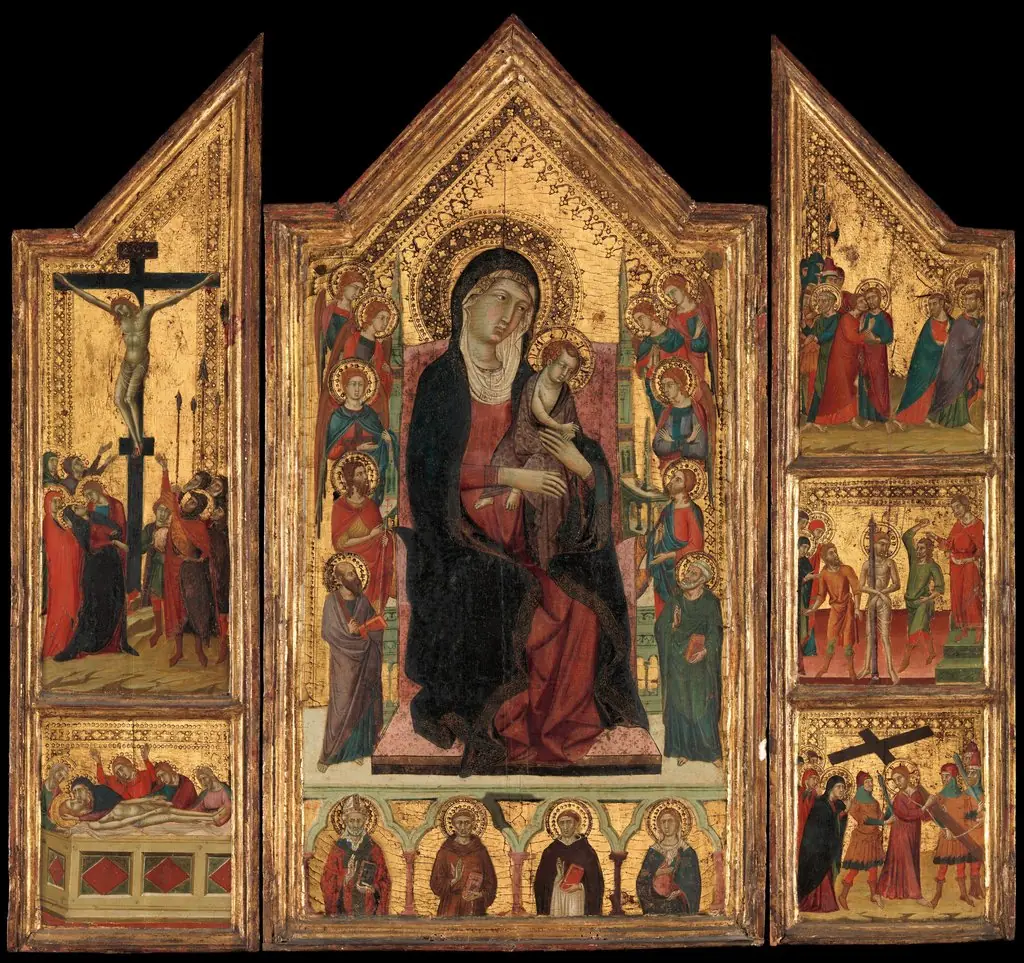 Madonna and Child Enthroned
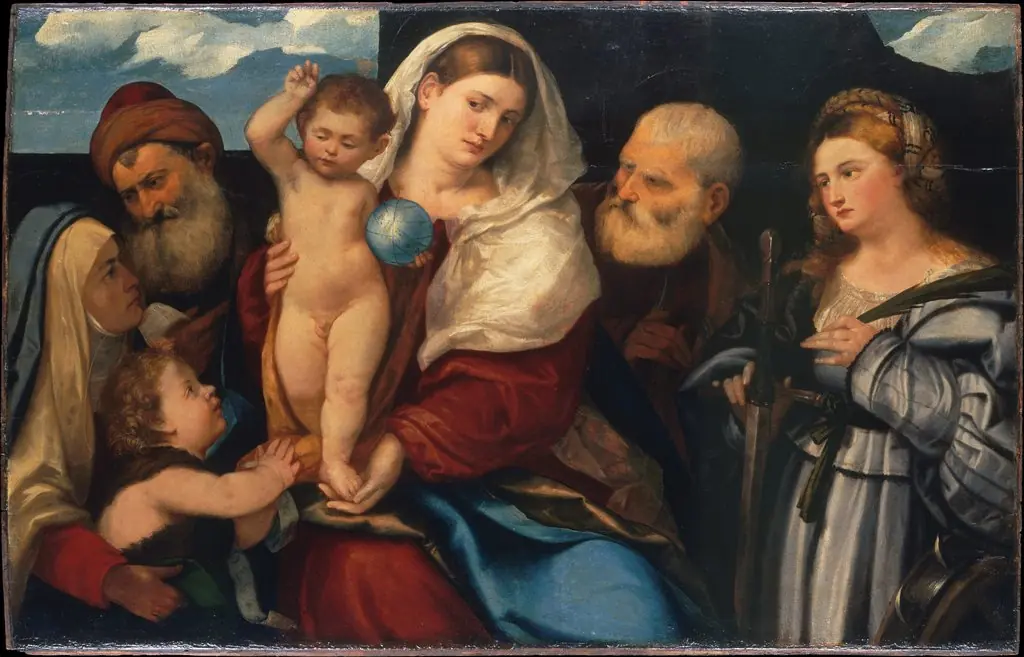 Madonna and Child with Saints
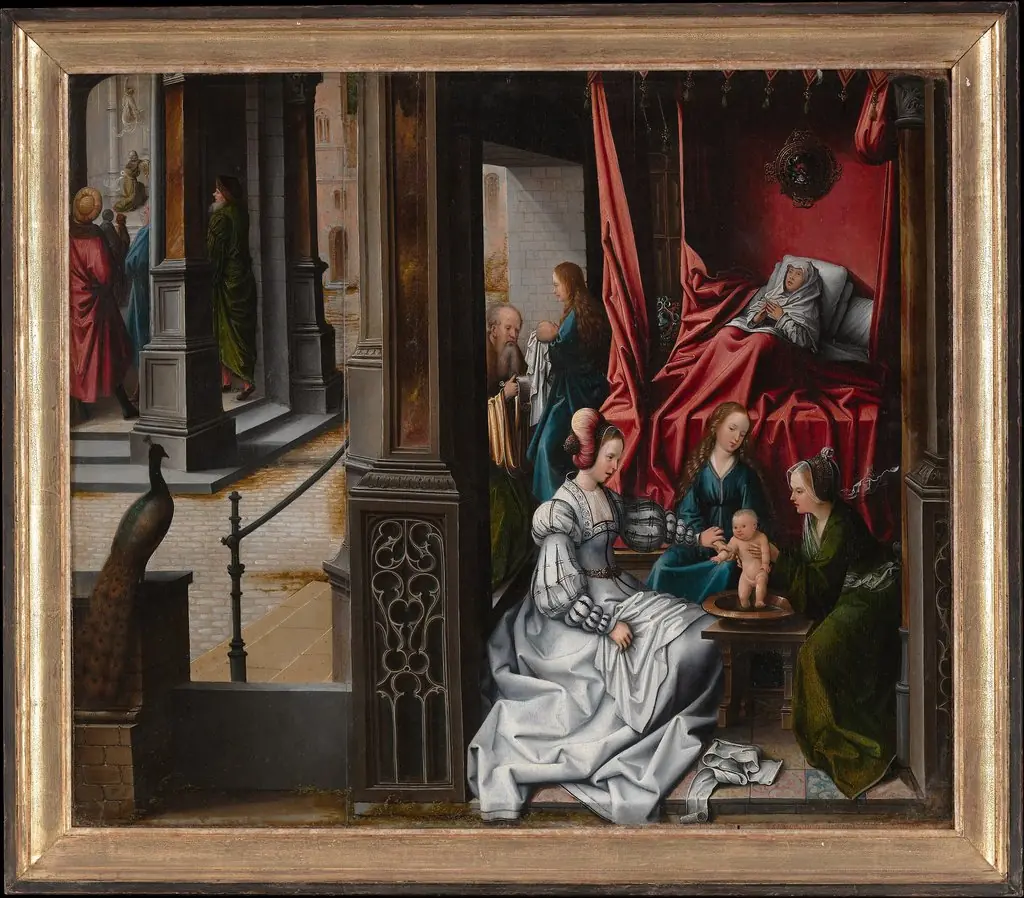 The Birth and Naming of Saint John the Baptist; (reverse) Trompe-l'oeil with Painting of The Man of Sorrows
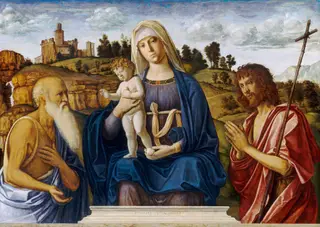 Madonna and Child with Saint Jerome and Saint John the Baptist
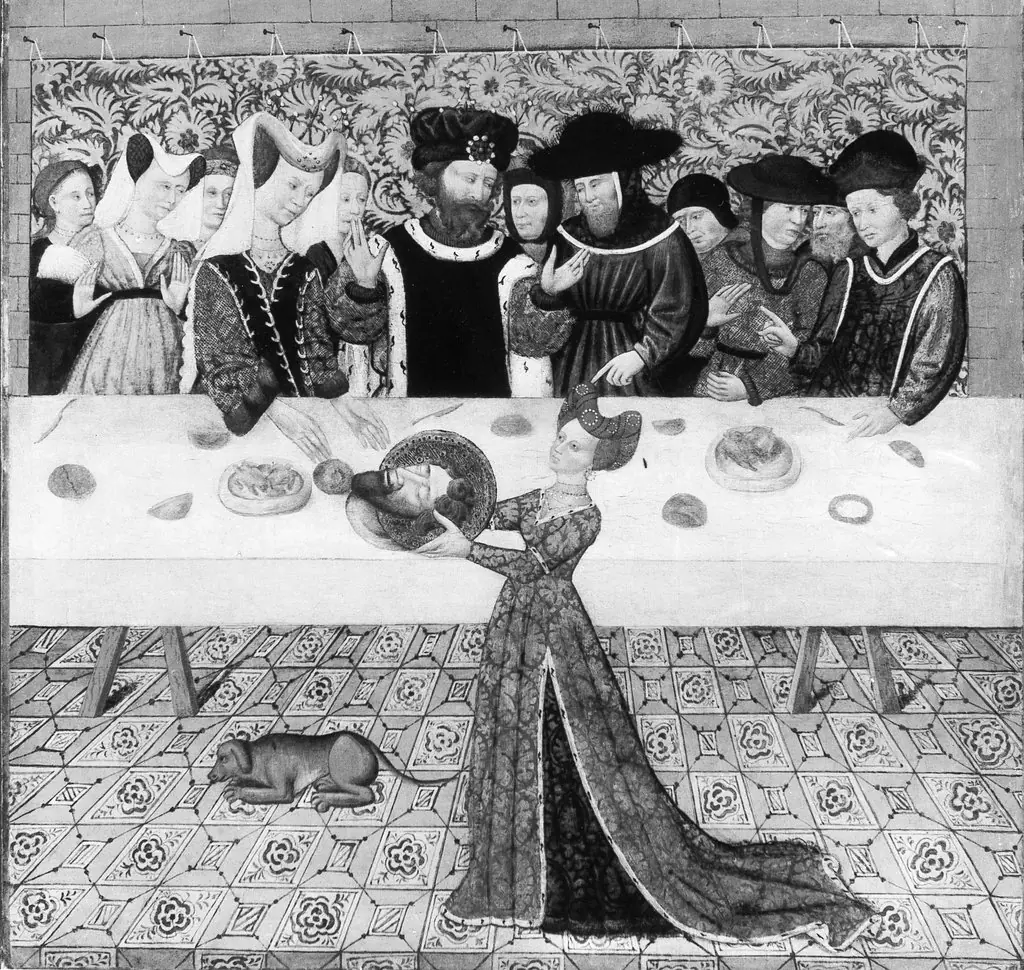 Salome with the Head of Saint John the Baptist
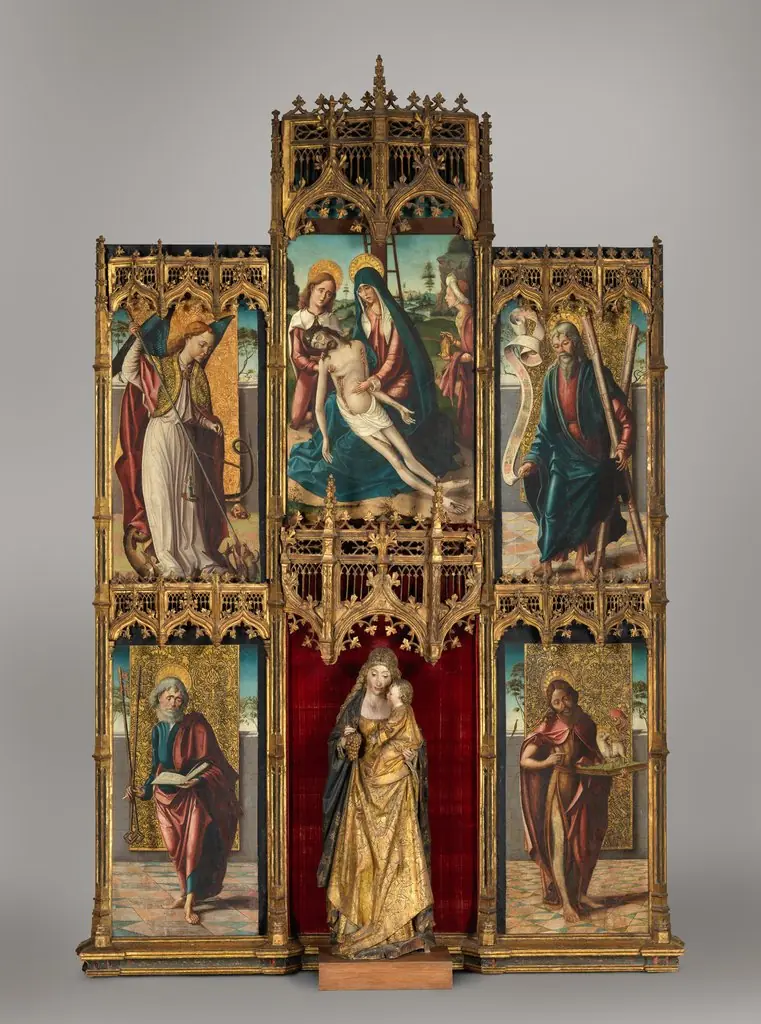 Virgin and Child with the Pietà and Saints
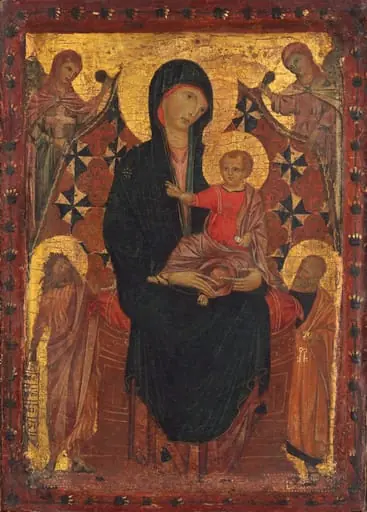 Madonna and Child with Saint John the Baptist, Saint Peter, and Two Angels
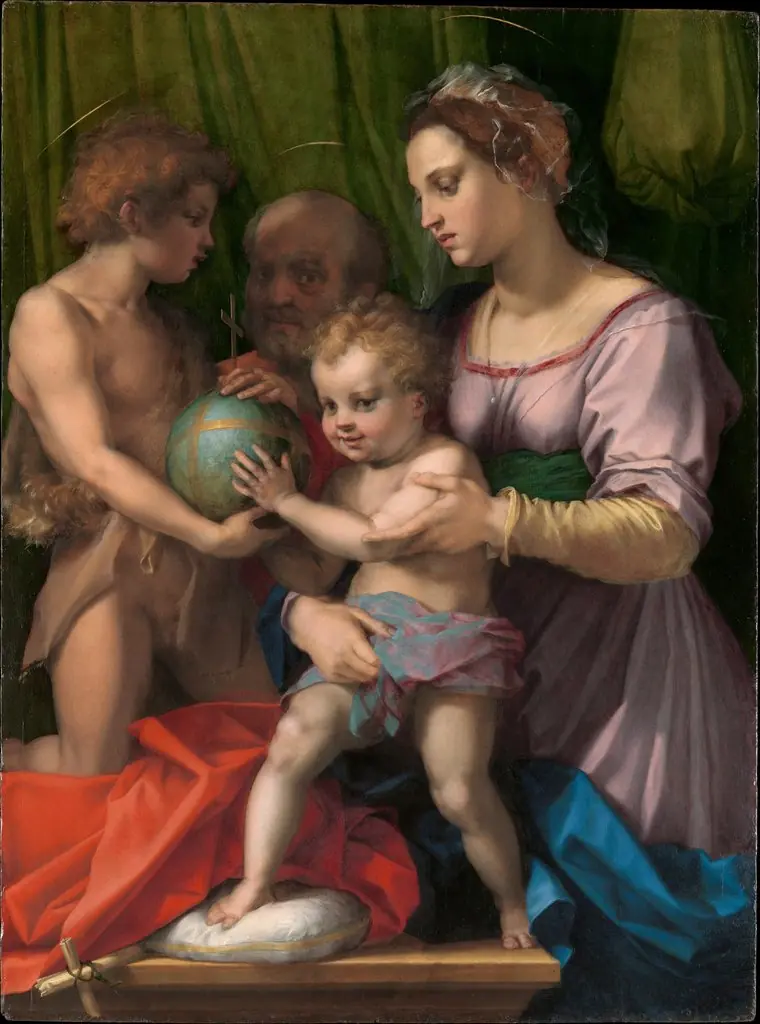 The Holy Family with the Young Saint John the Baptist
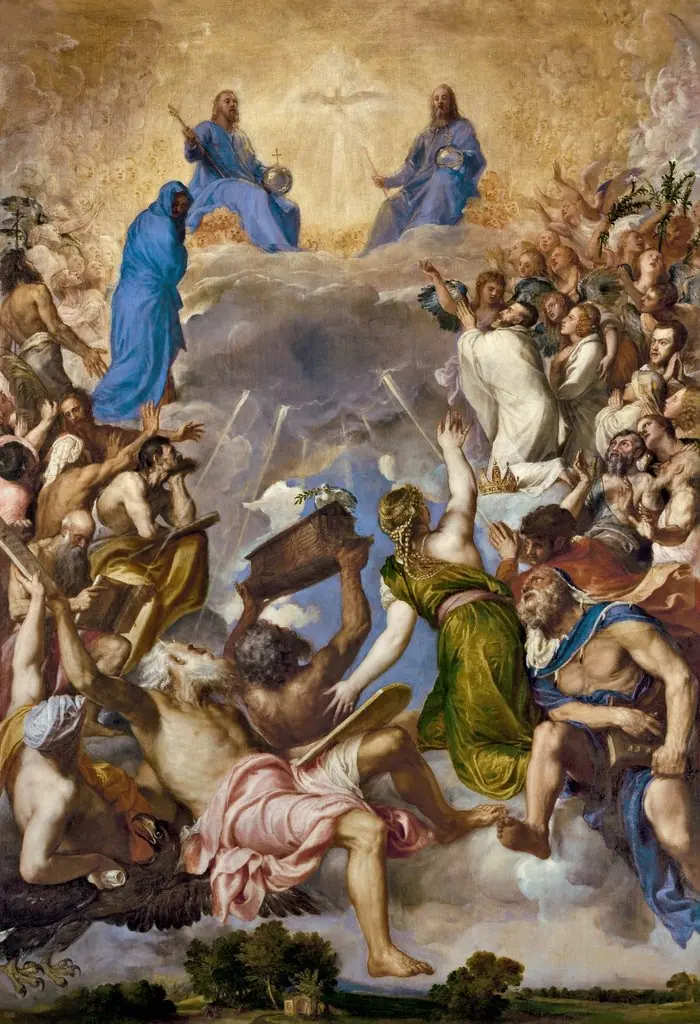 La Gloria
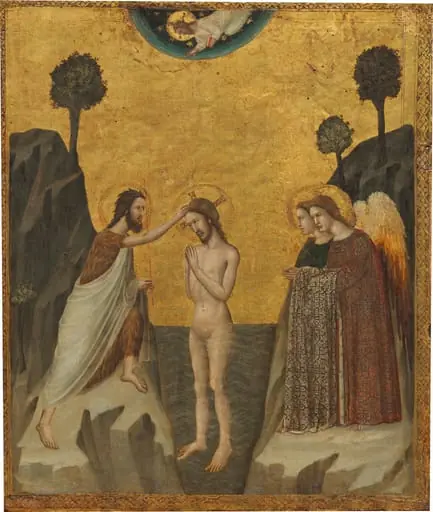 The Baptism of Christ
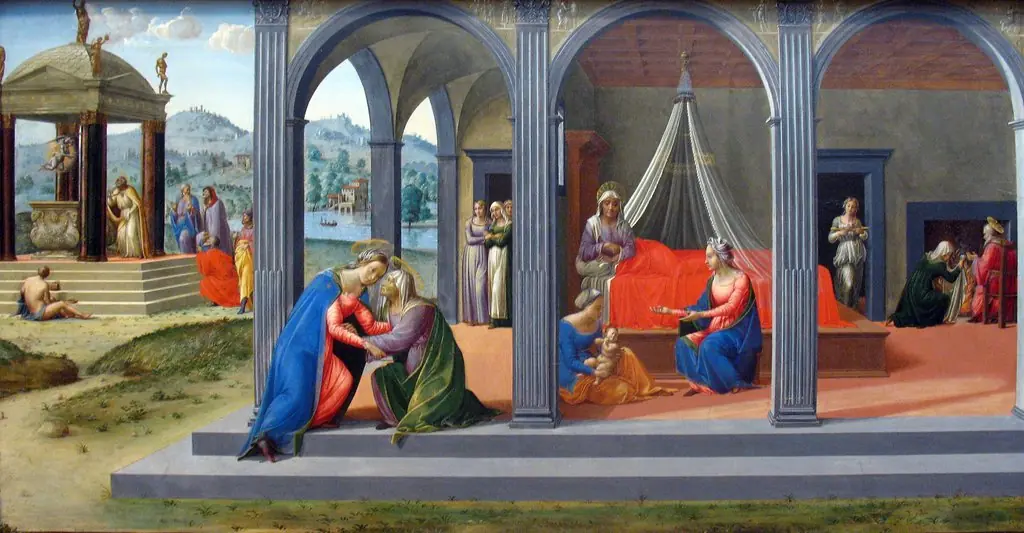 Scenes from the Life of Saint John the Baptist
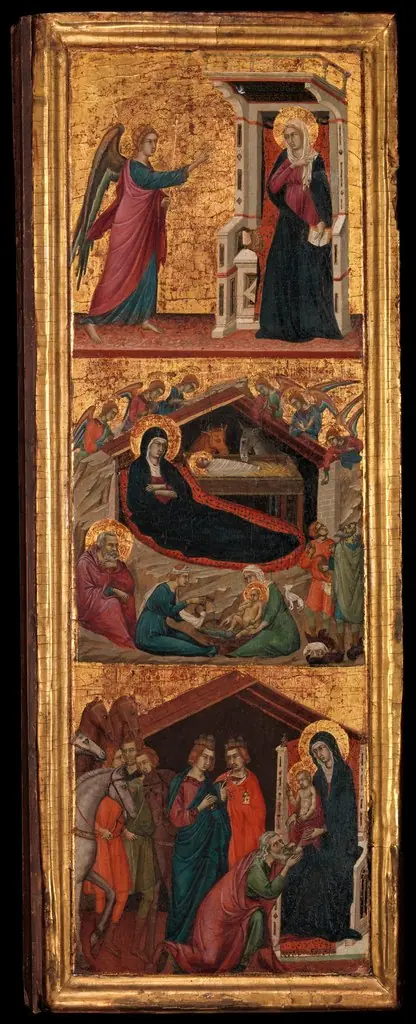 Saints and Scenes from the Life of the Virgin
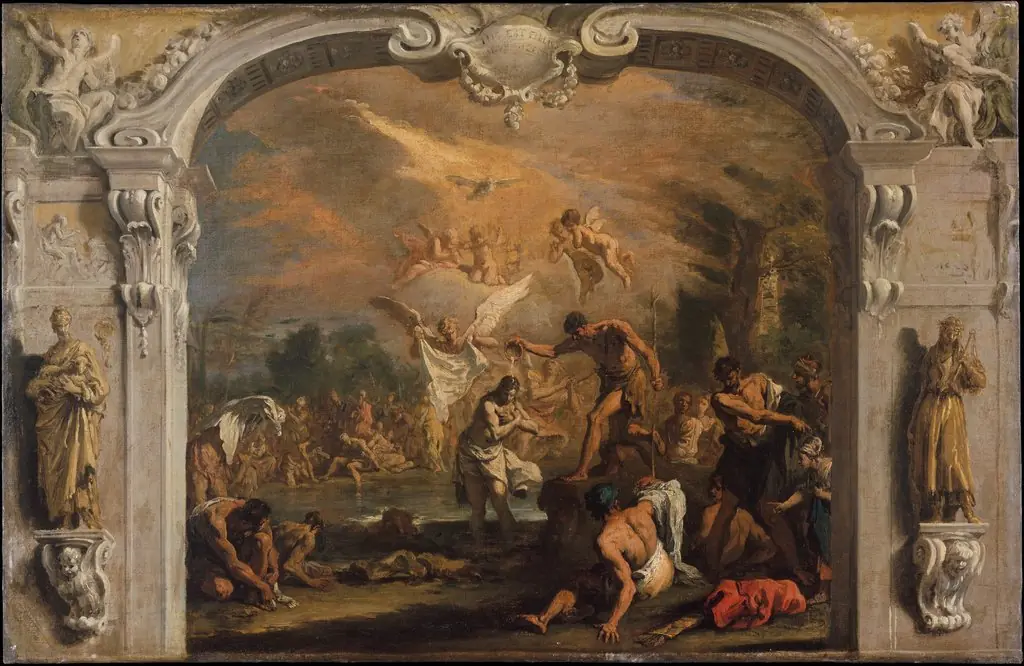 The Baptism of Christ
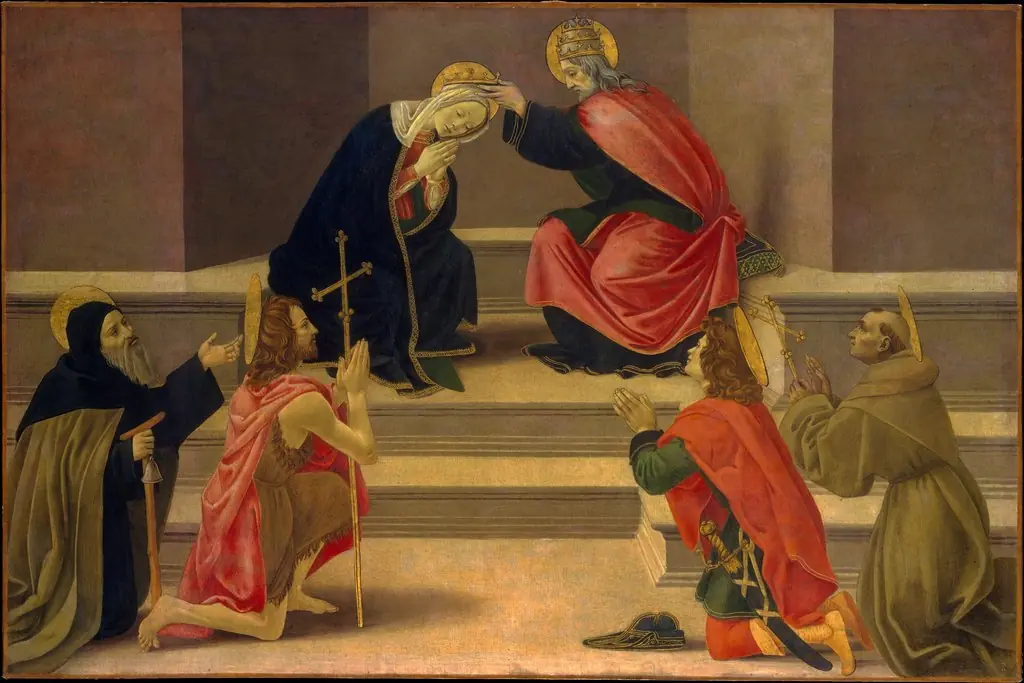 The Coronation of the Virgin
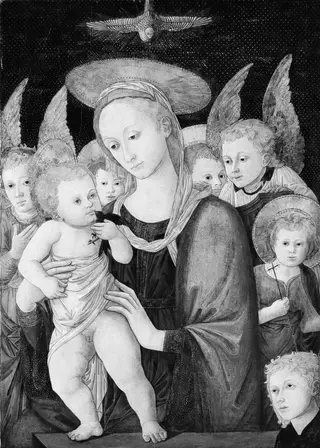 Madonna and Child with the Infant Saint John the Baptist and Angels
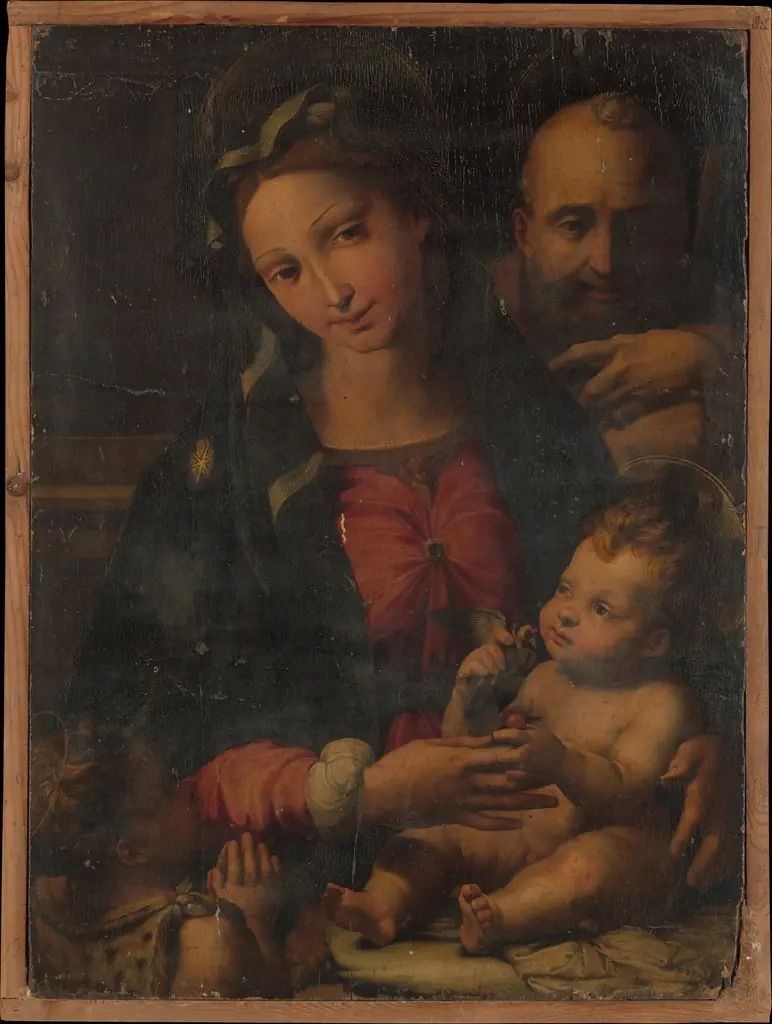 The Holy Family with the Infant Saint John the Baptist
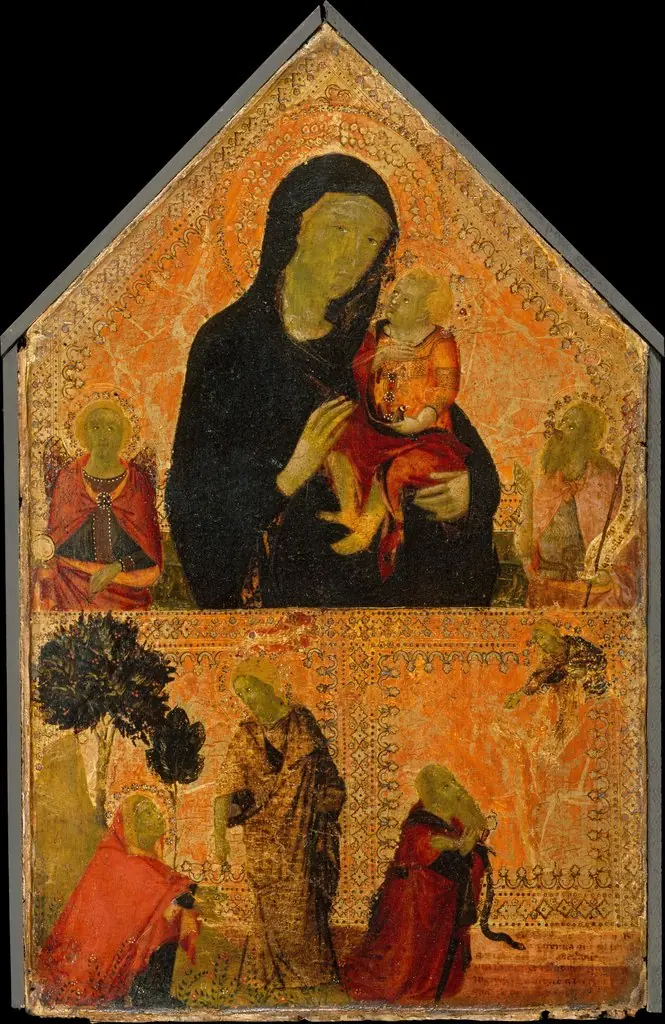 Madonna and Child with Saints Michael and John the Baptist; The Noli Me Tangere; The Conversion of Saint Paul
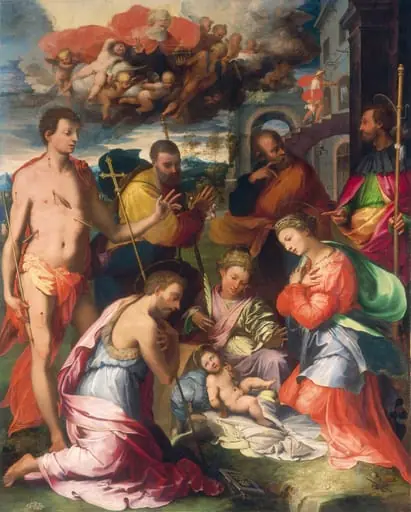 The Nativity
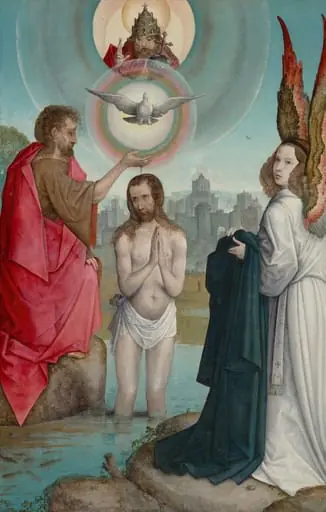 The Baptism of Christ
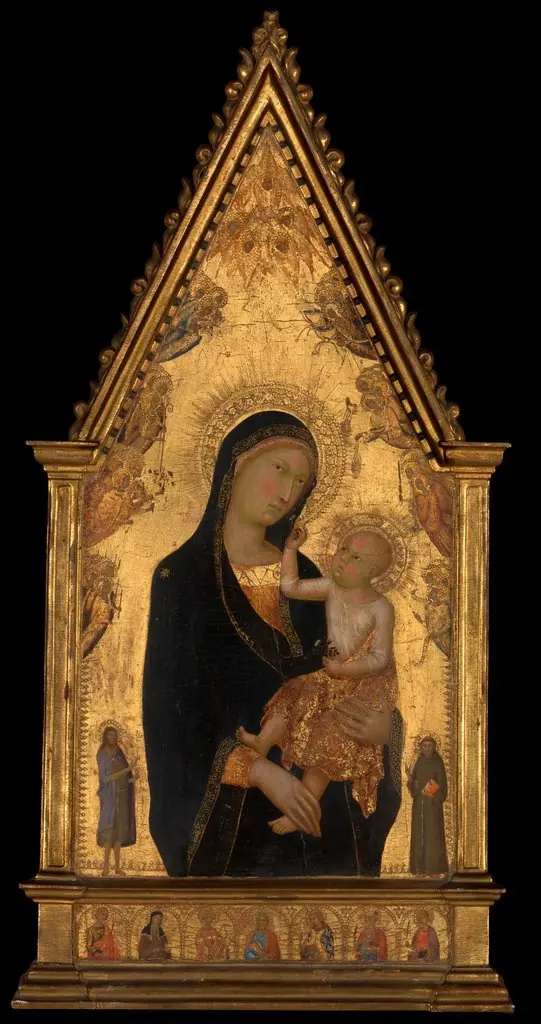 Madonna and Child with Saints and Angels
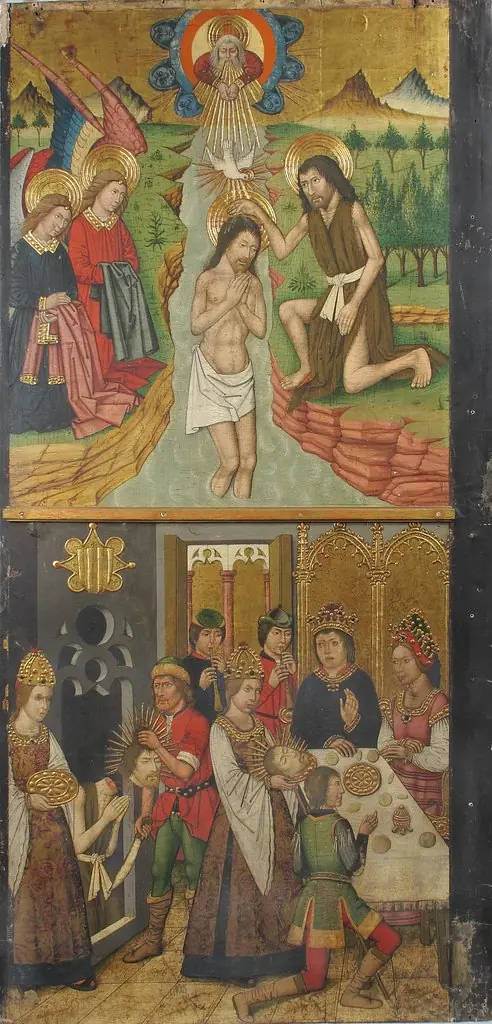 Panel from Saint John Retable
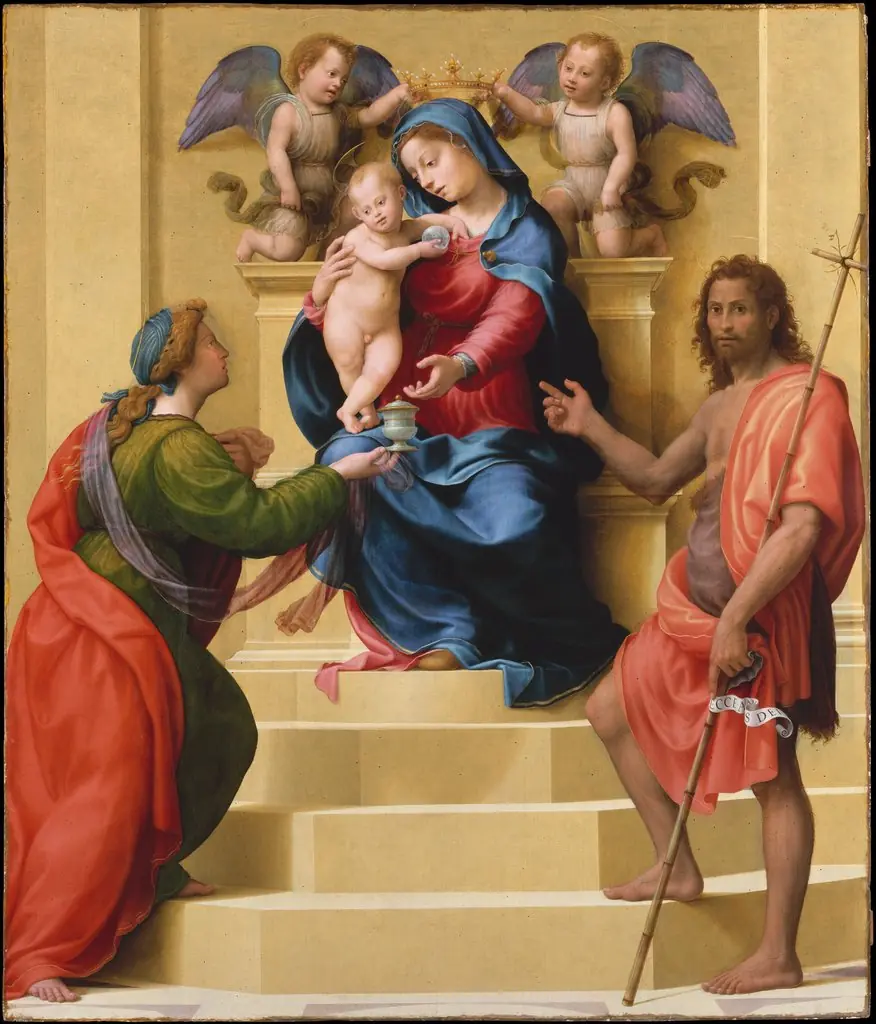 Madonna and Child Enthroned with Saints Mary Magdalen and John the Baptist
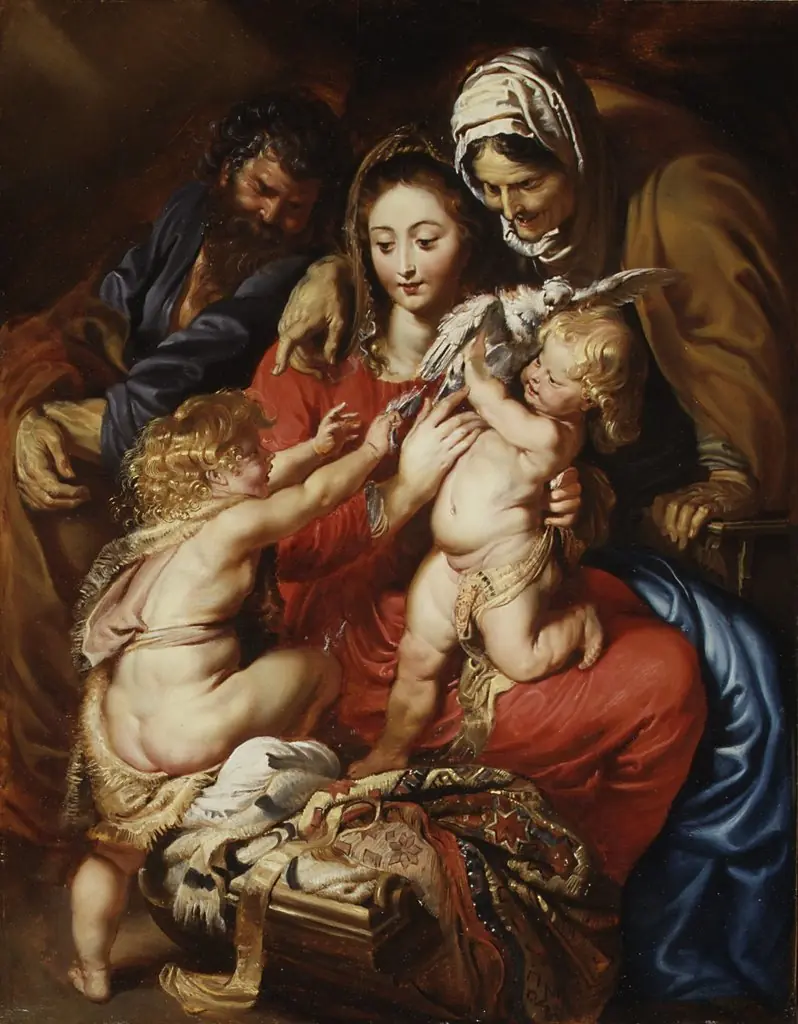 The Holy Family with Saint Elizabeth, Saint John, and a Dove
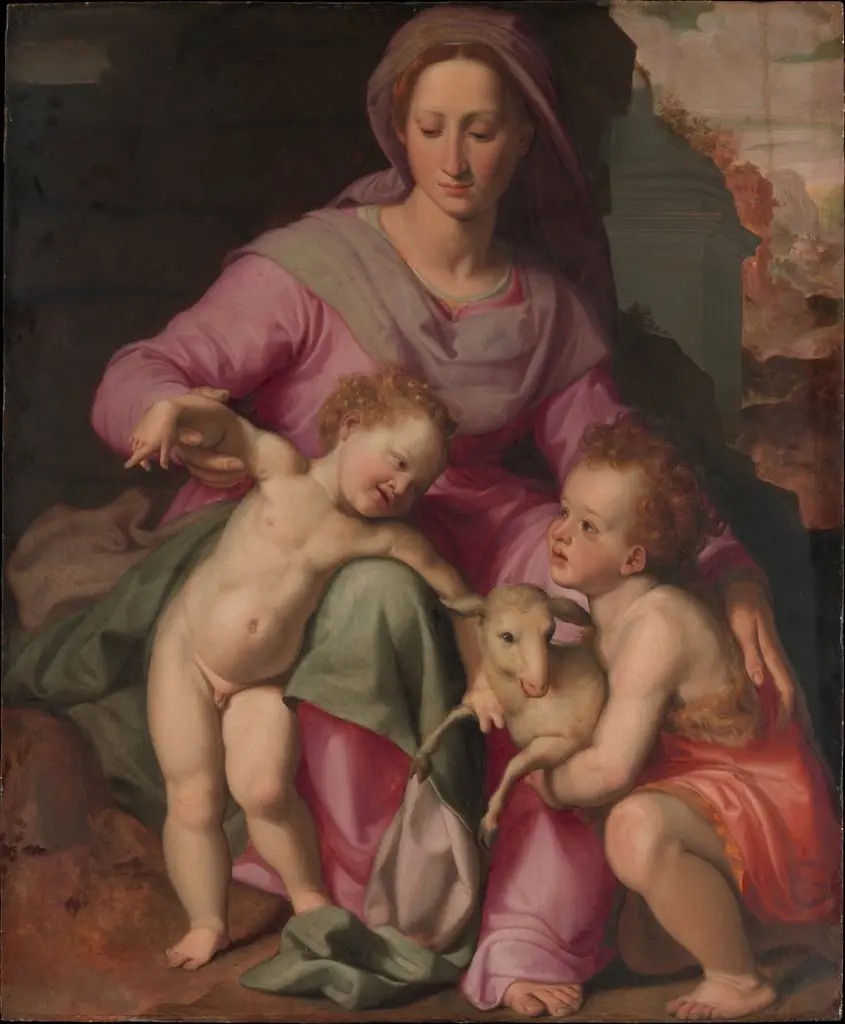 Madonna and Child with the Infant Saint John the Baptist
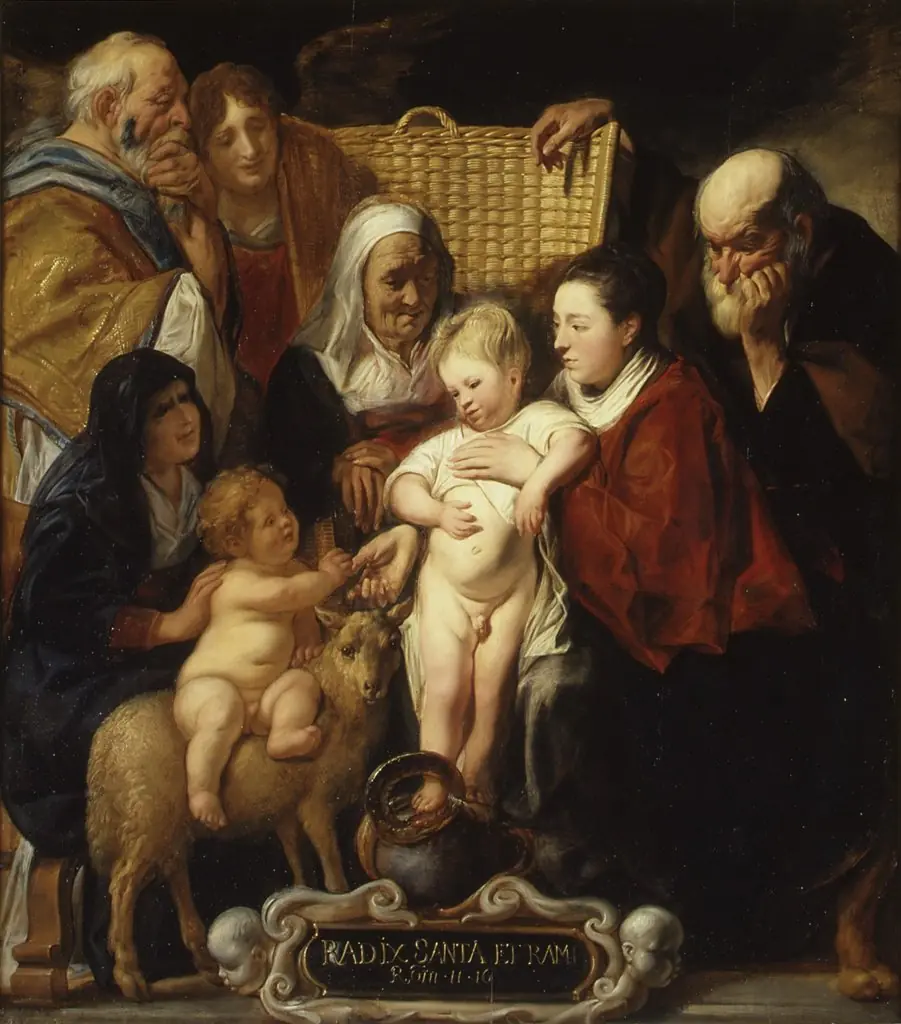 The Holy Family with Saint Anne and the Young Baptist and His Parents
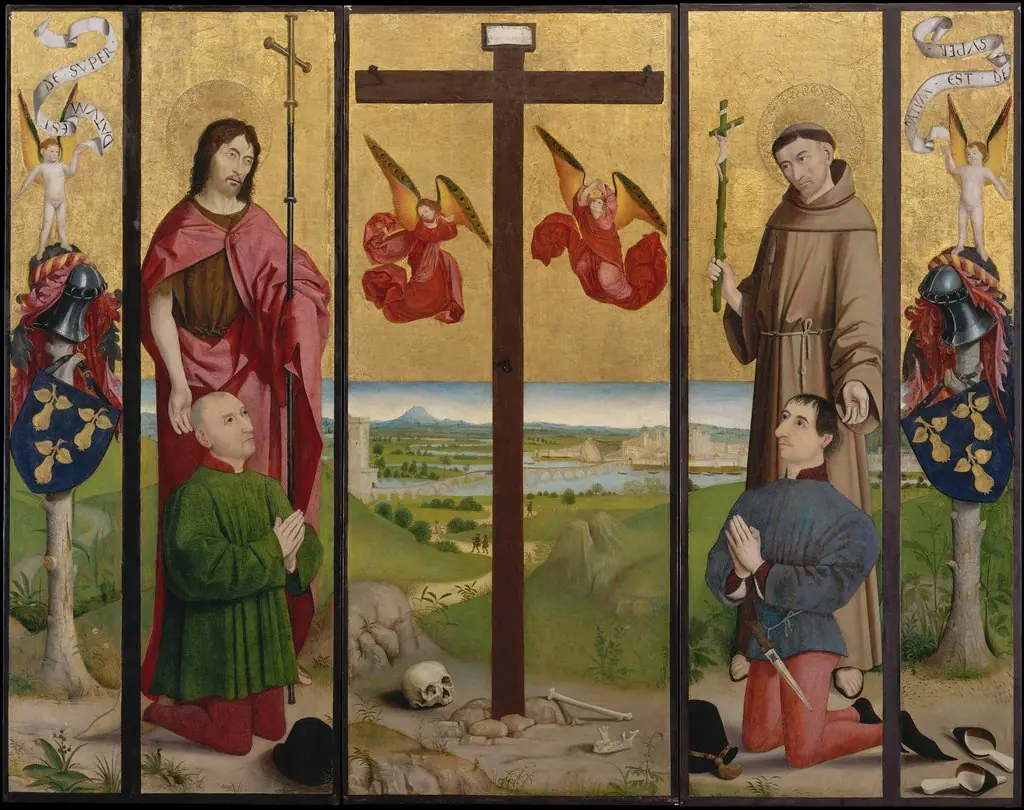 The Pérussis Altarpiece
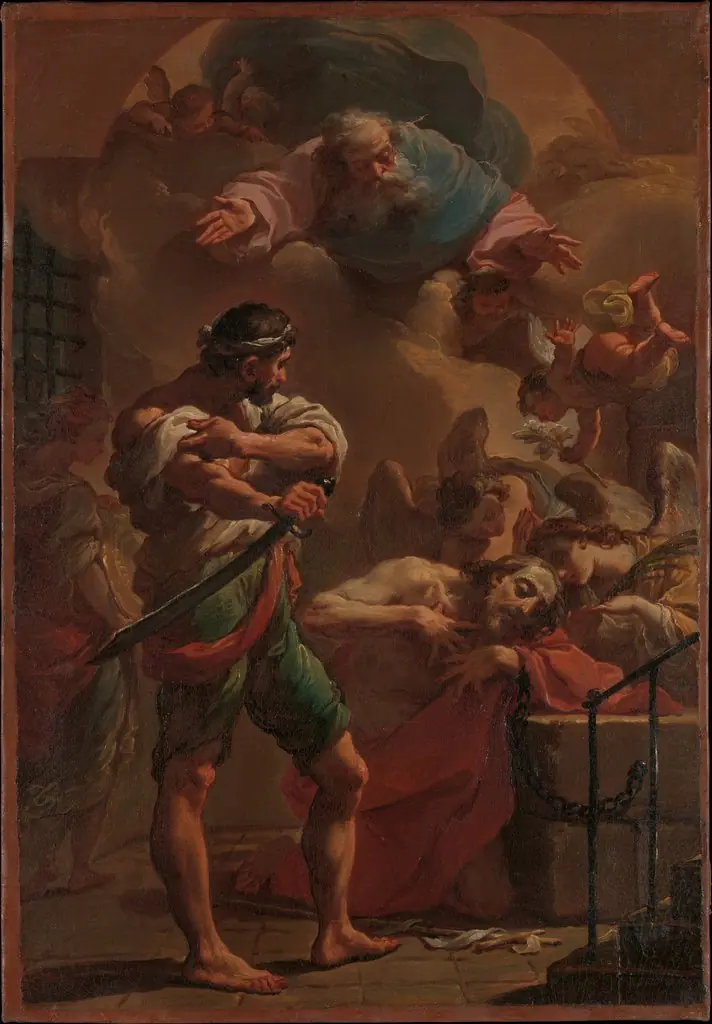 The Execution of Saint John the Baptist
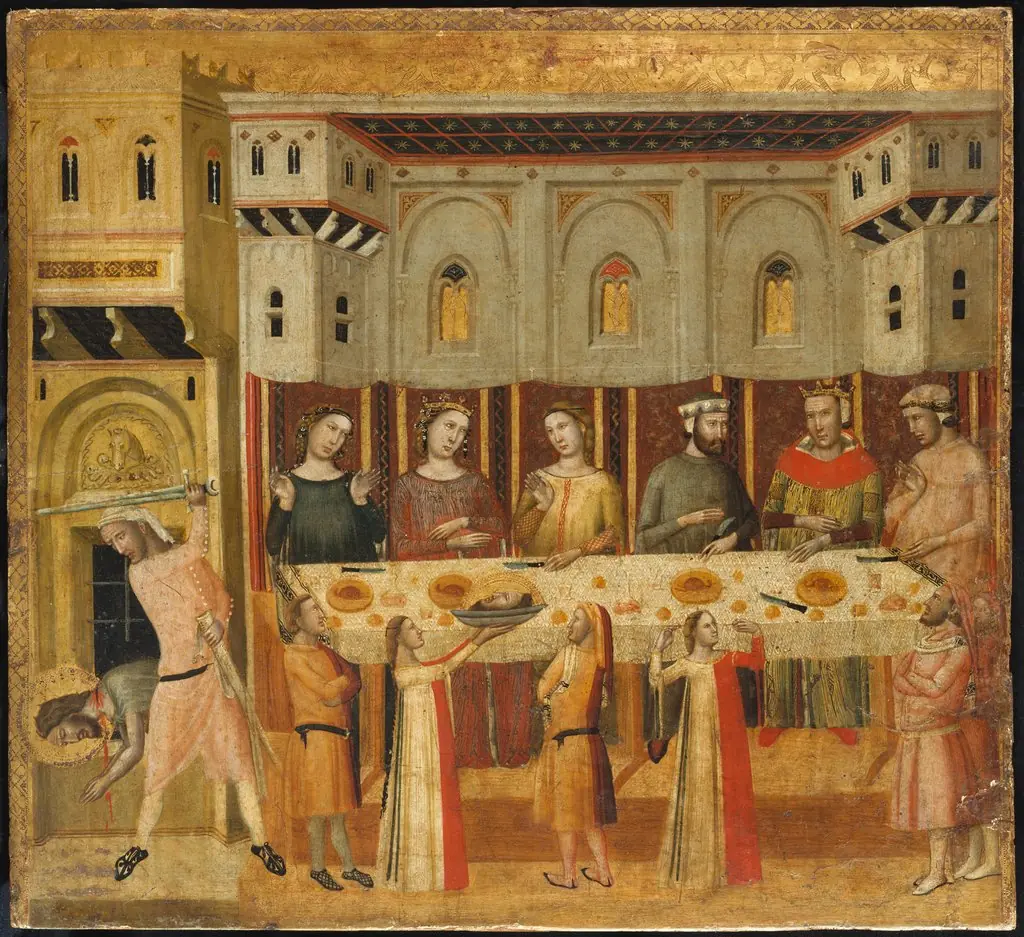 The Feast of Herod and the Beheading of the Baptist
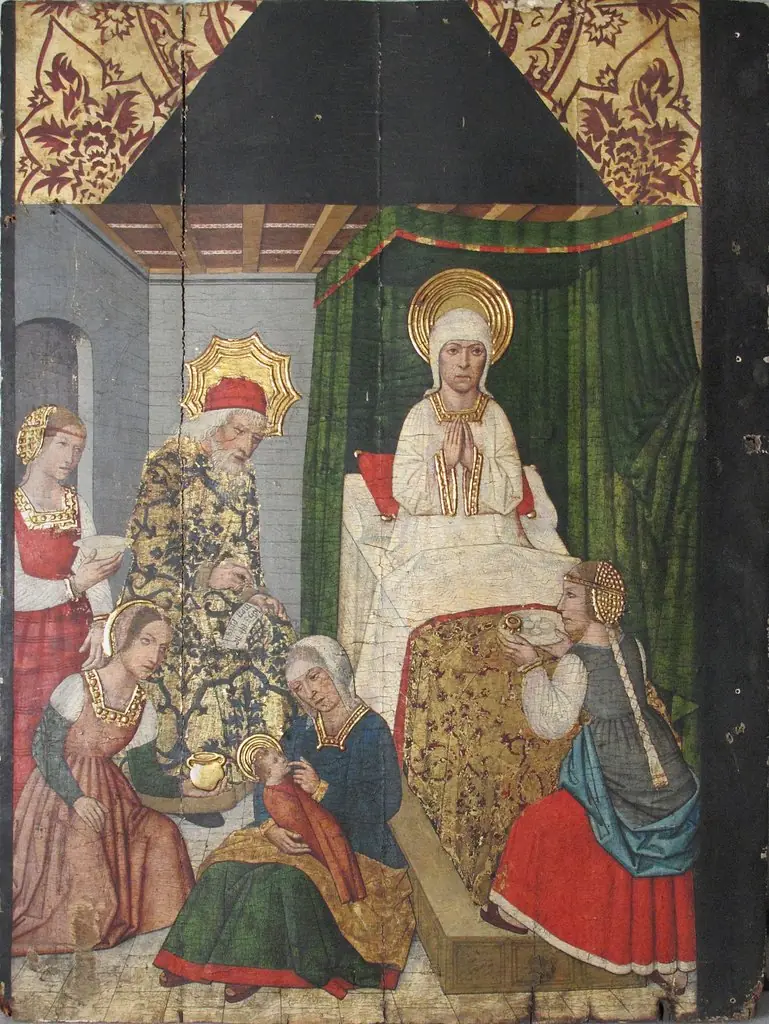 Panel with the Birth of St. John the Baptist from Retable
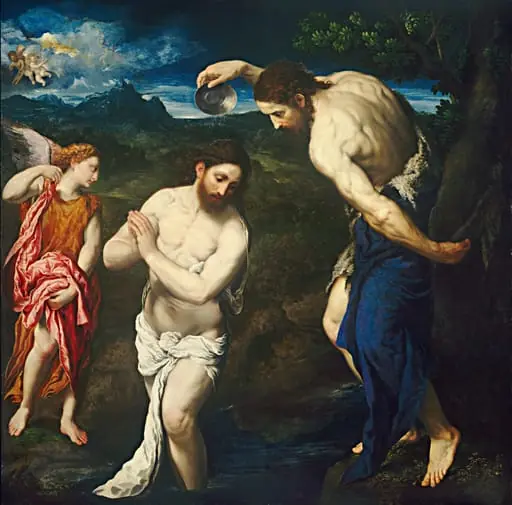 The Baptism of Christ
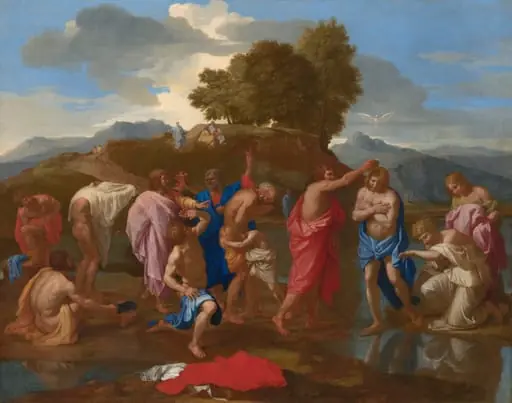 The Baptism of Christ
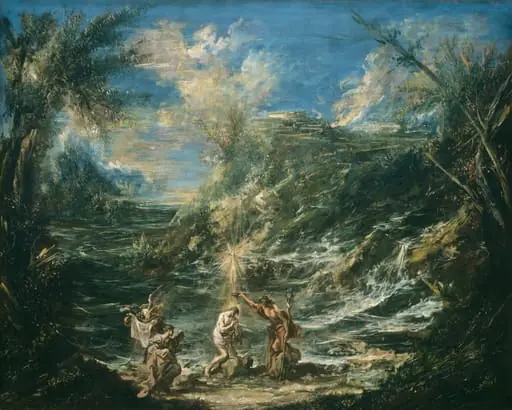 The Baptism of Christ
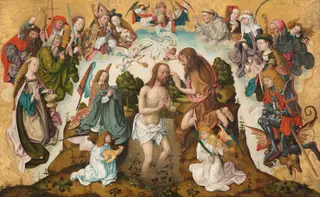 The Baptism of Christ
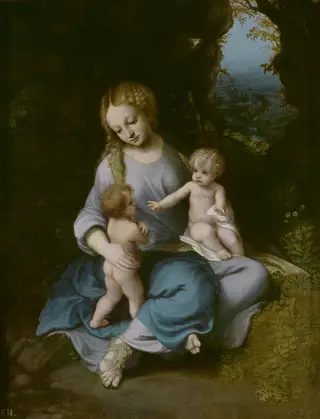 Madonna and Child with the Young Saint John
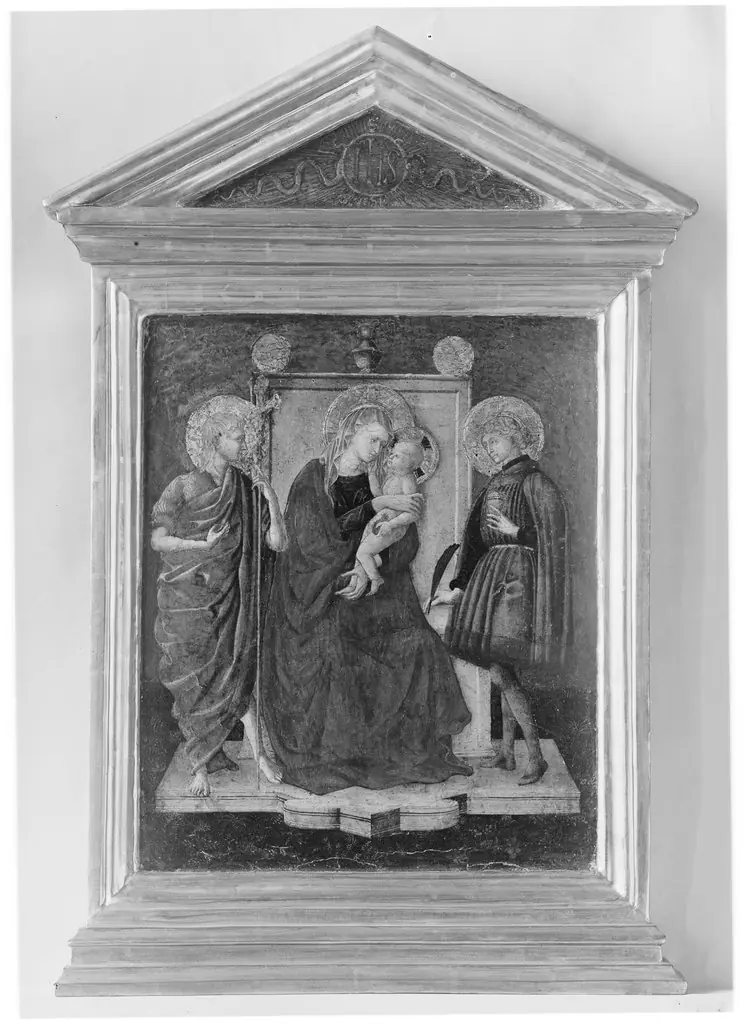 Madonna and Child Enthroned with Saint John the Baptist and Another Saint
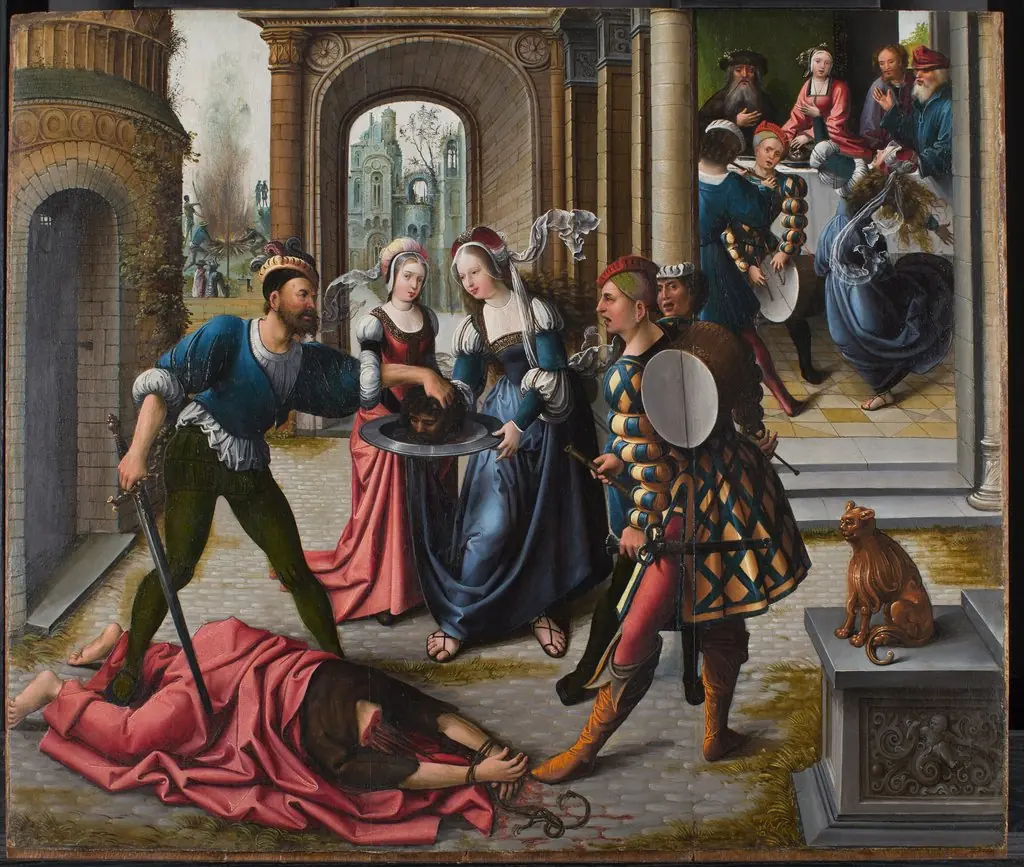 The Martyrdom of Saint John the Baptist
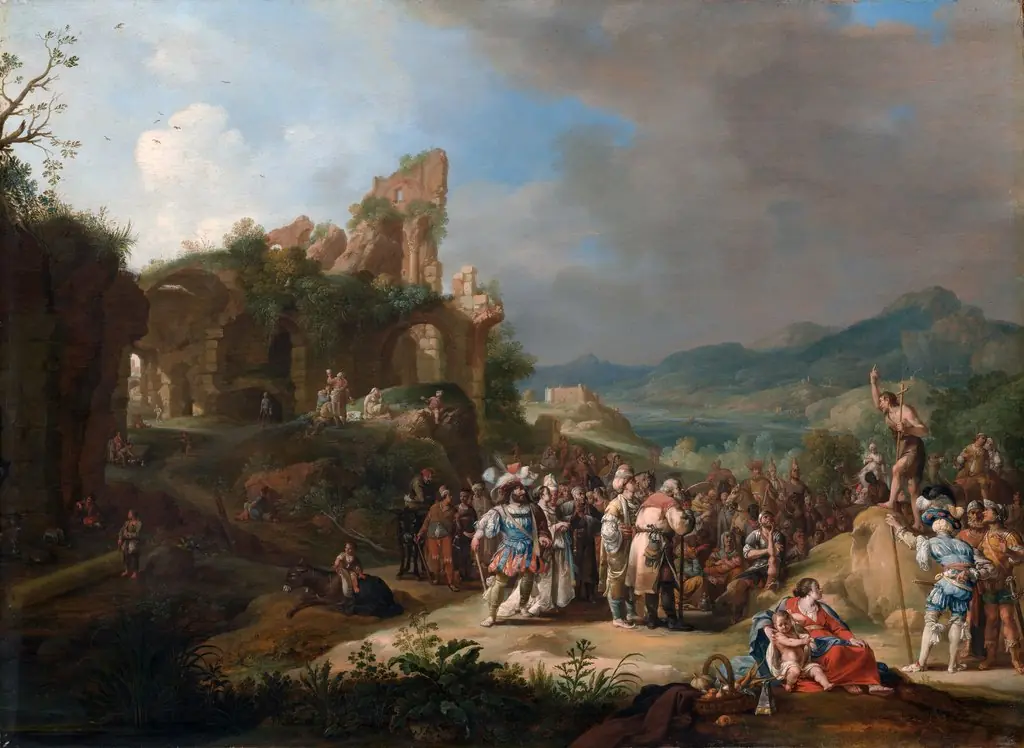 The Preaching of John the Baptist
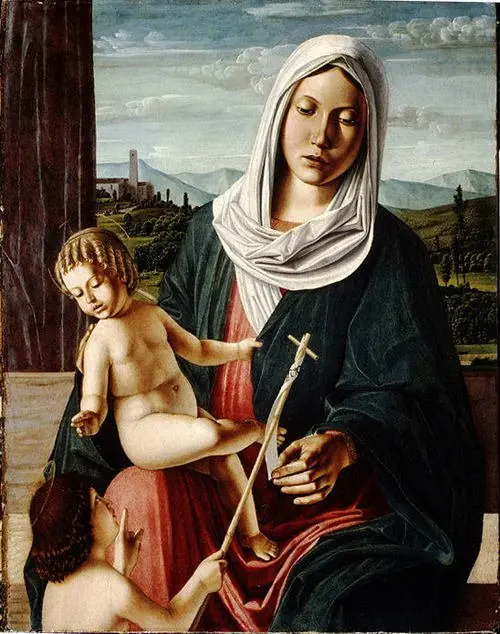 Madonna and Child with the Infant Saint John the Baptist
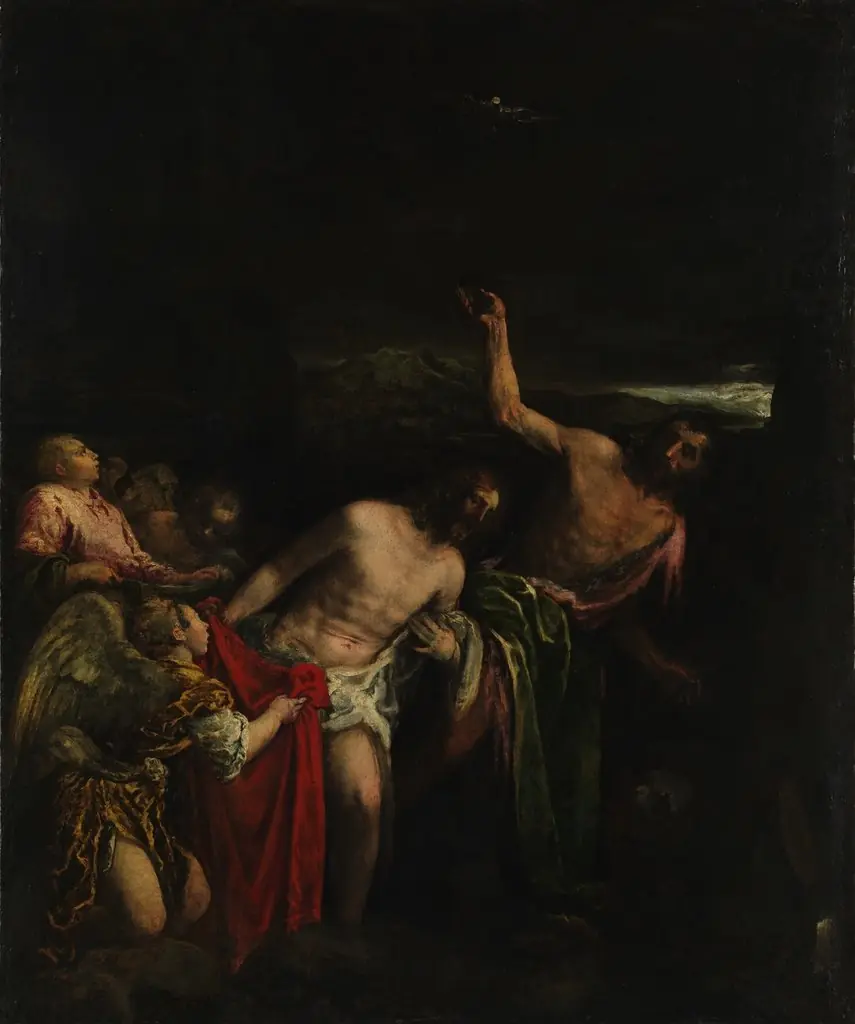 The Baptism of Christ
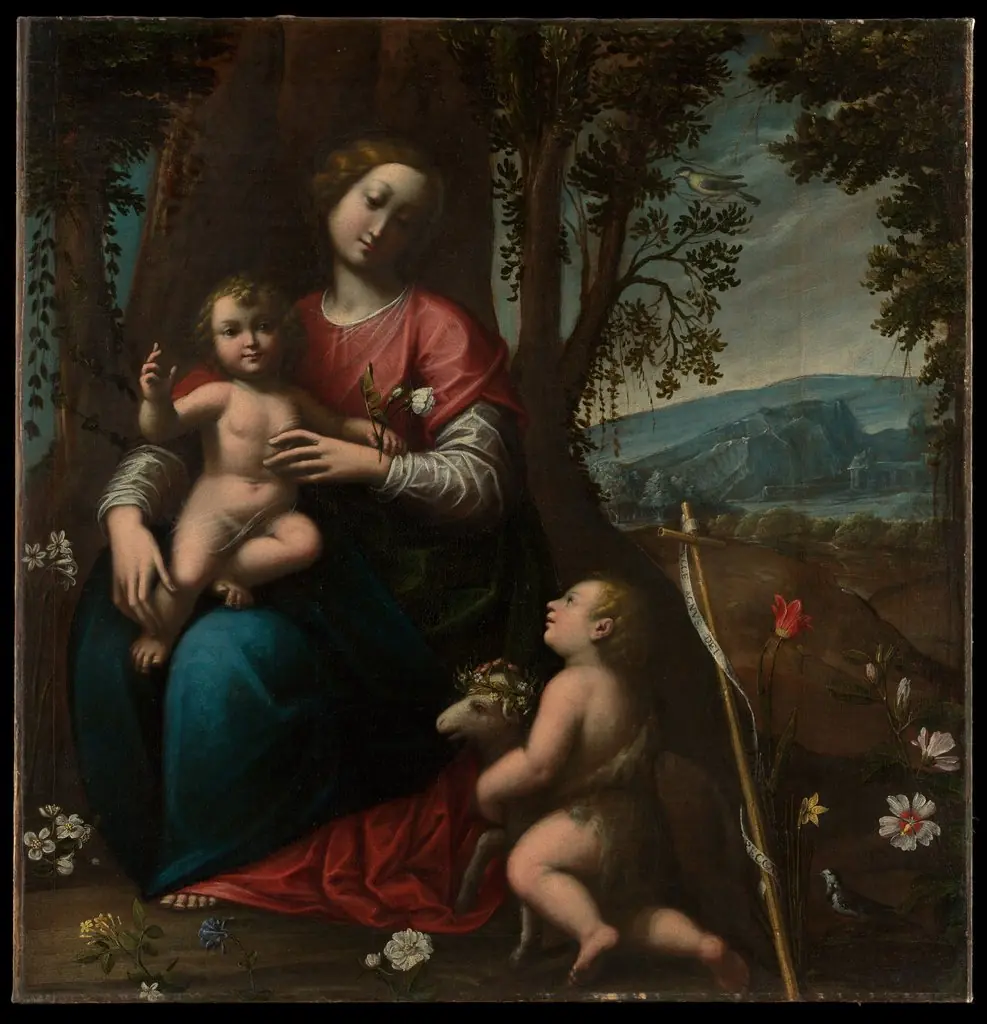 Madonna and Child with the Infant Saint John the Baptist
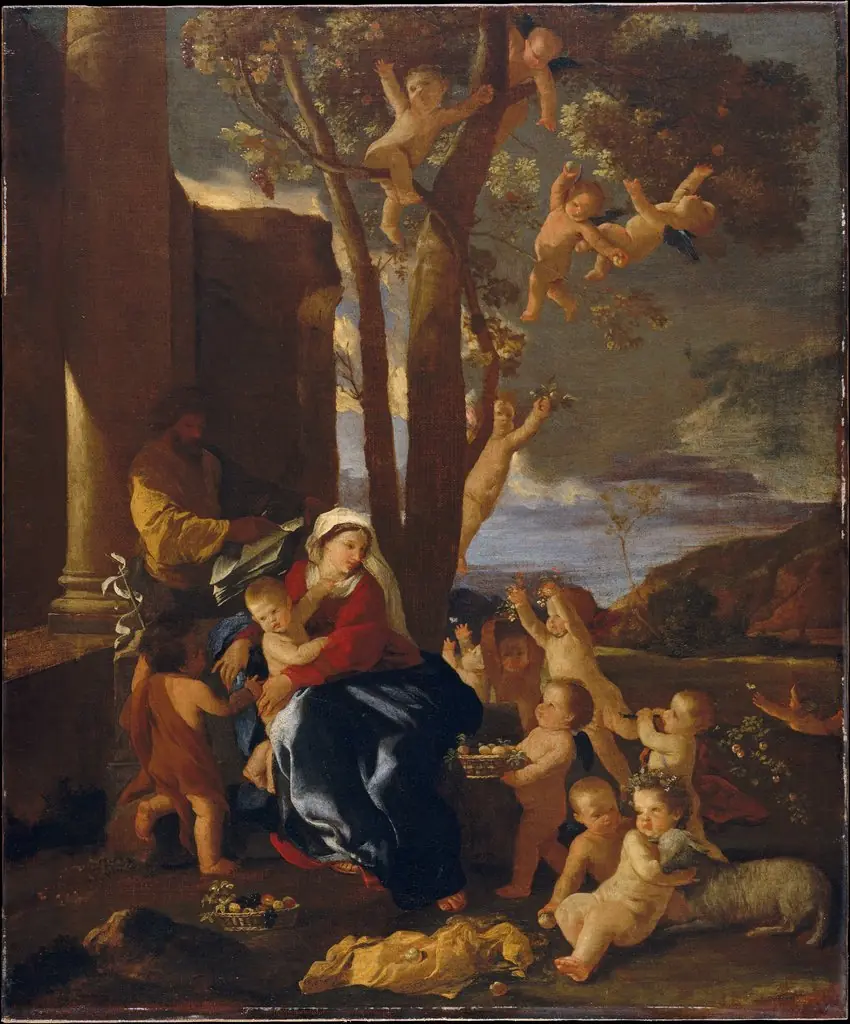 The Rest on the Flight into Egypt
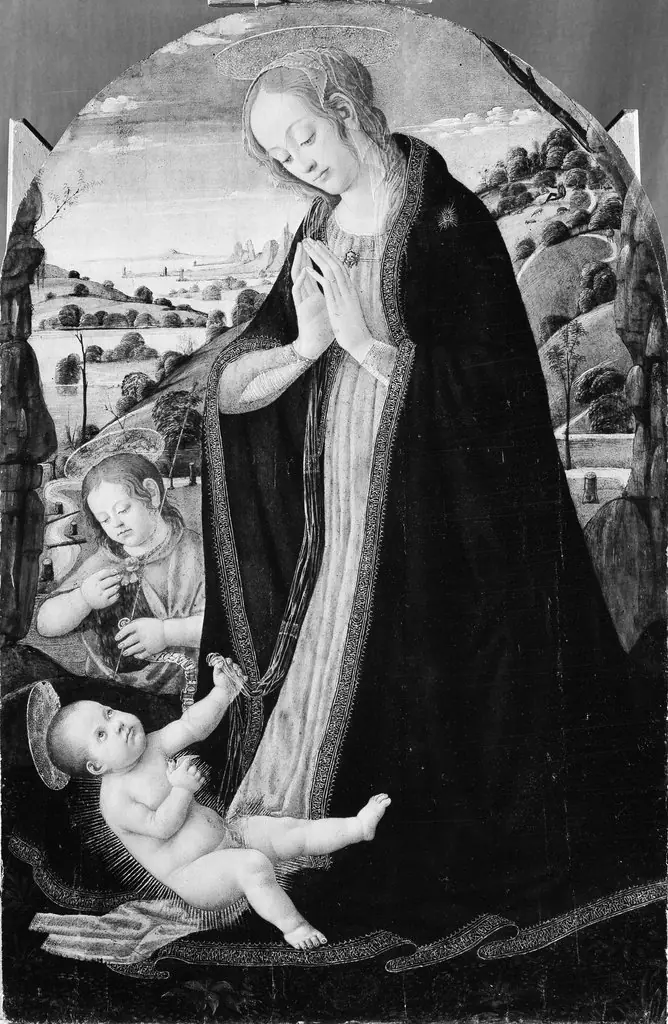 The Nativity
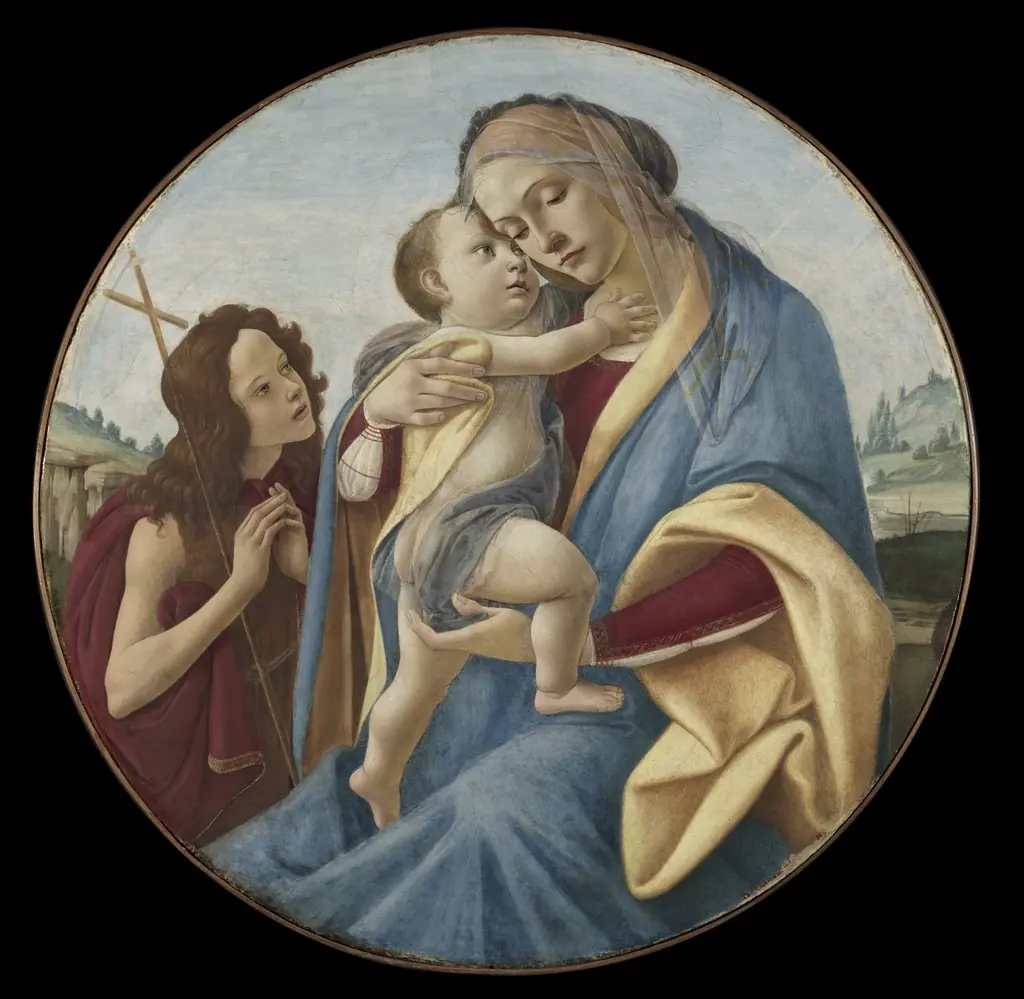 Virgin and Child with the Young Saint John the Baptist
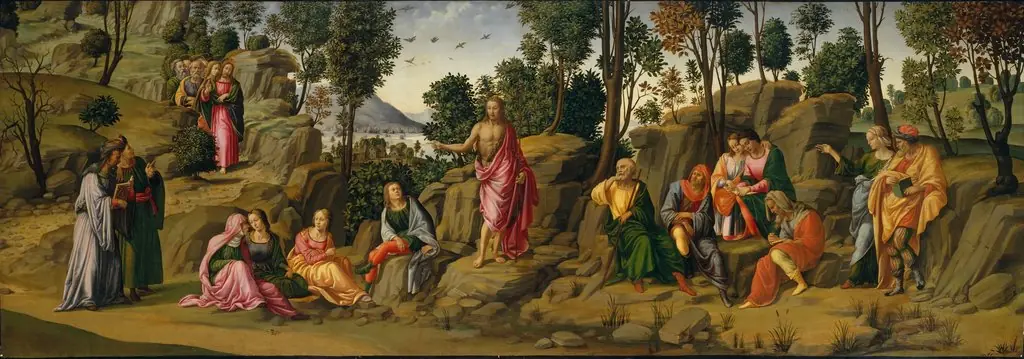 Saint John the Baptist Bearing Witness
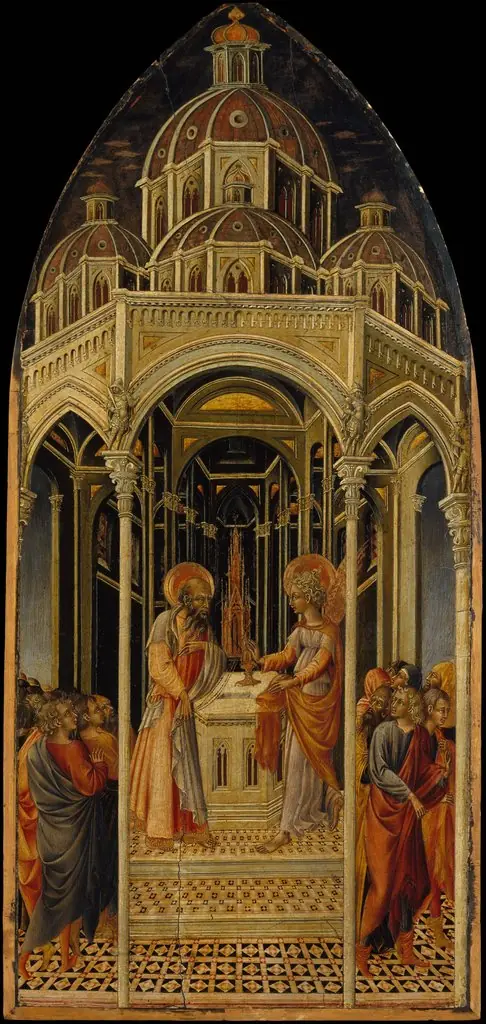 The Annunciation to Zacharias; (verso) The Angel of the Annunciation
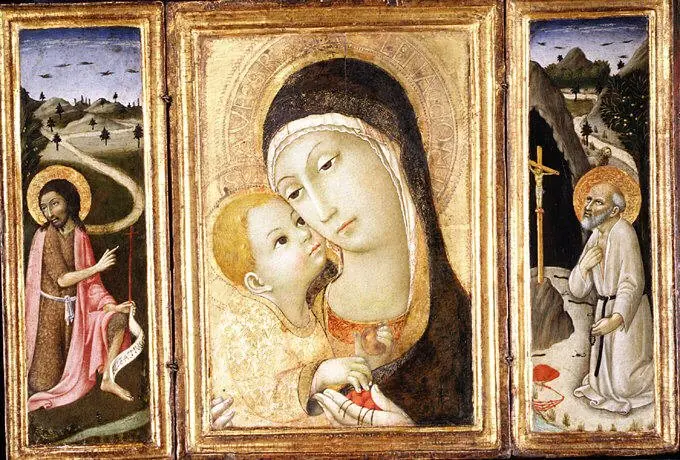 Madonna and Child; Saint John the Baptist; Saint Jerome
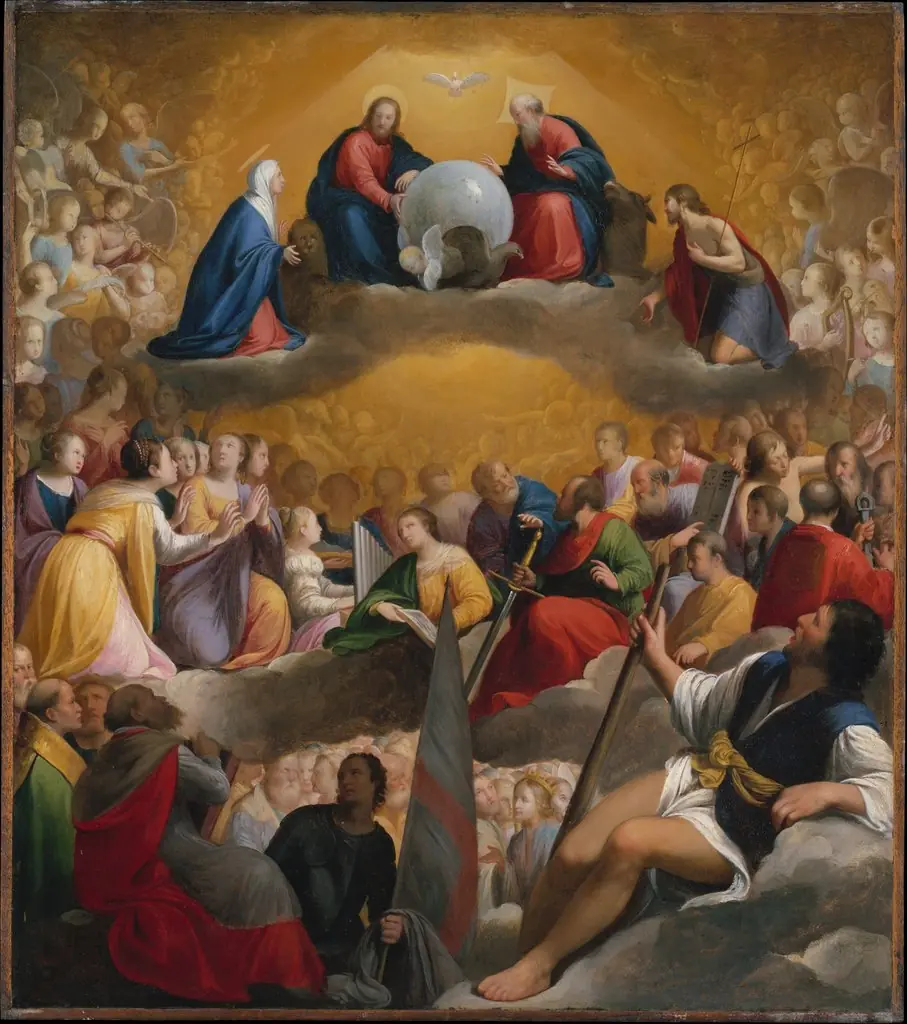 Paradise
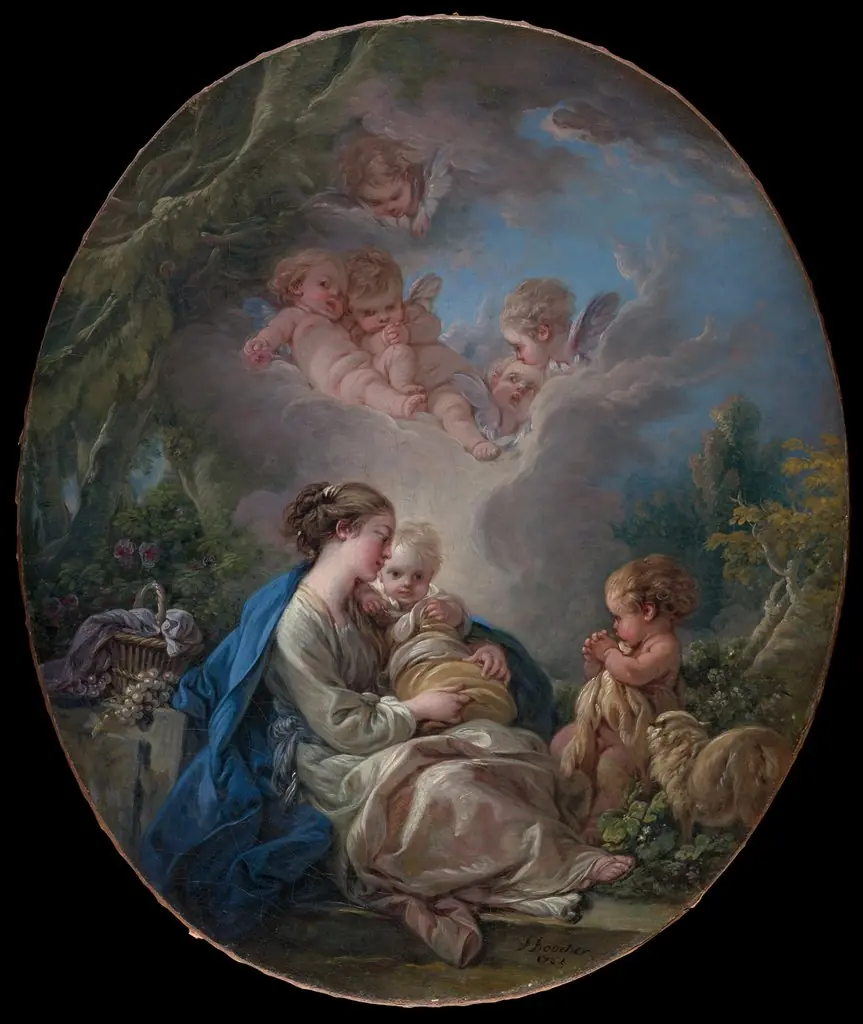 Virgin and Child with the Young Saint John the Baptist and Angels
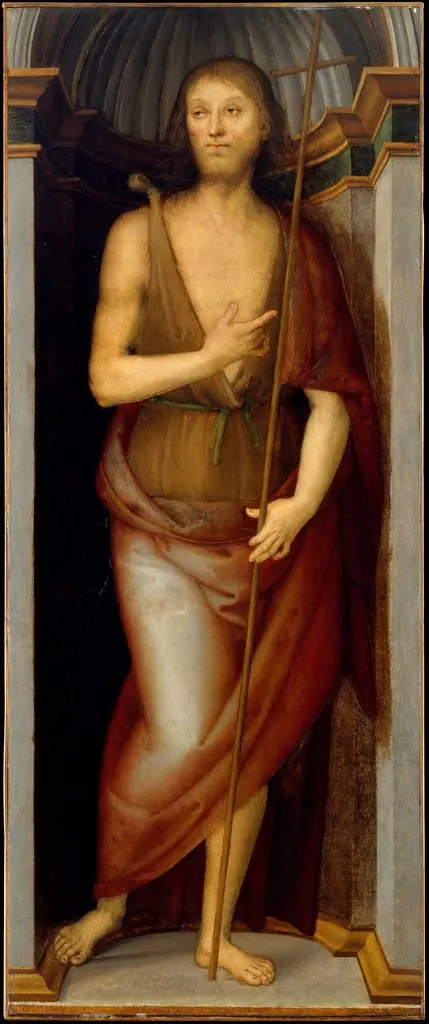 Saint John the Baptist; Saint Lucy
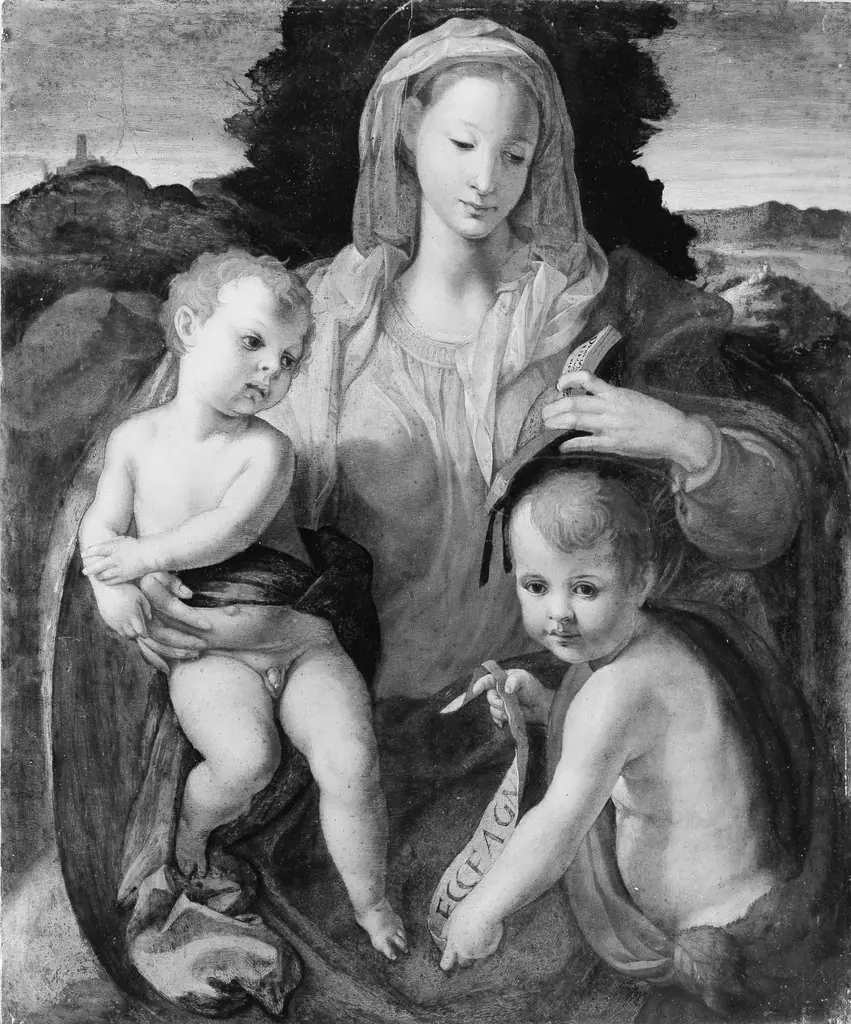 Madonna and Child with the Young Saint John the Baptist
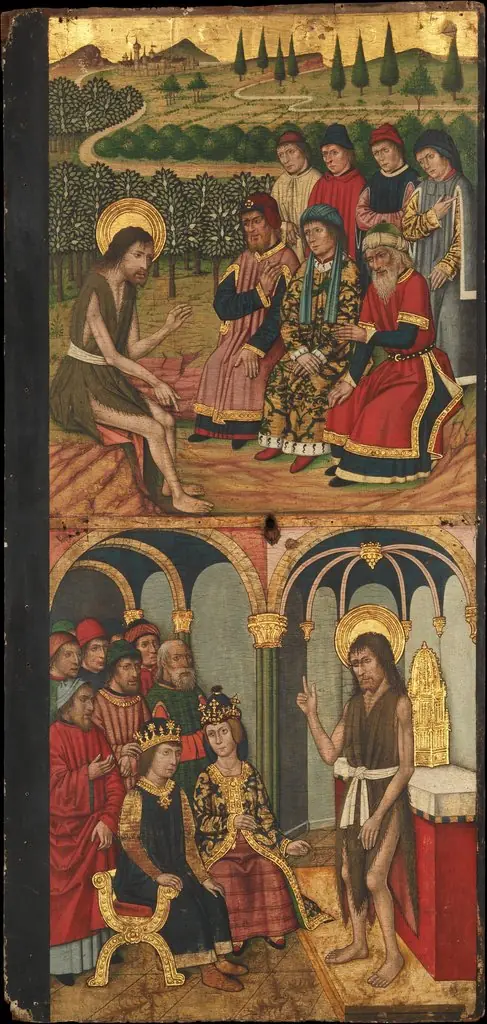 Panel of Saint John the Baptist with Scenes from His Life
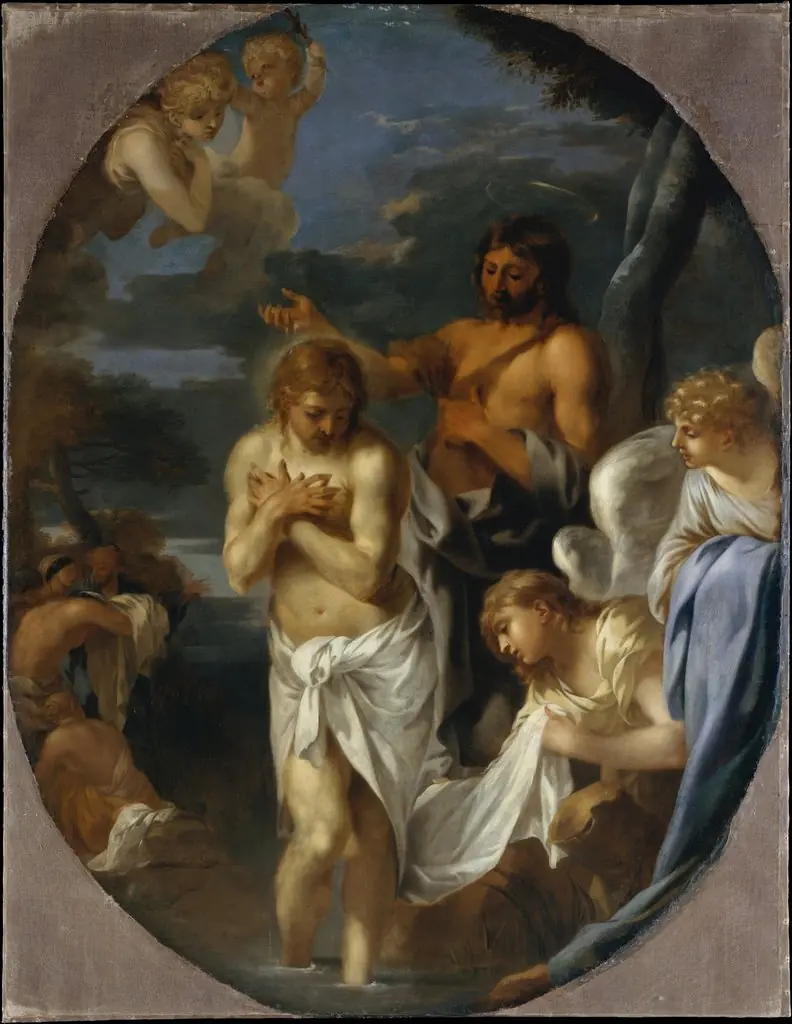 The Baptism of Christ
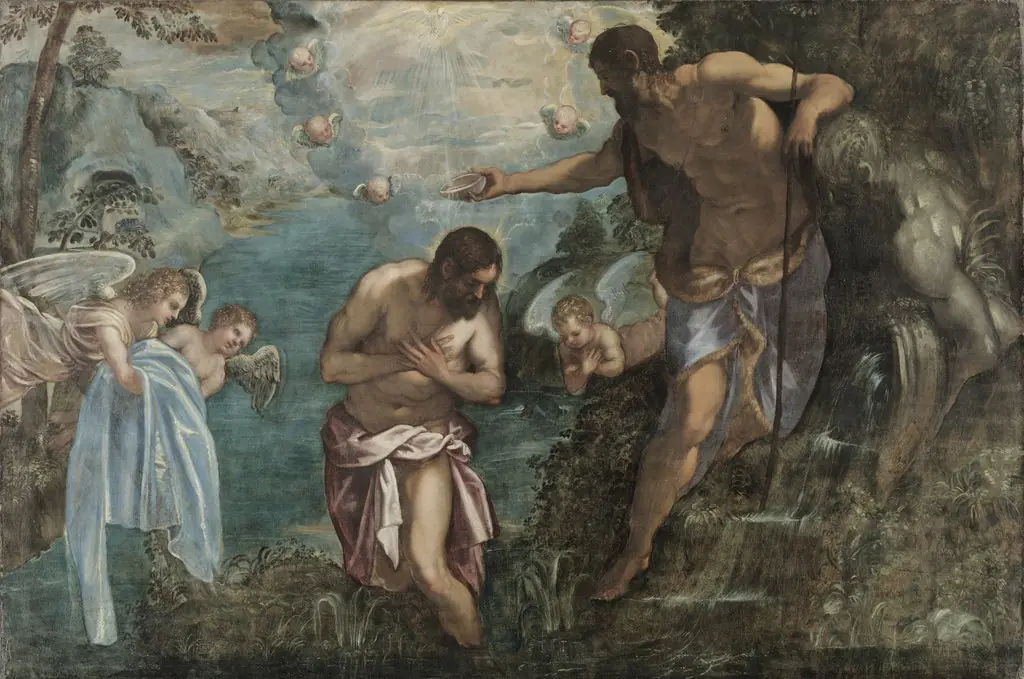 Baptism of Christ
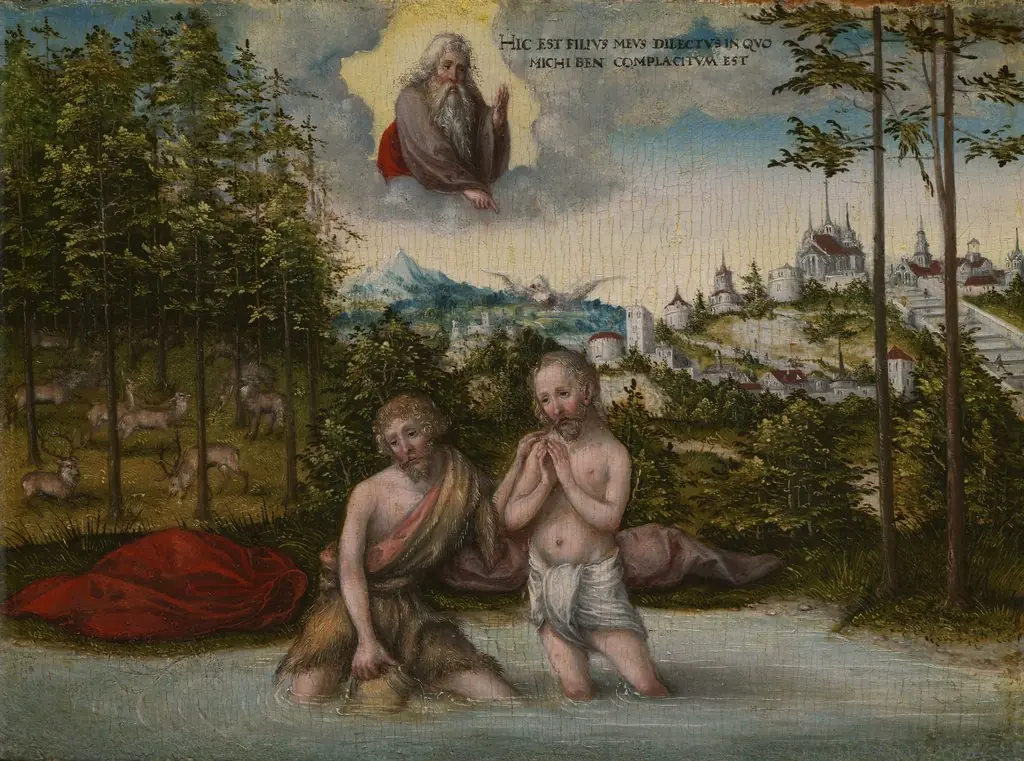 The Baptism of Christ
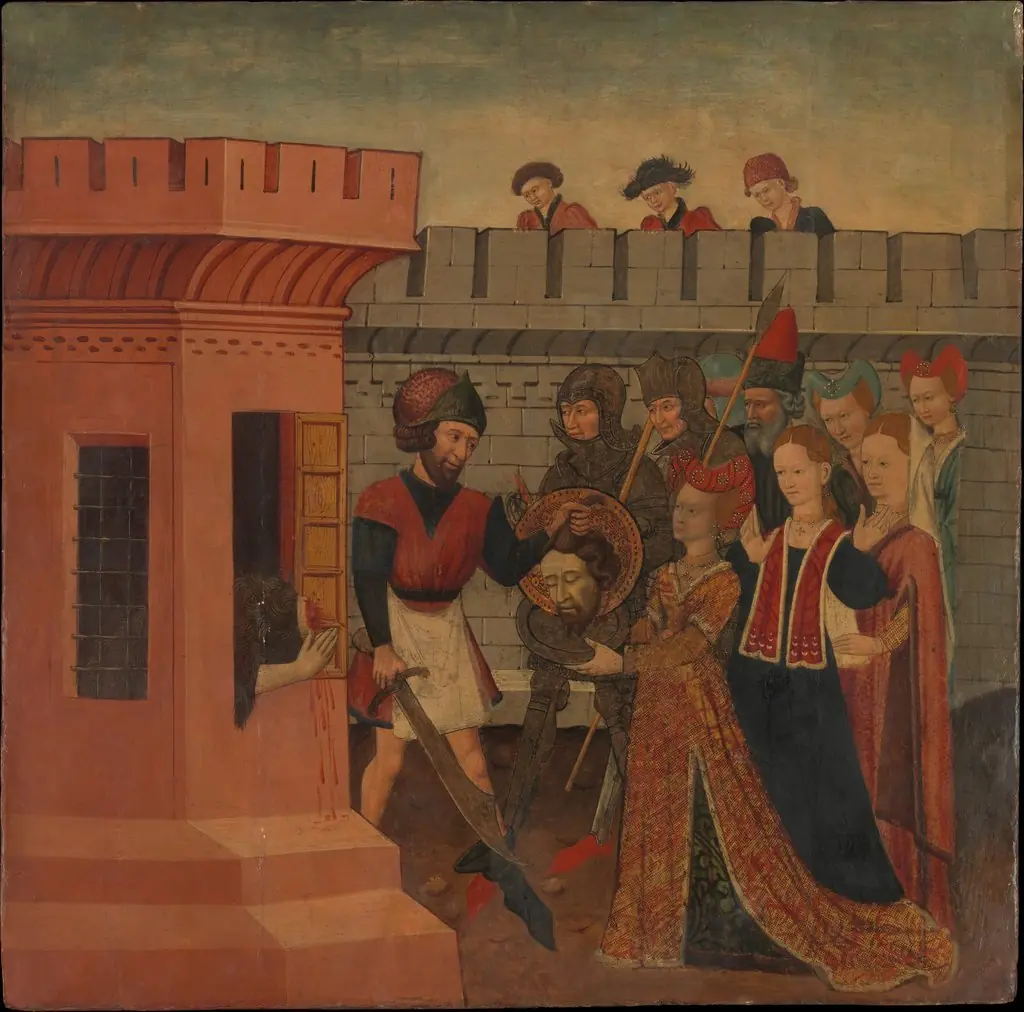 The Beheading of Saint John the Baptist
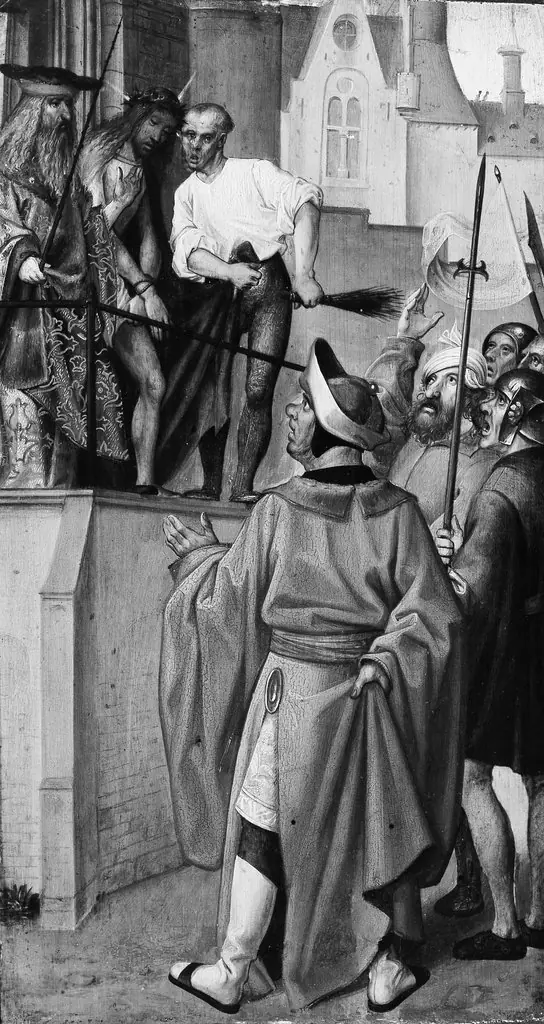 Ecce Homo, (reverse) Christ Blessing; The Disrobing of Christ, (reverse) Saint John the Baptist
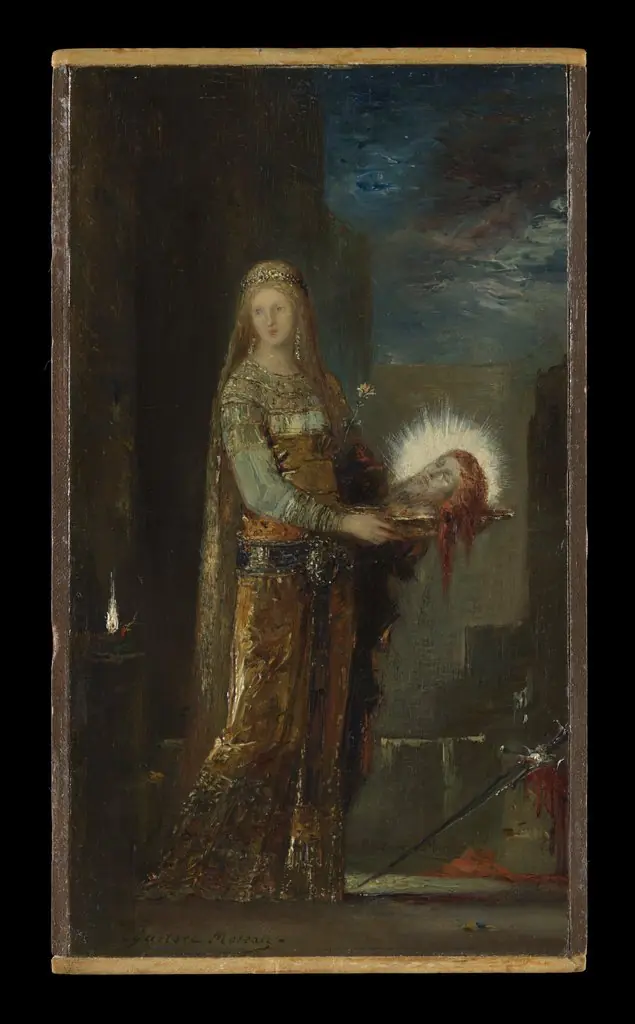 Salome with the Head of John the Baptist
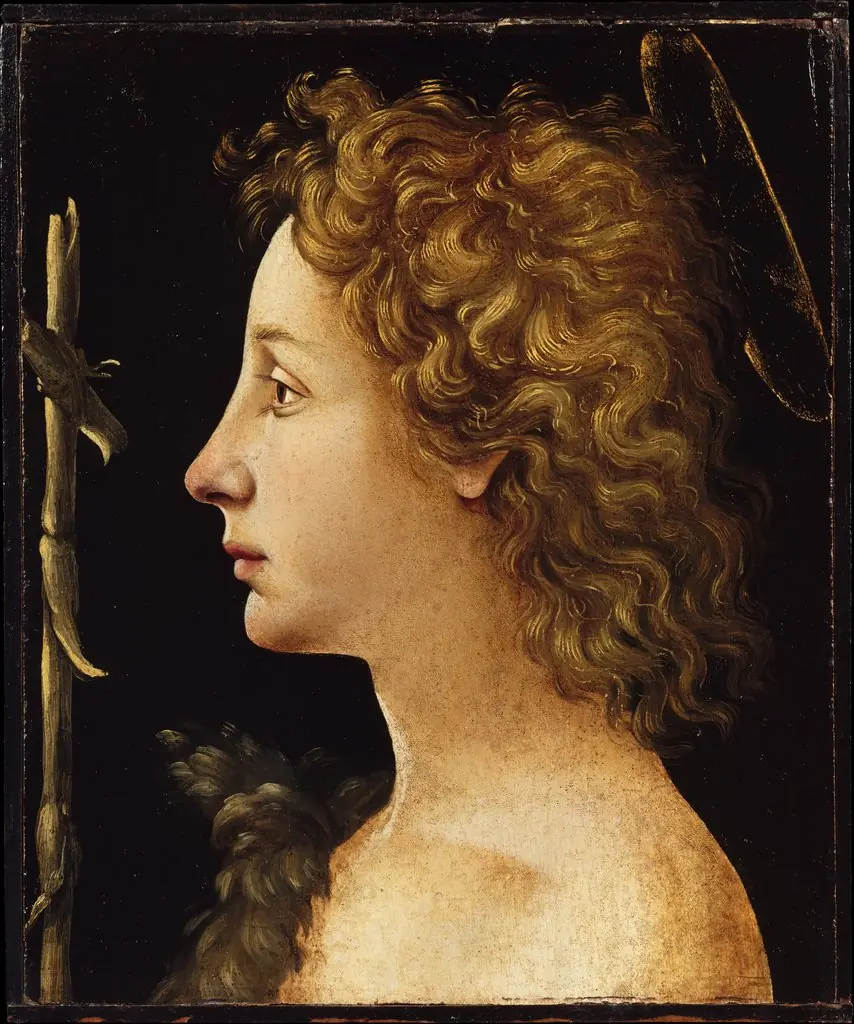 The Young Saint John the Baptist
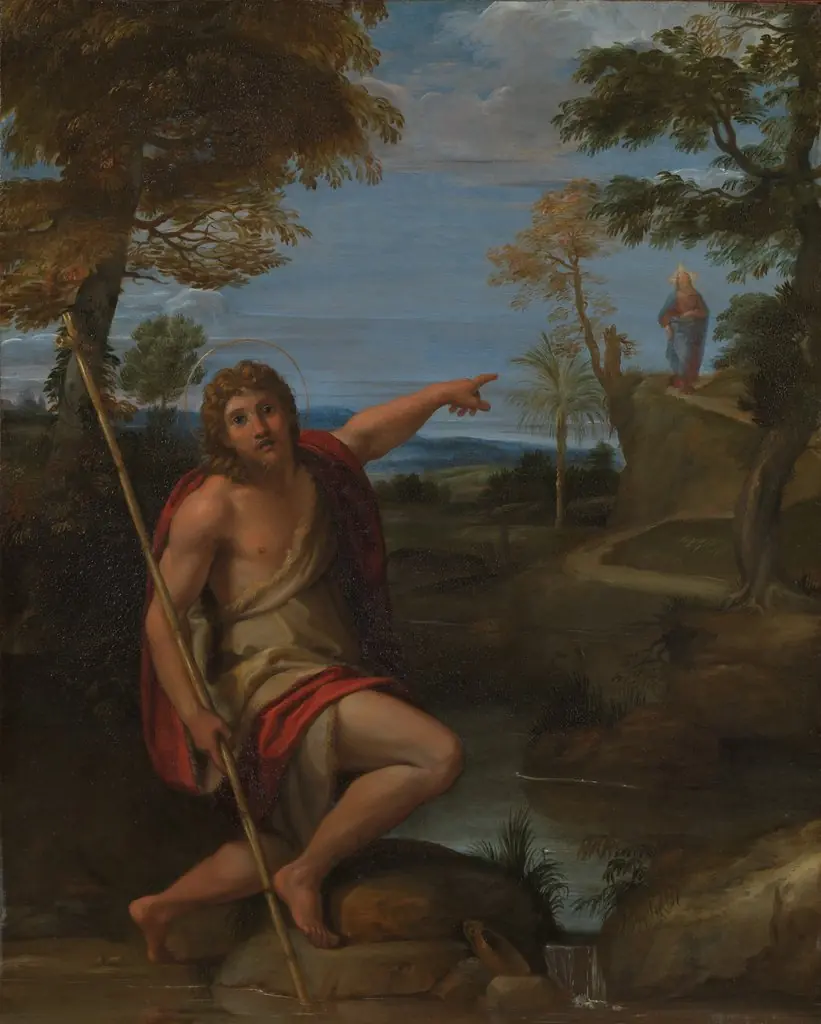 Saint John the Baptist Bearing Witness
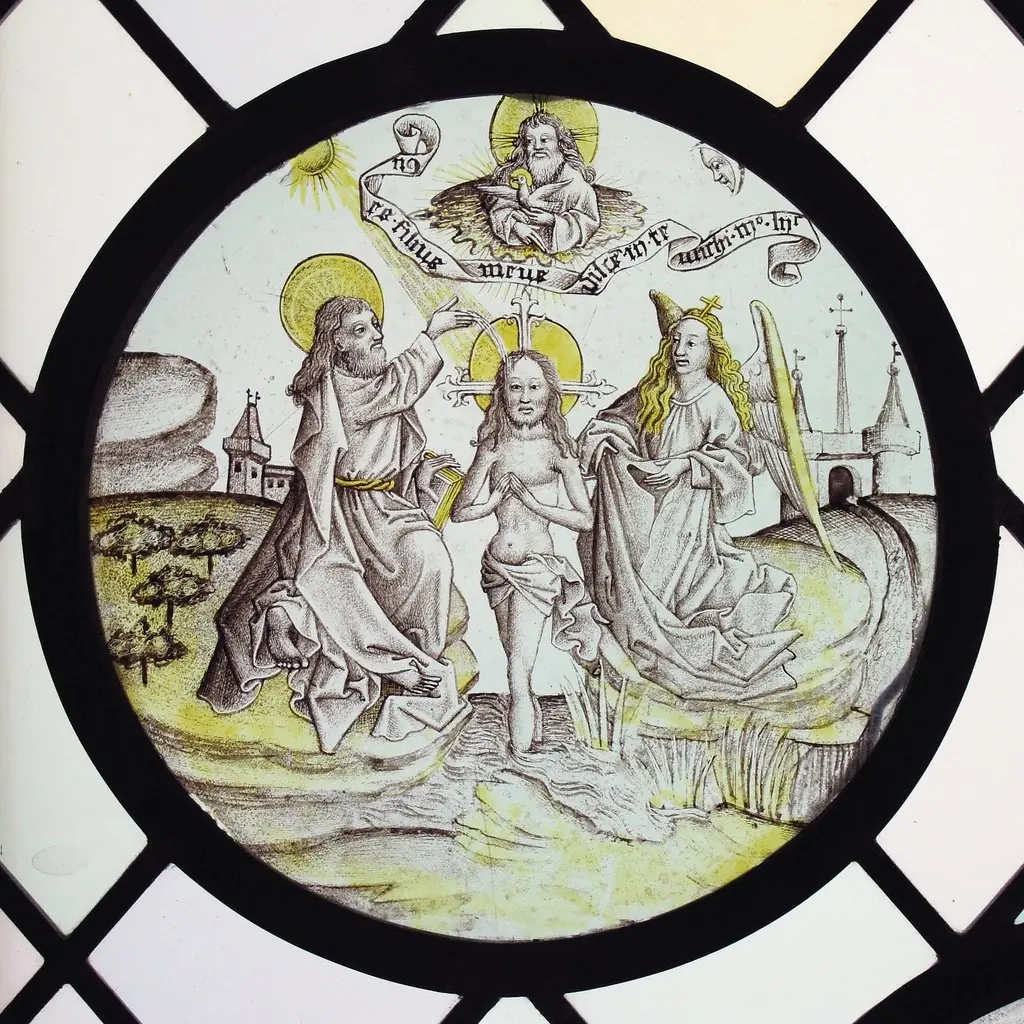 Roundel with the Baptism of Christ
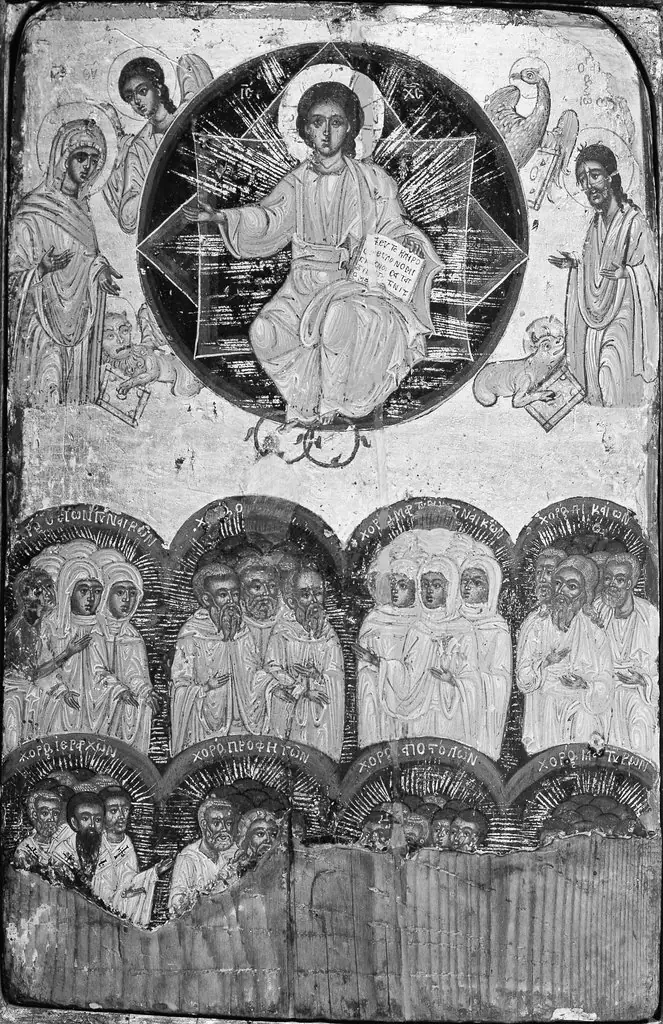 All Saints
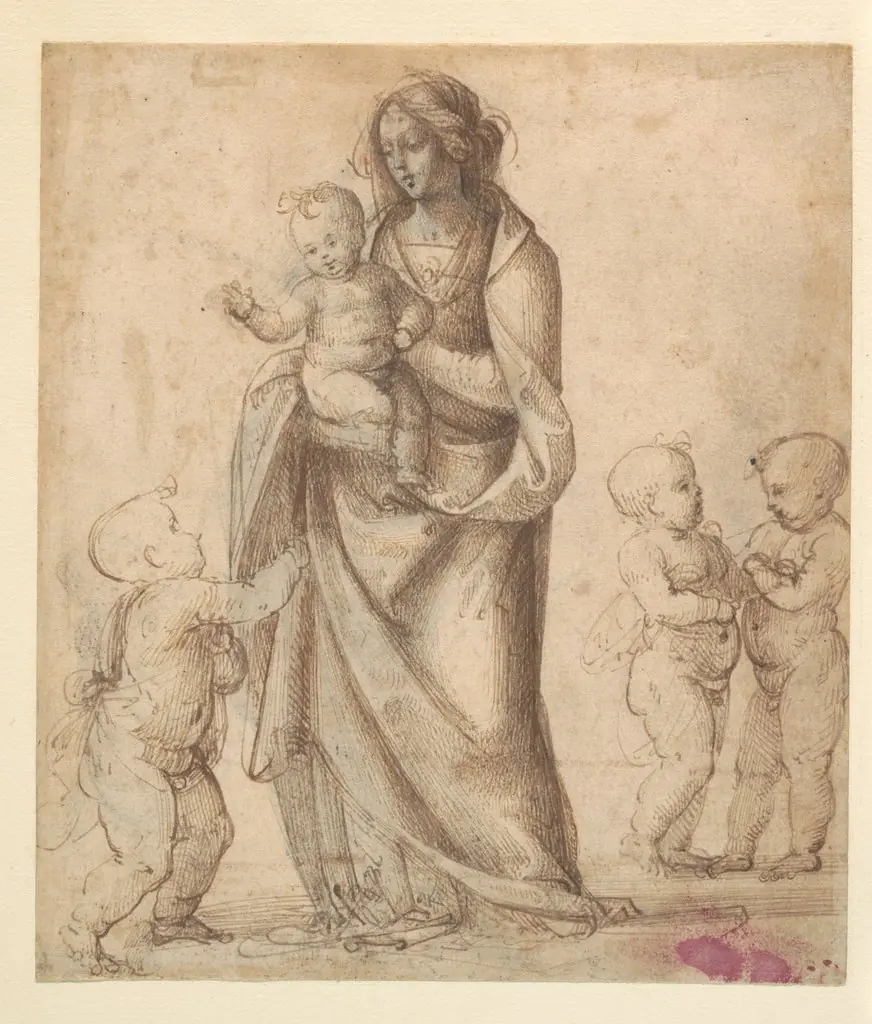 Madonna and Child with the Infant Saint John the Baptist and Two Putti (recto); Madonna and Child with the Infant Saint John the Baptist and a Putto (verso)
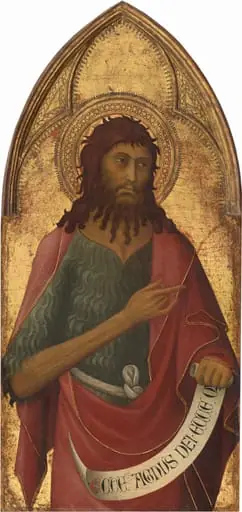 Saint John the Baptist
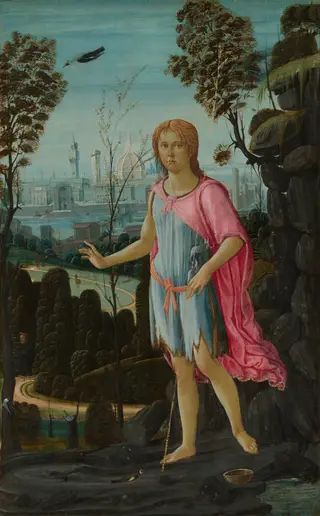 Saint John the Baptist
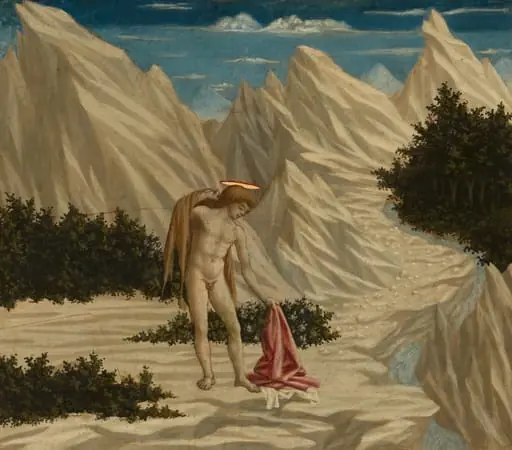 Saint John in the Desert
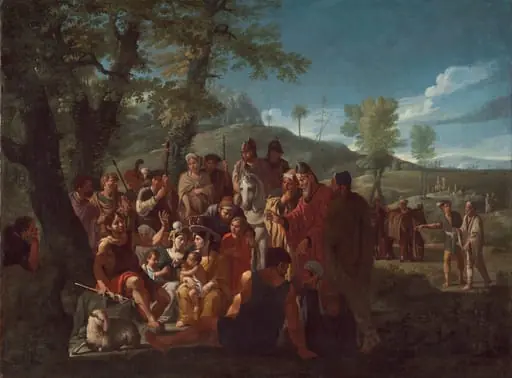 Saint John the Baptist Preaching
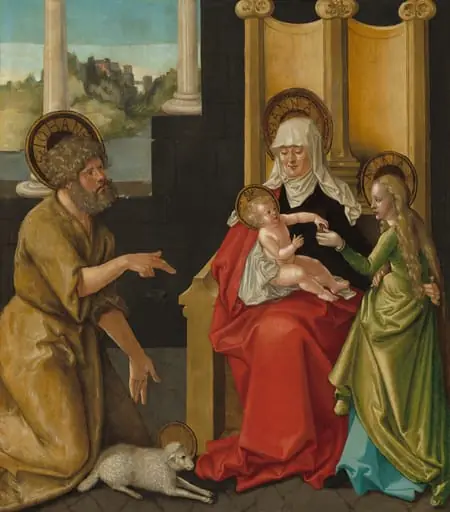 Saint Anne with the Christ Child, the Virgin, and Saint John the Baptist
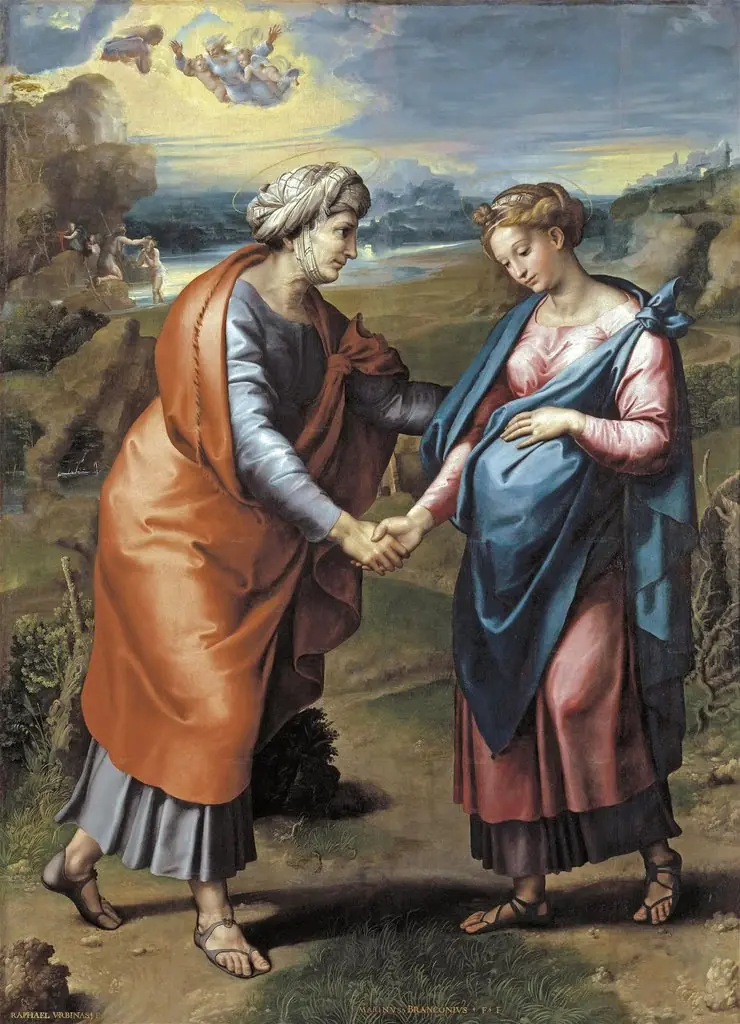 Visitation
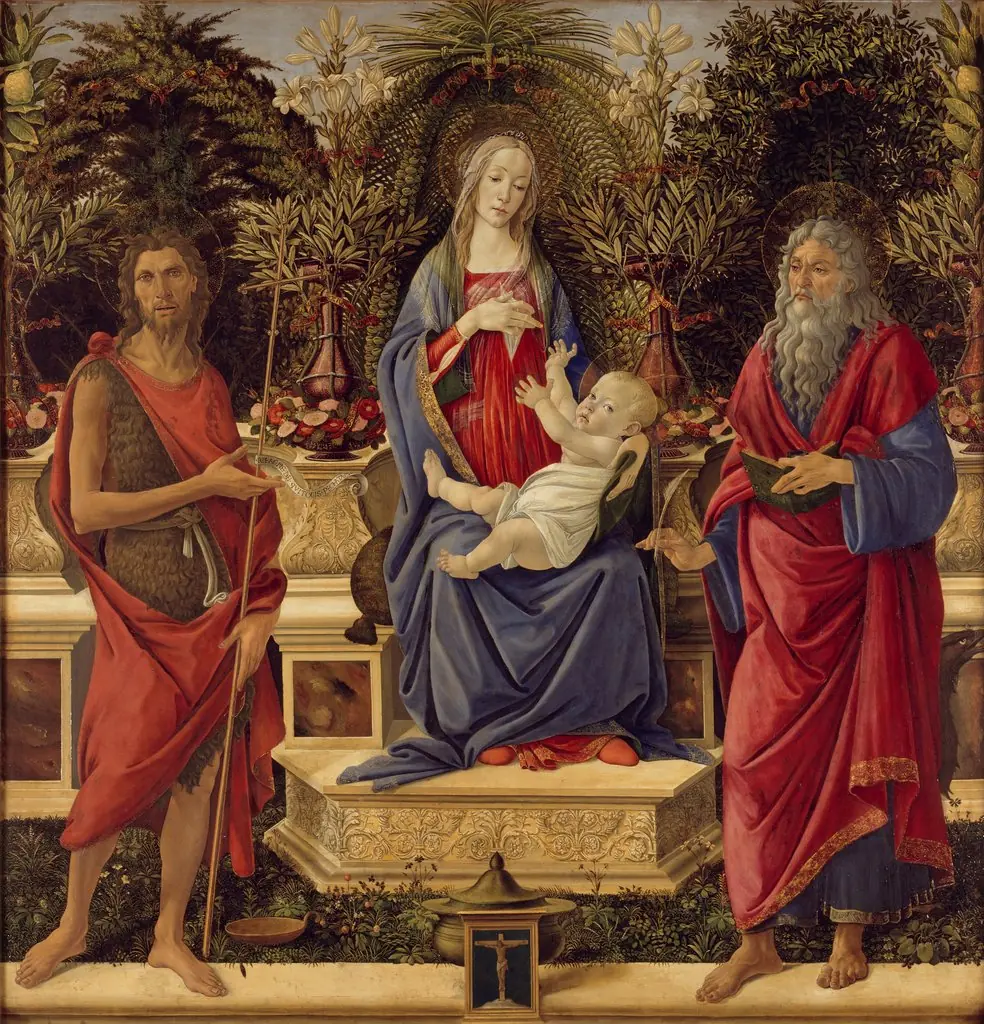 Madonna Bardi
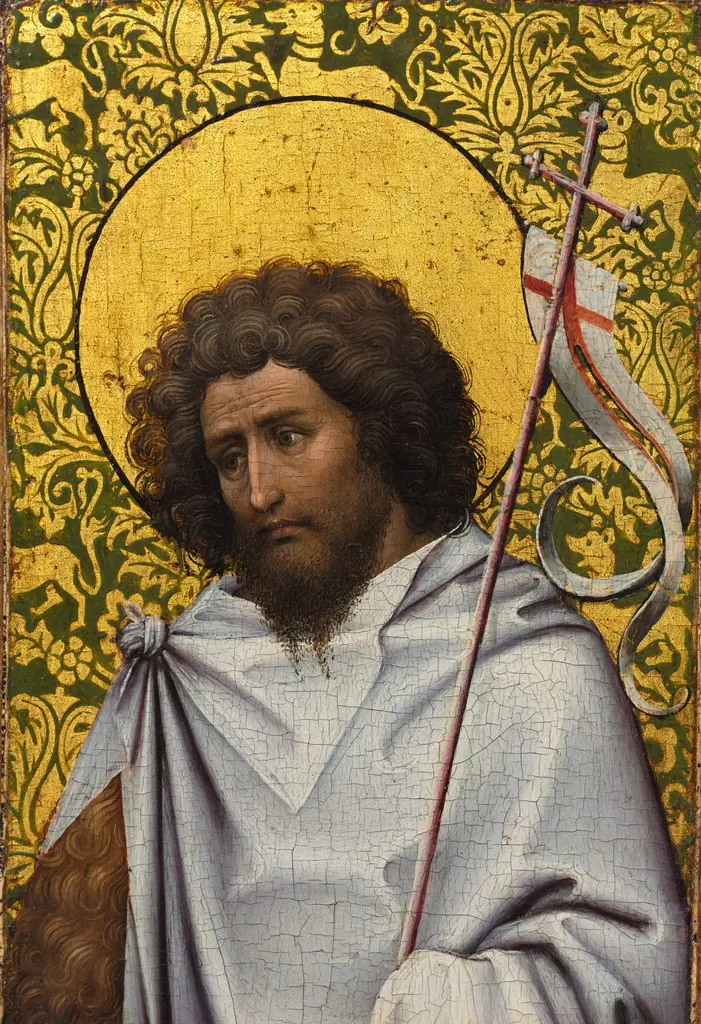 John the Baptist
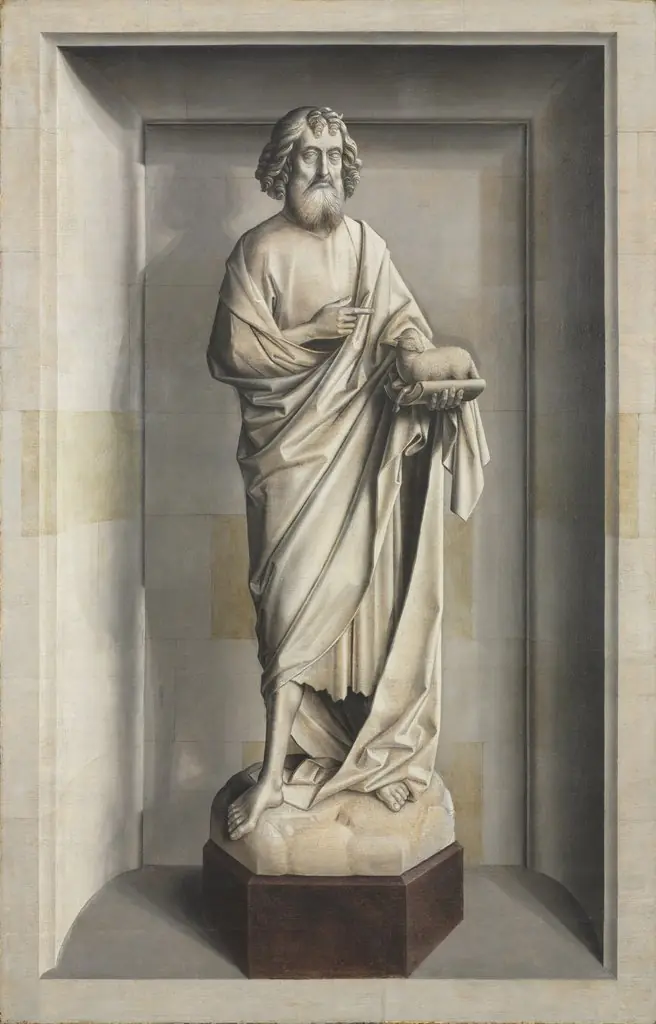 Saint John the Baptist
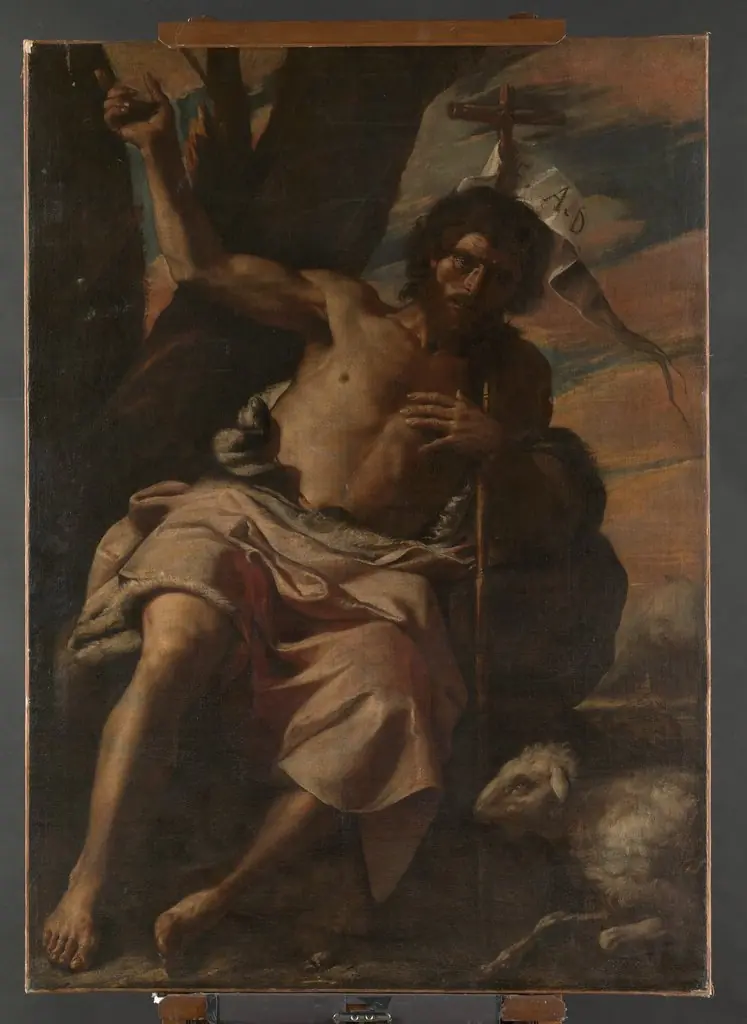 Saint John the Baptist Preaching
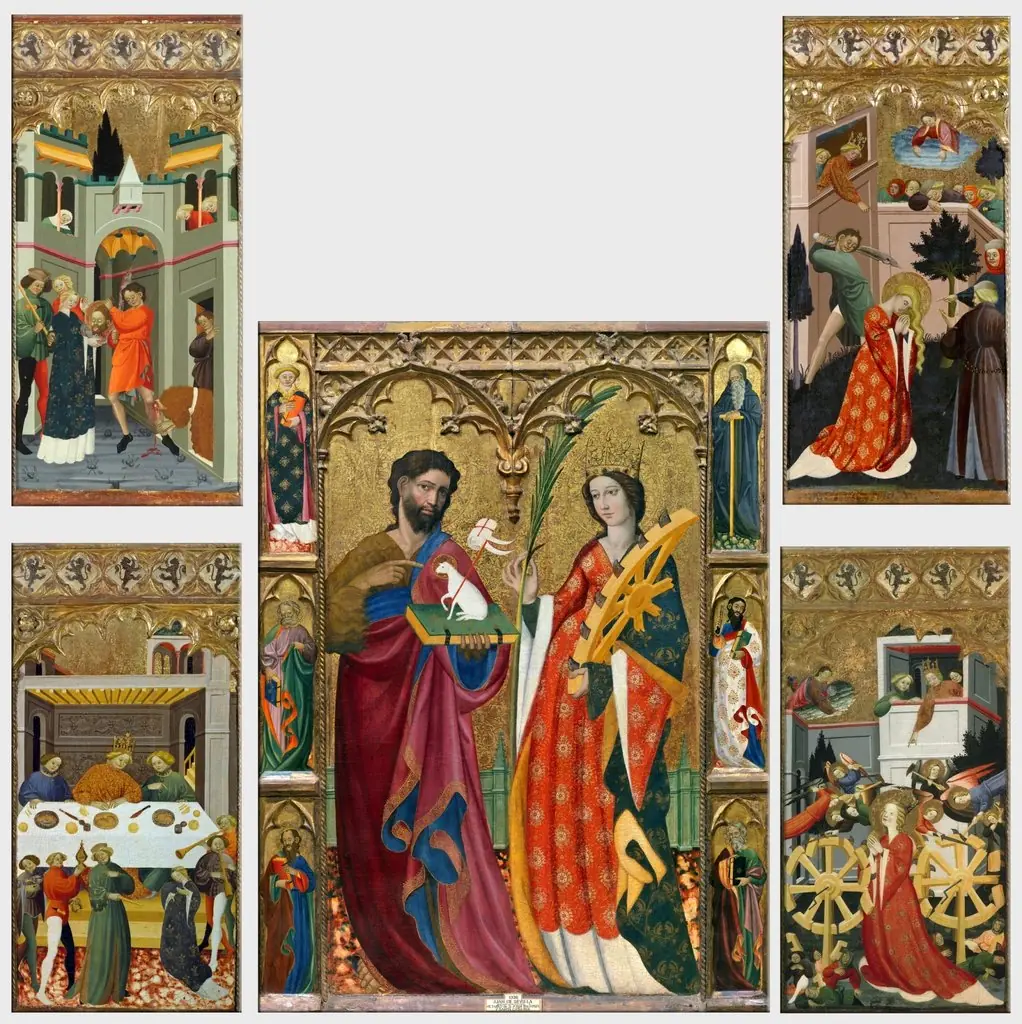 Saint John the Baptist and Saint Catherine Altar Piece
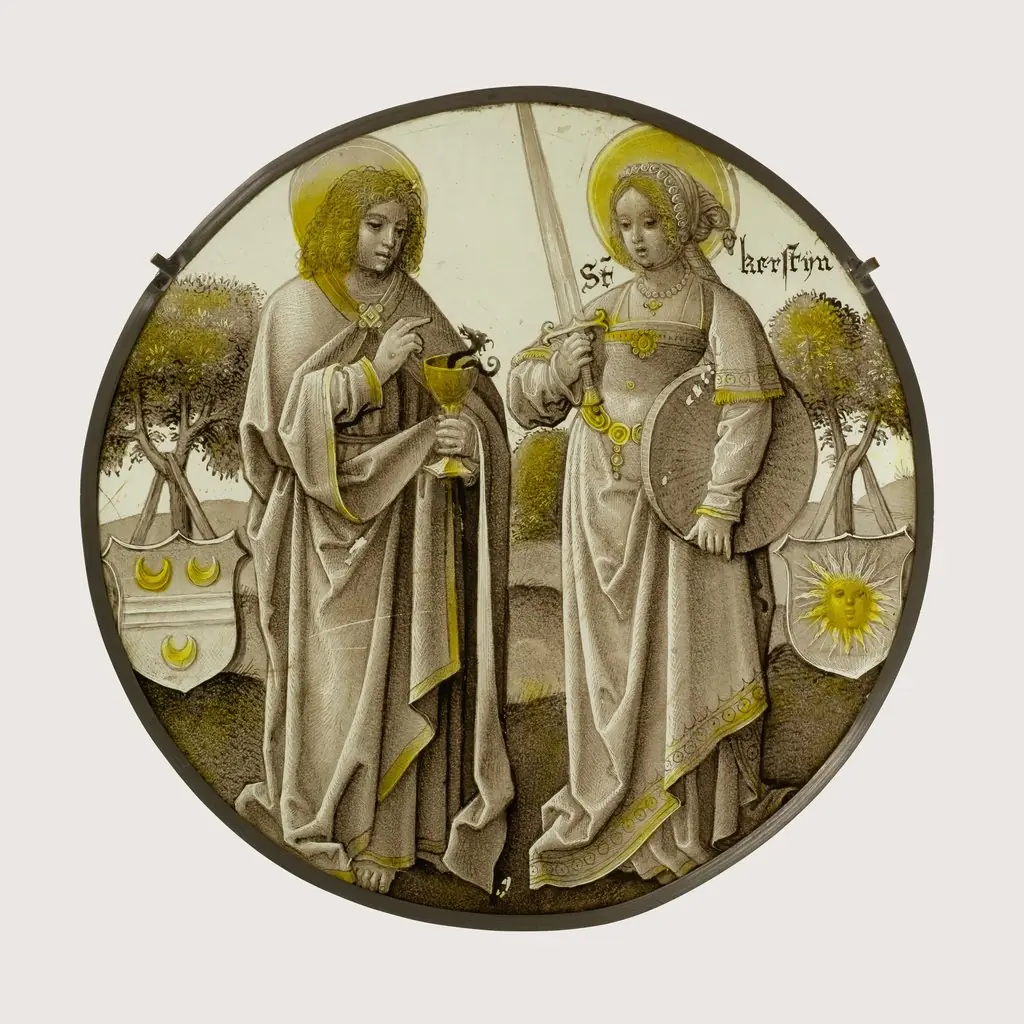 Heraldic Roundel with Saints John the Evangelist and Christina
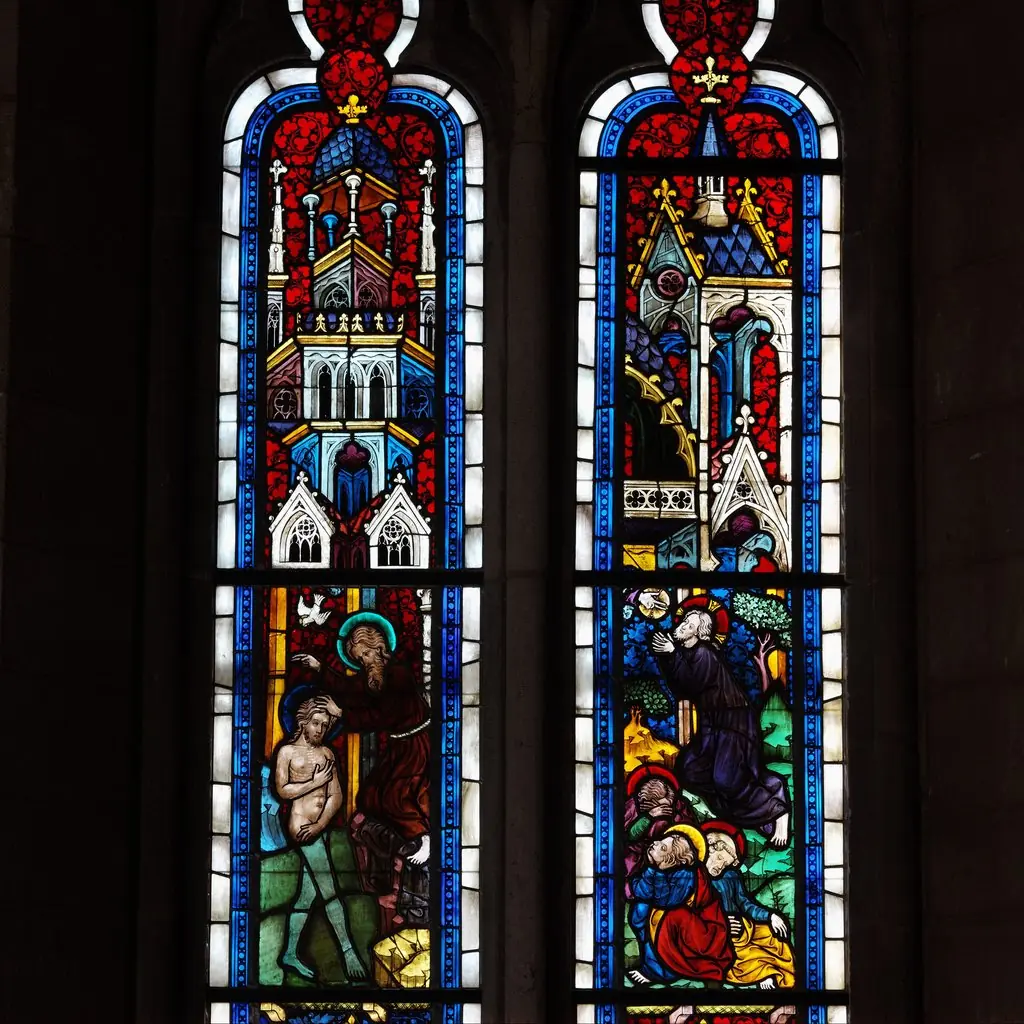 The Baptism of Christ
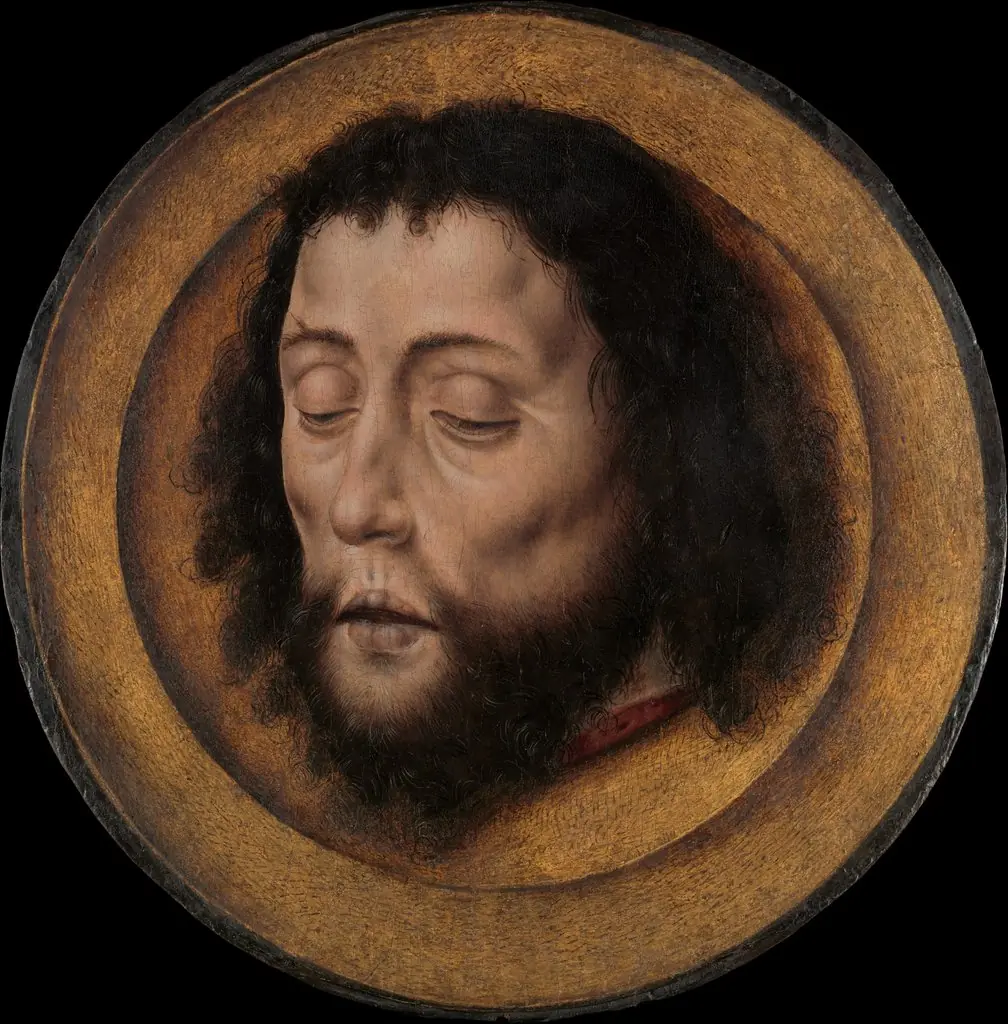 Head of Saint John the Baptist on a Charger
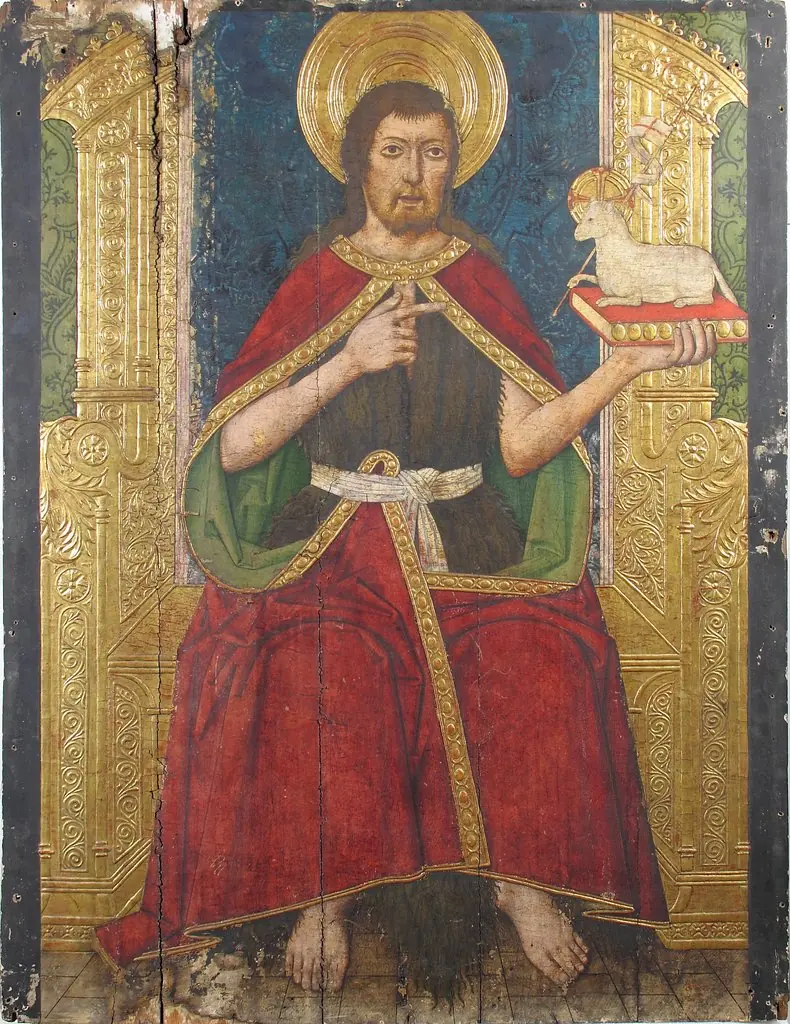 Panel with Saint John the Baptist Enthroned from Retable
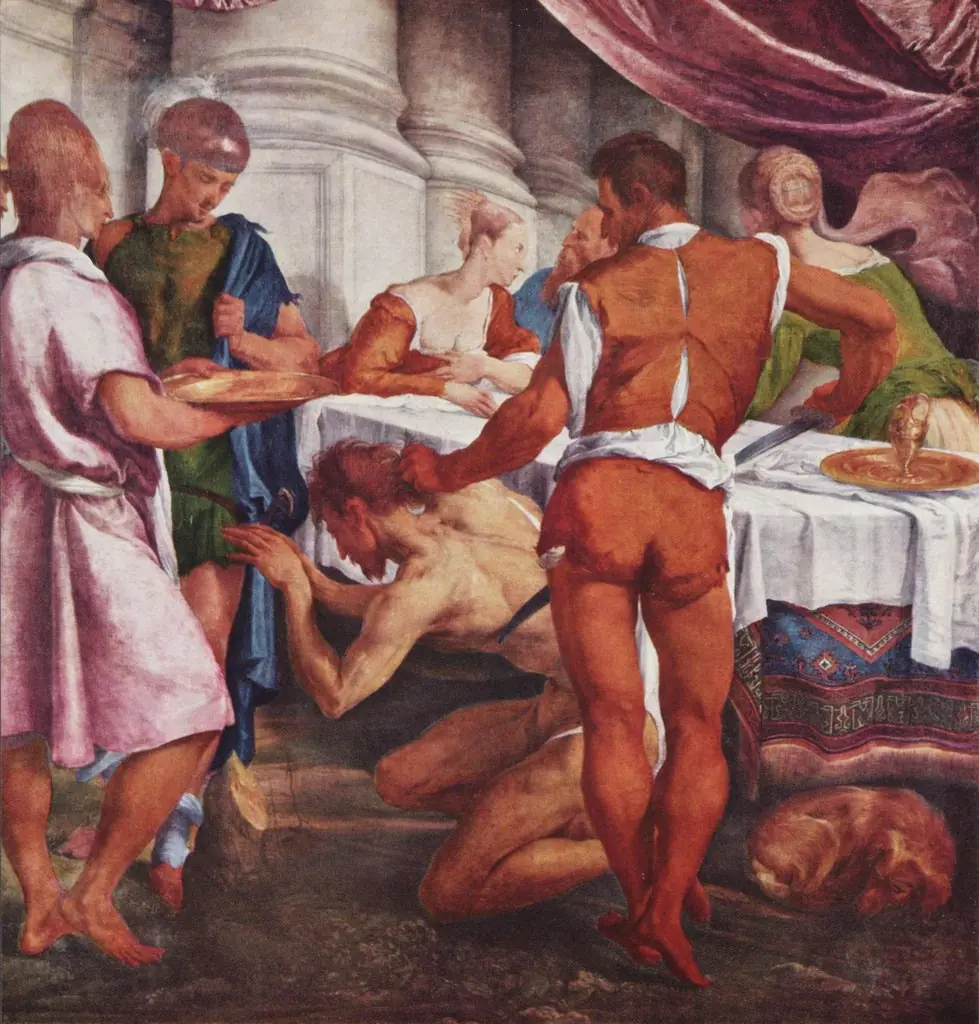 The Decapitation of St John the Baptist
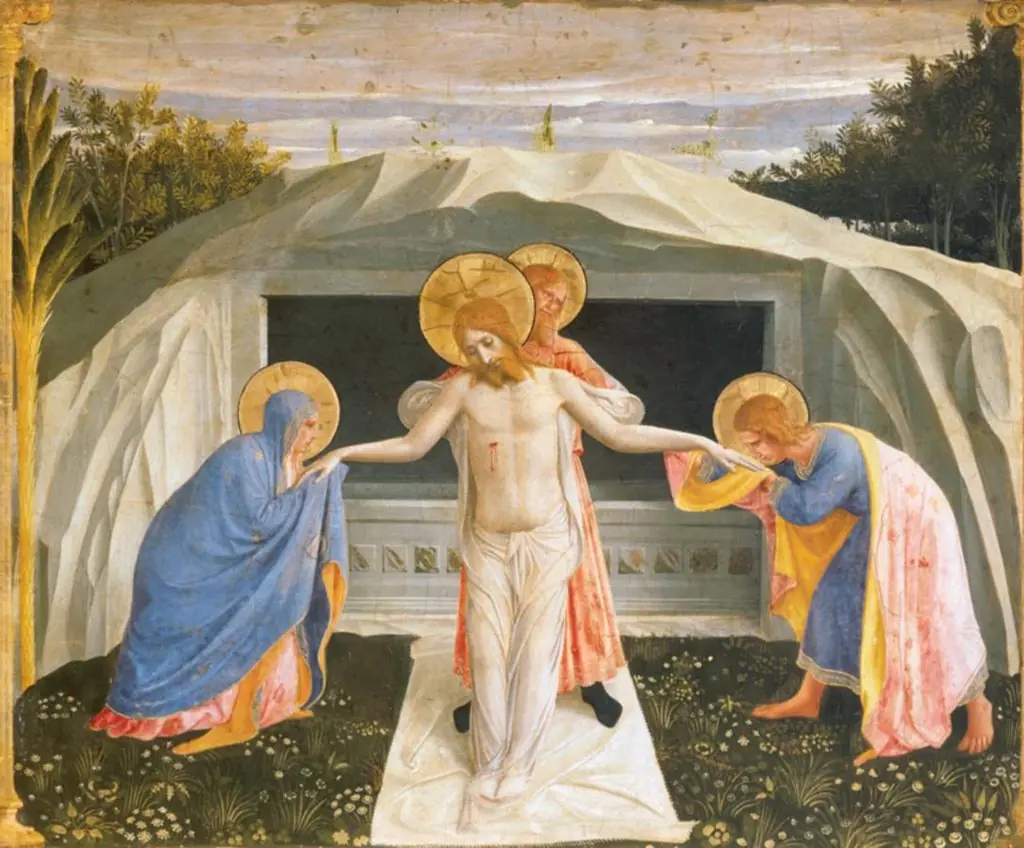 Entombment of Christ
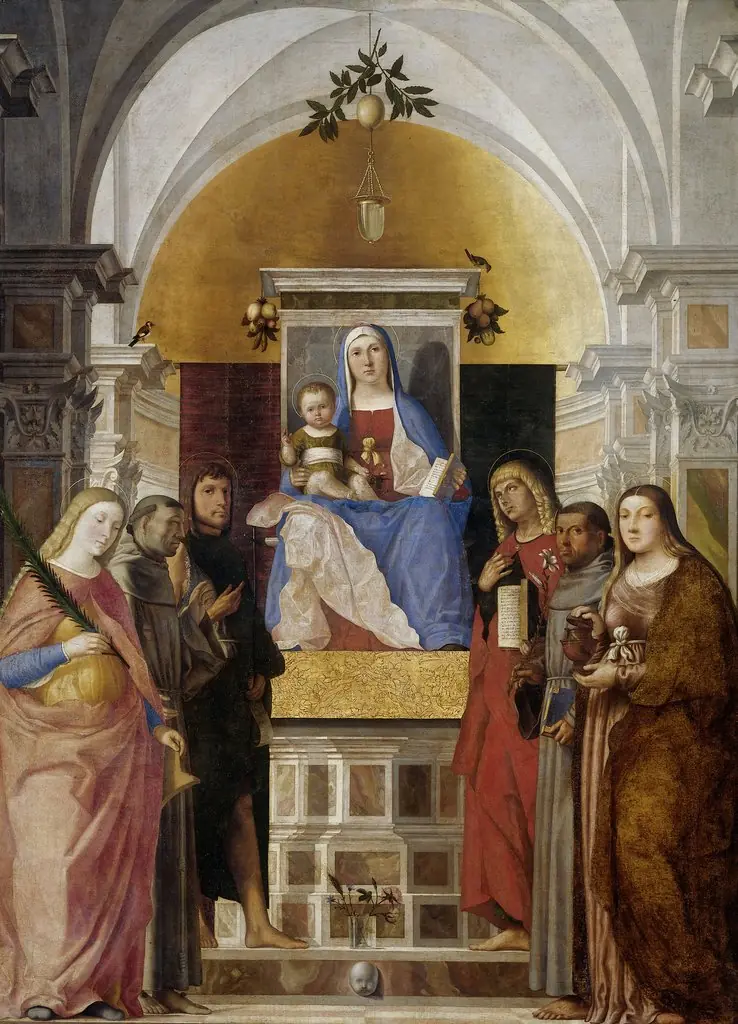 Virgin and Child with Saints Catherine, Francis, John the Baptist, Mary Magdalene, Antony of Padua, John the Evangelist
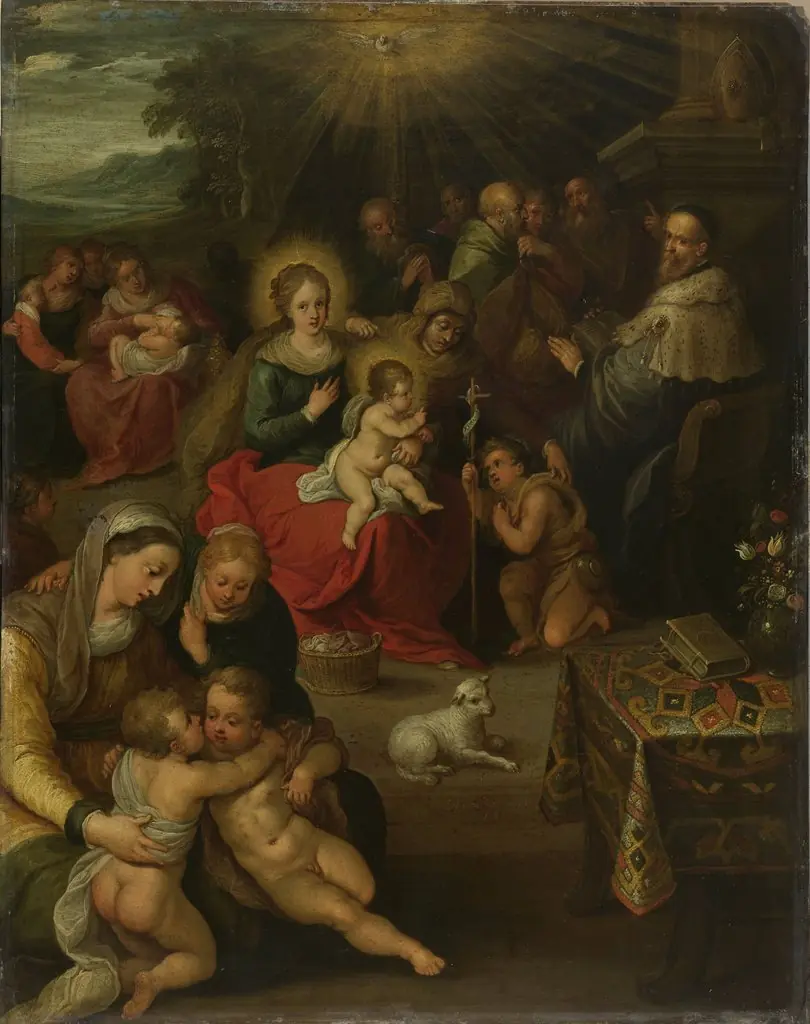 Allegory on the Christ child as the lamb of God
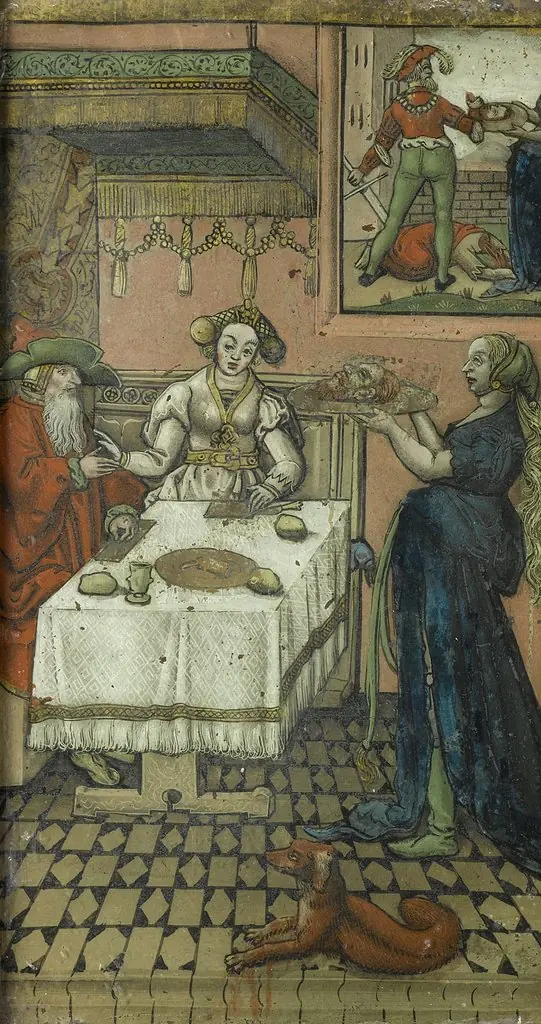 Salome with the head of St John the Baptist
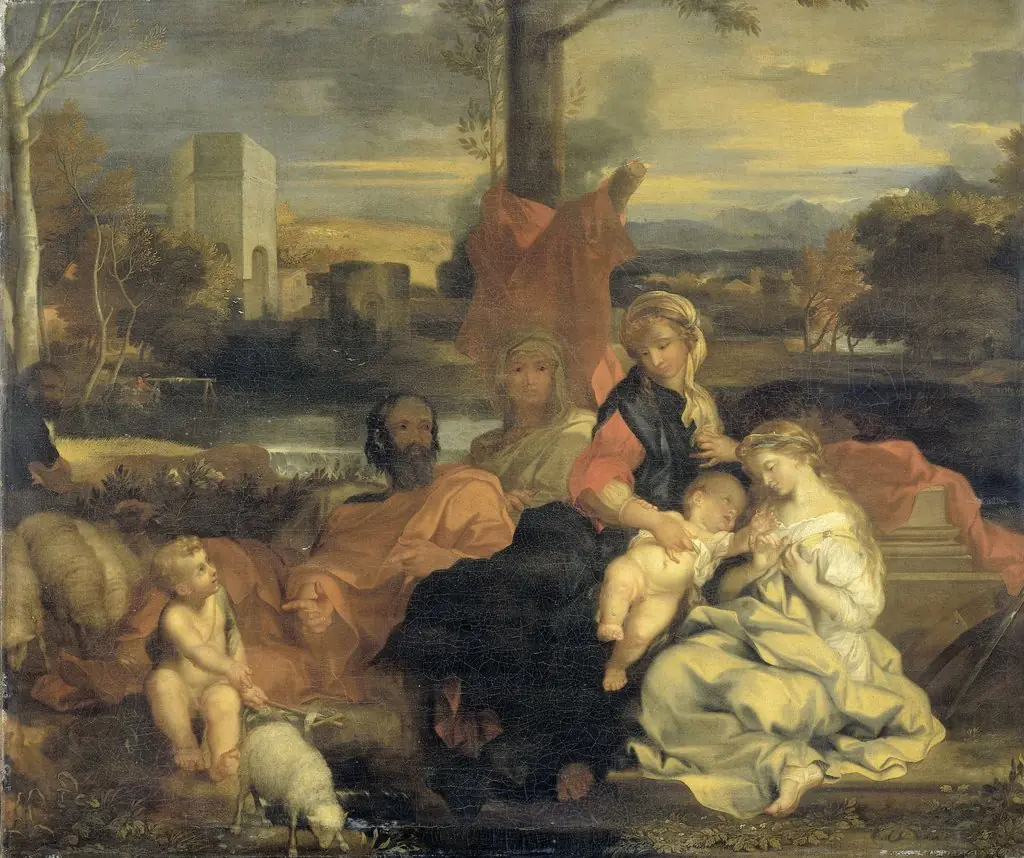 The Mystic Marriage of St Catherine
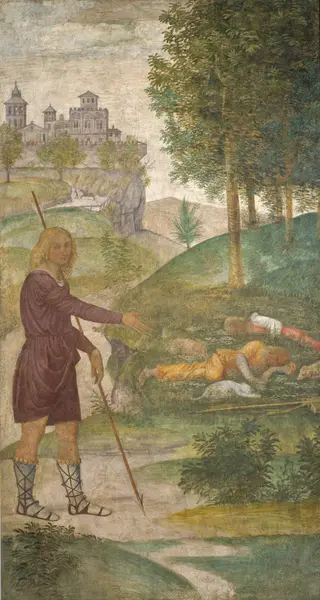 Cephalus and the Nymphs
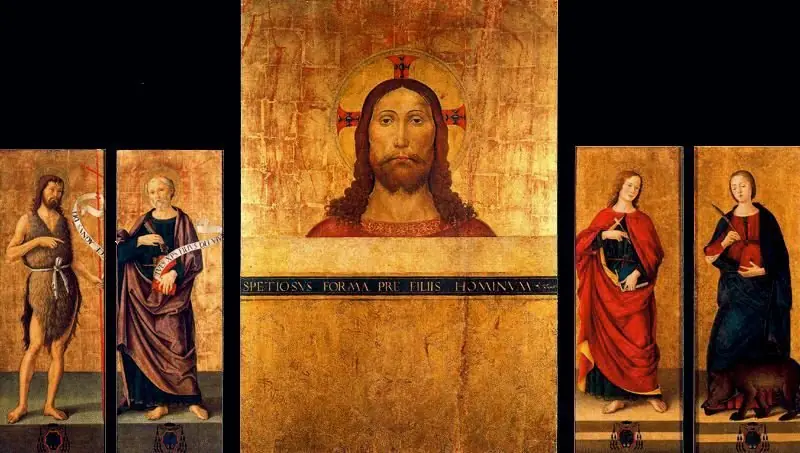 Triptych: Bust of Christ, Saint John the Baptist and Saint Peter. Closed: Saint John the Evangelist and Saint Colombe
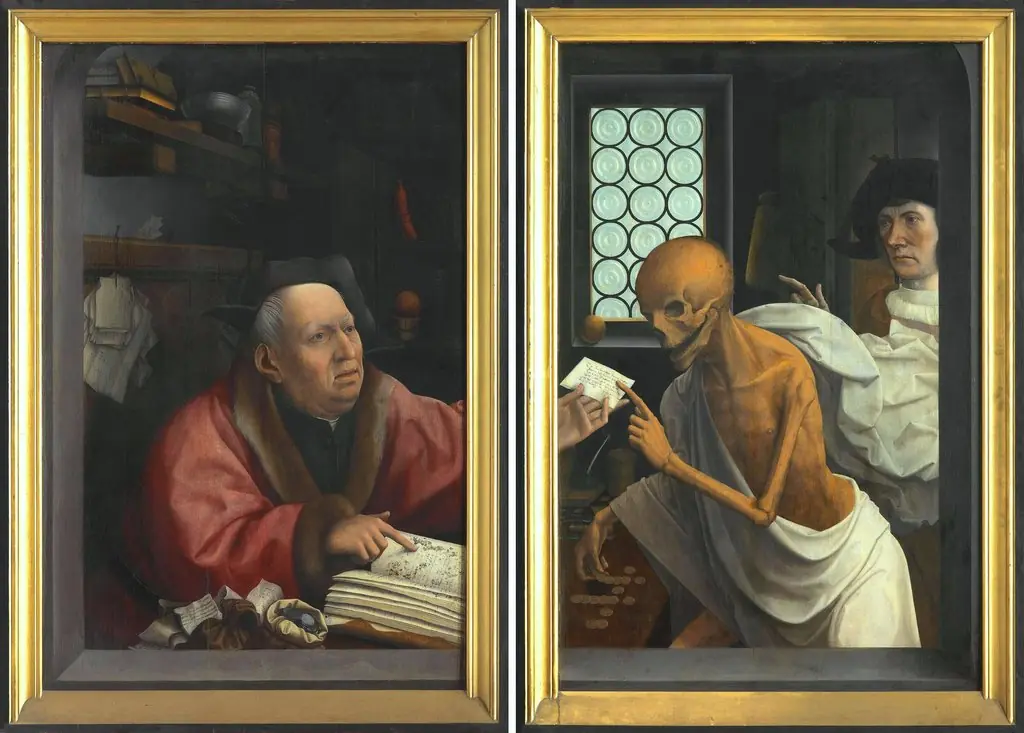 Death and the Miser (outer doors); St. Nicolas with donor and St. Godelieve with donor (inner doors)
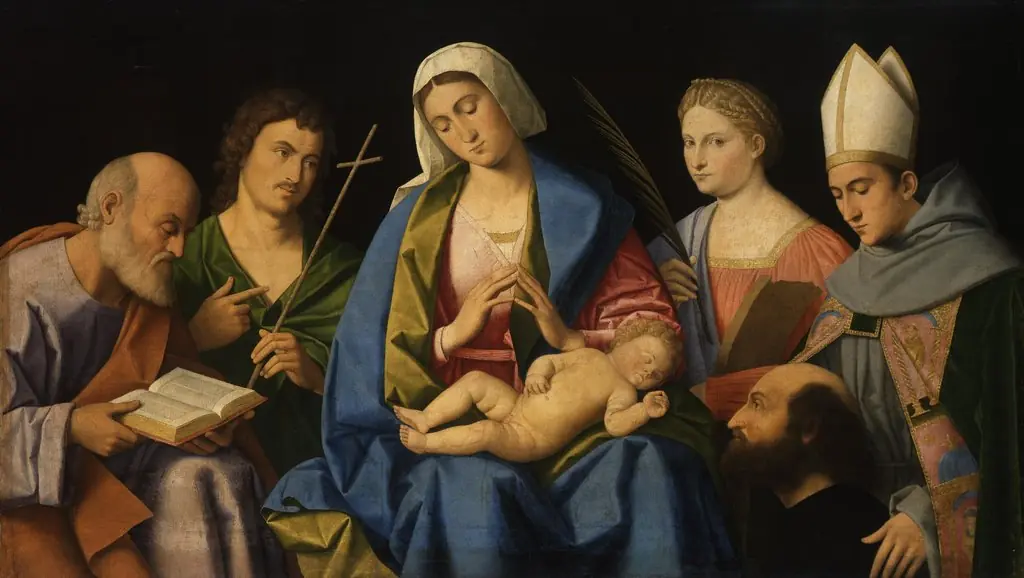 Madonna and Child with Saints and Donor
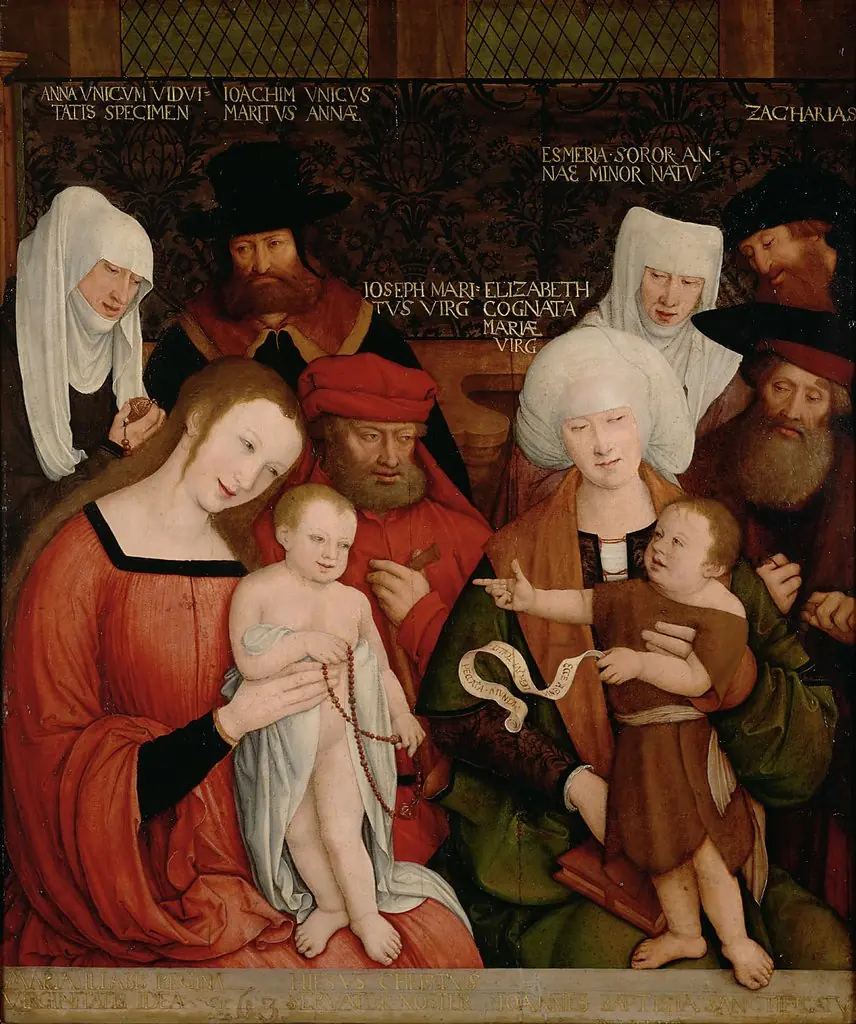 Holy Tribe
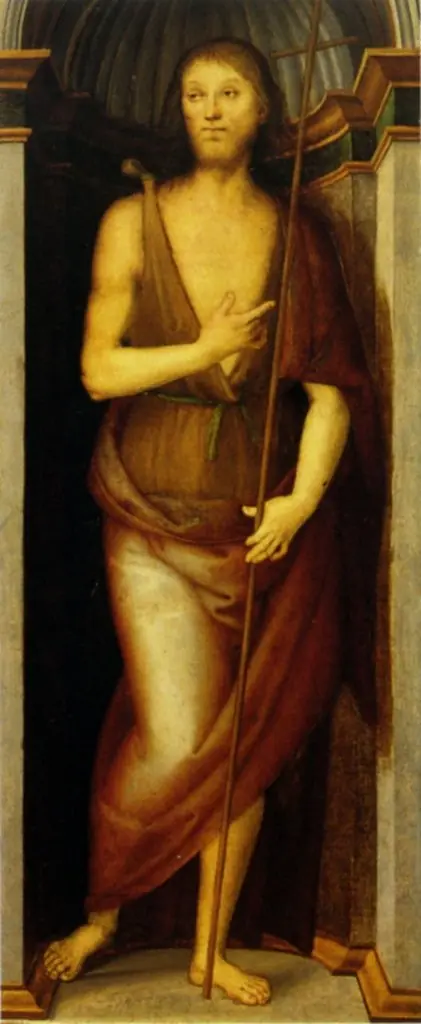 San Giovanni Battista
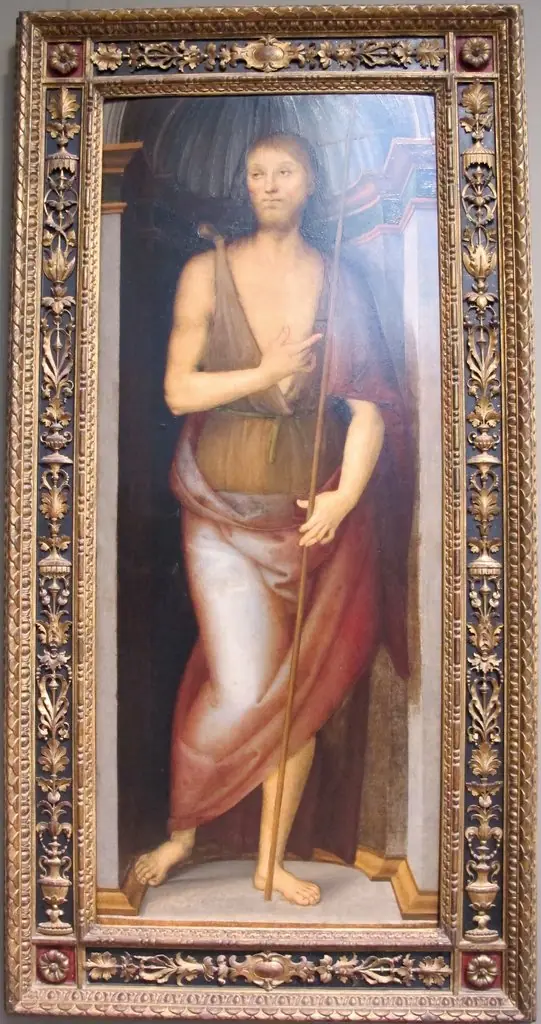 Saint John
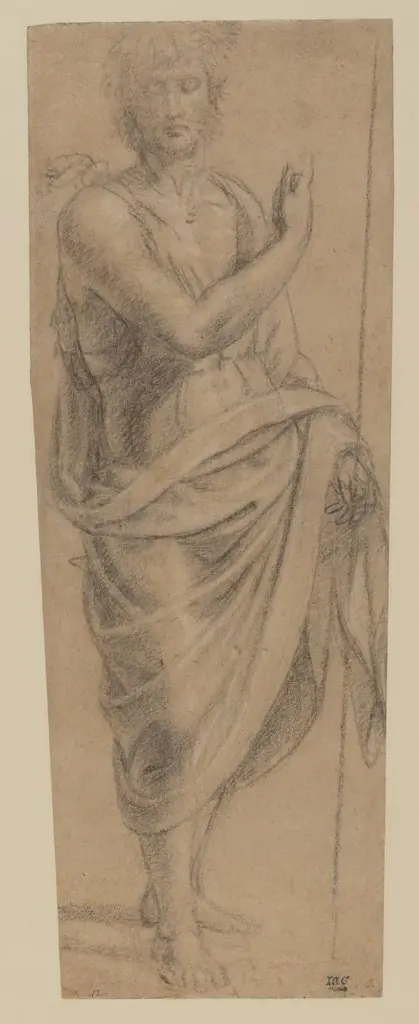 Saint John the Baptist
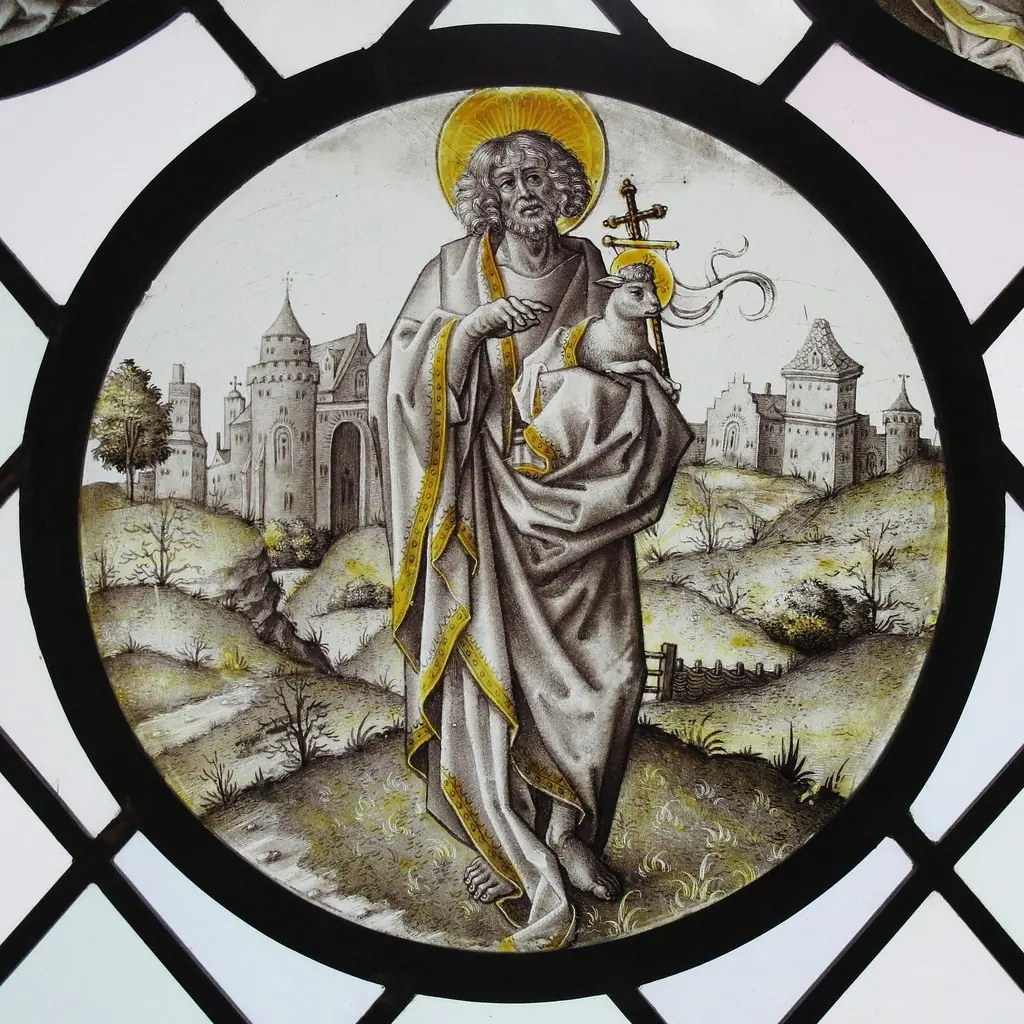 Roundel with Saint John The Baptist
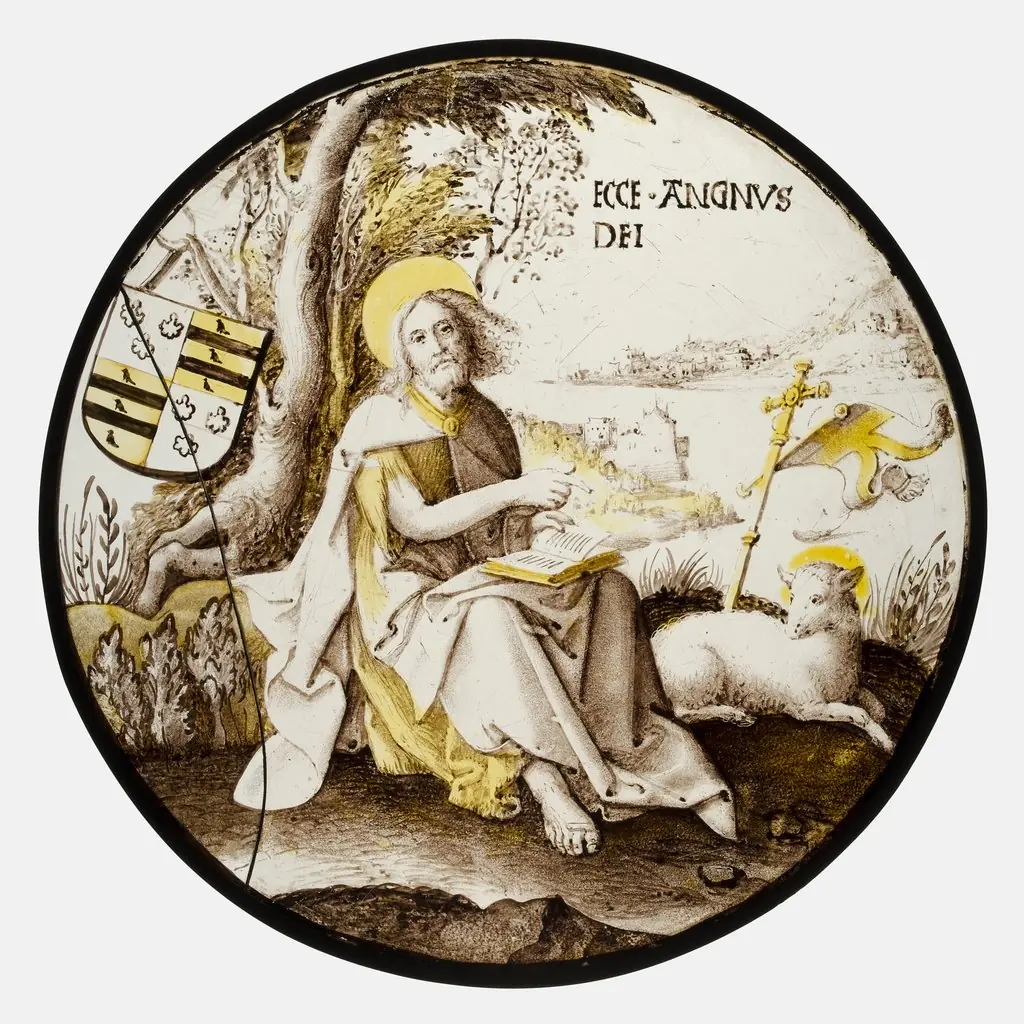 Roundel with Saint John the Baptist
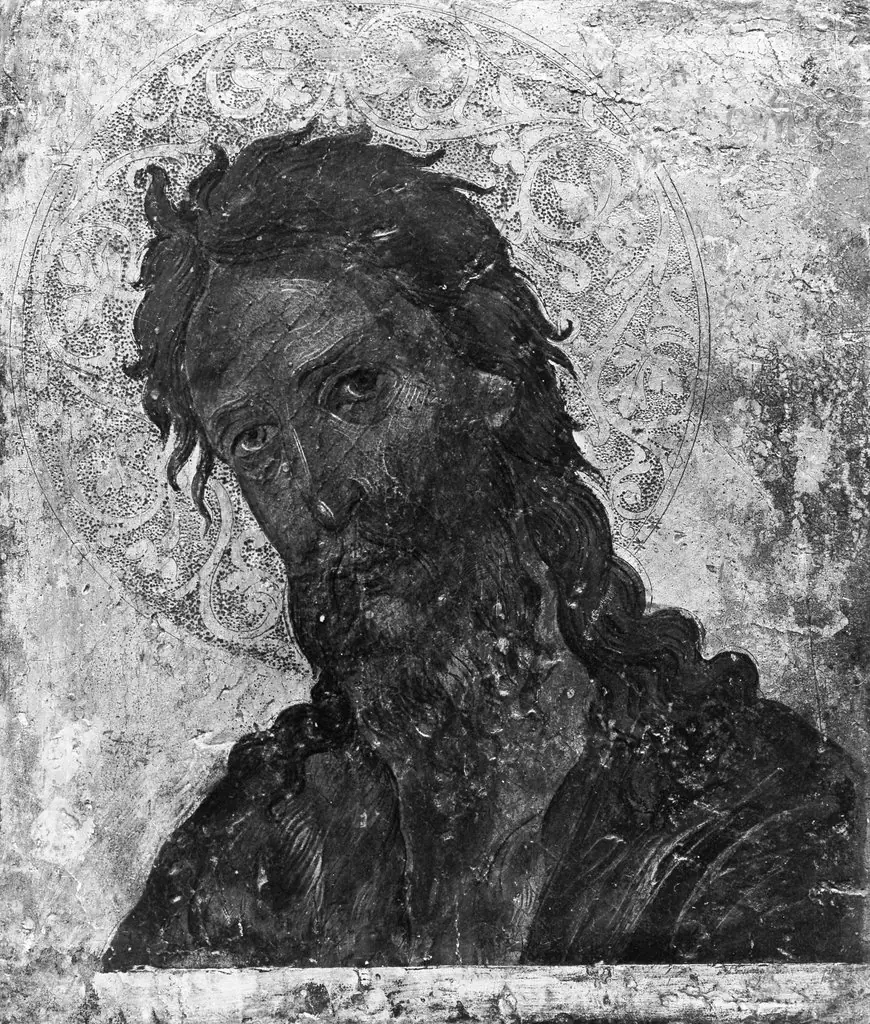 Head of Saint John the Baptist
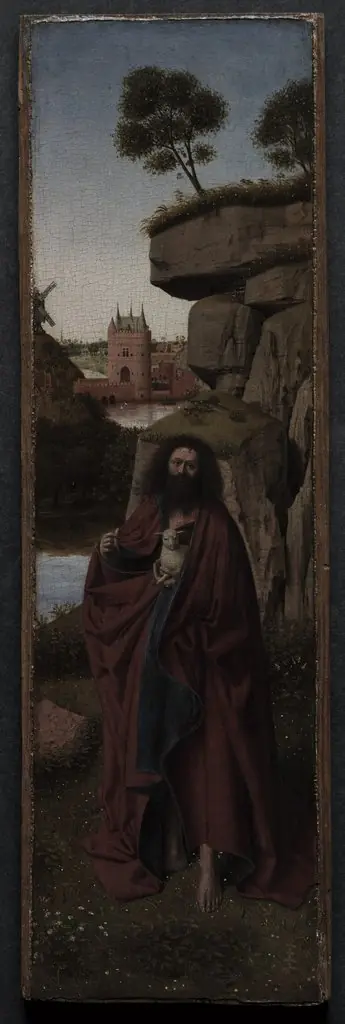 Saint John the Baptist in a Landscape
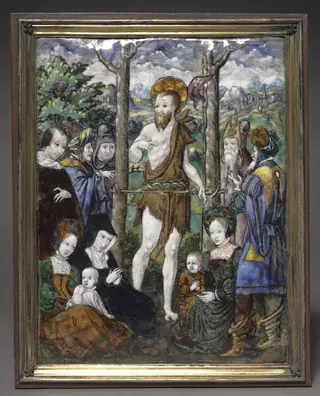 Preachment
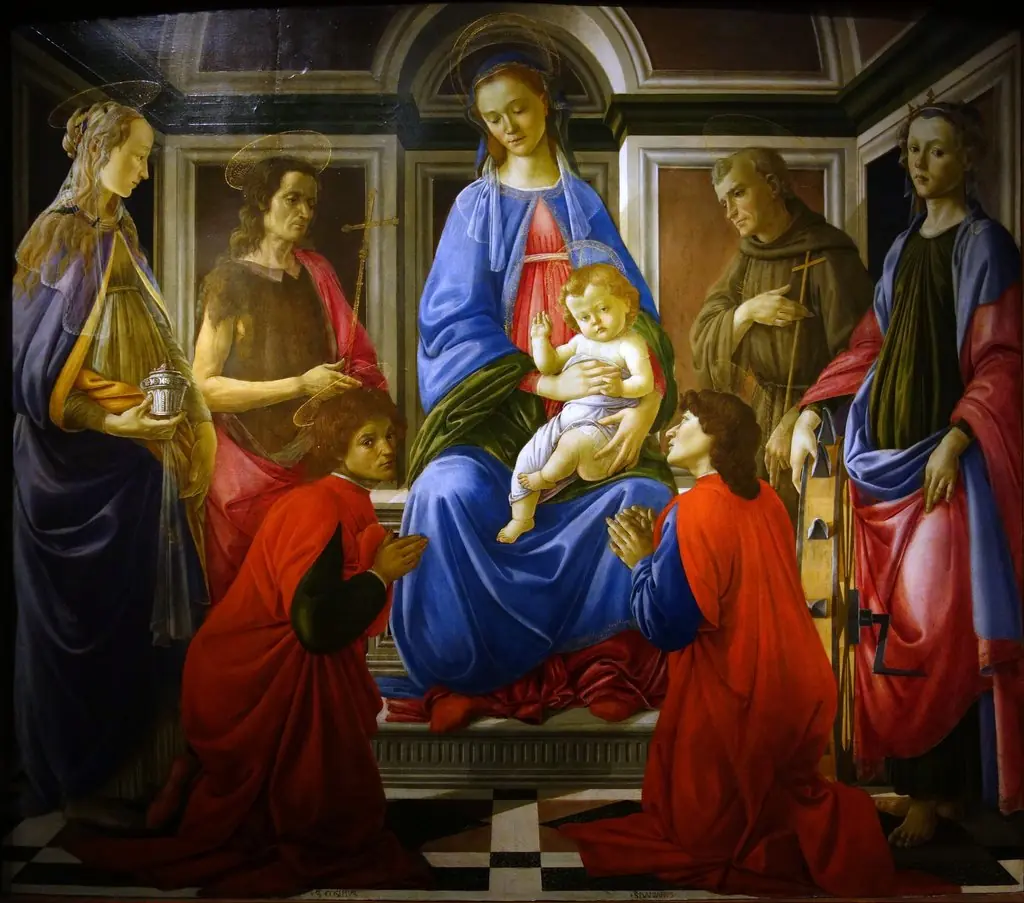 Sant'Ambrogio Altarpiece
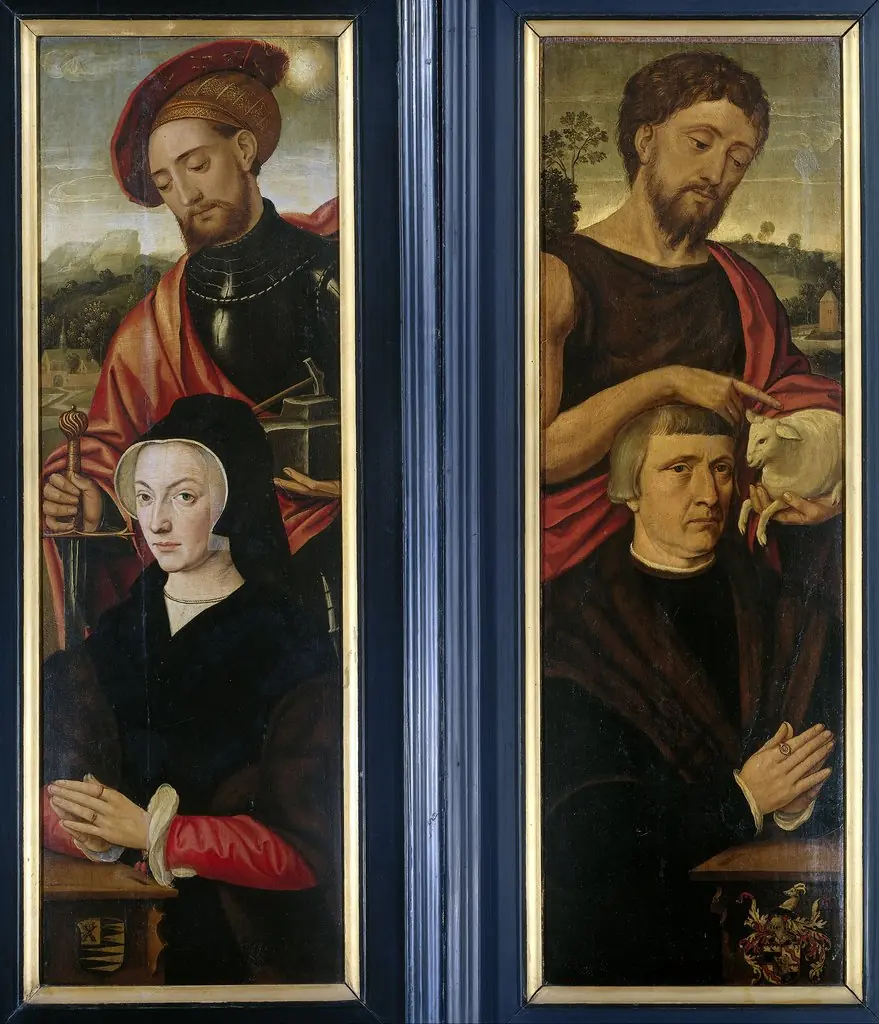 Two wings of a triptych, with the portraits of a man and a woman, accompanied respectively by John the Baptist and St. Adrianus
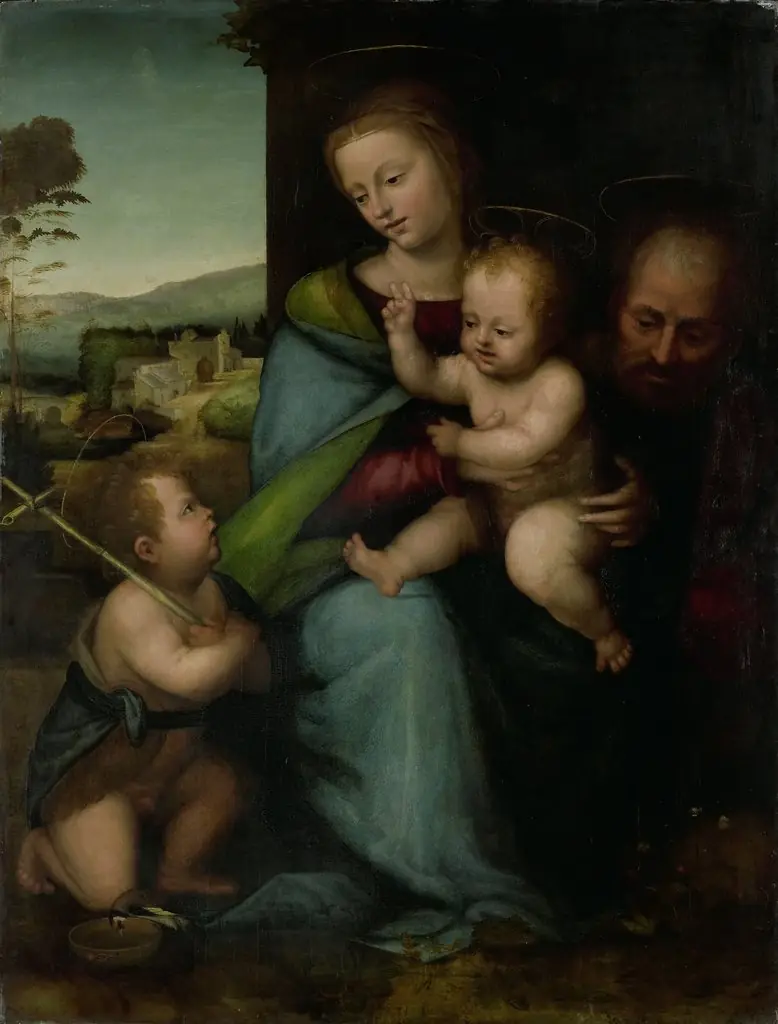 The Holy Family with the Infant John the Baptist
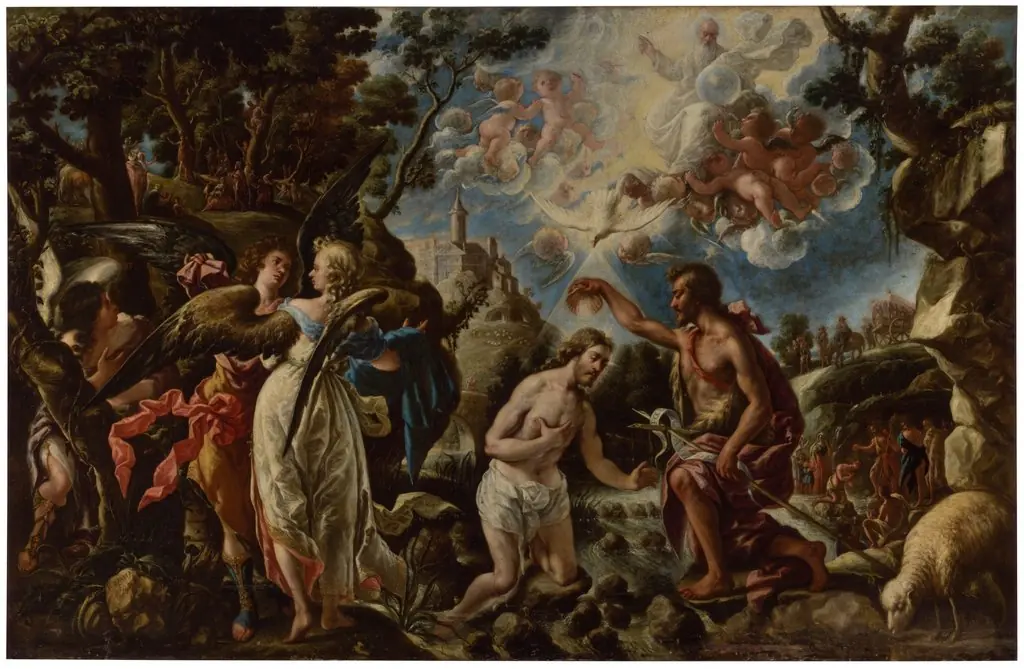 El Bautismo de Cristo
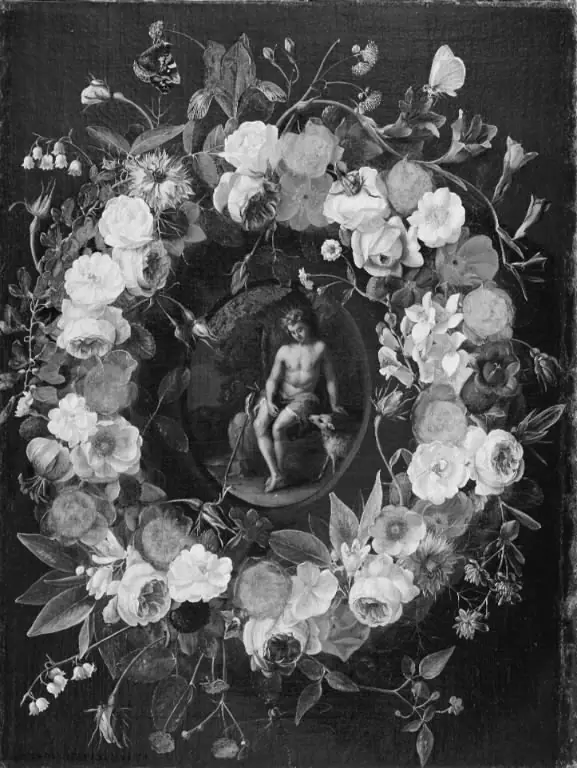 Flower garland surrounding John the Baptist with the lamb
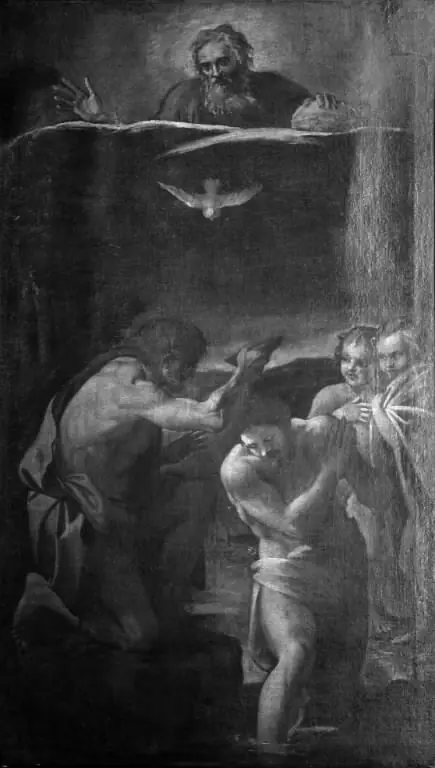 The Baptism of Christ
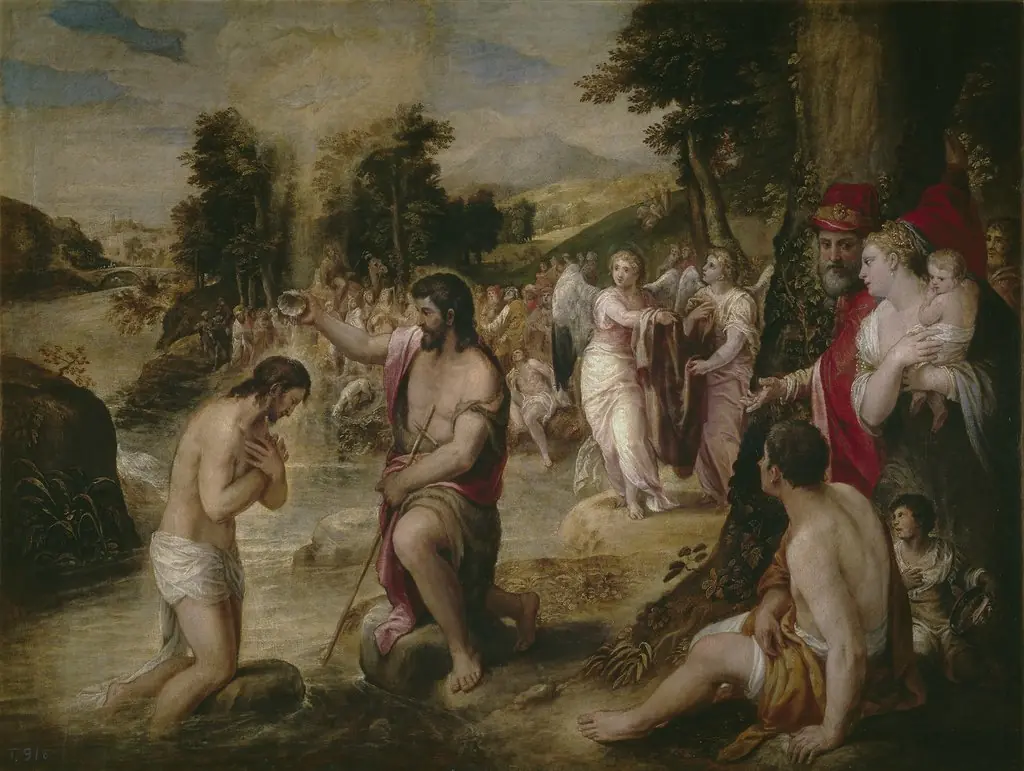 The Baptism of Christ
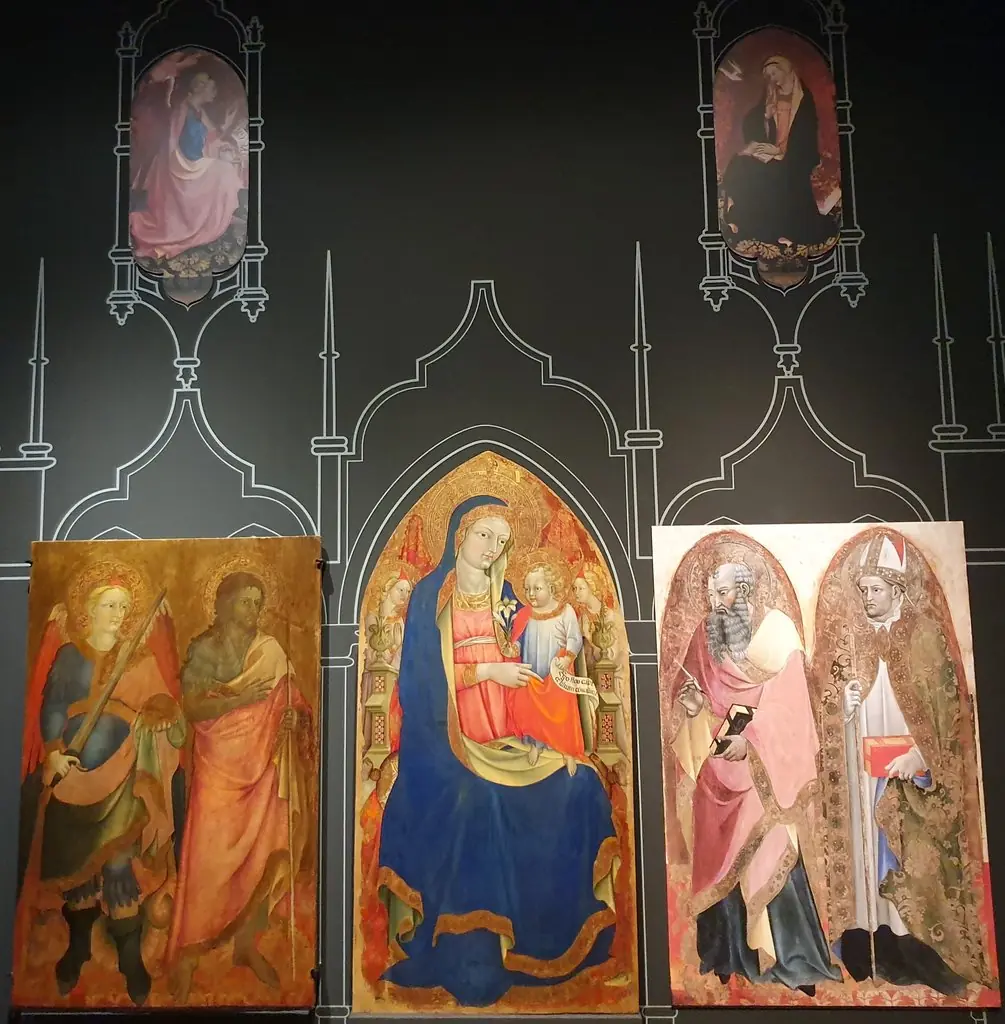 Polyptych of Sant'Agostino, Nicosia
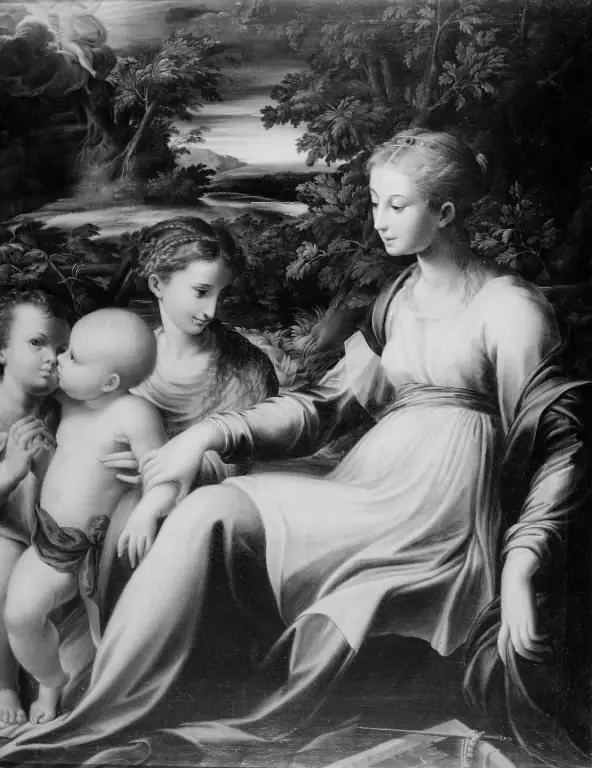 The Holy Family
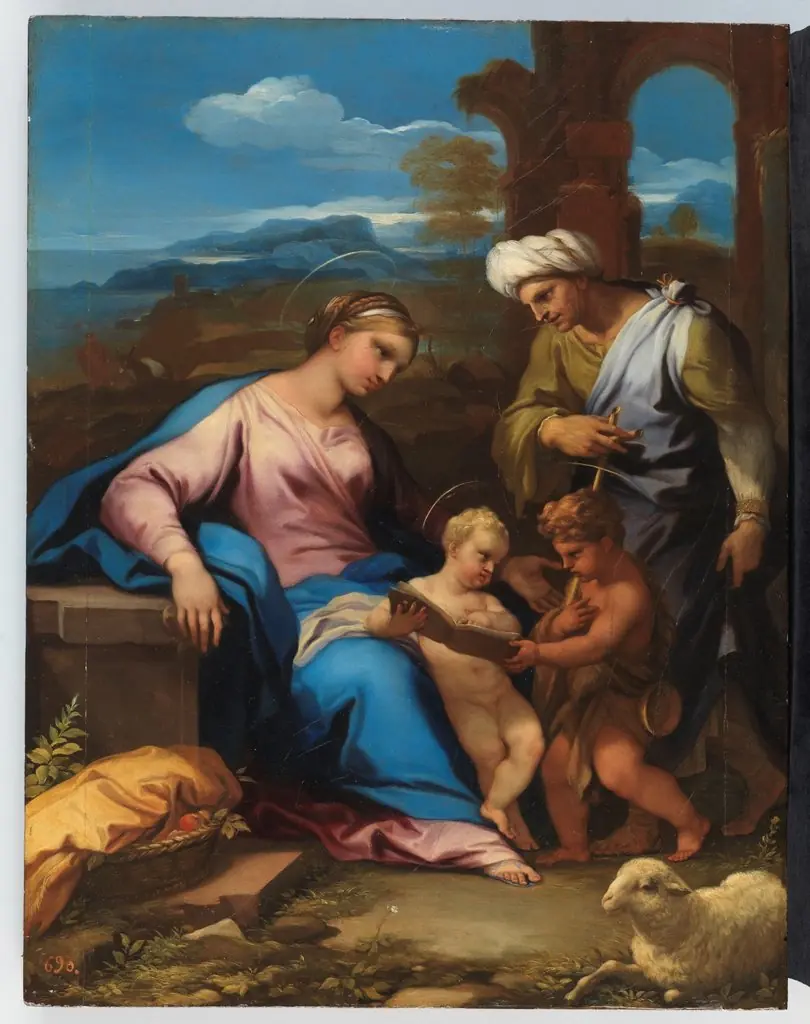 La Sagrada Familia con santa Isabel y san Juanito
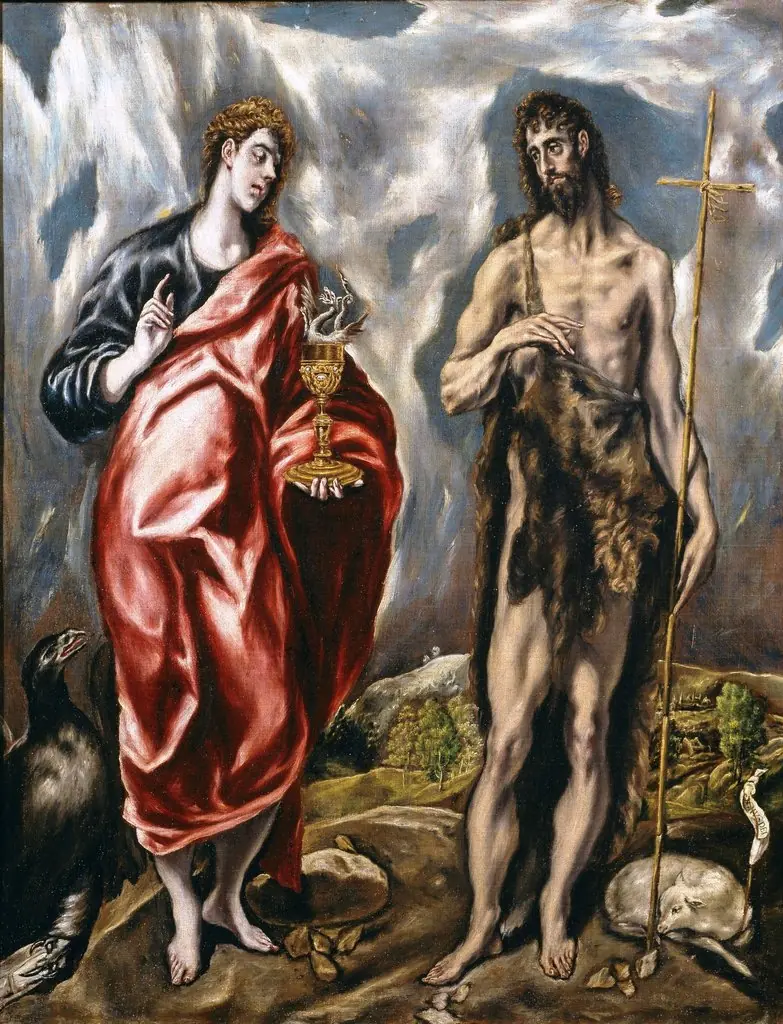 Saint John the Baptist and Saint John the Evangelist
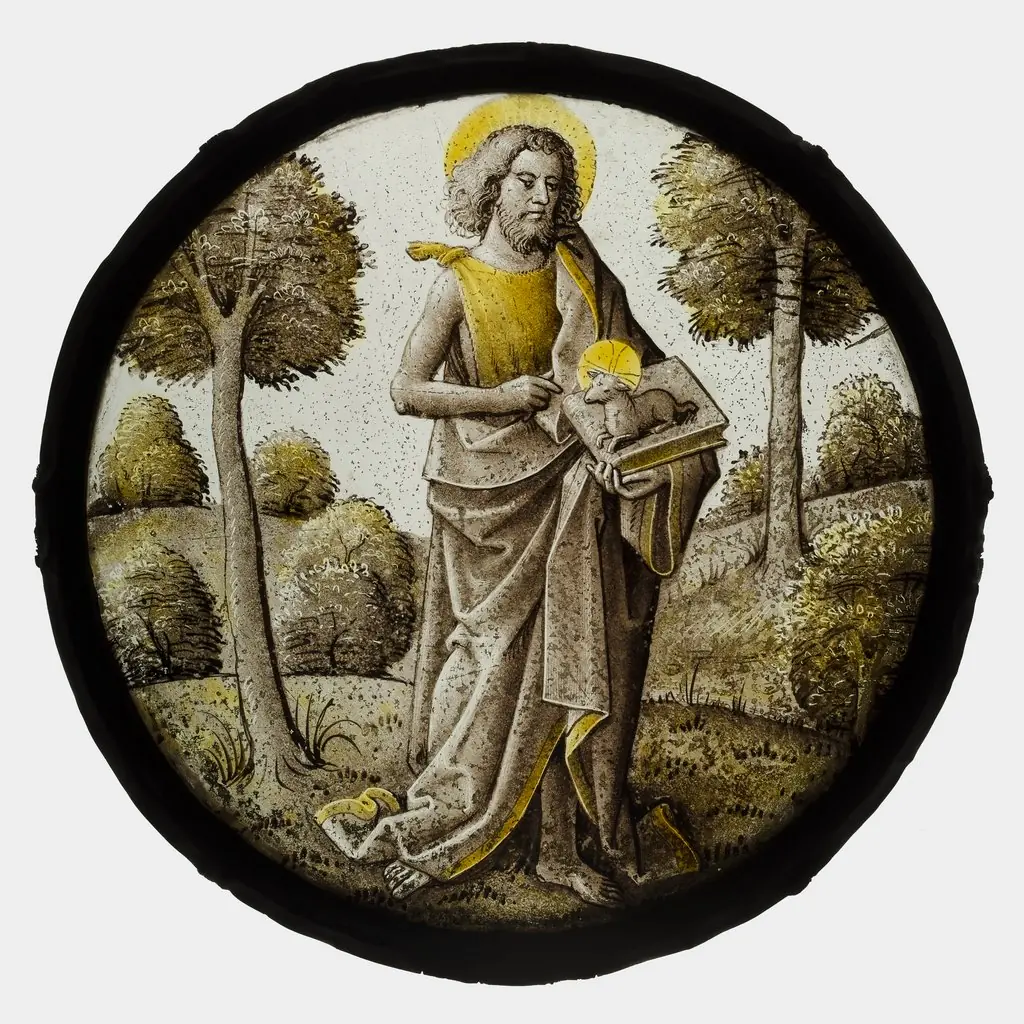 Roundel with Saint John the Baptist
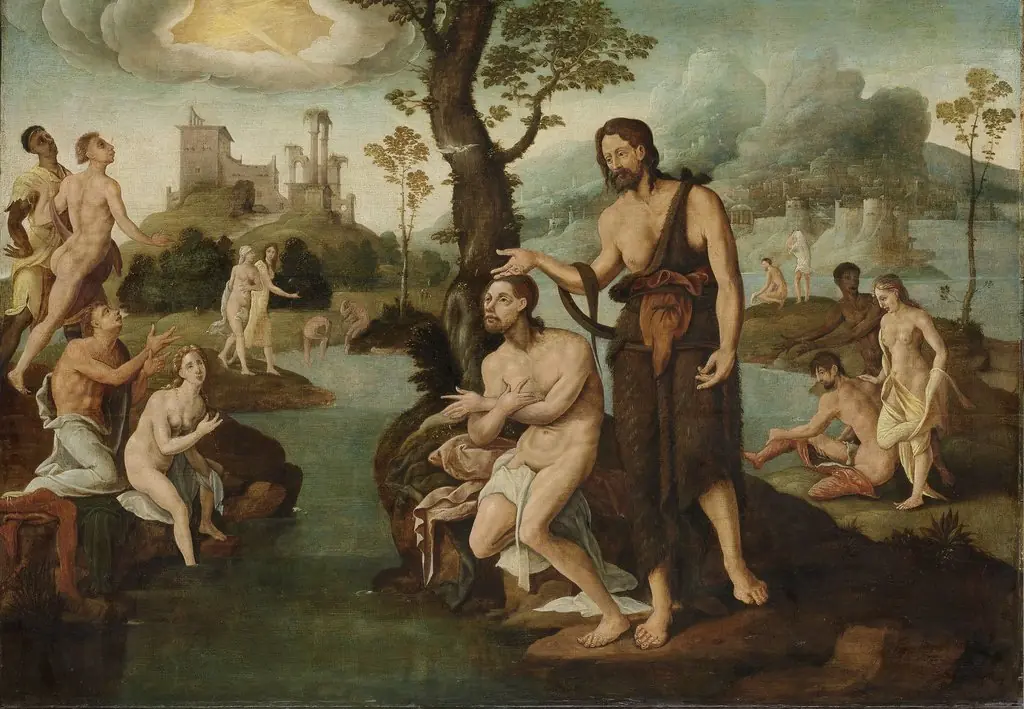 The Baptism of Christ
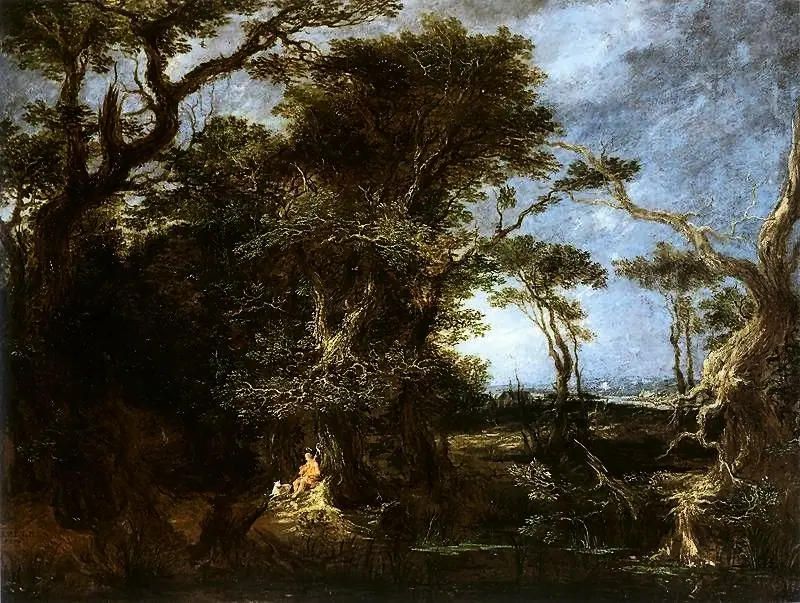 Landscape with St. John the Baptist
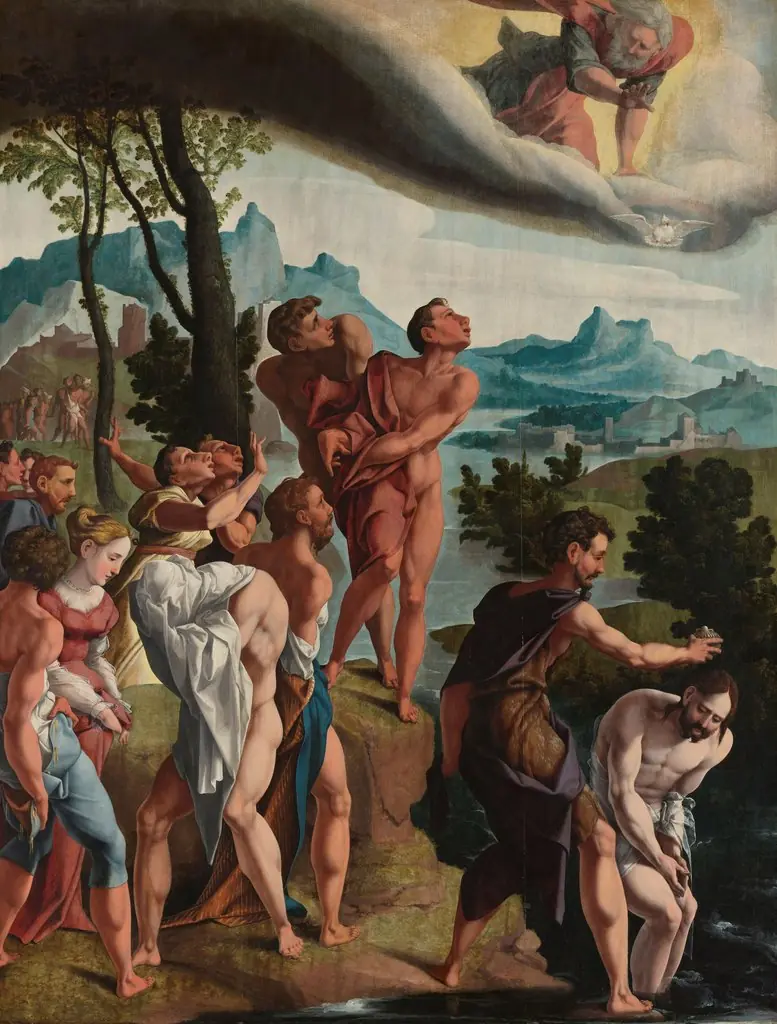 The Baptism of Christ
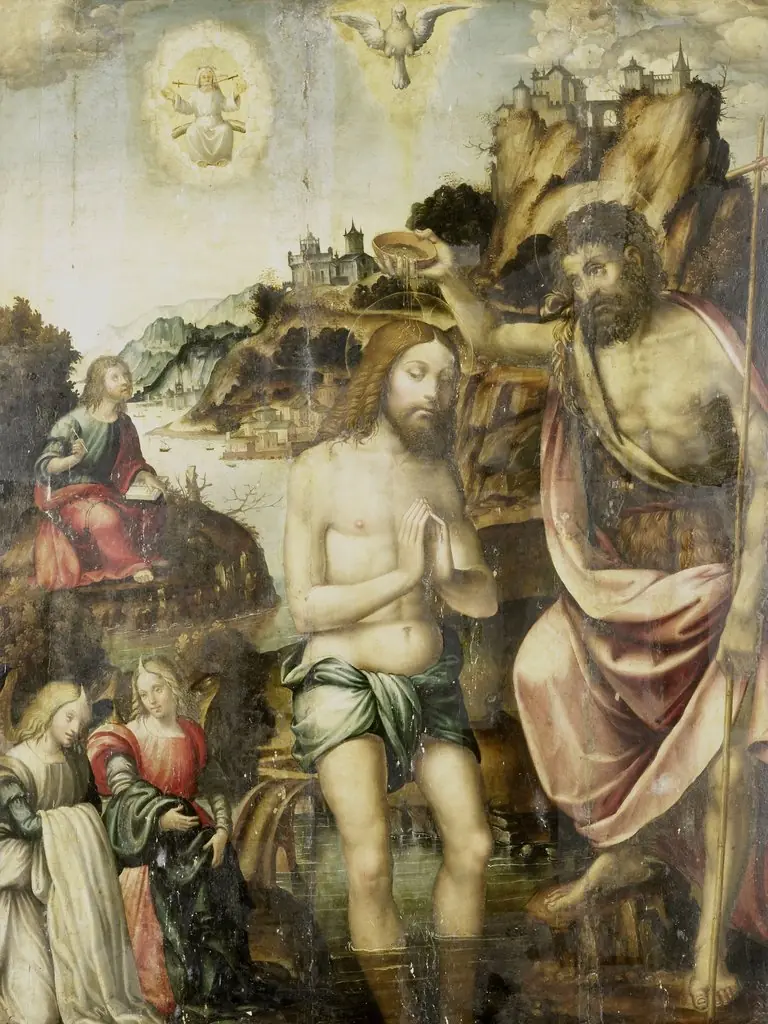 The Baptism of Christ
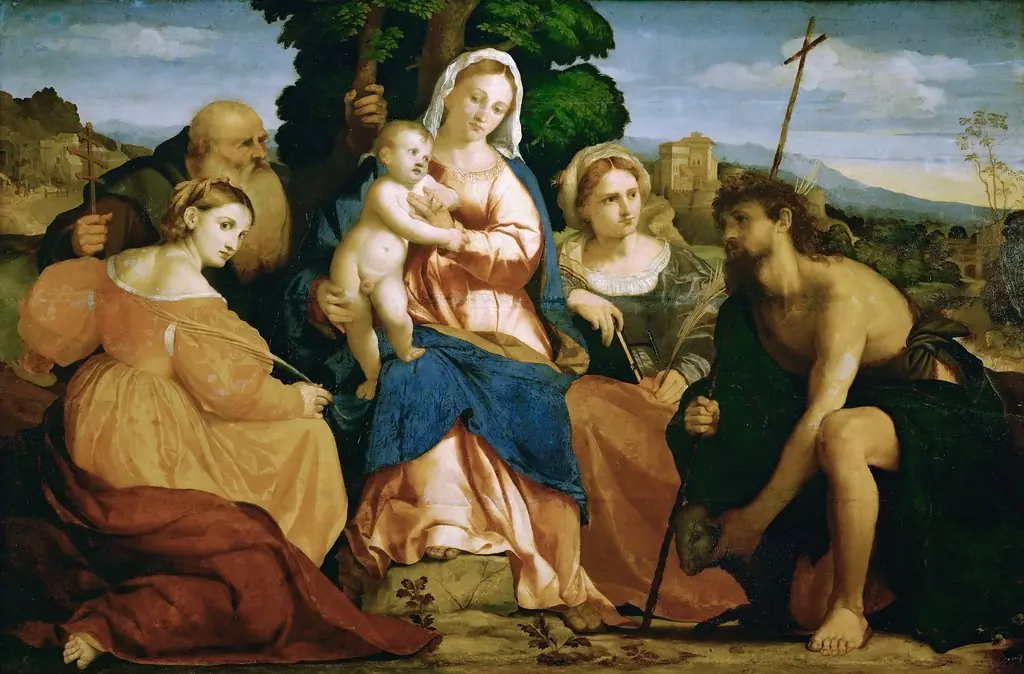 Sacred conversation
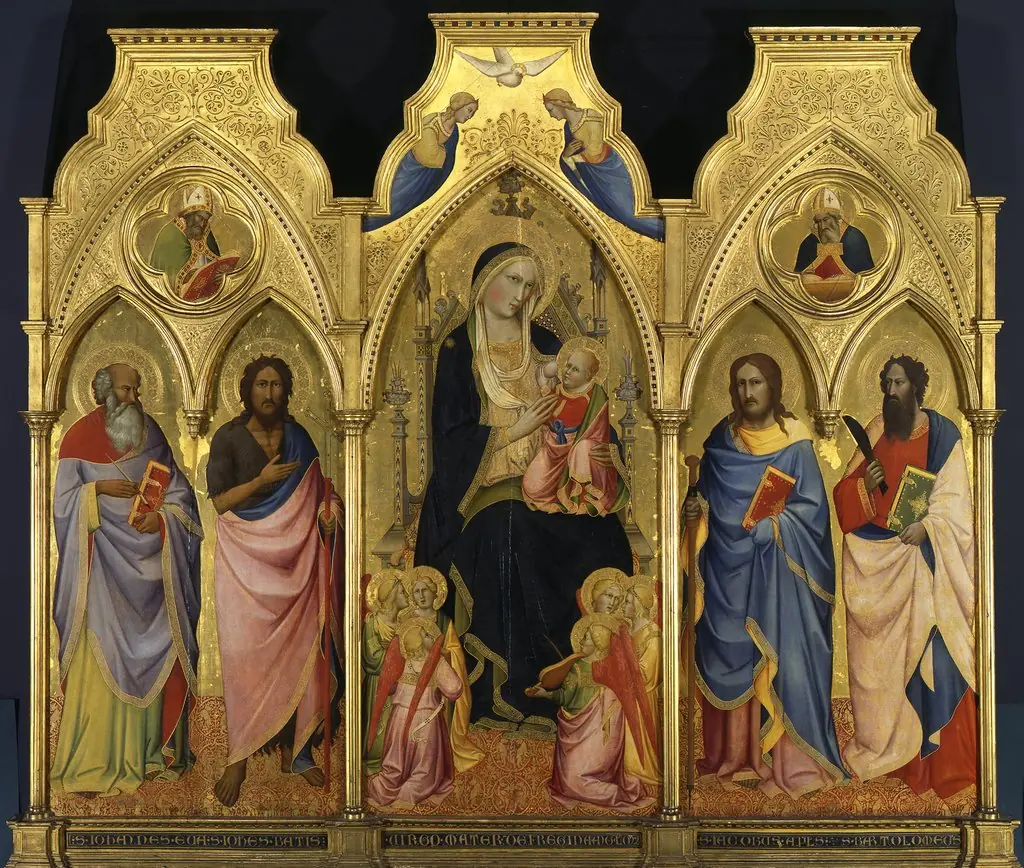 Triptych
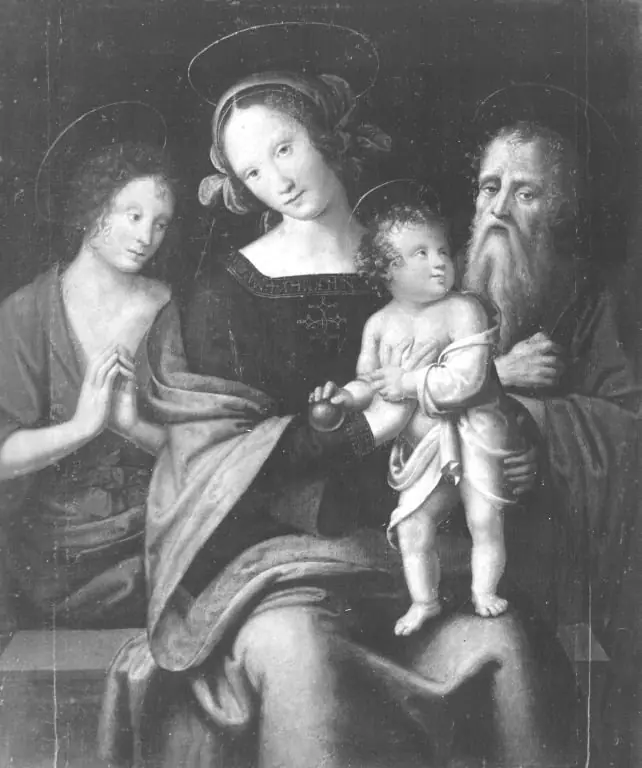 Maria mit Kind mit den hll. Johannes der Täufer und Hieronymus
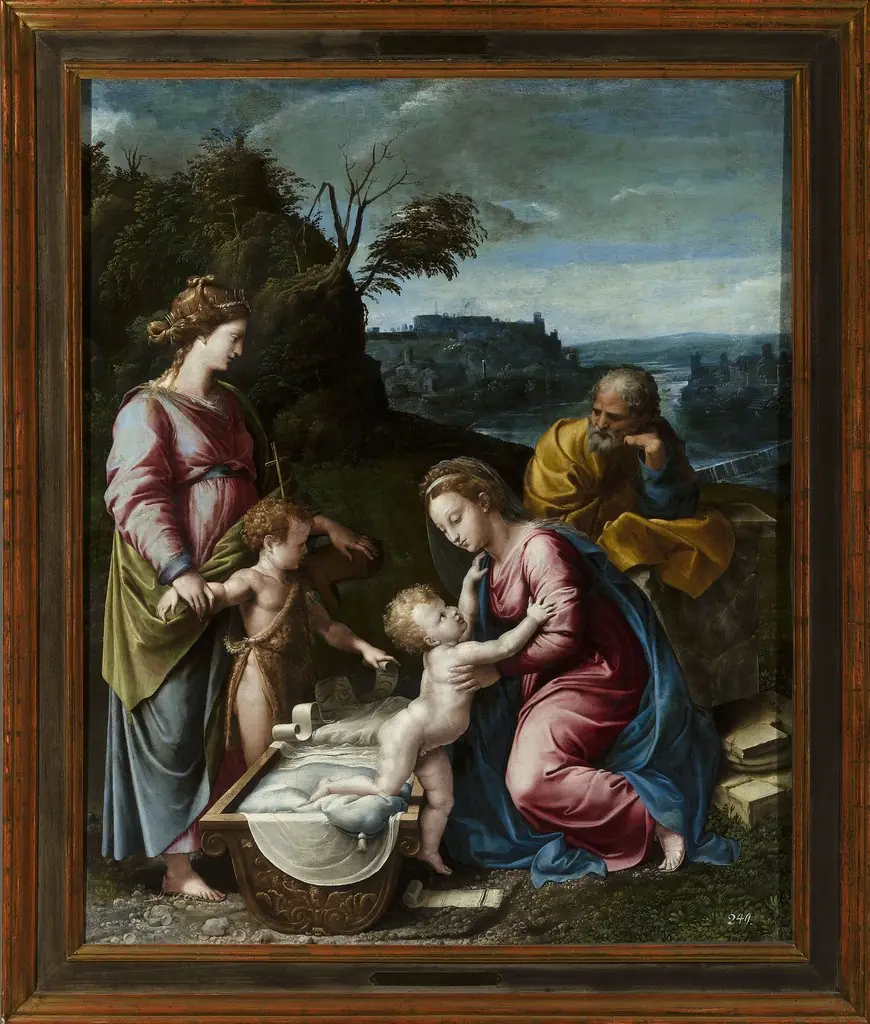 Holy Family with St. John the Baptist and St. Catherine of Alexandria
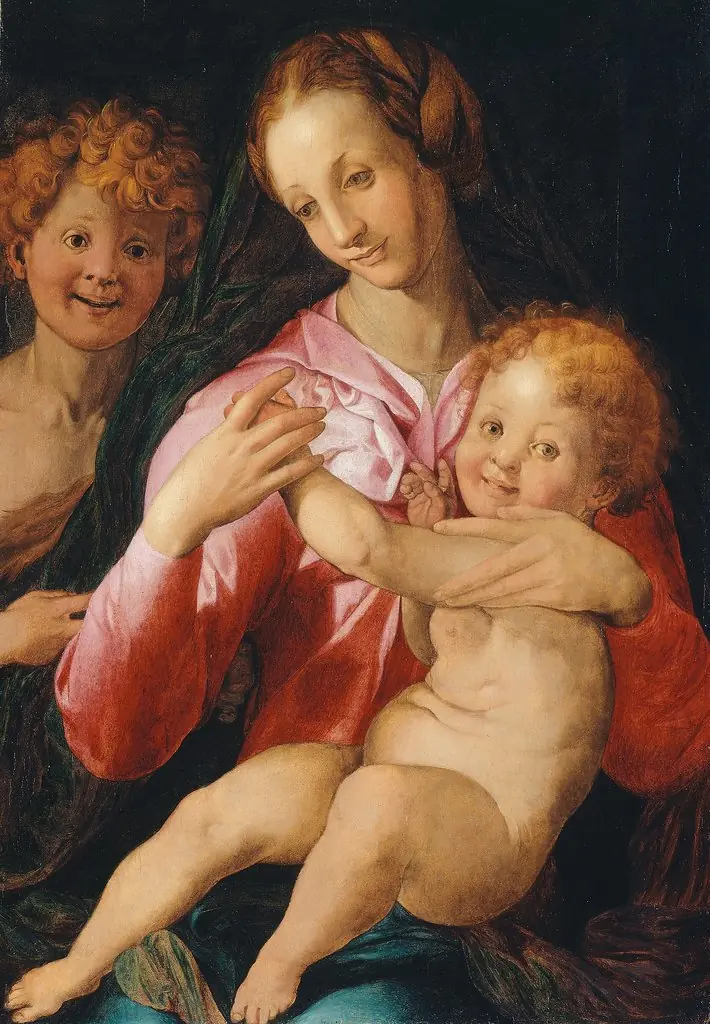 Virgin and Child with the Young Saint John the Baptist
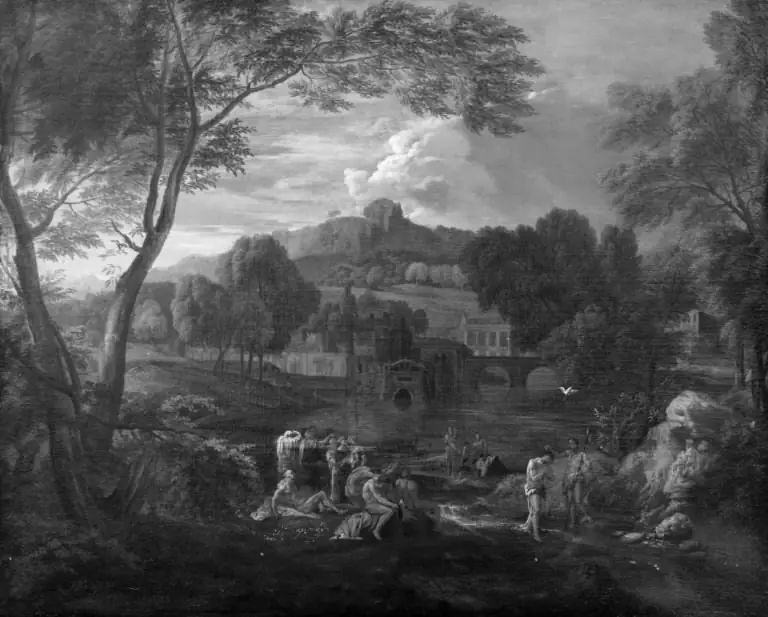 An Italian Landscape with the Baptism of Christ
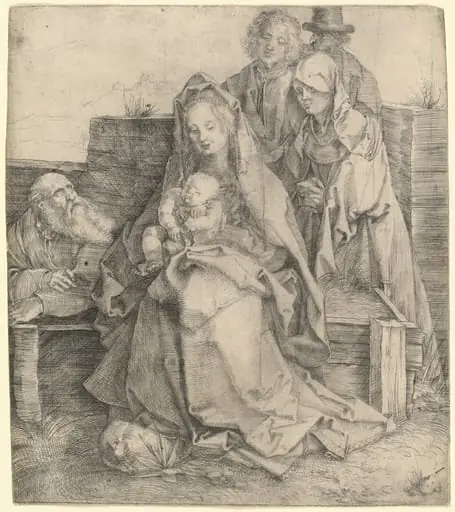 The Holy Family
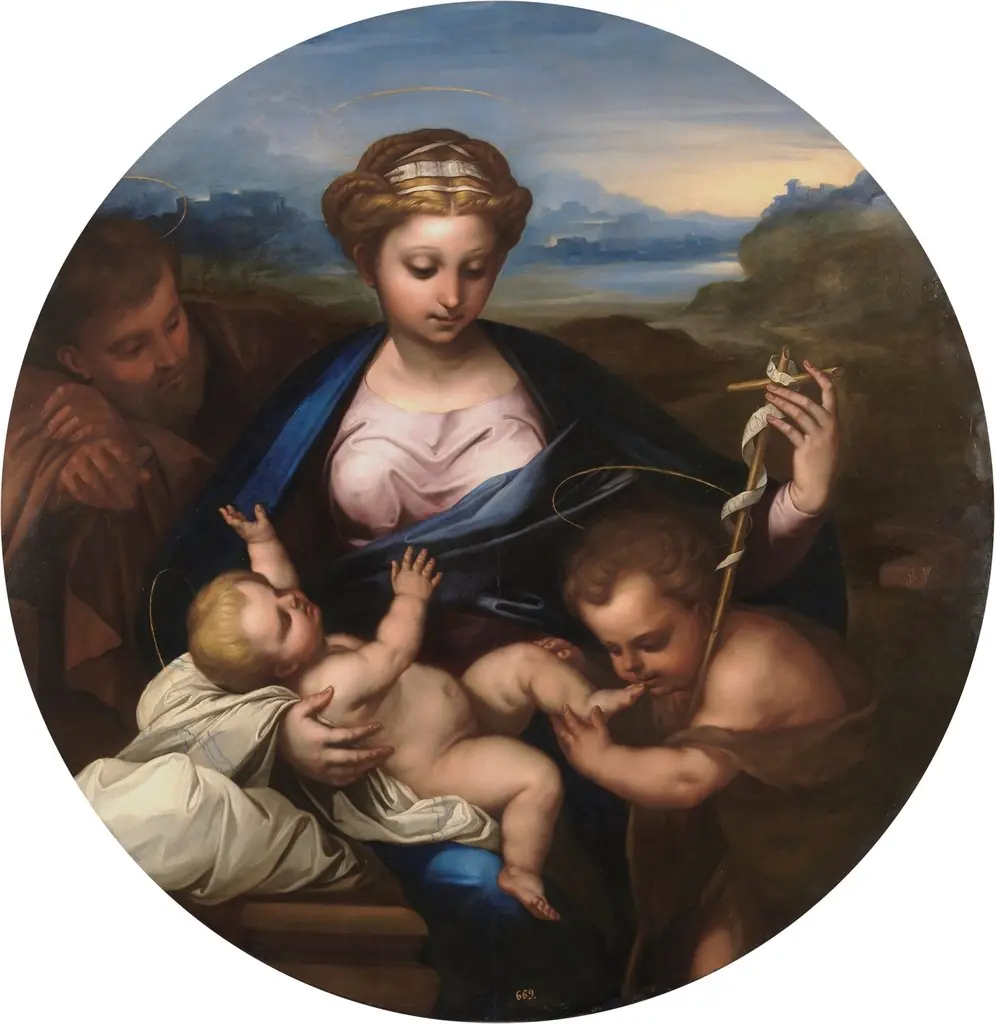 The Holy Family with Saint John
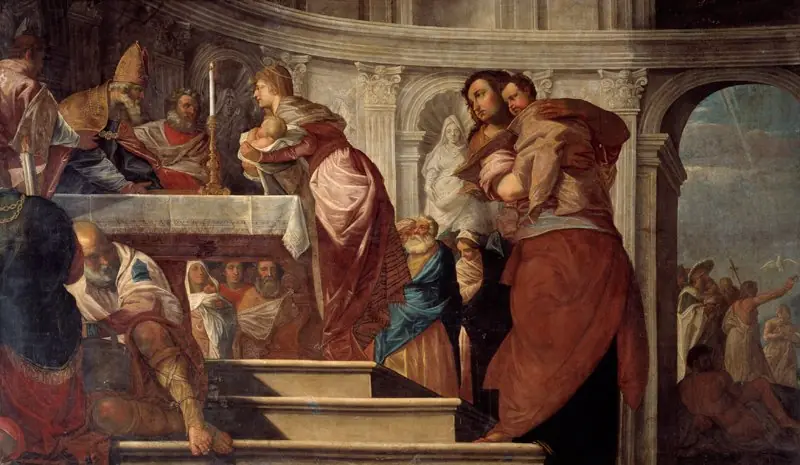 The Presentation of Christ in the Temple, and the Baptism of Christ
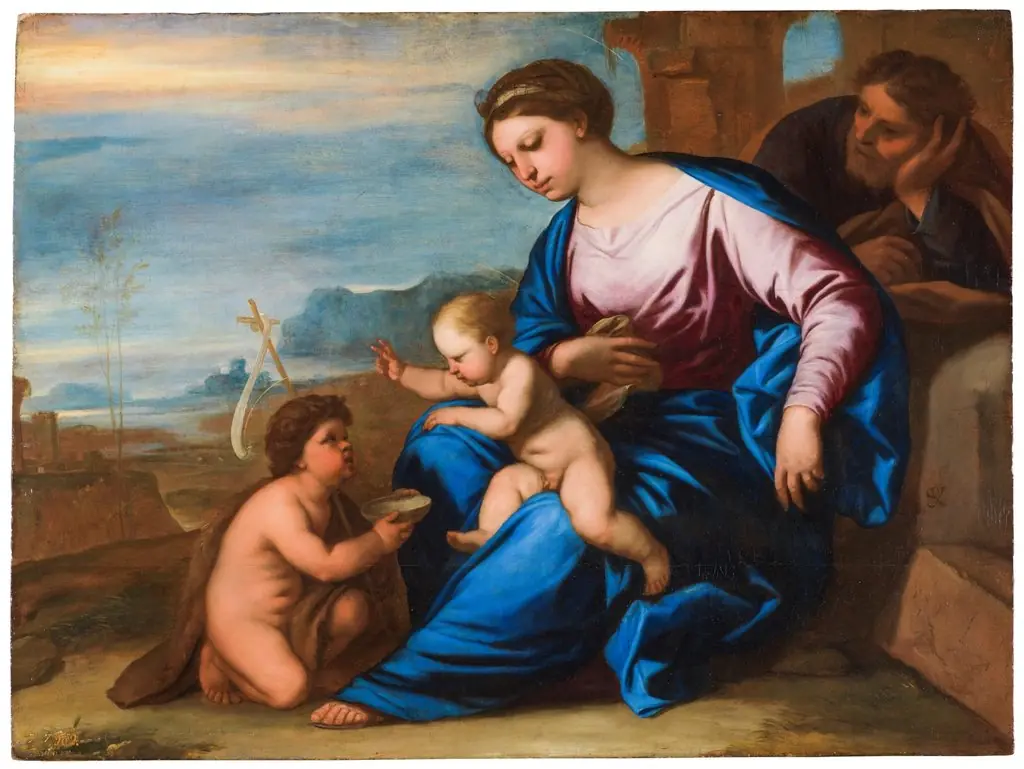 Sagrada Familia con San Juanito
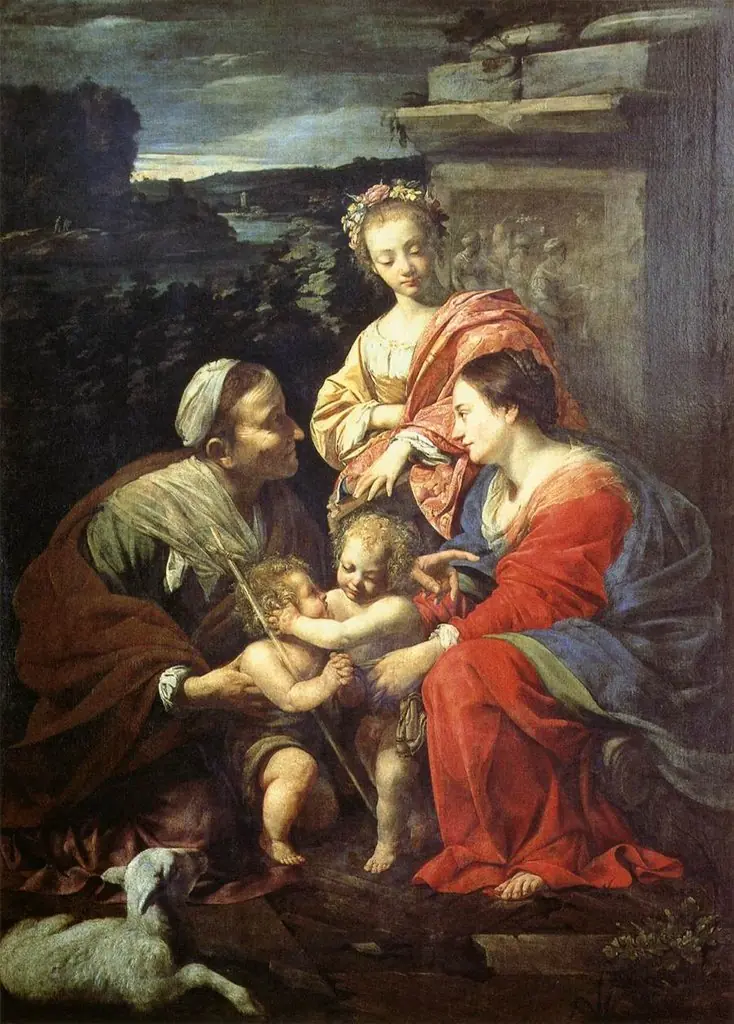 The Virgin and Child with Saint Elizabeth, Saint John the Baptist and Saint Catherine
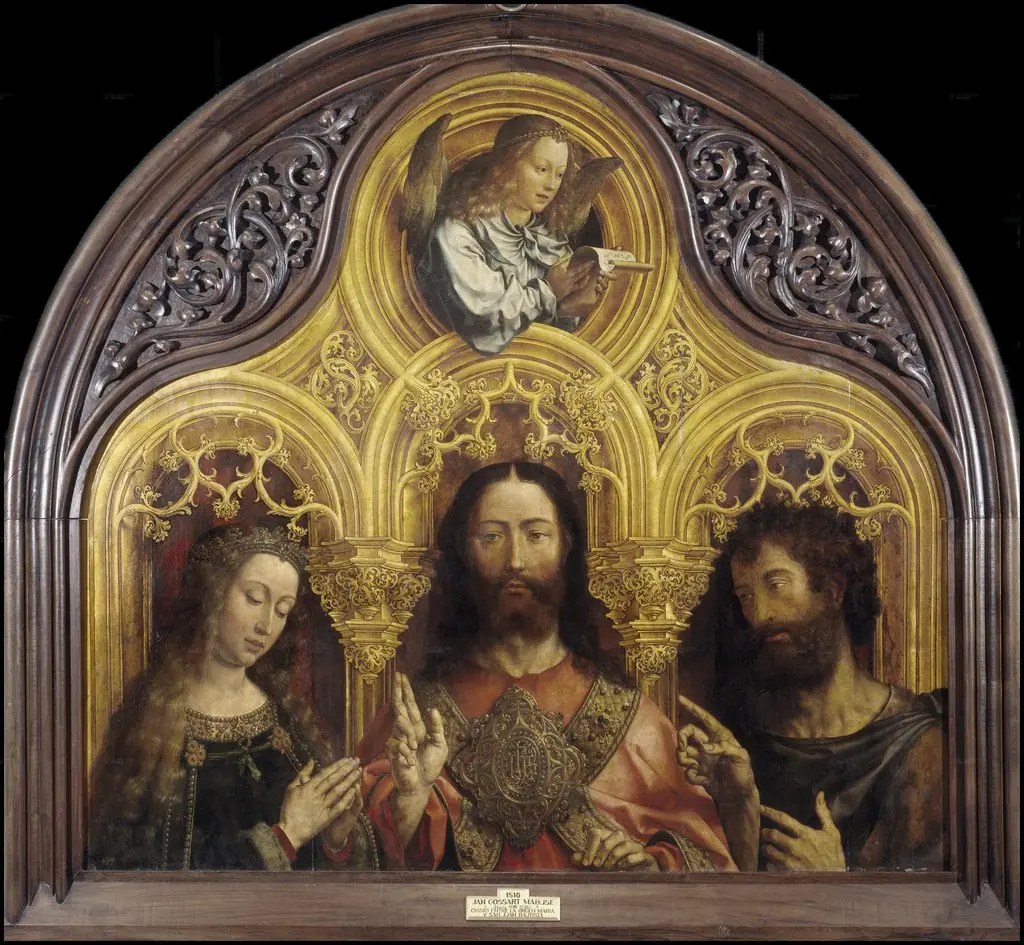 Christ between the Virgin Mary and Saint John the Baptist
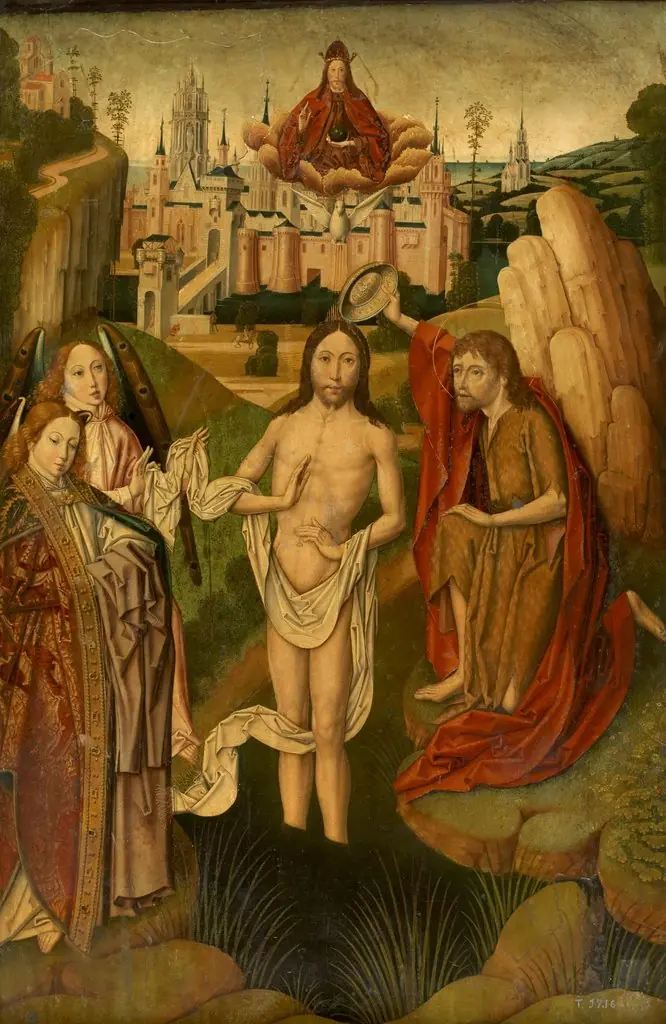 The Baptism of Christ
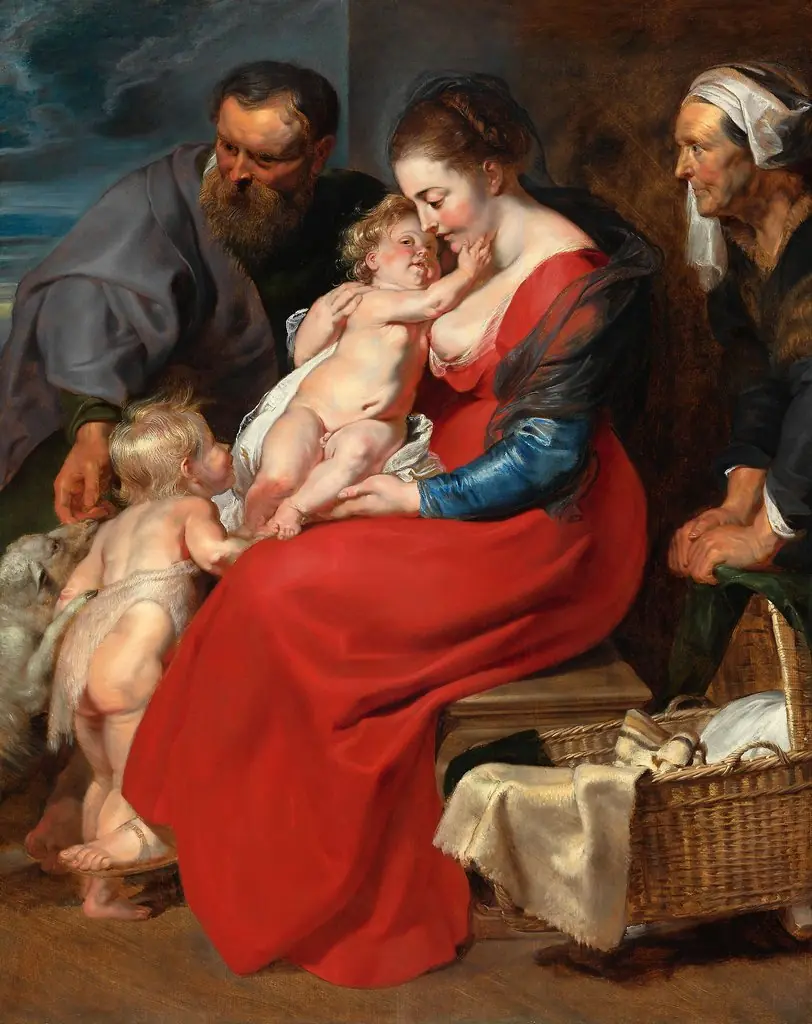 The Holy Family with Saint Elizabeth and Saint John
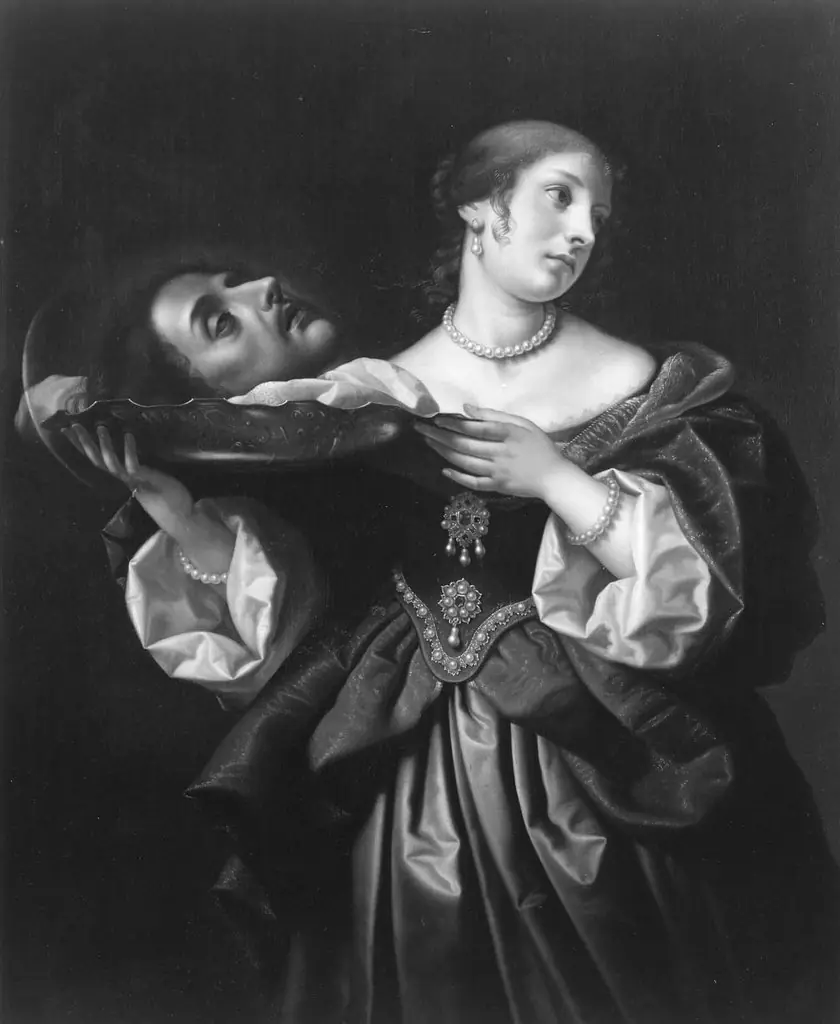 Salome with the Head of Saint John the Baptist
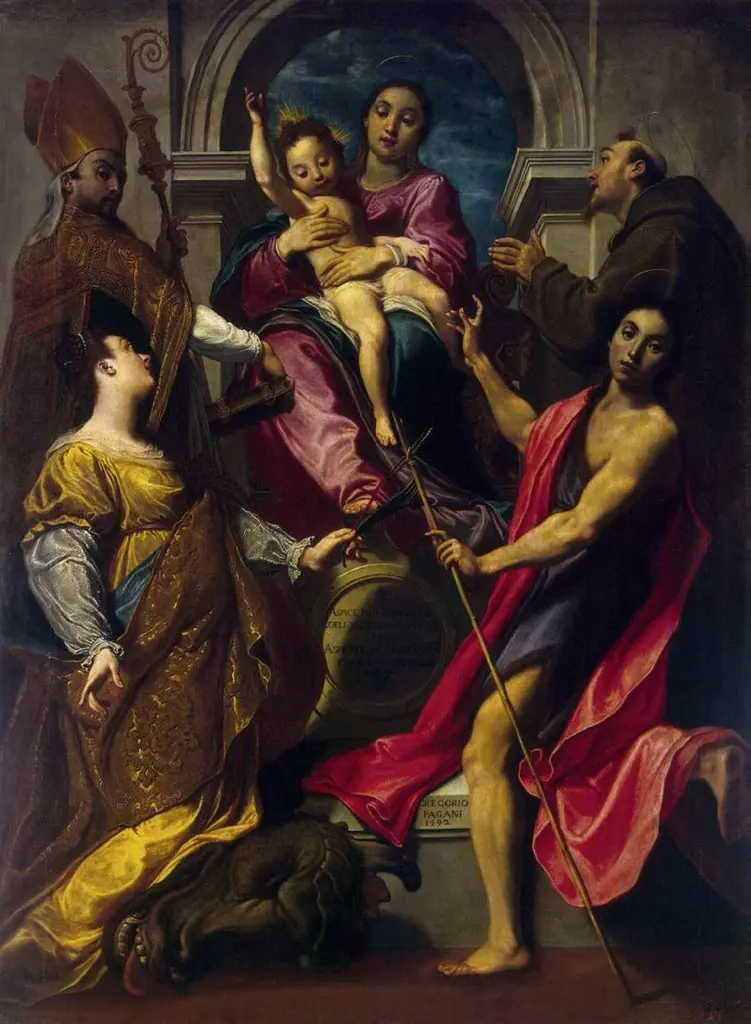 Madonna and the Child with St Francis of Assisi, St John the Baptist, St Gregory the Great and St Margaret of Cortona
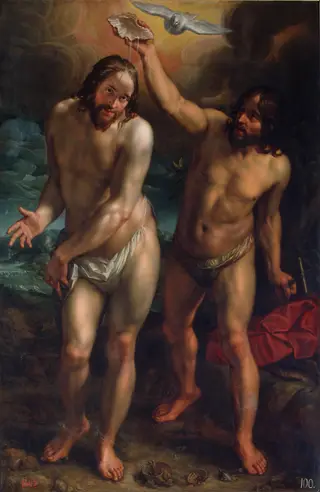 Baptism
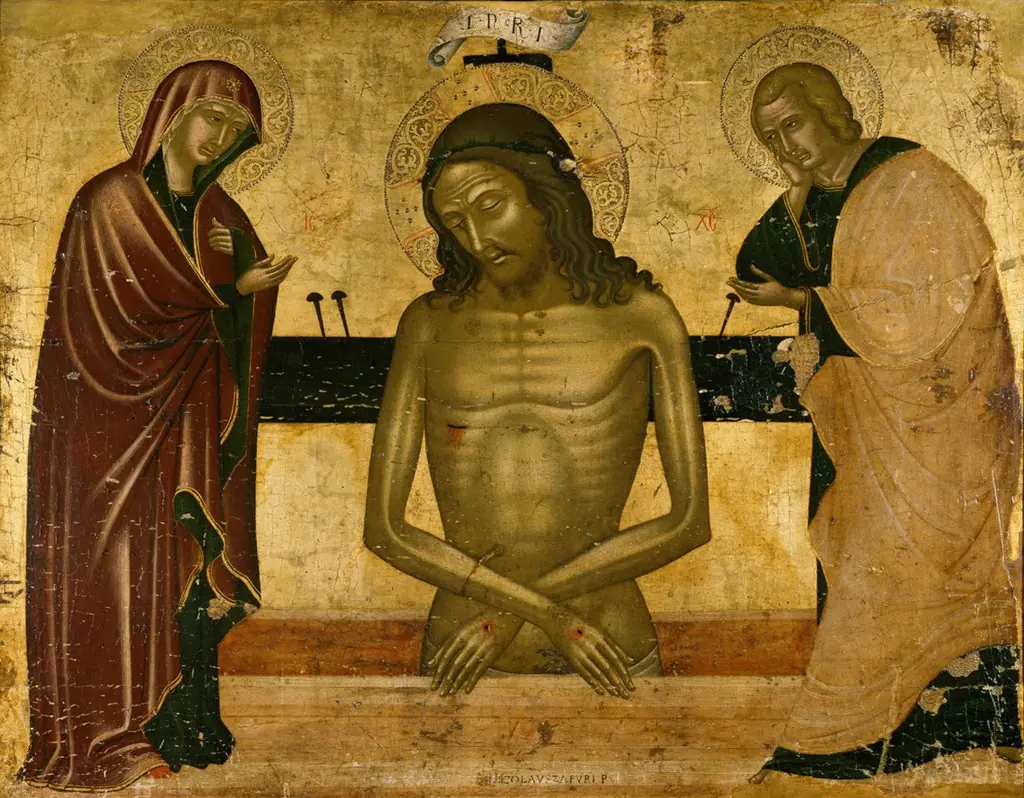 Entombment of Christ with John and Mary
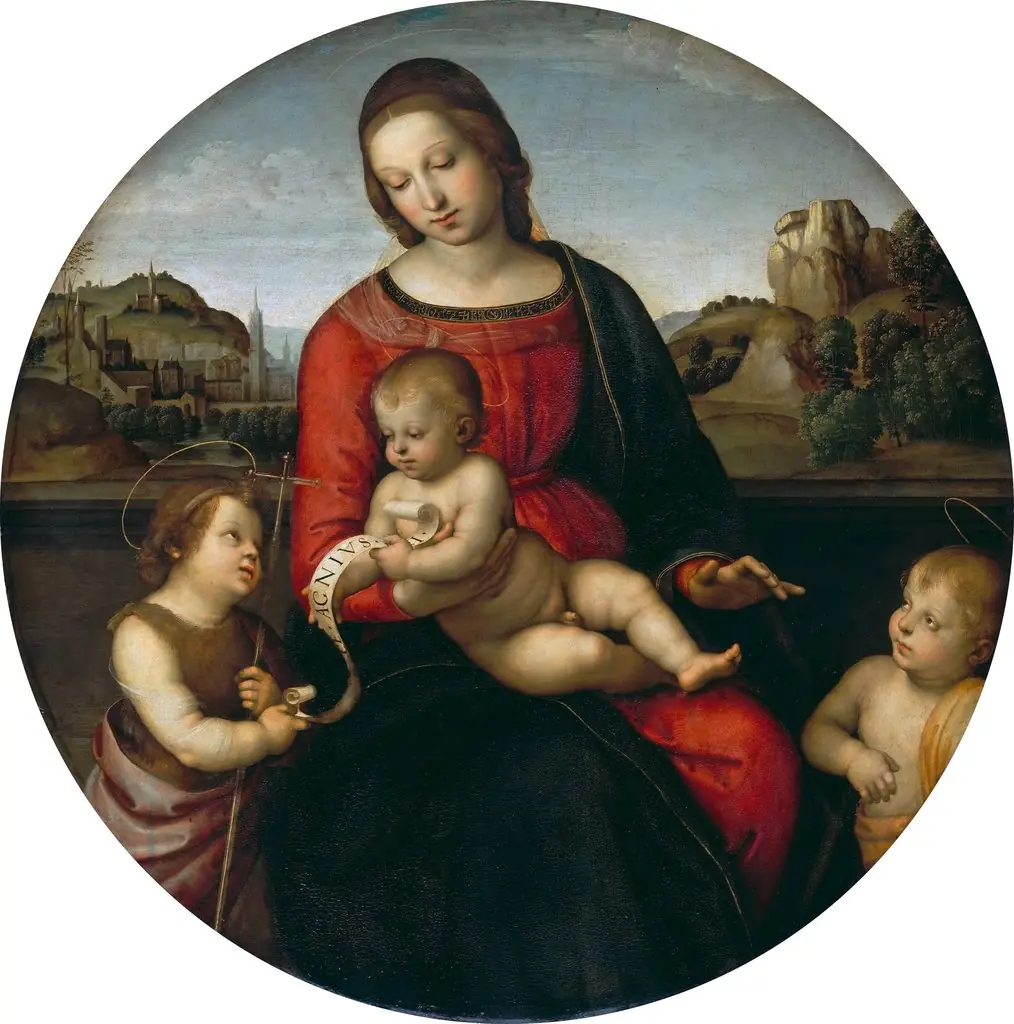 Terranuova Madonna
 Samson and Delilah
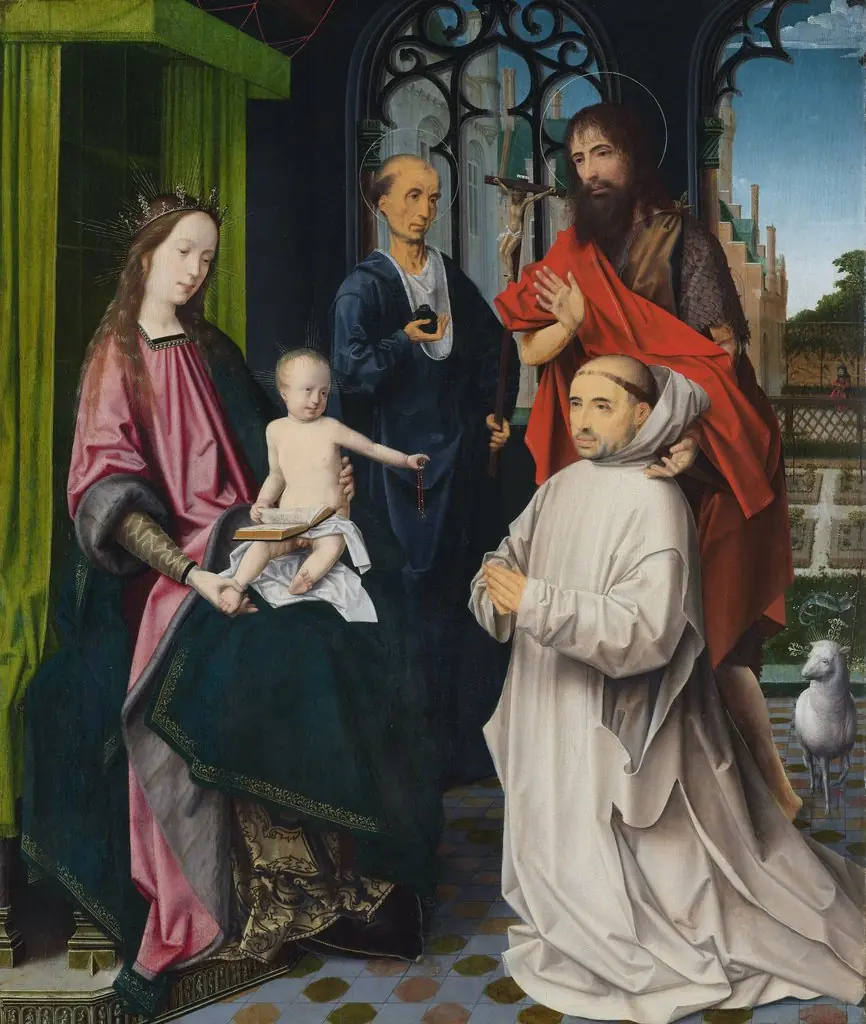 Virgin and Child Enthroned, with Saints Jerome and John the Baptist and a Carthusian Monk
 Johannes de Doper met het Lam Gods, linkerpaneel van een drieluik (dicht)
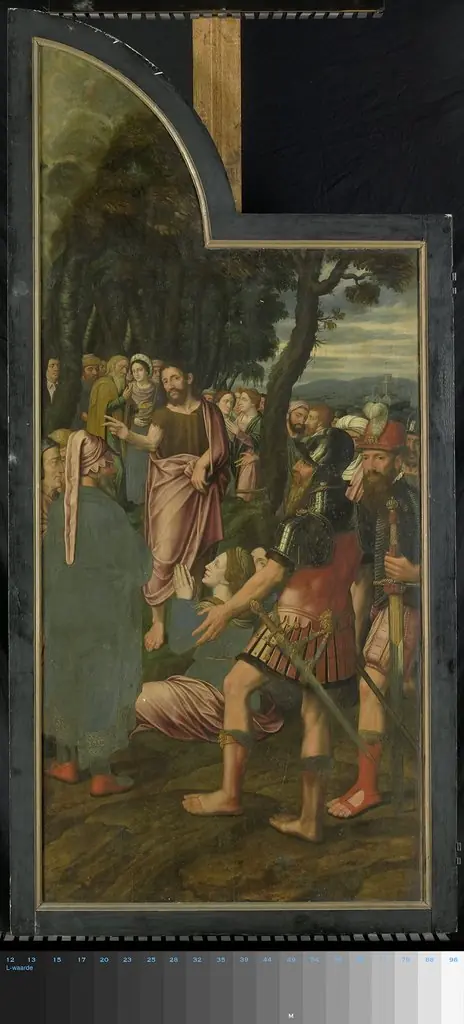 De prediking van Johannes de Doper, linkerpaneel van een drieluik
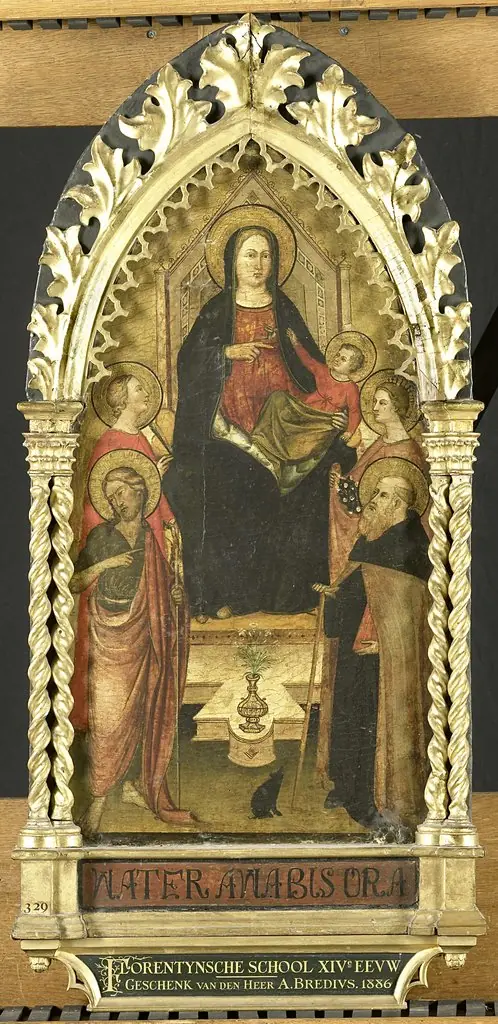 Virgin and Child Enthroned with Four Saints, Saints John the Baptist, Antony Abbot, Elizabeth of Hungary, a female saint
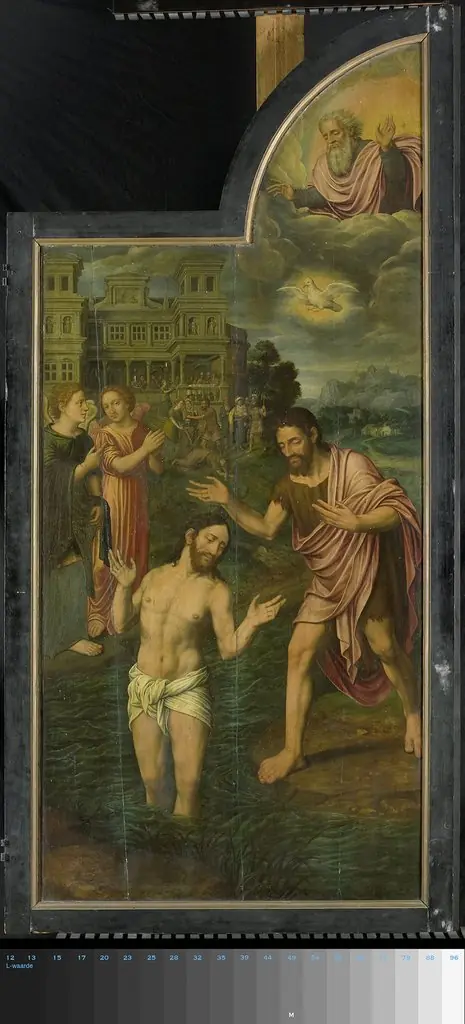 De doop van Christus in de Jordaan, rechter paneel van een drieluik (open)
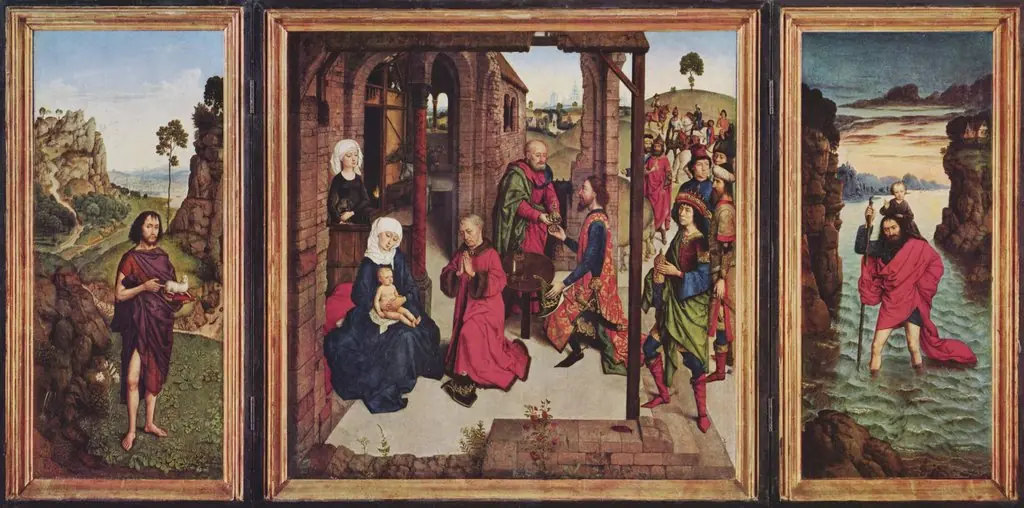 The Pearl of Brabant
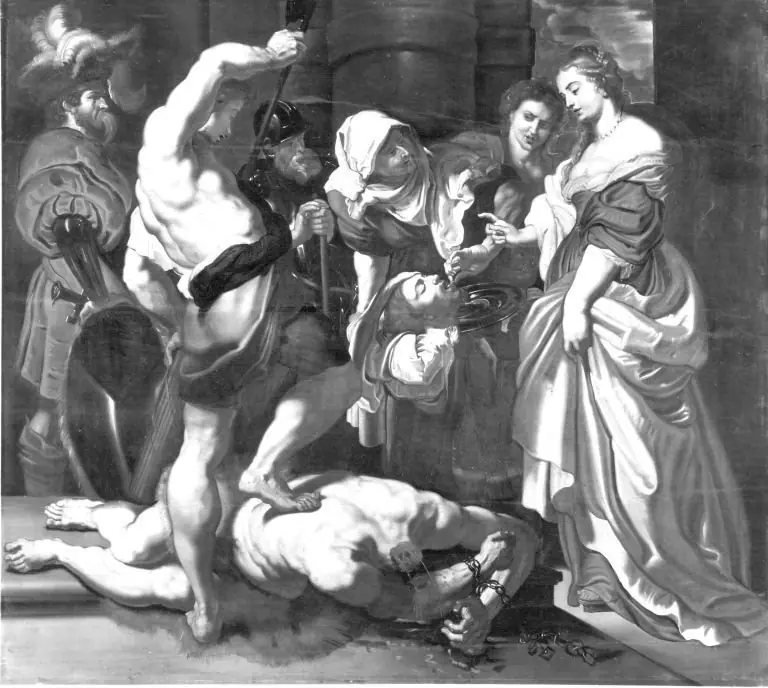 Salome is given the head of John the Baptist by the executioner
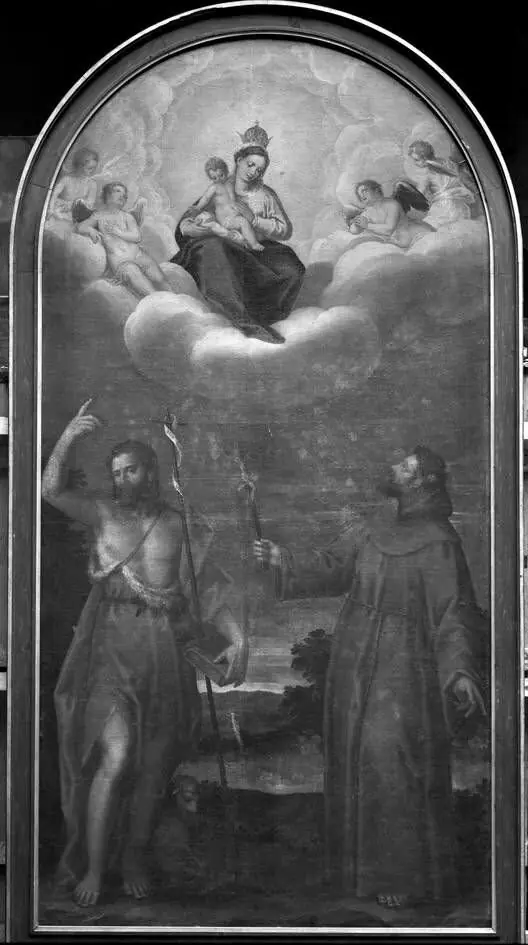 The Virgin appearing to Saints John the Baptist and Francis of Assisi
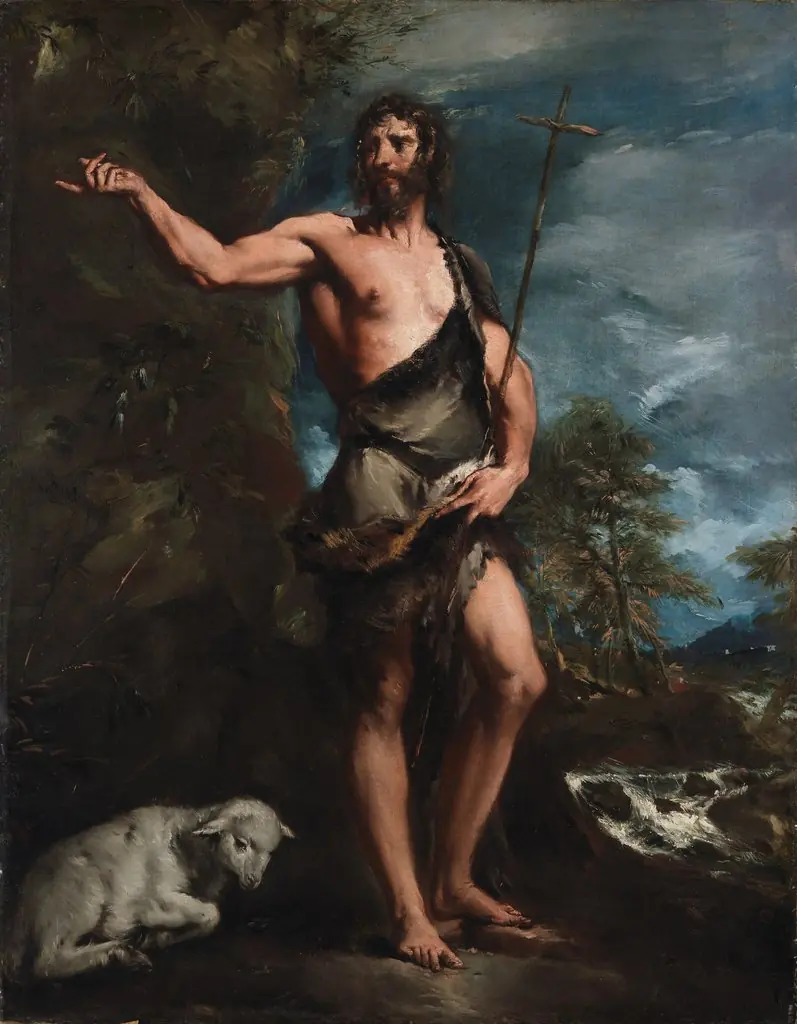 Saint John the Baptist in the Wilderness
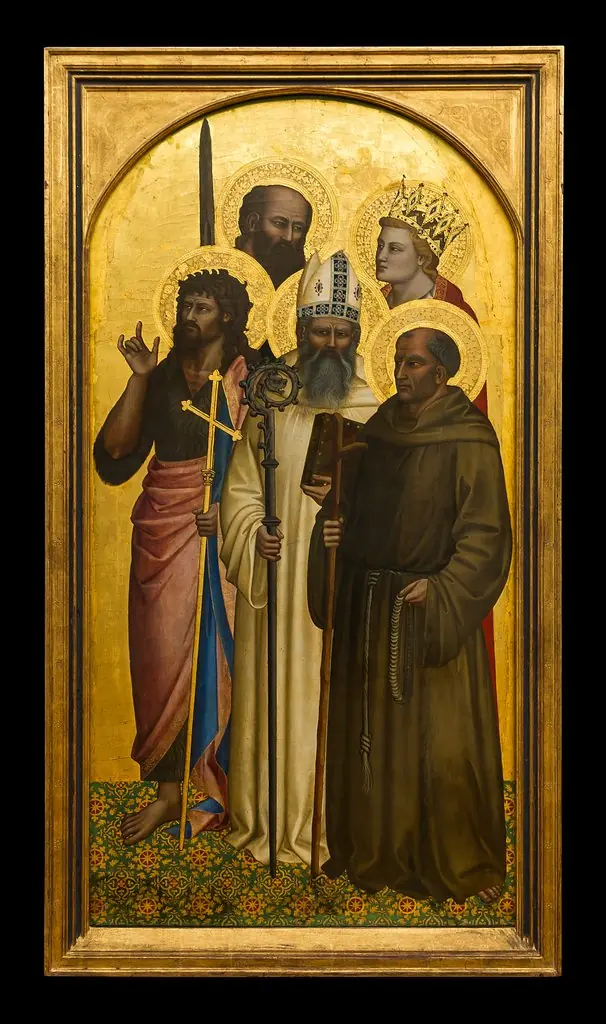 the Saints John the Baptist, Egidius, Gerard of Villamagna, Paul and Catherine (or Miniato)
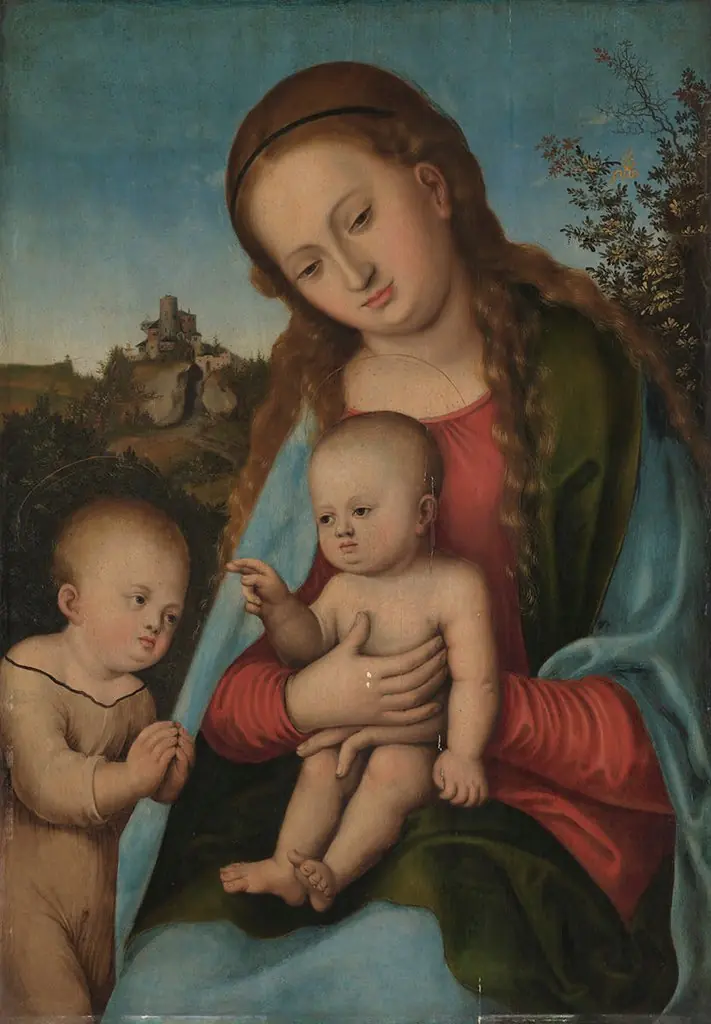 The Virgin and Child and St. John the Baptist as a boy
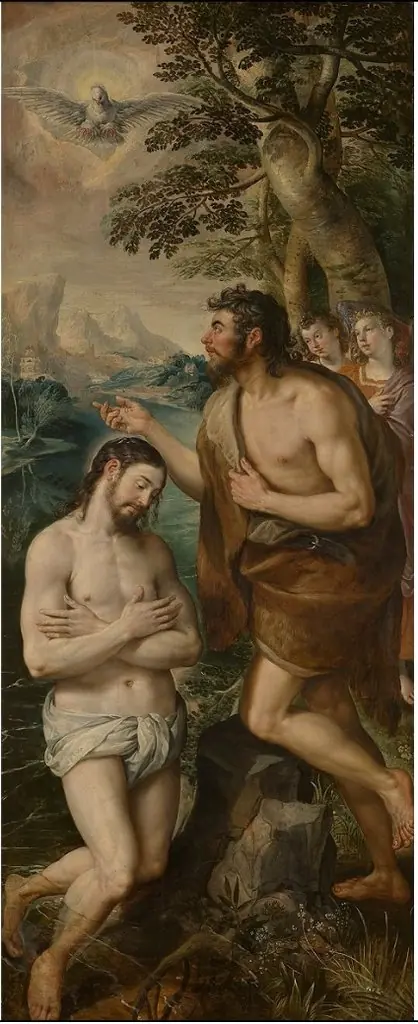 The Baptism of Christ
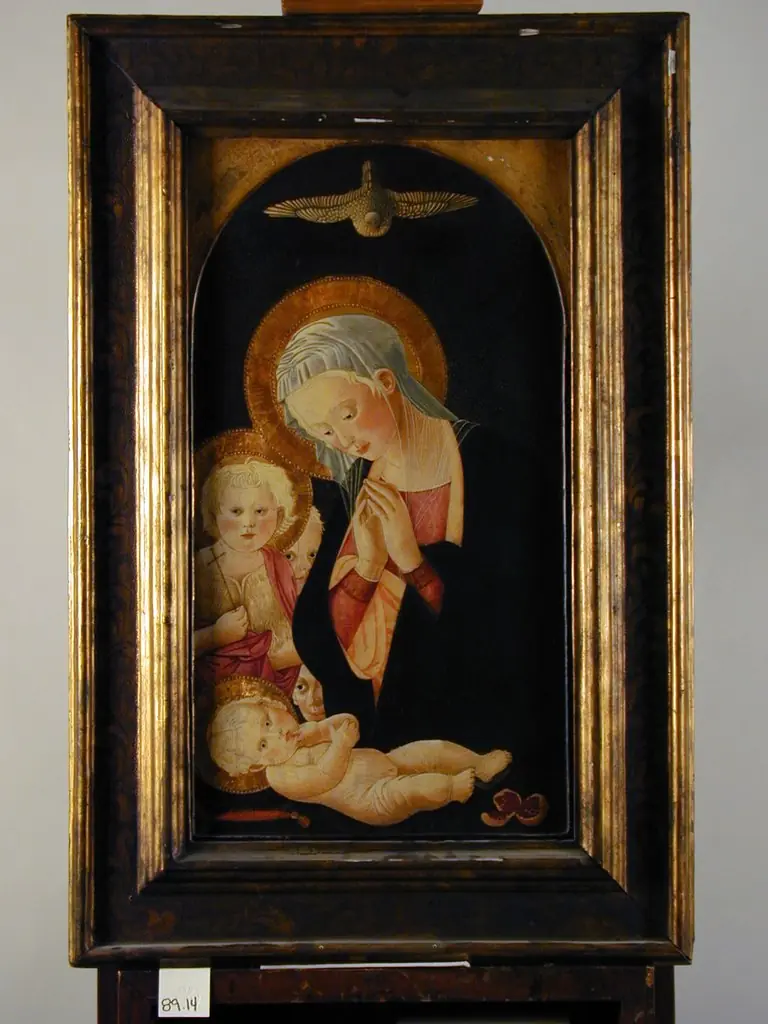 Madonna and Child with the Infant St. John the Baptist and Angels
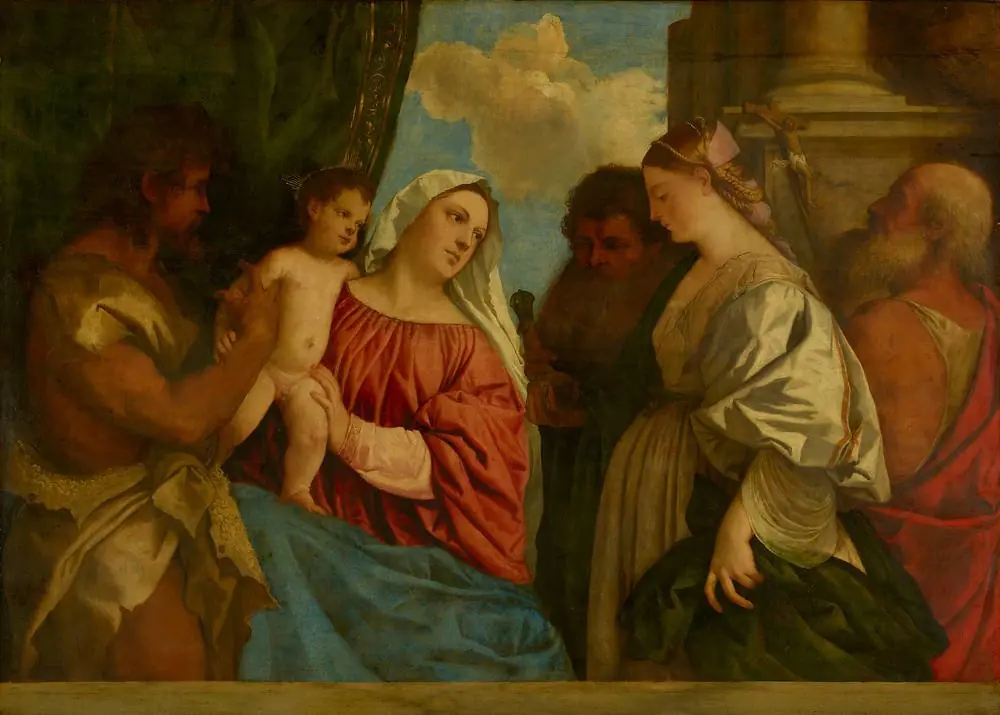 Madonna and Child with Four Saints
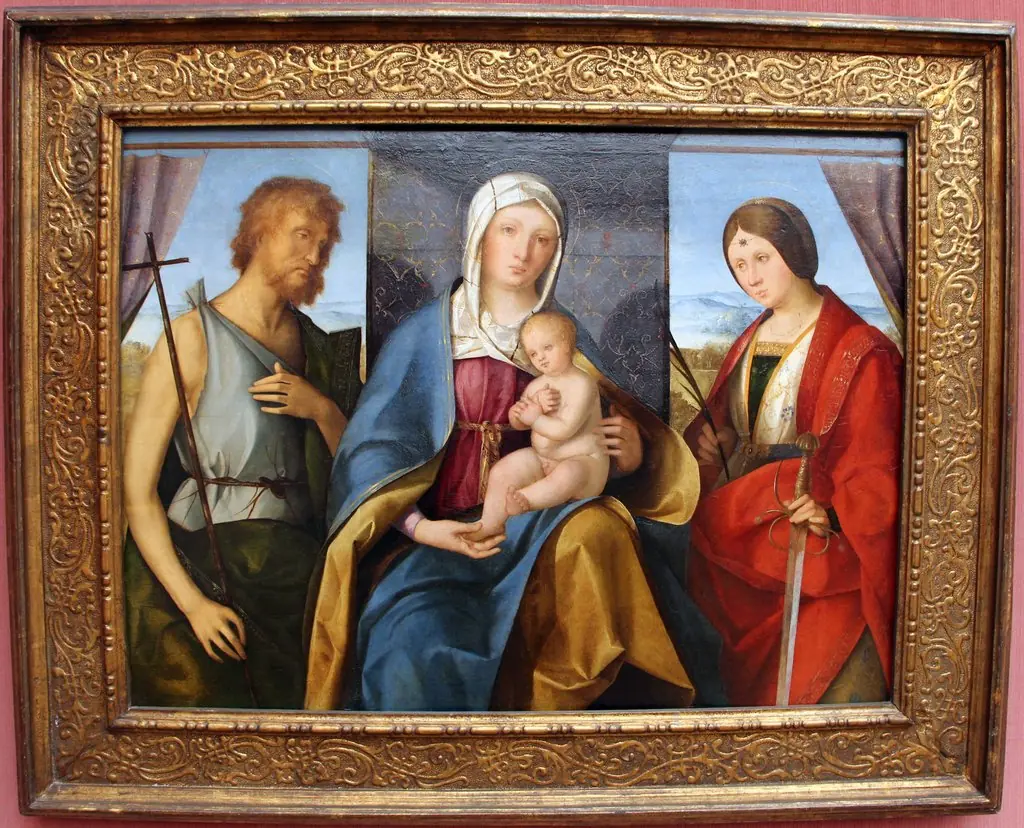 Thronende Maria mit d. Kind und den Heiligen Johannes dem Täufer und Katharina von Alexandrien
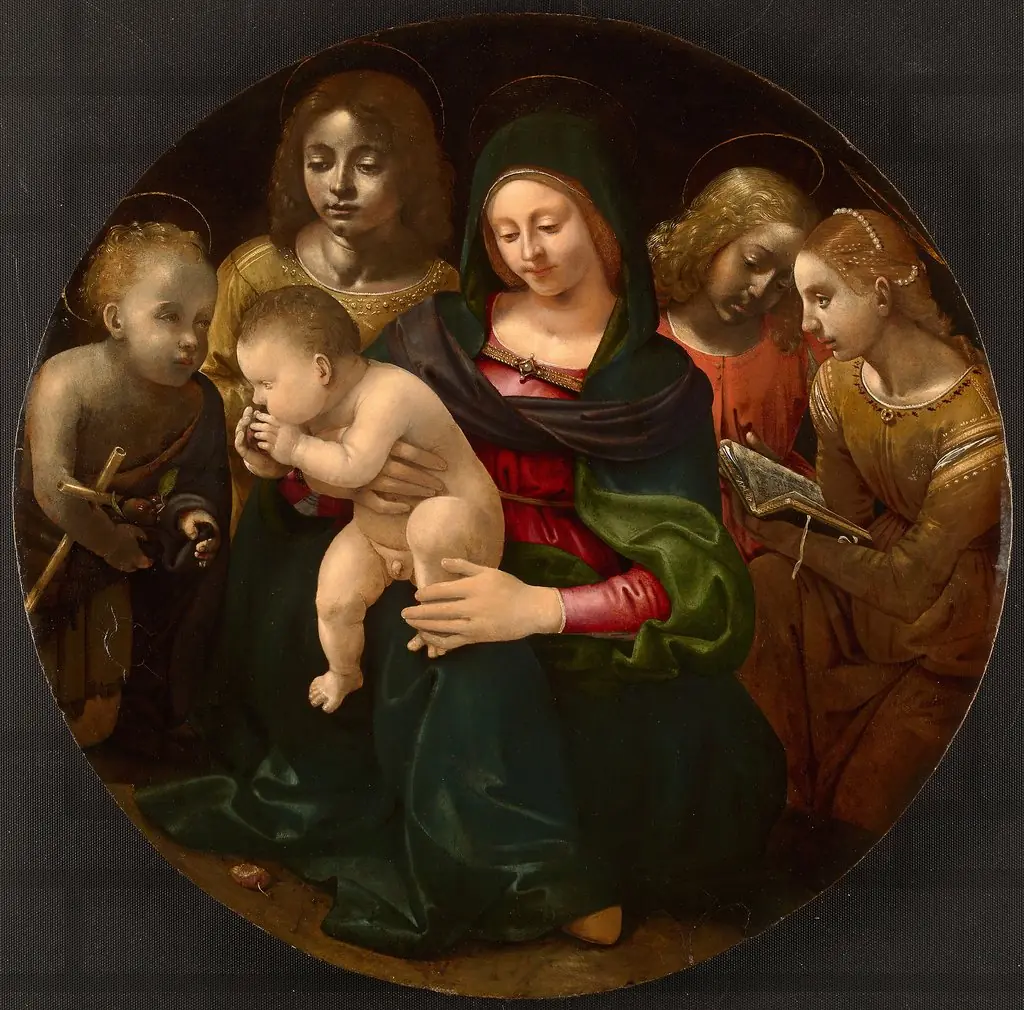 Virgin and Child with the Young Saint John the Baptist, Saint Cecilia, and Angels
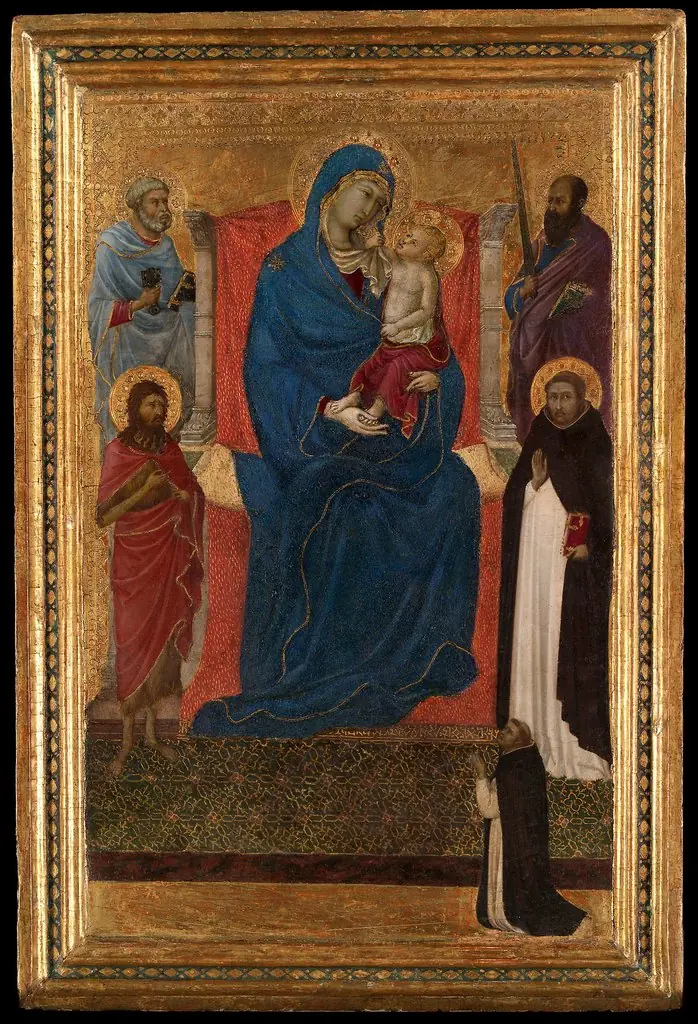 Virgin and Child Enthroned with Saints Peter, Paul, John the Baptist, Dominic and a Donor
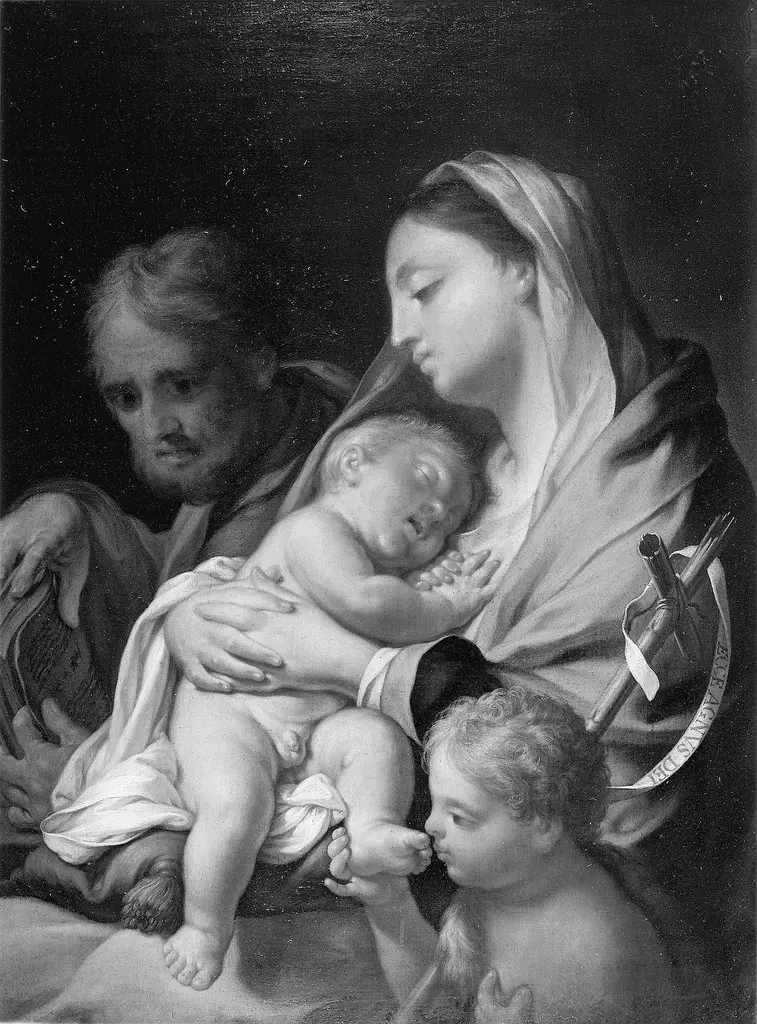 Holy Family with the Infant St. John
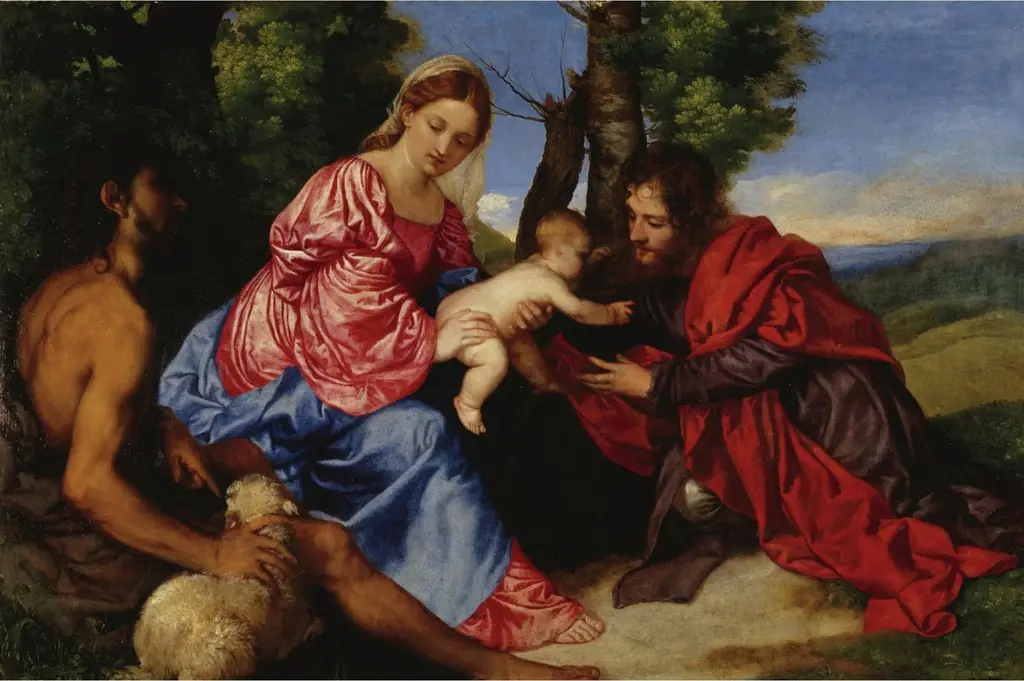 The Virgin and Child with St John the Baptist and an Unidentified Saint
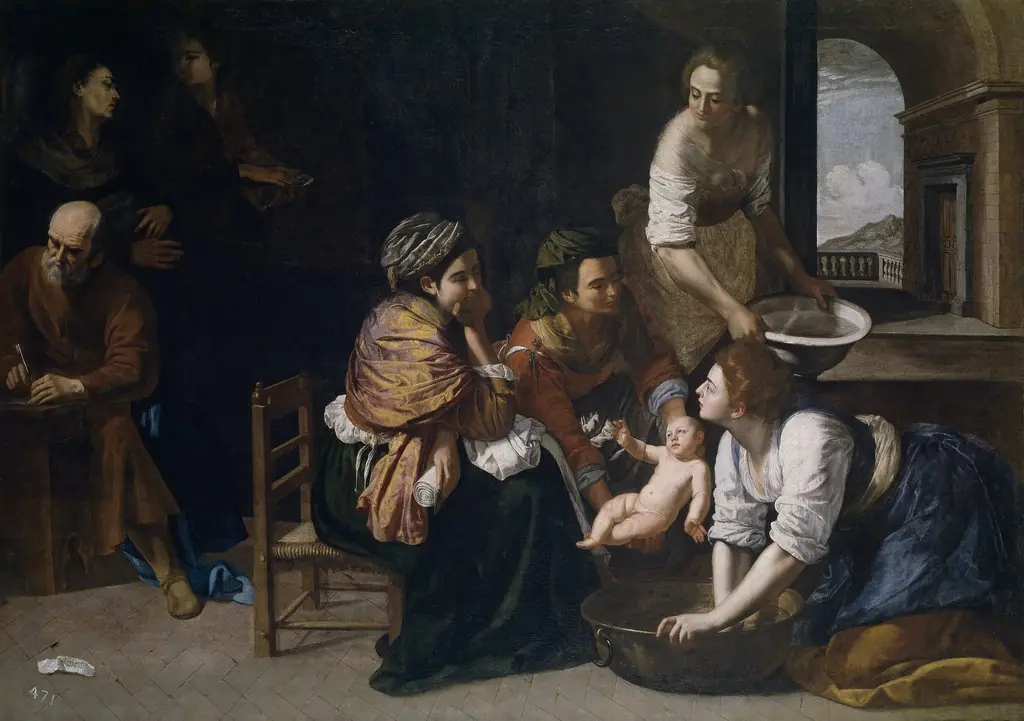 Nativity of St. John the Baptist
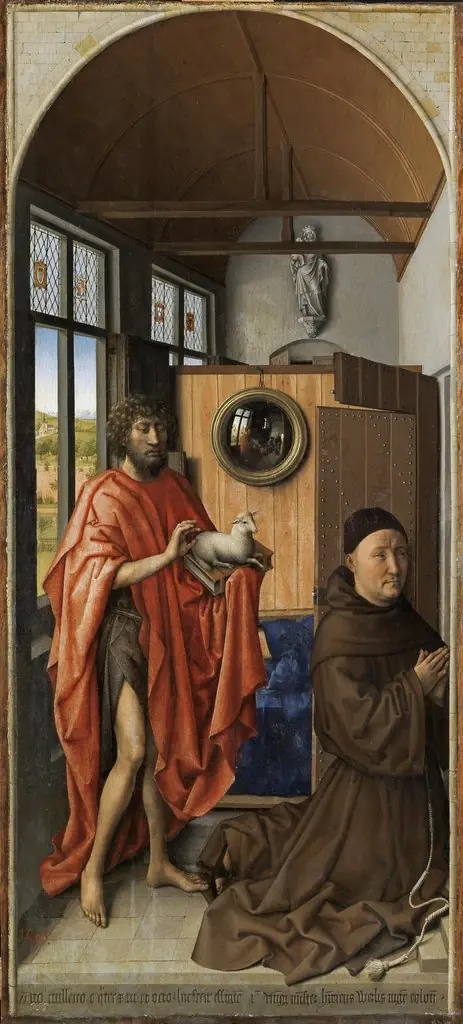 Donor Henri de Werl, protected by St. John the Baptist
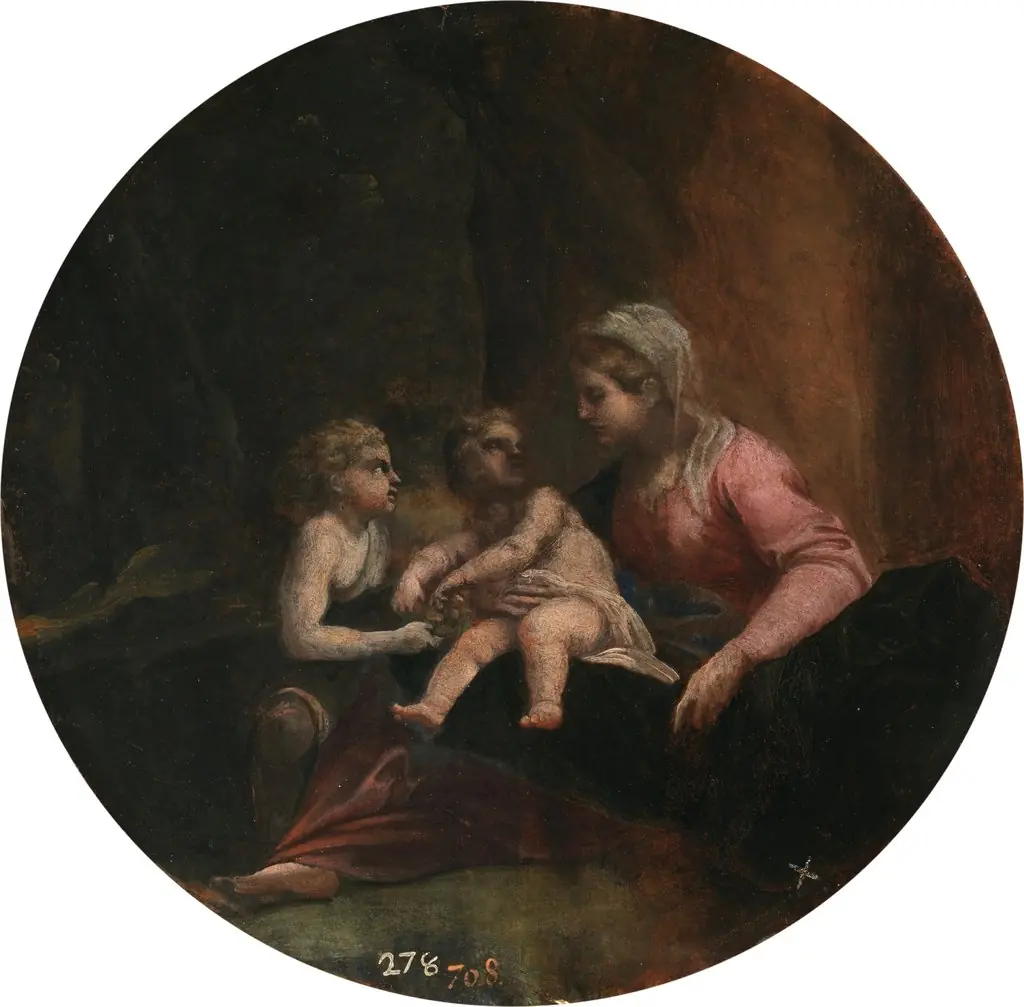 The Virgin and Child with the Infant Saint John the Baptist
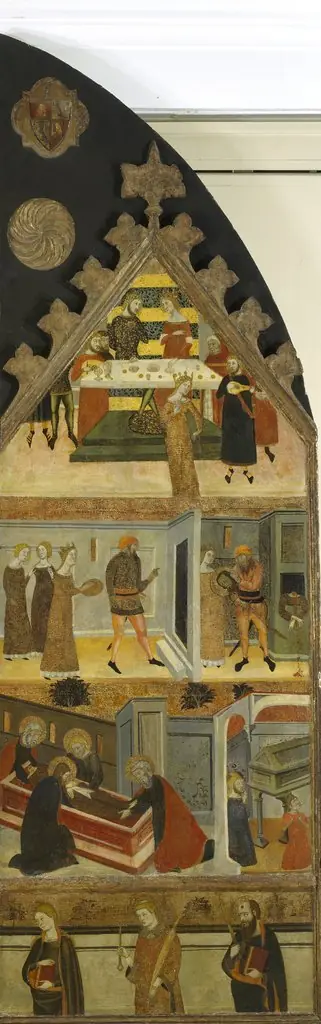 Episodes from the Lives of Mary Magdalen and Saint John the Baptist
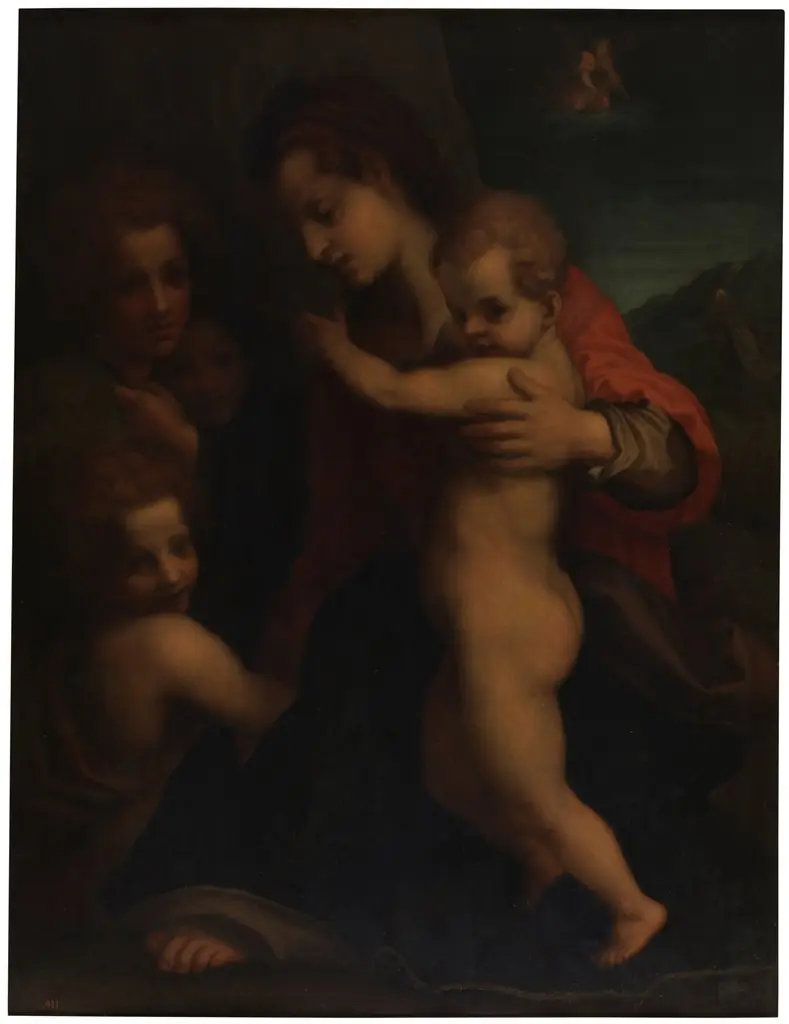 The Virgin with the Child, Saint John and Angels
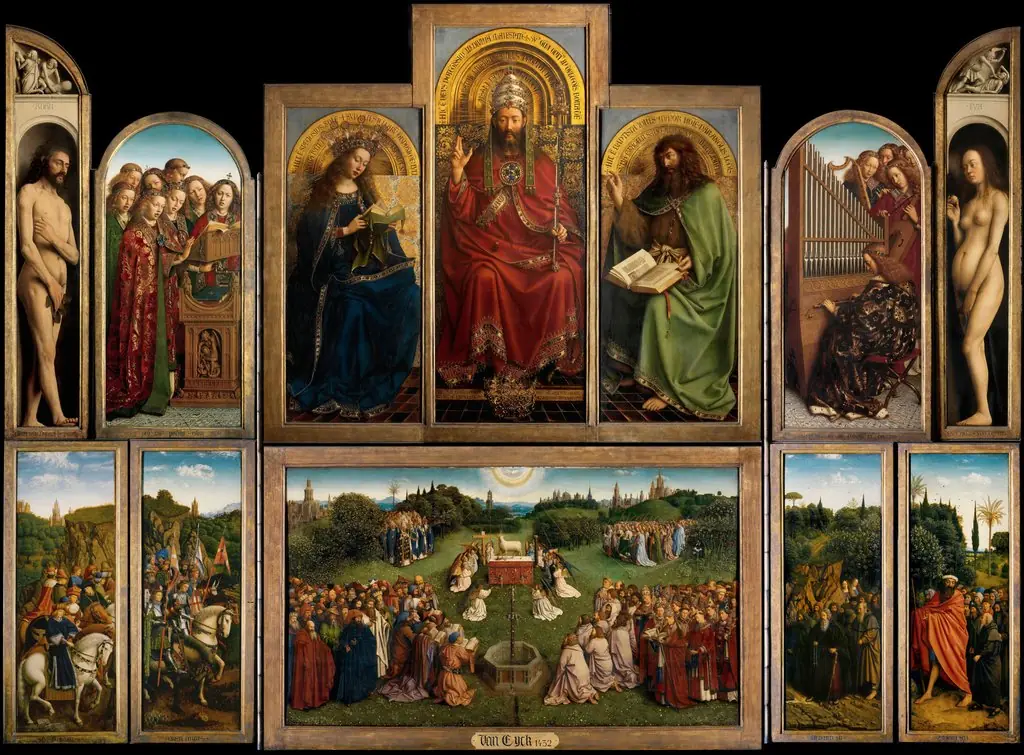 Ghent Altarpiece
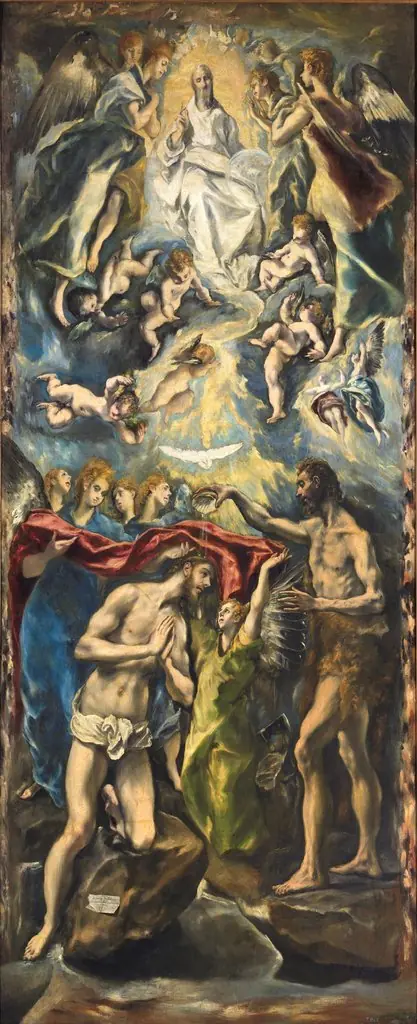 The Baptism of Christ
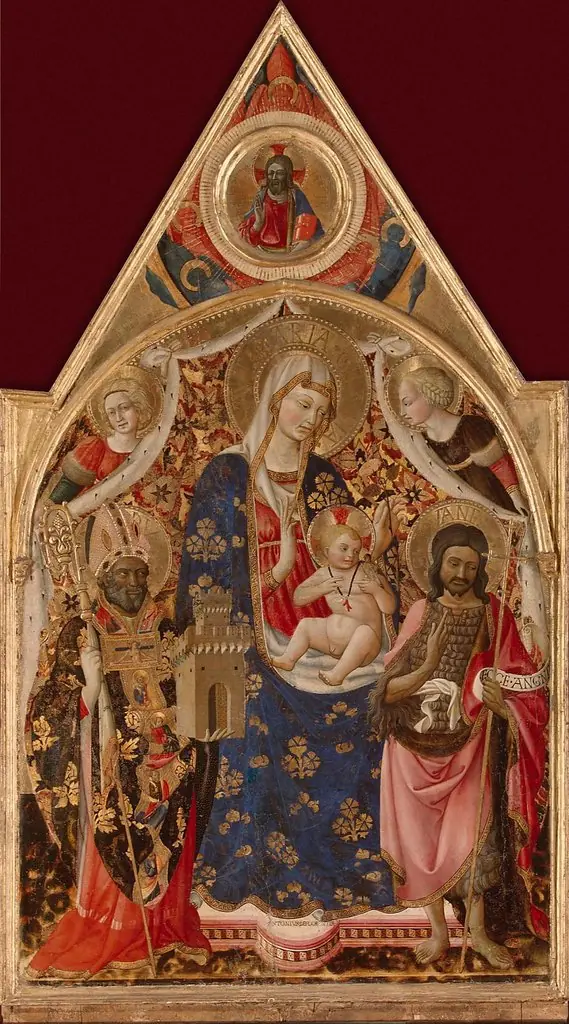 Madonna and Child, with a Bishop, St John The Baptist and Angels
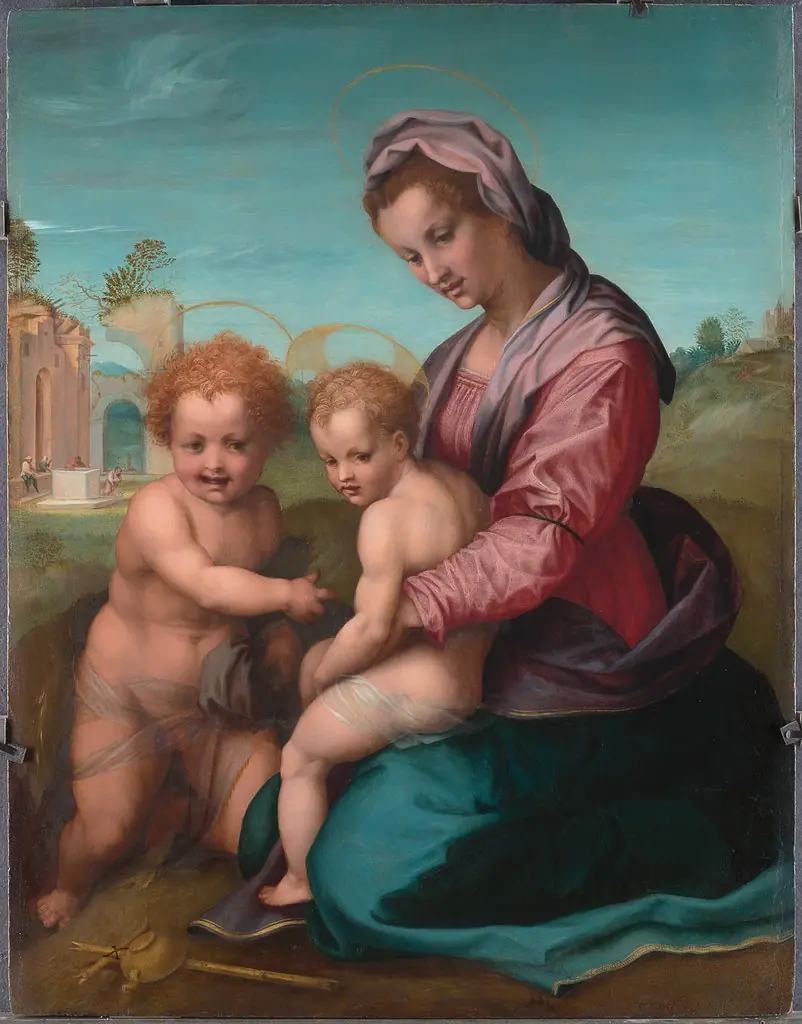 Madonna and Child with John the Baptist
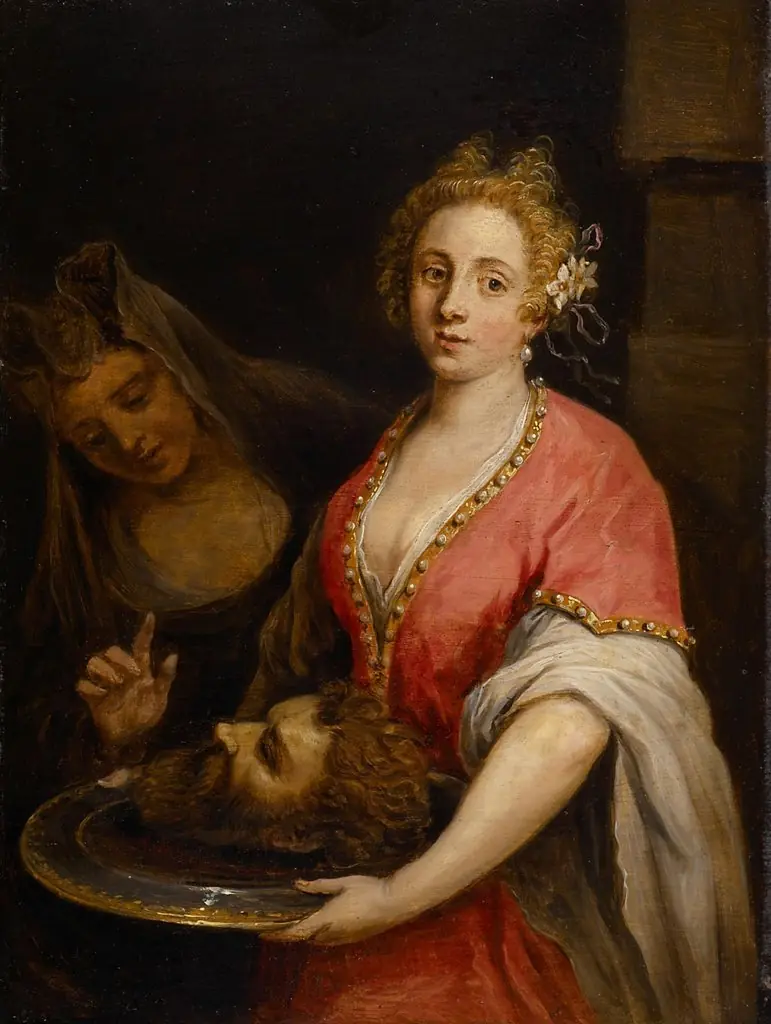 Salome with the Head of John the Baptist
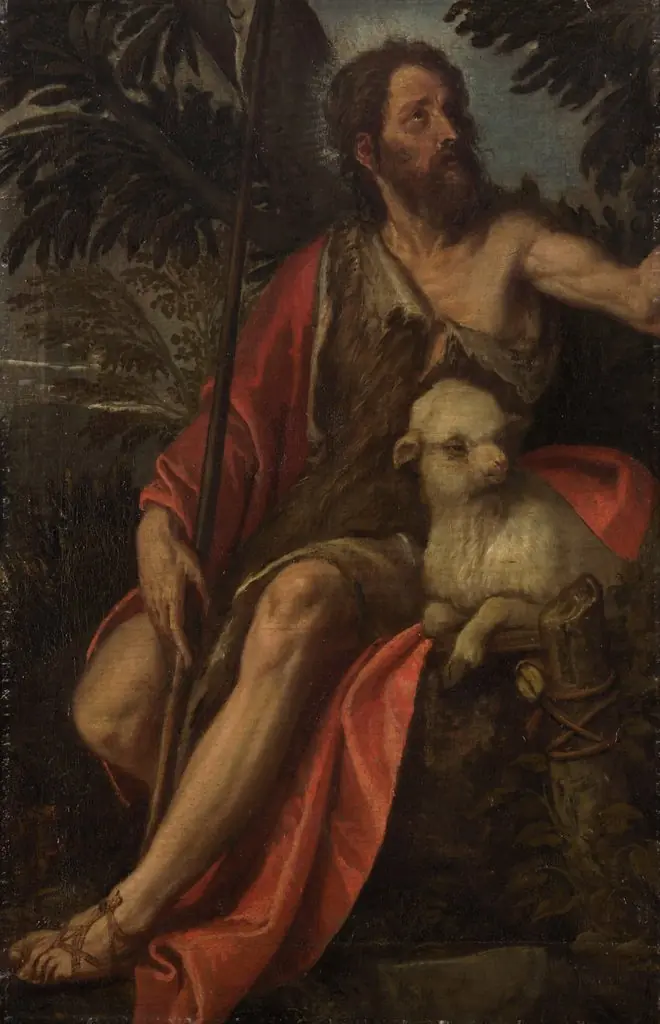 Saint John the Baptist
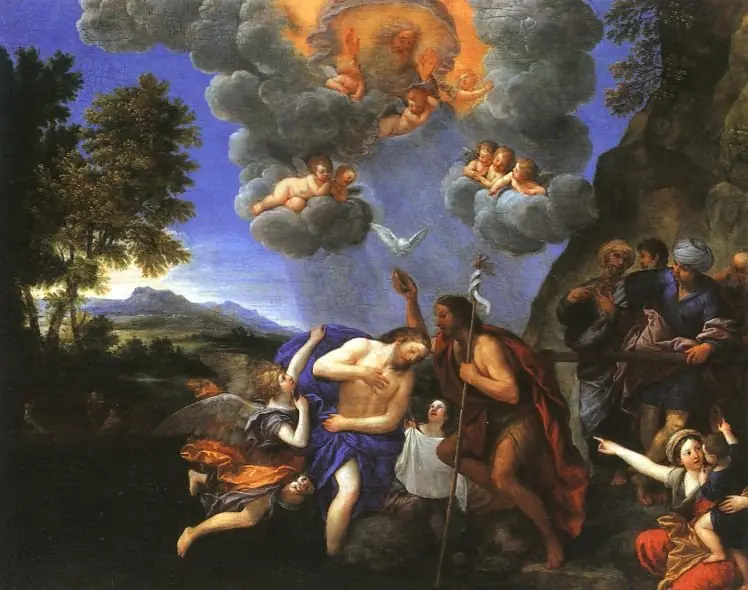 Baptism of Christ
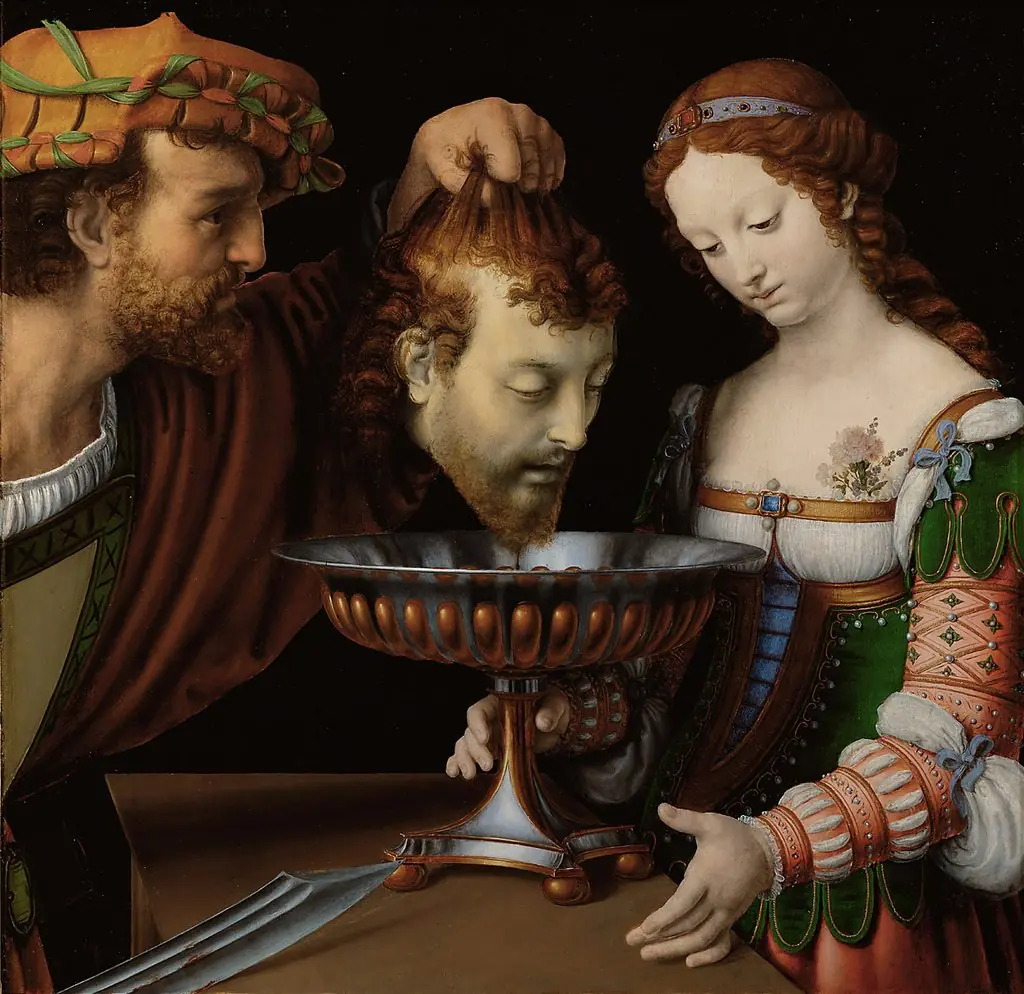 Salome with John the Baptist's head
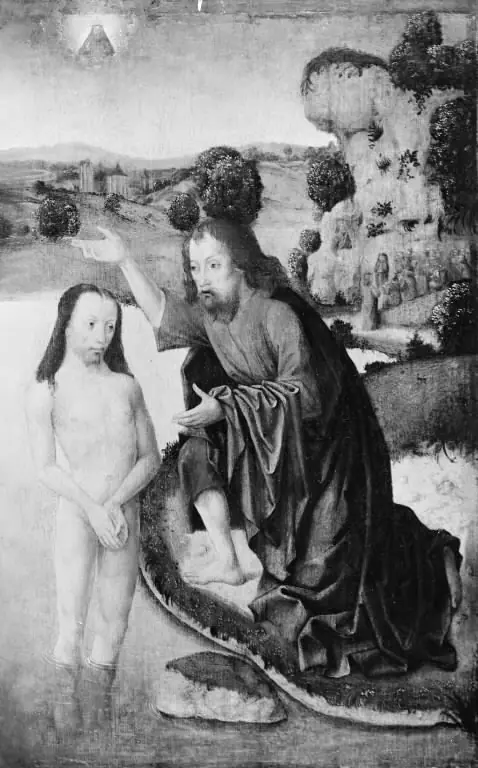 The Baptism of Christ
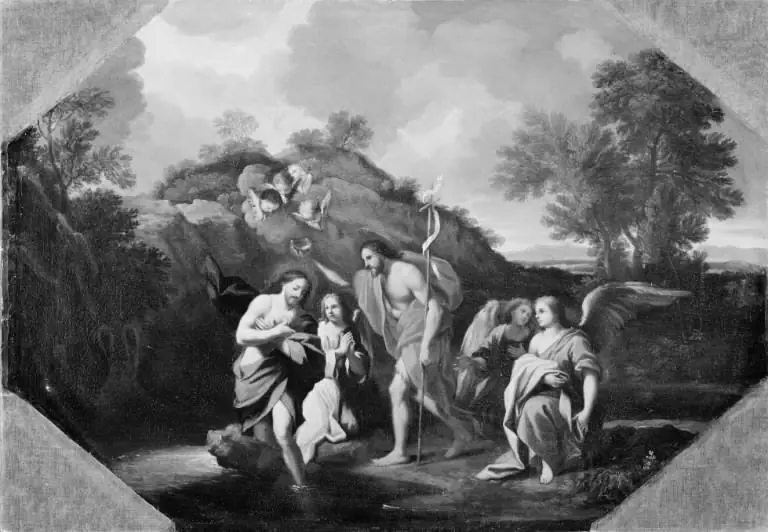 The Baptism of Christ
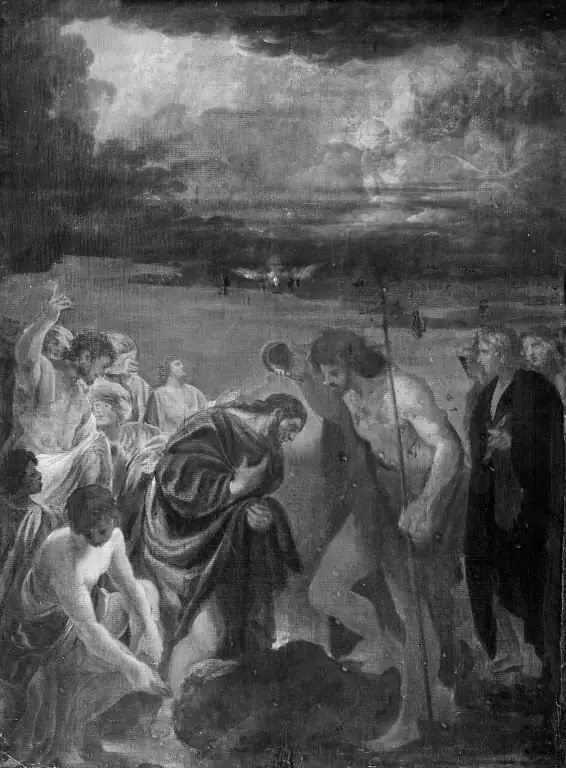 The Baptism of Christ
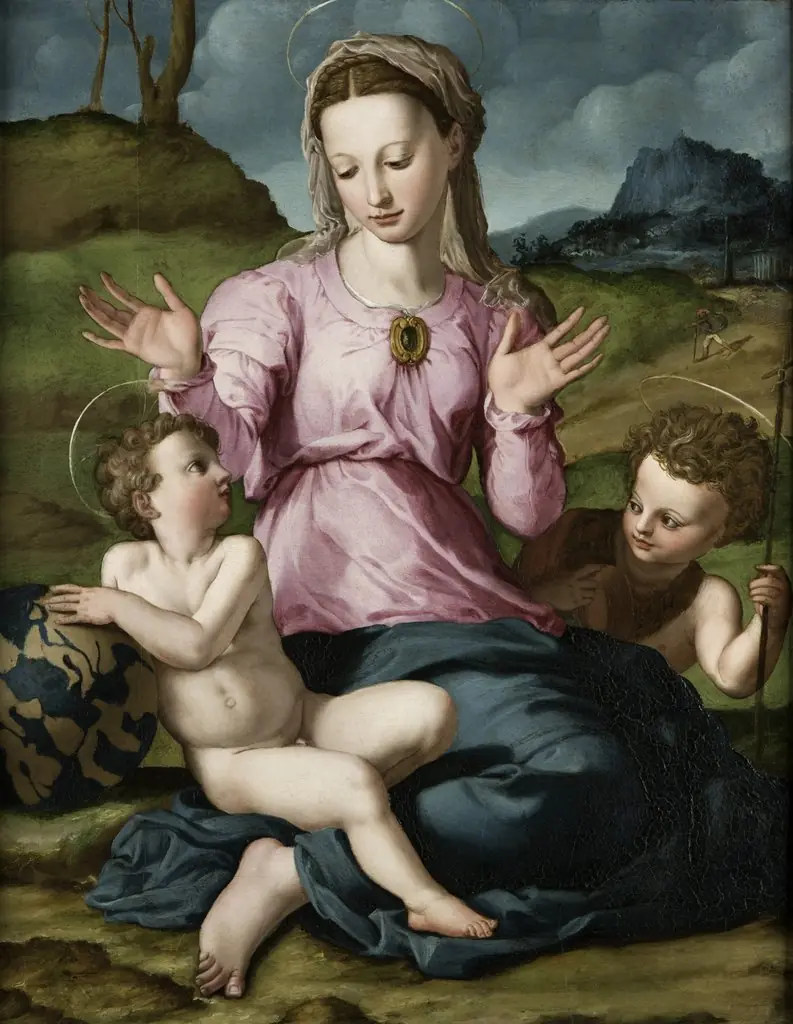 Madonna and Child with Saint John the Baptist
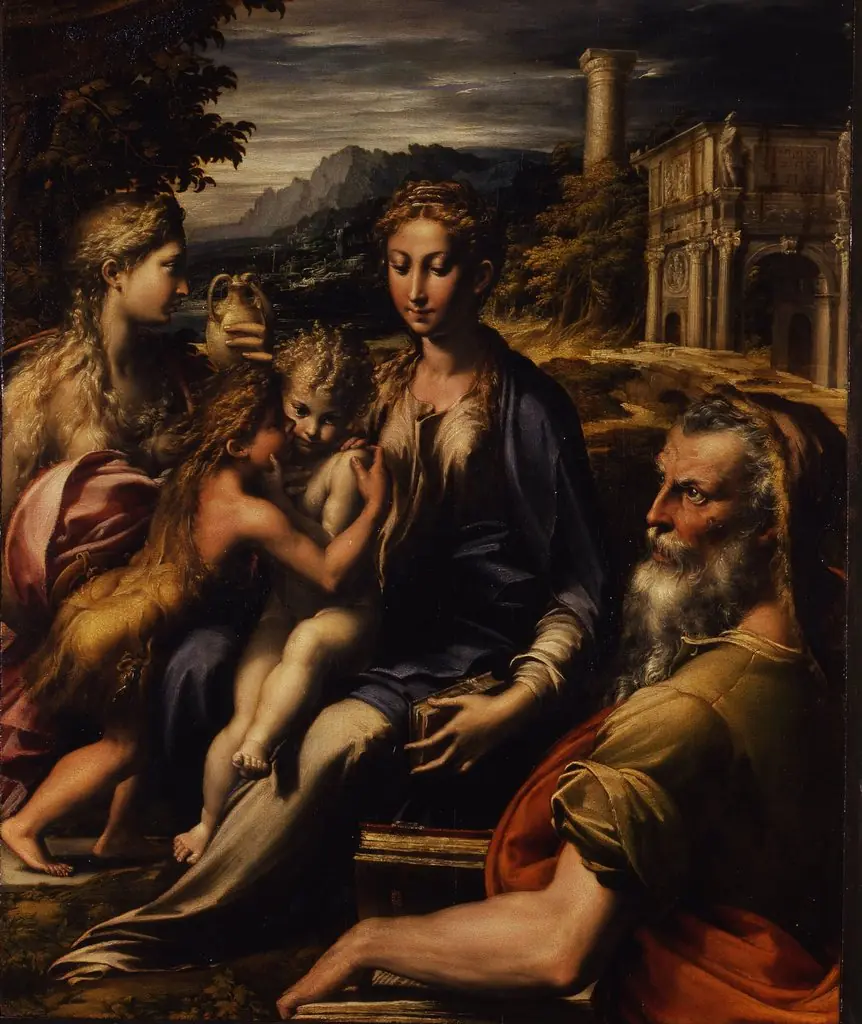 Madonna and Child with Saints
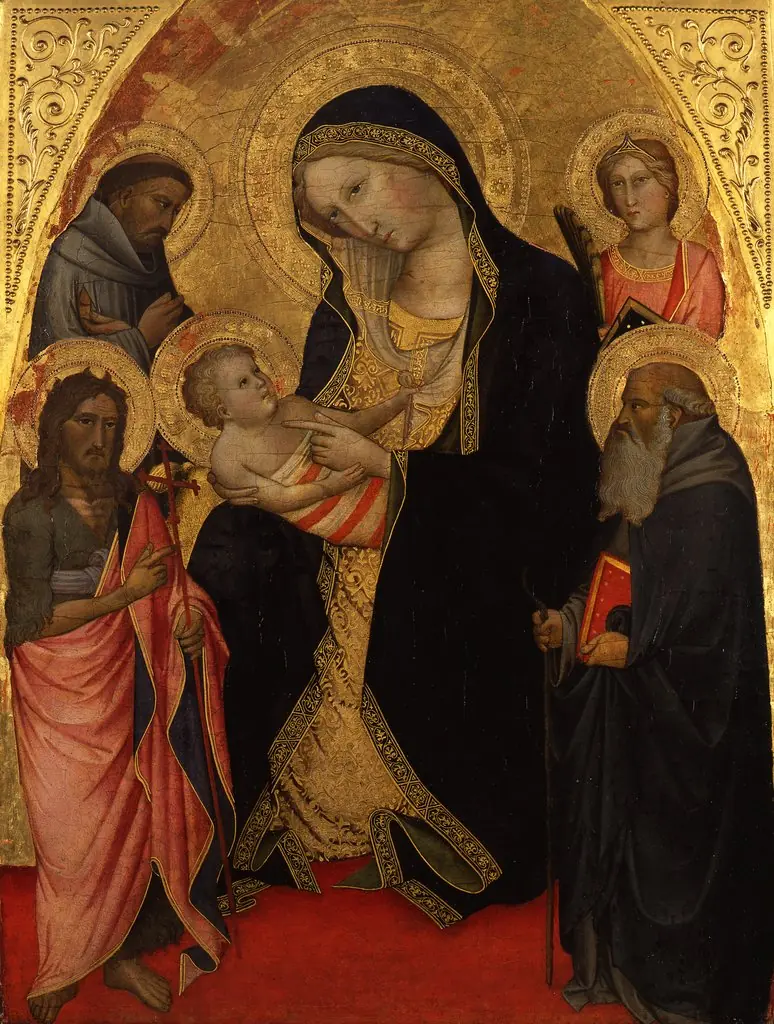 Madonna with the child, St. John the Baptist, St. Francis and St. Anthony and a martyr
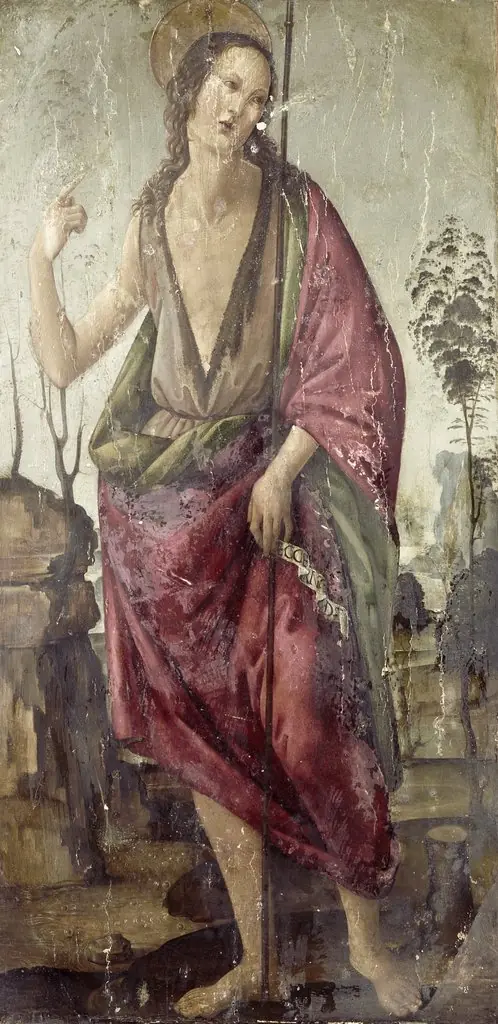 John the Baptist
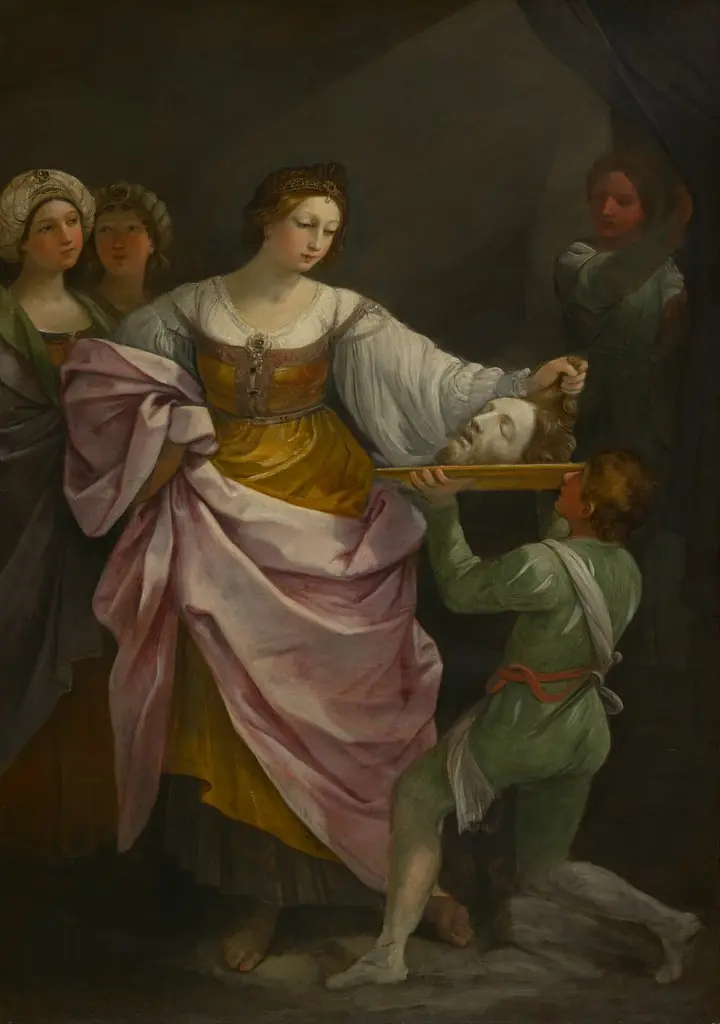 Salome with the Head of Saint John the Baptist
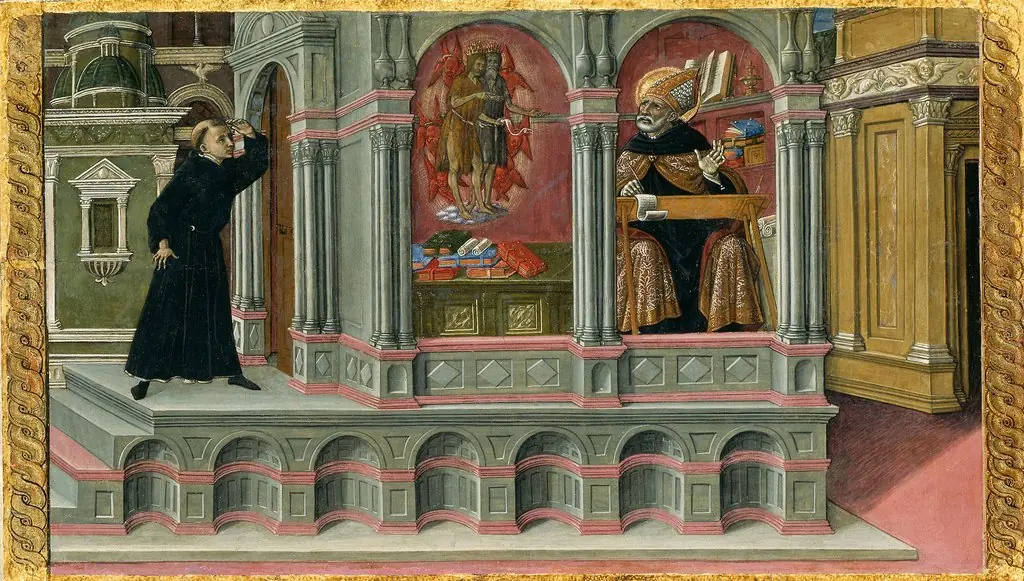 Saint Augustine's Vision of Saints Jerome and John the Baptist
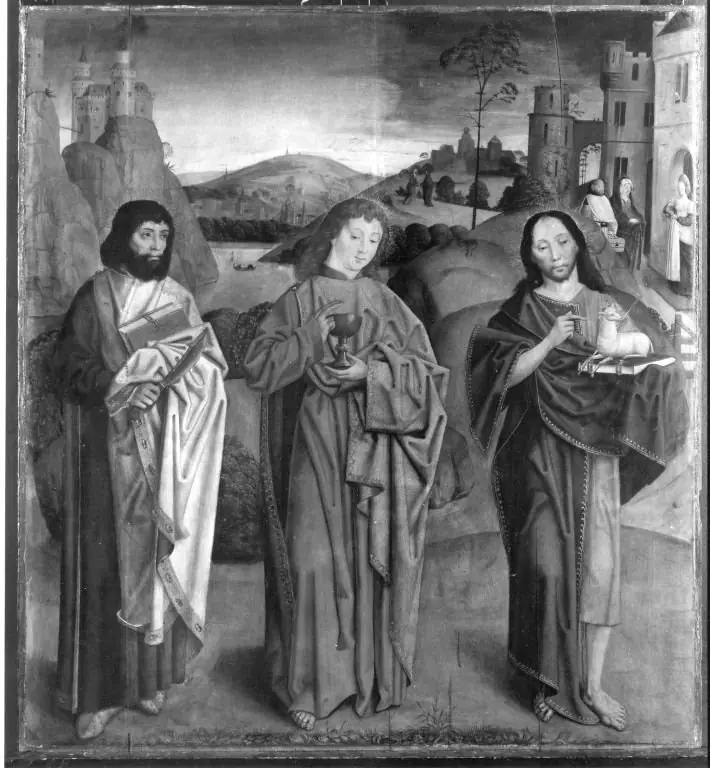 Beschneidungsaltar: Die hll. Bartholomäus, Johannes Ev. und Johannes d. T.
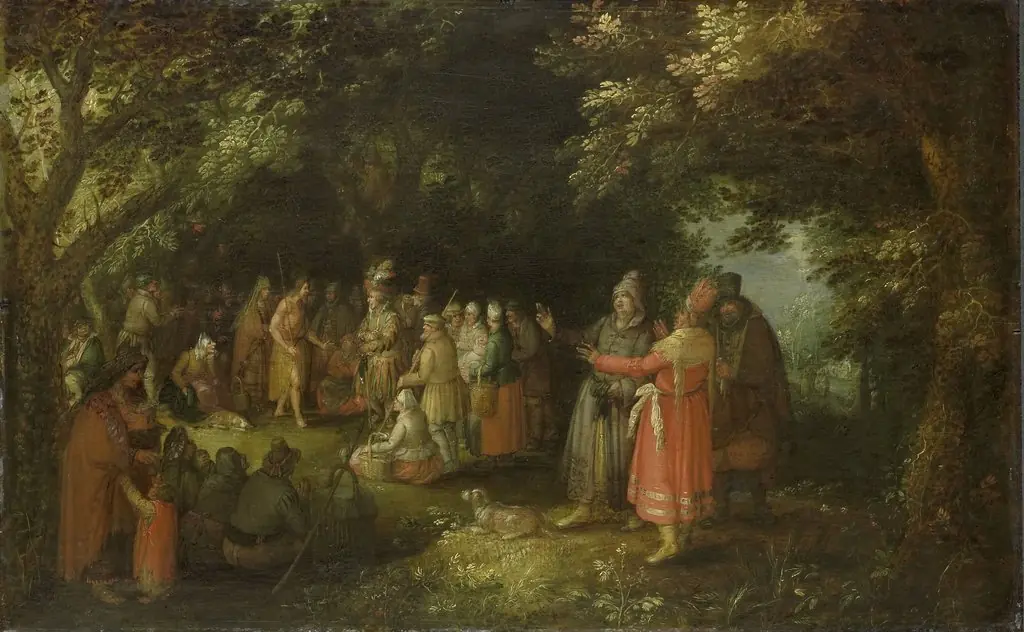 The preaching of St John the Baptist
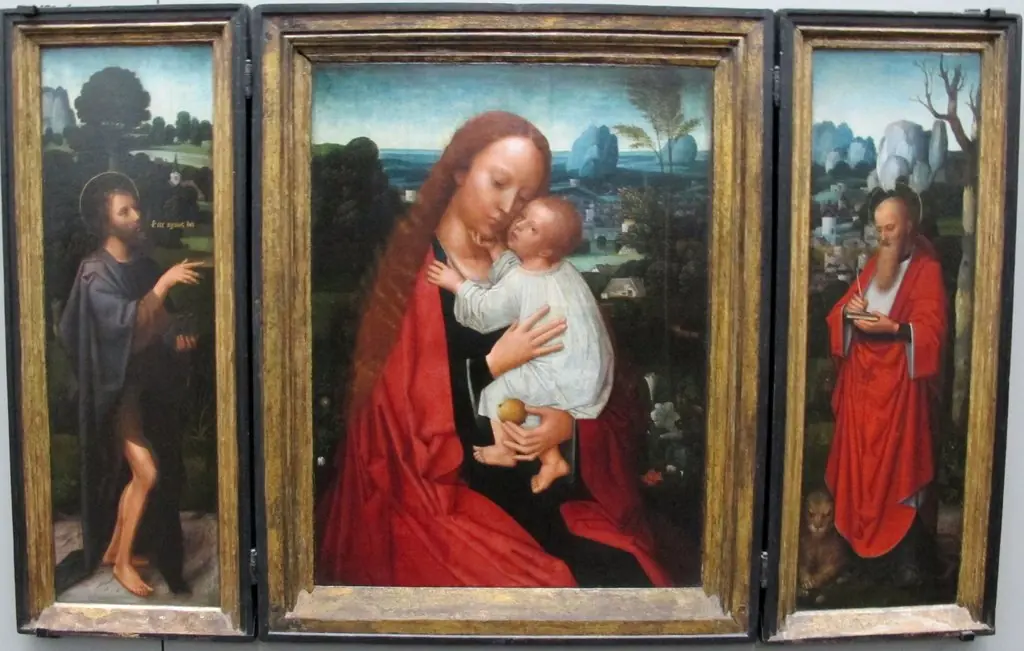 Madonna with John the Baptist and Saint Jerome
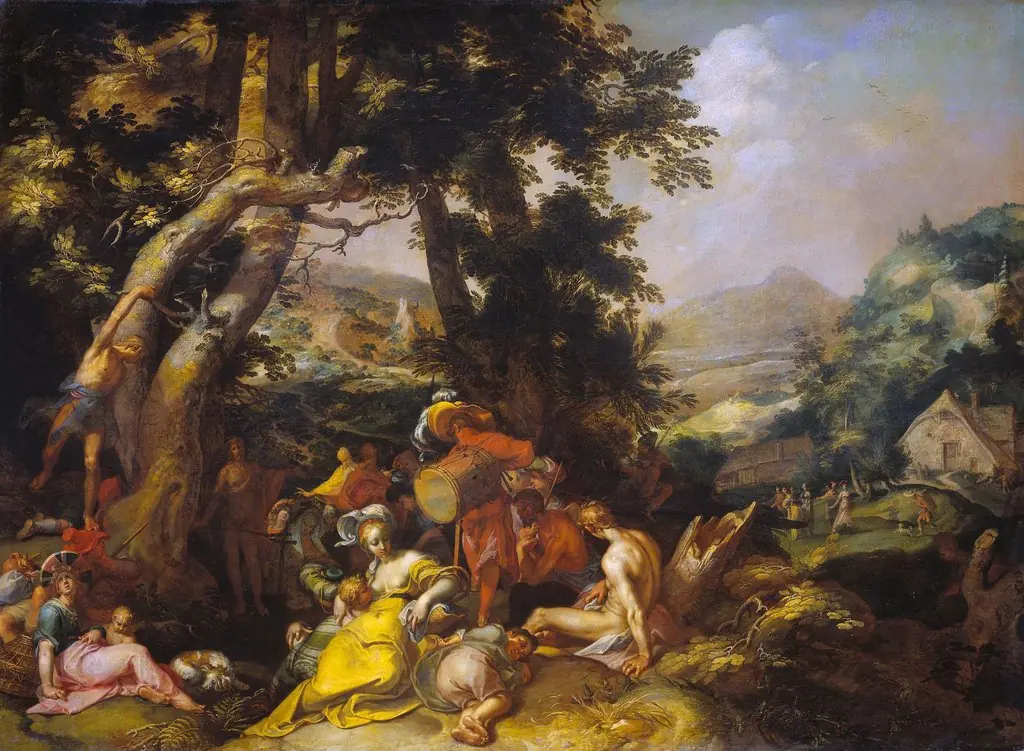 Landscape with the Ministry of John the Baptist
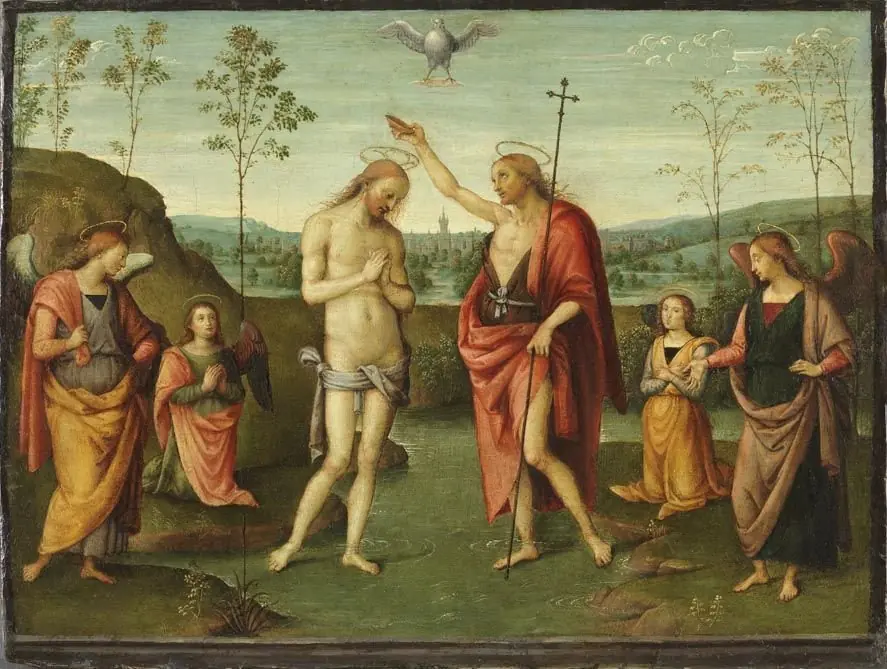 Baptism of Christ
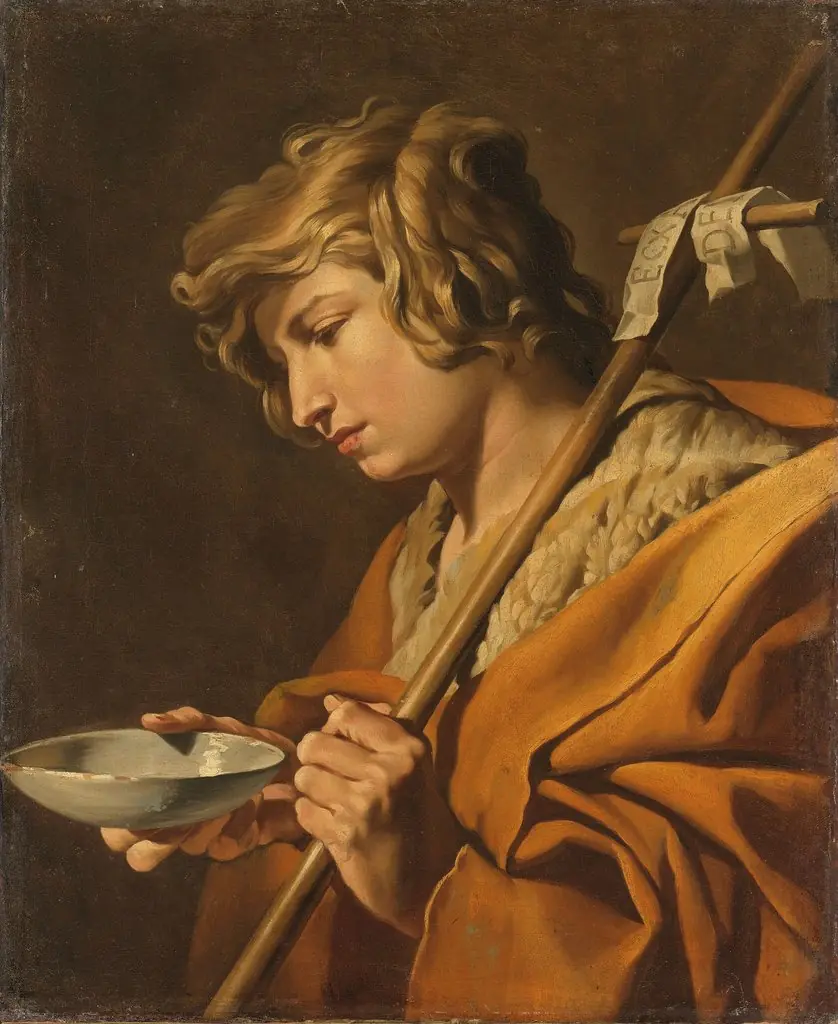 St John the Baptist
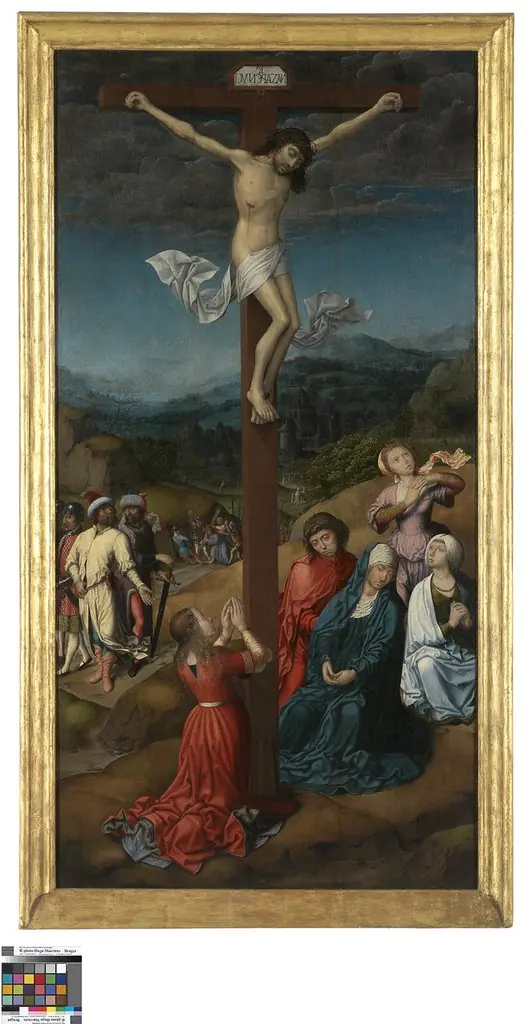 Crucifixion
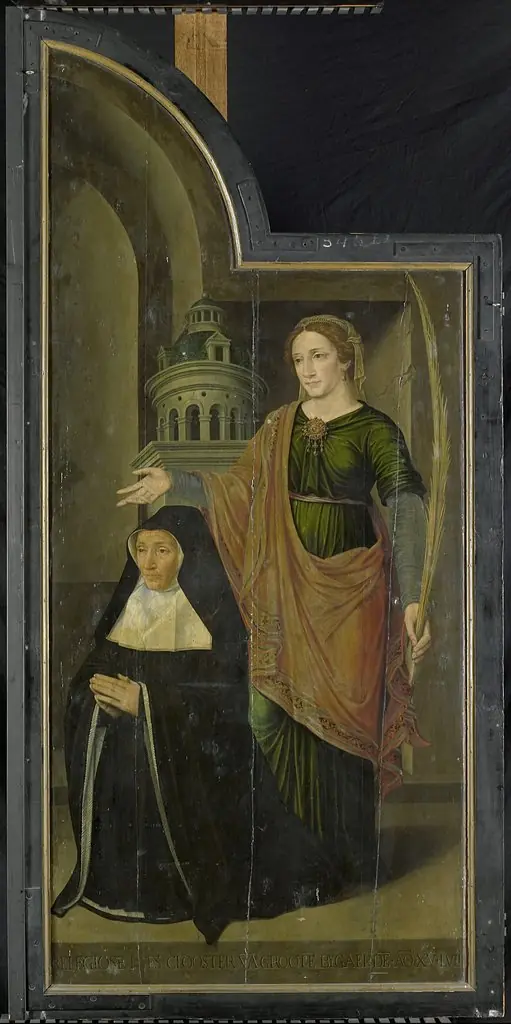 Triptych with Scenes from the Life of St John the Baptist
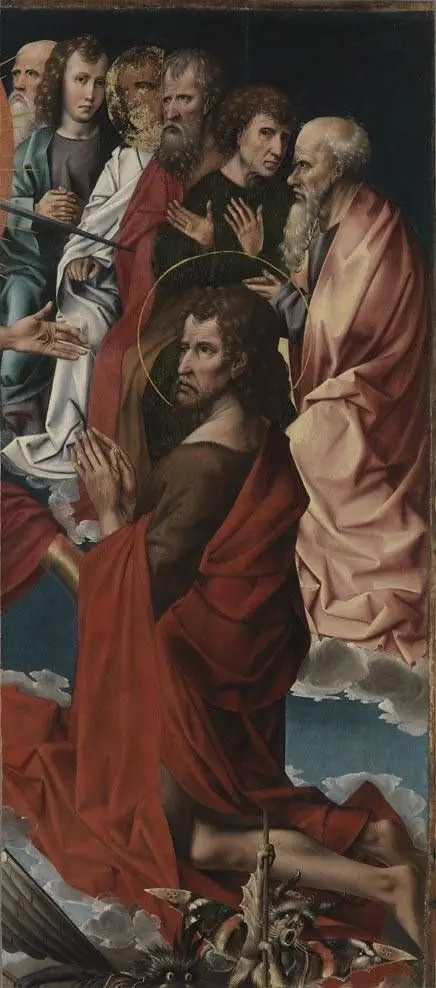 Last Judgement: Saint John the Baptist with six apostles
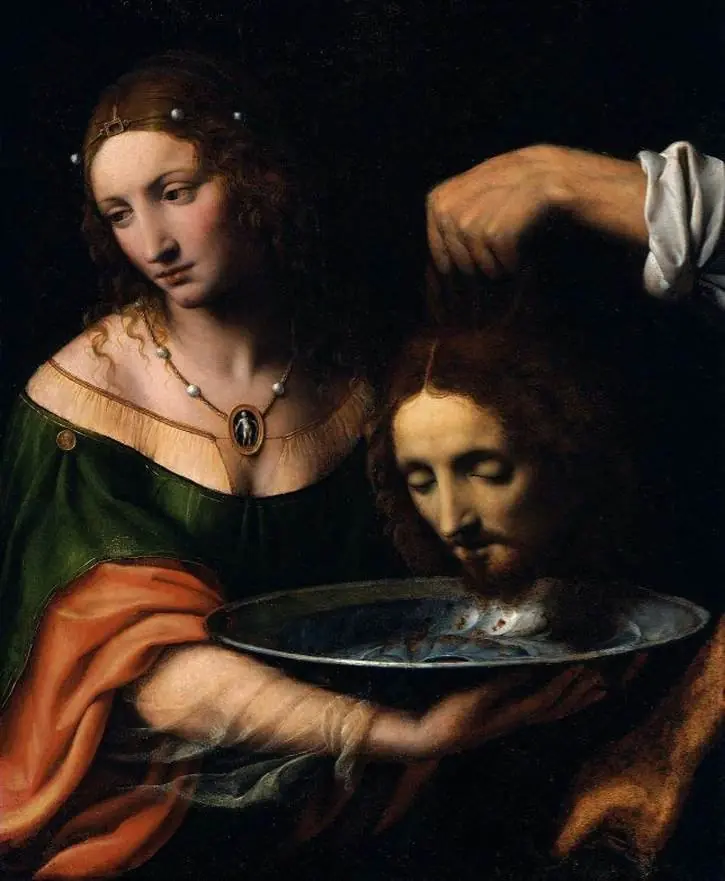 Salome with the Head of Saint John the Baptist
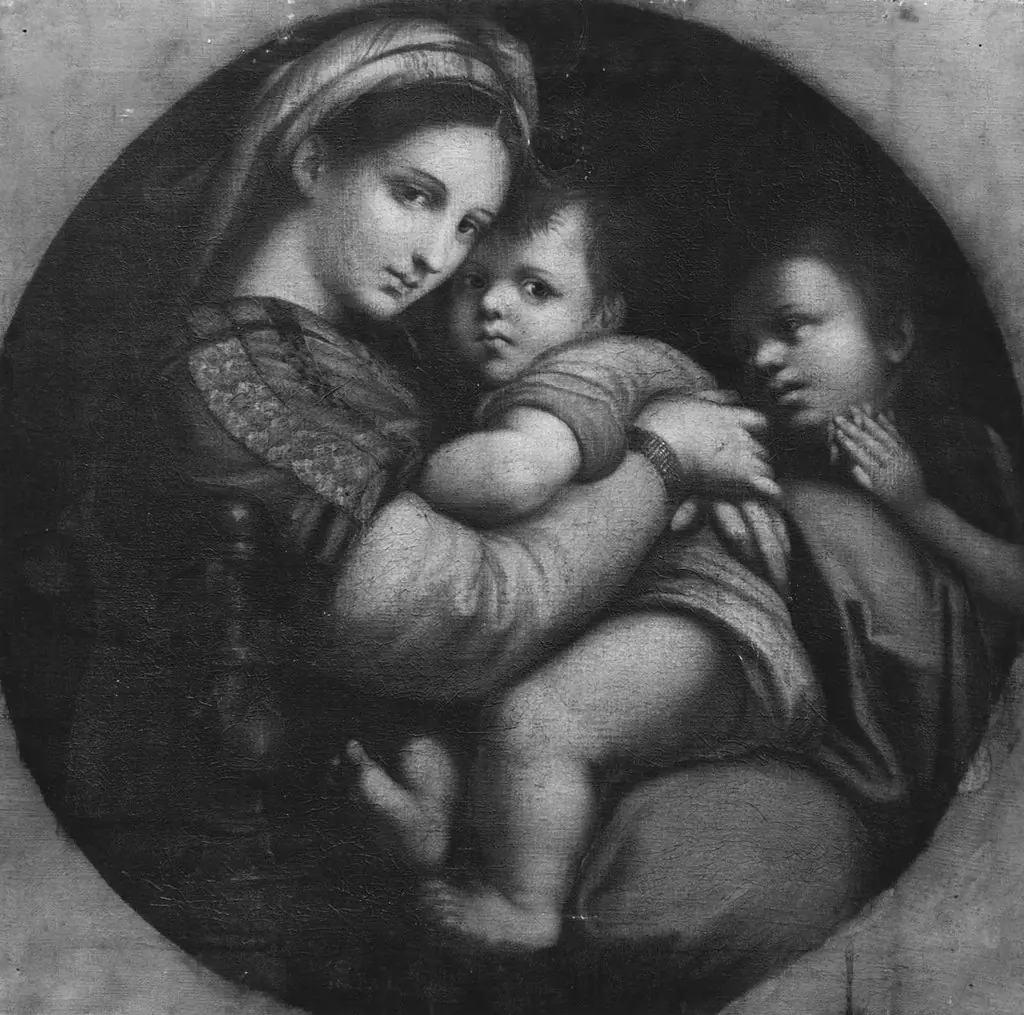 Virgin and Child with Young Saint John the Baptist
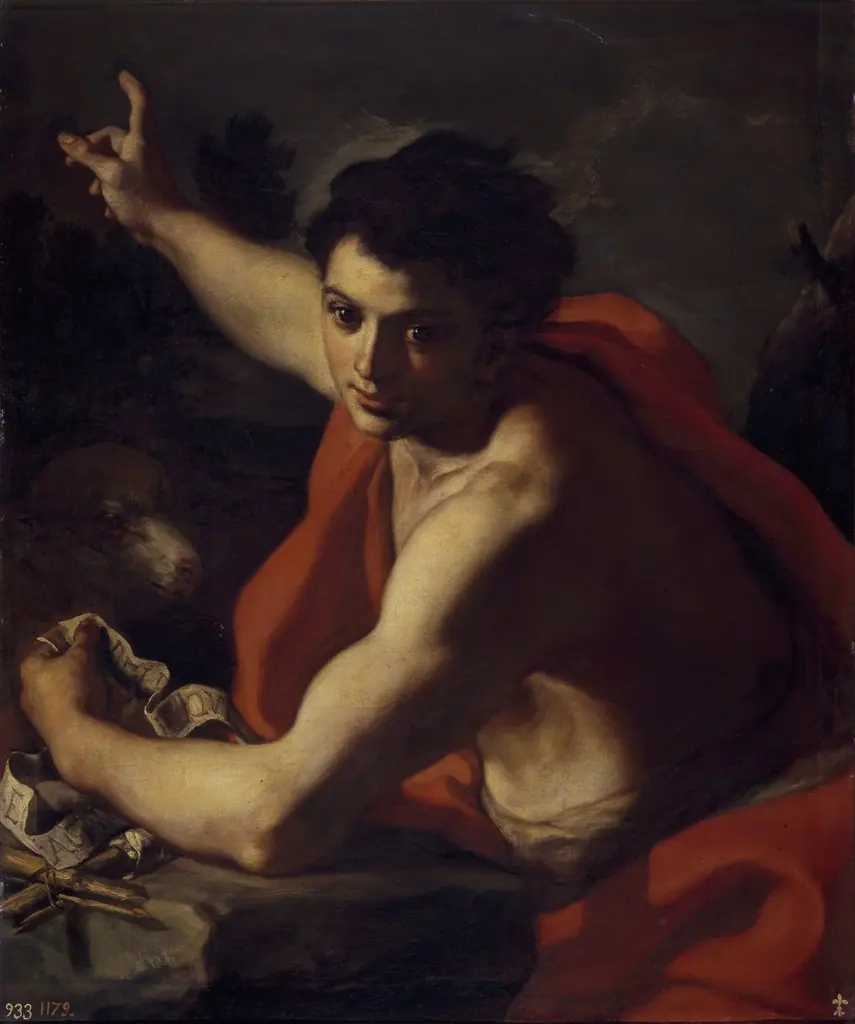 Saint John the Baptist
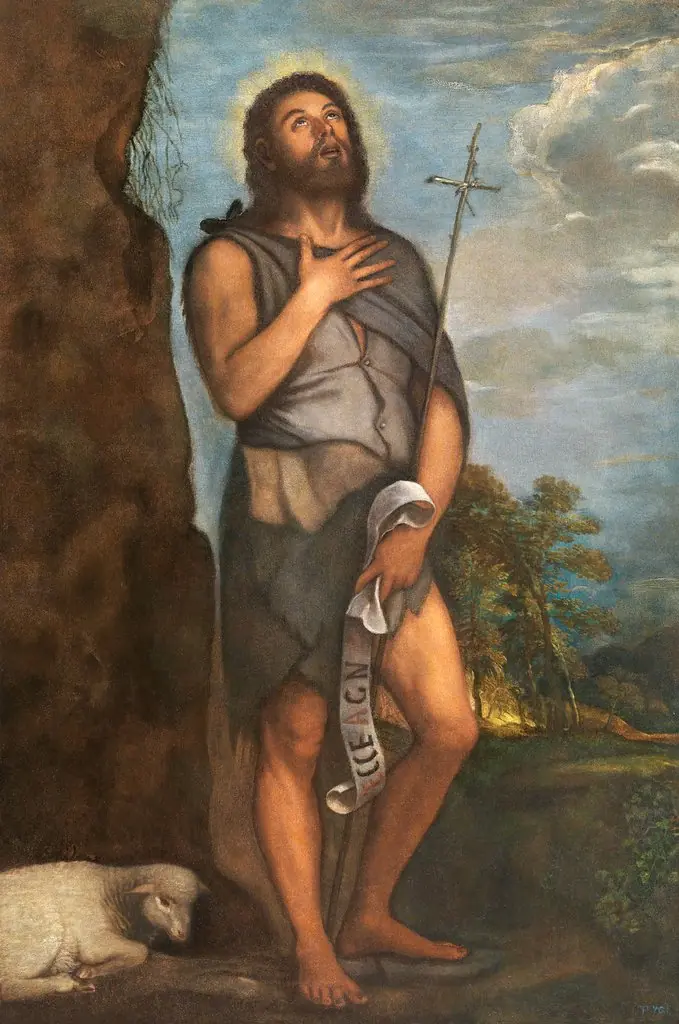 Saint John the Baptist
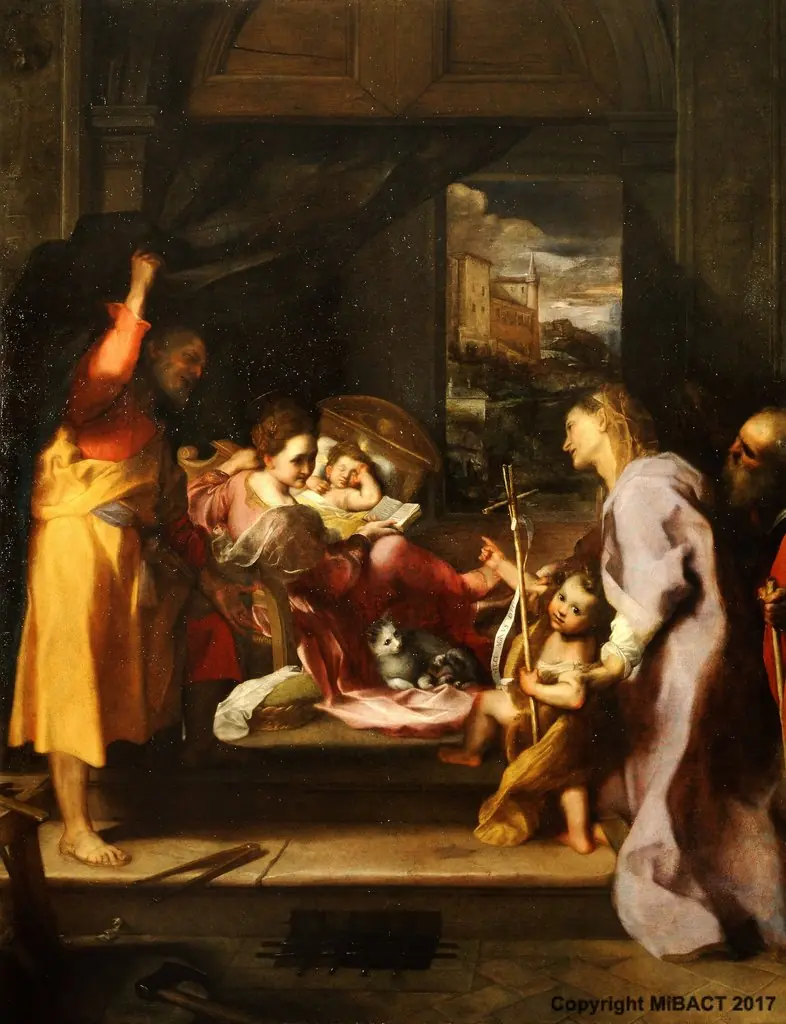 Madonna of the Cat
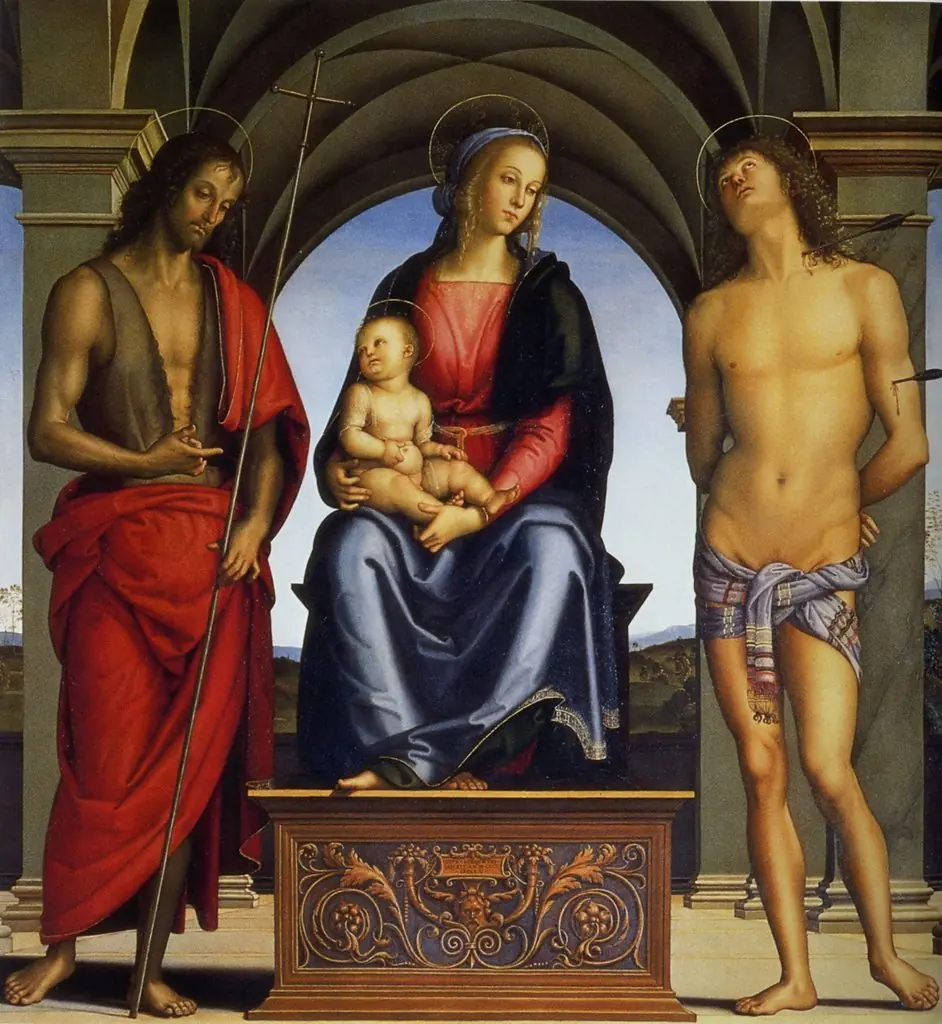 Madonna and Child Enthroned with Saints John the Baptist and Sebastian
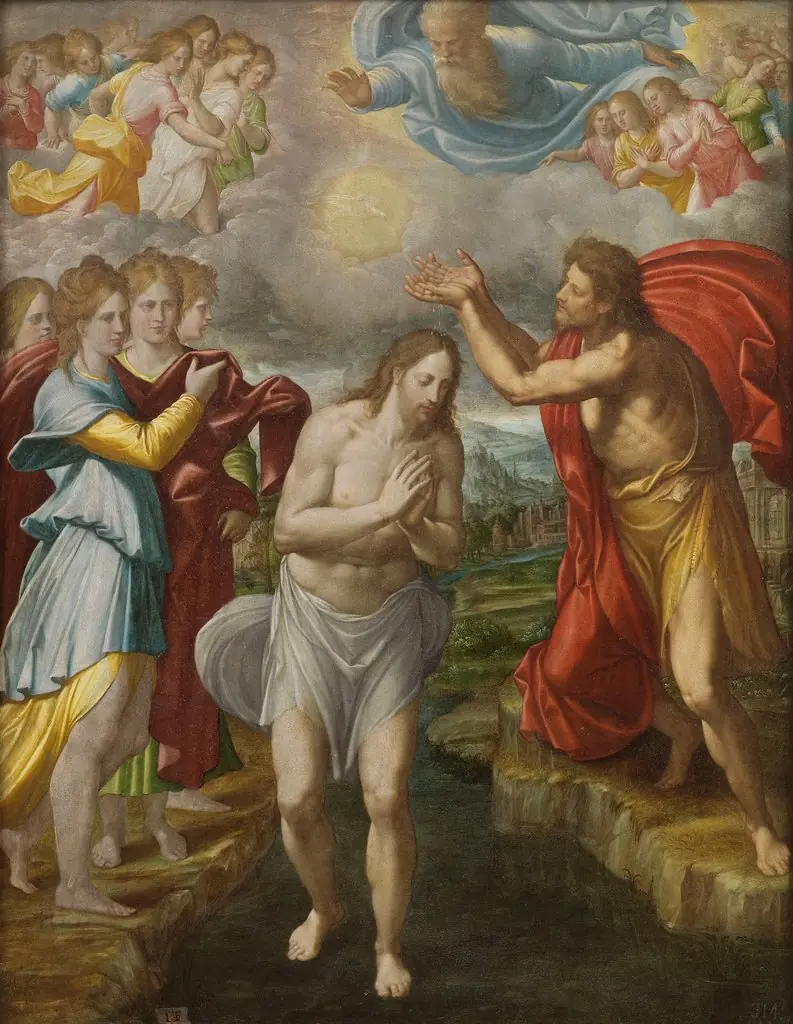 The Baptism of Christ
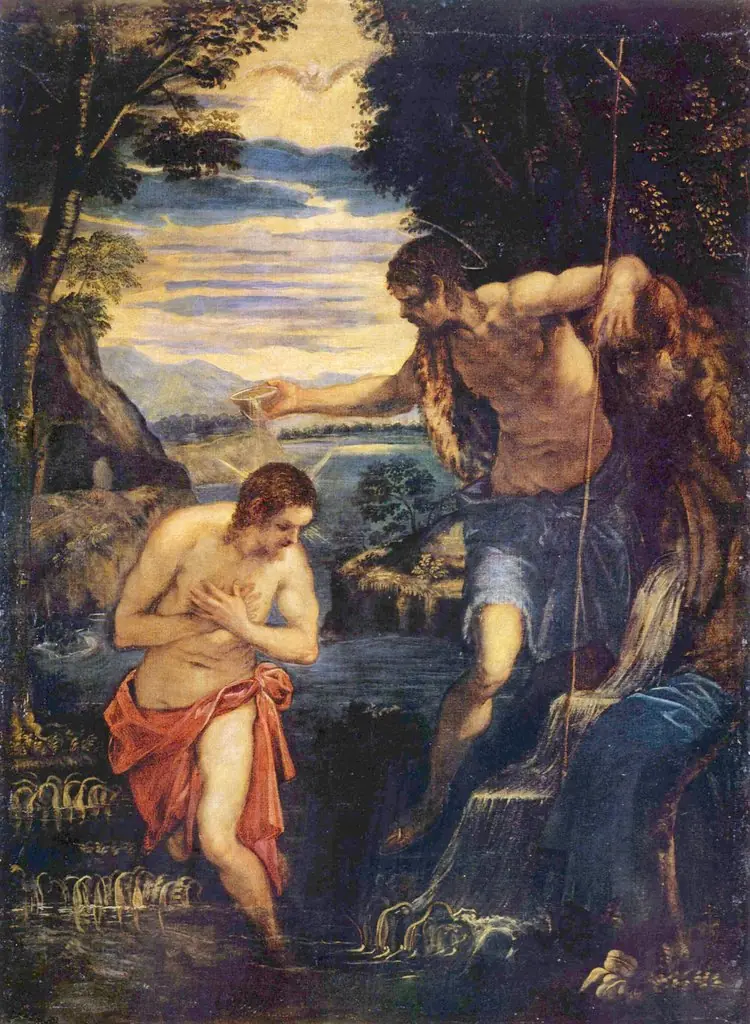 The Baptism of Christ
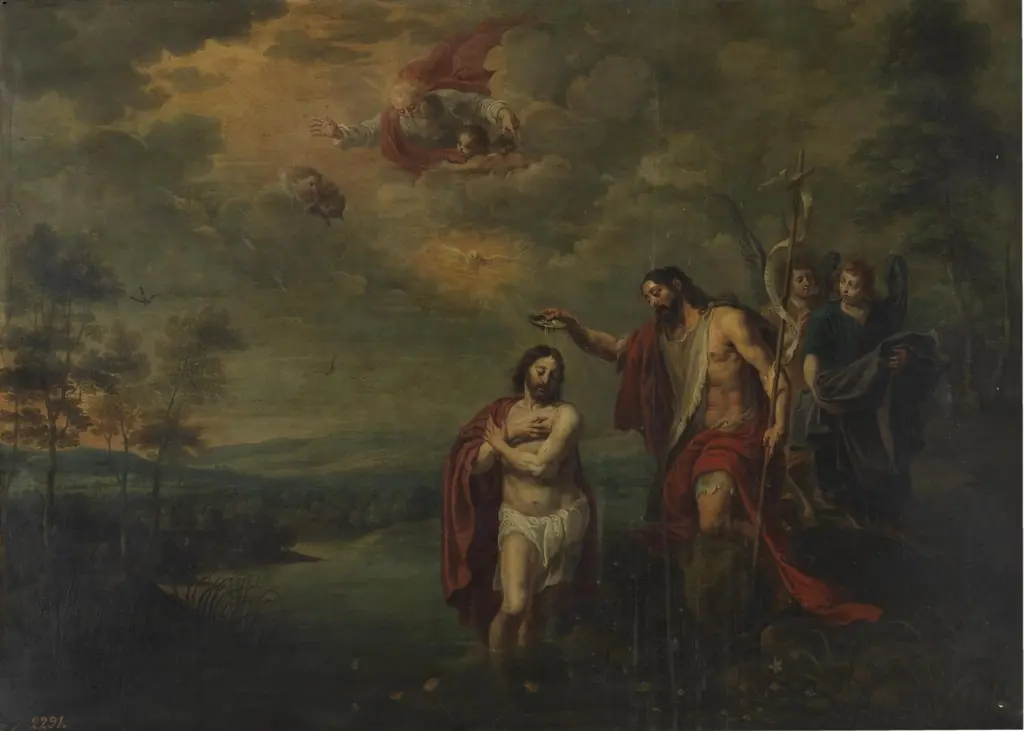 The Baptism of Christ
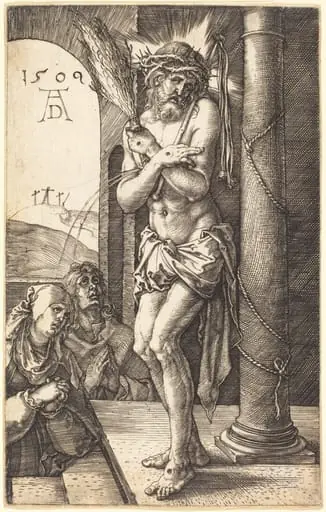 The Man of Sorrows Standing by the Column
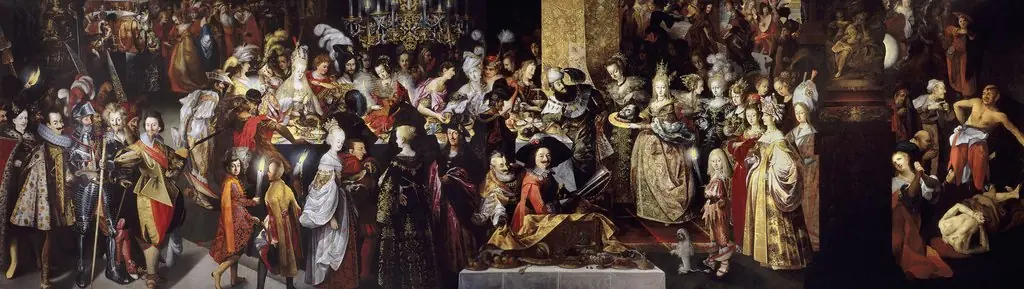 Feast of Herod with the Beheading of St John the Baptist
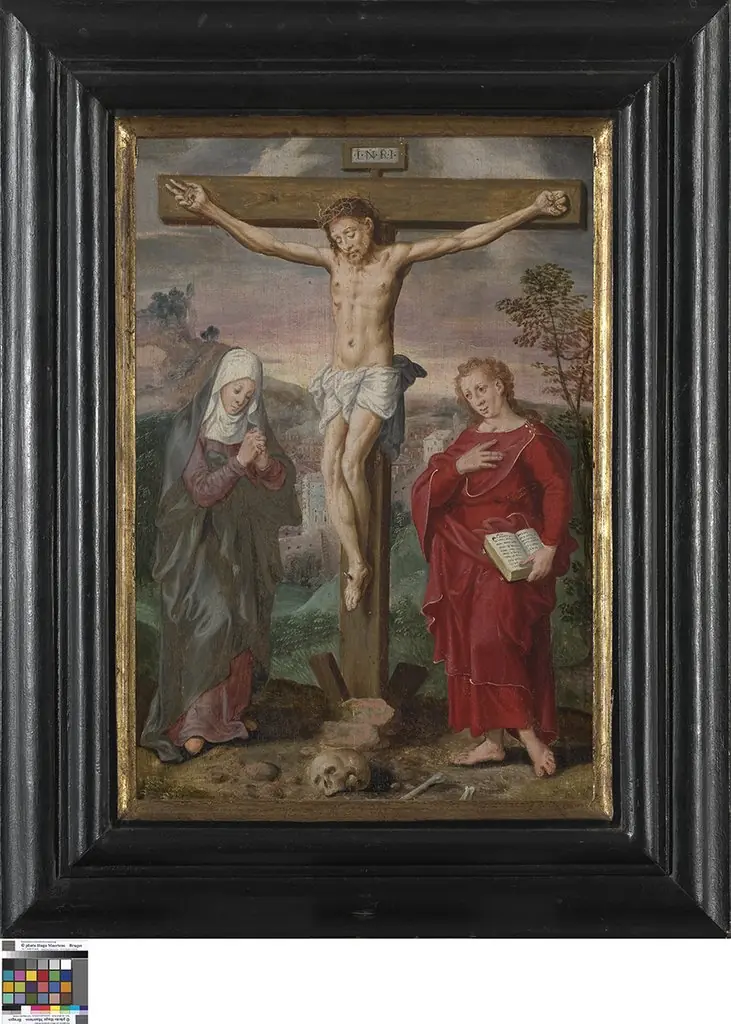 Crucified Christ with Mary and John
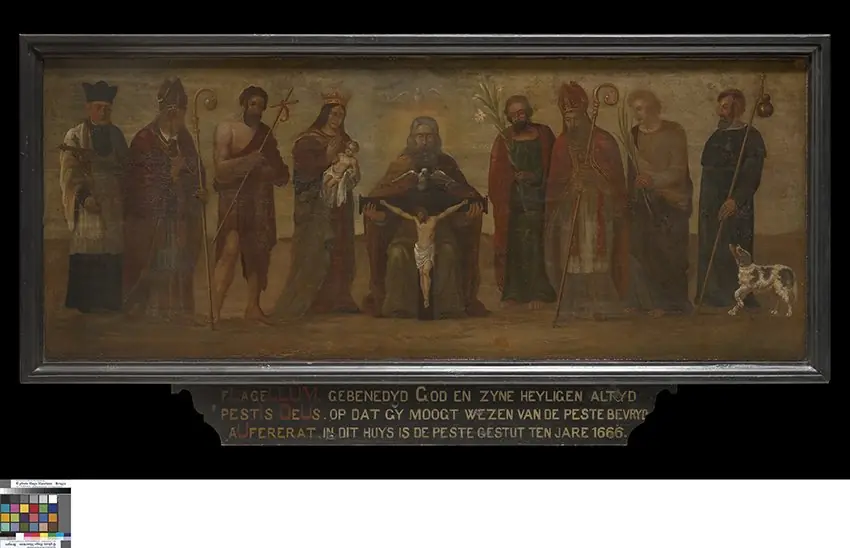 Heilige Drievuldigheid met heiligen
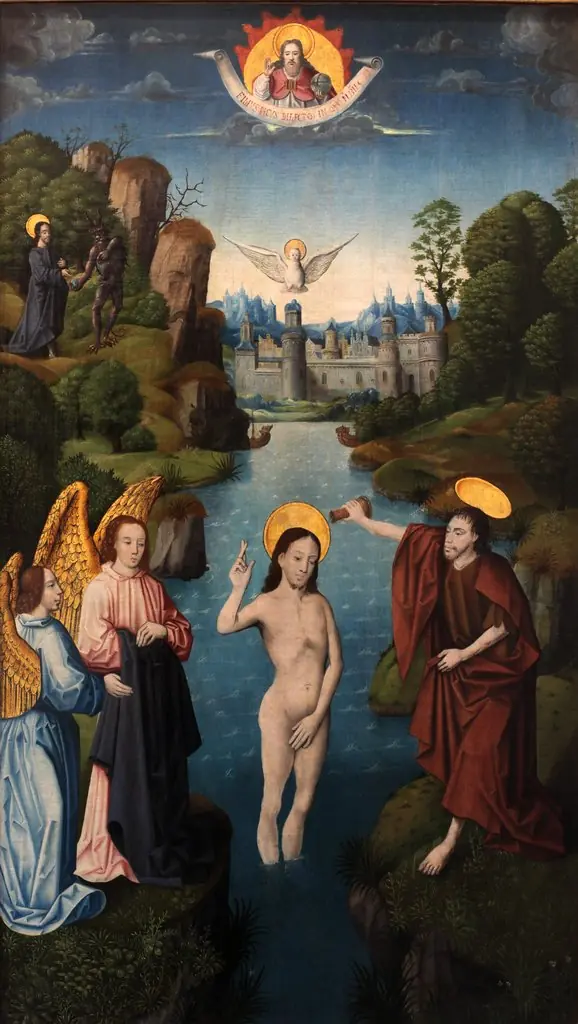 Le baptême du Christ
Frequently asked questions
What is John the Baptist?
John the Baptist is a subject in art. stained glass painting with pendant in the Museum Schnütgen, Cologne (M 520)
How many John the Baptist works does Artifact World Gallery have?
Artifact World Gallery holds 200 public-domain John the Baptist works, all free to view and download.
Who are the key John the Baptist artists?
Key John the Baptist artists in the collection include Titian, Paolo Veronese and Raphael.
Where can I see John the Baptist works?
John the Baptist works in the collection are held by Metropolitan Museum of Art, Museo del Prado and Bavarian State Painting Collections.