Artwork
Marienaltar: Geburt Mariae
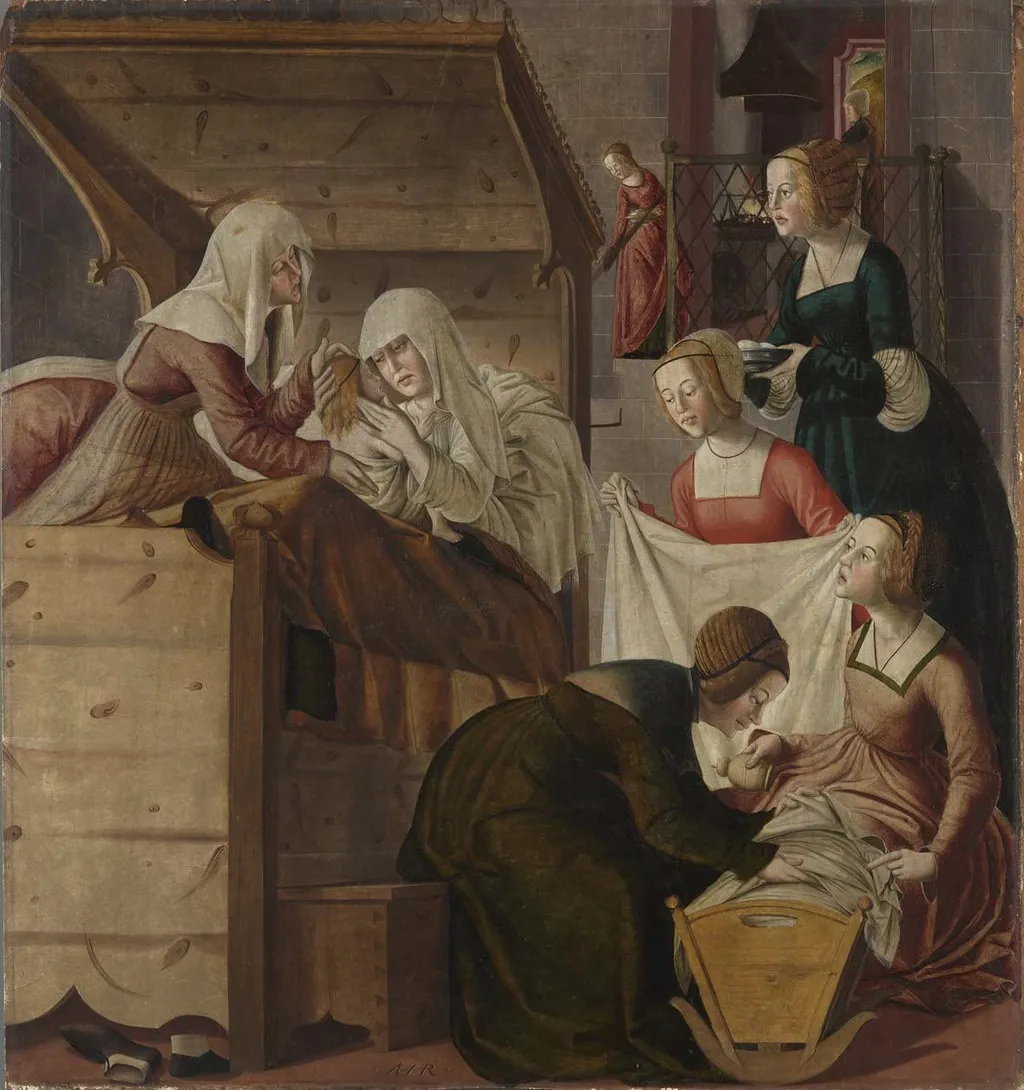
Marienaltar: Geburt Mariae is an unspecified painting by the Northern Renaissance artist Marx Reichlich. It dates from 1511 and is held in the collection of the Bavarian State Painting Collections.
About this work
Overview
Today the panel belongs to the collection of the Alte Pinakothek in Munich.
Created in 1511 by Austrian painter Marx Reichlich, the Marienaltar: Geburt Mariae is a Northern Renaissance altarpiece that illustrates the birth of the Virgin Mary. Executed for ecclesiastical use, the work originally formed part of a larger devotional program that included scenes such as the Adoration of the Magi and the Last Judgment. Today the panel belongs to the collection of the Alte Pinakothek in Munich.
Subject & Meaning
The composition centers on a modest interior where a newborn Mary is attended by a group of women and a child. The figures convey a quiet reverence, emphasizing the sanctity of Mary's arrival and its theological significance as the prelude to the Incarnation. The setting underscores the humility of the event, aligning with contemporary devotional attitudes toward the Virgin.
Technique & Style
Reichlich employs a pronounced chiaroscuro, allowing the illuminated faces to emerge from a predominantly dark, wood‑panelled space. This contrast heightens emotional expression and draws the viewer’s focus to the intimate gestures of the attendants. The palette is restrained, with touches of white, red, and green that punctuate the gloom and guide the eye through the narrative.
History & Provenance
Commissioned for a church altar in the early sixteenth century, the painting functioned alongside other liturgical panels depicting biblical episodes. Over the centuries it changed hands before entering the Alte Pinakothek’s holdings, where it remains on display as an example of Austrian contributions to the Northern Renaissance and of Reichlich’s late career output.
Artist & collection
Artist
Marx Reichlich (1460–1520) was an Austrian painter. Reichlich was a painter of primarily religious works. He painted a number of traditional scenes as commissions for churches, including "Adoration of the Magi", and…

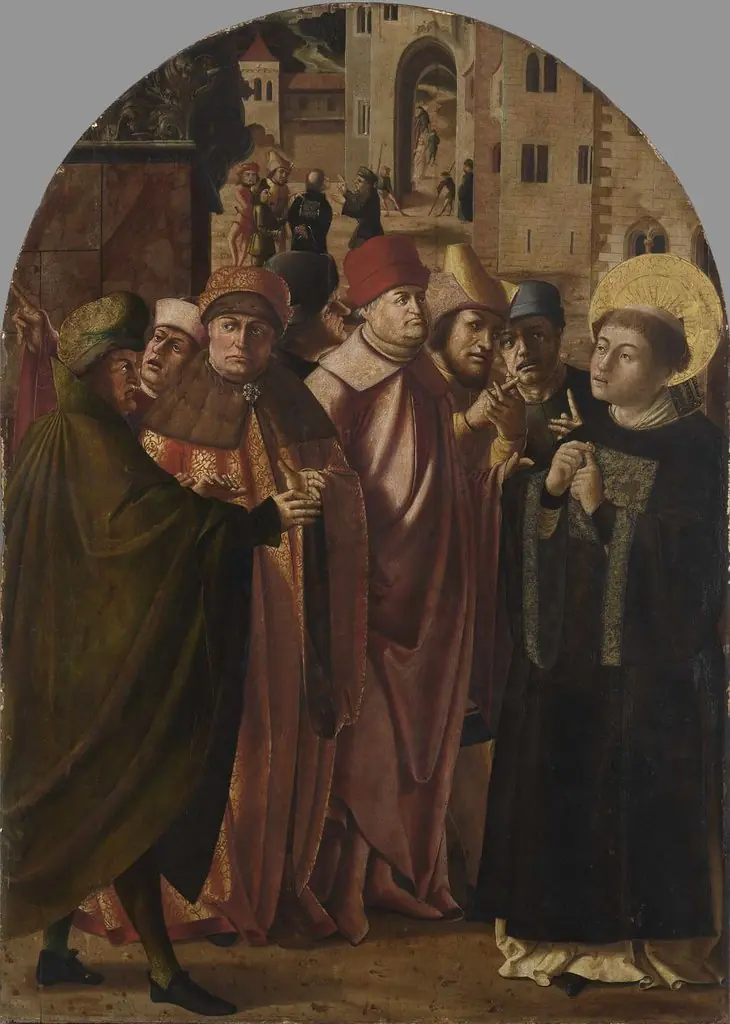 Jakobus-Stephanus-Altar: Disputation des hl. Stephanus
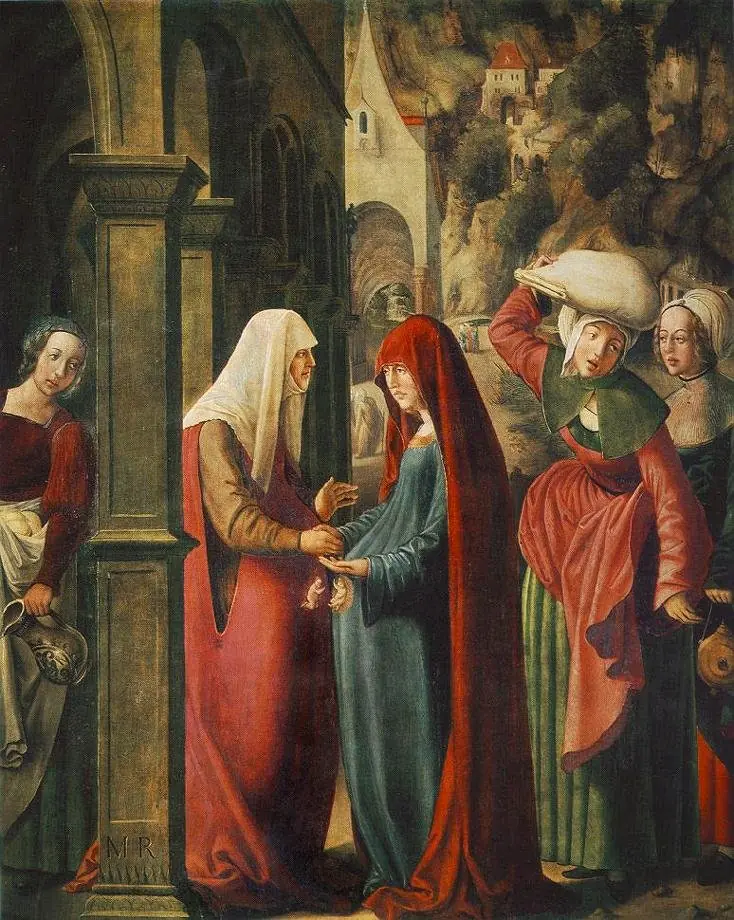 Meeting of Mary and Elisabeth
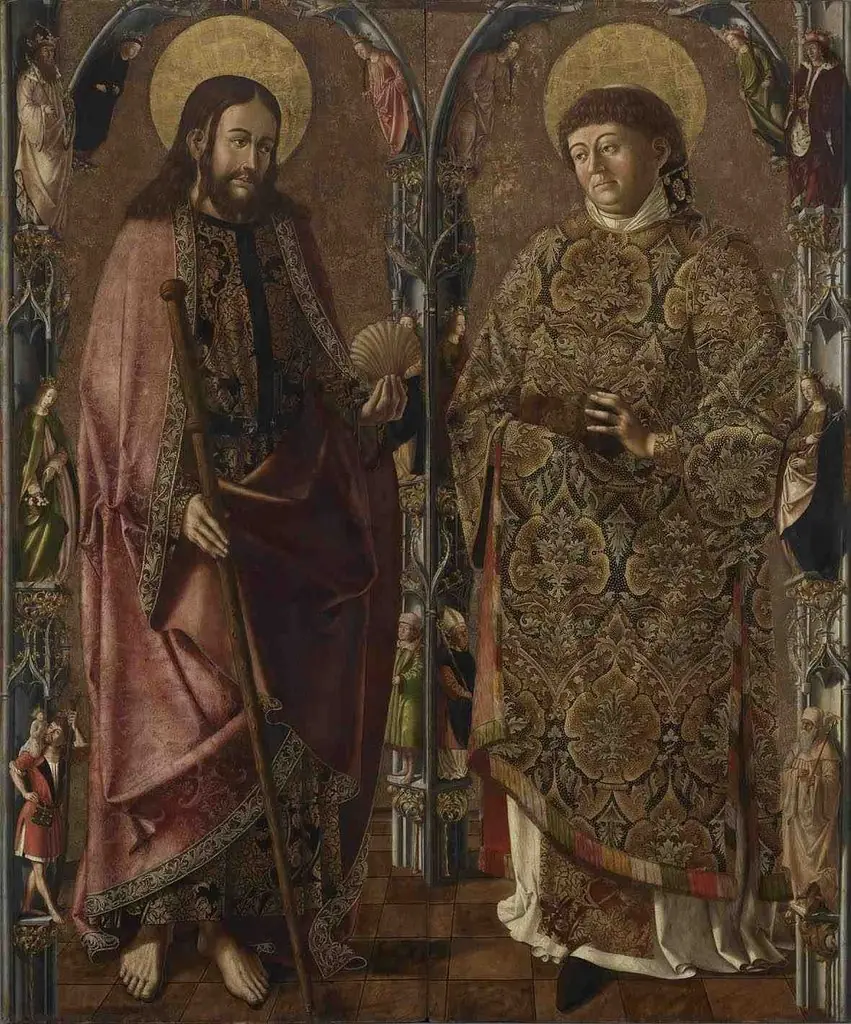 Jakobus-Stephanus-Altar: Die hll. Jakobus und Stephanus
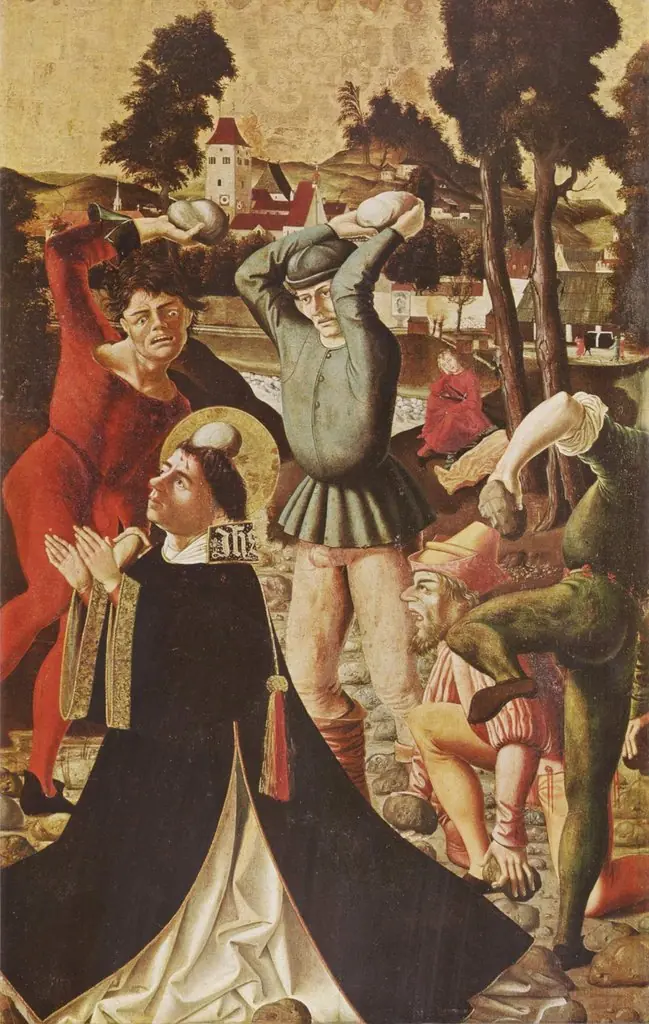 Jakobus-Stephanus-Altar: Steinigung des hl. Stephanus
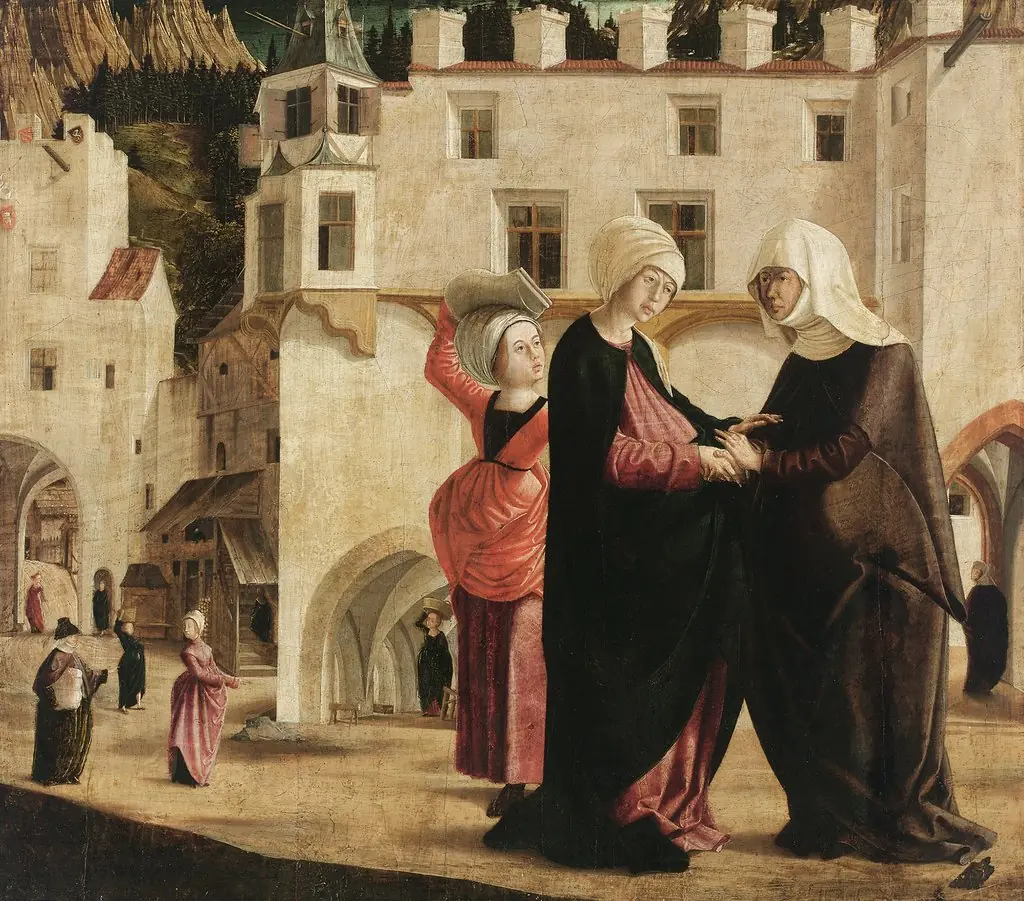 The visitation
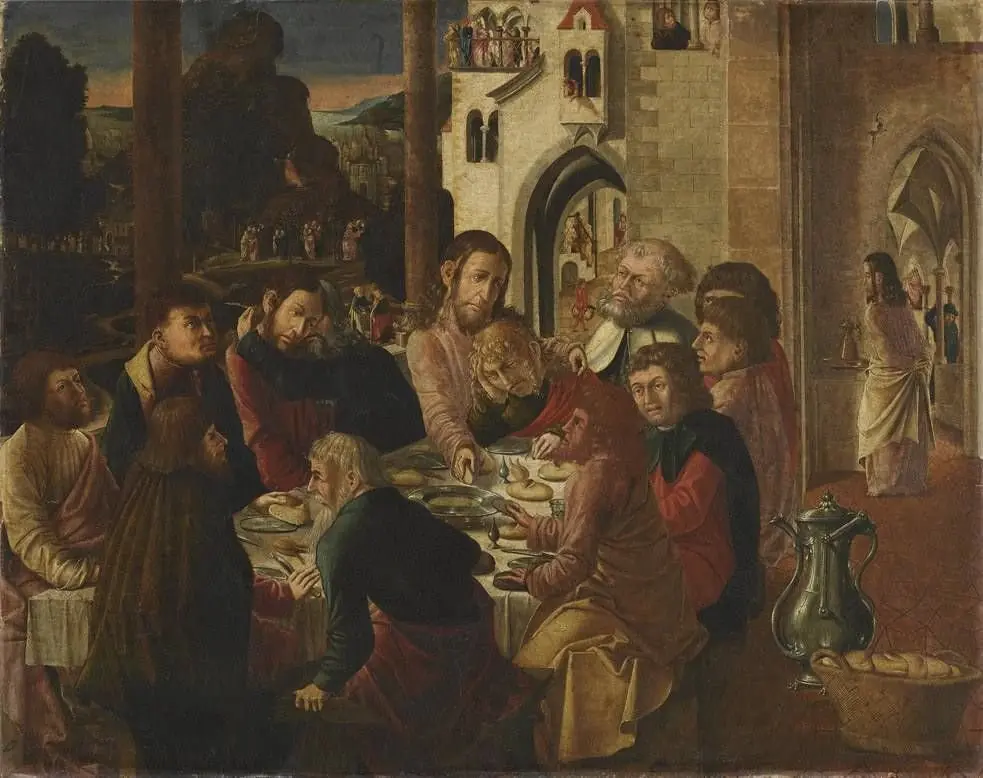 Jacob-Stephen (?): the Last Supper
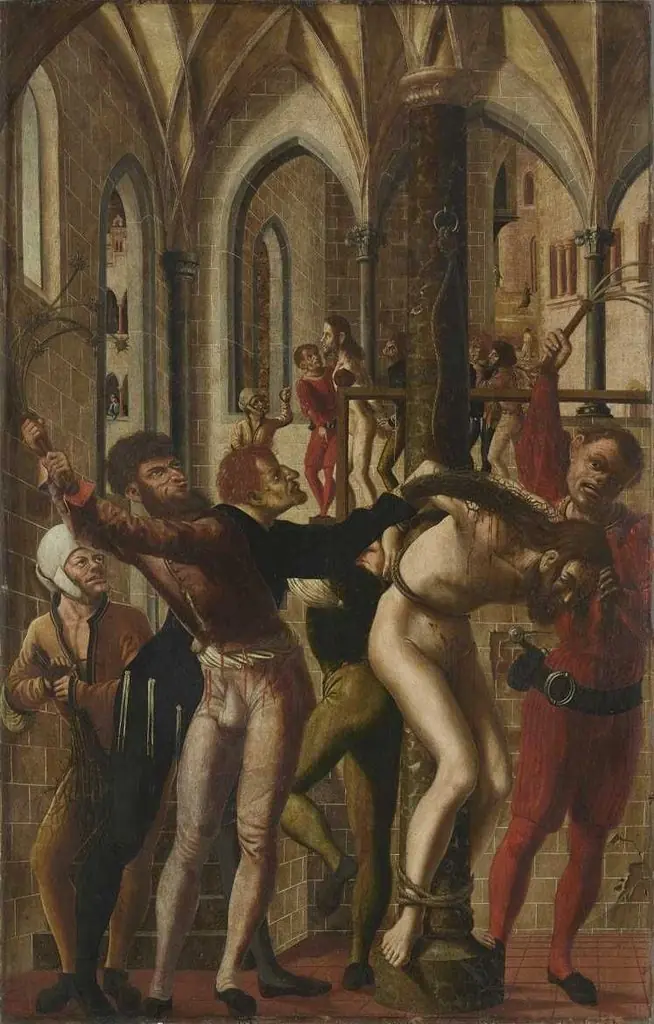 Jakobus-Stephanus-Altar: Geißelung Christi
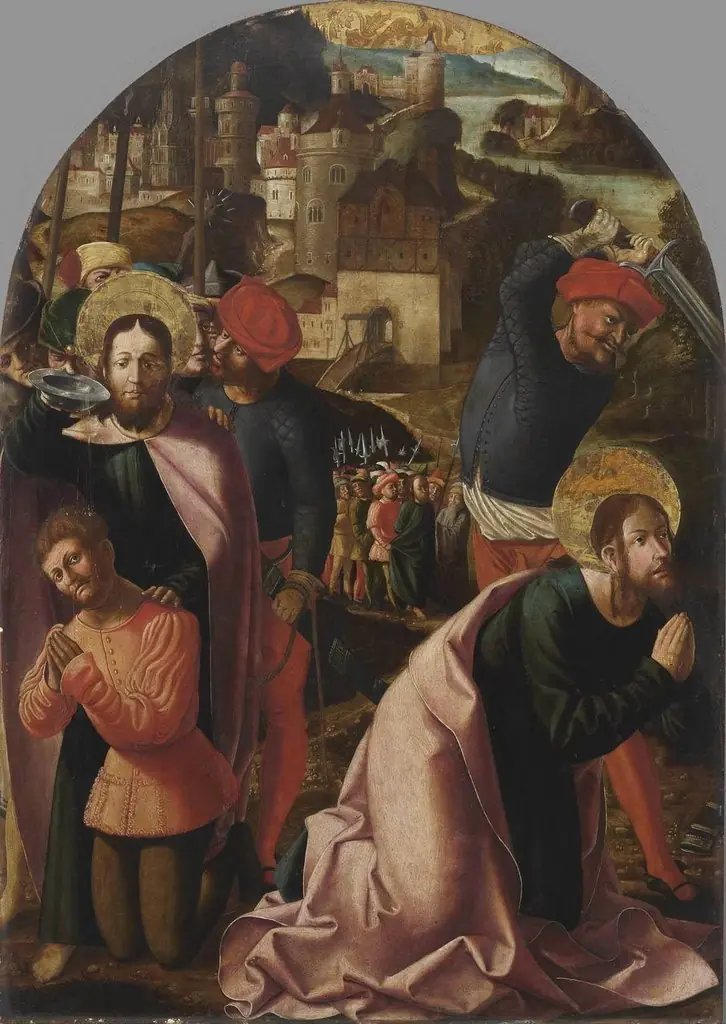 Jakobus-Stephanus-Altar: Der hl. Jakobus tauft Josias und Hinrichtung des Jakobus
- The Birth and Naming of John the Baptist
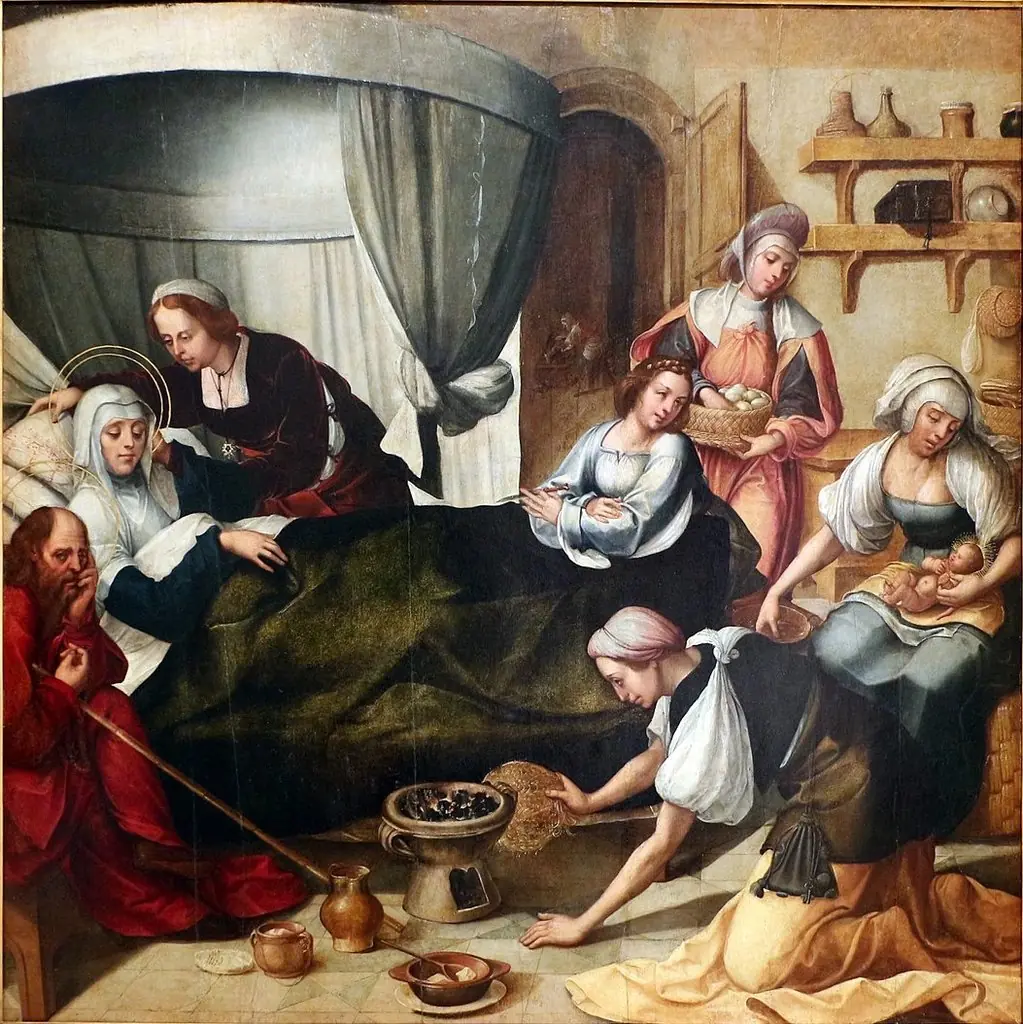 Birth of the Virgin Mary
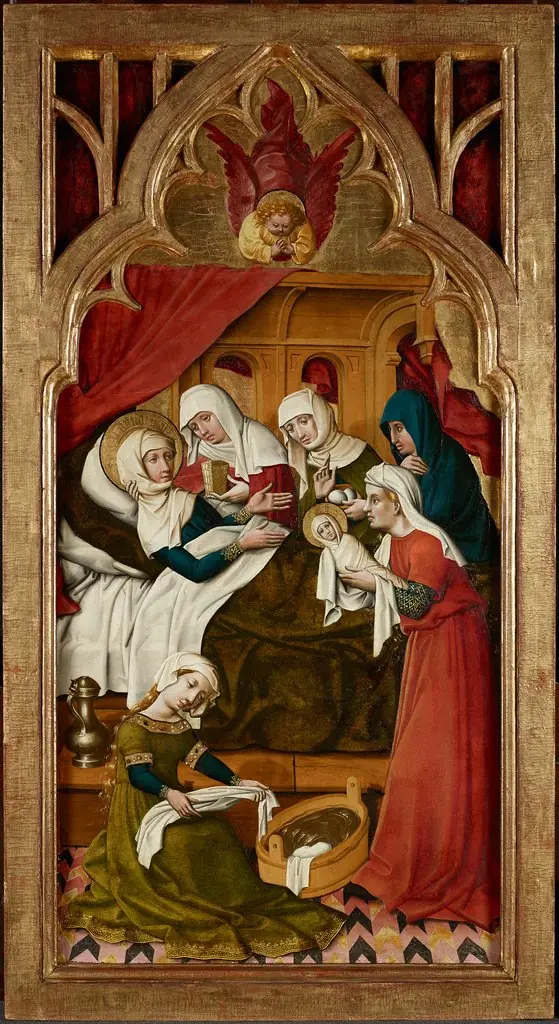 Geburt Mariens
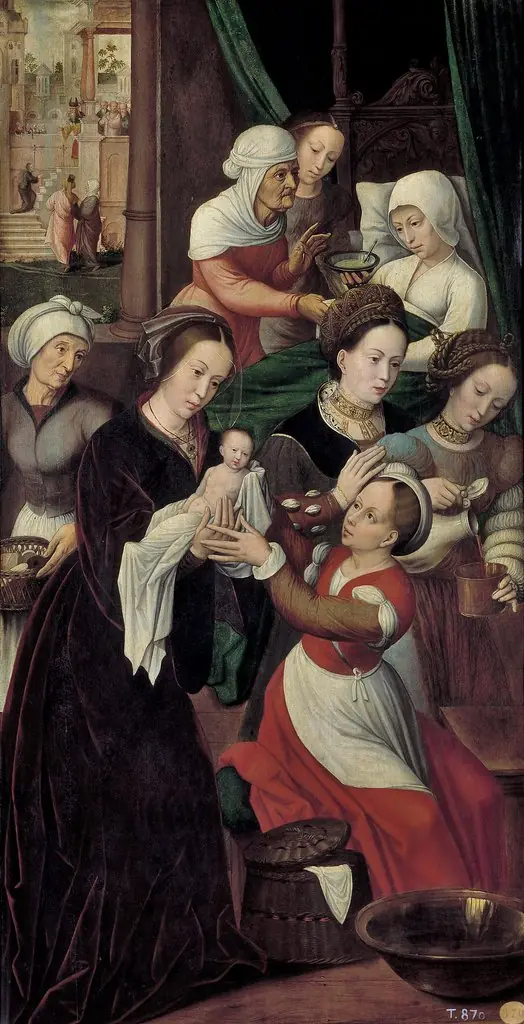 The Birth of the Virgin
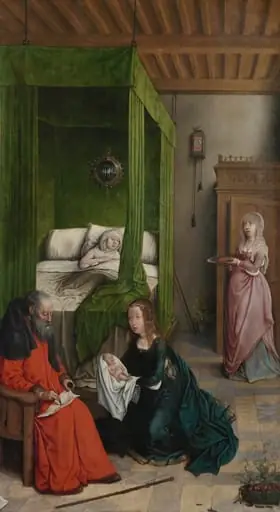 The Birth and Naming of John the Baptist
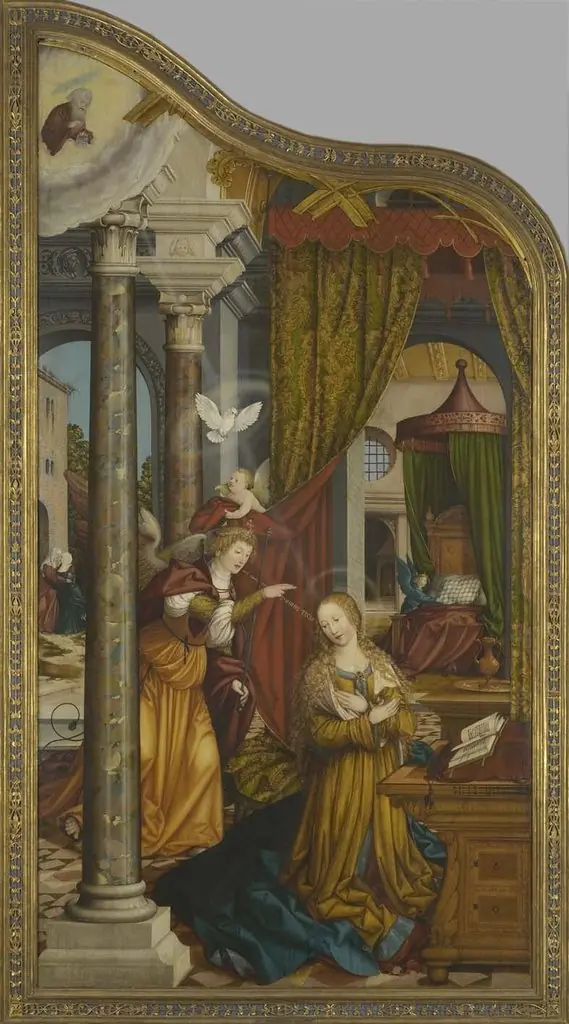 Wettenhauser Hochaltar: Verkündigung an Maria Rückseite: Abschied Christi (linke Hälfte)
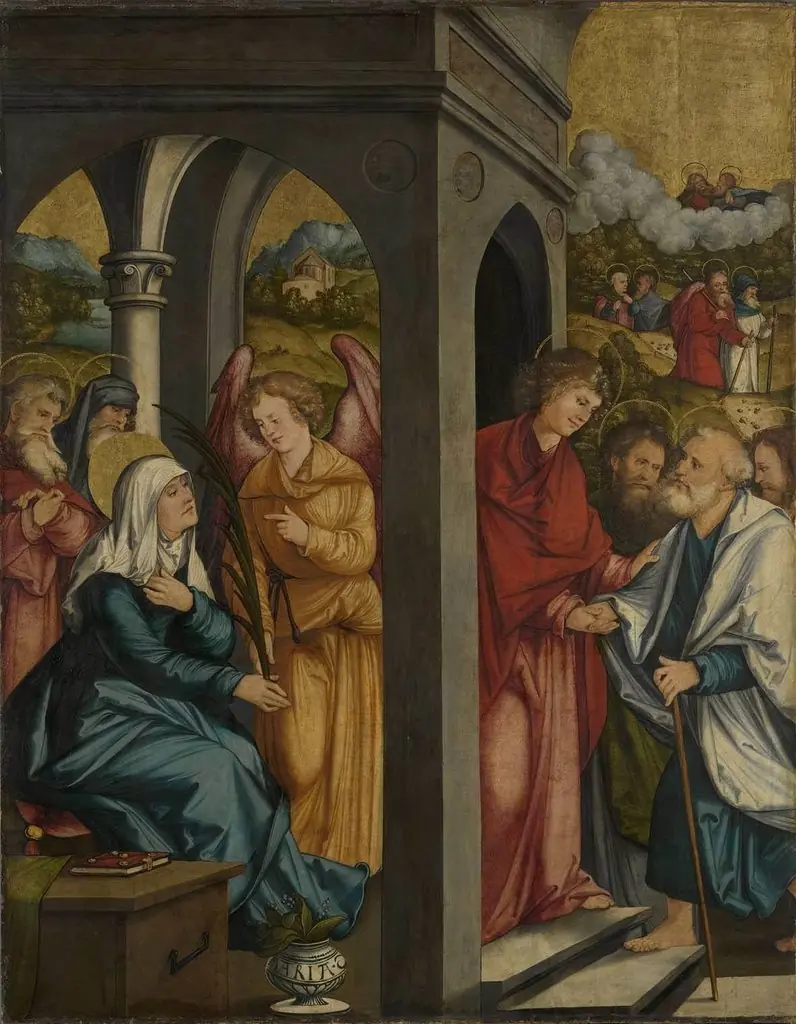 Christgartner Altar: Ein Engel reicht Maria die Palme
 Panel of an Altarpiece with Circumcision of Christ, on verso is Resurrection of Christ
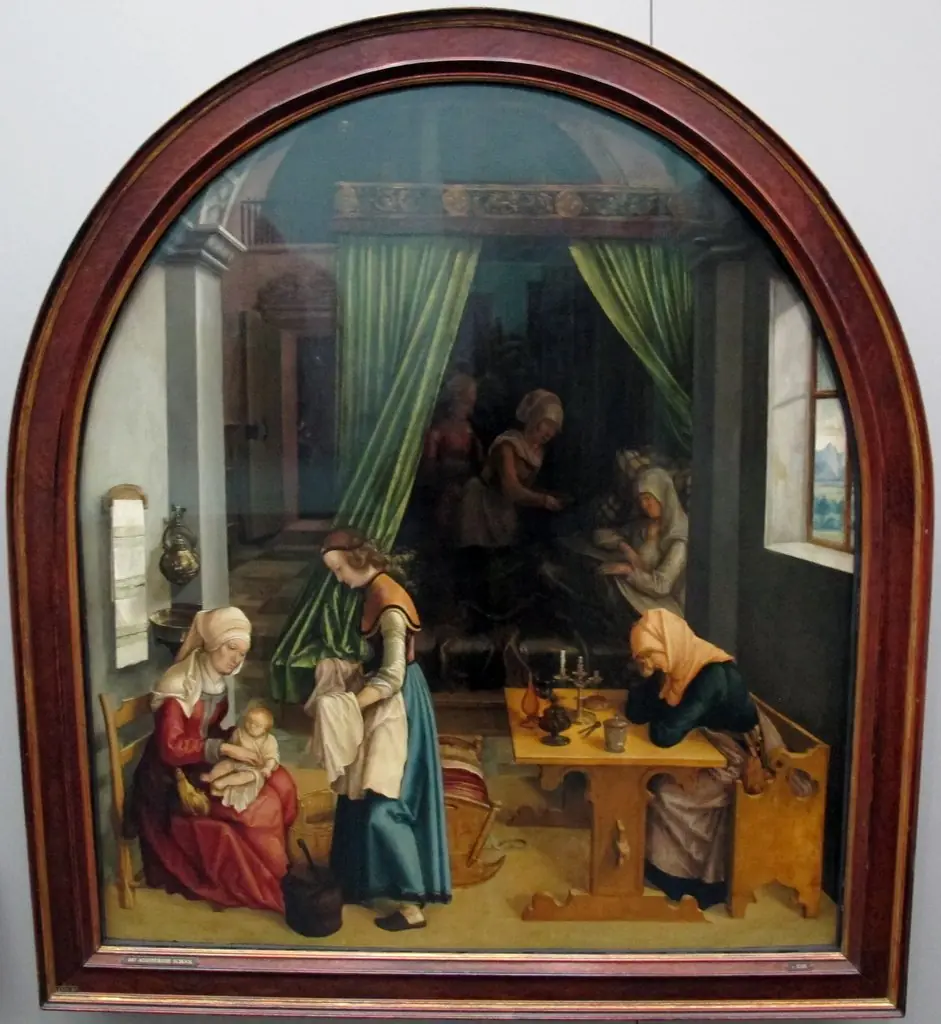 The Birth of Mary
 Wettenhauser Hochaltar: Tod Mariae Rückseite: Abschied Christi (rechte Hälfte) mit Stifter Ulrich Hieber
 The Birth and Naming of Saint John the Baptist; (reverse) Trompe-l'oeil with Painting of The Man of Sorrows
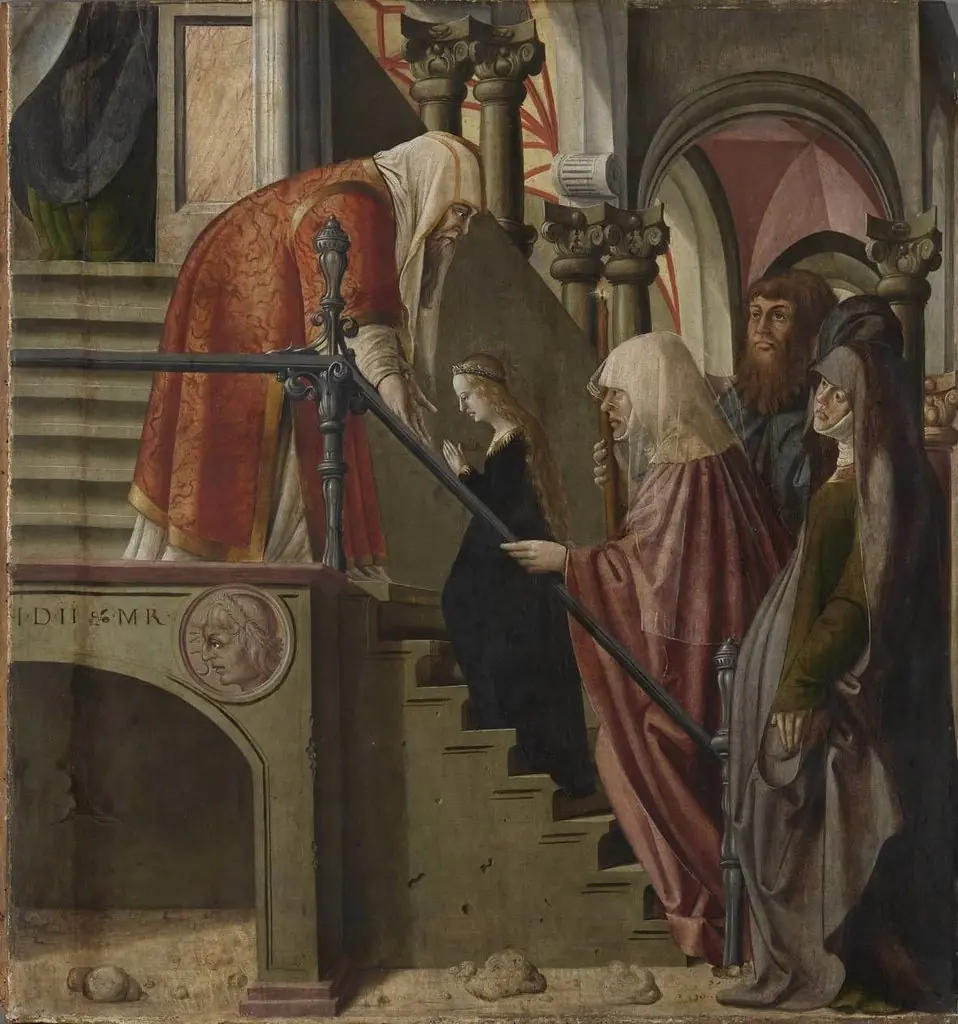 Marienaltar: Tempelgang Mariae