Artwork
The First Duke of Infantado
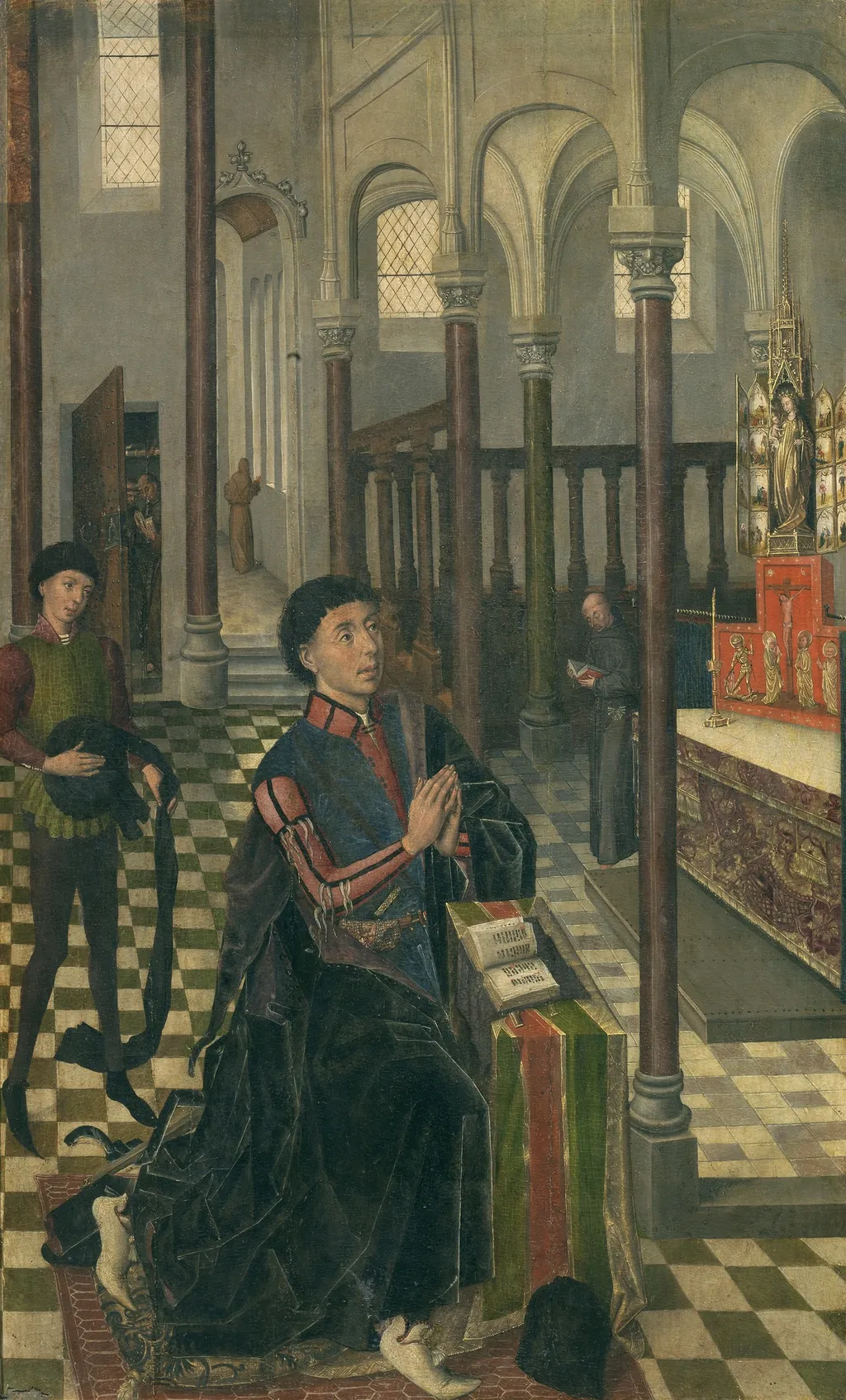
The First Duke of Infantado is an oil painting by the Northern Renaissance artist Master of Sopetrán. It dates from 1470 and is held in the collection of the Museo del Prado. The work, an oil painting dated to 1470, portrays Diego Hurtado de Mendoza, the inaugural Duke of Infantado, in a devotional pose.
About this work
Subject & Meaning
The work functions as a dynastic image, presenting the sitter in a manner befitting his rank as a duke and as a statement of the Mendoza lineage's prestige.
The portrait depicts Diego Hurtado de Mendoza, 1st Duke of the Infantado, a leading figure of the powerful Mendoza family in fifteenth-century Castile. He is shown holding a book, an attribute that signals his cultivated status as a learned nobleman and patron of humanist culture. The work functions as a dynastic image, presenting the sitter in a manner befitting his rank as a duke and as a statement of the Mendoza lineage's prestige.
The book is the principal symbolic element in the composition, conveying literacy, intellectual authority, and the duke's engagement with the scholarly currents of his era. By pairing the sitter's identity as duke with the iconography of the book, the painting links political power to cultural and humanist accomplishment, a hallmark of aristocratic self-representation in late medieval Iberian portraiture.
Technique & Style
Executed in 1470 by the Master of Sopetrán, this portrait utilizes oil paint applied to a canvas support. The work measures 103 cm in height and 60 cm in width. Stylistically, the composition focuses on the depiction of Diego Hurtado de Mendoza, the 1st Duke of the Infantado, who is portrayed holding a book.
The painting is classified as a portrait and remains part of the collection at the Museo del Prado.
History & Provenance
The First Duke of Infantado is a portrait painted circa 1470 by the Master of Sopetrán for Diego Hurtado de Mendoza, 1st Duke of the Infantado. The work entered the collection of the Museo del Prado, where it remains on display. Its dimensions are 103 cm in height and 60 cm in width, executed in oil paint on canvas.
The painting was created as a commemoration of the duke's status and was later accessioned into the museum's permanent holdings.
The First Duke of Infantado is part of the Museo del Prado collection in Madrid, with the inventory number P009686.
The work was displayed in the exhibition 'The Master of the Prado: Early Netherlandish Painting' at the Museo del Prado in 2005.
It was also featured in 'Portraits of the Spanish Renaissance' at the National Gallery of Art, Washington, in 2012.
Context
The portrait was created by the Master of Sopetrán around 1470 and entered the collection of Madrid's Museo del Prado shortly after its completion. Contemporary records highlight its role in shaping elite portraiture in late‑15th‑century Castile, linking the sitter Diego Hurtado de Mendoza to emerging dynastic propaganda. Modern scholarship interprets the work as a pivotal example of early Netherlandish influence on Iberian painting, emphasizing its technical precision and symbolic use of books to denote literacy and authority.
Research on the painting's stylistic features underscores its contribution to the evolution of portrait realism, while recent exhibitions at the Prado have positioned it alongside other key works of the period to illustrate the broader transition from medieval to Renaissance visual culture in Spain.
Overview
The work, an oil painting dated to 1470, portrays Diego Hurtado de Mendoza, the inaugural Duke of Infantado, in a devotional pose. Executed by the anonymous painter known as the Master of Sopetrán, the portrait now belongs to the collection of the Museo del Prado in Madrid.
Own this work as a print
Artist & collection
Artist
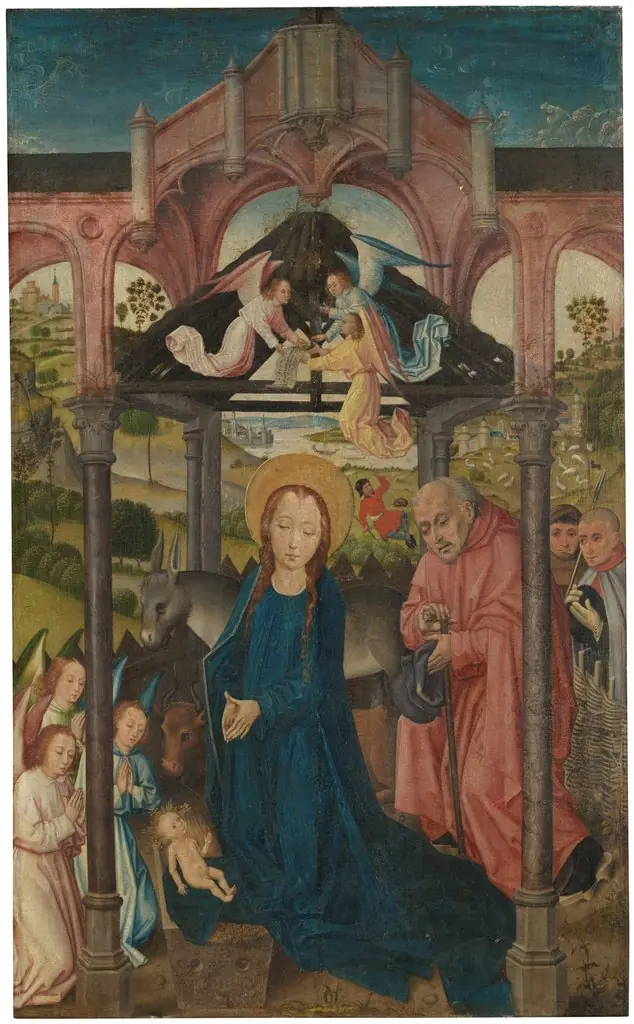
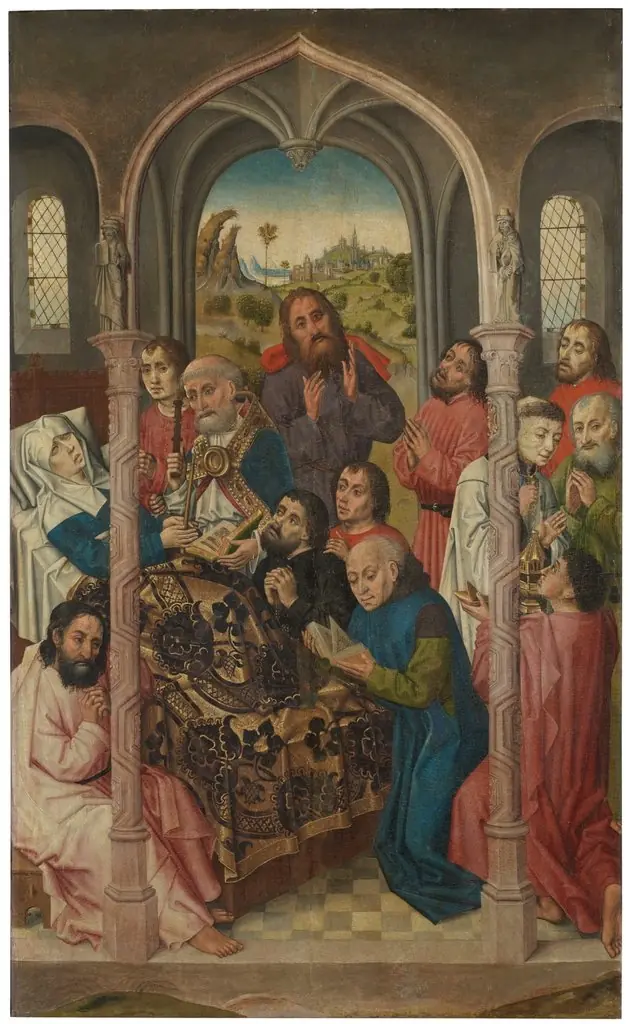
A Spanish painter from the late 1400s, the Master of Sopetrán left behind quiet, balanced scenes like The Annunciation and The Death of the Virgin, both glowing with oil paint on panel.

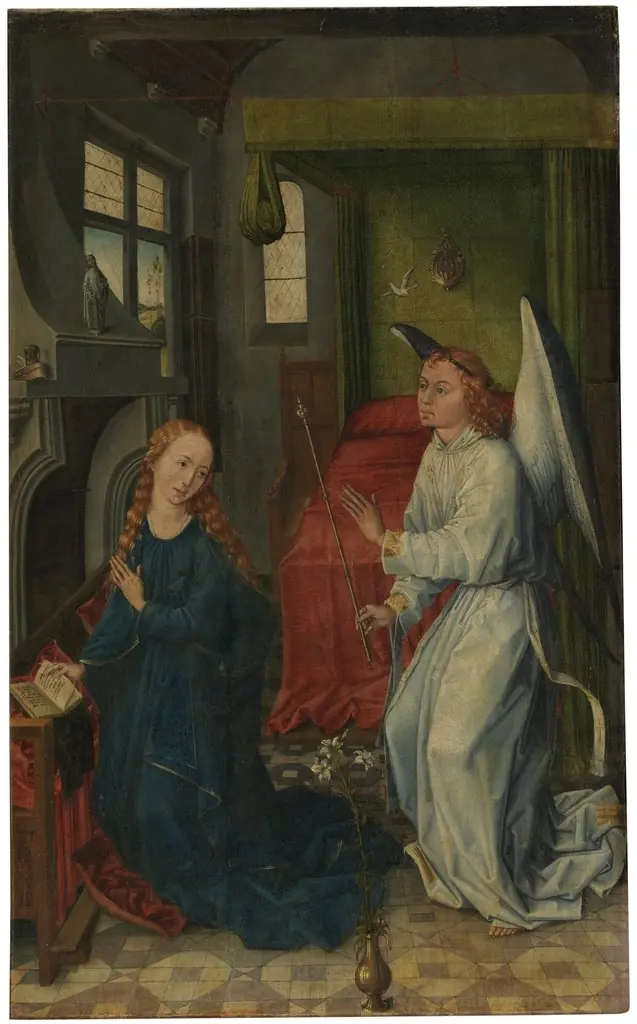
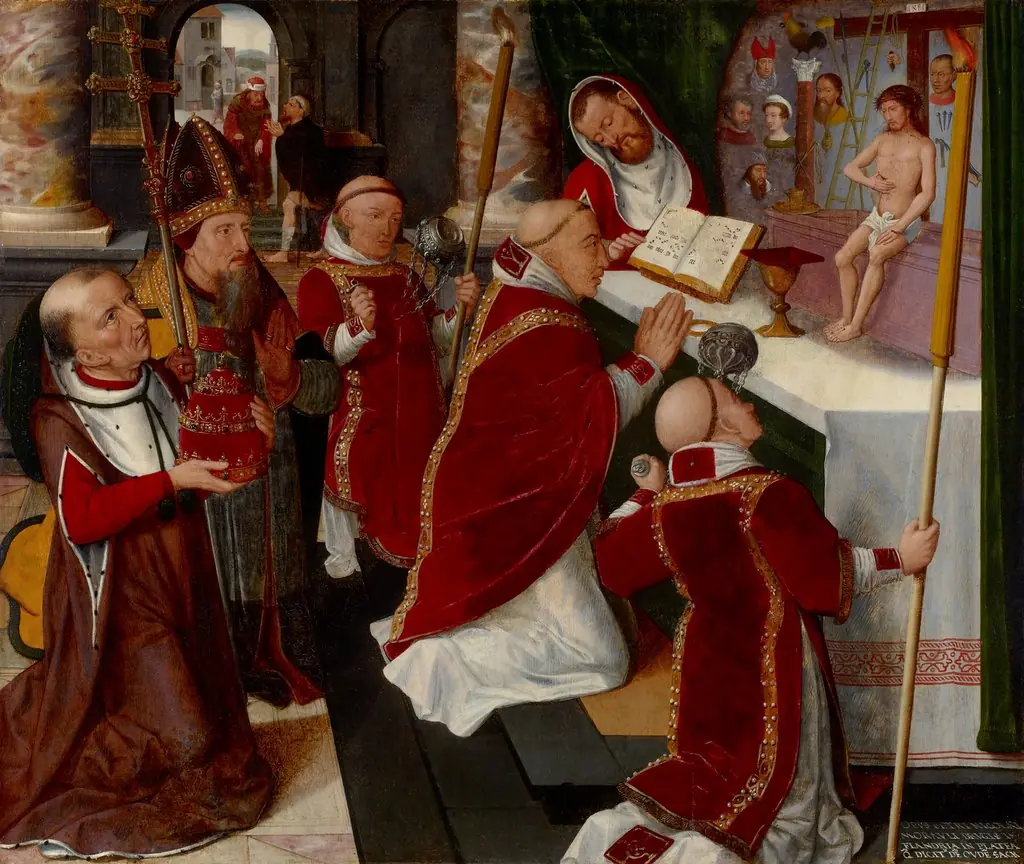
- The Mass of Saint Gregory
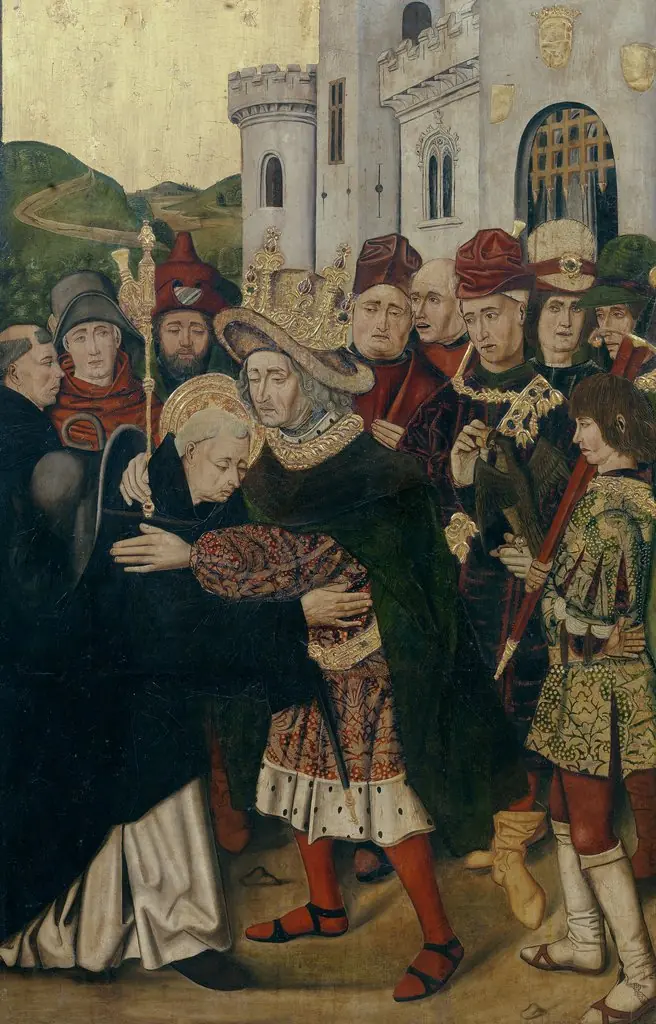 Ferdinand I of Castile welcoming Saint Dominic of Silos
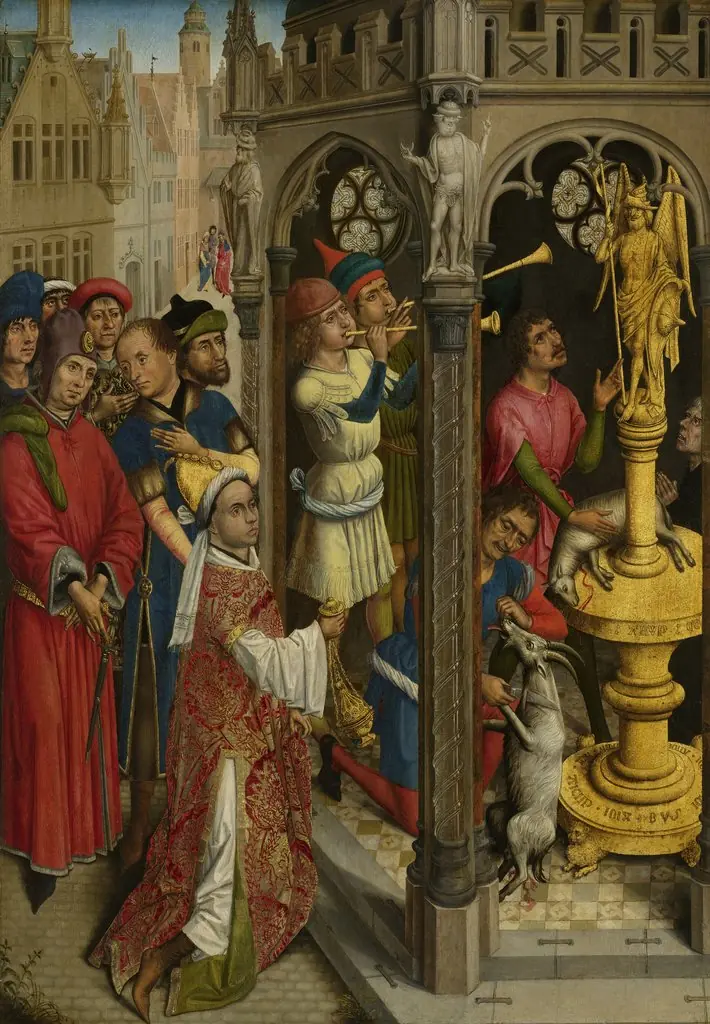 Augustine sacrificing to an idol of the Manichaeans (?)
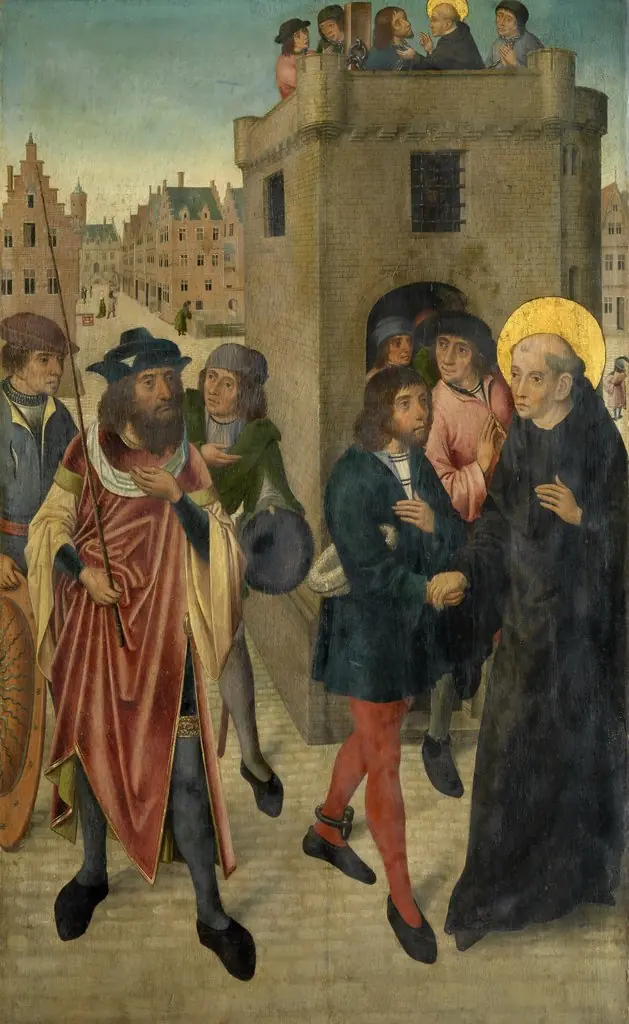 Saint Leonard Liberating Captives
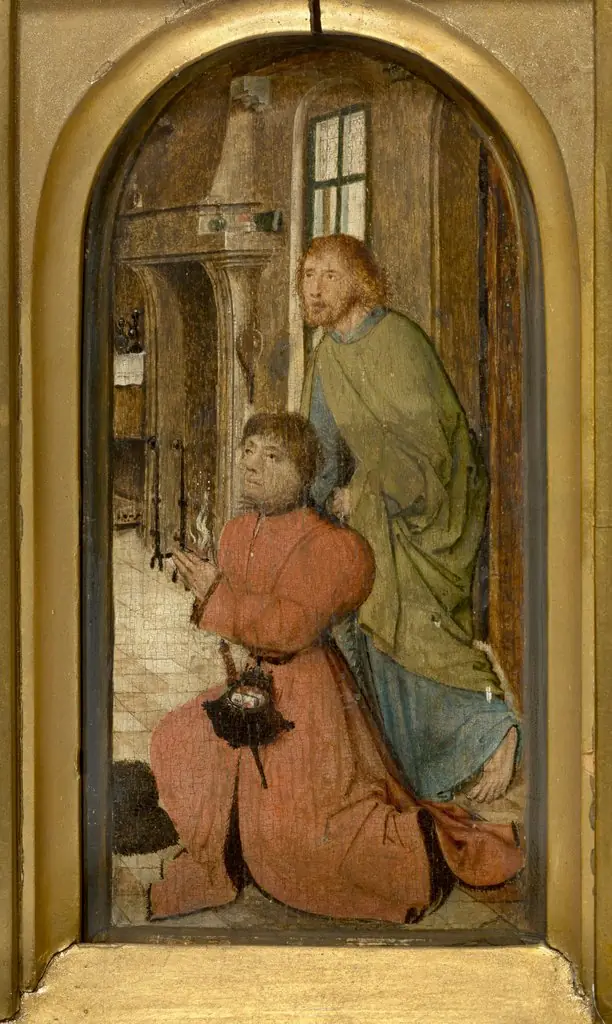 Donor and his Patron, Saint Simon Zelotes
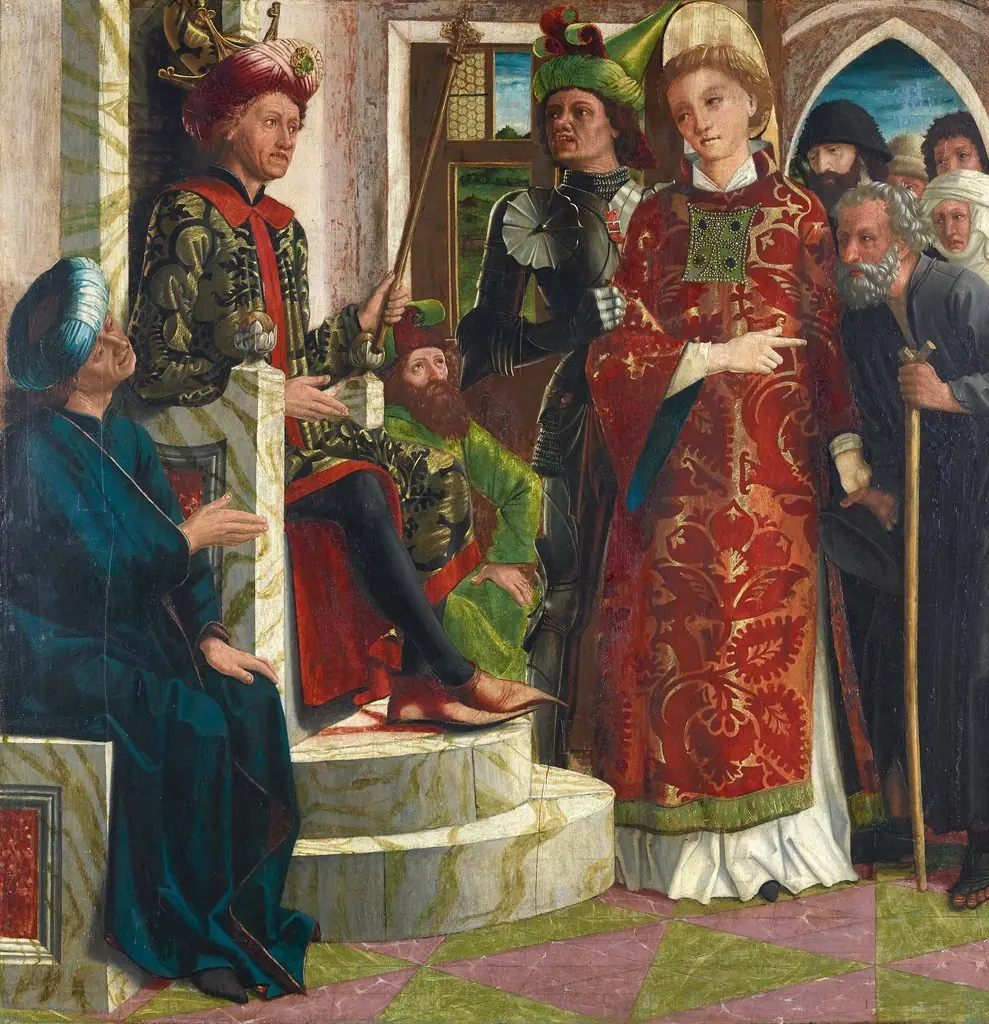 Der hl. Laurentius vor Kaiser Decius
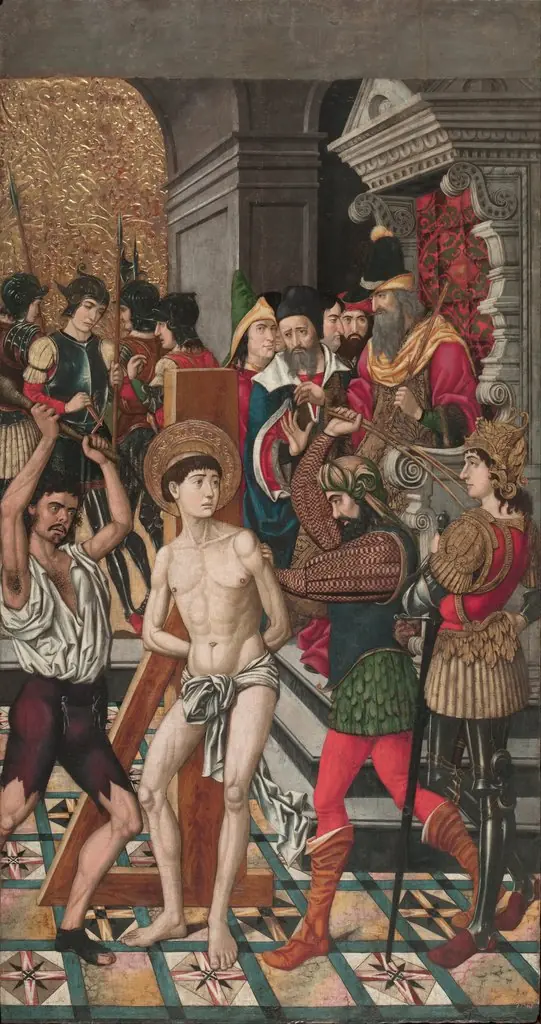 Flagellation of Saint Vincent
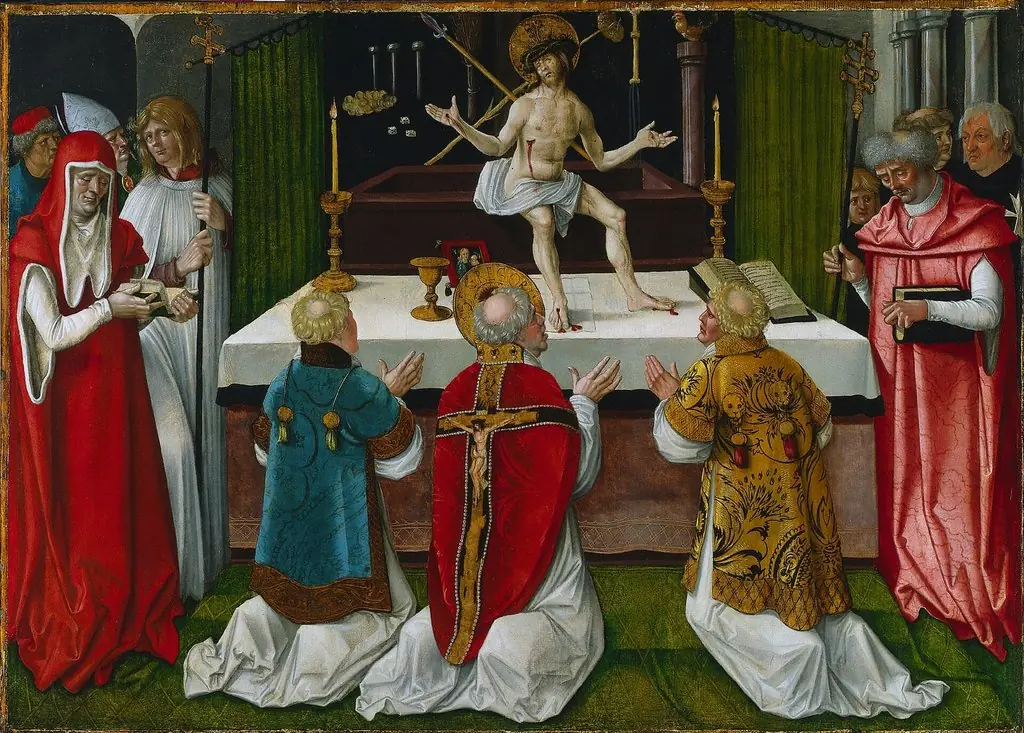 The Mass of Saint Gregory
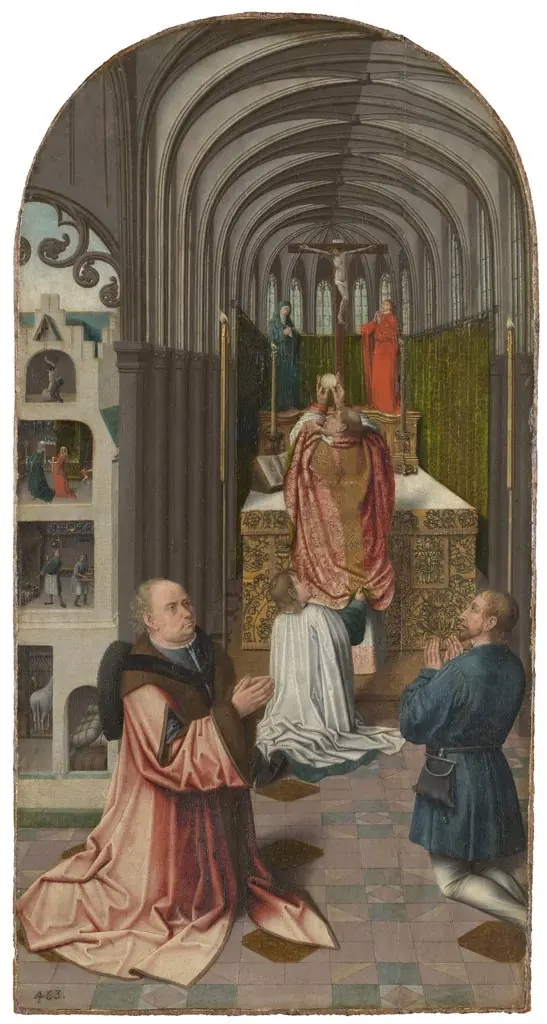 Celebration of a Mass
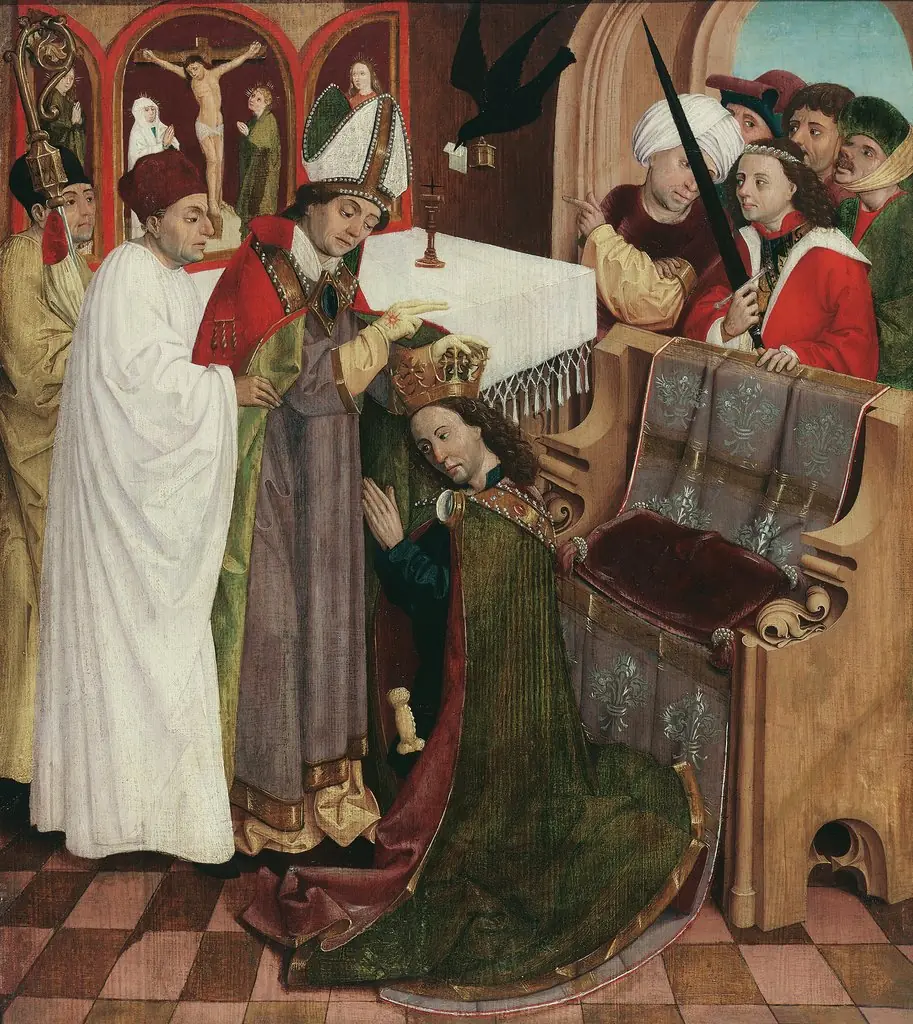 The coronation of St. Oswald
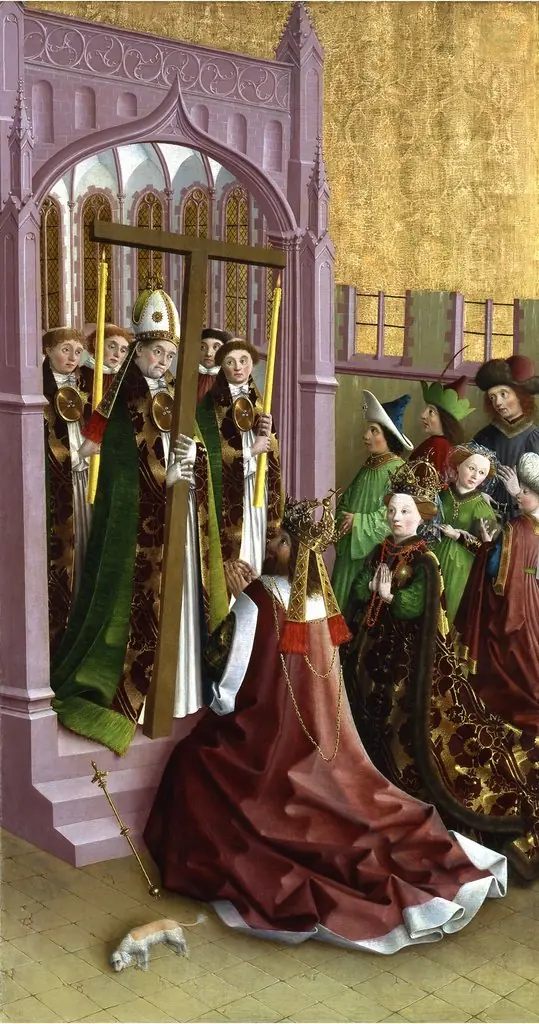 Darmstadt Altarpiece: Constantine and His Mother Helena Venerating the True Cross
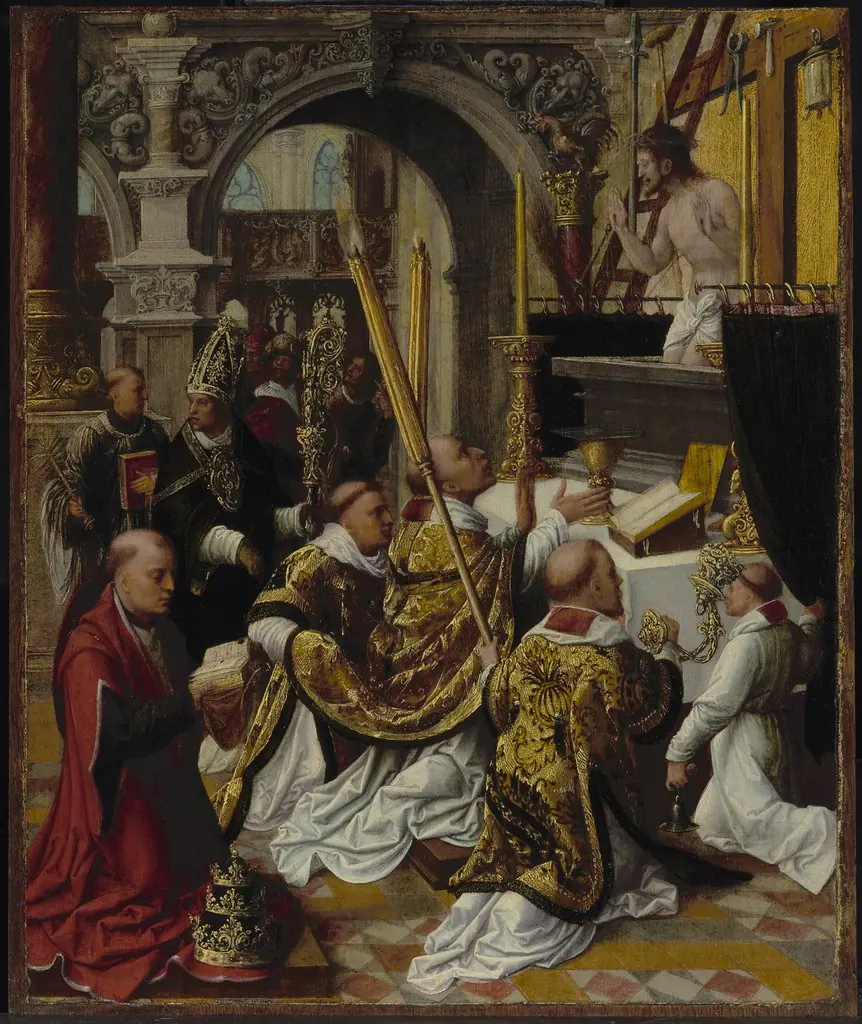 The Mass of Saint Gregory the Great