Artwork
The Nativity
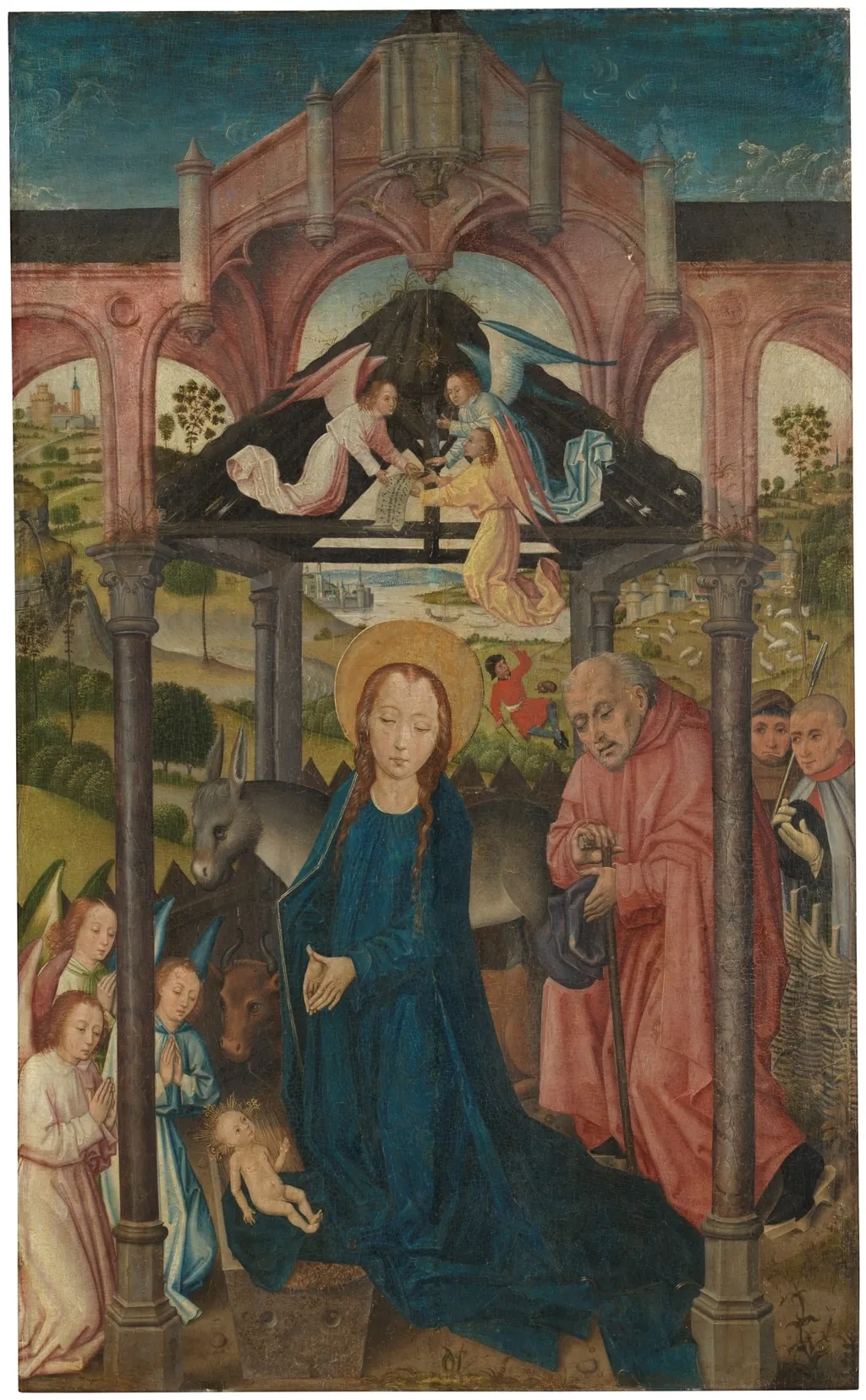
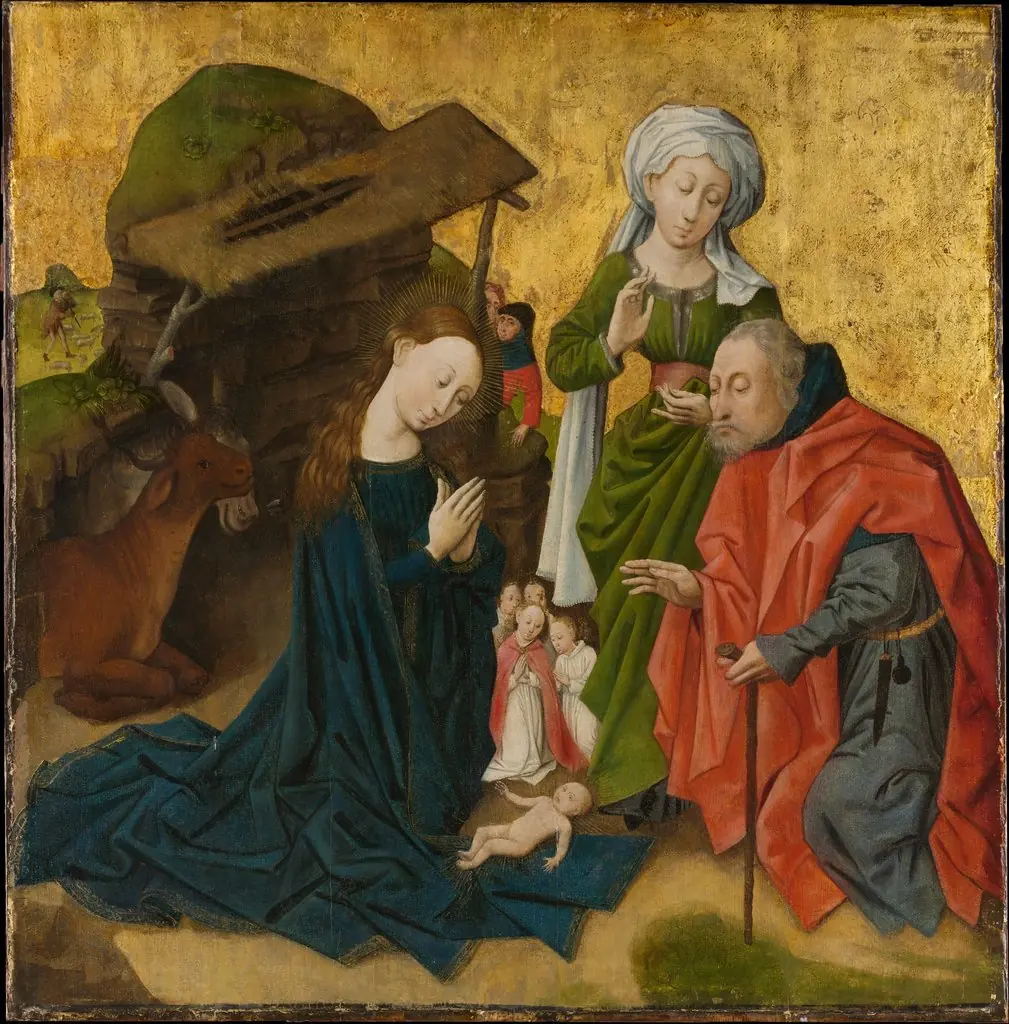
The Nativity is an oil painting by the Northern Renaissance artist Master of Sopetrán. It dates from 1470 and is held in the collection of the Museo del Prado.
About this work
Subject & Meaning
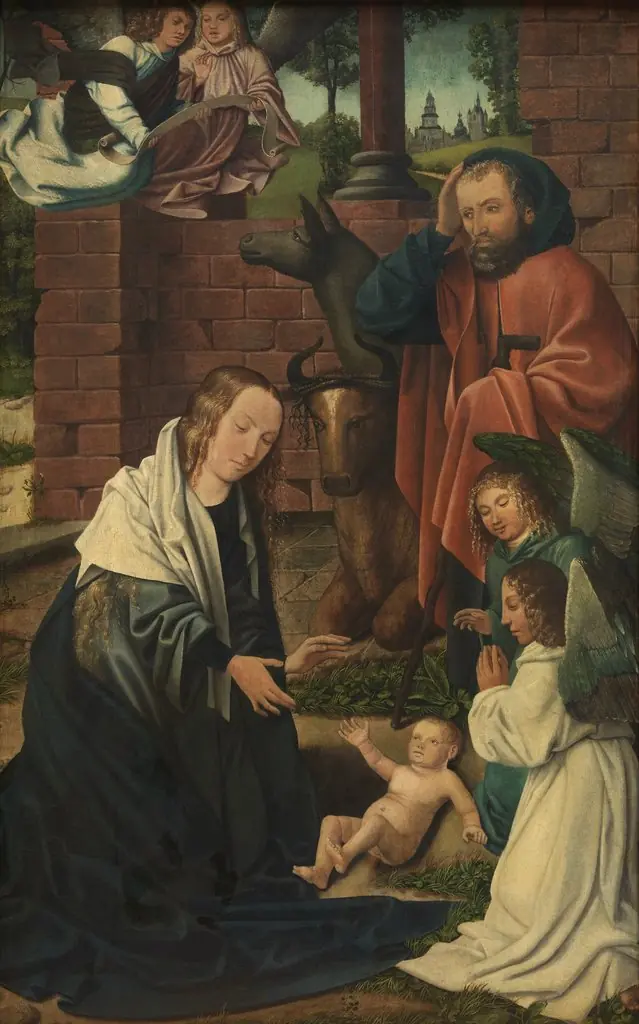
The scene is framed within a wooden structure, evoking a humble birthplace, and includes the ox and ass as traditional witnesses to the event.
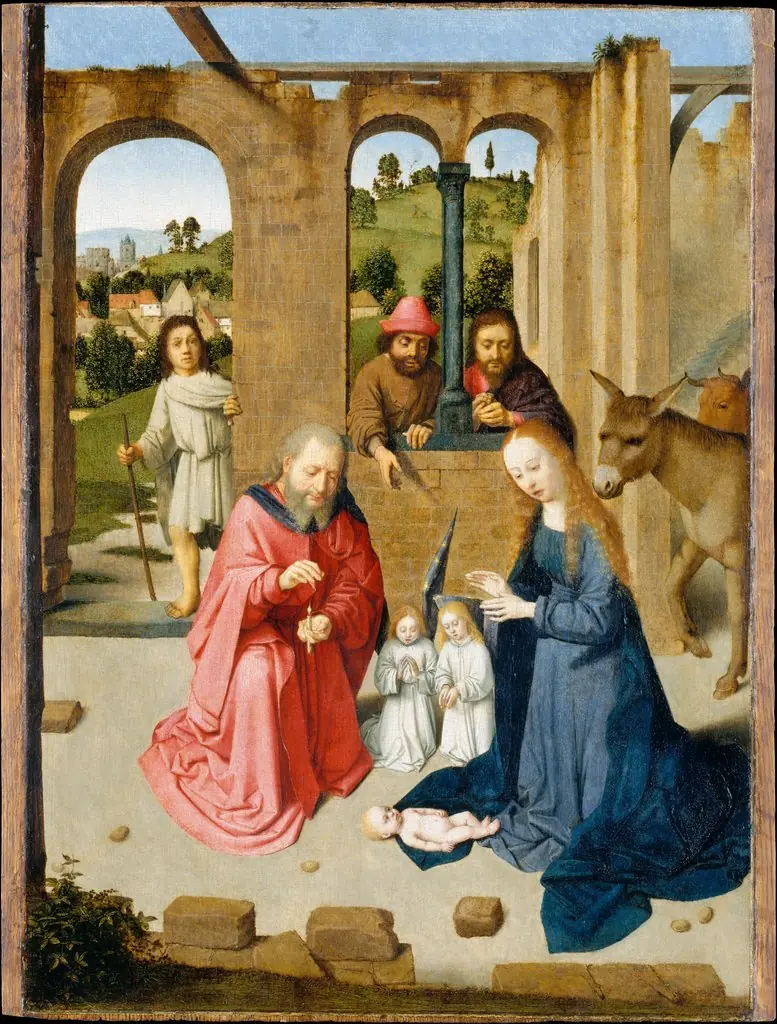
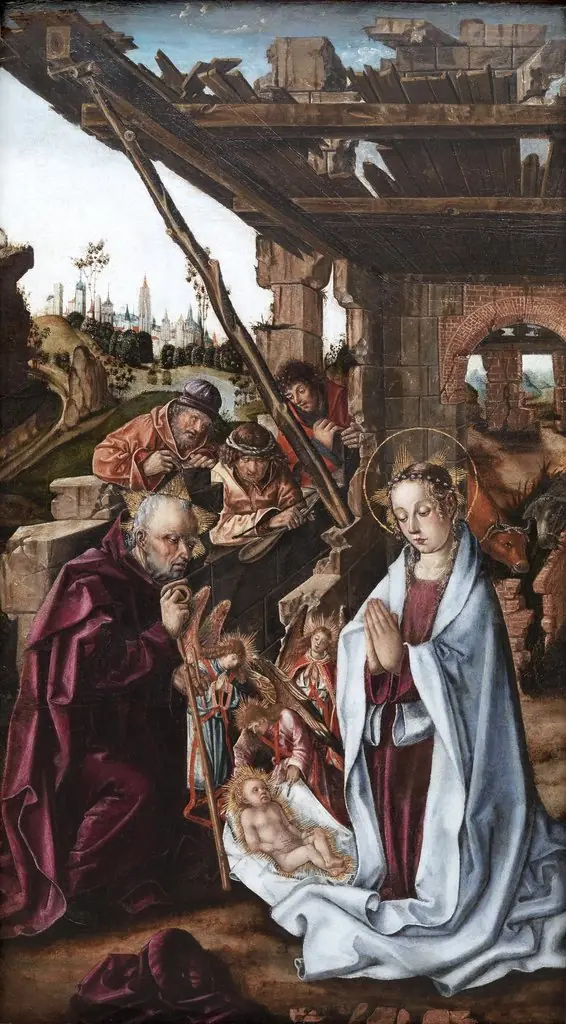
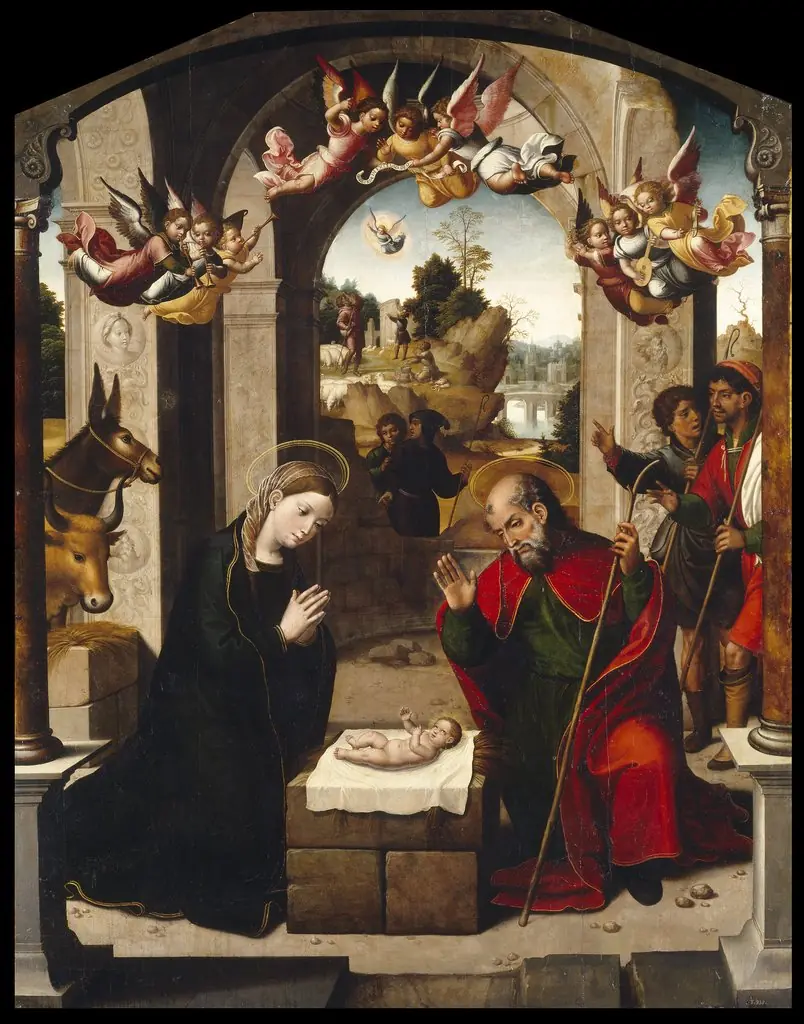
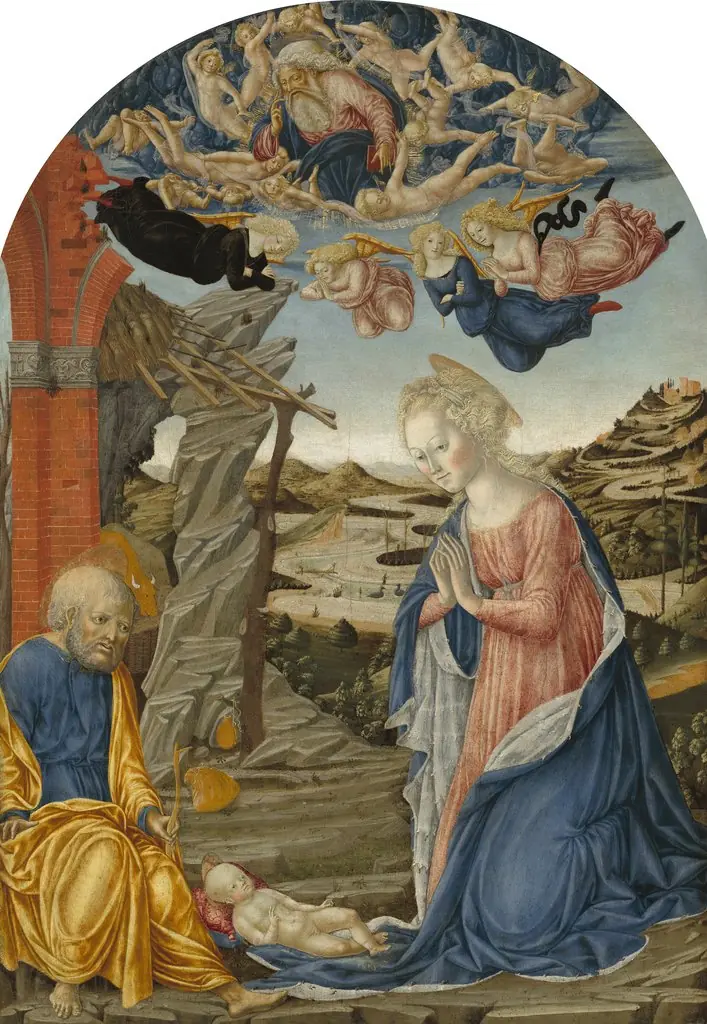
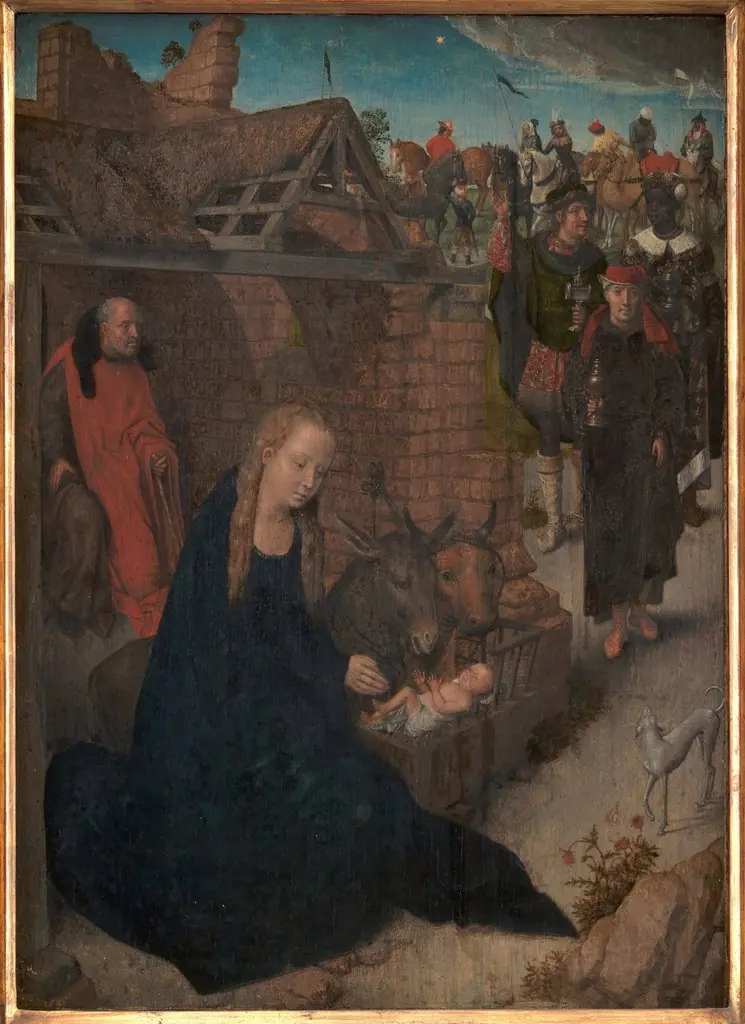
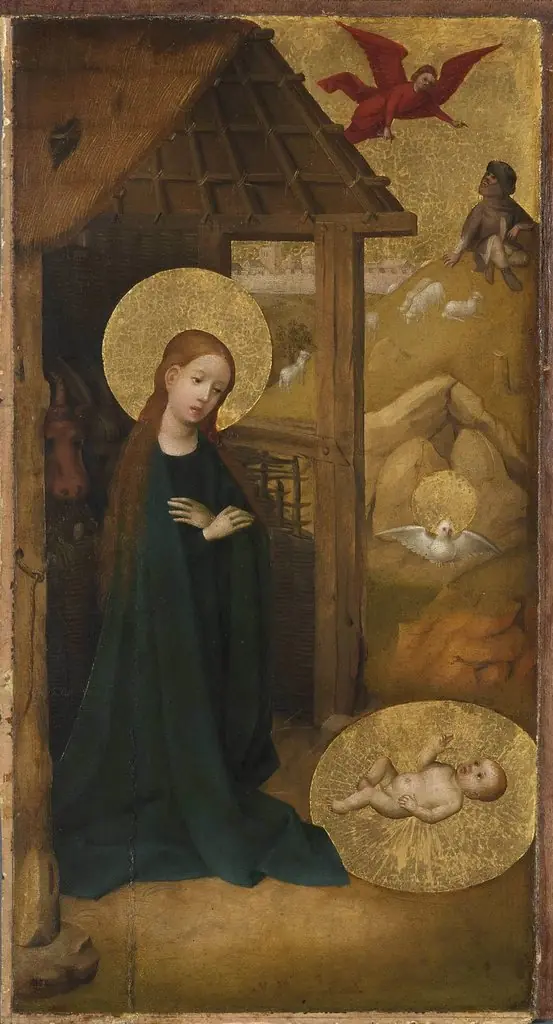
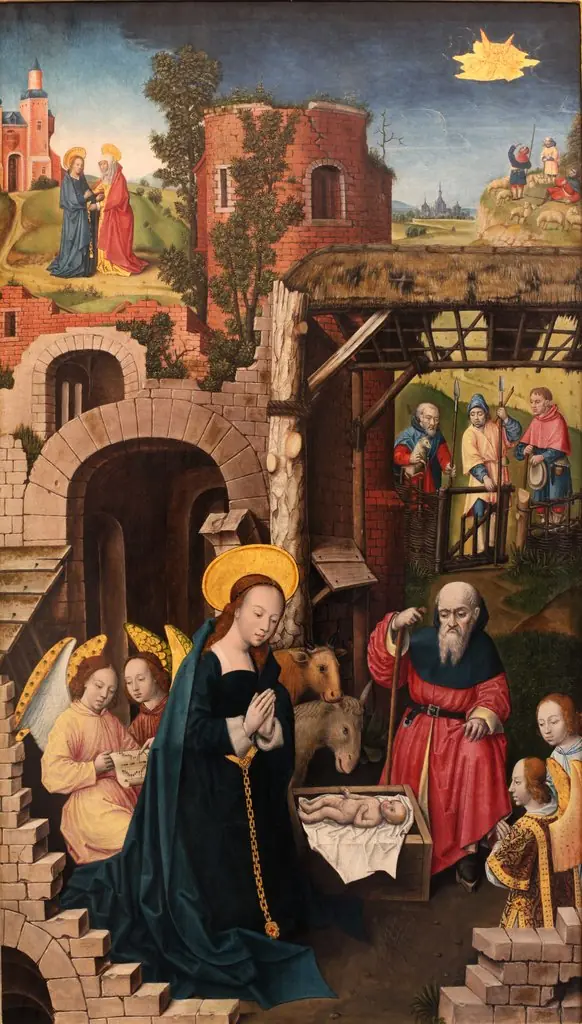
The painting depicts the Nativity of Jesus, showing the Christ Child lying in a manger while the Virgin Mary and Saint Joseph attend. The scene is framed within a wooden structure, evoking a humble birthplace, and includes the ox and ass as traditional witnesses to the event. The composition emphasizes the centrality of the Christ Child, whose presence signals the Incarnation and the promise of salvation.
The iconography aligns with late medieval and early Renaissance representations of the Nativity, where the Christ Child’s nudity and radiant halo mark his divine nature and vulnerability. The ox and ass, recurring symbols in Nativity scenes, underscore the fulfillment of prophecy and the revelation to the Gentiles.
Technique & Style
The work is executed in oil on a wooden panel, a common support for fifteenth-century panel painting in the Iberian context.
Handling aligns with Northern European-influenced Flemish techniques circulating in late fifteenth-century Spain, with fine, layered glazes producing luminous passages in the drapery and flesh. The composition is tightly controlled, emphasizing clarity and symmetry in the arrangement of the figures around the Christ Child.
The panel’s modest dimensions, 103 cm in height and 60 cm in width, support an intimate devotional format rather than a large altarpiece.
Context
Created in 1470 by the Master of Sopetrán, The Nativity stands as a significant example of late 15th-century religious painting in Spain. Executed in oil on panel, the work depicts the birth of Jesus and is currently held within the collection of the Museo del Prado. The painting measures 103 cm in height and 60 cm in width.
As a work attributed to the Master of Sopetrán, it contributes to the understanding of this anonymous artist's output, characterized by its specific religious iconography and medium. The piece remains a key reference for scholars studying the regional development of religious art during this period.
Overview
Created around 1470, this oil painting attributed to the Master of Sopetrán portrays the Nativity scene. The work is part of the collection at the Museo del Prado and presents a nocturnal setting in which the infant Christ is presented under a stone archway.
History & Provenance
Since its creation, the painting has remained in Spain and is now housed in the Museo del Prado, where it is displayed as part of the museum's collection of early Renaissance religious works.
Artist & collection
Artist
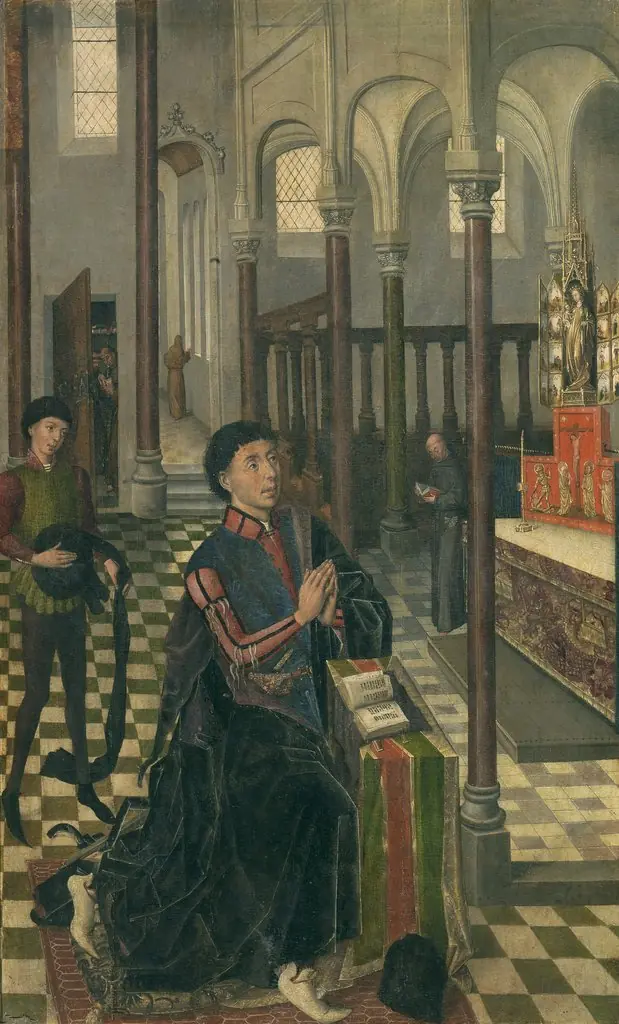
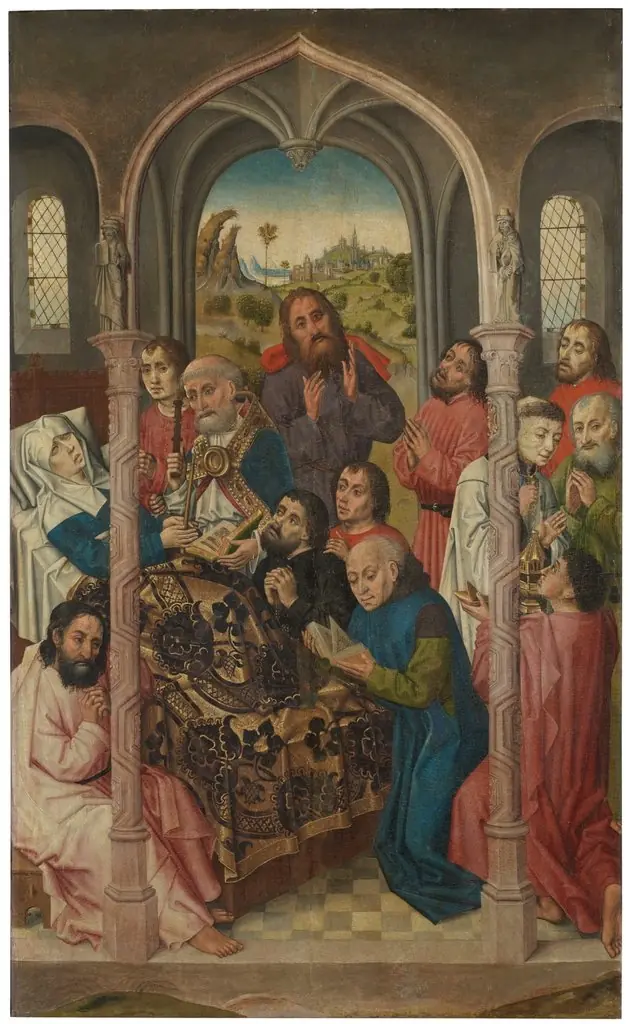
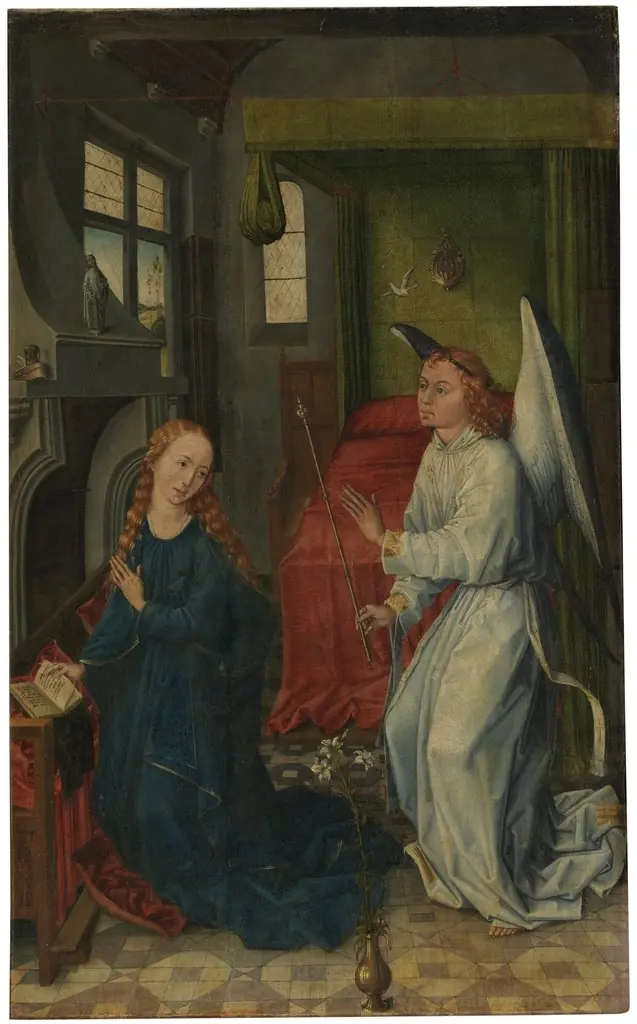
A Spanish painter from the late 1400s, the Master of Sopetrán left behind quiet, balanced scenes like The Annunciation and The Death of the Virgin, both glowing with oil paint on panel.