Artwork
Madonna and Child
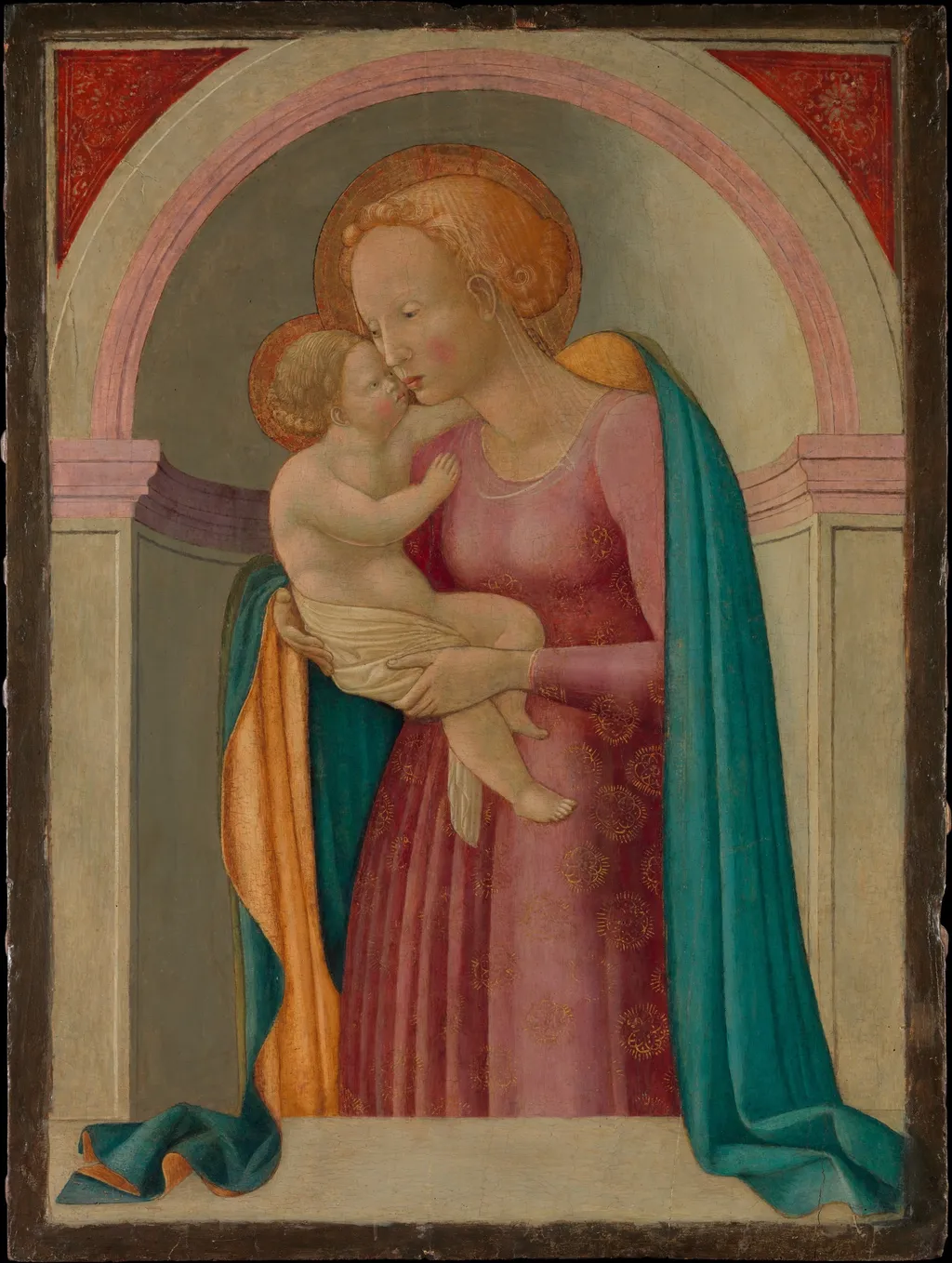
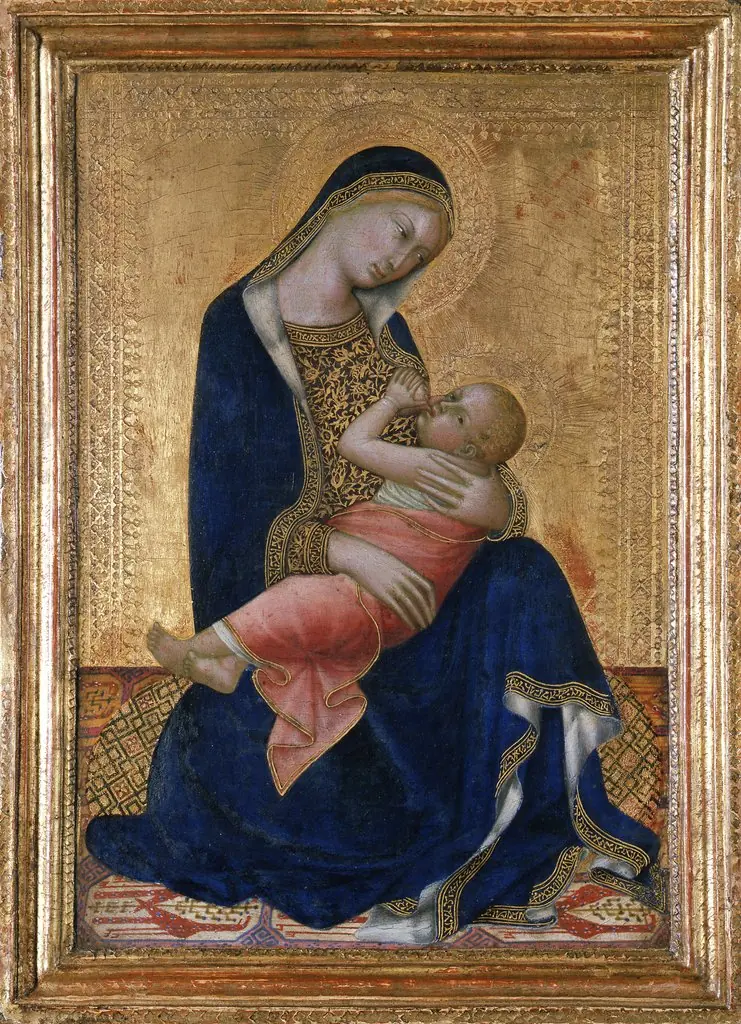
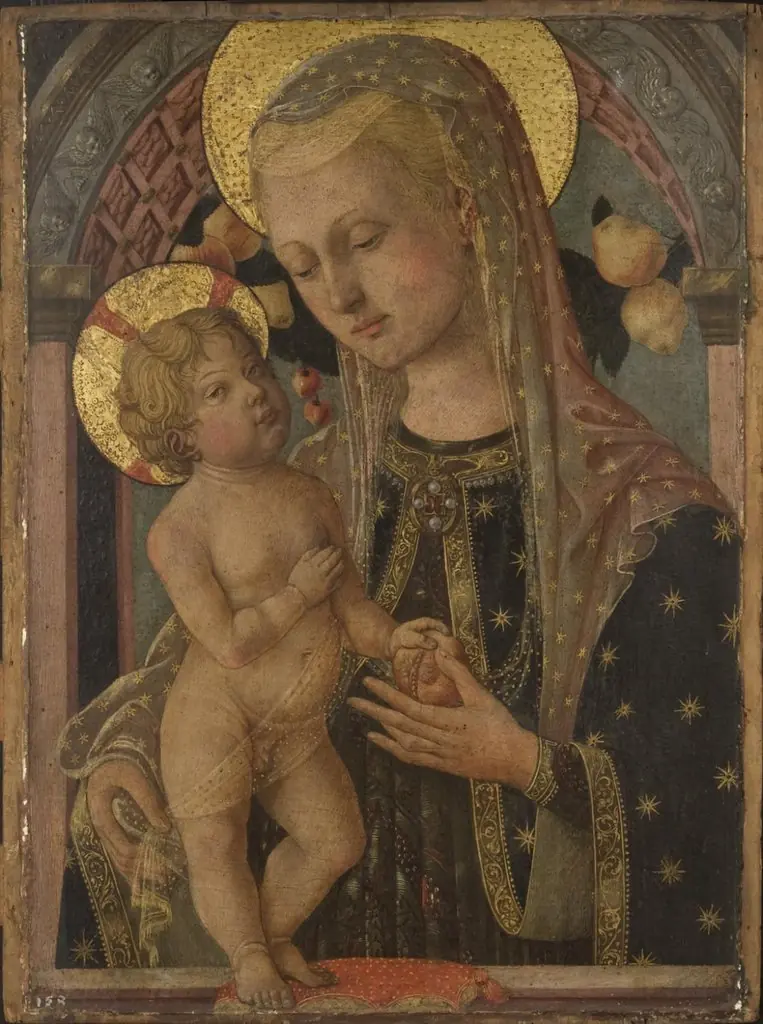
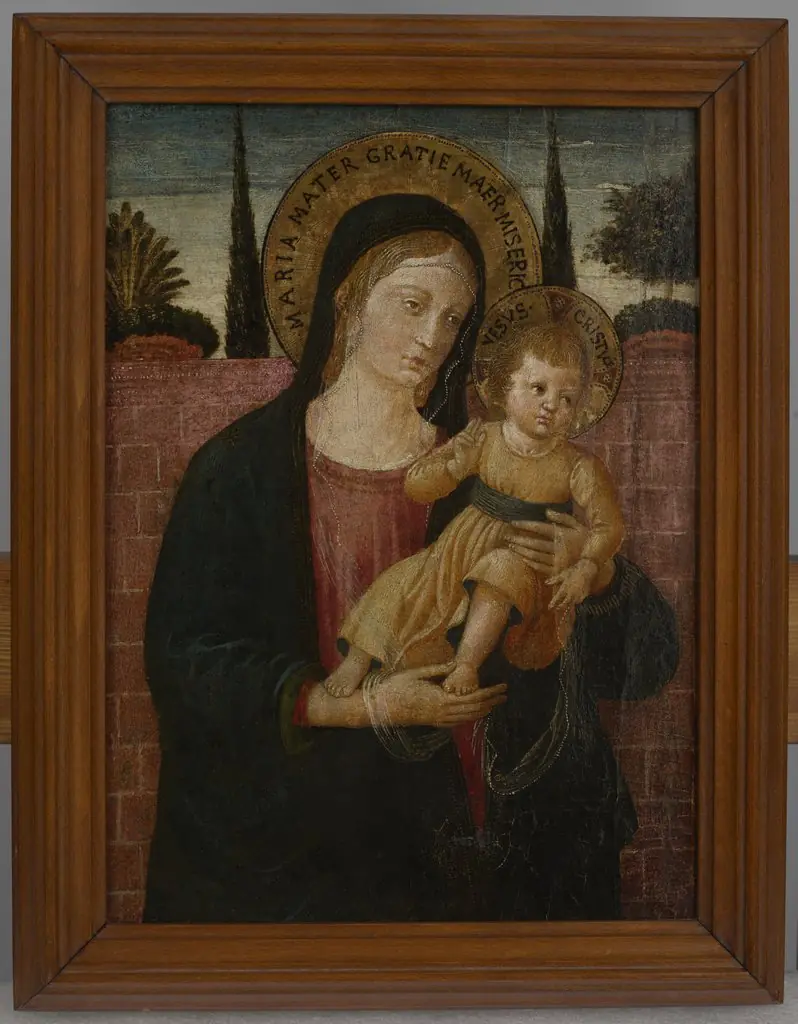
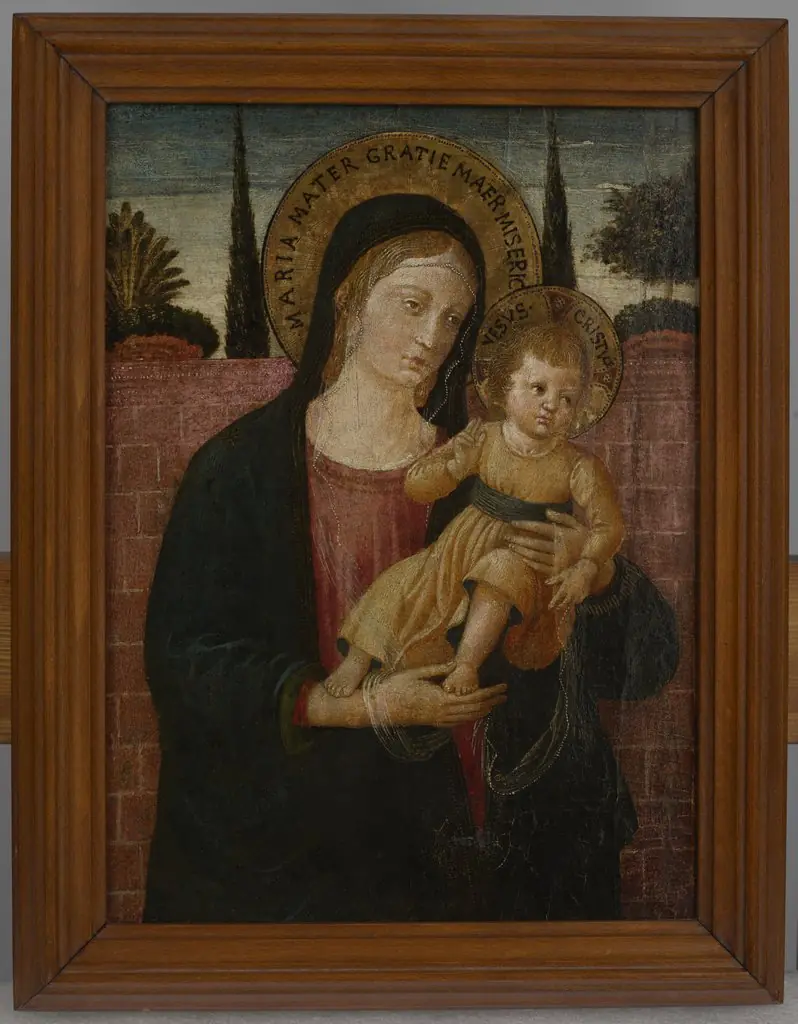
Madonna and Child is a tempera painting by the Northern Renaissance artist Master of the Lanckoronski Annunciation. It dates from 1500 and is held in the collection of the Museum of Fine Arts Boston.
About this work
Subject & Meaning
Created as a devotional image, the work emphasizes the sanctity of the mother and child through its traditional iconographic arrangement.
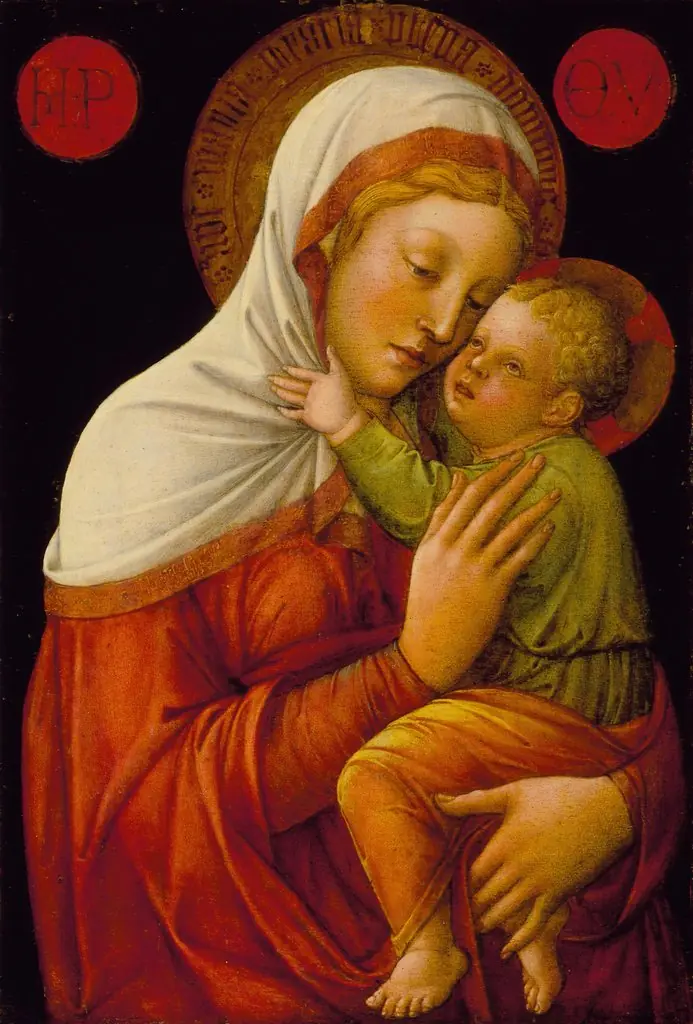
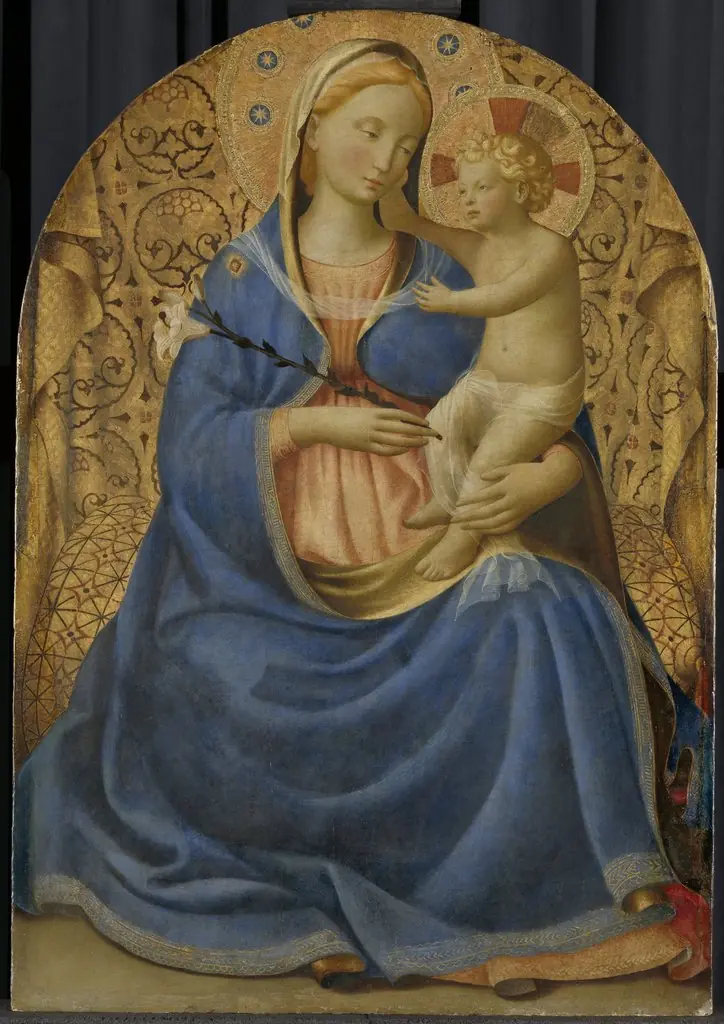
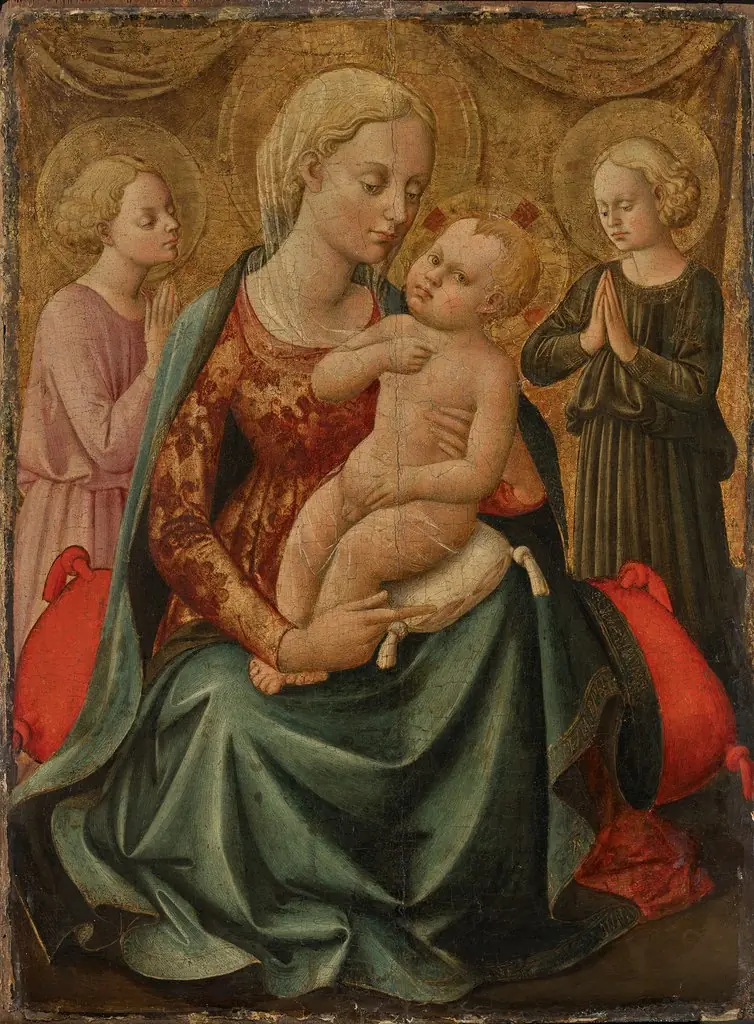
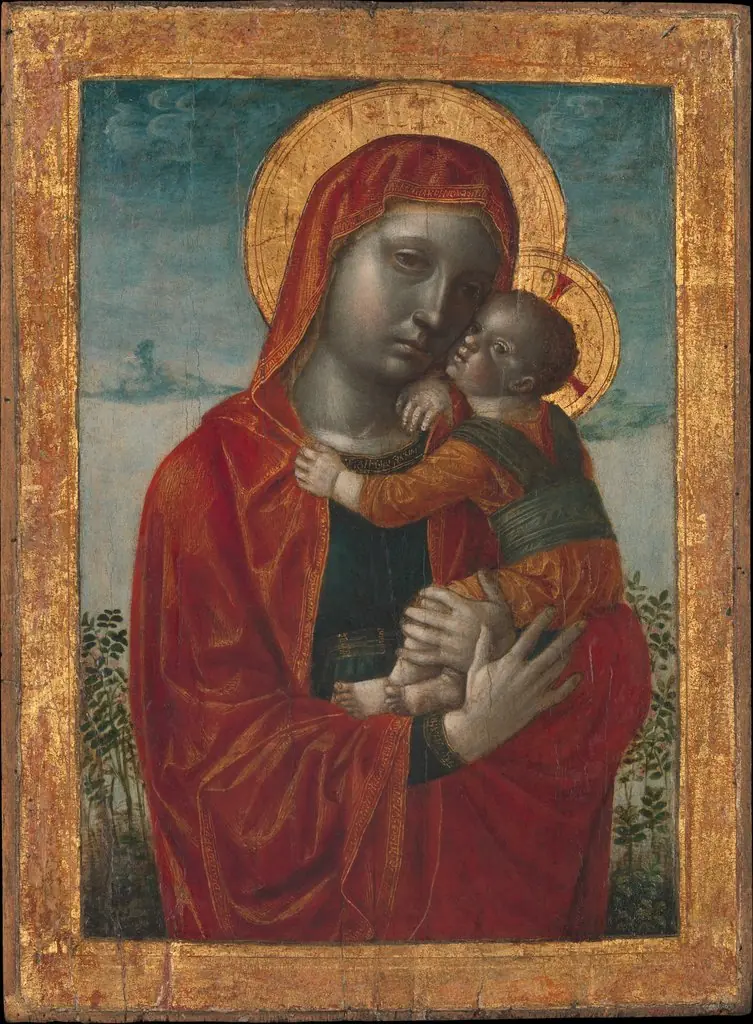
The artwork depicts the Virgin Mary holding the Christ Child, a composition central to religious art known as the Madonna and Child. This subject represents the theological concept of the Incarnation, focusing on the maternal bond between Mary and Jesus. The visual narrative is strictly defined by these two figures, who serve as the main subject of the piece.
Created as a devotional image, the work emphasizes the sanctity of the mother and child through its traditional iconographic arrangement.
Technique & Style
Created around 1500, this religious painting is executed in tempera and gold leaf on a wood panel support. The work measures 75.2 cm in height and 56.5 cm in width, adhering to the formal conventions of early 16th-century Italian religious art. The artist, identified as the Master of the Lanckoronski Annunciation, utilized these traditional materials to depict the Virgin Mary and the Christ Child.
The inclusion of gold leaf suggests a focus on luminosity and sacred symbolism typical of the period's stylistic approach to devotional imagery.
History & Provenance
Created around 1500 by the Master of the Lanckoronski Annunciation, this tempera and gold leaf panel on wood depicts the Madonna and Child. The work's ownership history includes possession by Contessa Fossi and Theodore M. Davis before entering the collection of the Museum of Fine Arts, Boston. It is currently held by the Metropolitan Museum of Art, where it has been featured in exhibitions such as "Florentine Paintings in the Metropolitan Museum" and displays dedicated to Fra Angelico.
The painting is held by the Metropolitan Museum of Art. According to the Wikidata record, it is associated with several collections, including the Metropolitan Museum of Art, the holdings of Contessa Fossi, Theodore M. Davis, and the Museum of Fine Arts Boston, suggesting a provenance that passed through these owners and institutions before reaching its current location.
Its documented exhibition history includes the Metropolitan Museum presentation "Florentine Paintings in the Metropolitan Museum," as well as an exhibition associated with Fra Angelico.
Legacy
The Madonna and Child by the Master of the Lanckoronski Annunciation has shaped the study of early Italian Renaissance painting through its sophisticated use of gold leaf and tempera on wood, influencing later artists' depictions of sacred mother-and-child compositions. Its inclusion in landmark exhibitions at the Metropolitan Museum of Art helped establish the Master as a key figure in Florentine art history, while scholarly attention to the work's stylistic details contributed to broader re-evaluations of anonymous masters in the early 1500s.
Overview
Created around 1500, this wooden panel painting titled Madonna and Child is attributed to the anonymous workshop known as the Master of the Lanckoronski Annunciation. The work presents the Virgin Mary cradling the infant Jesus, set within a simple architectural niche. Currently, the piece belongs to the collection of the Museum of Fine Arts in Boston.
Context
During the period of its creation, depictions of the Madonna and Child served both liturgical and private devotional purposes, reflecting contemporary theological emphasis on the Incarnation. The use of vivid pink and gold, along with the modest architectural setting, aligns the piece with regional trends in devotional imagery prevalent in Central Europe at the dawn of the Renaissance.
Own this work as a print
Artist & collection
Artist
Master of the Lanckoronski Annunciation
This artist painted religious scenes on wooden panels in the early 1500s. Their Madonna and Child shows a calm scene with soft colors and careful folds in the fabric. The work belongs to a time when artists focused on…