Artwork
The Penitent Mary Magdalene
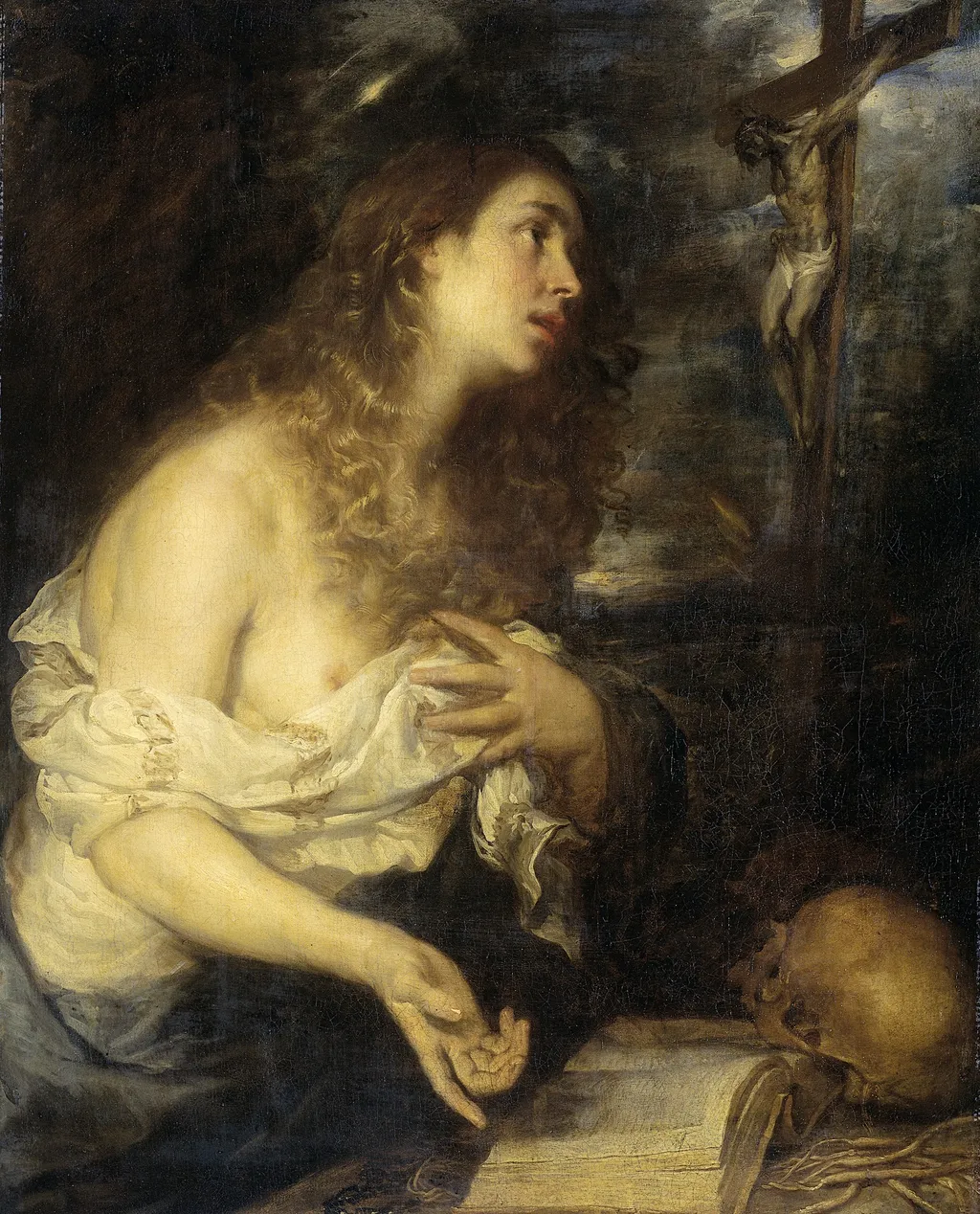
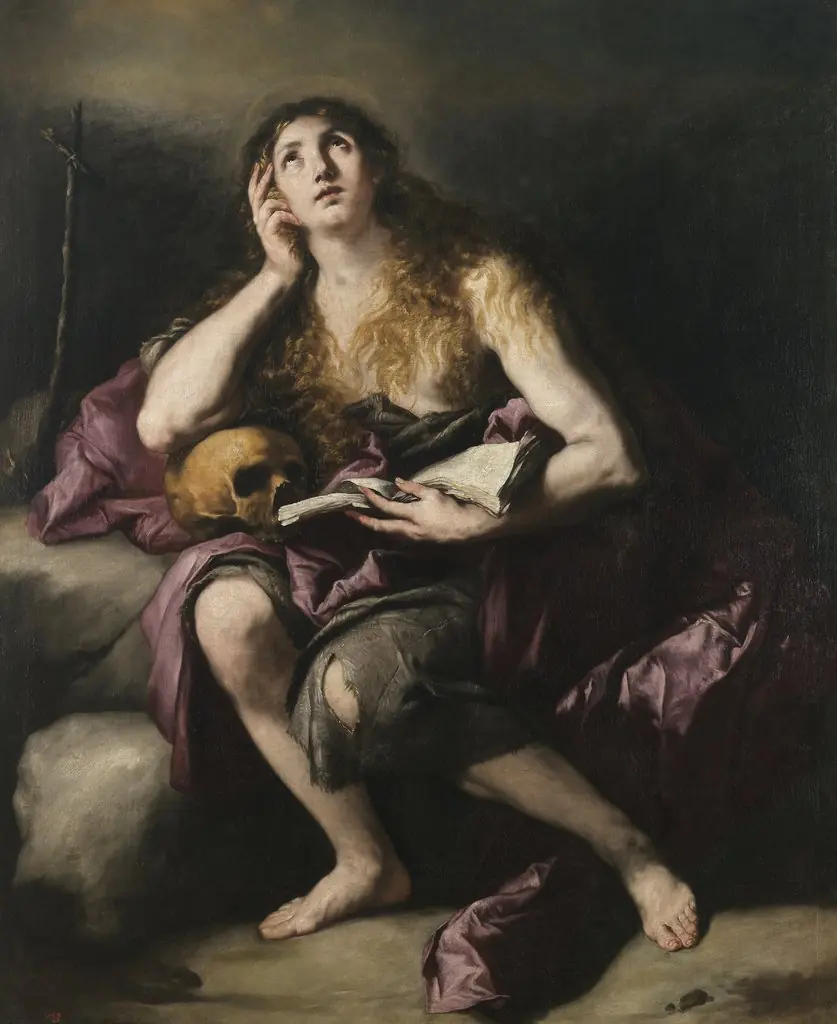
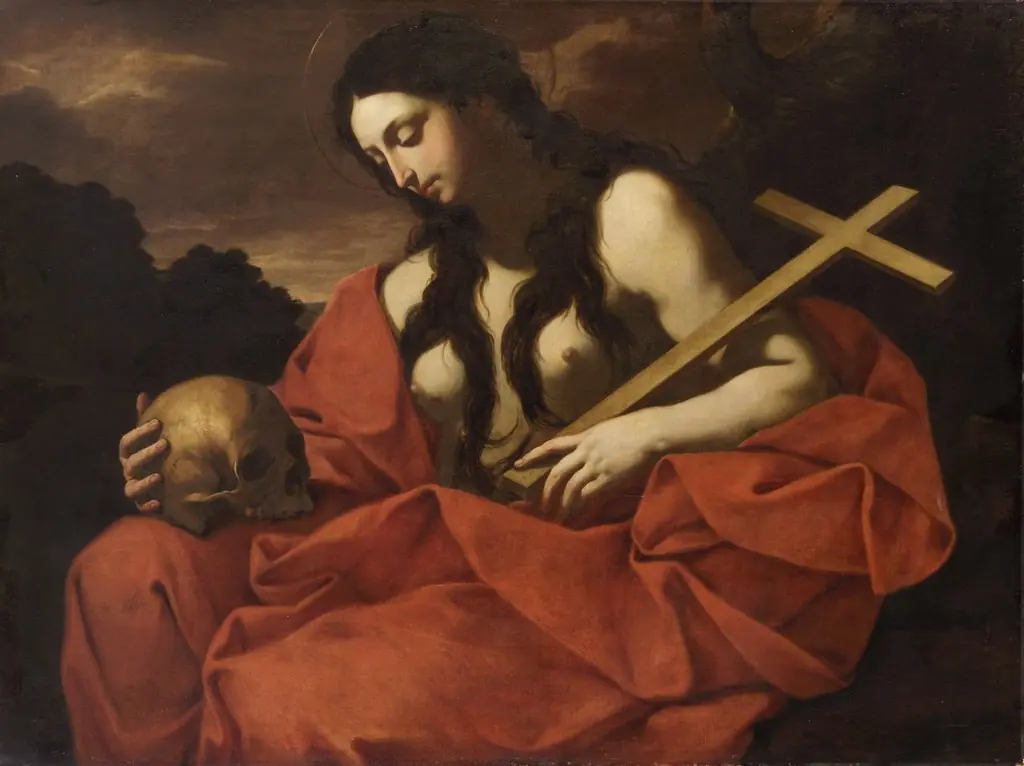
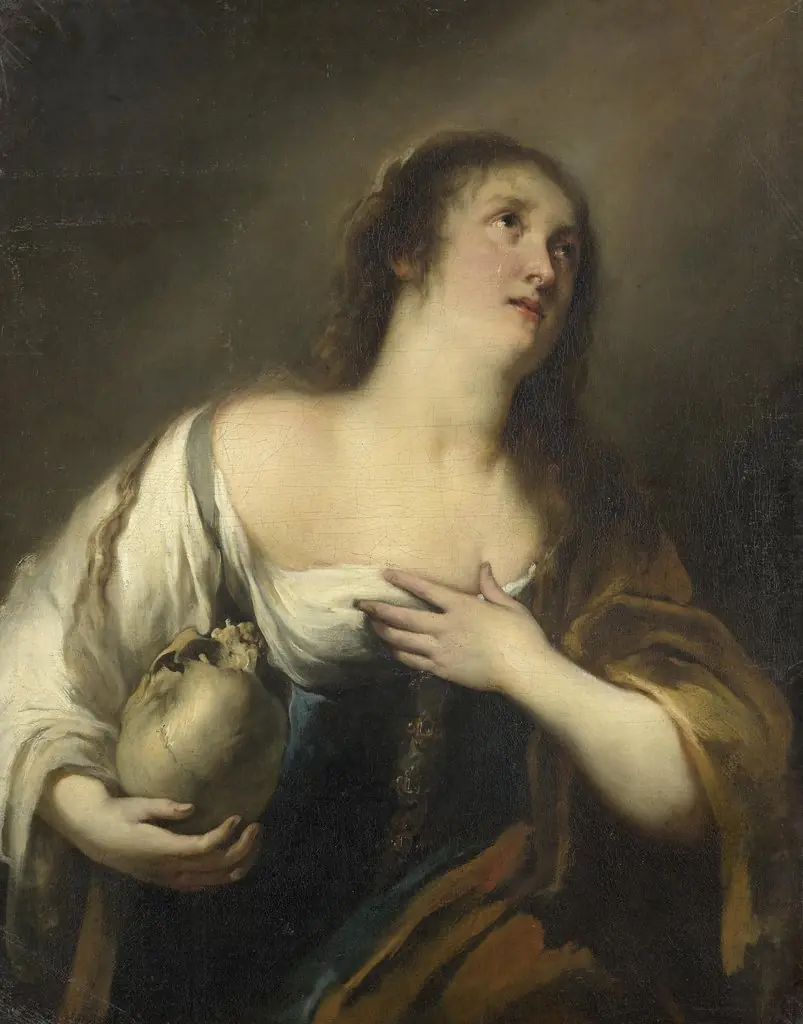
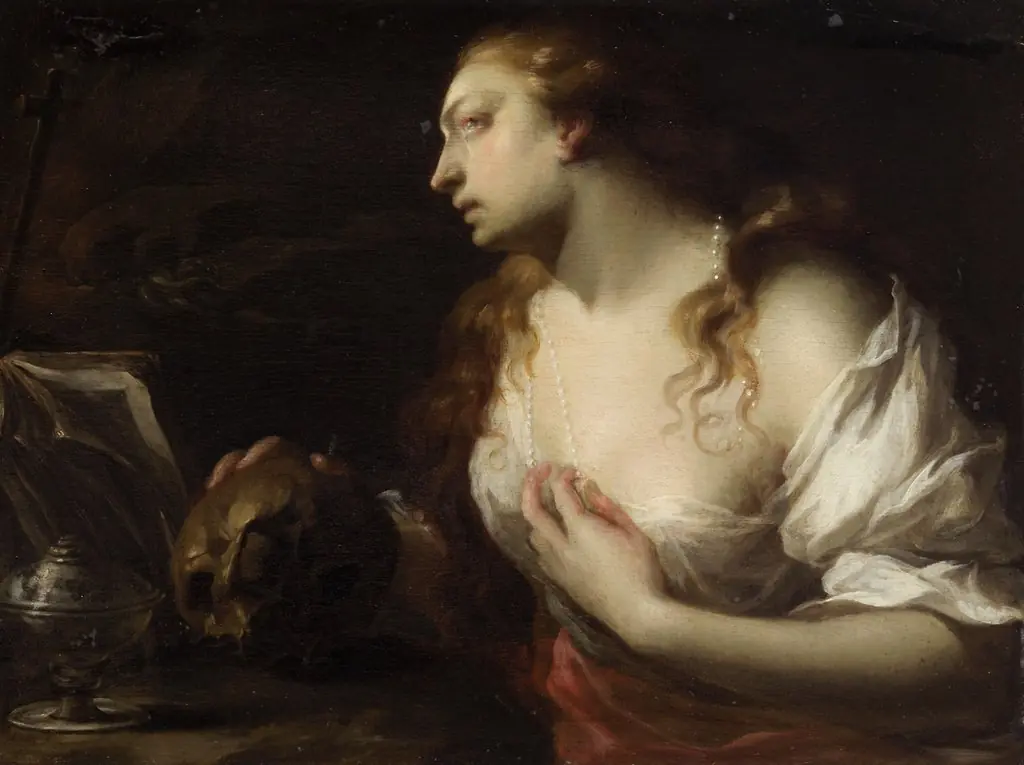
The Penitent Mary Magdalene is an oil painting by the Spanish Baroque Tenebrist artist Mateo Cerezo. It dates from 1661 and is held in the collection of the Rijksmuseum.
About this work
Technique & Style
The handling of the oil medium allows for the formal representation of the figure, consistent with the artist's approach to religious art during this period.
Created in 1661, The Penitent Mary Magdalene is an oil painting executed on a canvas support. The work measures 103.2 cm in height and 83 cm in width. Classified within the religious genre, the piece depicts the titular subject as a woman in a state of penitence.
The handling of the oil medium allows for the formal representation of the figure, consistent with the artist's approach to religious art during this period.
History & Provenance
The Penitent Mary Magdalene is an oil-on-canvas painting created by the Spanish artist Mateo Cerezo in 1661. This religious work, measuring 103.2 cm in height and 83 cm in width, depicts the biblical figure of Mary Magdalene in a state of penitence. The painting's ownership history includes the collections of Edmund Bourke and the Mauritshuis, before entering the holdings of the Rijksmuseum in Amsterdam. The work remains a significant example of Cerezo's religious art from the mid-seventeenth century.
The Penitent Mary Magdalene is currently held in the collection of the Rijksmuseum in Amsterdam. The painting, executed in oil on canvas in 1661, measures 103.2 cm in height and 83 cm in width. While earlier records or provenance chains may have associated the work with the Mauritshuis or the collection of Edmund Bourke, the source explicitly lists the Rijksmuseum as its current location.
No specific inventory or accession number is provided in the available documentation, nor is there any record of a specific exhibition history for this work.
Overview
Created in 1661 by Spanish Baroque artist Mateo Cerezo, this oil painting presents a contemplative figure identified as Mary Magdalene. The work is part of the Rijksmuseum’s collection and exemplifies the tenebrist strand of Spanish Baroque, where stark light and deep shadow dominate the visual field.
Subject & Meaning
The composition centers on a solitary woman seated on a rock, her long, curled hair spilling over a light‑toned veil. She rests her head on her hand, her expression calm yet tinged with melancholy, suggesting penitence and introspection associated with the biblical Magdalene.
Context
During the mid‑1600s, Spanish artists embraced the dramatic lighting techniques pioneered by Caravaggio, adapting them to local devotional themes. Cerezo’s depiction of Mary Magdalene aligns with this trend, using light to underscore spiritual reflection and moral redemption.
Own this work as a print
Artist & collection
Artist
Mateo Cerezo, sometimes referred to as Mateo Cerezo the younger, (19 April 1637, Burgos – 29 June 1666, Madrid) was a Spanish Baroque painter, known primarily for religious works and still-lifes.