Artwork
The penitent Mary Magdalene
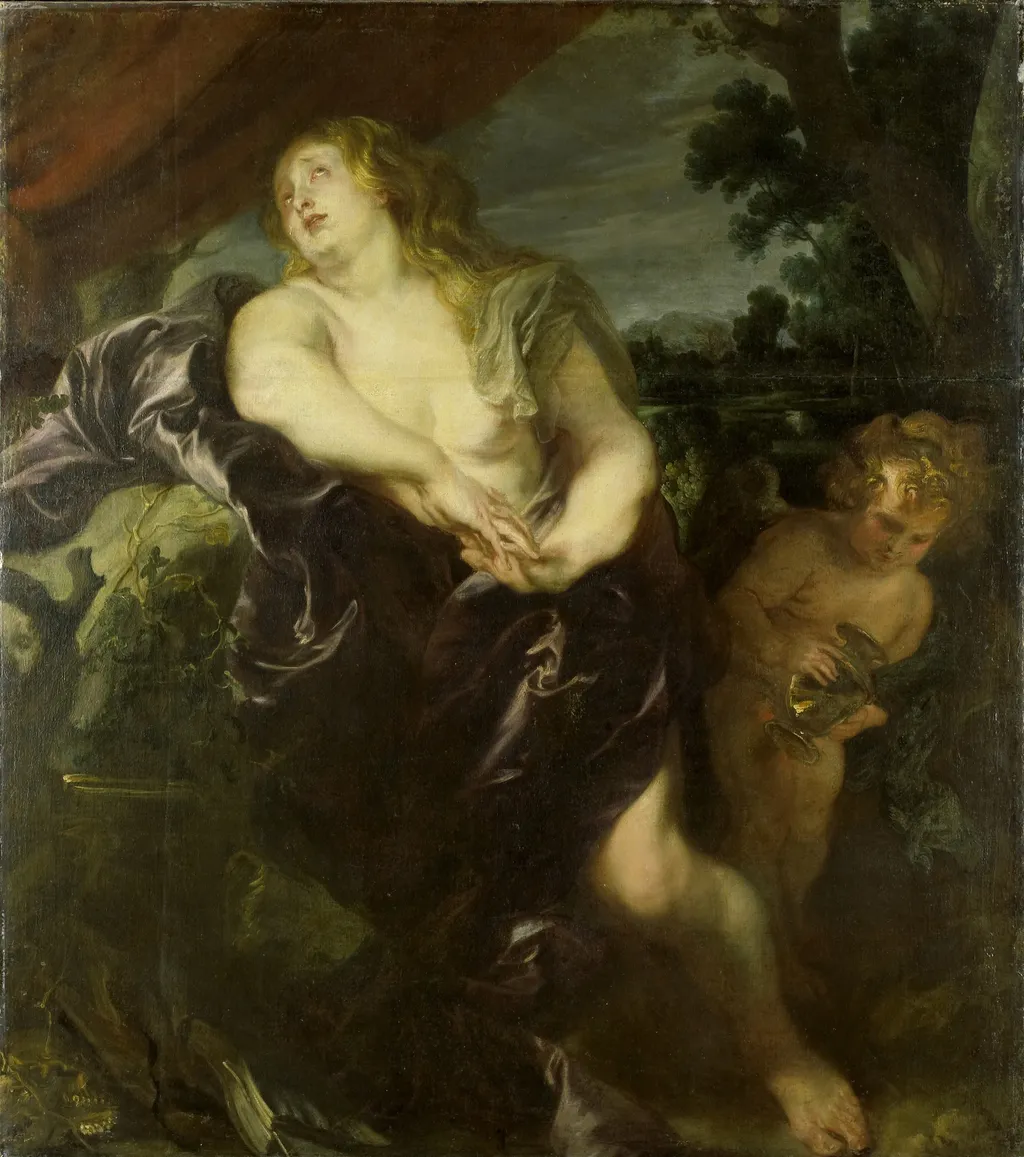
The penitent Mary Magdalene is an oil painting by the Baroque artist Anthony van Dyck. It dates from 1620 and is held in the collection of the Rijksmuseum.
About this work
Subject & Meaning
The work depicts Mary Magdalene in a penitent pose, a motif rooted in Counter‑Reformation imagery of conversion and mortification of the flesh.
The work depicts Mary Magdalene in a penitent pose, a motif rooted in Counter‑Reformation imagery of conversion and mortification of the flesh. She is shown barefoot, with long blond hair cascading over a partially exposed breast, emphasizing humility and physical sacrifice. The figure’s down‑turned gaze and modest attire convey spiritual introspection, while the Baroque treatment of light accentuates the texture of her skin and fabric.
Executed by Anthony van Dyck in 1620 as an oil on canvas, the painting functions as a visual meditation on repentance, aligning with the broader tradition of Penitent Magdalene representations in religious art.
Technique & Style
Created in 1620 in Antwerp, this work is an oil painting executed on a canvas support. Measuring 169 cm in height and 148.5 cm in width, the piece exemplifies Baroque religious art through its dramatic depiction of the subject. The artist employs oil paint to render specific formal qualities, including the figure's waist-length blond hair, bare feet, and exposed female breast, which visually articulate the theme of mortification of the flesh.
The handling of the medium captures the emotional intensity associated with the penitent Magdalene, utilizing the fluidity of oil on canvas to define the topless, standing figure within a devotional context.
History & Provenance
Anthony van Dyck created the oil-on-canvas painting The Penitent Mary Magdalene in 1620 within Antwerp. The work, measuring 169 by 148.5 centimeters, depicts the biblical figure in a state of mortification of the flesh, characterized by her barefoot stance and waist-length hair. While specific details regarding the original commission or the immediate patron are not recorded in the available documentation, the piece was produced during the artist's early career in the Baroque movement.
The painting is currently held in the collection of the Rijksmuseum, also known as the National Art Gallery of the Netherlands. Its provenance traces directly from its 1620 inception in Antwerp to its present institutional home, though the intermediate ownership chain between its creation and its arrival at the museum is not detailed in the provided sources.
Context
The painting titled The Penitent Mary Magdalene (1620) by Anthony van Dyck is classified as a Baroque religious work, reflecting the Counter‑Reformation emphasis on penitence and mortification of the flesh; its depiction of a barefoot, blond‑haired Magdalene with exposed breast aligns with Baroque iconography of penitential saints. The artwork, executed in oil on canvas in Antwerp, measures 169 × 148.5 cm and is part of the Rijksmuseum’s collection, underscoring its acceptance within the canon of Dutch‑Flemish masters. Scholars situate it within van Dyck’s early output and the broader Baroque movement, noting its role in the development of penitent saint imagery in 17th‑century European art.
Overview
Anthony van Dyck, a prominent Flemish Baroque painter, completed The Penitent Mary Magdalene in 1620. This oil painting portrays the biblical figure in a state of contemplation, characteristic of the religious art prevalent during the period. The artwork is currently part of the collection at the Rijksmuseum, offering insight into Van Dyck's early career before his later renown as a court painter in England.
Own this work as a print
Artist & collection
Artist
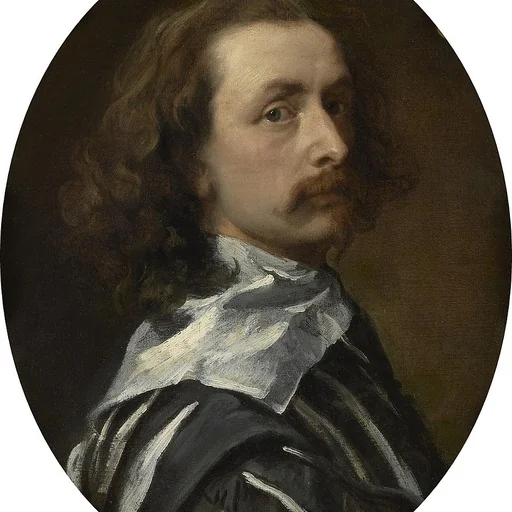
Sir Anthony van Dyck (; Dutch: Antoon van Dijck; 22 March 1599 – 9 December 1641) was a Flemish Baroque artist, who became the leading court painter in England after success in the Spanish Netherlands and Italy.

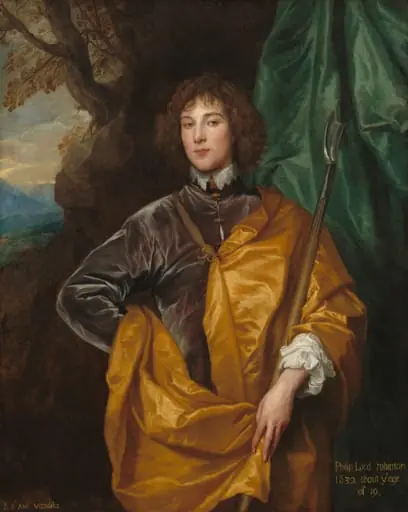
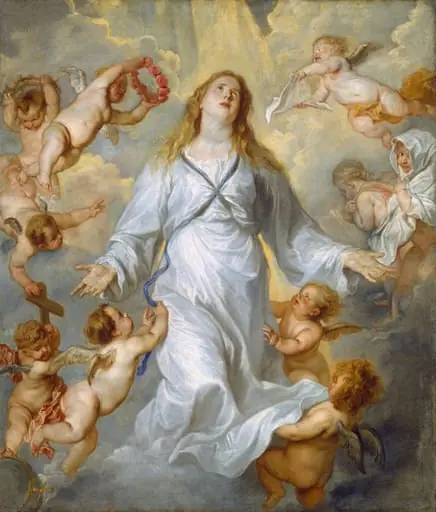
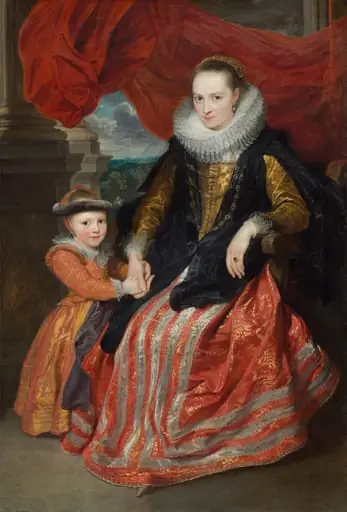
- Mary Magdalene
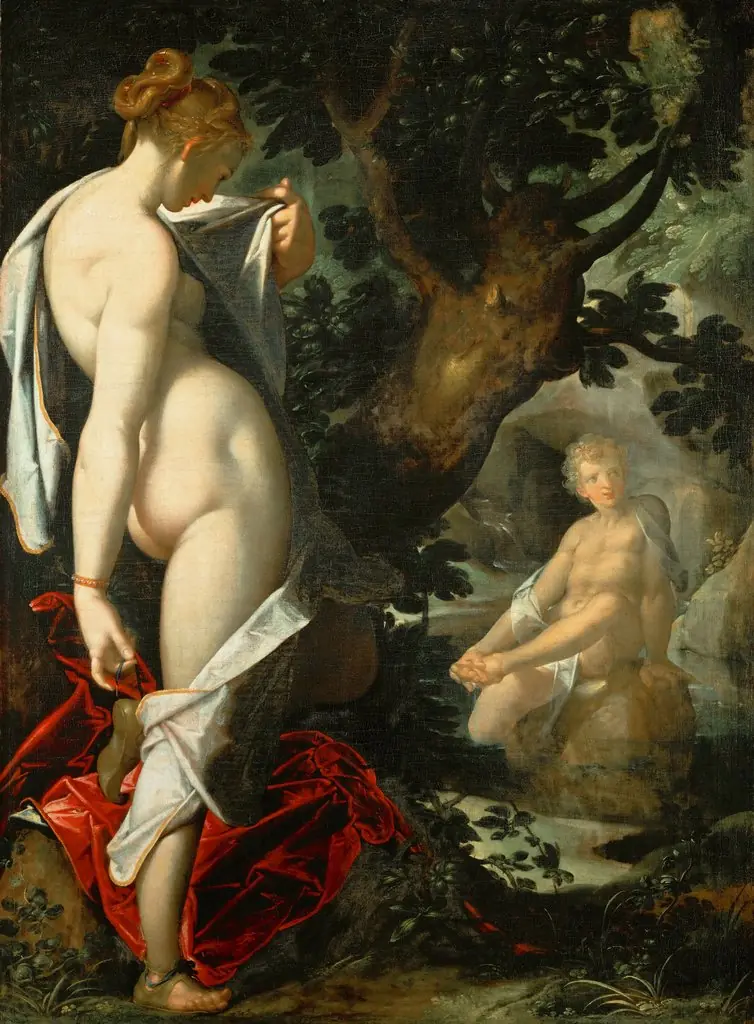 Hermaphroditus and the nymph Salmacis
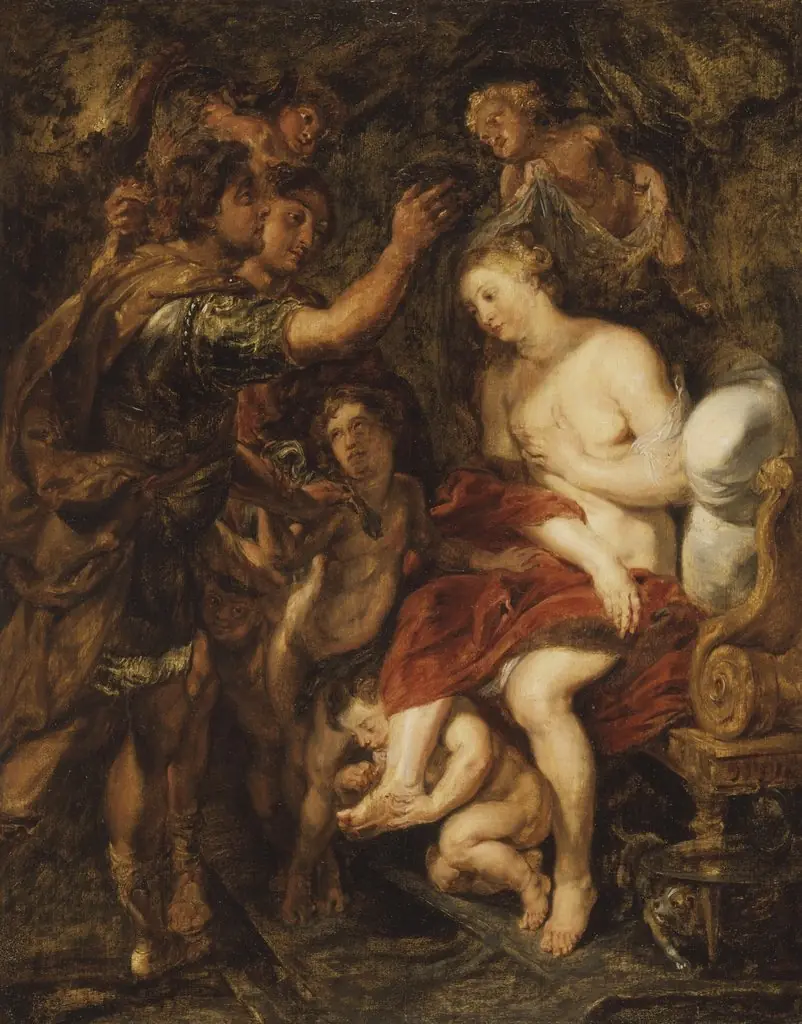 The Crowning of Roxana
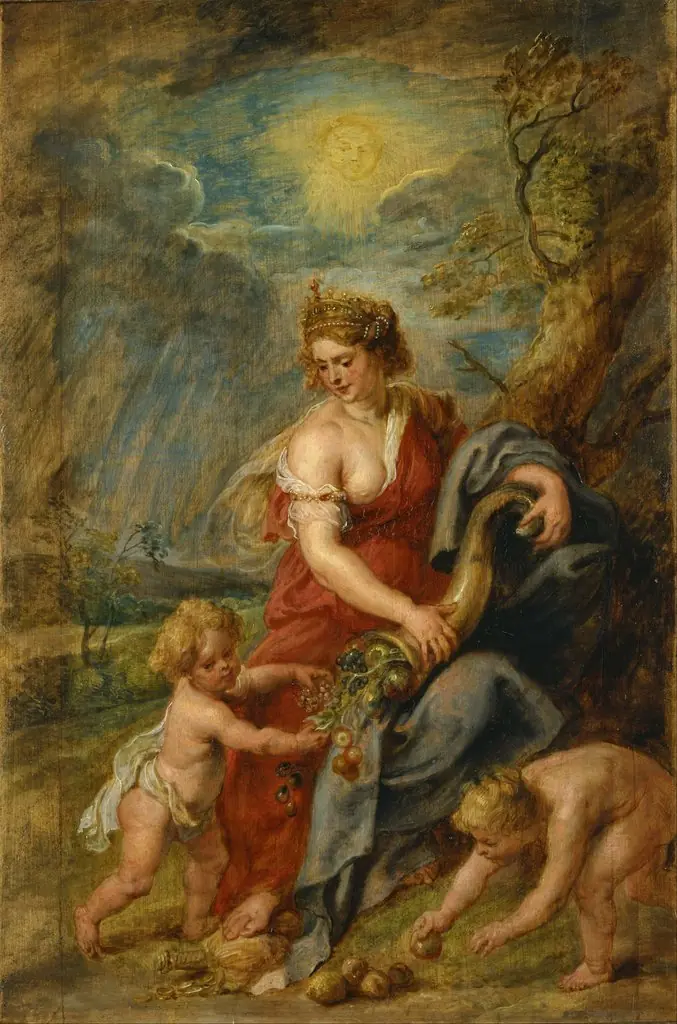 Abundance (Abundantia)
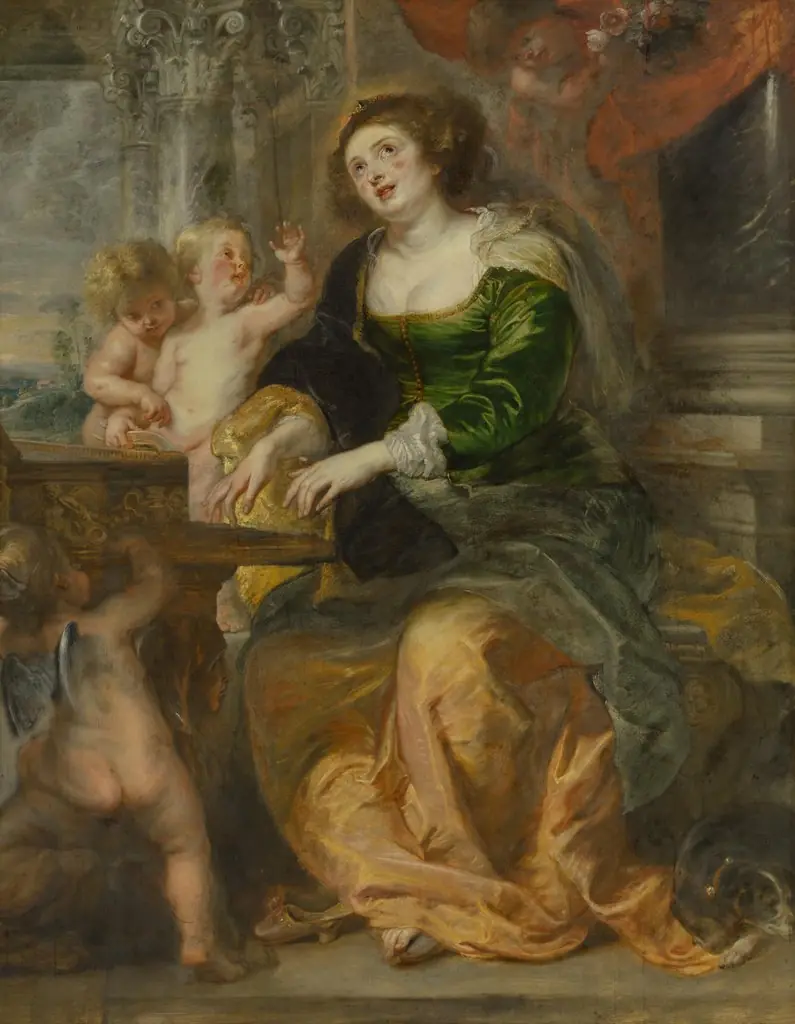 Saint Cecilia playing the virginal
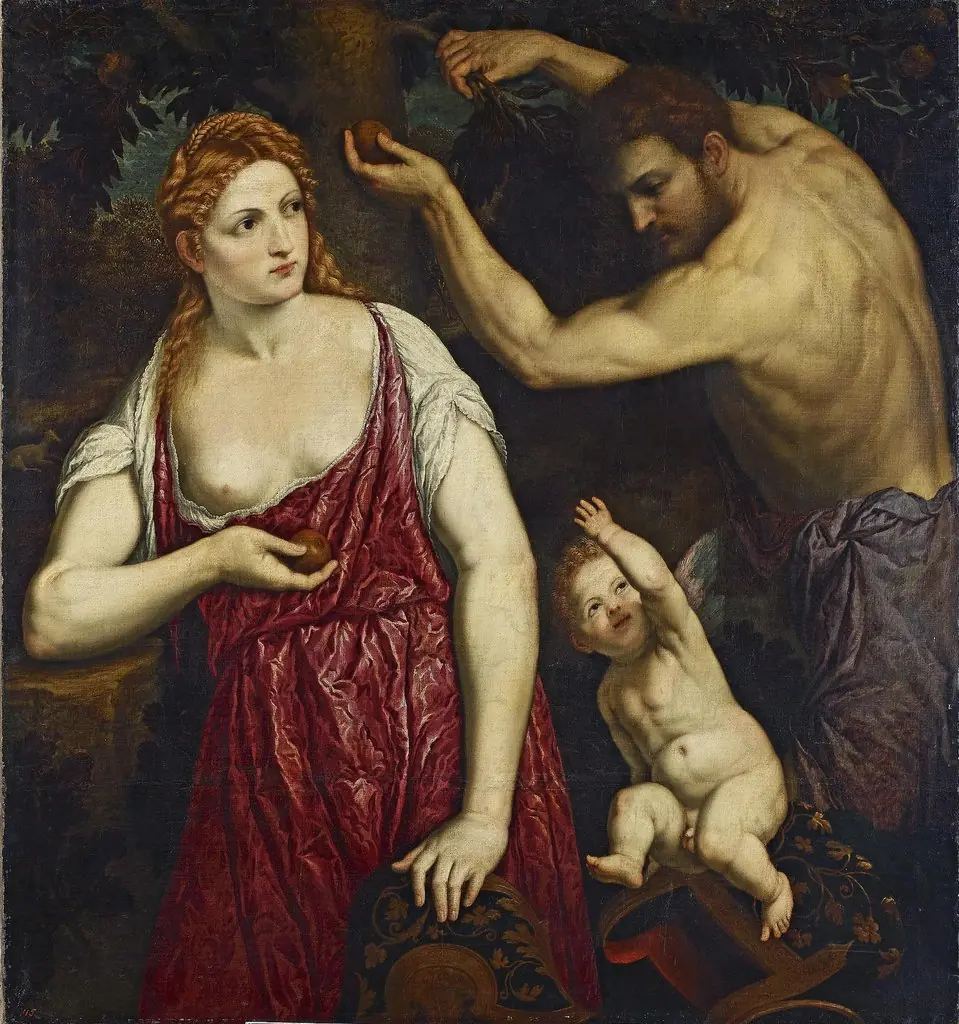 Mars, Venus and Cupid
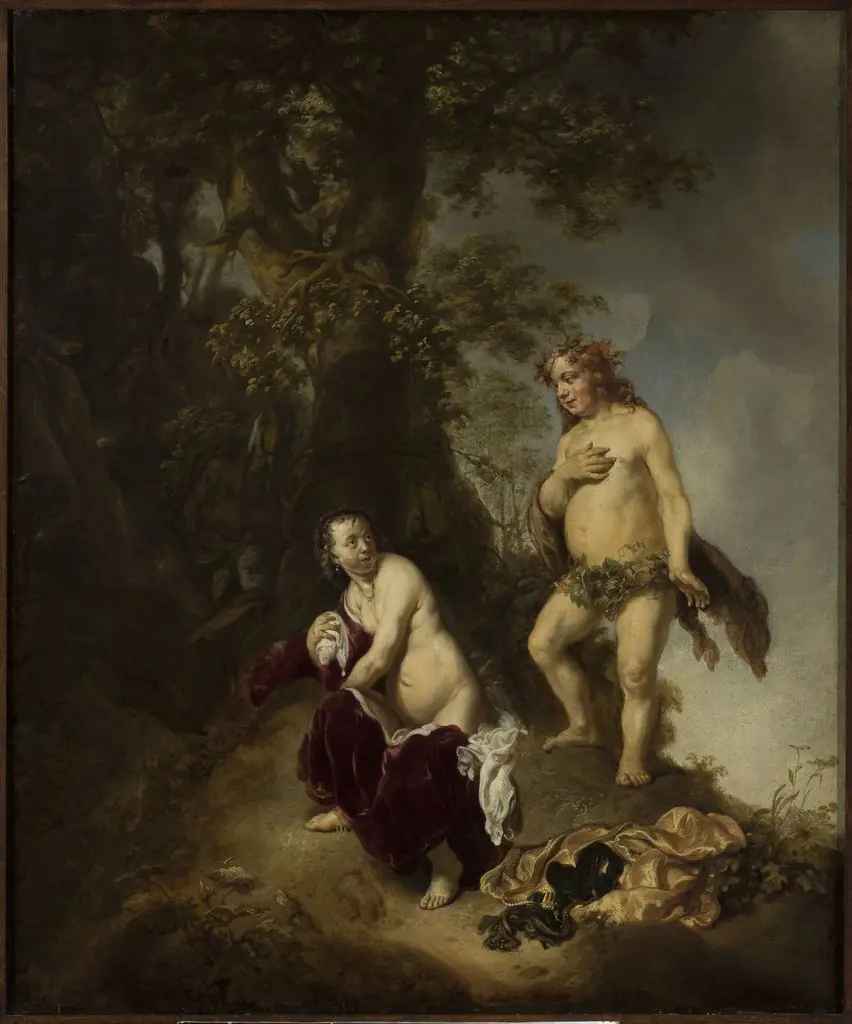 Bacchus and Ariadne
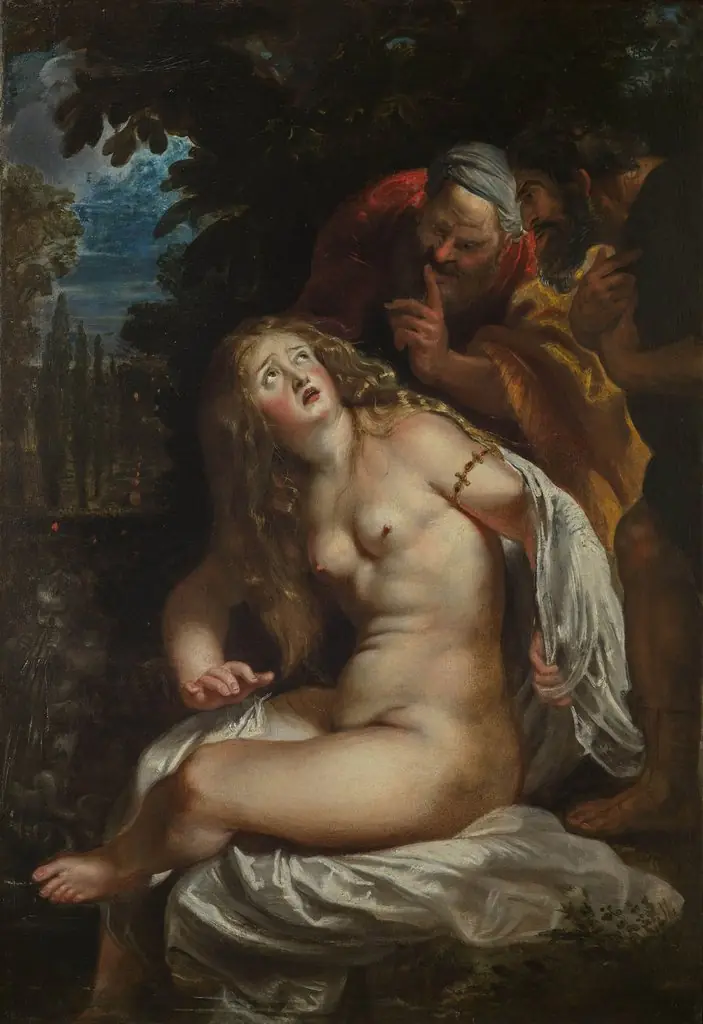 Susanna and the Elders
 Bacchus and Ariadne on the Island of Naxos
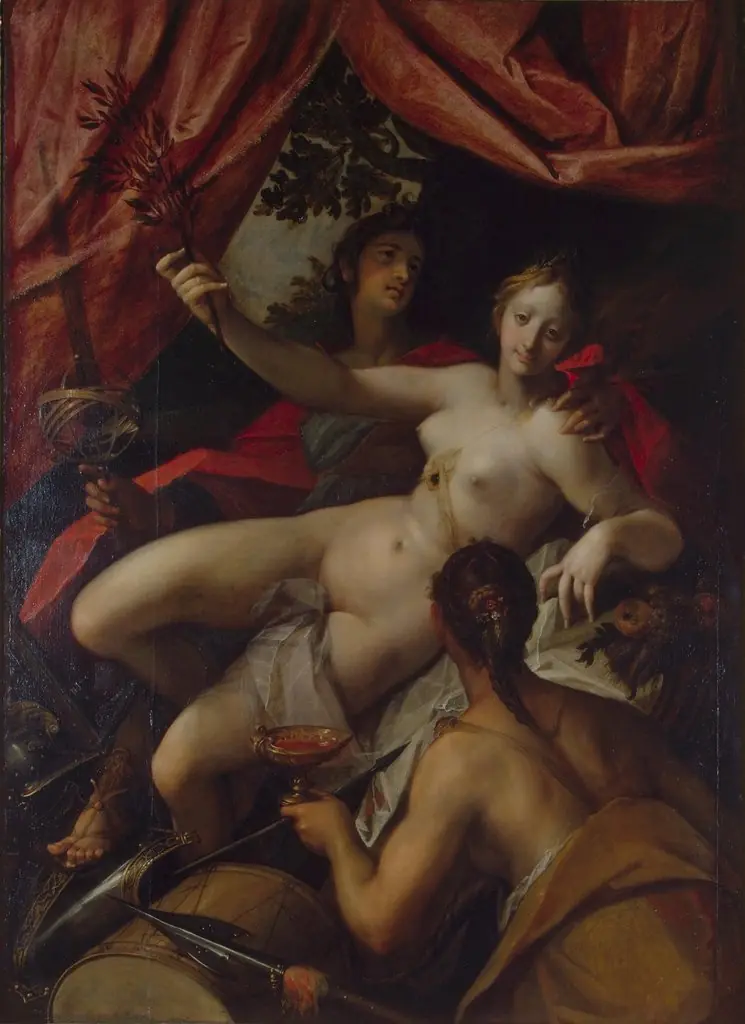 Allegory of Peace and Abundance
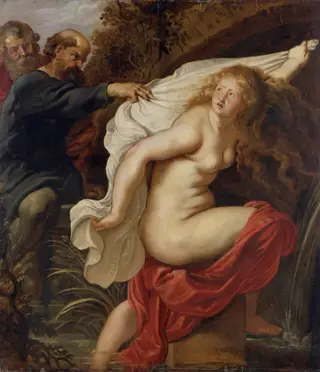 Susanna and the Elders
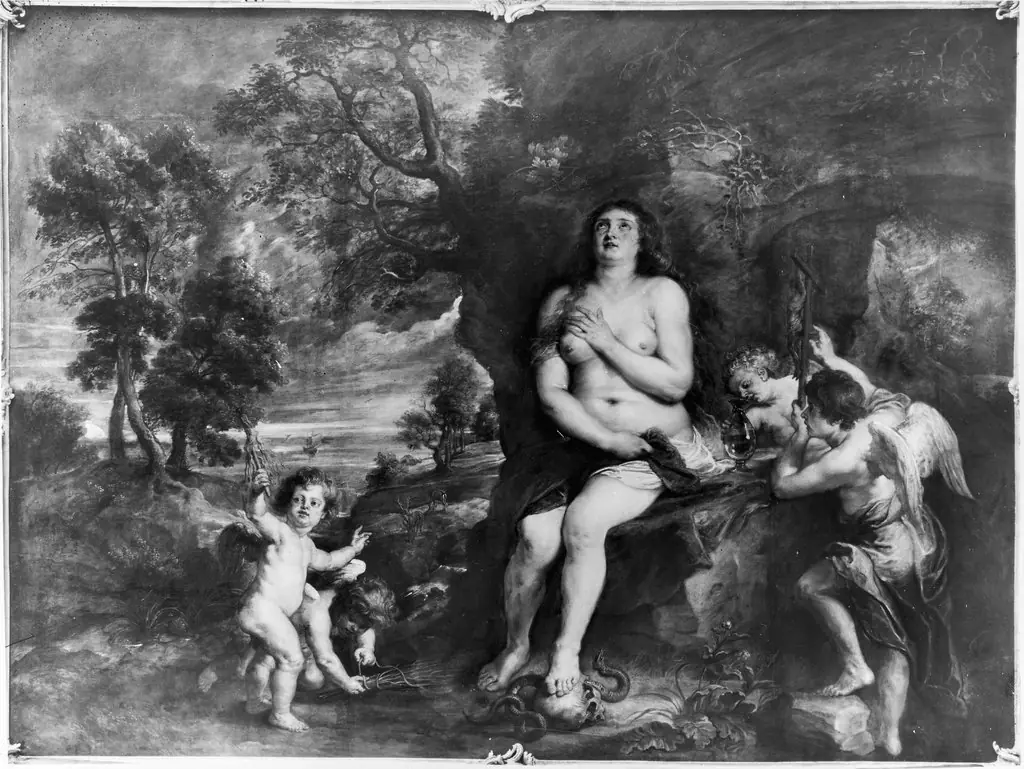 The Penitent Magdalene