Artwork
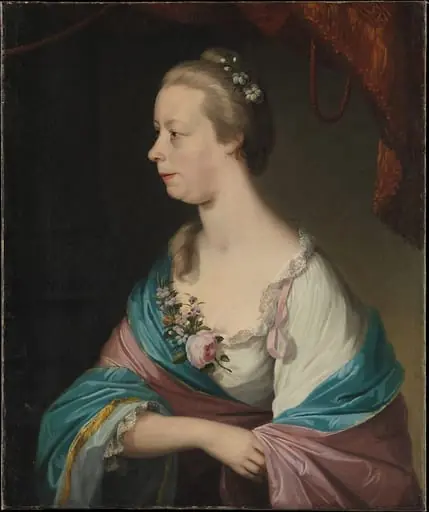
Mrs. Peter De Lancey
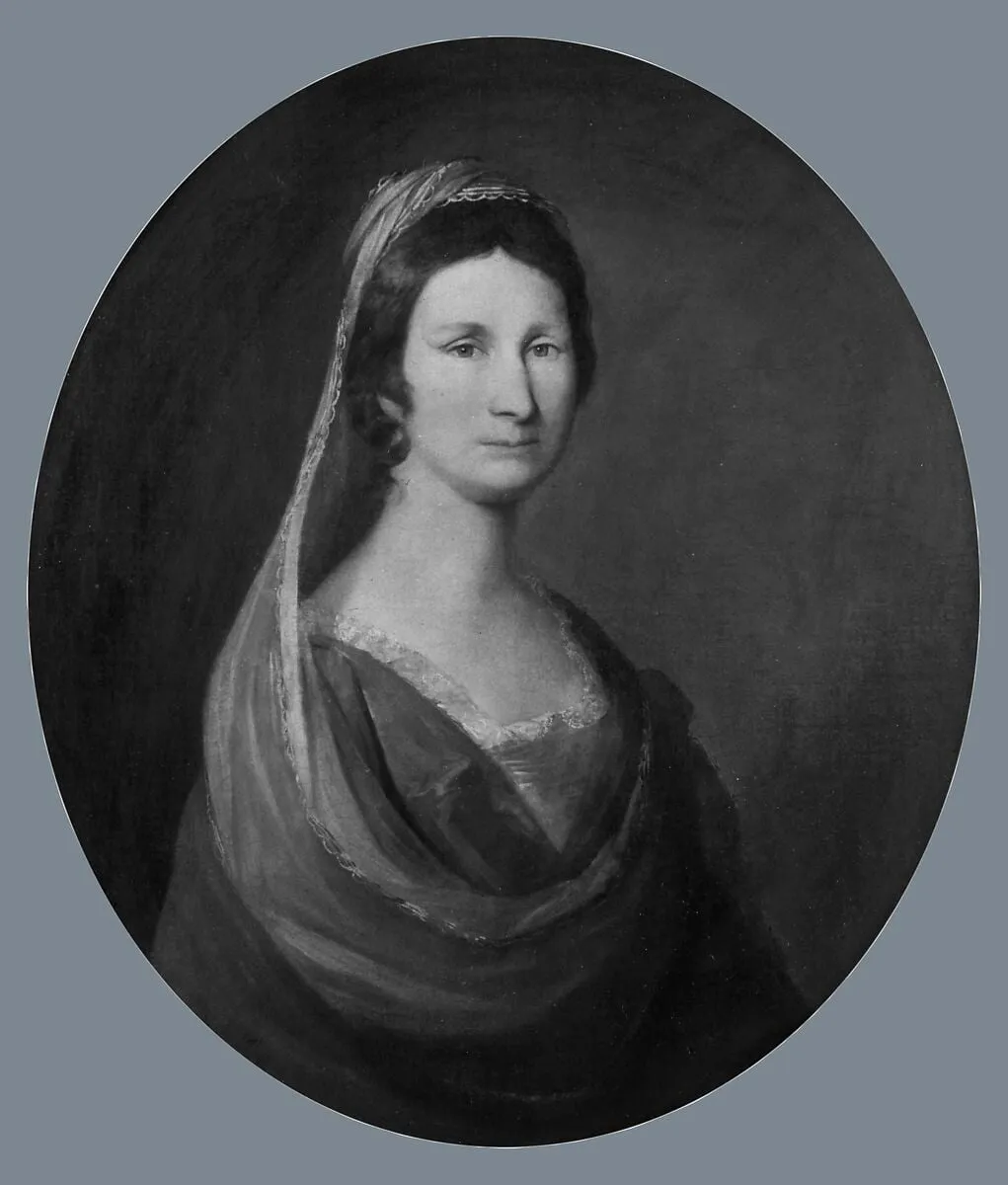
Mrs. Peter De Lancey is an oil painting by the Academic Art artist Matthew Pratt. It dates from 1771 and is held in the collection of the Metropolitan Museum of Art.
About this work
A woman in a blue silk dress sits in a carved wooden chair, hair piled high, a fan in one hand. Light falls softly on her face and dress against a dark background. Pratt painted this in New York in 1771, just before the Revolution, and his careful fabric and lace show British training kept in a quieter, more direct style.
Subject & Meaning
The canvas portrays Elizabeth De Lancey, the wife of Peter De Lancey, as a dignified woman in a conventional portrait format.
The canvas portrays Elizabeth De Lancey, the wife of Peter De Lancey, as a dignified woman in a conventional portrait format. Painted by Matthew Pratt in 1771, the work uses the portrait genre to convey the sitter's social position within the colonial elite, emphasizing her role as a respectable matron. The oil-on-canvas medium and the detailed rendering of attire and posture underscore the era's emphasis on visual representation of status and familial identity.
As the main subject identified in the documentation, Elizabeth De Lancey is presented not only as an individual likeness but also as a symbol of the cultural values associated with marriage and lineage in 18th-century America.
Technique & Style
The painting is an oil on canvas portrait created in 1771 by Matthew Pratt. It is executed in oil paint on a canvas support, a technique typical of 18th-century American portraiture. The work measures 75.6 × 63.5 cm and is catalogued in The American Wing of the Metropolitan Museum of Art, where it is displayed as a portrait of Elizabeth De Lancey. Its formal qualities reflect the restrained palette and precise brushwork associated with colonial portrait conventions.
History & Provenance
The portrait titled Mrs. Peter De Lancey was executed in 1771 by the American artist Matthew Pratt and depicts Elizabeth De Lancey, rendered in oil on canvas. It measures 75.6 by 63.5 centimetres and is held in the collection of the Metropolitan Museum of Art, classified within The American Wing. The specific circumstances of its original commission and the chain of private ownership prior to its museum acquisition are not detailed in the available records, and no specific accession number or exhibition history is documented in the sources.
Overview
Painted in New York in 1771, Matthew Pratt's portrait of Mrs. Peter De Lancey captures a prominent member of the city's Loyalist elite on the eve of the American Revolution. The work depicts the sitter seated in a carved wooden chair, wearing a lustrous blue silk dress that reflects the artist's training in academic art and his exposure to Benjamin West's techniques in London. Her hair is arranged in a high, fashionable pile, and she holds a fan, a common accessory of status and refinement in the eighteenth century.
Pratt employs a dark, unadorned background to isolate the figure, allowing soft, directional light to model her face and the folds of her gown with a sense of volume and texture. This composition demonstrates Pratt's mastery of the Grand Manner style, adapting European conventions to an American context. As one of the first American artists to study under West, Pratt brought a sophisticated approach to portraiture that elevated the genre in the colonies.
The painting stands as a significant document of pre-revolutionary New York society, preserving the likeness and material culture of a family that would later face exile due to their political allegiances.
Context
This portrait was created in New York in 1771, on the eve of the American Revolution, reflecting the cultural landscape of the colonies during a period of significant change. Matthew Pratt holds a notable position in American art history as one of the earliest artists to receive his training within the colonies rather than traveling to Europe, contributing to the development of a distinct American artistic identity.
Artist & collection

Artist
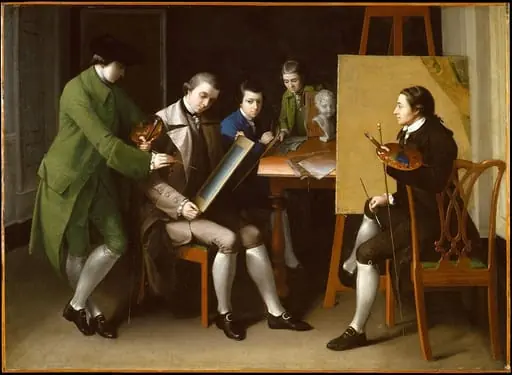
Matthew Pratt left his Pennsylvania home in the 1760s and landed in London, where he walked into Benjamin West’s busy studio.

- Portrait of a Lady
 Mrs. Isaac Green (Ann Barrett)
 Mrs. Robert Waterston (Hephzibah Lord)
 Mrs. Thomas Larcombe (Anna Smith)
 Portrait of a Lady
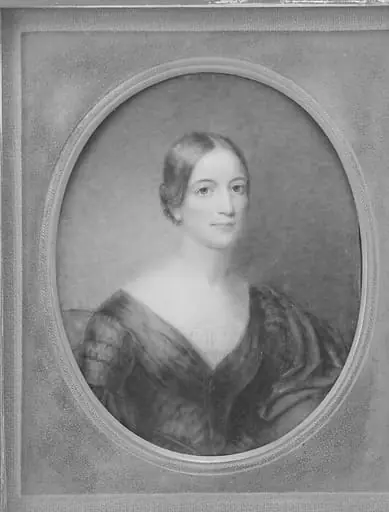 Ann King
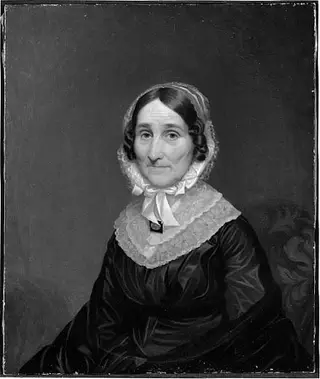 Mrs. Jabez Ellis (Elizabeth Newell)
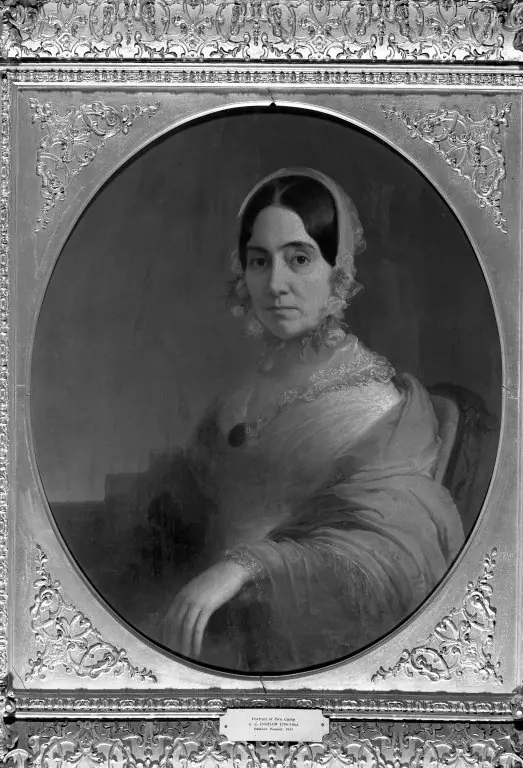 Mrs. Theodore Camp
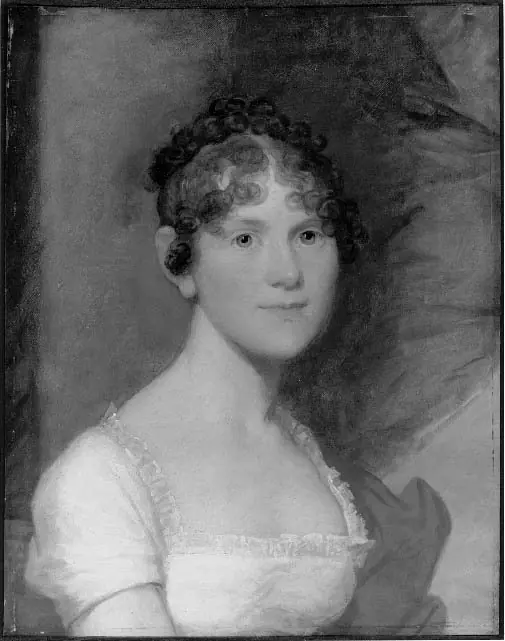 Maria Bartlett (Mrs. Joseph Hall, Jr.)
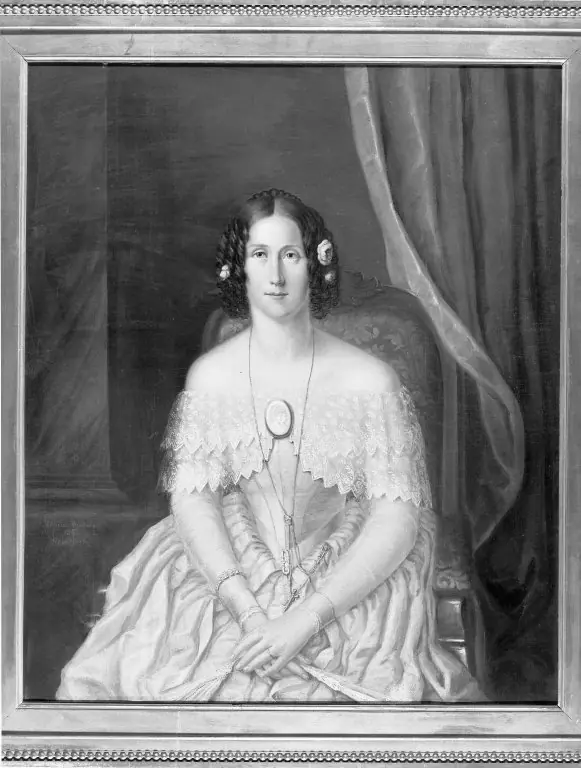 Mrs. Joseph Kelly
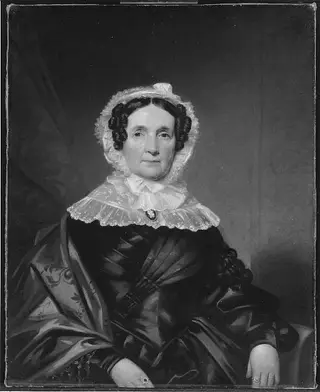 Mrs. Ward Nicholas Boylston (Alicia Darrow)
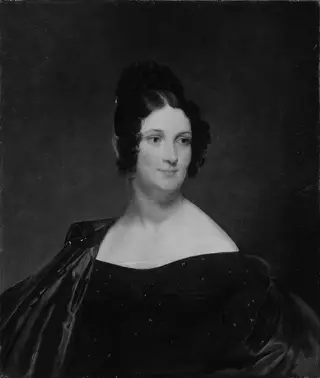 Eunice Harriet Brigham