Artwork
Madonna of Saint Jerome
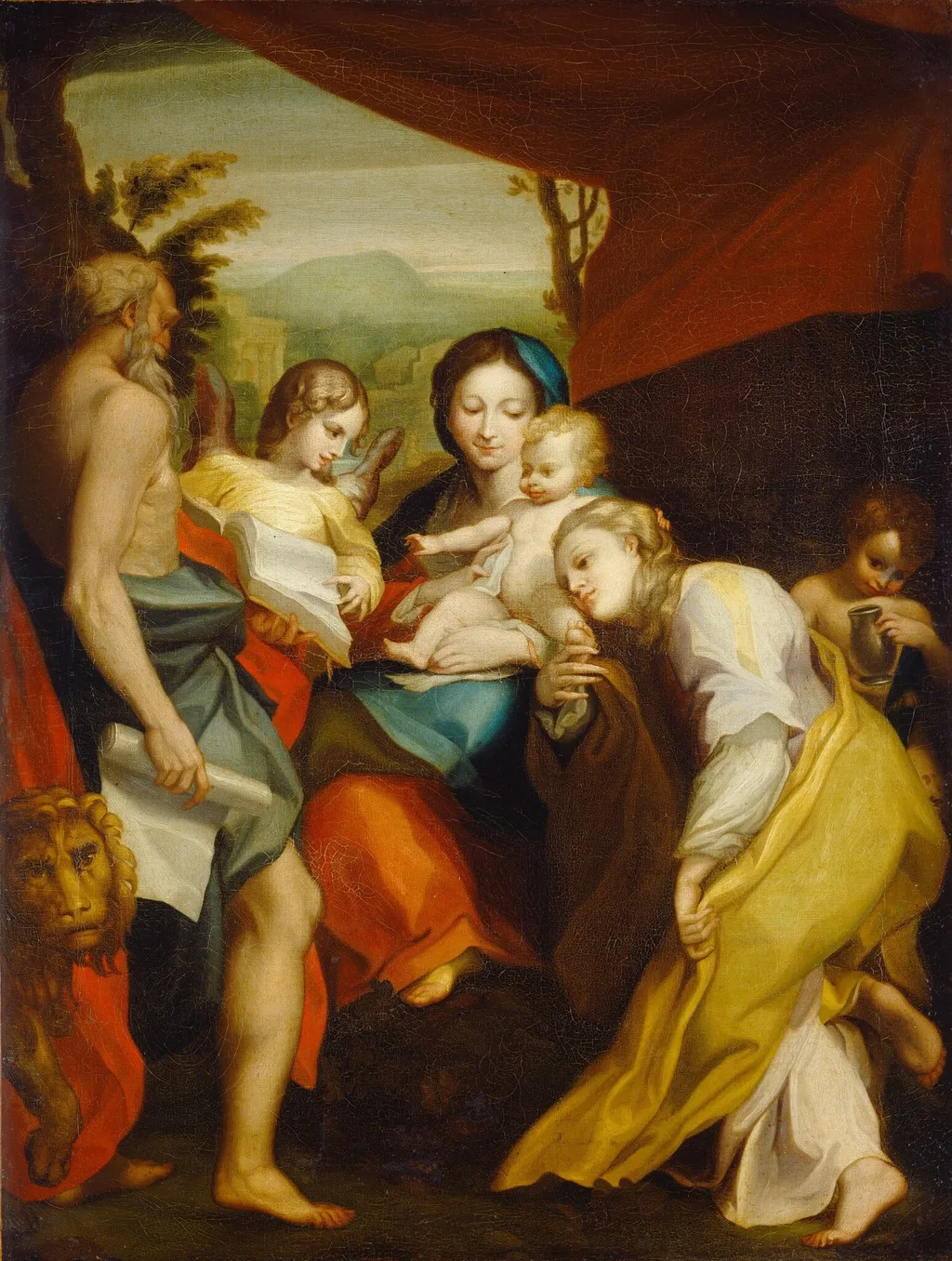
Madonna of Saint Jerome is an oil painting by the American Folk Art artist Matthew Pratt. It dates from 1765 and is held in the collection of the National Gallery of Art.
About this work
History & Provenance
The work subsequently passed by gift in 1915 to Rosalie's nephew, Clarence Van Dyke Tiers, who held it in Oakmont, Pennsylvania, and Daytona Beach, Florida.
Created in 1764, the oil-on-canvas painting Madonna of Saint Jerome is attributed to American artist Matthew Pratt. The work entered a direct line of family ownership following its creation, passing from the artist to his daughter Mary (Mrs. William Fennell). Upon Mary's death in 1849, the painting remained within the family, eventually reaching her daughter Maria Fennell in Philadelphia.
Maria bequeathed the piece to her niece, Rosalie Vallance Tiers Jackson, in her 1879 will, which specified a share of pictures and furniture jointly owned with her sister Susan. The work subsequently passed by gift in 1915 to Rosalie's nephew, Clarence Van Dyke Tiers, who held it in Oakmont, Pennsylvania, and Daytona Beach, Florida. Clarence Tiers donated the painting to the National Gallery of Art in Washington, D.C., in 1944, where it remains in the collection.
The painting is held by the National Gallery of Art in Washington, D.C., having entered the collection in 1944 as a gift. Its provenance traces through the artist's descendants: from Matthew Pratt to his daughter Mary Fennell, then to her daughter Maria Fennell in Philadelphia, who bequeathed it upon her death in 1880 to her niece Rosalie Vallance Tiers Jackson. Rosalie gave the work in 1915 to her nephew Clarence Van Dyke Tiers of Oakmont, Pennsylvania, and Daytona Beach, Florida, who in turn donated it to the NGA in 1944.
The sources document this chain of ownership in detail, including the 1879 will through which the transfer from Maria Fennell was arranged, though the painting itself is not named specifically in that document. No exhibition history is recorded in the provided sources.
Overview
This oil on canvas painting, titled Madonna of Saint Jerome, was created by American artist Matthew Pratt in 1765. It presents a traditional religious scene, depicting Saint Jerome in devotion to the Virgin Mary and the Christ Child. Pratt's rendition offers a quiet and contemplative interpretation of this well-known subject, rendered with a calm and intimate sensibility.
Subject & Meaning
The composition centers on the revered scholar Saint Jerome, shown kneeling respectfully before Mary, who cradles the infant Jesus. Jerome, identifiable by his association with biblical translation, is presented in a moment of spiritual contemplation. The scene is imbued with a sense of reverence and scholarly devotion, reflecting the saint's intellectual and spiritual significance within a tranquil, domestic-like setting.
Technique & Style
Pratt rendered this religious narrative using oil on canvas, employing a subdued palette and soft illumination. The interior setting, a simple stone room, contributes to the painting's tranquil atmosphere. Light gently highlights the figures' faces, enhancing the calm and intimate nature of the interaction between the saint and the holy family, characteristic of a serene and unpretentious environment.
Context
As an American artist working in the 18th century, Matthew Pratt engaged with established European religious themes. His Madonna of Saint Jerome exemplifies his approach to classical subjects, translating them through his own artistic sensibility. The work reflects a period when American painters were developing their interpretations of traditional iconography, often with a focus on clarity and directness in their compositions.
Own this work as a print
Artist & collection

Artist
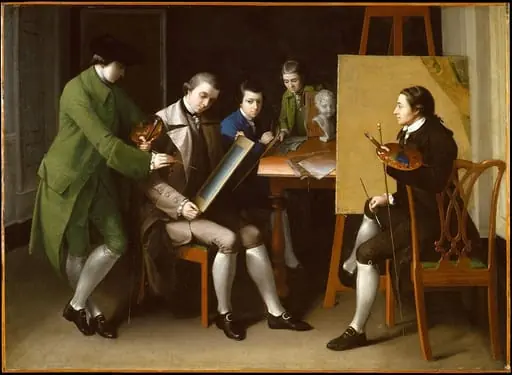
Matthew Pratt left his Pennsylvania home in the 1760s and landed in London, where he walked into Benjamin West’s busy studio.

- The Holy Family with the Infant Saint John the Baptist in a Landscape
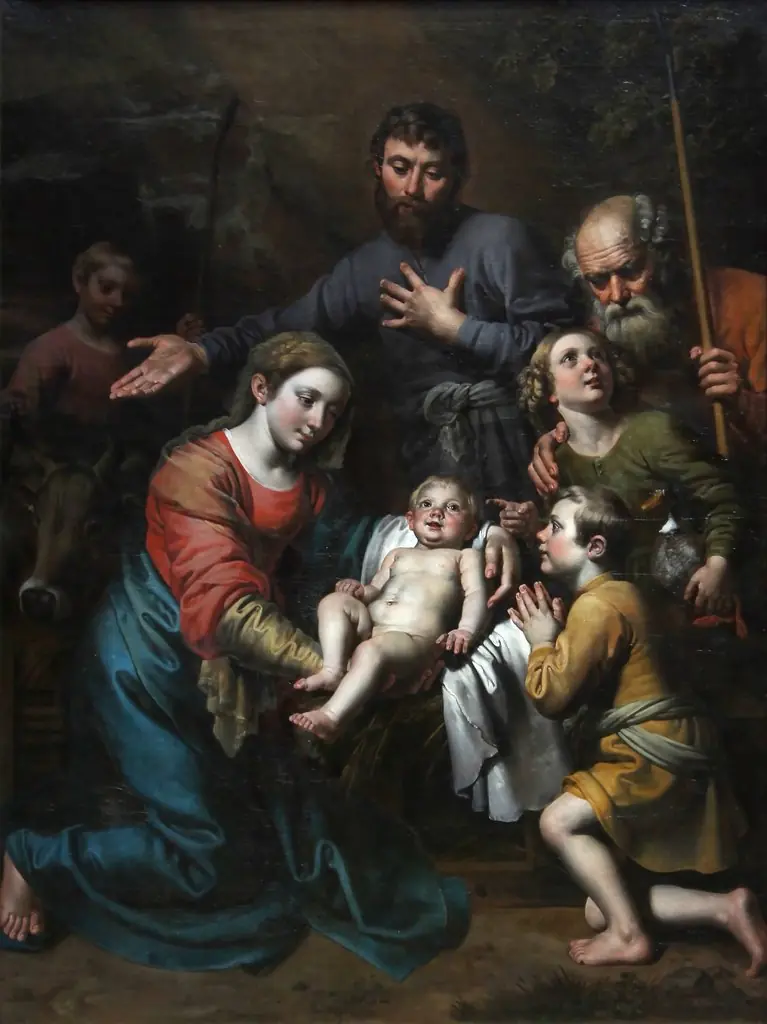 Adoration of the Shepherds
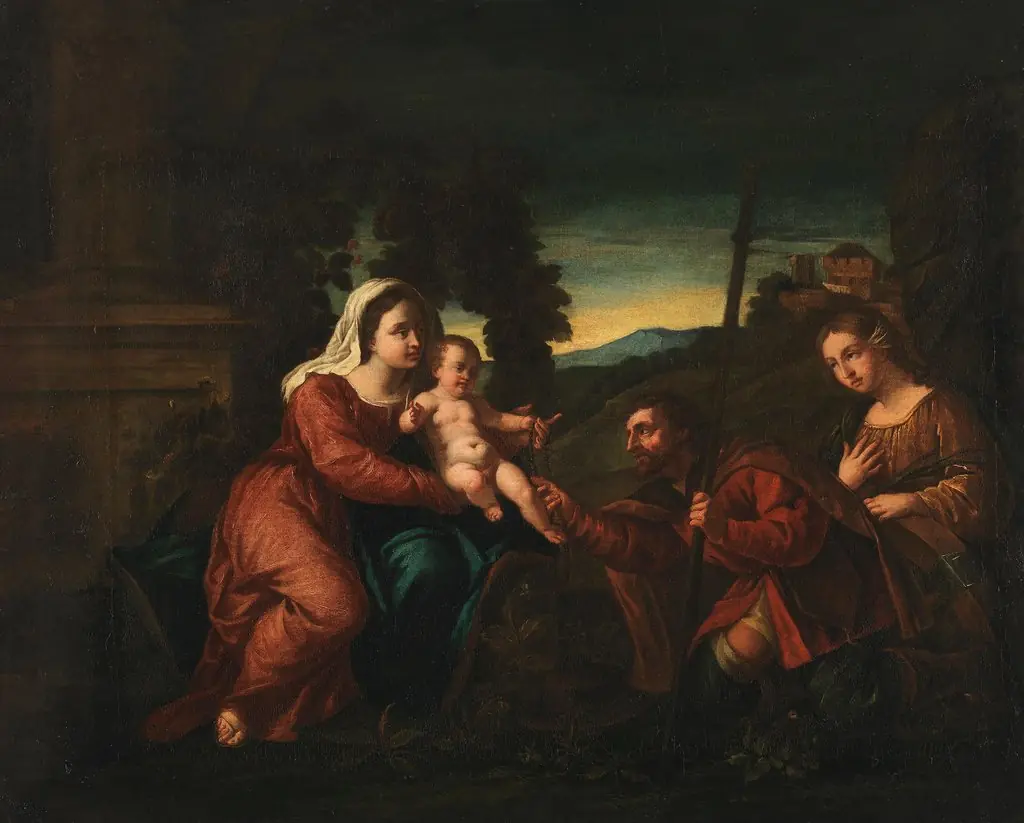 Madonna and Child with Saints Roche and Mary Magdalene
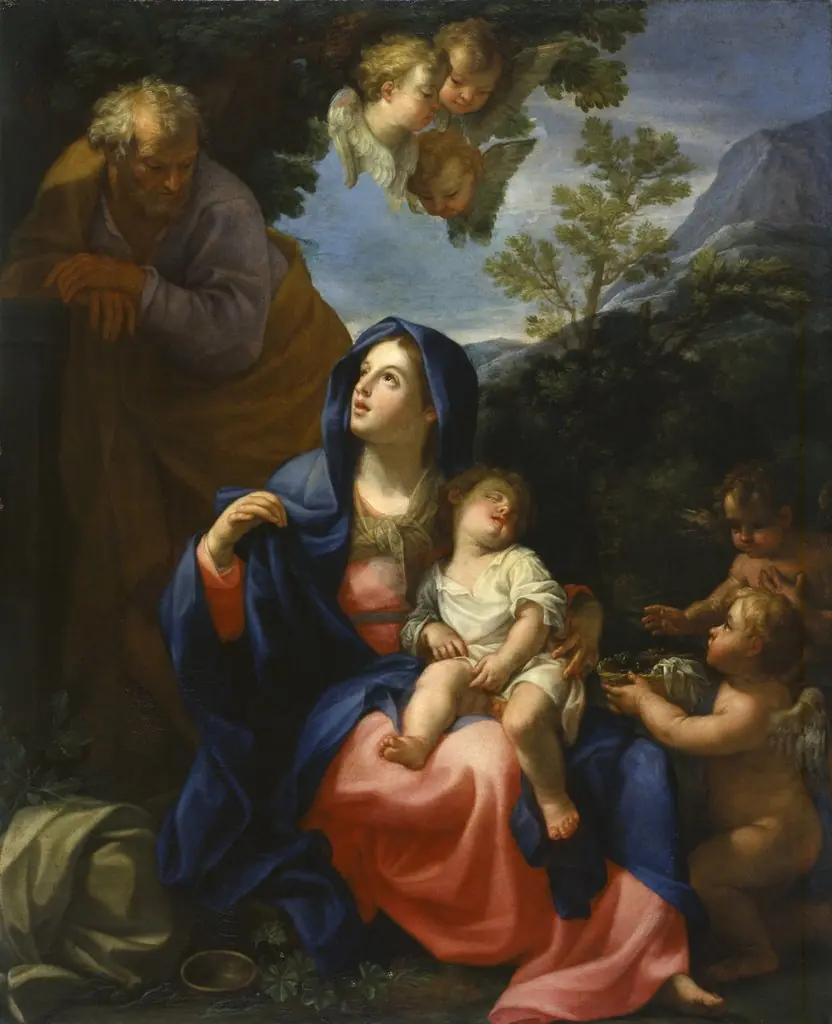 The Rest on The Flight into Egypt
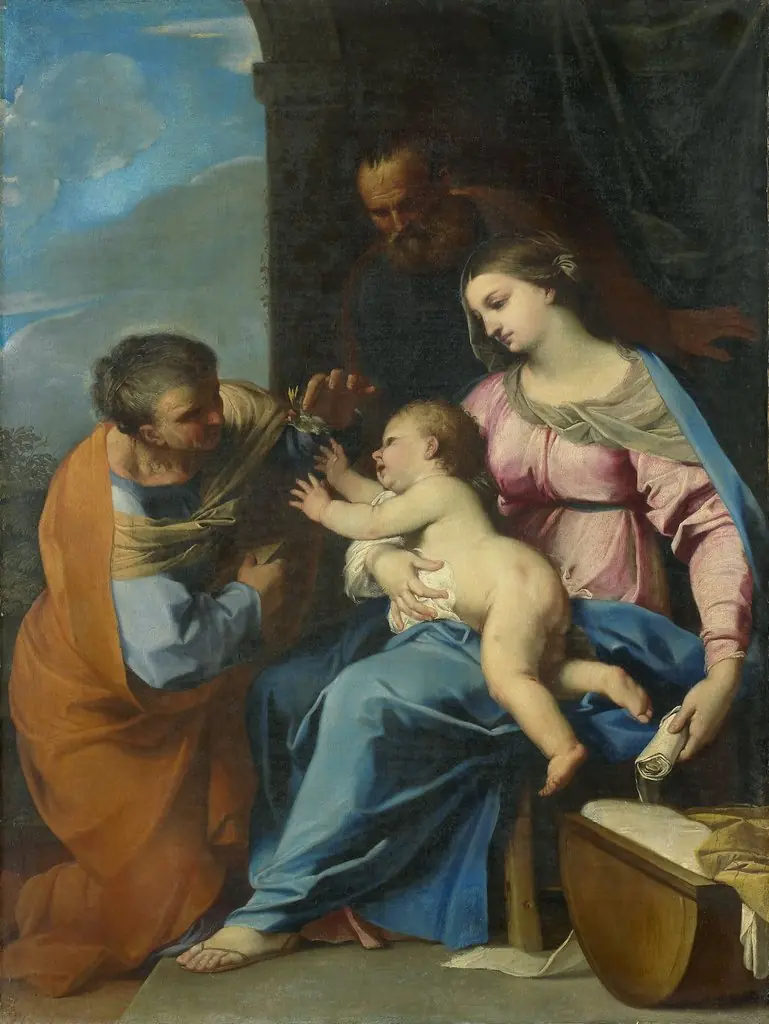 Holy Family
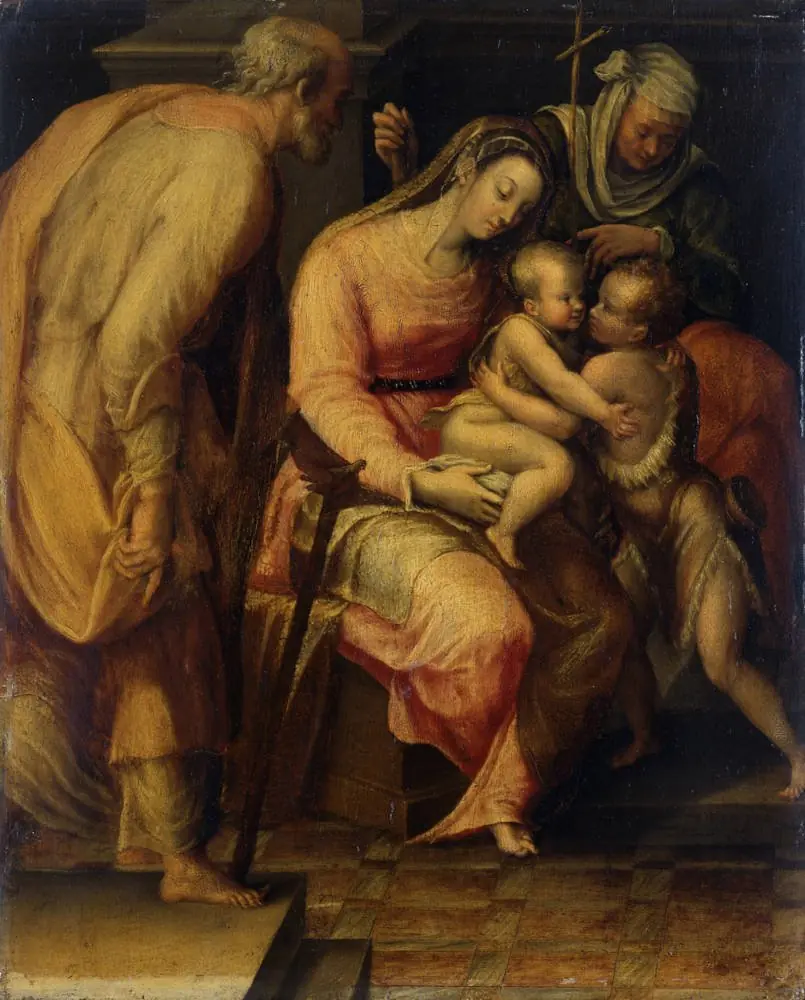 The Holy Family
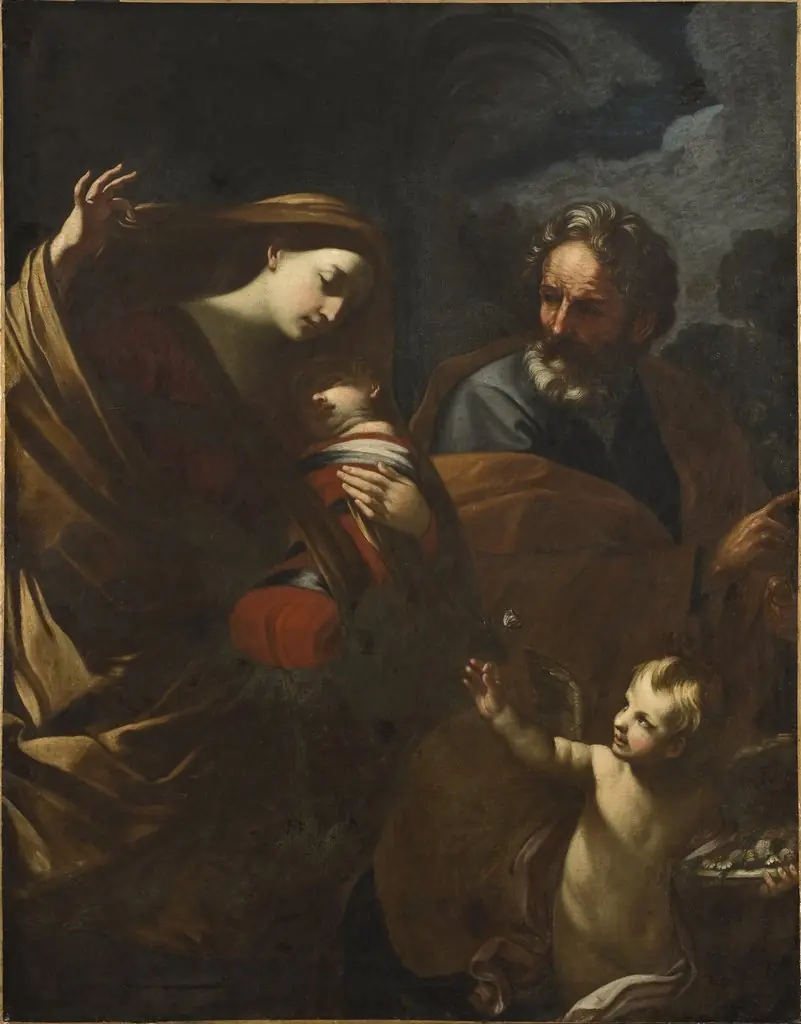 The Flight into Egypt
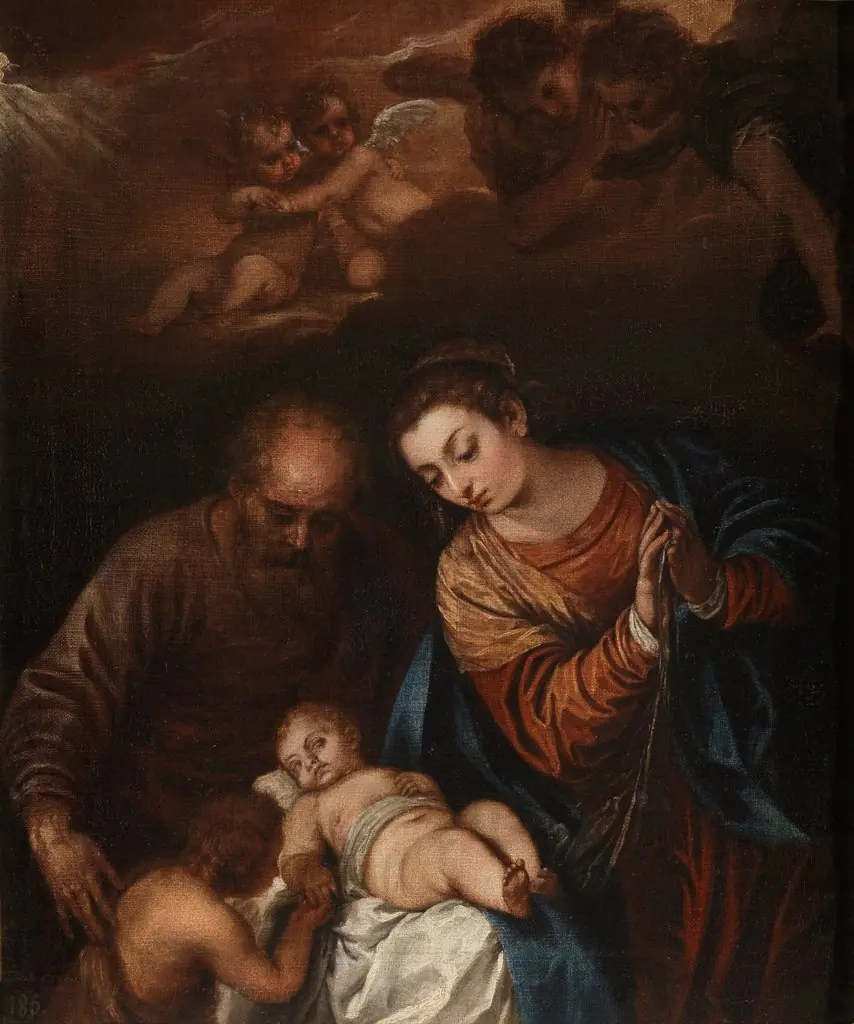 La Sagrada Familia
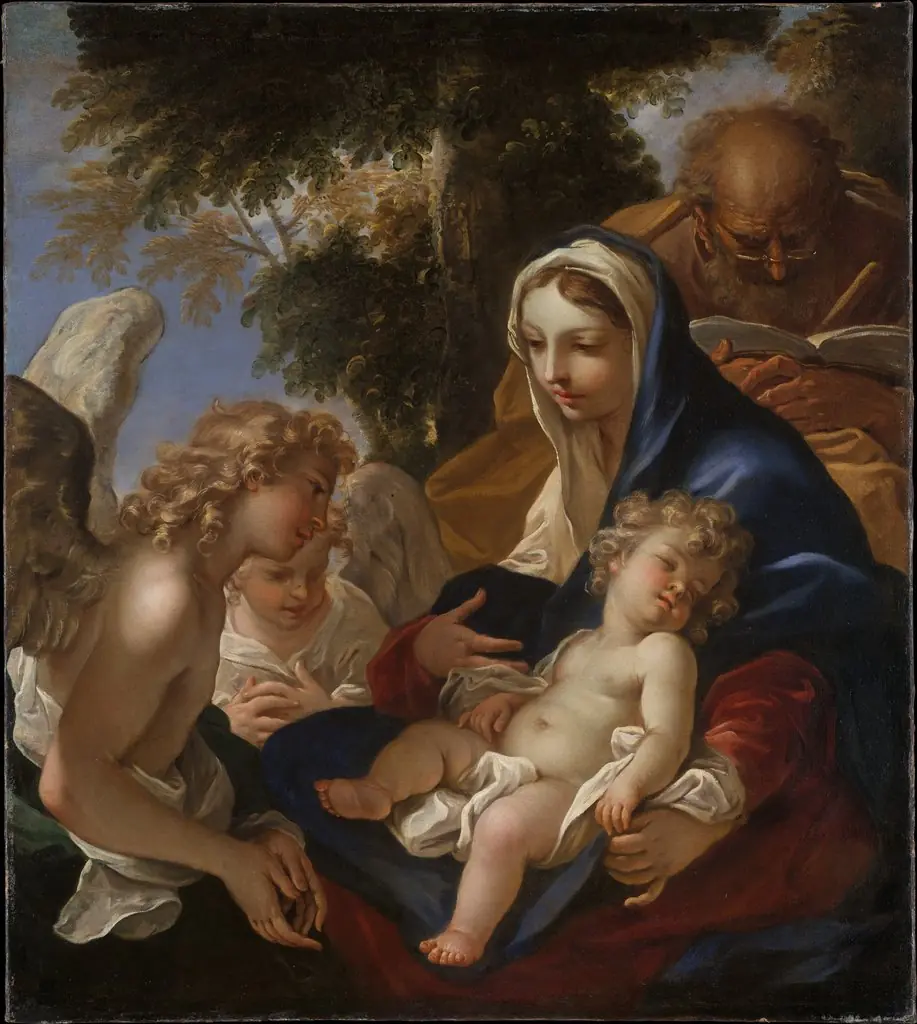 The Holy Family with Angels
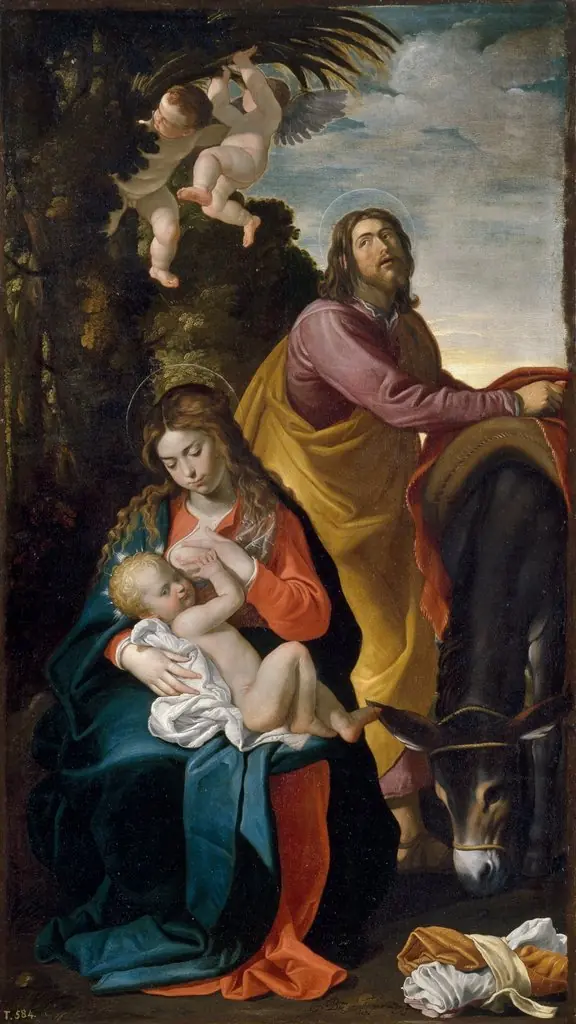 Rest on the Flight into Egypt
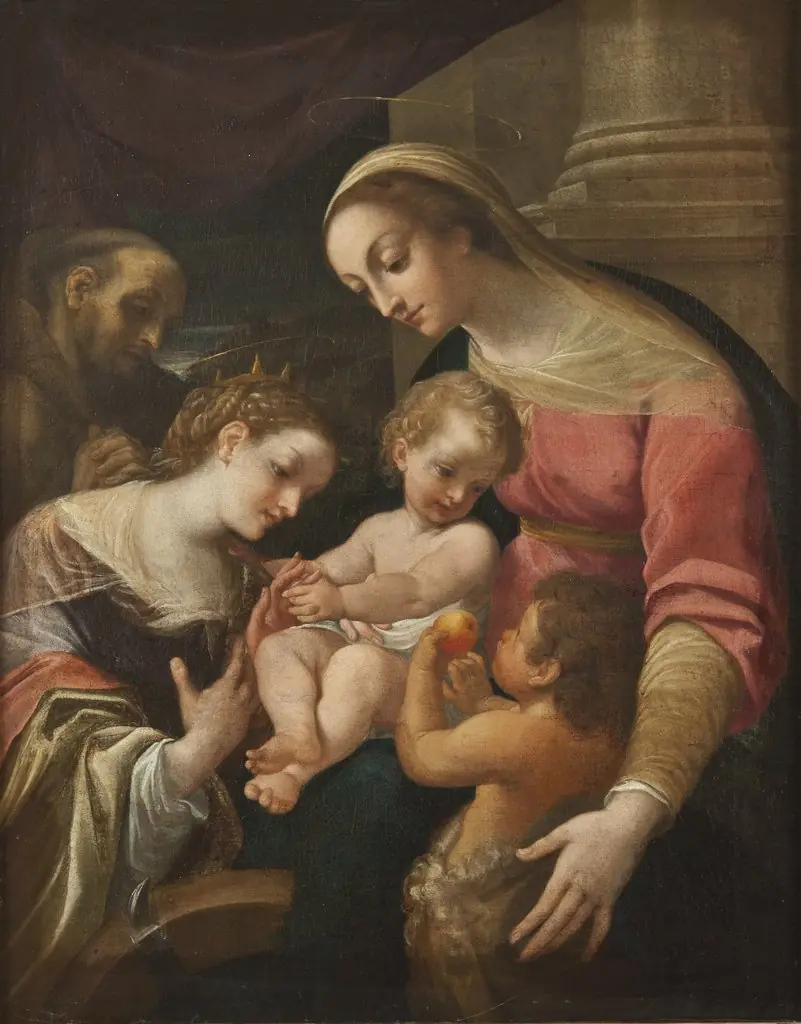 The Mystic Marriage of St Catherine
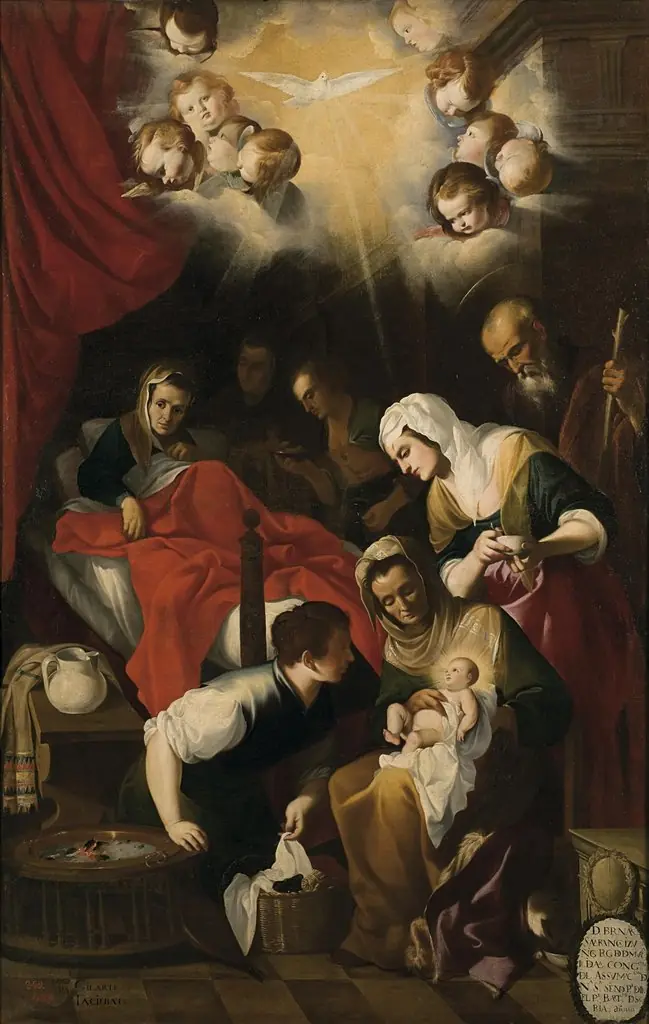 The Birth of the Virgin