Artwork
Portrait of a Lady
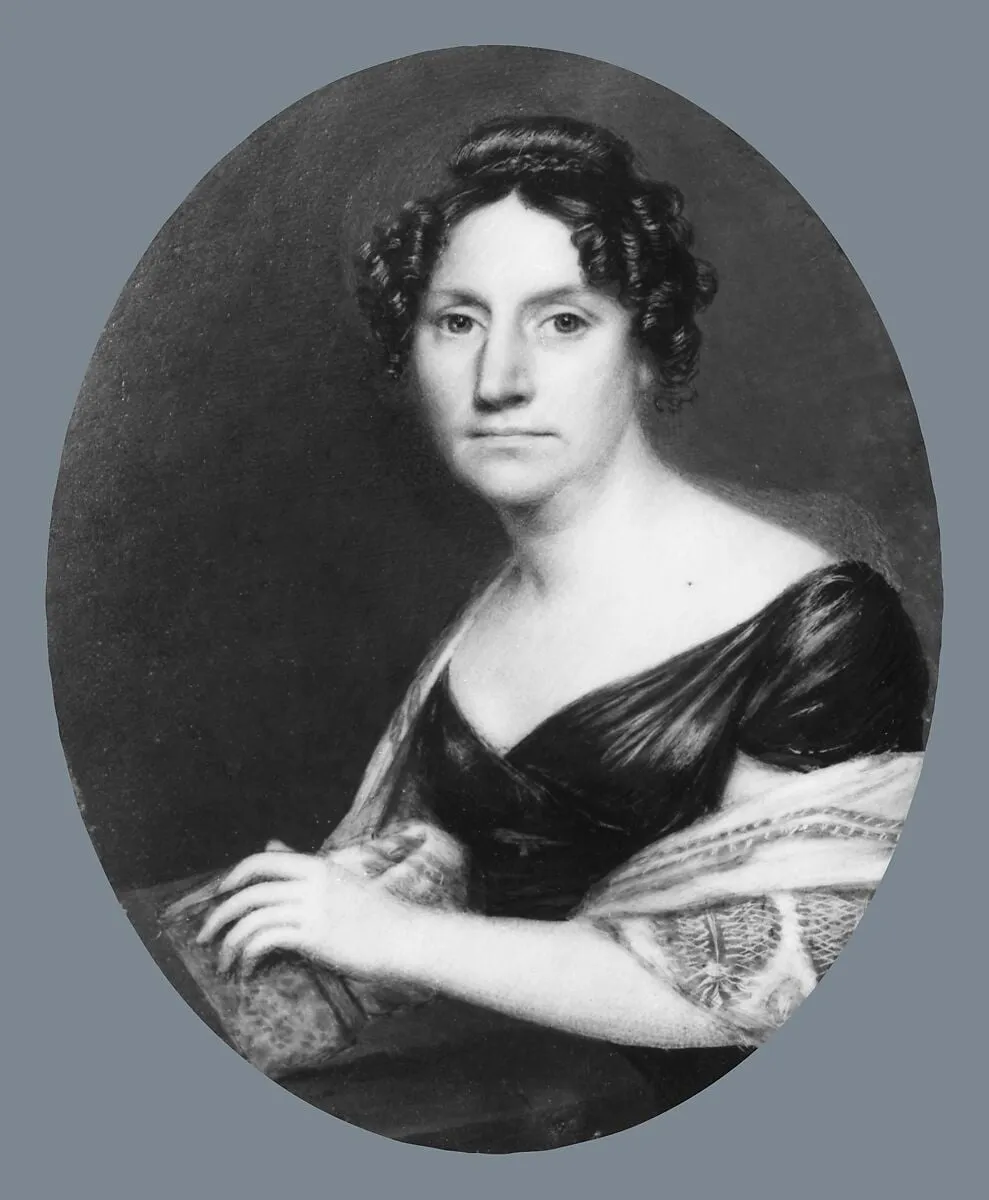
Portrait of a Lady is a watercolor painting by the Romanticist artist Nathaniel Rogers. It dates from 1820 and is held in the collection of the Metropolitan Museum of Art.
About this work
The artist used thin, see-through layers called glazing to build up color without losing the ivory’s shine.
A woman in a black dress looks straight at you. Her white lace collar is so fine you can almost feel it. Tiny brushstrokes on ivory make her skin glow.
This is a miniature, small enough to hold in your hand. In 1820, people carried these like photos in lockets. The artist used thin, see-through layers called glazing to build up color without losing the ivory’s shine.
If you like this, look up other American portraits from the same time.
Subject & Meaning
Nathaniel Rogers's 1820 watercolor on ivory depicts an unidentified woman, consistent with the conventions of early American miniature portraiture. The work presents a formal portrait of a lady, a genre that typically conveyed the sitter's1850s social standing, refinement, and feminine respectability. As a miniature painted on ivory, the object was likely intended for intimate, personal use, carried or kept close, rather than public display, suggesting its function as a token of affection or familial connection.
The generic title "Portrait of a Lady" indicates the sitter's identity was either unknown to later record-keepers or deliberately withheld, a common occurrence with early American portraits where the focus lay on idealized representation rather than individual biography. The work's place in the Metropolitan Museum of Art's American Wing underscores its significance as an example of early nineteenth-century American portrait miniature practice.
Technique & Style
Portrait of a Lady is a watercolor painting created on an ivory support. The work measures roughly 7.5 by 6 in its given units and dates to 1820. It belongs to the portrait genre and portrays a woman, as indicated by its classification within The American Wing.
The medium relies on pigment suspended in water applied to a thin ivory sheet, a technique that produces a luminous surface with delicate tonal transitions. Stylistically, the composition emphasizes a straightforward rendering of the sitter’s features, typical of early nineteenth‑century American portraiture.
History & Provenance
The miniature portrait entered the collection of The Metropolitan Museum of Art in 1985 as accession 1985.141.9, where it has remained since. The work was created in 1820 by Nathaniel Rogers, as indicated by the artist’s date and the museum’s records. No documented commission or earlier provenance is recorded in the museum’s accession file, and the portrait’s early history prior to its acquisition by the Metropolitan Museum of Art is not specified in available sources.
The Portrait of a Lady by Nathaniel Rogers is held in the collection of the Metropolitan Museum of Art, specifically within the American Wing. The work was acquired by the museum in 1985 and assigned the accession number 1985.141.9. This watercolor on ivory, created in 1820, depicts a woman and measures 7.5 cm in height by 6 cm in width. The provided sources do not record any specific exhibition history for this piece.
Legacy
Portrait of a Lady, painted by Nathaniel Rogers in 1820, is part of The American Wing at the Metropolitan Museum of Art, where its presence has shaped scholarly understanding of early American portraiture. As a watercolor on ivory depicting a woman, the work exemplifies the technical ambitions of the period and contributes to the corpus of early United States portraiture. Its inclusion in the museum’s collection provides a reference point for studies of gender representation and artistic practice in the 1820s, reinforcing Rogers’s reputation as a notable early American artist.
Overview
This watercolor on ivory, titled Portrait of a Lady, was created by Nathaniel Rogers around 1820. It presents an anonymous woman in a format characteristic of the era. As a miniature, the artwork is small in scale, designed for intimate viewing and personal possession. It is part of the American Wing collection, reflecting early 19th-century American portraiture.
Context
In the early 19th century, miniature portraits served a function akin to personal photographs today. Their compact size made them suitable for carrying, often encased within lockets or small frames, allowing individuals to keep images of loved ones close. This practice underscores the intimate and sentimental value attached to such artworks during the period, preceding the advent of photographic technology.
Artist & collection

Artist
Nathaniel Rogers (1787-1844) was an American miniature painter, born at Bridgehampton on Long Island, New York.

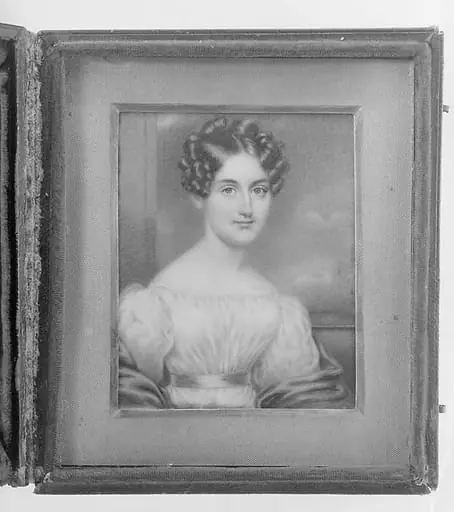
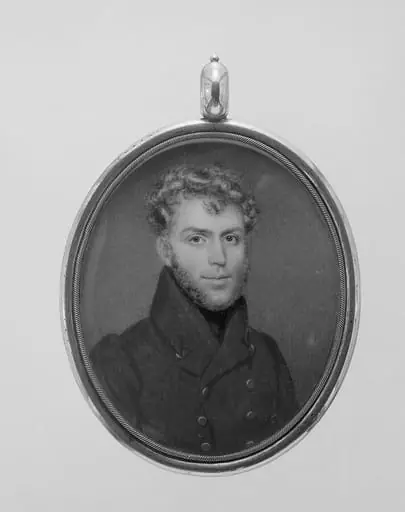
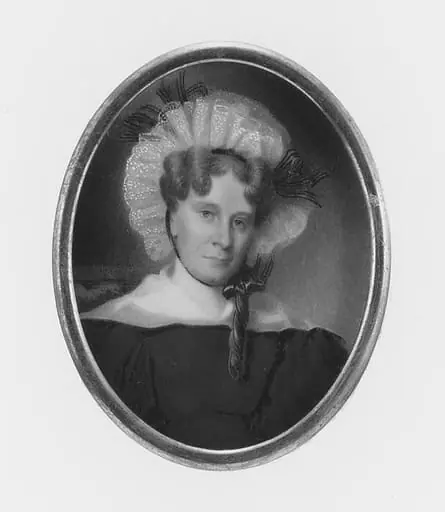 Portrait of a Lady
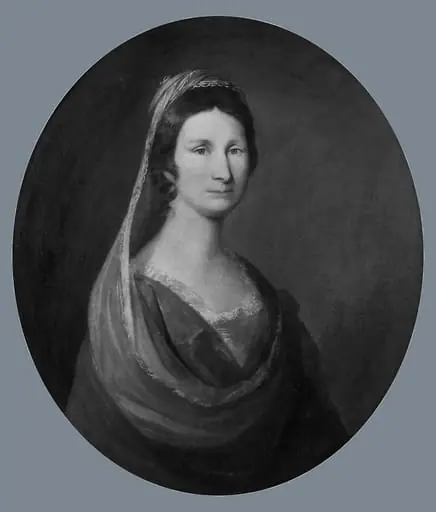 Mrs. Peter De Lancey
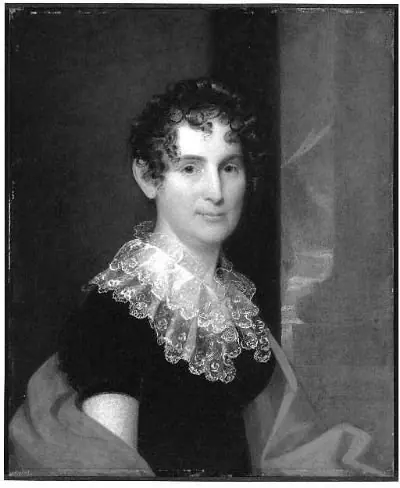 Mrs. Peter Gilman Robbins (Polly Williams)
 Appolone Smith, f. Lottrup, amtsprovst Troels Smiths anden hustru
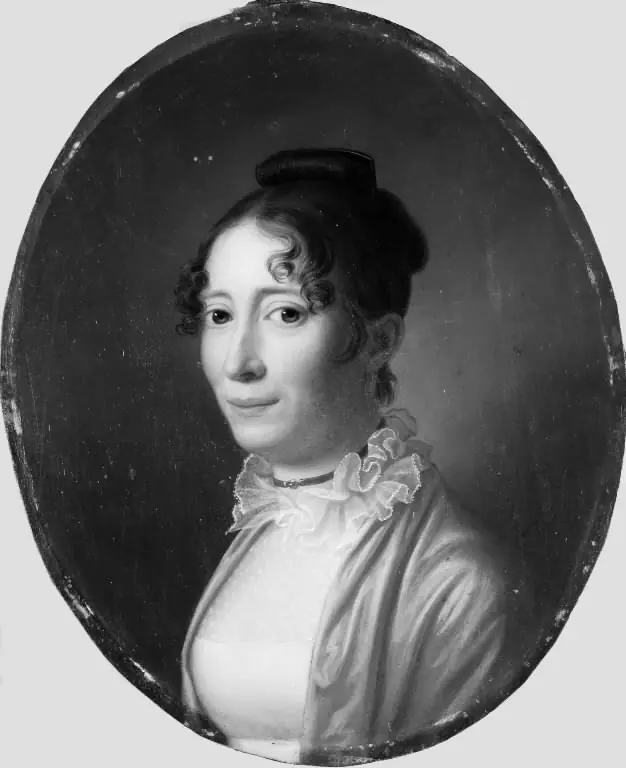 Appolone Smith, f. Lottrup, amtsprovst Troels Smiths anden hustru
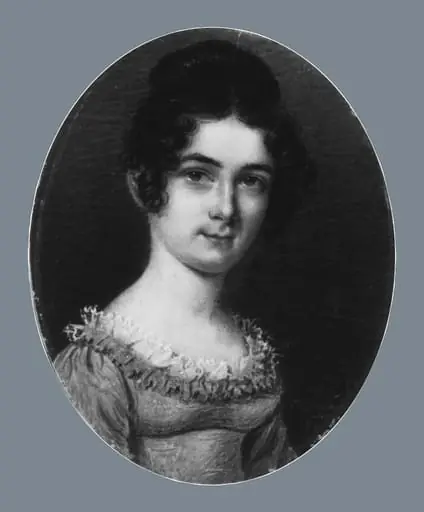 Mrs. Thomas Larcombe (Anna Smith)
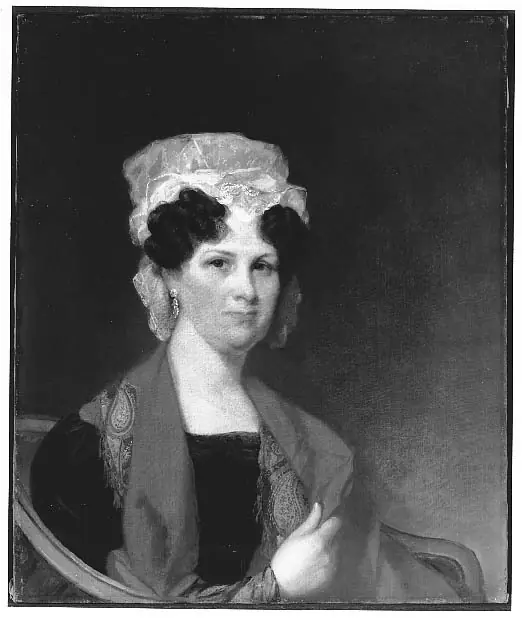 Mrs. Robert Waterston (Hephzibah Lord)
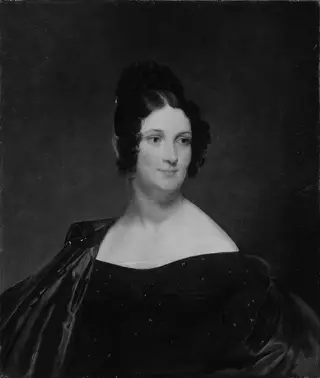 Eunice Harriet Brigham