Artwork
The Denial of Saint Peter
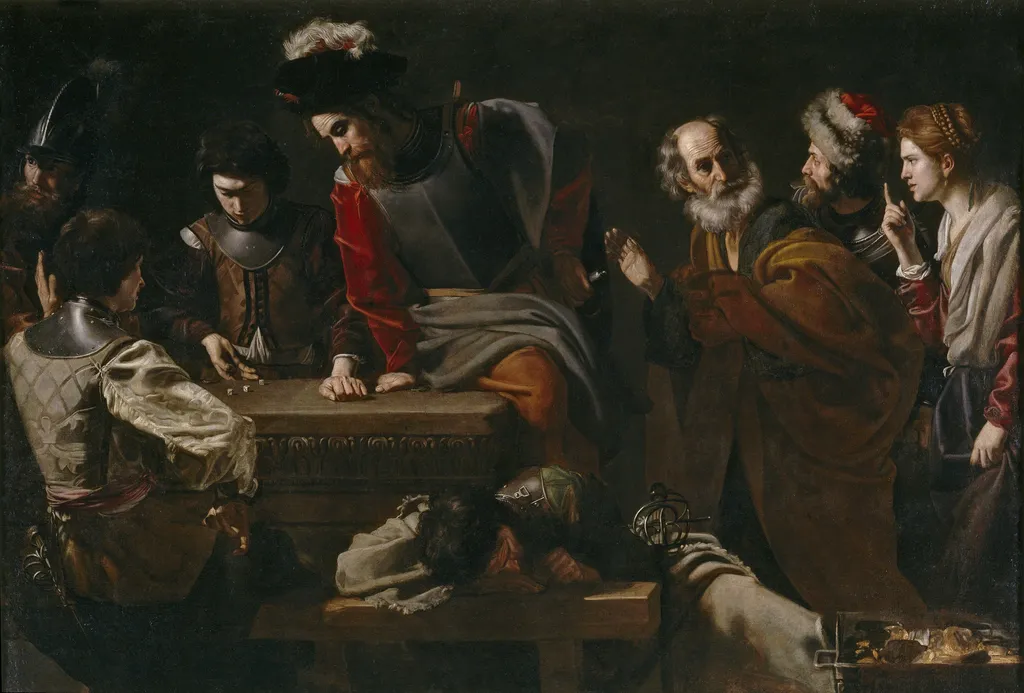
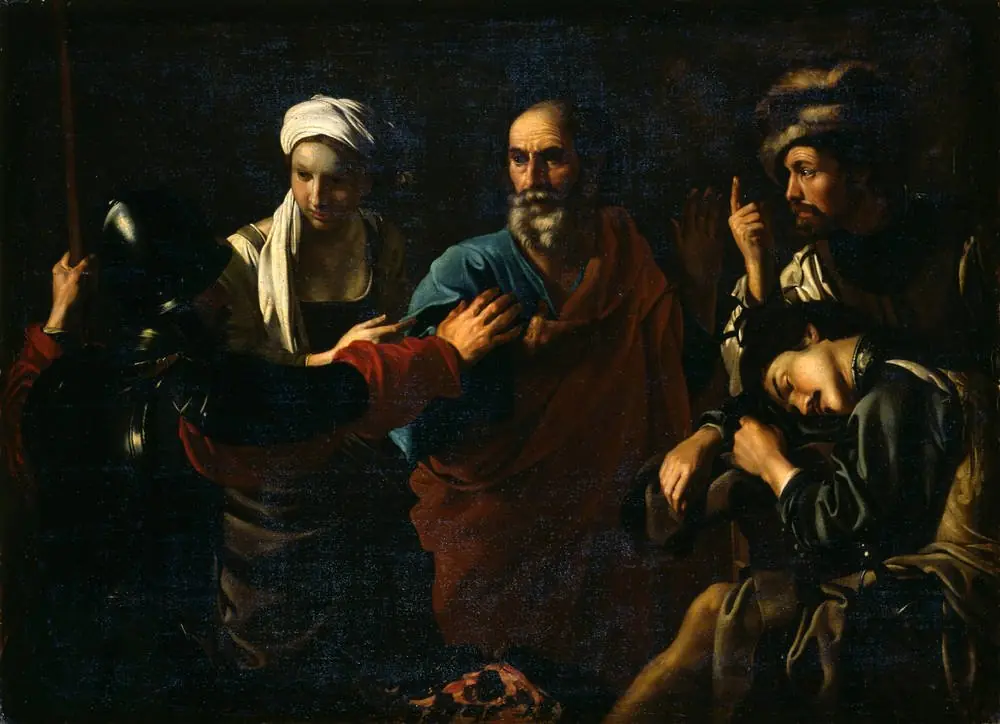
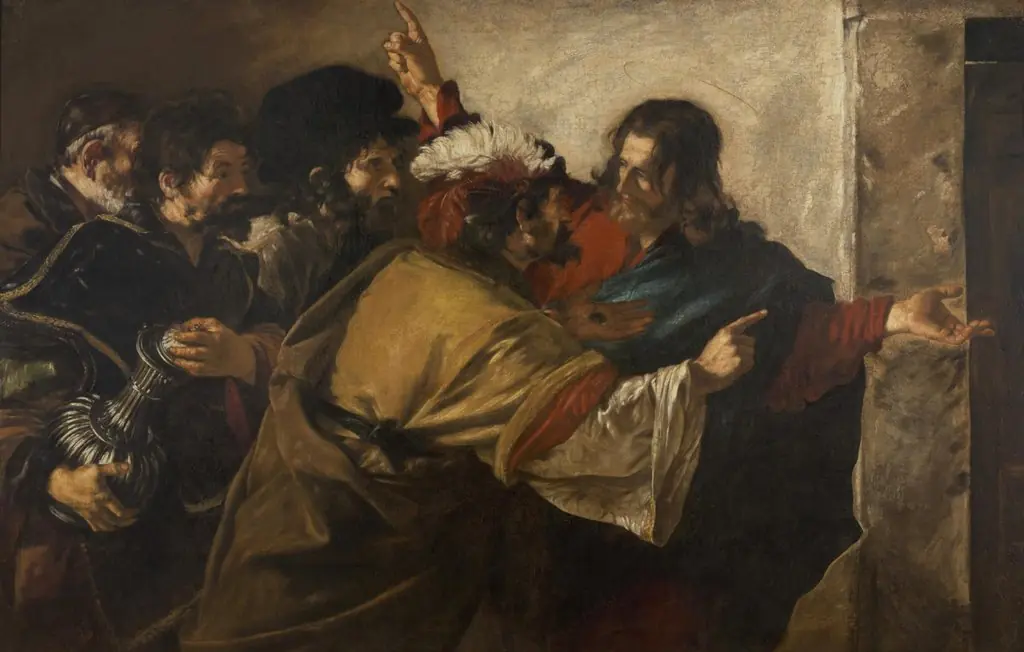
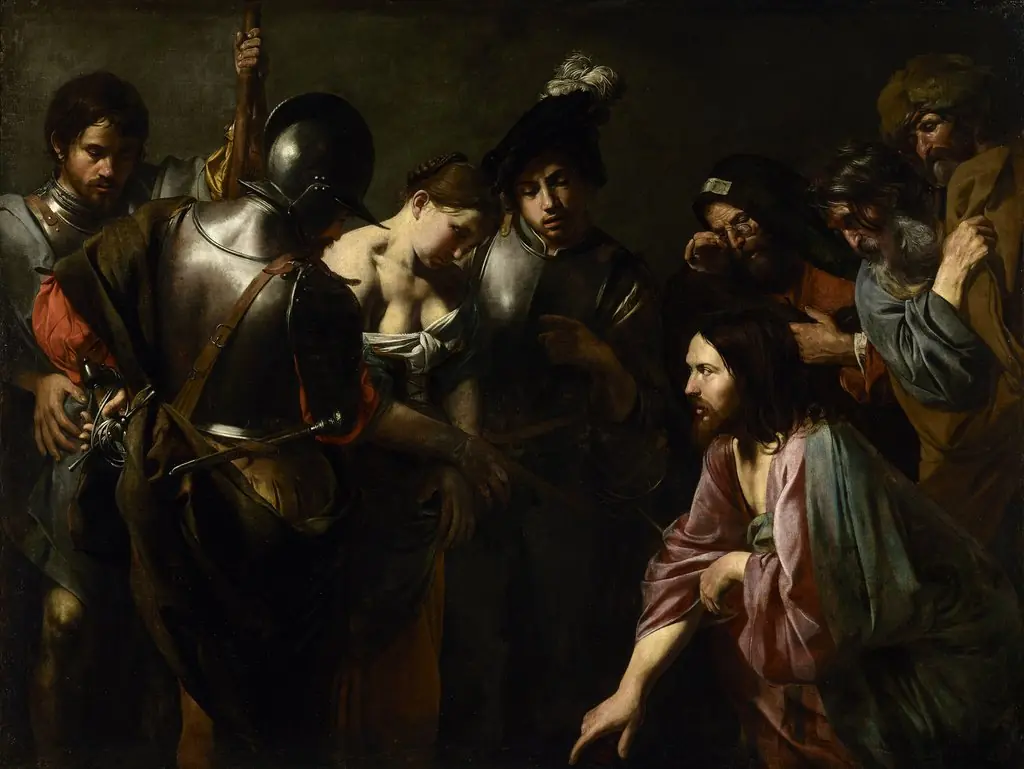
The Denial of Saint Peter is an oil painting by the Caravaggisti artist Nicolas Tournier. It dates from 1625 and is held in the collection of the Museo del Prado.
About this work
Subject & Meaning
It is part of the Museo del Prado collection in Madrid, acquired through the bequest of Pedro Fernández Durán in 1931.
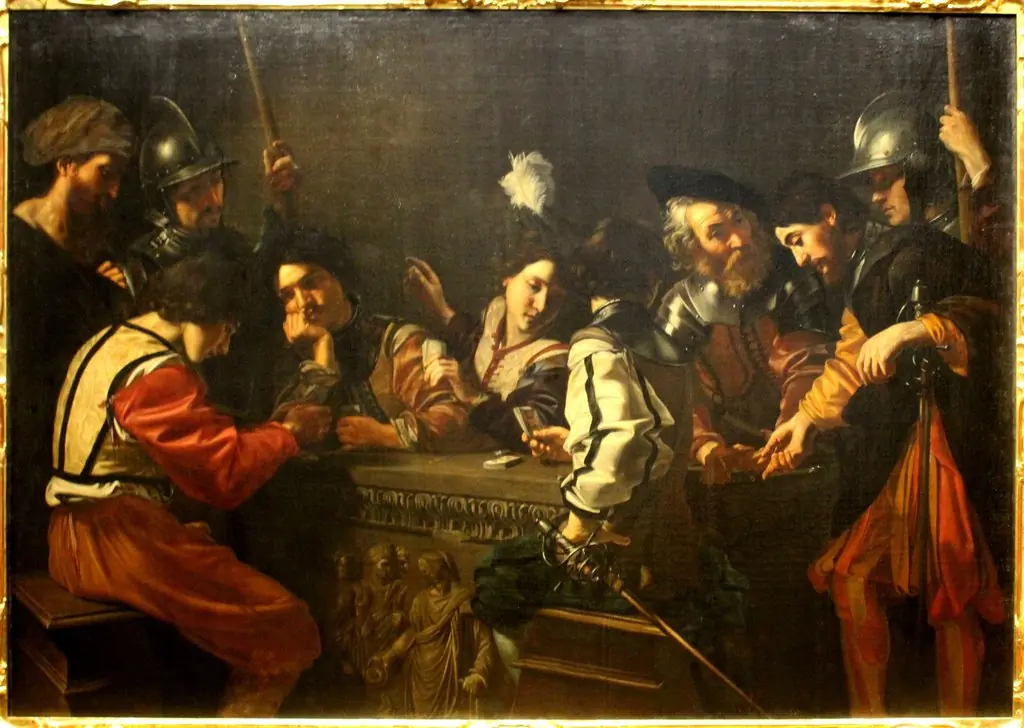
The painting shows Saint Peter turning away from two figures questioning his association with Jesus, set against a Caravaggisti-style composition with Roman soldiers playing dice and one sleeping on a bench in the foreground. The work represents the moment of Peter's denial of Christ, a key episode from the Gospel narrative. It is part of the Museo del Prado collection in Madrid, acquired through the bequest of Pedro Fernández Durán in 1931.
Technique & Style
Nicolas Tournier executed The Denial of Saint Peter between 1625 and 1626 using oil paint on a canvas support. The work measures 172 cm in height and 252 cm in width, adopting a horizontal format. Stylistically, the painting is defined by its Caravaggesque approach, a movement associated with the artist's followers of Caravaggio.
The composition is divided into distinct narrative zones: the right side depicts the apostle turning away from interrogators, while the left foreground features Roman soldiers gambling, with one figure sleeping in the immediate foreground rendered in foreshortening.
History & Provenance
Nicolas Tournier executed The Denial of Saint Peter between 1625 and 1626. Created as a horizontal oil on canvas, the work depicts the biblical scene of Peter's denial alongside Roman soldiers in a Caravaggesque style. The painting entered the collection of the Museo del Prado in Madrid through the bequest of Pedro Fernández Durán. It has been held by the museum since 1931.
The work is held in the collection of the Museo del Prado, Madrid, where it has been conserved since 1931. It entered the museum as part of the bequest of Pedro Fernández Durán.
Its accession number within the Prado’s holdings is not specified in the cited sources.
Context
Nicolas Tournier’s Denial of Saint Peter (1625) is widely discussed as a quintessential example of French Caravaggism, aligning with the chiaroscuro and dramatic naturalism associated with Caravaggio’s followers. The composition’s division between the questioning figures on the right and the indifferent soldiers at dice on the left underscores Tournier’s debt to tenebrist technique and narrative concision. Acquired in 1931 through the Pedro Fernández Durán bequest, the painting has been maintained in the Museo del Prado’s holdings, where it remains accessible for study of early‑seventeenth‑century religious imagery in Spain.
Overview
The Denial of Saint Peter is a 1625 oil painting by Nicolas Tournier, a French artist associated with the Caravaggisti movement.
Own this work as a print
Artist & collection
Artist
Nicolas Tournier (baptised 12 July 1590 – d. before February 1639) was a French Baroque painter. Born in Montbéliard, he followed the profession of his father, André Tournier, "a Protestant painter from Besançon".…