Artwork
Saint Paul the Hermit
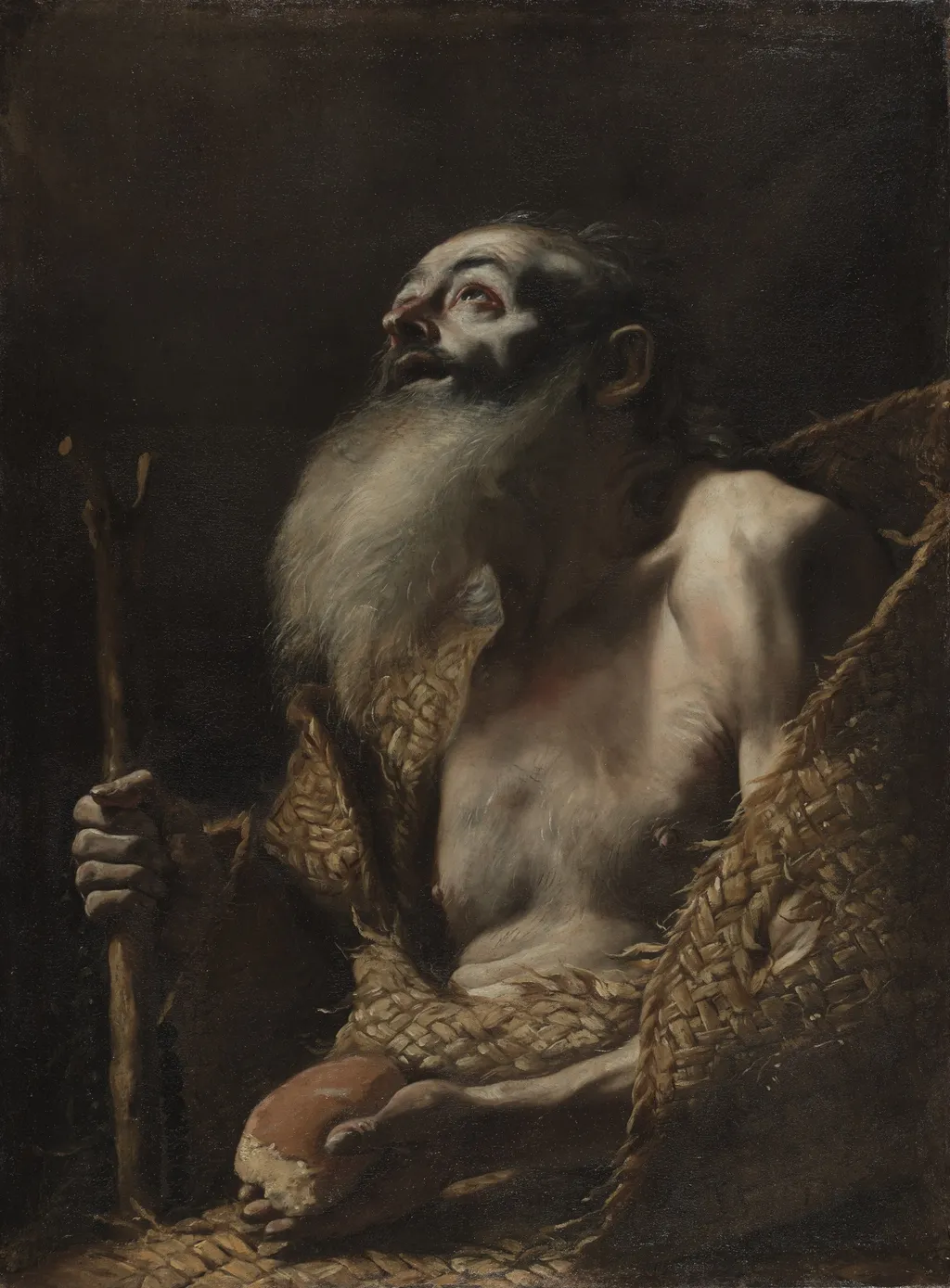
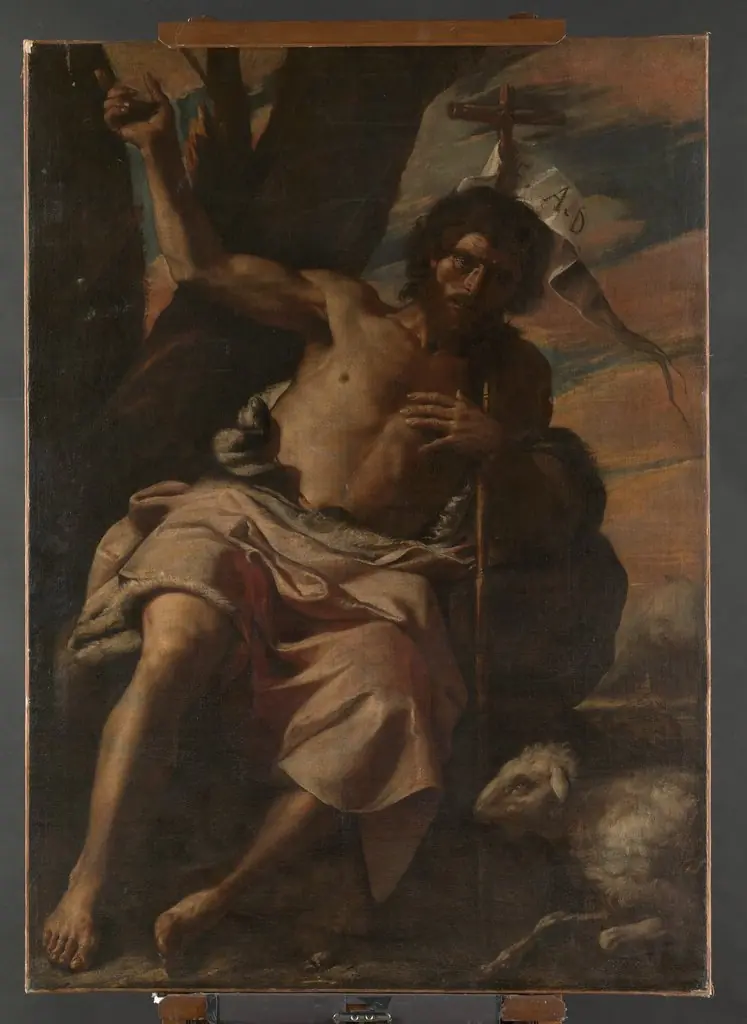
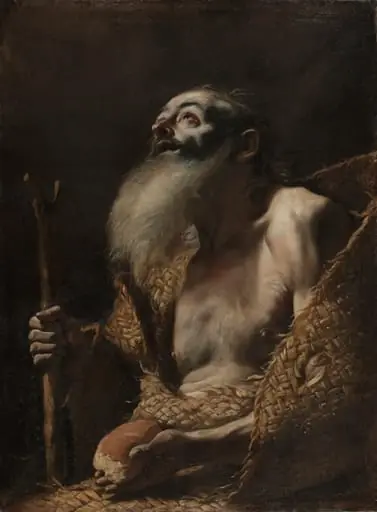
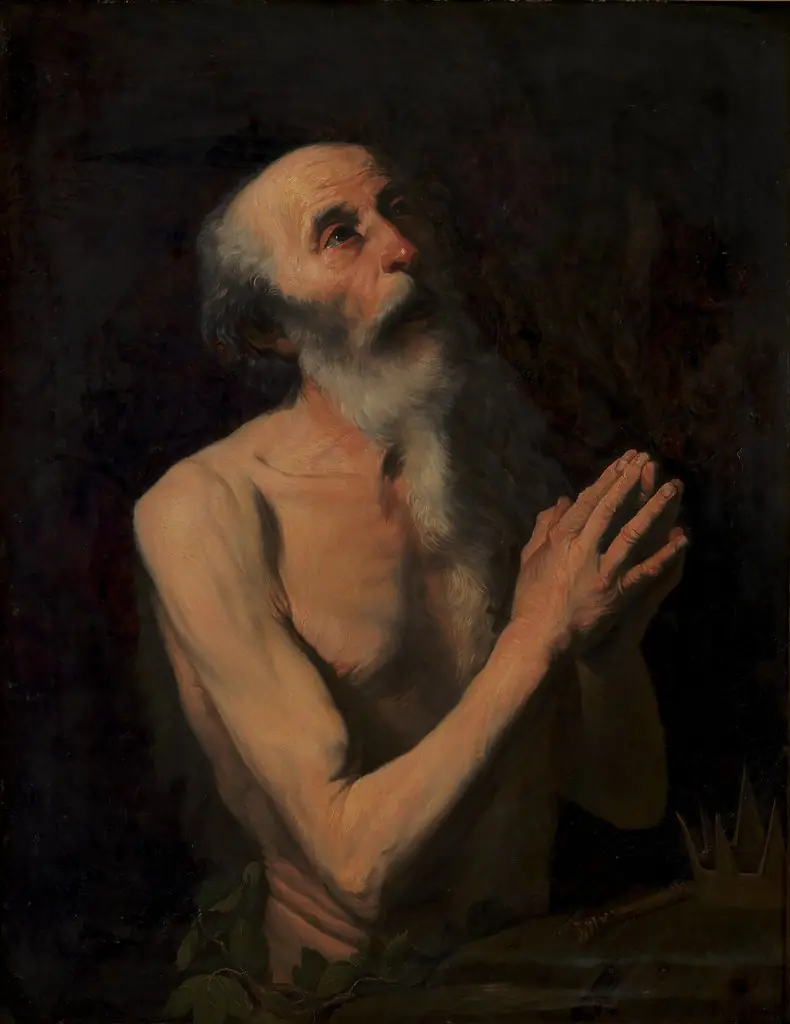
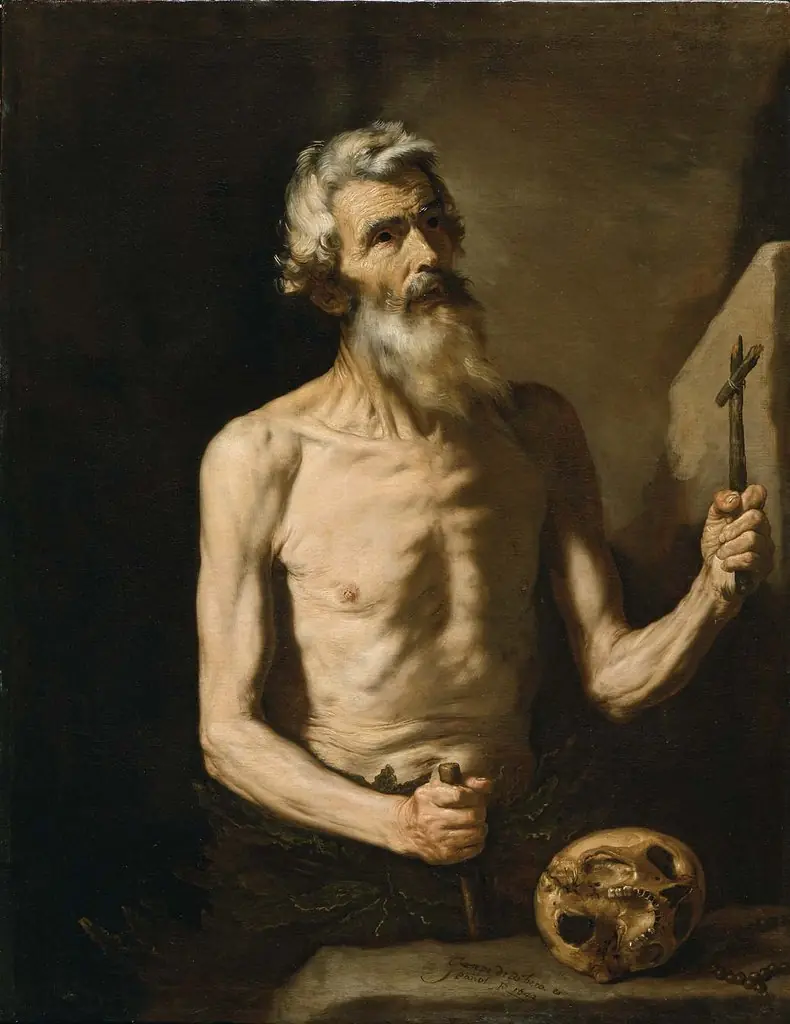
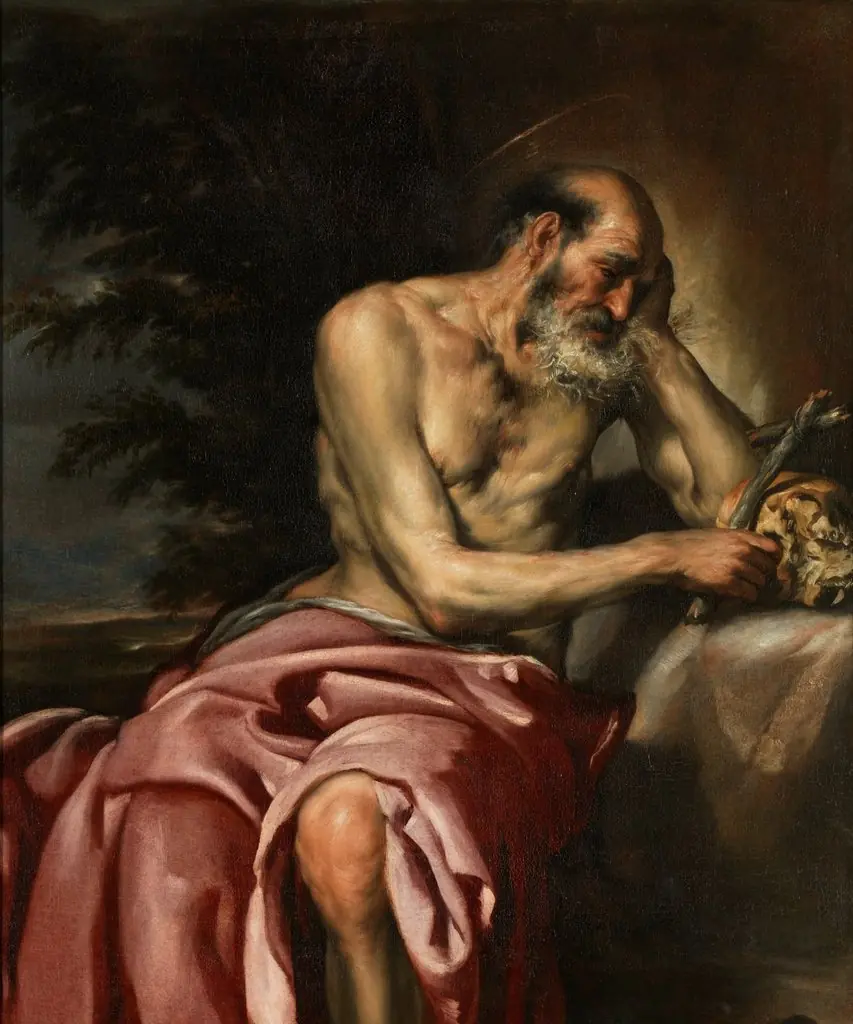
Saint Paul the Hermit is an oil painting by the High Baroque Italian artist Mattia Preti. It dates from 1660 and is held in the collection of the Cleveland Museum of Art.
About this work
Subject & Meaning
The painting depicts Paul of Thebes, known as Saint Paul the Hermit, a third-century Egyptian hermit traditionally regarded as the first Christian anchorite.
The painting depicts Paul of Thebes, known as Saint Paul the Hermit, a third-century Egyptian hermit traditionally regarded as the first Christian anchorite. Mattia Preti's 1660 canvas presents the saint as the solitary main subject, reflecting the genre of religious art. The work represents the archetype of eremitic devotion, withdrawal from society for spiritual contemplation in the wilderness.
As a religious painting from the Baroque period, it embodies the Counter-Reformation emphasis on individual piety and asceticism. The hermit saint's isolation and dedication to faith serve as a model of Christian virtue, with the image intended to inspire contemplation and spiritual reflection in the viewer.
Technique & Style
Executed in 1660 by Mattia Preti, this religious work is an oil painting on canvas. Created in Italy, the piece measures 103.0 cm in height and 76.2 cm in width. The composition depicts Paul of Thebes, adhering to the conventions of religious art associated with the artist's Italian period.
While the specific handling of the brushwork and current physical condition are not detailed in the available records, the fundamental material construction is confirmed as oil pigment applied to a woven canvas support.
History & Provenance
The painting Saint Paul the Hermit by Mattia Preti is dated to 1660, aligning with the artist’s mature Neapolitan period. It entered the collection of the Cleveland Museum of Art as accession number 1969.109, where it remains housed. The work’s Italian provenance is tied to its creation during Preti’s residency in Naples, a period marked by his engagement with dramatic chiaroscuro and religious subject matter.
No documented commission or early ownership history beyond its inclusion in the Cleveland Museum’s holdings is recorded in available sources.
Saint Paul the Hermit by Mattia Preti, an oil-on-canvas work dated 1660, is held in the collection of the Cleveland Museum of Art. Its accession number is 1969.109, as recorded in the Wikidata entry for the painting. The work was created in Italy and entered the museum's holdings in 1969. No prior exhibition history is documented in the available sources.
Context
Mattia Preti, an Italian Baroque painter active in the mid‑seventeenth century, produced this oil on canvas depiction of Saint Paul the Hermit in 1660. The work belongs to his mature religious oeuvre, characterized by dramatic chiaroscuro and a focus on hagiographic subjects. As part of the Cleveland Museum of Art’s European collection, the painting illustrates the museum’s acquisition of Baroque works from Italy, reflecting broader 20th‑century efforts to document the period’s devotional art.
Scholarship situates the composition within Preti’s late output, noting its role in the evolution of solitary saint imagery that influenced subsequent European religious painting.
Legacy
The canvas titled Saint Paul the Hermit, executed by Mattia Preti in 1660, exemplifies the artist’s mature Baroque style and his focus on saintly solitary figures. Depicting Paul of Thebes, the work functions as a devotional image that underscores themes of asceticism and divine vision. After its creation in Italy, the painting entered the collection of the Cleveland Museum of Art, where its scholarly cataloguing and public display have reinforced Preti’s standing as a significant figure in 17th‑century Italian religious art.
The painting’s provenance and visual program continue to inform studies of Counter‑Reformation iconography and the transmission of Baroque aesthetics across Europe.
Overview
Mattia Preti's oil painting, Saint Paul the Hermit, dating from 1660, portrays Paul of Thebes, an early Christian ascetic. This work, now part of The Cleveland Museum of Art's collection, captures the saint in a moment of profound contemplation. The artist employs a dramatic visual language to convey the spiritual intensity associated with the hermit's solitary existence, characteristic of Baroque painting.
Own this work as a print
Artist & collection

Artist
Mattia Preti was an Italian Baroque artist who worked in Italy and Malta. He was appointed a Member of the Order of Saint John.