Artwork
Saint Onufrius
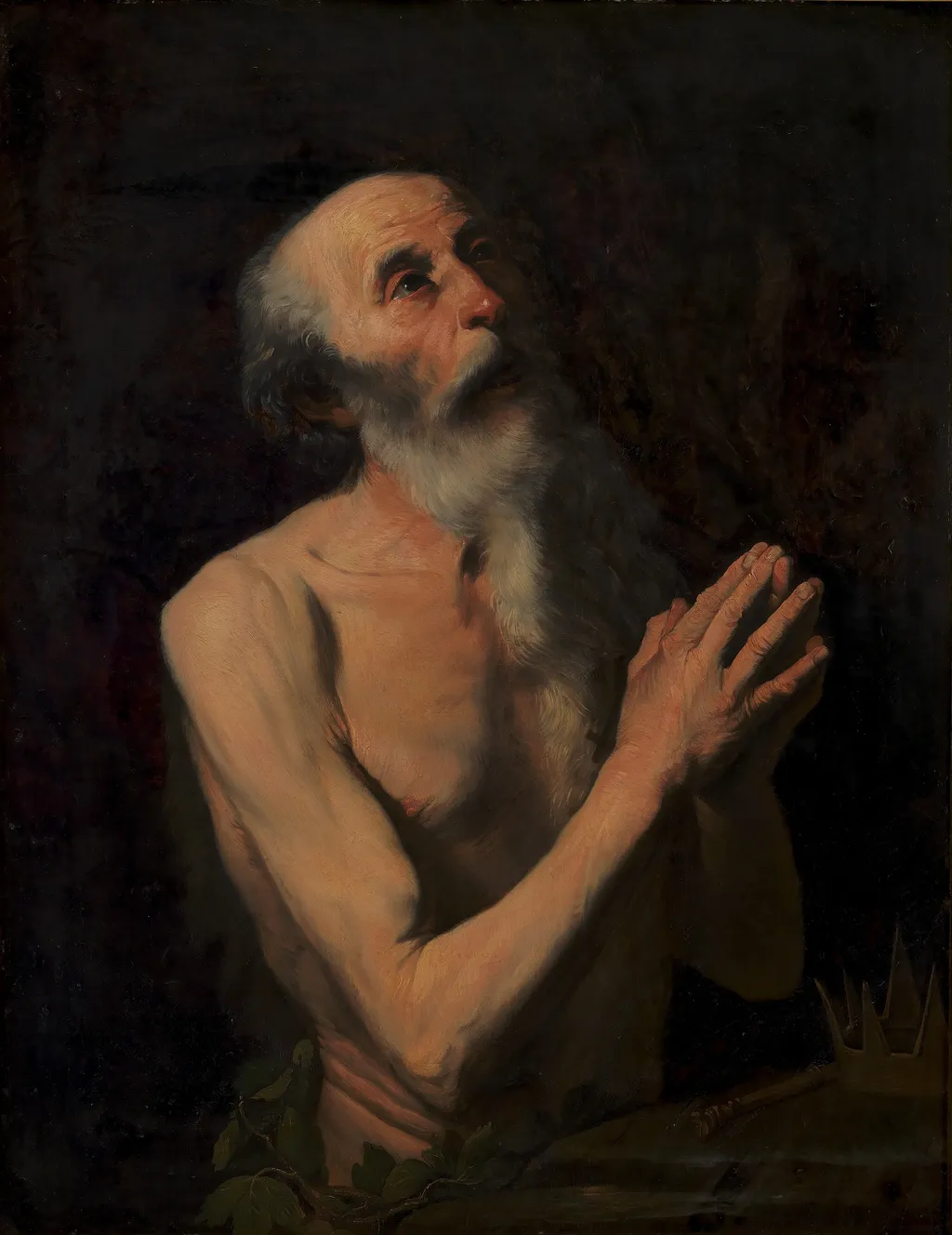
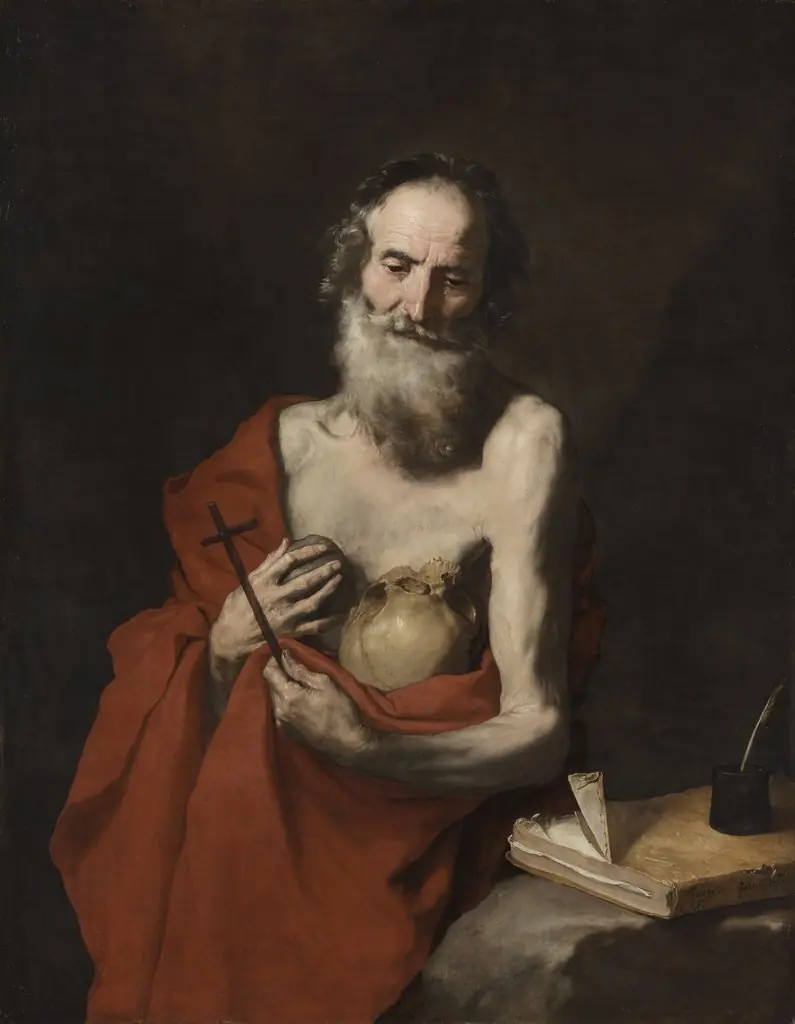
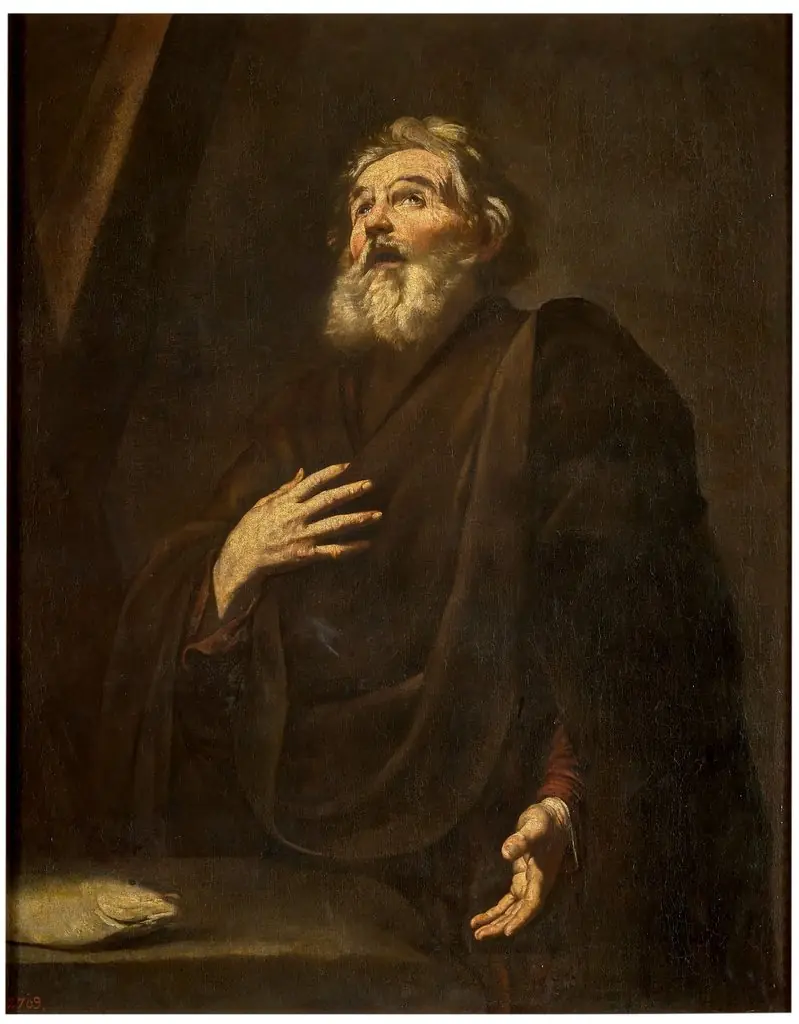
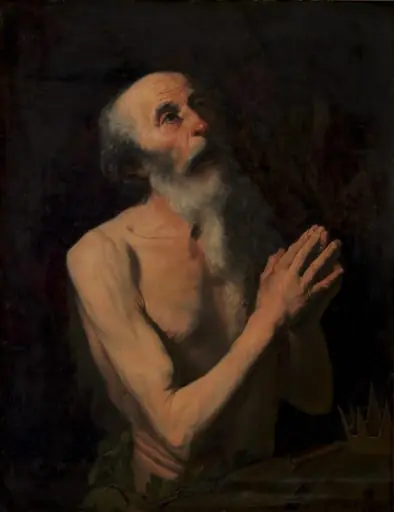
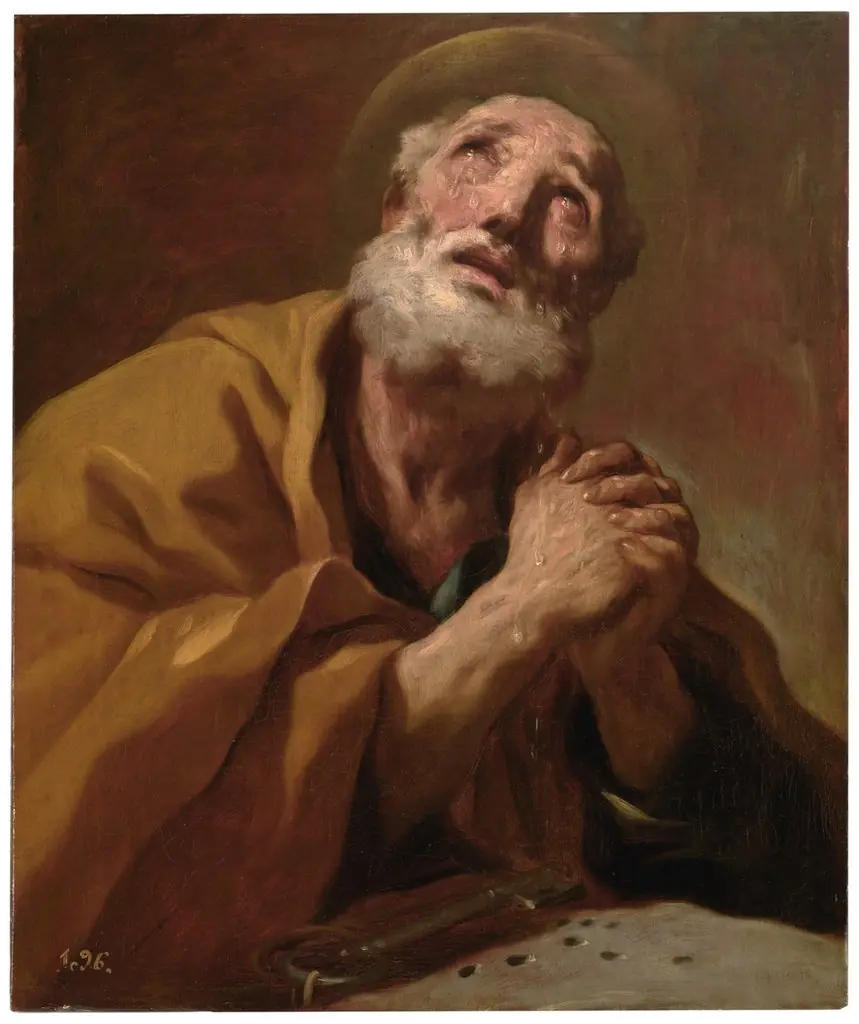
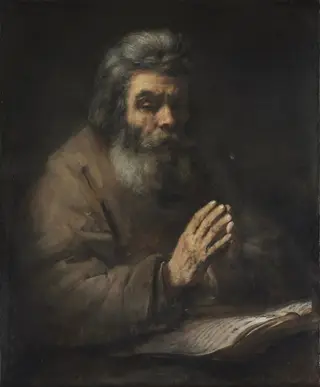
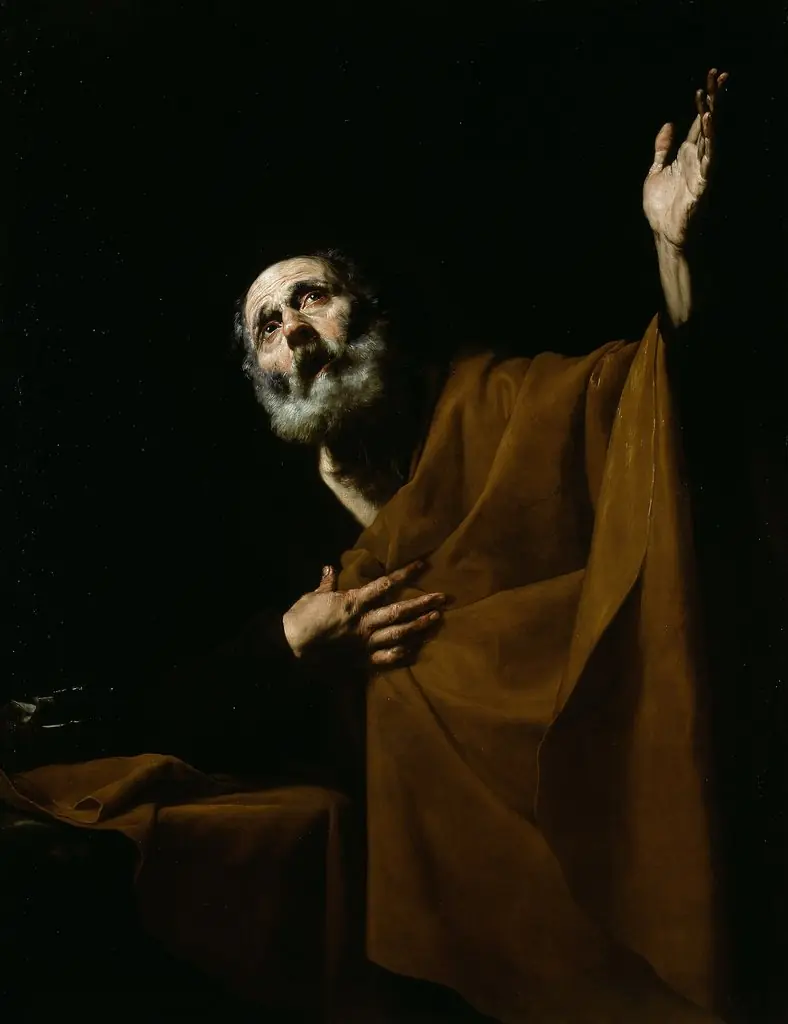
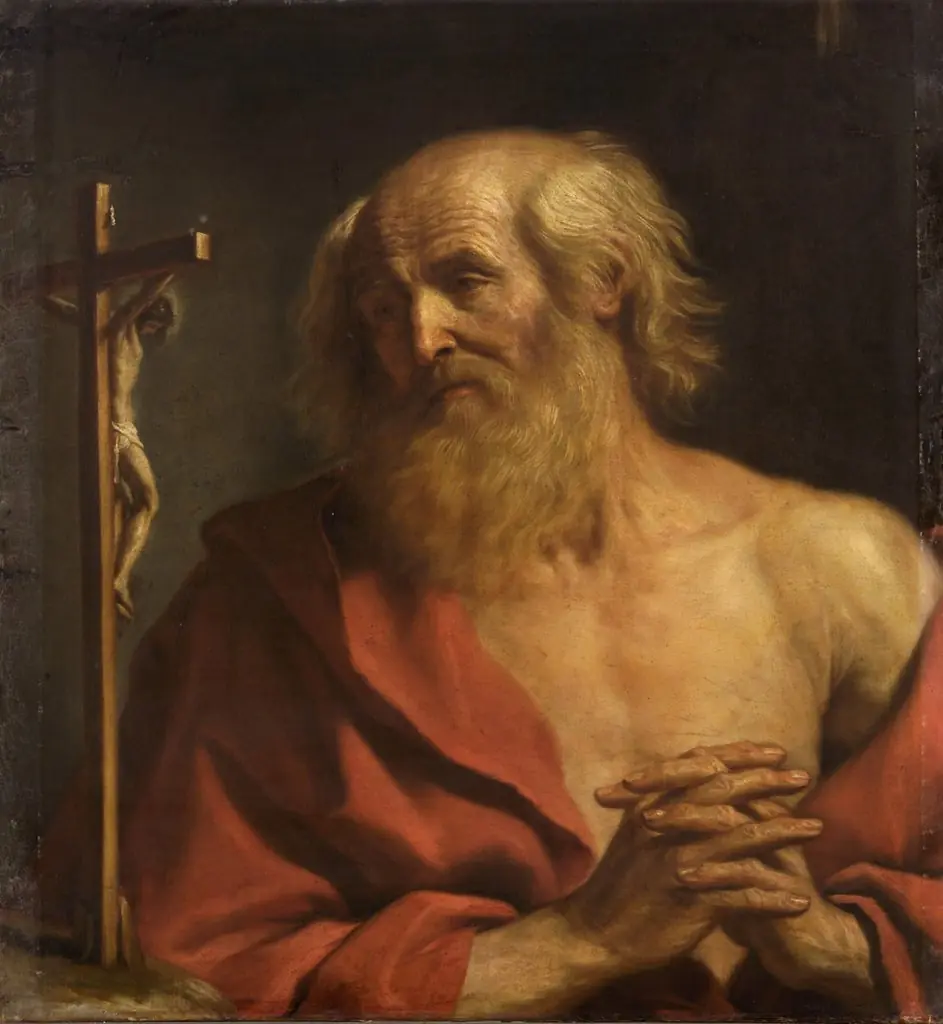
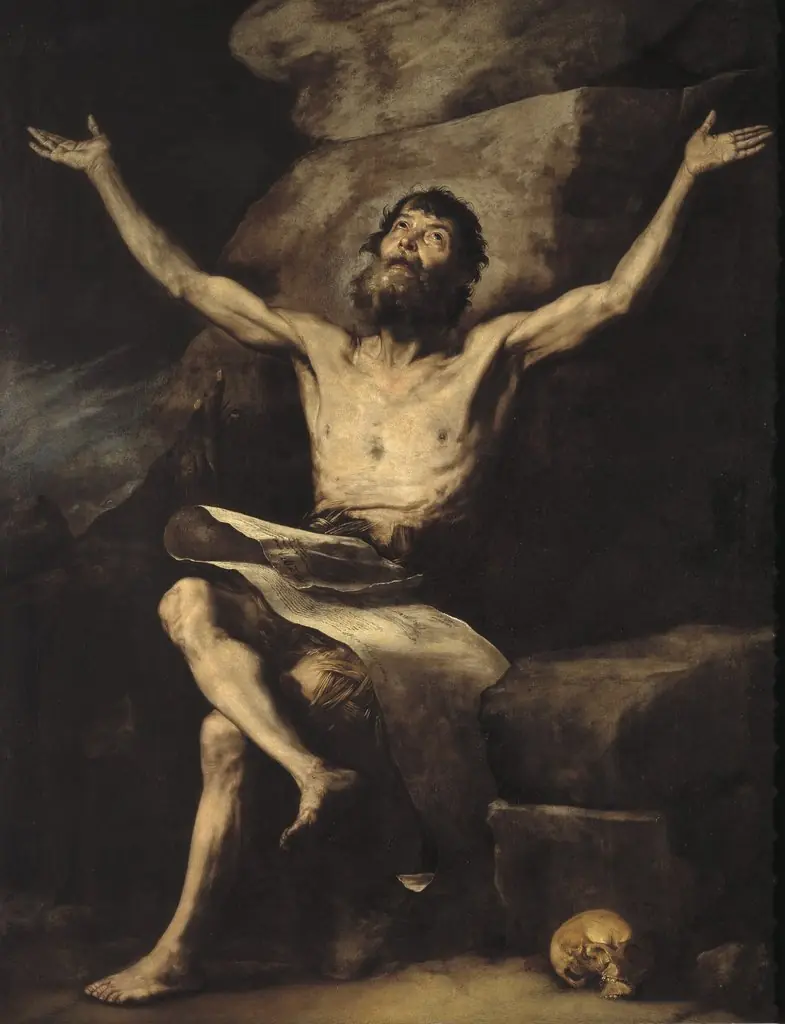
Saint Onufrius is an unspecified painting by the Spanish Baroque Tenebrist artist Jusepe de Ribera. It is held in the collection of the Statens Museum for Kunst. Created in 1700, this oil painting portrays a bearded hermit saint in a moment of prayer.
About this work
Subject & Meaning
The composition’s stark lighting and realistic detail serve to heighten the emotional impact, reinforcing the saint’s role as a model of contemplative virtue.
The painting portrays the hermit Saint Onufrius, a figure associated with solitude and asceticism in Christian tradition. His depiction emphasizes spiritual withdrawal, often symbolized by his simple attire and contemplative posture. The work reflects Counter-Reformation interests in saints who embodied self‑denial and inner devotion, aligning with Ribera’s focus on intense, humanized religious subjects. It is classified as a portrait genre painting, highlighting the saint’s individuality while conveying his theological significance.
The iconography follows established conventions of saintly representation, underscoring themes of penitence and divine illumination. The composition’s stark lighting and realistic detail serve to heighten the emotional impact, reinforcing the saint’s role as a model of contemplative virtue.
History & Provenance
The painting Saint Onufrius by Jusepe de Ribera (dated 1700) is part of the collection at Statens Museum for Kunst and is listed there under its inventory number. It has been exhibited as part of the museum’s display of Spanish portraiture and has appeared in several exhibitions of Baroque art at the institution.
The work measures 910 centimeters in height and 705 centimeters in width.
Context
Jusepe de Ribera painted Saint Onufrius in 1700, a work now housed in the Statens Museum for Kunst. The painting, measuring 910 cm by 705 cm, portrays the hermit saint Onuphrius and belongs to the portrait genre. As part of Ribera's oeuvre, it reflects his engagement with devotional subjects during the Baroque period.
Scholarship on the work remains limited, though its presence in a major museum collection underscores its significance within the artist's broader religious themes.
Legacy
The painting’s later influence and reputation are tied to its presence in the collection of the Statens Museum for Kunst, where it has been studied as a representative example of Ribera’s late work. Its depiction of Onuphrius has contributed to scholarly discussions of the saint’s iconography in Spanish Baroque art, reinforcing the profile of Saint Onufrius within museum displays and academic literature.
Overview
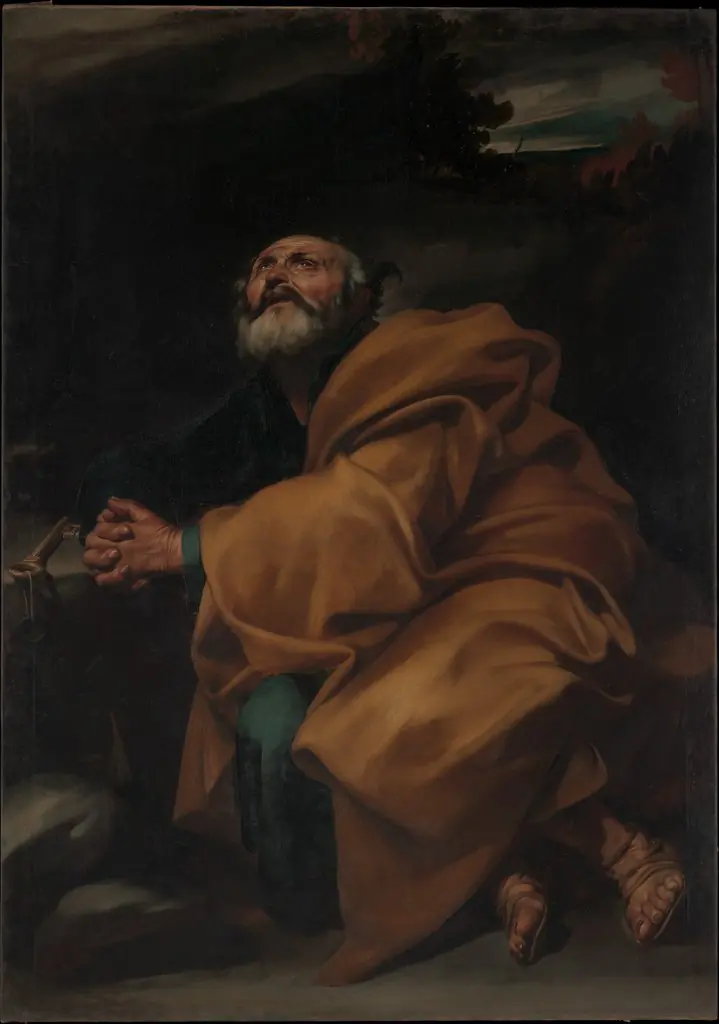
Created in 1700, this oil painting portrays a bearded hermit saint in a moment of prayer. The figure is nude except for a vine encircling his waist, his gaze lifted upward and his hands joined. A dark backdrop, tinged faintly with red, frames the composition, emphasizing the saint’s contemplative expression through stark light and shadow.
Technique & Style
Executed in Ribera’s characteristic tenebrist manner, the painting employs dramatic chiaroscuro to model the saint’s features. The luminous illumination isolates the face and hands, while the surrounding darkness recedes, creating a three‑dimensional effect. The brushwork conveys realistic texture in the beard and skin, reinforcing the Baroque emphasis on visceral immediacy.
Own this work as a print
Artist & collection
Artist
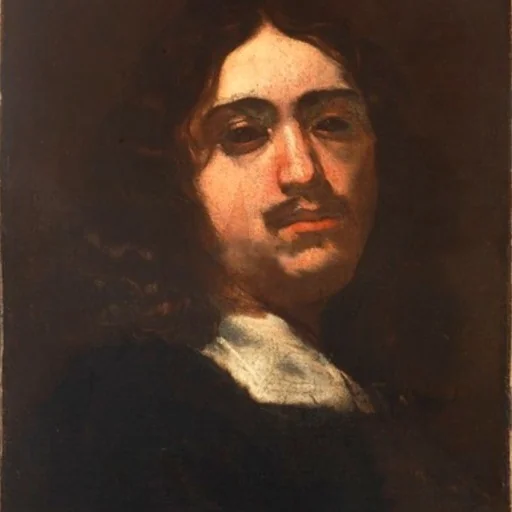
Jusepe de Ribera (Valencian:; baptised 17 February 1591 – 3 November 1652) was a Spanish painter and printmaker.