Artwork
Orfeu în infern
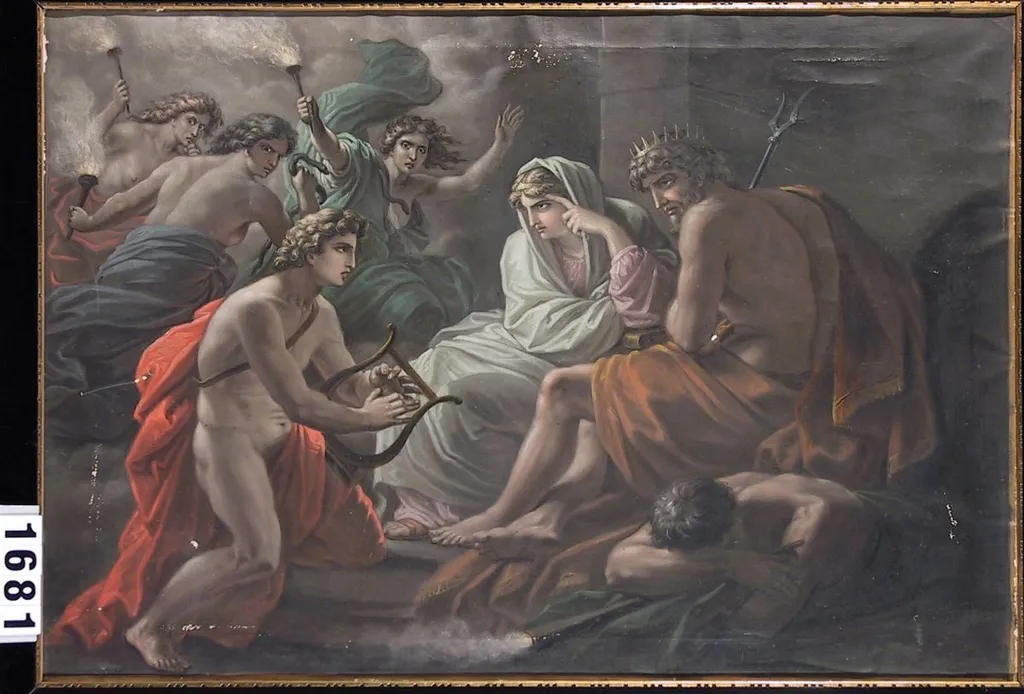
Orfeu în infern is an unspecified painting by the Academic Art artist Mișu Popp. It is held in the collection of the Brukenthal National Museum. This image depicts Orpheus, the legendary musician, within the underworld, a seldom-represented scene in visual art.
About this work
Overview
This image depicts Orpheus, the legendary musician, within the underworld, a seldom-represented scene in visual art.
This image depicts Orpheus, the legendary musician, within the underworld, a seldom-represented scene in visual art. He stands alone in a cavern illuminated solely by the faint luminescence of the surrounding stones. His posture is still, his expression composed, suggesting a moment of quiet resolve rather than despair. The absence of visible light sources emphasizes the unnatural, otherworldly atmosphere of the realm he has entered.
Subject & Meaning
Orpheus, known for his ability to charm all living things with his music, is shown here in Hades, where he ventured to retrieve his deceased wife, Eurydice. The lyre in his hand signifies his power to move even the dead, while the scroll may reference the myth’s written traditions or his own songs. His calm demeanor contrasts with the typical drama of the myth, hinting at acceptance or inner stillness amid the realm of the lost.
Technique & Style
The artist employs a subdued palette dominated by deep shadows, with the only illumination emanating from the glowing rocks, creating an eerie, self-contained luminescence. The figure of Orpheus is rendered with restrained detail, his red robe standing out as the sole vivid element. The lack of visible light sources and the absence of narrative action focus attention on mood and atmosphere rather than dramatic storytelling.
History & Provenance
The work’s origins are undocumented in public records, and no known artist or date is associated with it. Its classification as an image suggests it may derive from a private collection, a modern illustration, or a digital reinterpretation. The rarity of Orpheus in the underworld as a subject in traditional Western art makes its appearance here unusual, though its exact historical context remains unclear.
Context
Classical myths of Orpheus were commonly depicted in Renaissance and Baroque art, typically focusing on his descent, his song before Hades and Persephone, or his tragic loss of Eurydice. This image diverges by isolating him in the underworld without other figures or climactic action. It reflects a modern interest in psychological introspection over narrative spectacle, aligning with 20th-century reinterpretations of myth.
Legacy
Though not part of a canonical artistic tradition, this image contributes to a growing body of contemporary visualizations that reframe ancient myths as internal, solitary experiences. Its quiet tone and symbolic use of light invite contemplation rather than emotional spectacle, offering a minimalist counterpoint to more theatrical depictions of Orpheus in art history.
Artist & collection


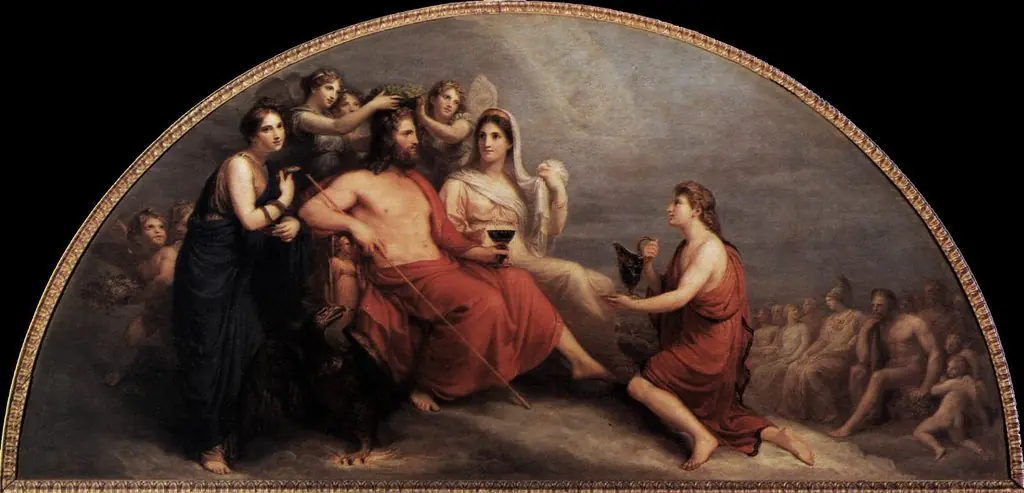 The Olympus (Jupiter, Crowned with Myrtle By the Hours, Proffers a Goblet to Ganymede to Be Served Nectar)
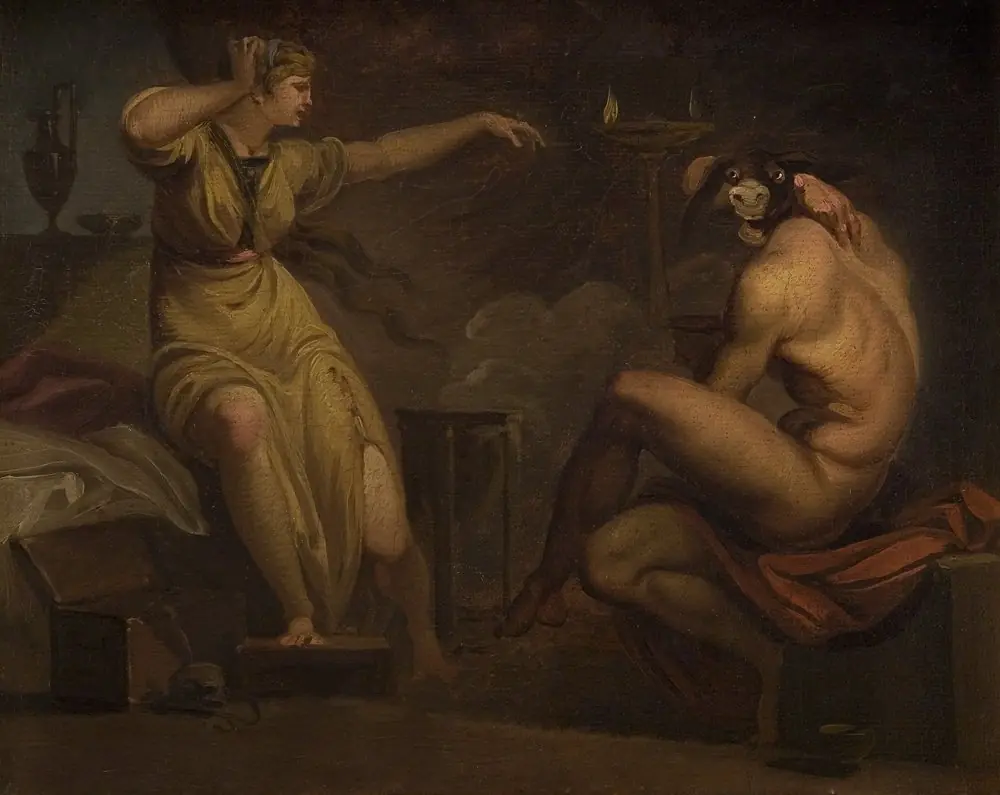 Fotis sees her Lover Lucius Transformed into an Ass. Motif from Apeleius' The Golden Ass
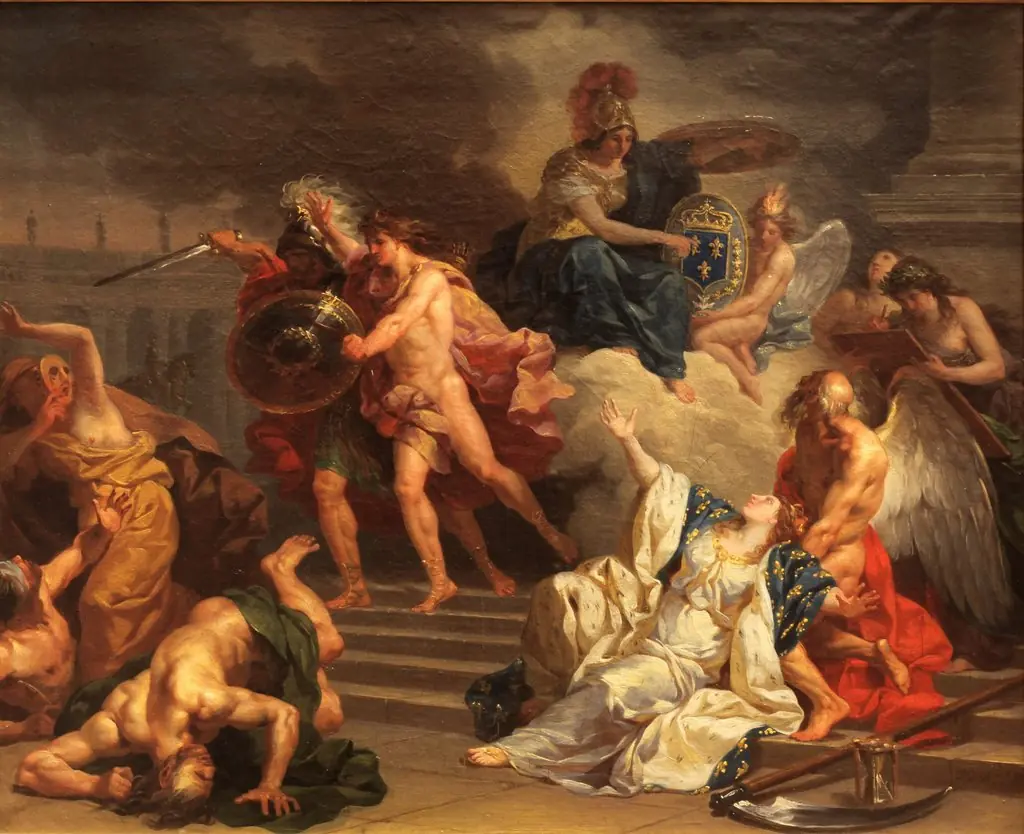 France comforted by Time
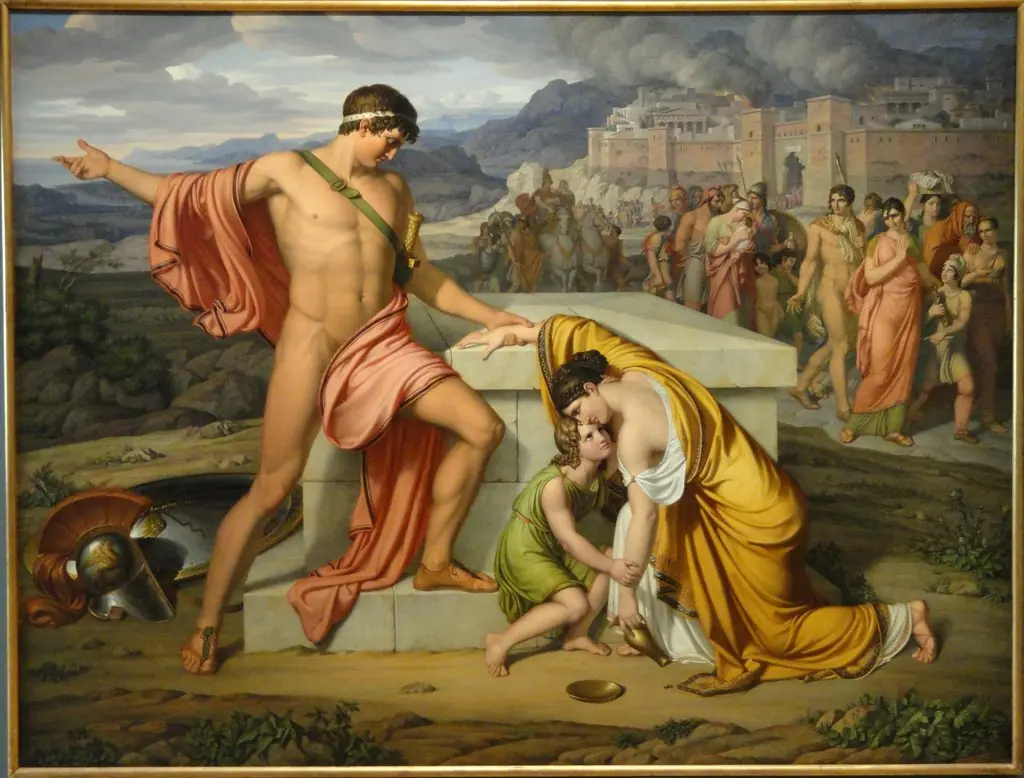 Pyrrhus and Andromache at Hector's Tomb
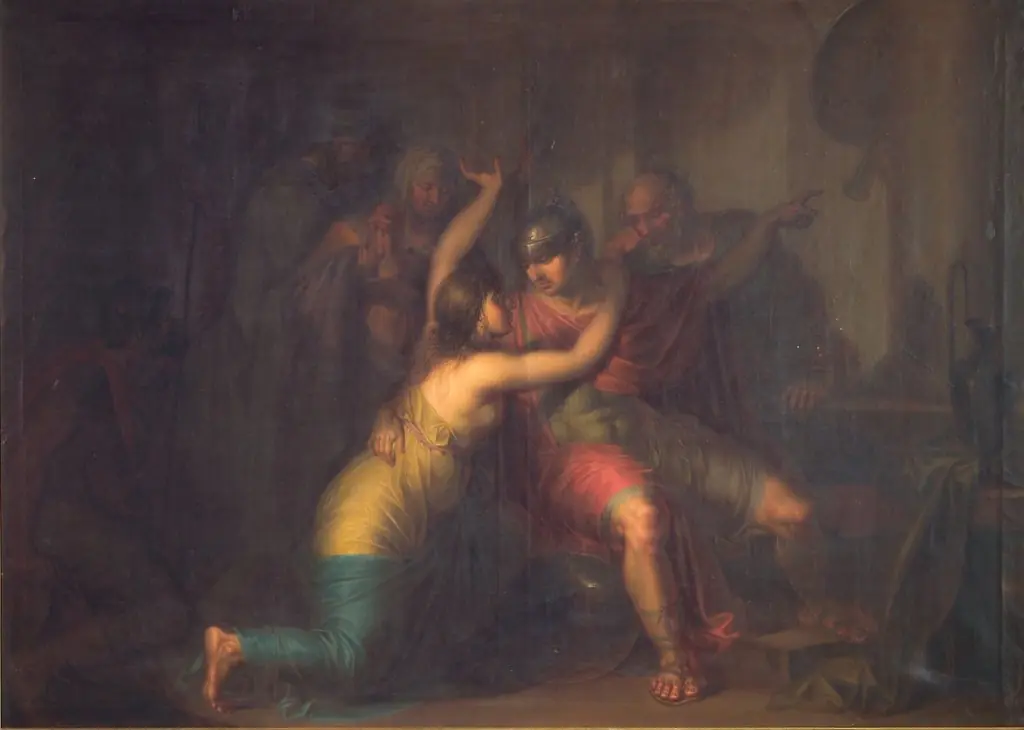 Et historisk stykke
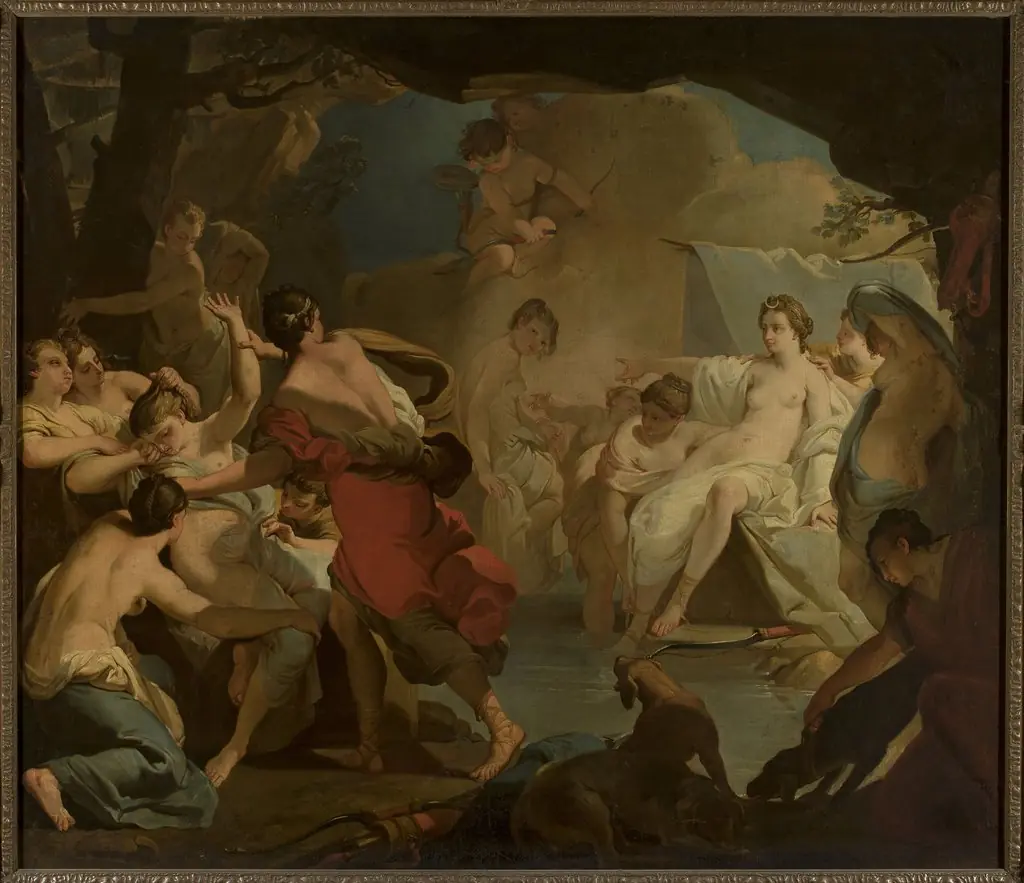 Diana's judgement of the nymph Callisto
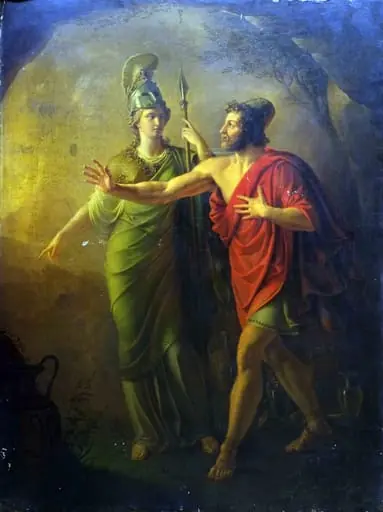 Minerva și Perseu
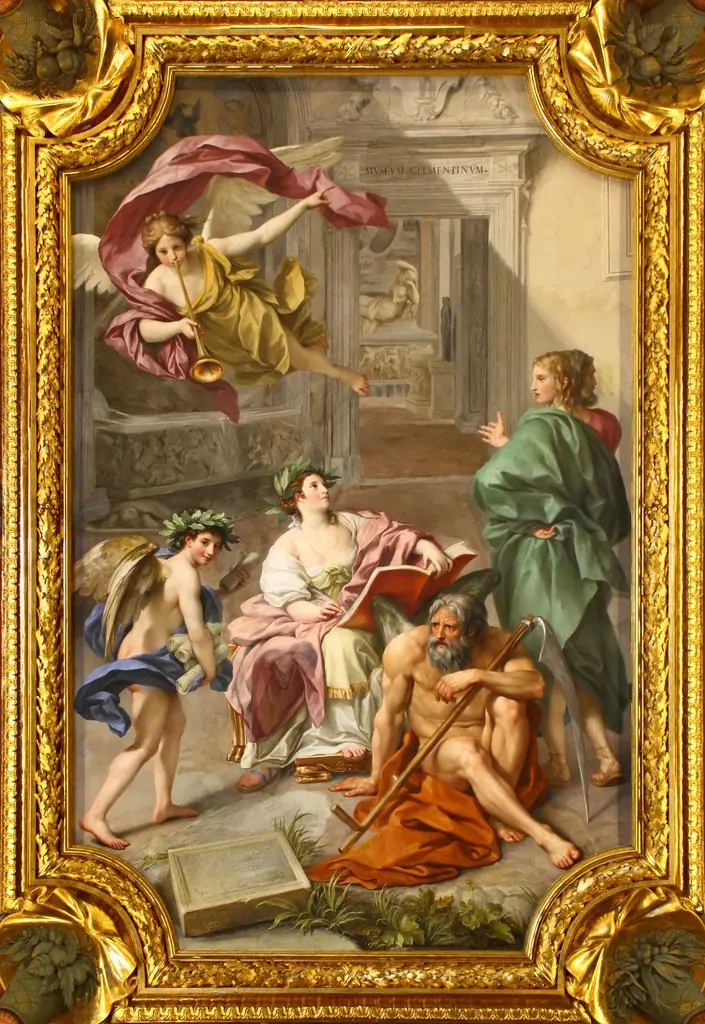 The Triumph of History over Time
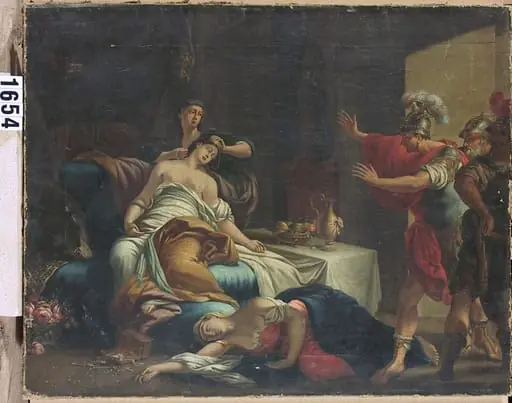 Moartea Cleopatrei
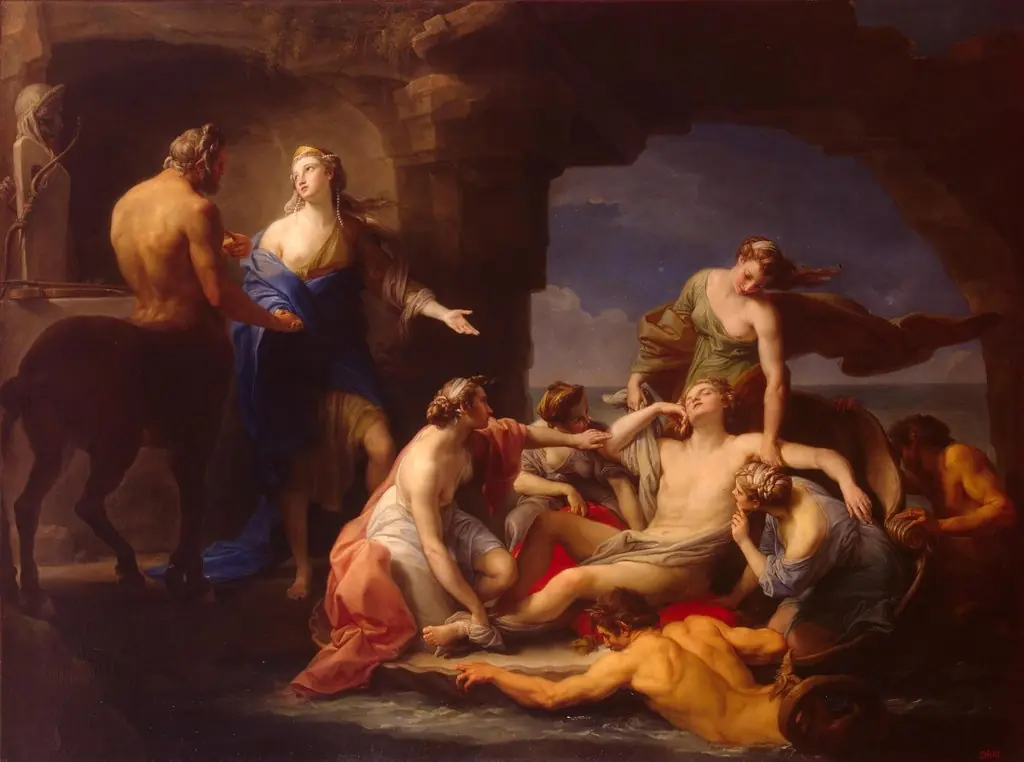 Thetis takes Achilles from the Centaur Chiron
 The Sacrifice of Isaac
- The Abduction of Orithyia