Artwork
Portret de femeie
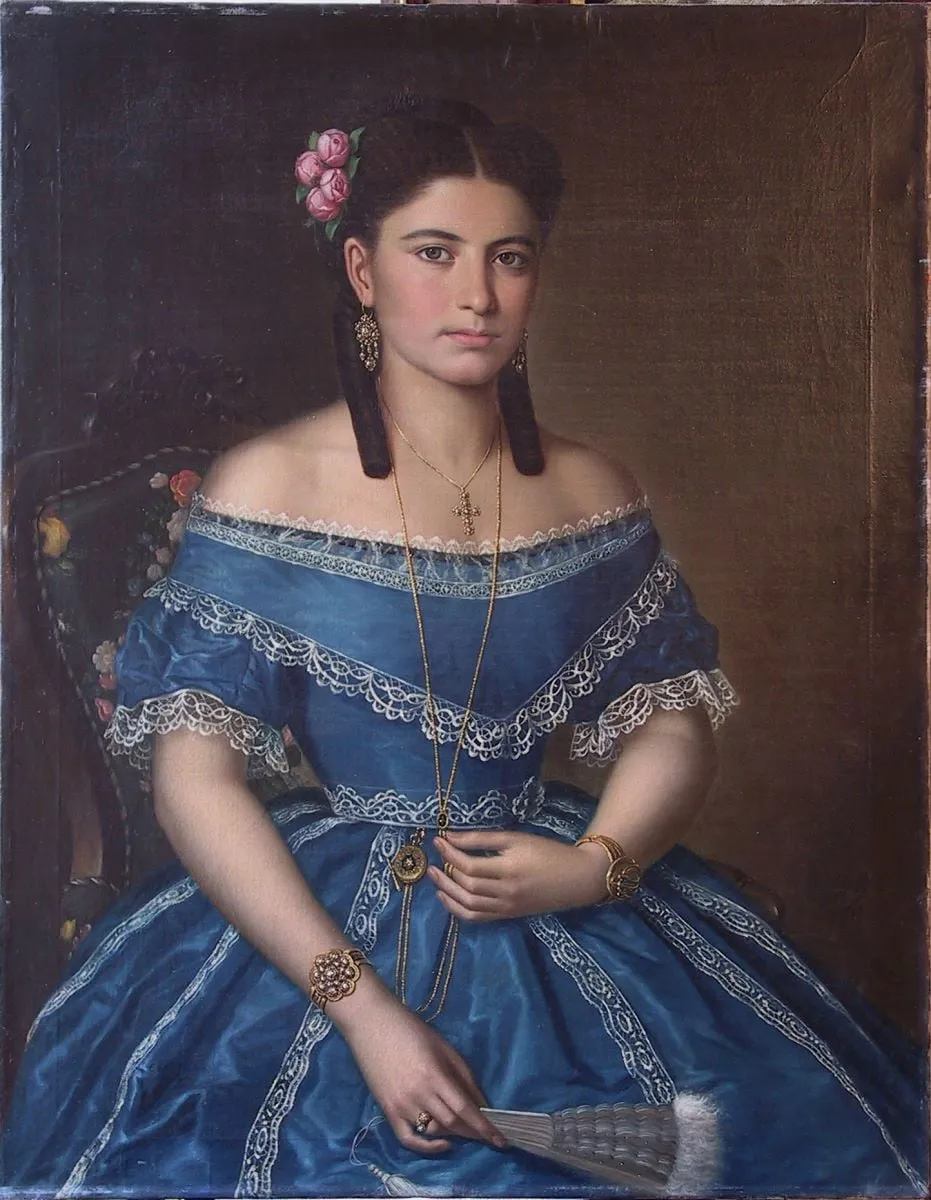
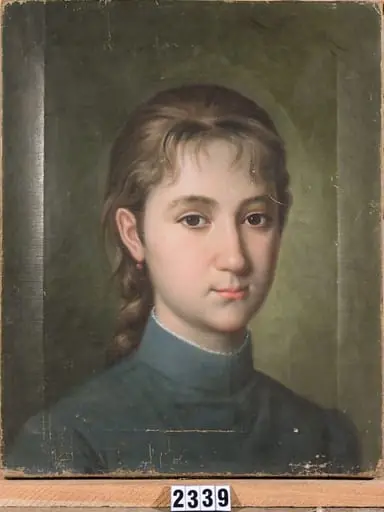
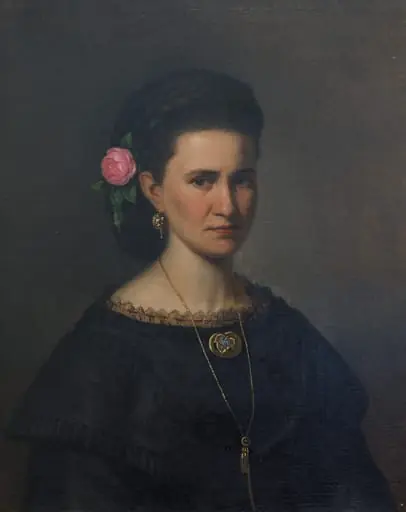
Portret de femeie is an unspecified painting by the Academic Art artist Mișu Popp. It is held in the collection of the Brukenthal National Museum. This 19th-century portrait depicts a woman embodying elegance and refinement through her attire and demeanor.
About this work
The painting's use of chiaroscuro creates a sense of depth and dimensionality, drawing the viewer's attention to the subject's face and upper body.
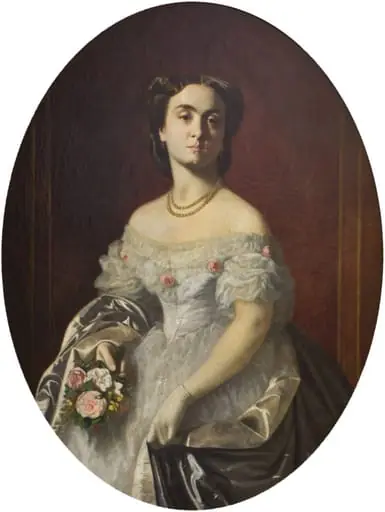
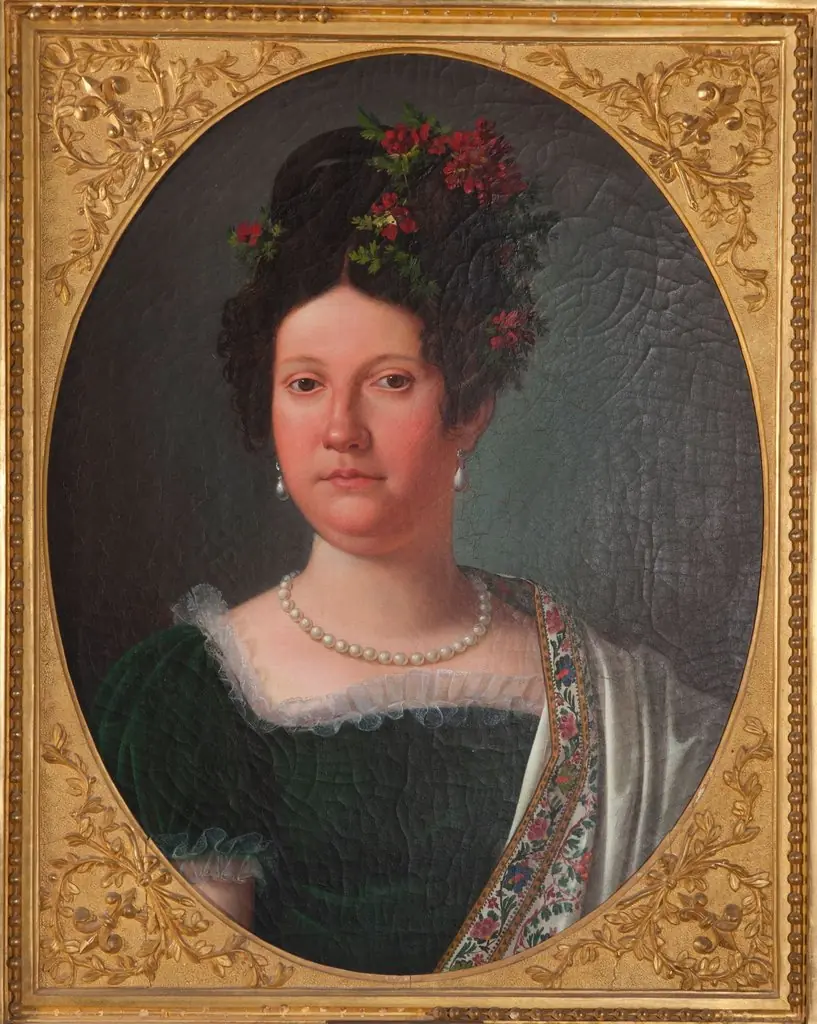
This painting is a portrait of a woman, likely from the 19th century. She is depicted wearing a blue dress with white lace trim and a gold necklace. Her dark hair is styled in long braids adorned with pink flowers.
The woman's attire and hairstyle suggest a sense of elegance and refinement. Her expression is calm and serene, with a subtle hint of a smile.
The painting's use of chiaroscuro creates a sense of depth and dimensionality, drawing the viewer's attention to the subject's face and upper body. To learn more about the artist's use of this technique, explore the work of Mișu Popp.
Overview
This 19th-century portrait depicts a woman embodying elegance and refinement through her attire and demeanor. The subject wears a blue dress with white lace trim and a gold necklace, complemented by dark hair styled in long braids adorned with pink flowers. Her calm, serene expression hints at a subtle smile.
Subject & Meaning
The woman's refined appearance suggests a portrayal of dignity and poise, with her attire and hairstyle conveying a sense of high social standing or personal character. The subtle smile may imply a quiet confidence or inner serenity.
Technique & Style
The painting utilizes chiaroscuro to create depth, focusing attention on the subject's face and upper body. This technique, reminiscent of artists like Mișu Popp, enhances the portrait's dimensional quality and emotional depth.
History & Provenance
The painting's origins and ownership history are not specified, though its style places it firmly within 19th-century European portraiture traditions.
Context
Created within the broader context of 19th-century portraiture, this work reflects the era's emphasis on capturing the sitters' social status and character through meticulous detail and expressive technique.
Legacy
While the painting's impact on the broader art historical canon is not detailed, it represents a well-executed example of 19th-century portrait painting, with its use of chiaroscuro contributing to the enduring appeal of such works.
Artist & collection

- Portret de femeie
 Portret de femeie
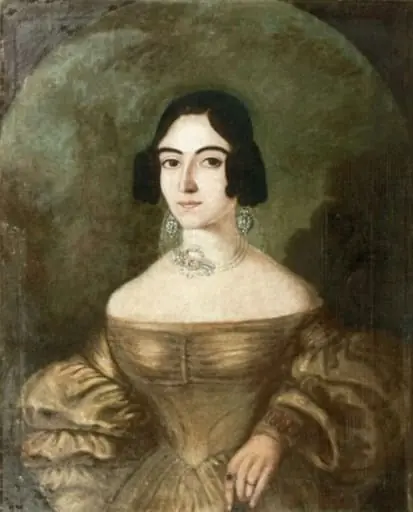 Portret de femeie
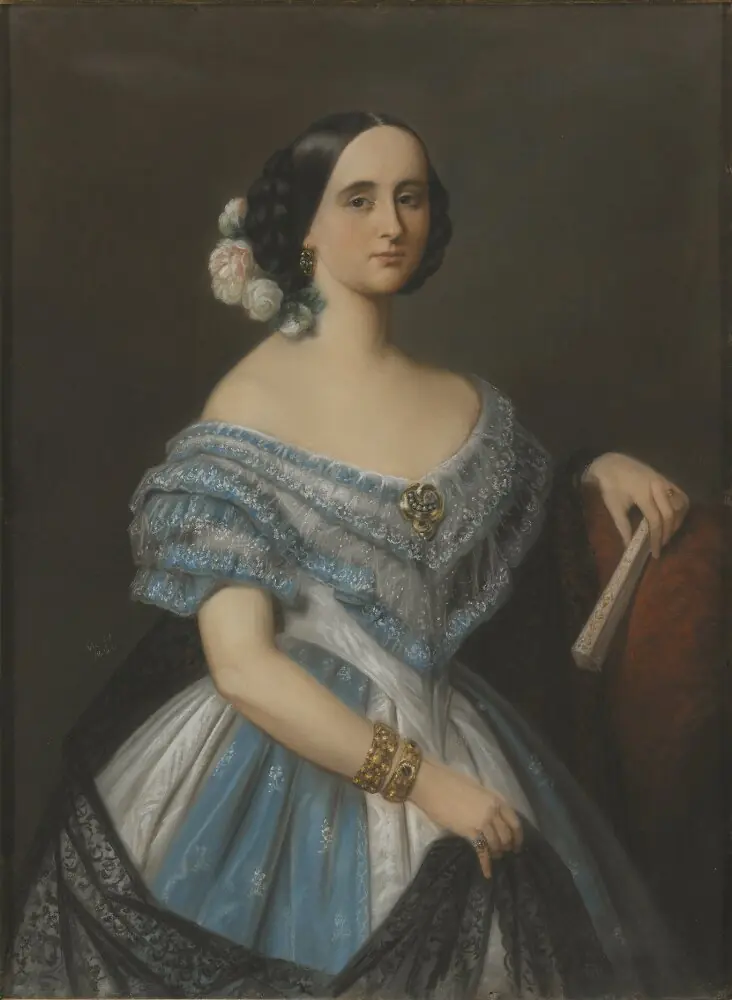 Julie (Julia Mathilda) Berwald, g. Åkerhielm af Margrethelund (1822-1877), operasångerska, gift med friherre hovmarskalk Gustaf Georg Knut Åkerhielm af Mergrethelund
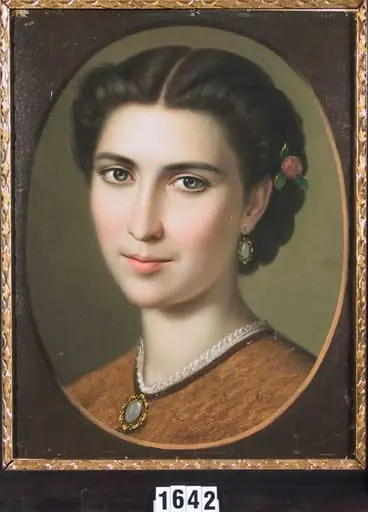 Portret de femeie
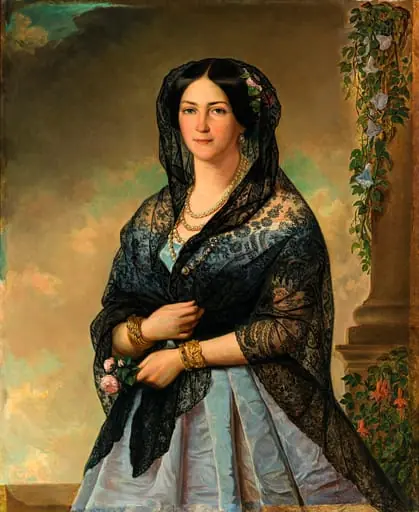 Aurora Karamzin (1808-1902), kopio A. J. Perignonin muotokuvasta vuodelta 1853.
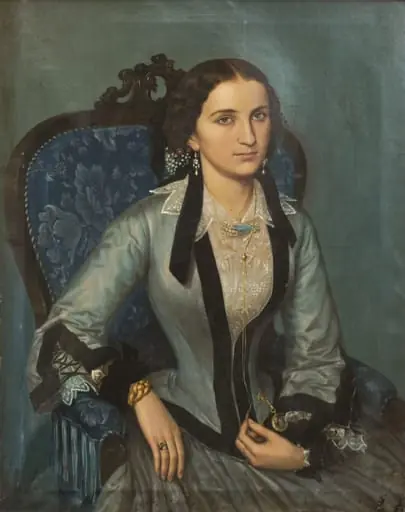 Portretul Alexandrinei Assan
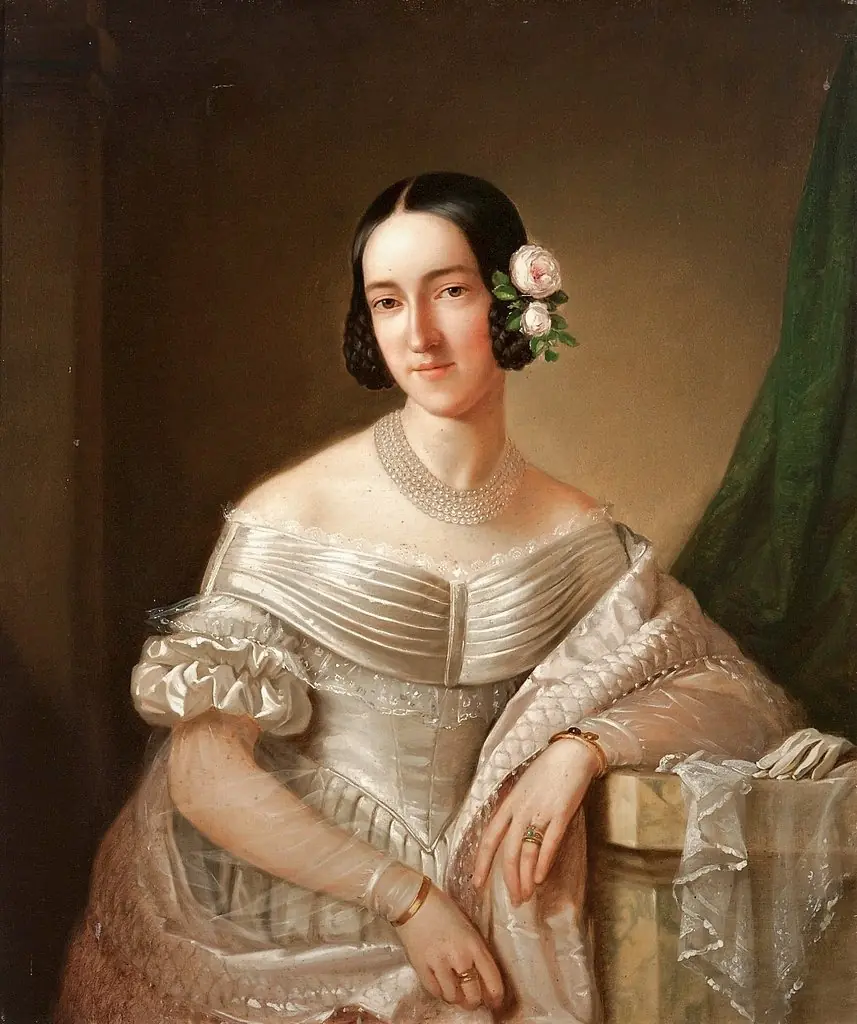 Portrait of Archduchess Hermine of Austria
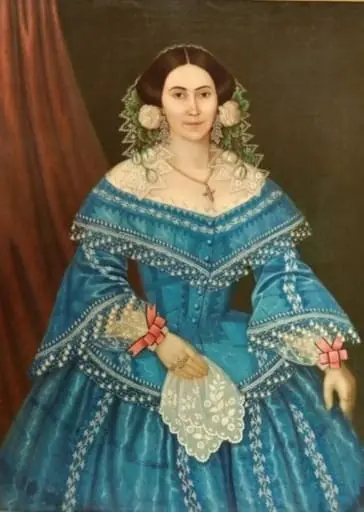 Portret de femeie cu rochie albastră
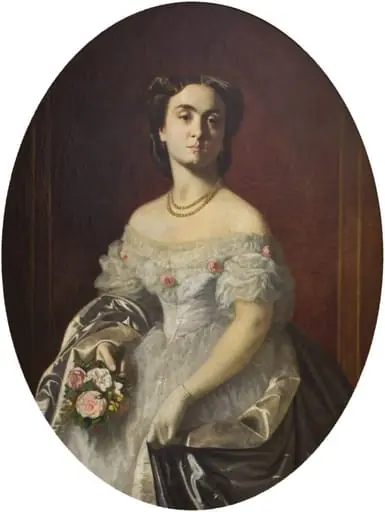 Portretul doamnei Ana Th. Aman
 Portretul doamnei Ana Th. Aman
 Portrait of María Isabella of Spain (1789-1848), Gueen of the Two Sicilies