Artwork
Pyrrhus and Andromache at Hector's Tomb
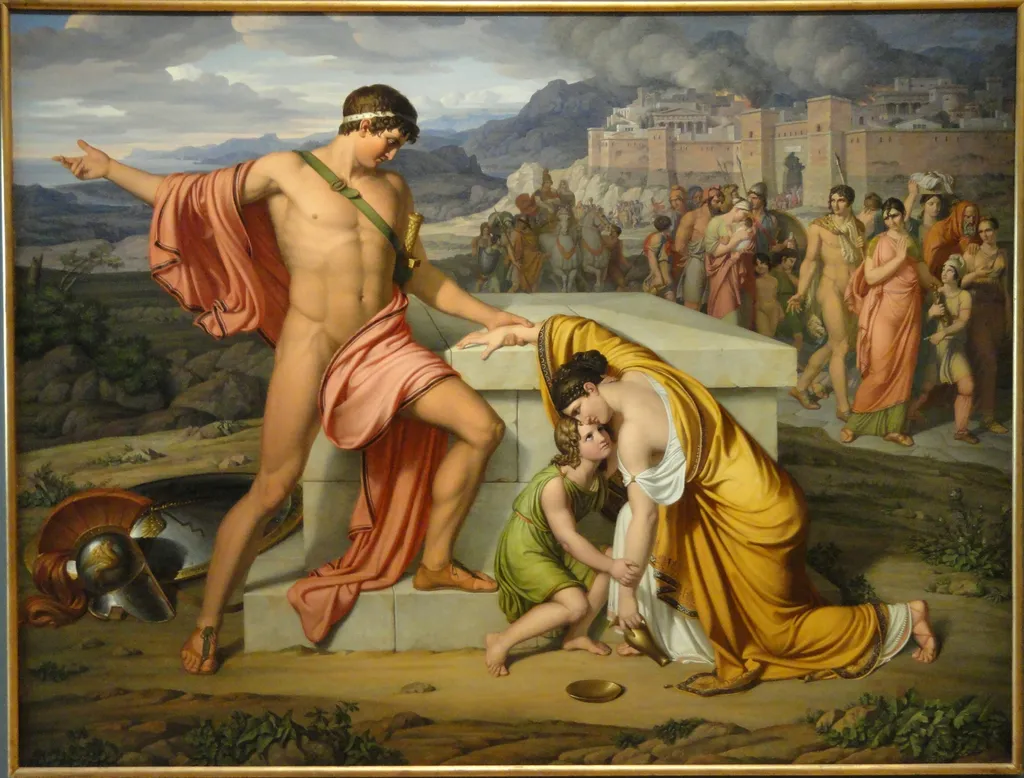
Pyrrhus and Andromache at Hector's Tomb is an oil painting by the German Romanticist artist Johan Ludwig Lund. It dates from 1809 and is held in the collection of the Statens Museum for Kunst.
About this work
Subject & Meaning
The composition uses the tomb as a focal point to contrast martial presence with sorrowful devotion, evoking the futility of war and the endurance of memory.
The painting depicts the moment from Virgil’s Aeneid when Neoptolemus, also called Pyrrhus, son of Achilles, visits the tomb of Hector with Andromache, widow of Hector, to perform funeral rites. Lund shows Pyrrhus in armor placing a wreath on Hector’s tomb while Andromache kneels in mourning, recalling her loss and the Trojan past. The scene underscores themes of grief, war’s legacy, and the clash between victors and the defeated, aligning with early 19th-century Romantic engagement with classical tragedy.
The composition uses the tomb as a focal point to contrast martial presence with sorrowful devotion, evoking the futility of war and the endurance of memory.
Technique & Style
Executed in 1809, this mythological painting by Johan Ludwig Lund utilizes oil paint applied to a canvas support. The work presents a large-scale composition, measuring 234.2 cm in height and 308 cm in width. As a piece classified within the mythology genre, it depicts the figures of Neoptolemus and Andromache.
The handling of the medium and the specific stylistic approach reflect the artist's engagement with classical subject matter during the early nineteenth century, though detailed condition reports or specific brushwork analyses are not provided in the available records.
History & Provenance
The painting Pyrrhus and Andromache at Hector’s Tomb was created by Johan Ludwig Lund in 1809. It was commissioned and later entered the collection of the Statens Museum for Kunst in Copenhagen, where it remains held. The work depicts the mythological encounter between Neoptolemus (also called Pyrrhus) and Andromache at Hector’s tomb, a scene drawn from classical tradition.
Measuring 234.2 cm in height and 308 cm in width, the oil-on-canvas painting aligns with Lund’s early career focus on historical and mythological subjects.
The painting Pyrrhus and Andromache at Hector's Tomb by Johan Ludwig Lund is held in the collection of the Statens Museum for Kunst in Copenhagen. This institution houses the work, which was created in 1809 and depicts mythological figures including Neoptolemus and Andromache.
While the specific inventory or accession number is not provided in the available records, the museum's collection data confirms the location and physical attributes of the canvas. No specific exhibition history or display dates are documented in the provided sources.
Context
Johan Ludwig Lund's 1809 oil painting Pyrrhus and Andromache at Hector's Tomb portrays mythological figures Neoptolemus and Andromache within a classical narrative. The work is housed in the Statens Museum for Kunst, where it remains part of their collection. Lund's neoclassical approach situates this piece within his broader oeuvre of mythological subjects rendered in academic style, reflecting early 19th-century European engagements with antiquity.
Its formal qualities and narrative specificity align with contemporary scholarly interpretations of Lund's contribution to mythological painting during the period.
The painting's subject draws from Greek legend concerning the aftermath of Troy's fall, though Lund's interpretation emphasizes emotional gravity through compositional restraint. Technical analysis confirms its dimensions as 234.2 cm in height and 308 cm in width, consistent with its classification as a large-scale canvas.
Scholarship on Lund's work notes this painting as representative of his transitional phase between academic historicism and emerging romantic sensibilities in Nordic art. Its enduring presence in museum displays underscores its significance as a key example of mythological painting in the institution's holdings.
Overview
Johan Ludwig Lund, a Danish painter active in the early nineteenth century, completed the oil work Pyrrhus and Andromache at Hector’s Tomb in 1809. The canvas presents a mythological tableau set before the tomb of the Trojan hero Hector, populated by a group of figures that include a grieving mother, a child, and a warrior gesturing toward a distant city.
Own this work as a print
Artist & collection
Artist
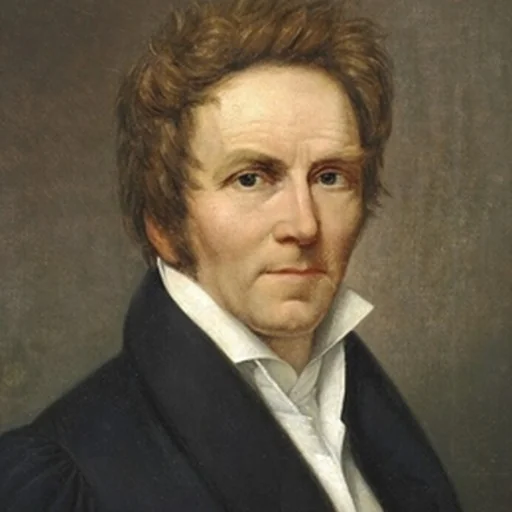
Johan Ludwig Gebhard Lund (primarily known as J. L. Lund) (16 October 1777 – 3 March 1867) was a Danish painter, born in Kiel, Duchy of Holstein, to master painter Hans Giewert Lund and his wife Maria Magdalena…

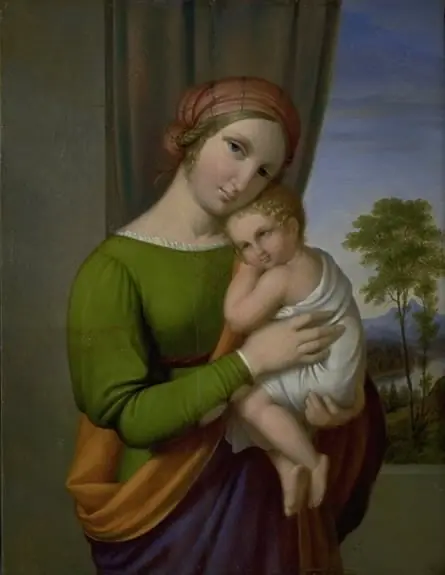
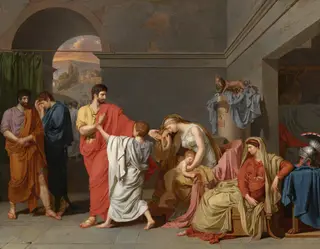 Coriolanus Taking Leave of his Family
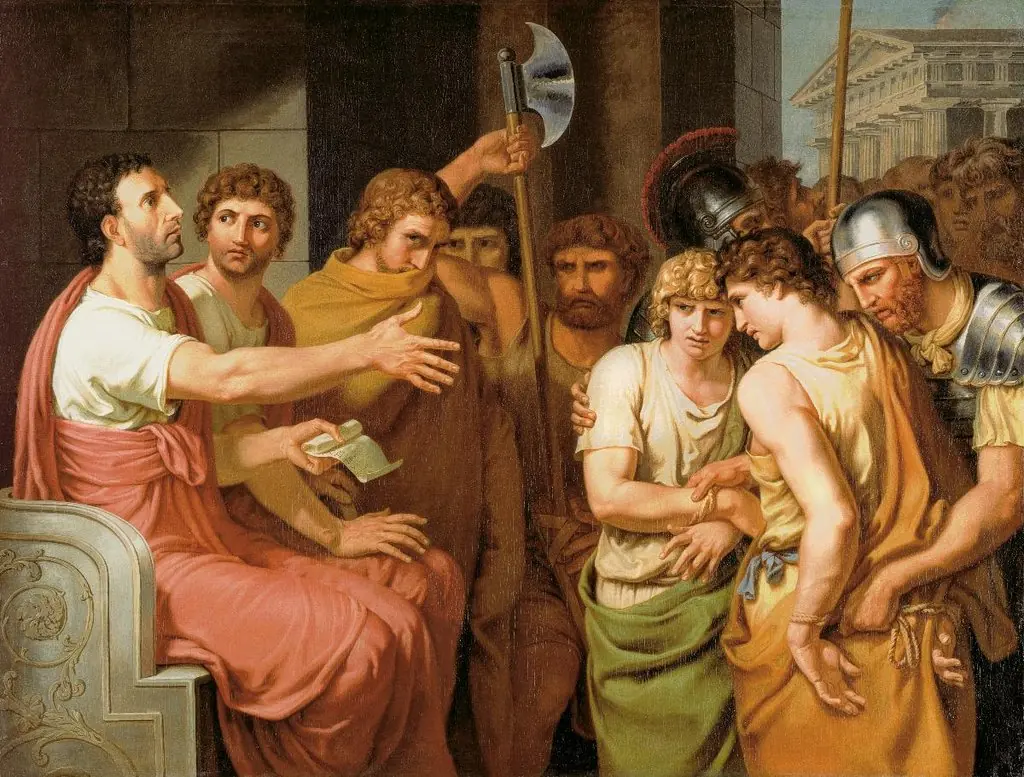 Brutus entdeckt die Namen seiner Söhne auf der Liste der Verschwörer und verurteilt sie zum Tode
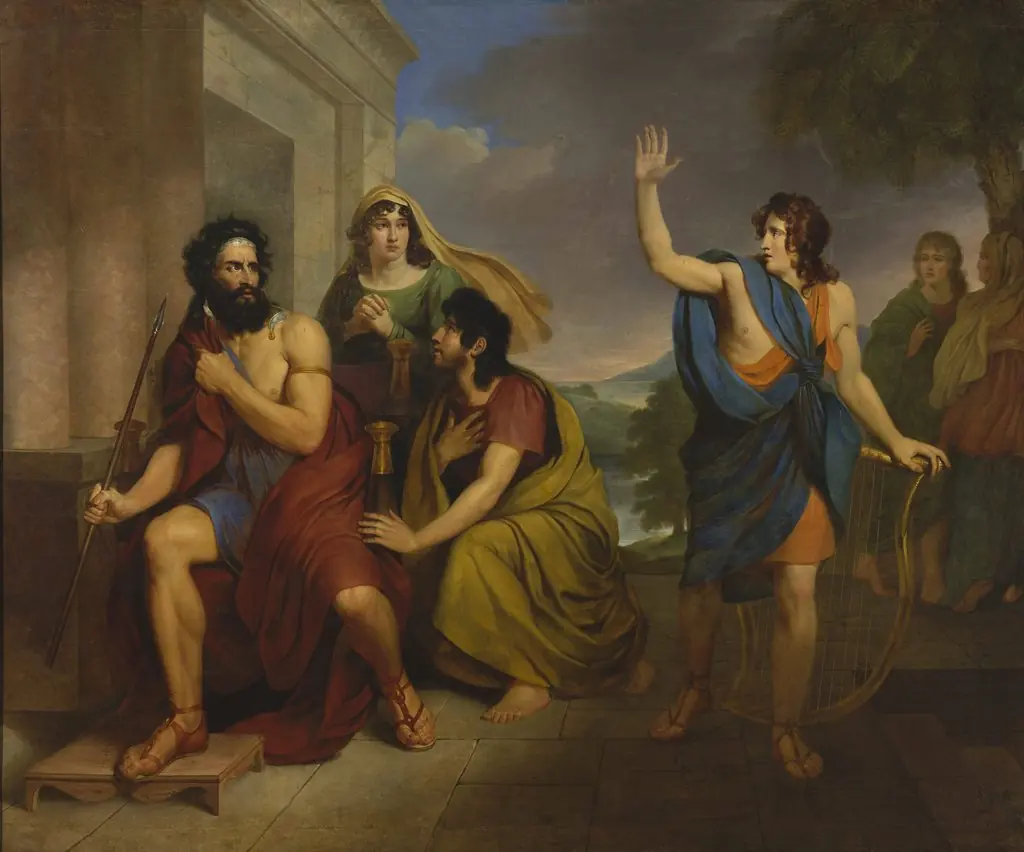 Saul’s anger at David
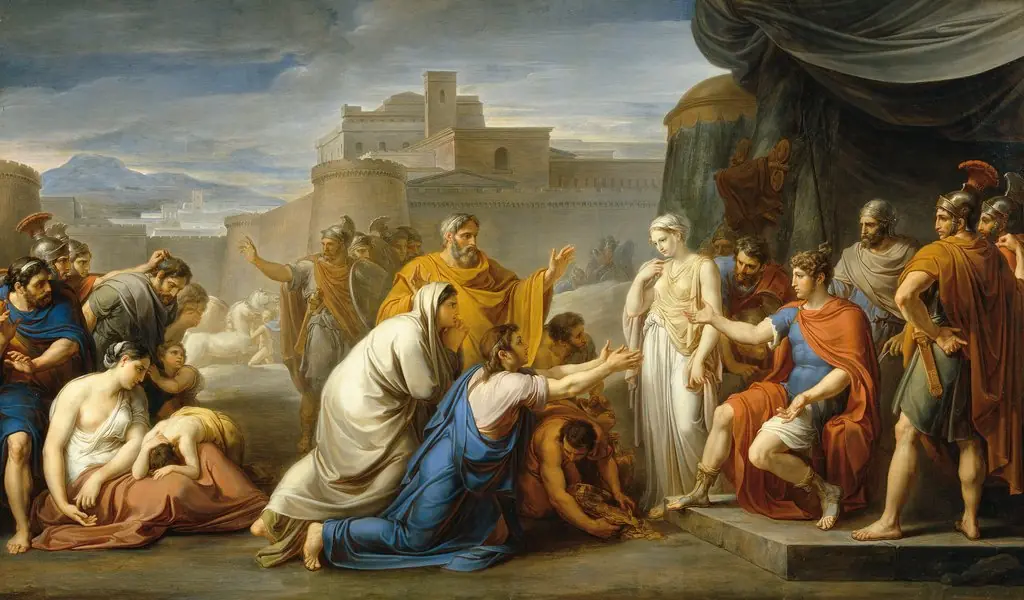 Scipios Mäßigung
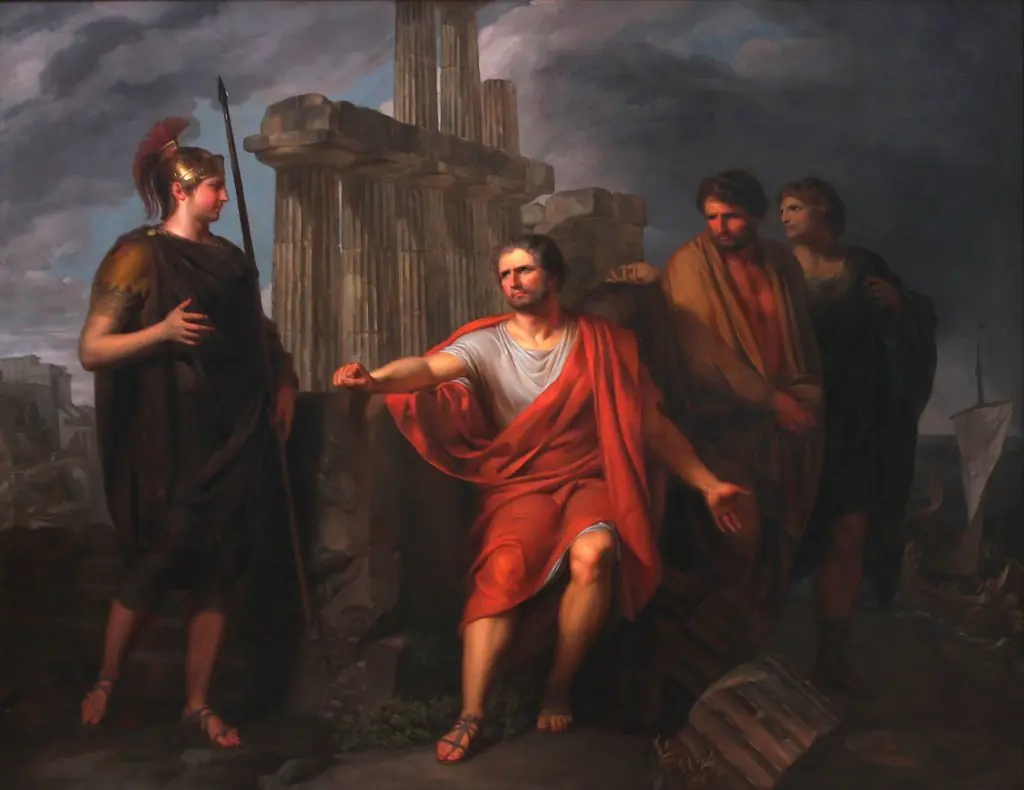 Marius on the ruins of Carthage
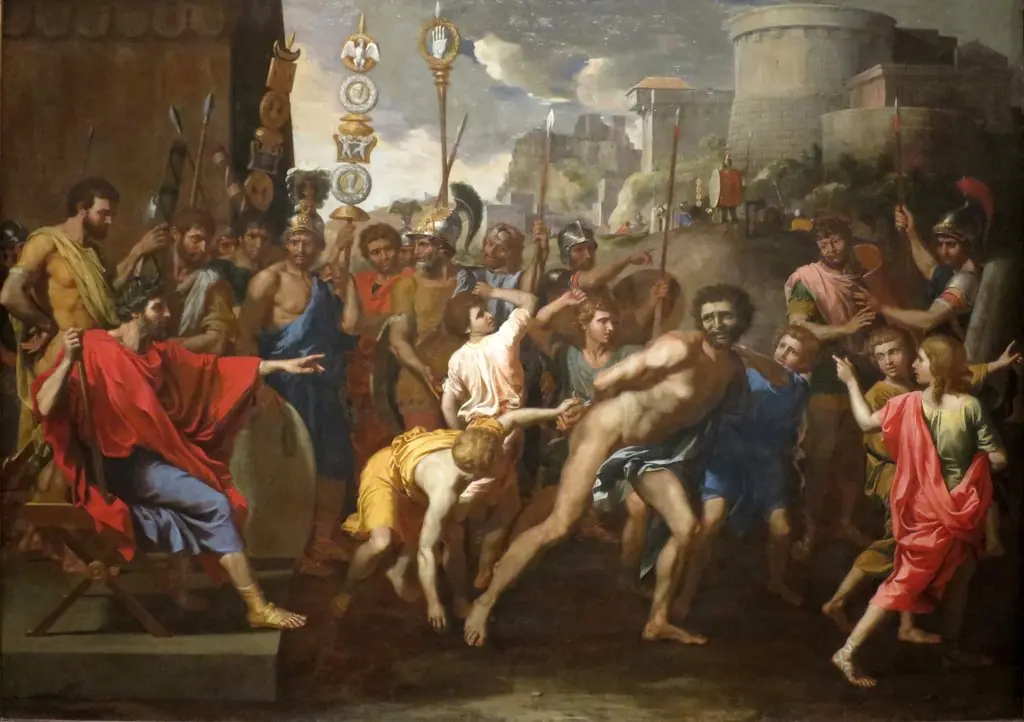 Camillus and the Schoolmaster of Falerii
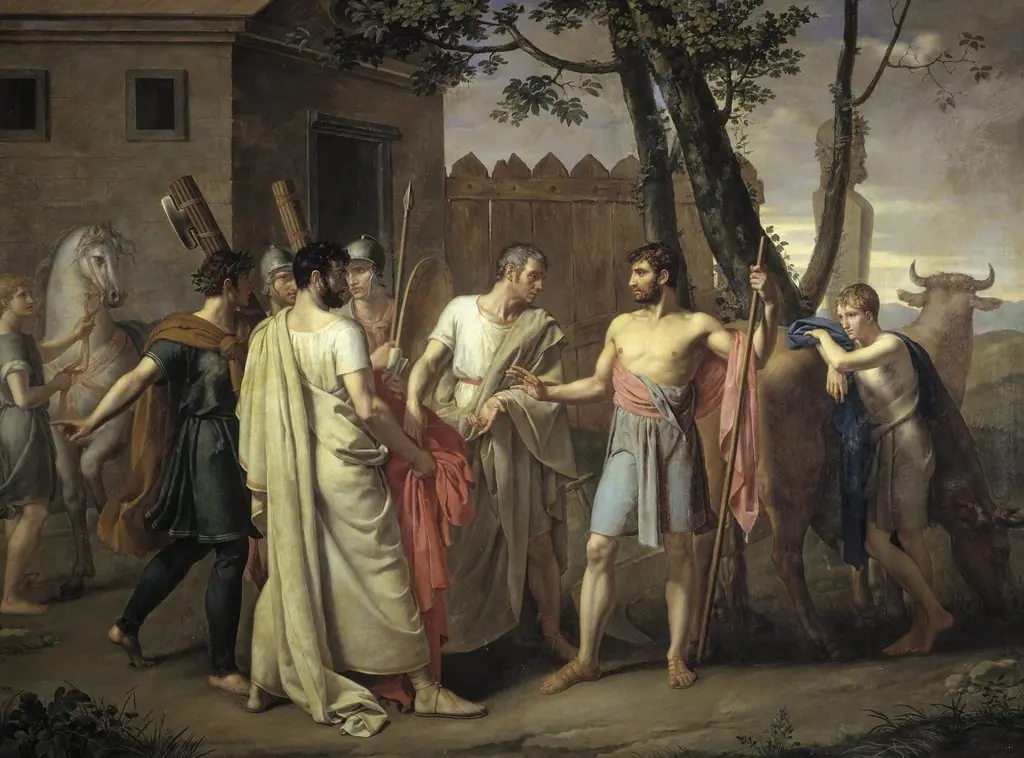 Cincinnatus abandons the Plough to dictate Laws to Rome
 The Anger of Achilles
 Killer of Darius before Alexander (King Porus and Alexander the Great)
 Pylades and Orestes Brought as Victims before Iphigenia