Artwork
M. David Hume
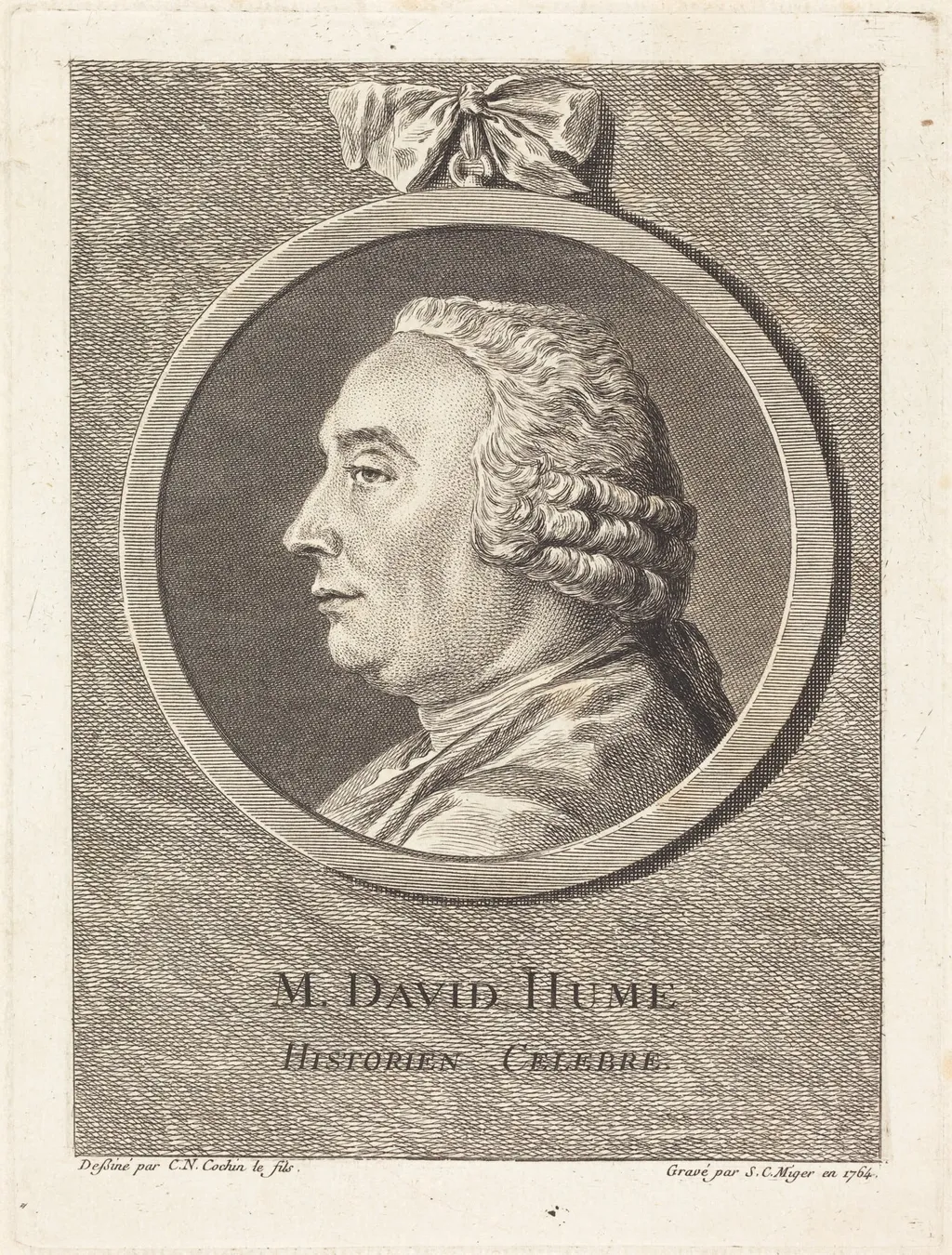
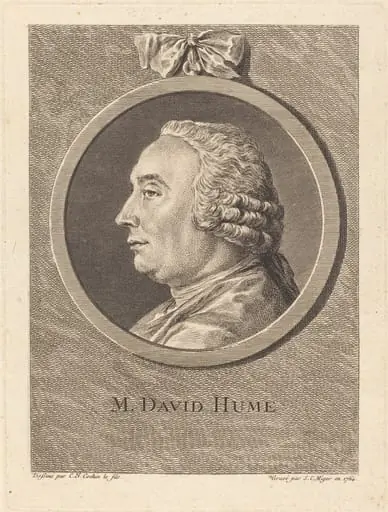
M. David Hume is an ink print by the Romanticist artist Simon Charles Miger. It dates from 1764 and is held in the collection of the National Gallery of Art.
- Inscription
- Inscribed:below image, lower left in plate: Dessine par C.N. Cochin le fils; below image, lower right in plate: Grave par S.C.Miger en 1764.; across bottom in plate: M. DAVID HUME / HISTORIEN CELEBRE.; by later hand, lCv//in graphite: portraits dessine par Cochin 40-
About this work
Overview
Rendered in black ink on laid paper, the image is confined within a circular frame, a common format for portrait prints of the period.
This 1764 engraving by Simon Charles Miger depicts the Scottish philosopher David Hume in profile. Rendered in black ink on laid paper, the image is confined within a circular frame, a common format for portrait prints of the period. The composition is minimal, with no background detail beyond subtle texture, directing focus entirely to the sitter’s face and the precision of the engraving technique.
Subject & Meaning
David Hume, a leading figure of the Enlightenment, is portrayed with a composed, introspective expression. His curly hair and formal attire suggest intellectual gravitas rather than aristocratic grandeur. The small bow above his head may reference classical portraiture traditions, subtly aligning him with philosophical antiquity.
The inclusion of his full name reinforces the print’s function as a dignified, commemorative likeness for scholarly audiences.
Technique & Style
Miger employed fine cross-hatching to model Hume’s features, using controlled lines to suggest volume and shadow without tone or wash. The texture of the paper and the precision of the engraved lines reveal the meticulous hand of a skilled printmaker. The circular framing and restrained detail reflect the conventions of 18th-century portrait engravings, prioritizing clarity and intellectual presence over ornamentation.
History & Provenance
Created in 1764, this is the second state of the engraving, indicating minor revisions after the initial impression. It was likely produced to accompany Hume’s published works or to circulate among intellectual circles in Europe. No definitive early ownership records are known, but its survival in multiple institutional collections suggests it was widely distributed and valued as a standard portrait of the philosopher.
Context
During the mid-18th century, engraved portraits of philosophers and scientists became tools for disseminating Enlightenment ideals. Hume’s image, like those of Voltaire or Rousseau, was reproduced to establish visual identity for thinkers whose ideas shaped public discourse. This print aligns with a broader trend of using print media to elevate intellectual figures beyond the realm of manuscript and rare publication.
Legacy
Miger’s engraving remains one of the most recognizable images of David Hume, frequently reproduced in academic texts and historical studies. Its restrained style and clear execution contributed to its longevity as a reference portrait. Though not original to Hume’s lifetime, it became the standard visual representation, shaping how later generations perceived the philosopher’s presence and character.
Own this work as a print
Artist & collection