Artwork
Retrat de la pintora Pepita Teixidor Torres (1875-1914)
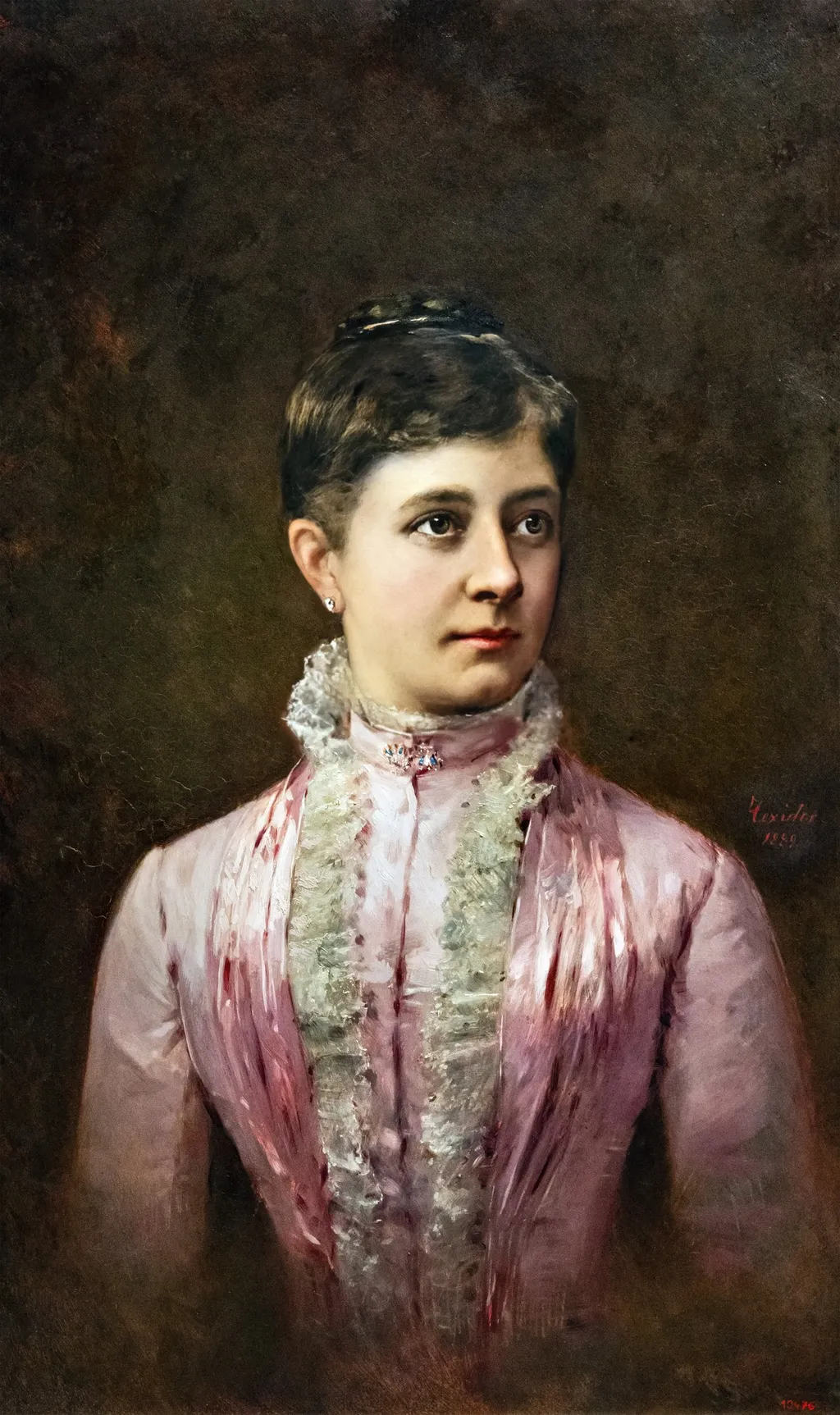
Retrat de la pintora Pepita Teixidor Torres (1875-1914) is an oil painting by the Art Nouveau artist Modest Texidor Torres. It dates from 1895 and is held in the collection of the Museu Nacional d'Art de Catalunya. Painted in 1895, this portrait captures Pepita Teixidor Torres, the artist’s sister, on a wooden panel.
About this work
Overview
Painted in 1895, this portrait captures Pepita Teixidor Torres, the artist’s sister, on a wooden panel. Executed in oil, the work reflects the quiet intimacy characteristic of late 19th-century Catalan portraiture. Though linked stylistically to Art Nouveau through its refined lines and decorative details, the composition avoids overt ornamentation, favoring restraint and psychological presence.
Subject & Meaning
The painting functions as both familial tribute and artistic statement, affirming the subject’s identity beyond her role as an artist’s relative.
Pepita Teixidor Torres, a painter herself, is depicted with composure and dignity. Her neutral gaze and modest attire suggest a focus on inner character rather than social display. The absence of elaborate props or symbolic elements directs attention to her presence, reinforcing a personal, almost private moment.
The painting functions as both familial tribute and artistic statement, affirming the subject’s identity beyond her role as an artist’s relative.
Technique & Style
The artist employed a smooth, controlled brushwork to render the fabric of the pink dress and the delicate ruffles at the collar. The dark, textured background, subtly modeled with thin glazes, enhances the figure’s presence without distraction. Wood as a support contributes to the work’s tactile quality, with fine grain visible in places, grounding the portrait in a material honesty that aligns with regional artistic traditions of the period.
History & Provenance
Created in 1895, the portrait remained within the artist’s family before entering the collection of the Museu Nacional d'Art de Catalunya. Its preservation reflects early institutional interest in Catalan women artists and their circles. The work’s documentation is limited, but its inclusion in the museum’s holdings signals its recognized significance within the regional canon of the time.
Context
In late 19th-century Catalonia, portraiture often served as a vehicle for asserting cultural identity amid rising nationalist sentiment. Artists like Modest Texidor Torres, trained in Barcelona, engaged with both academic traditions and emerging modernist currents. This portrait, while not overtly political, participates in a broader effort to elevate domestic and personal subjects as worthy of artistic attention.
Legacy
The portrait endures as a quiet testament to the presence of women in Catalan artistic life, both as subjects and creators. Though Modest Texidor Torres is less widely known today, this work contributes to a growing recognition of familial and gendered networks in regional art. It remains a subtle but important record of a woman artist’s world, preserved through the lens of her brother’s gaze.
Own this work as a print
Artist & collection

- Purificación Fontán marquesa viuda del Pazo de la Merced
 Portrait of Mrs. Śmiarowska
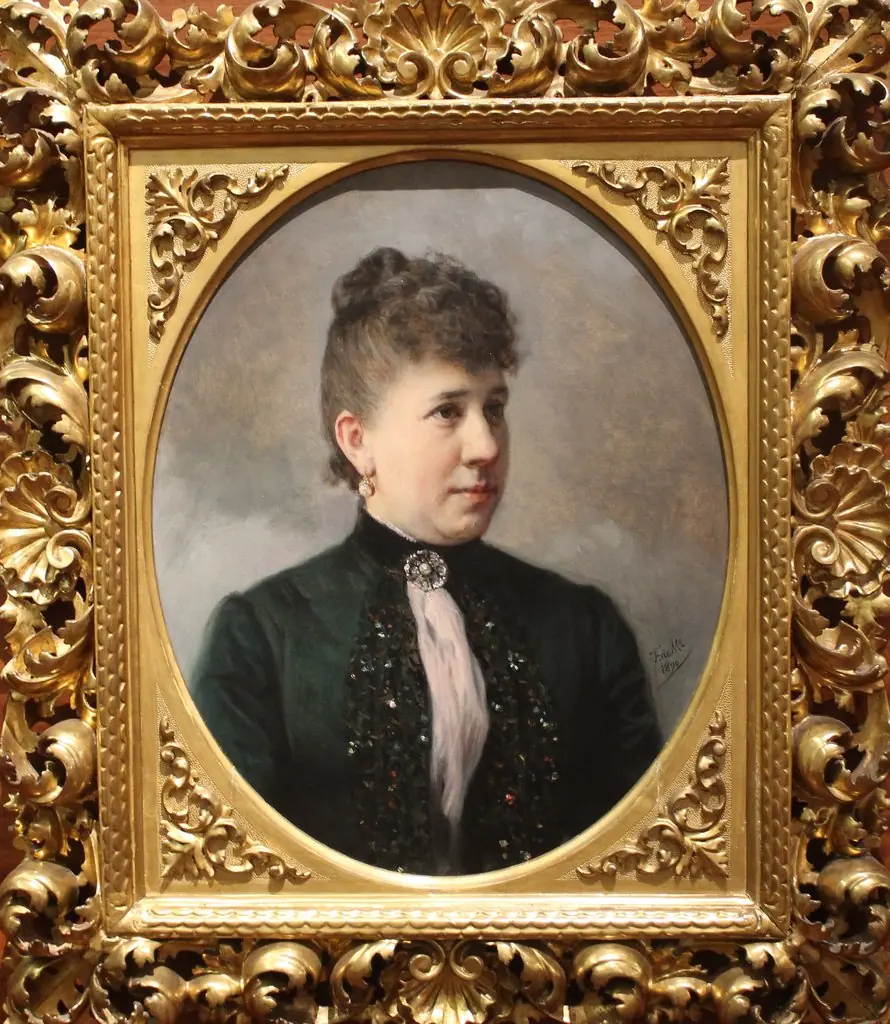 Amalia Salaverría Saiz
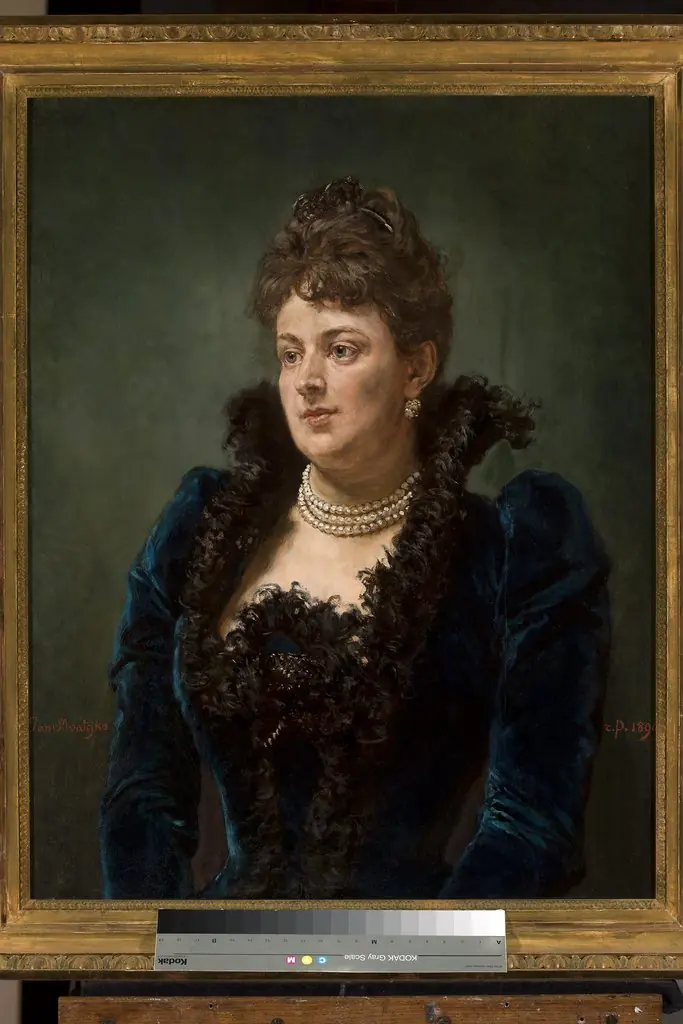 Portrait of Bona Ossowiecka
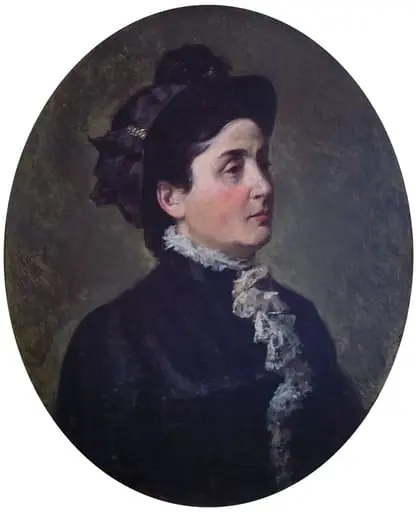 Portretul doamnei Fălcoianu
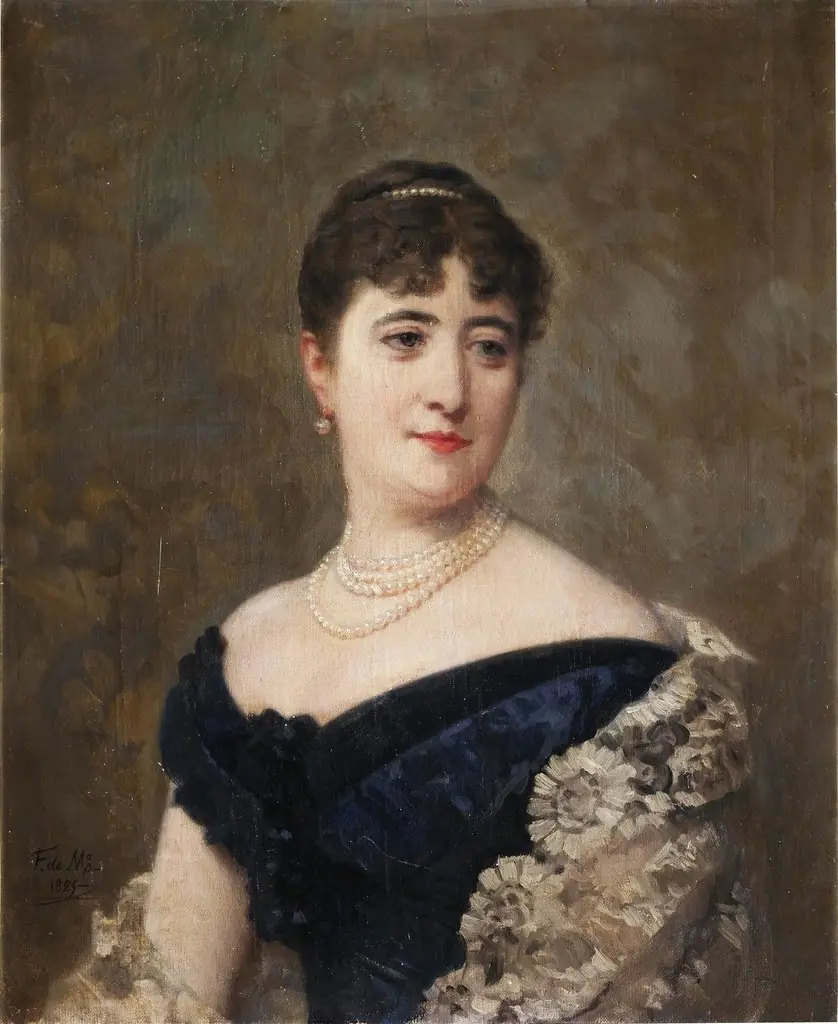 Purificación Fontán, marquesa del Pazo de la Merced
 Eleanor Hardy Bunker
 Alexandrina George Manu (născută Cantacuzino)
 Prințesa Maria
 Portrait of Grand Duchess Maria Feodorovna
 Bildnis Lydia Welti-Escher
 Calipso