Artwork
Café Singer
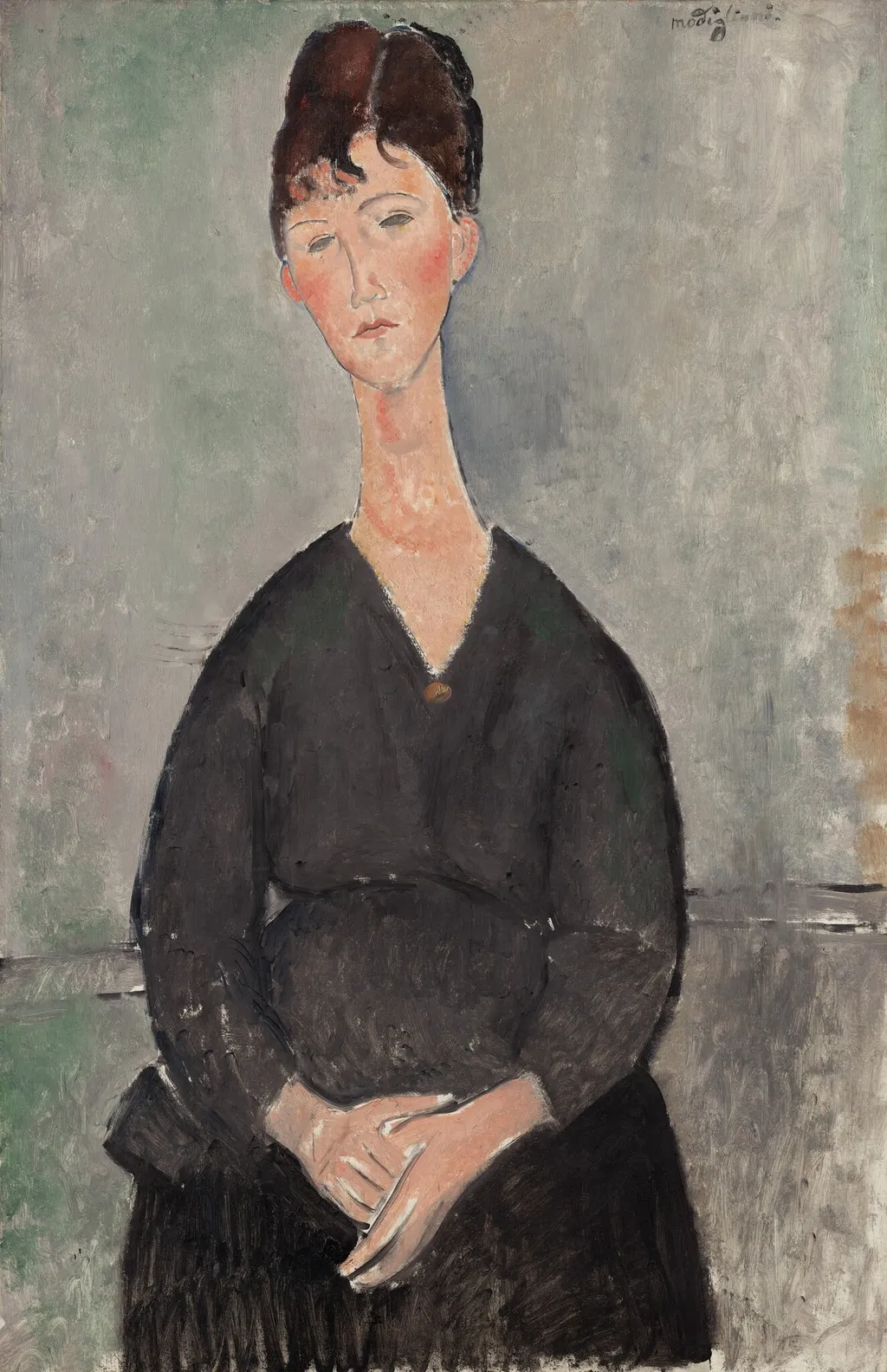
Café Singer is an oil painting by Amedeo Modigliani. It dates from 1917 and is held in the collection of the National Gallery of Art.
- Inscription
- Inscribed:upper right: modigliani.
About this work
Subject & Meaning
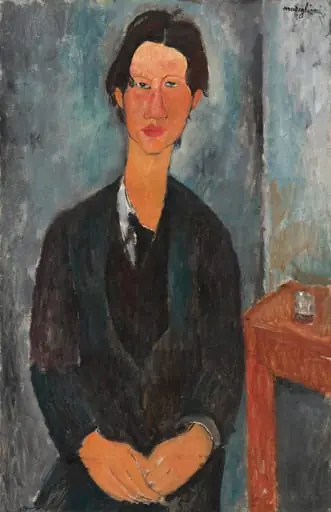
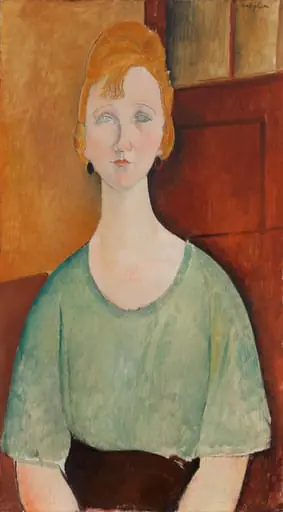
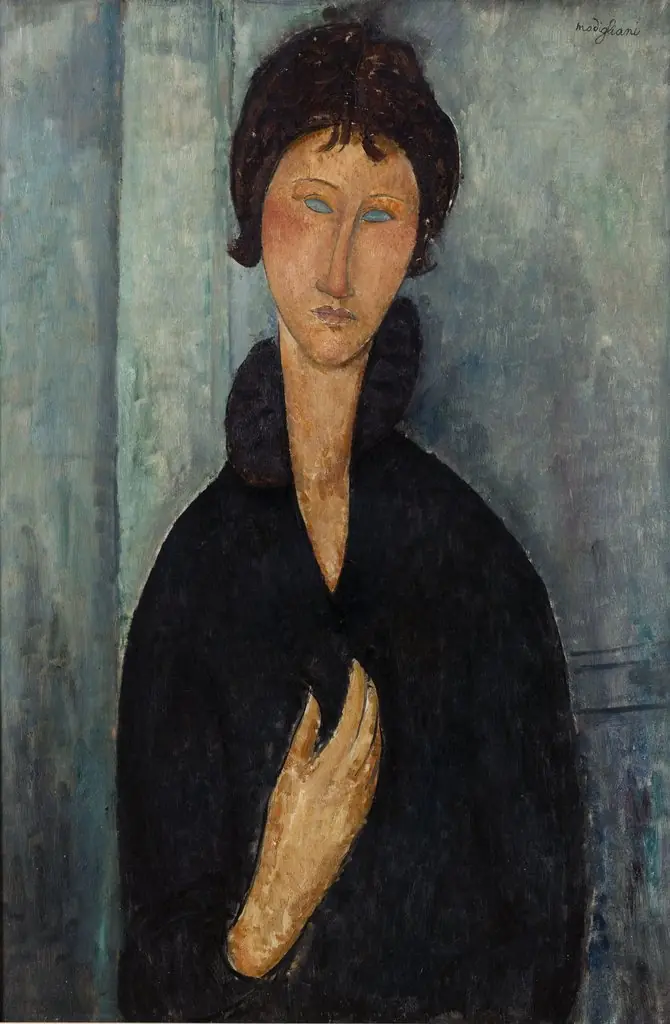
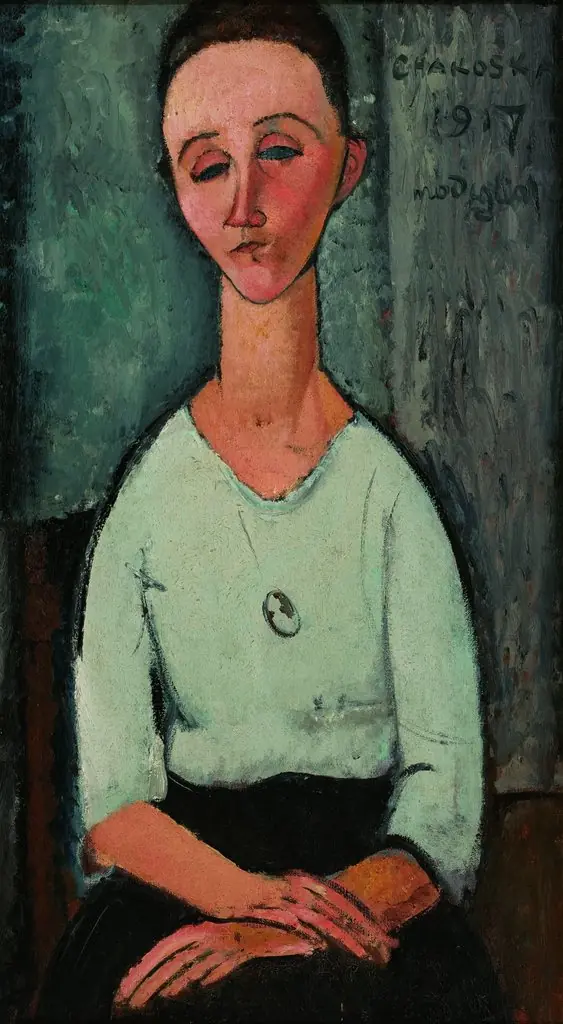
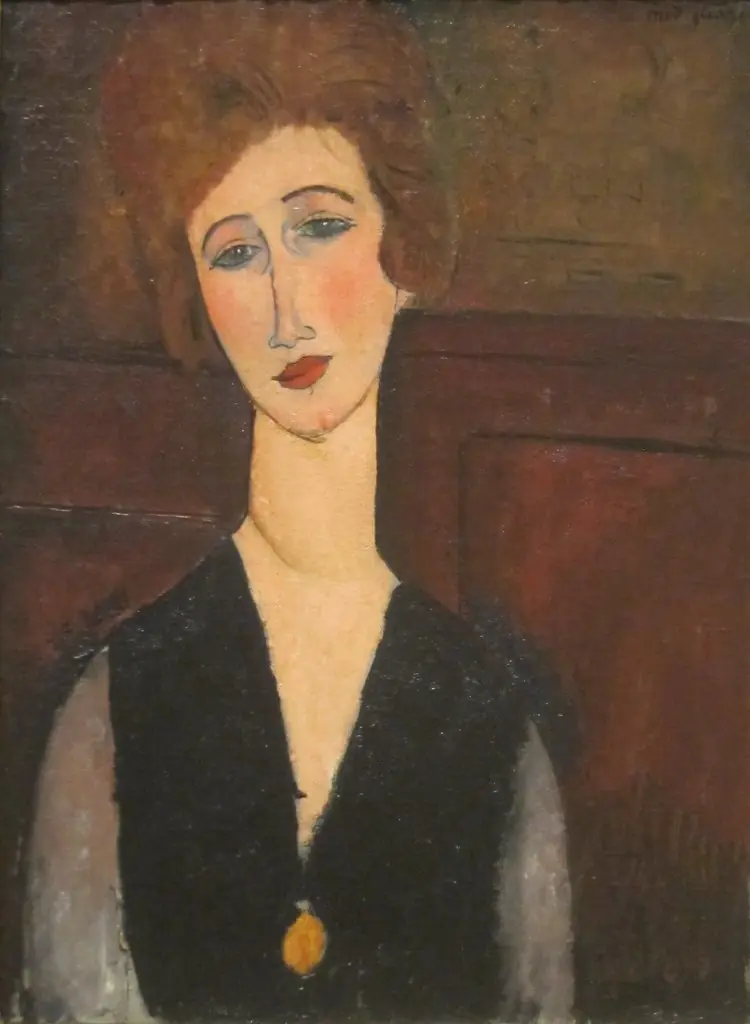
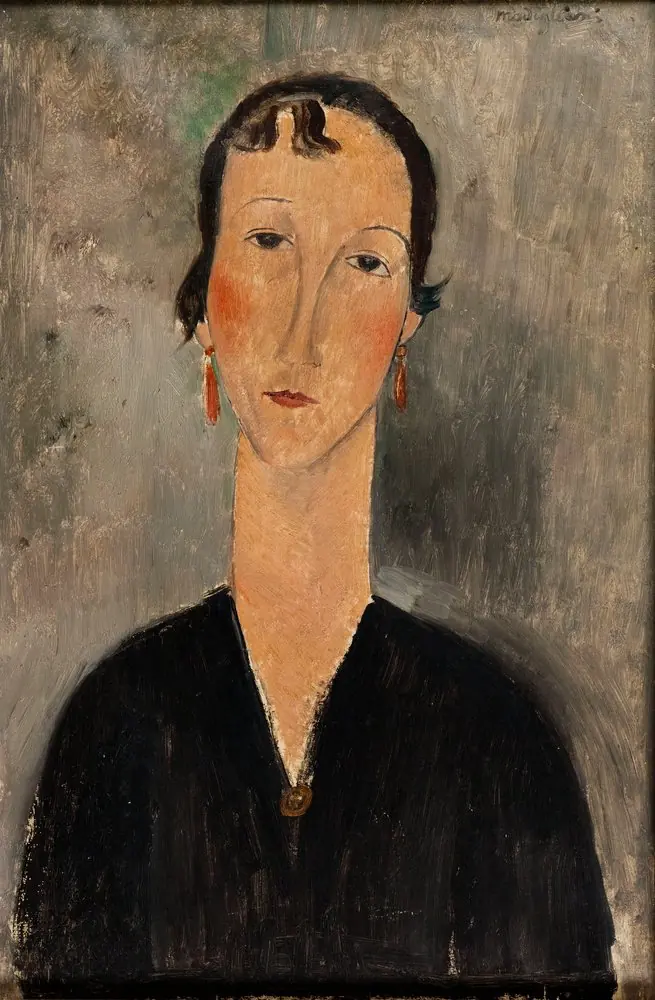
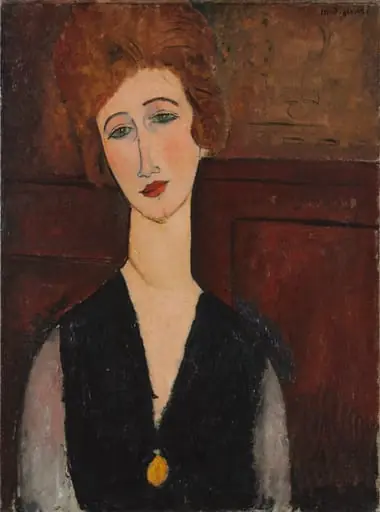
The painting shows a woman in modest attire, positioned against a lighter backdrop, identified as a café‑concert singer. Her presence functions as a representation of the performer’s role within the lively entertainment venues of early‑twentieth‑century Paris, linking visual portraiture to the cultural world of music and nightlife.
Technique & Style
Executed in 1917, Café Singer is an oil painting on canvas measuring 92.
Executed in 1917, Café Singer is an oil painting on canvas measuring 92.4 by 60.3 centimeters. The work presents a half-length portrait of a café-concert singer, characterized by a stark visual contrast between the subject's dark clothing and a lighter background. This compositional approach emphasizes the figure against the simplified setting, adhering to the portrait genre conventions utilized by the artist during this period.
History & Provenance
Café Singer was painted by Amedeo Modigliani in 1917 as an oil on canvas. The work first passed through the hands of the Paris dealer Léopold Zborowski, who handled much of the artist's estate during this period. It subsequently entered the collection of G. Menier in Paris before being consigned to the London gallery Arthur Tooth and Sons.
On 6 May 1927, the painting was acquired by the American collector Chester Dale, who brought it into his holdings in New York. Dale retained the work until his death in 1962, after which it entered the National Gallery of Art in Washington, D.C. in 1963 as part of his bequest, where it remains in the collection.
Café Singer is held in the collection of the National Gallery of Art in Washington, D.C. The work entered the museum's holdings in 1963 as part of the bequest of Chester Dale, who had purchased the painting on May 6, 1927. Prior to Dale's ownership, the canvas belonged to G. Menier in Paris and was handled by the London dealers Arthur Tooth and Sons; it originally came from the collection of Léopold Zborowski.
While the painting's provenance from Zborowski through to its current location is well-documented, the provided records do not list specific public exhibitions or an inventory accession number for the work.
Legacy
The 1917 portrait Café Singer has come to symbolize Modigliani’s synthesis of portraiture and the lively atmosphere of Parisian café‑concert venues, influencing later artists who sought to capture contemporary performers with simplified forms and elongated features. Its presence in the National Gallery of Art’s collection has ensured continual scholarly attention, reinforcing the work’s reputation as a hallmark of early‑20th‑century modernism and a touchstone for studies of gender, performance, and the interrelation of visual art and music.
Overview
Amedeo Modigliani’s 1917 oil on canvas entitled Café Singer presents a solitary woman seated in a café interior. The figure is rendered with the artist’s characteristic elongation of form, set against a muted, indistinct backdrop that suggests a quiet, enclosed space.
Context
Café Singer exemplifies Modiglianian portraiture that balances modernist simplification with personal expression. The piece contributes to the broader narrative of early 20th‑century Parisian art, illustrating the artist’s departure from academic realism toward a more stylized, emotive representation of everyday subjects.
Own this work as a print
Artist & collection

Artist
Amedeo Clemente Modigliani (US: ; Italian: ; 12 July 1884 – 24 January 1920) was an Italian painter and sculptor of the École de Paris who worked mainly in France.