Artwork
Silkies
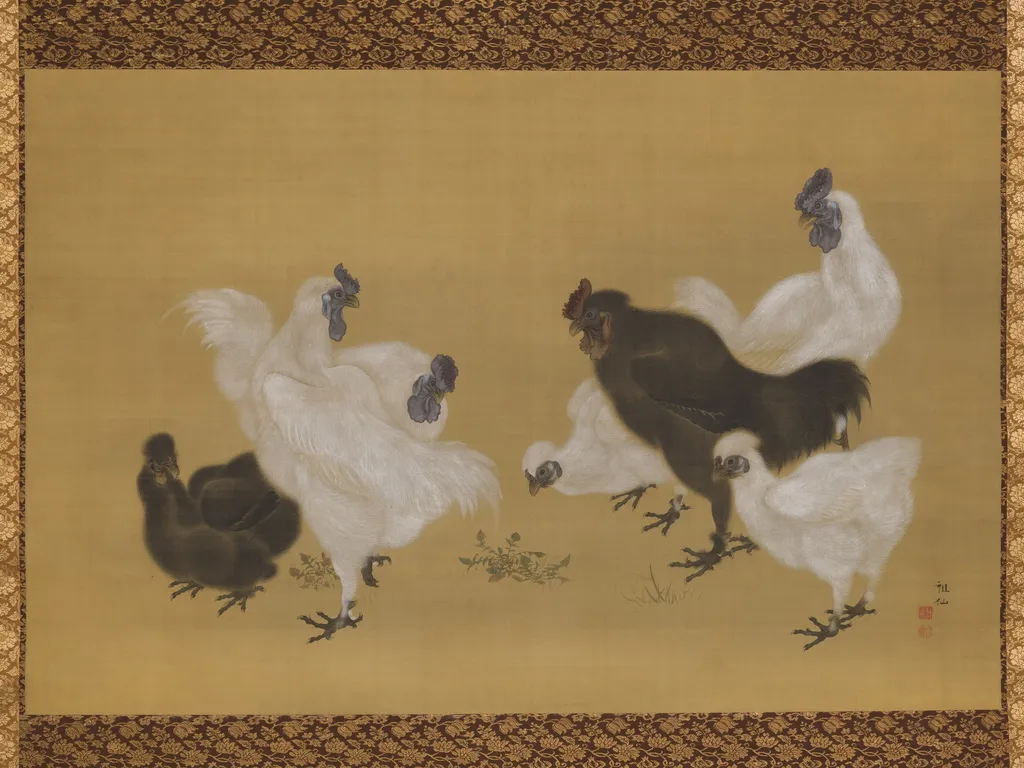
Silkies is an unspecified painting by the Joseon dynasty painting artist Mori Sosen. It dates from 1788 and is held in the collection of the Metropolitan Museum of Art.
About this work
Overview
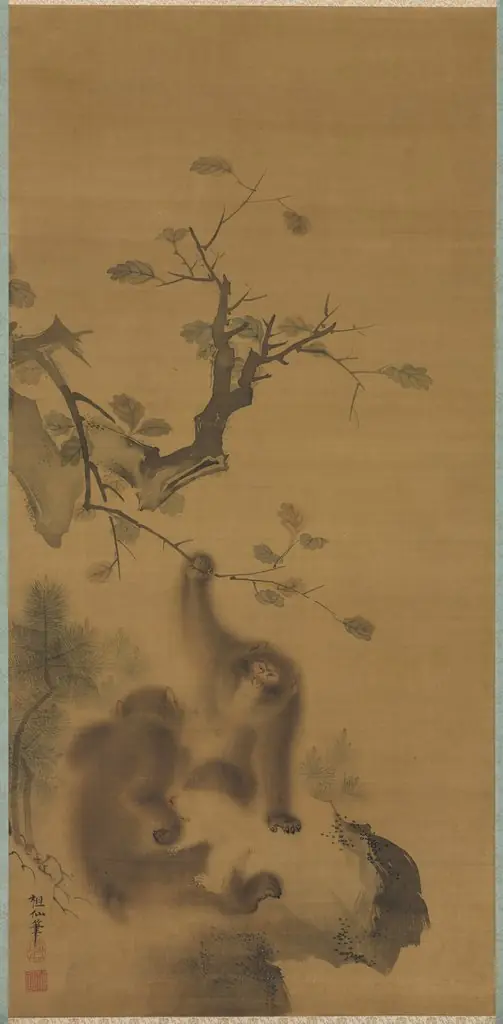
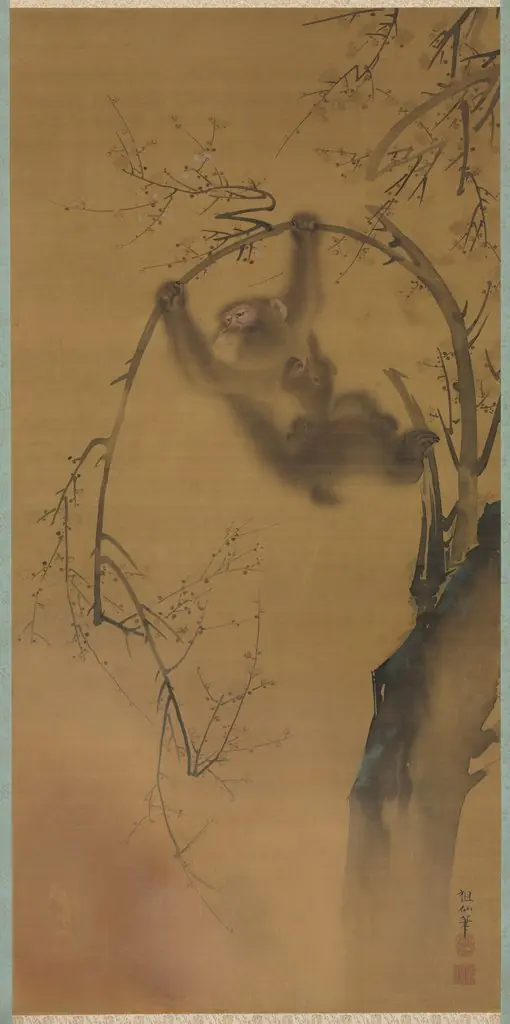
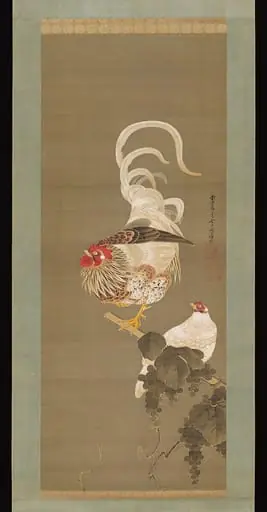
Painted in 1788 by Mori Sosen, Silkies is a scroll-style work depicting a group of domestic fowl in naturalistic poses.
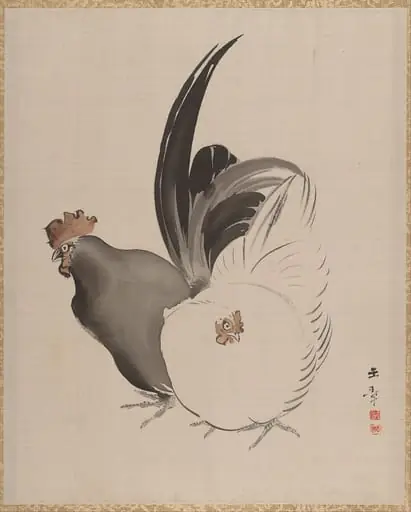
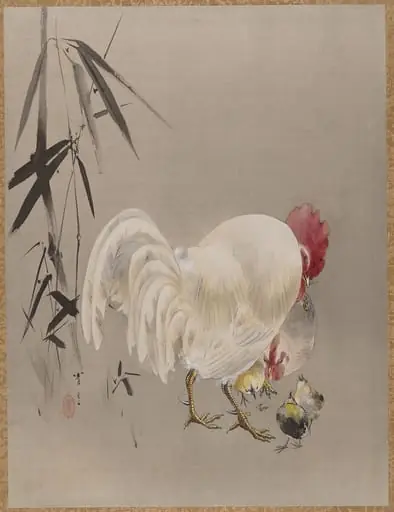
Painted in 1788 by Mori Sosen, Silkies is a scroll-style work depicting a group of domestic fowl in naturalistic poses. Executed in ink and color on paper, it is part of the collection at The Metropolitan Museum of Art. The composition centers on five chickens, two large white roosters, three smaller white hens, and one black hen, arranged with subtle variation in posture and orientation, suggesting quiet movement within a confined space.
Subject & Meaning
The painting presents chickens not as symbolic figures but as observed individuals, each with distinct character and posture. Rather than idealizing the birds, Sosen captures their mundane behaviors, strutting, crouching, standing, emphasizing their physical presence over allegory. This focus on ordinary animals reflects a broader Edo-period interest in the natural world, valuing close observation over mythological or literary themes.
Technique & Style
Sosen employed fine brushwork to render individual feathers with precision, using layered washes to suggest texture and sheen. The birds’ forms are modeled with subtle gradations of ink, while the warm golden background provides a neutral field that enhances their three-dimensionality. The absence of landscape or architectural elements directs attention entirely to the animals, reinforcing the intimate, observational quality of the work.
History & Provenance
Created during the late Edo period, Silkies entered the collection of The Metropolitan Museum of Art through documented acquisition, though its earlier ownership history remains largely unrecorded. As a work by Mori Sosen, it aligns with a tradition of naturalistic animal painting in Japan, particularly among artists associated with the Kanō and Rinpa schools, though Sosen’s style remained distinct in its directness and lack of stylization.
Context
In late 18th-century Japan, a growing interest in empirical observation influenced art beyond religious or aristocratic subjects. Artists like Sosen turned to everyday life and nature, documenting animals, plants, and common scenes with scientific curiosity. Silkies exemplifies this shift, reflecting a cultural moment where the natural world was studied not for moral instruction but for its intrinsic detail and behavior.
Legacy
Sosen’s approach to animal subjects influenced later generations of Japanese painters who prioritized direct observation over conventional symbolism. Silkies stands as a quiet testament to his ability to convey life through restraint and precision. While not widely known outside specialist circles, the work continues to be studied for its technical control and its contribution to the evolution of naturalism in Japanese art.
Own this work as a print
Artist & collection