Artwork
Horses and Cranes
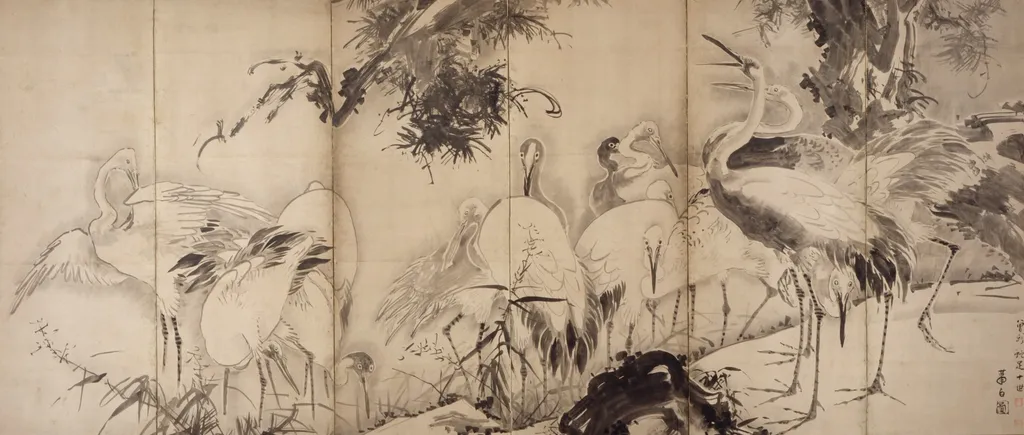
Horses and Cranes is an unspecified painting by the Joseon dynasty painting artist Soga Shōhaku. It dates from 1750 and is held in the collection of the Los Angeles County Museum of Art.
About this work
Overview
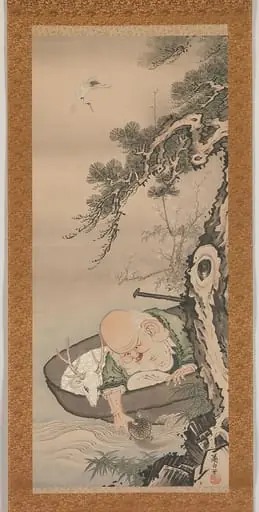
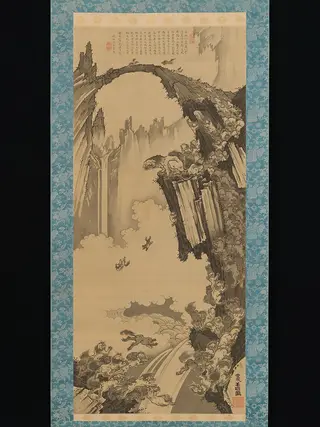
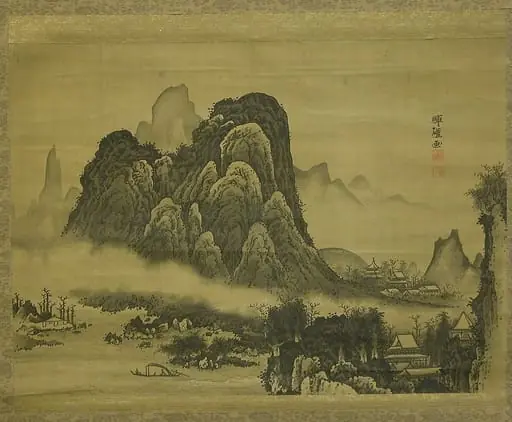
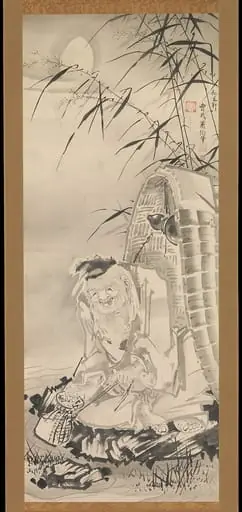
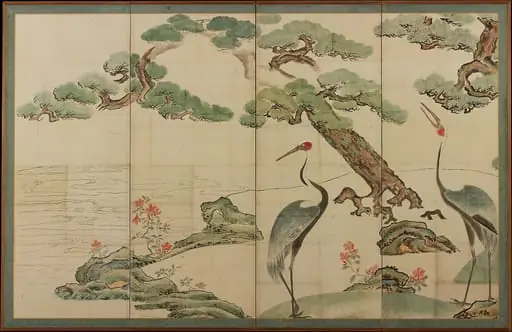
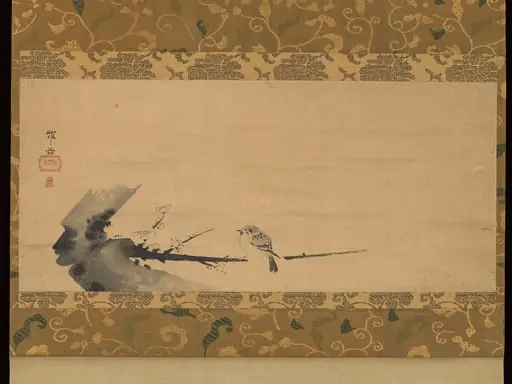
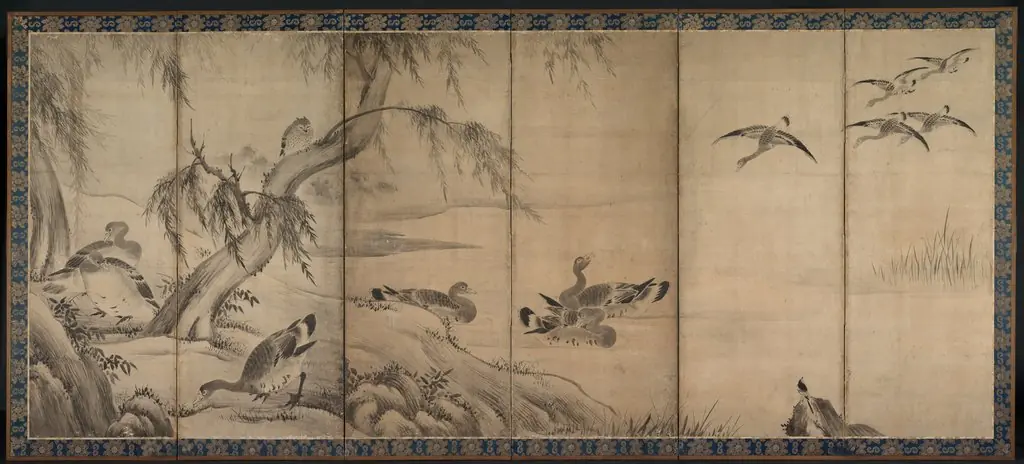
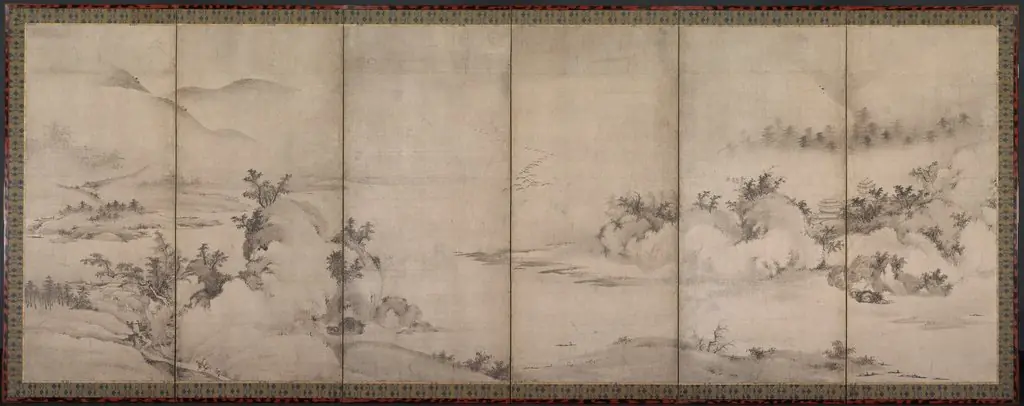
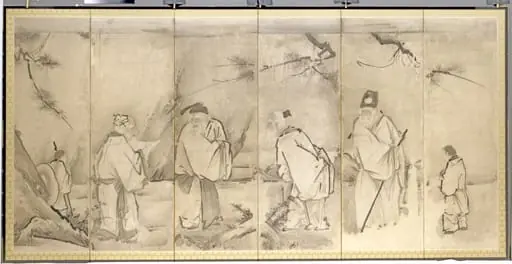
Horses and Cranes, attributed to the Japanese painter Soga Shōhaku and dated to around 1750, is an ink painting now in the collection of the Los Angeles County Museum of Art. The work presents a tranquil landscape dominated by a solitary tree and a group of cranes arranged across a low‑lying field, evoking a quiet, contemplative mood.
Subject & Meaning
The composition centers on several cranes, rendered in varied postures, some with heads raised, others lowered, suggesting natural behavior such as foraging or gentle interaction. The sparse foliage of the tree and the open ground reinforce a sense of spaciousness, inviting viewers to contemplate the harmony between the birds and their environment.
Technique & Style
Shōhaku employs bold, confident brushstrokes combined with a restrained palette of muted tones, characteristic of his late‑Ming‑inspired approach. The ink washes convey the texture of bark and the delicate forms of the cranes, while the minimal use of color enhances the overall calm and emphasizes line over detail.
History & Provenance
Created in the mid‑18th century, the painting entered the Los Angeles County Museum of Art’s collection through acquisition in the late 20th century. Its attribution to Soga Shōhaku aligns with the artist’s known oeuvre, which often features solitary figures and natural subjects rendered with expressive brushwork.
Context
Soga Shōhaku was active during the Edo period, a time when Japanese painters increasingly looked to Chinese literati models for inspiration. This work reflects that cross‑cultural dialogue, merging Chinese brush techniques with Japanese sensibilities toward nature, and exemplifies the period’s interest in depicting serene, contemplative scenes.
Artist & collection

Artist
Shōhaku spent his life in Kyoto, the creative heart of Japan, where he painted scrolls and screens that looked nothing like the soft landscapes of his day.