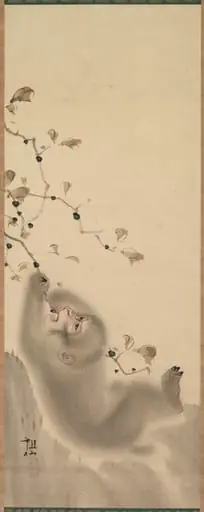
Artwork
Monkeys in a Cherry Tree
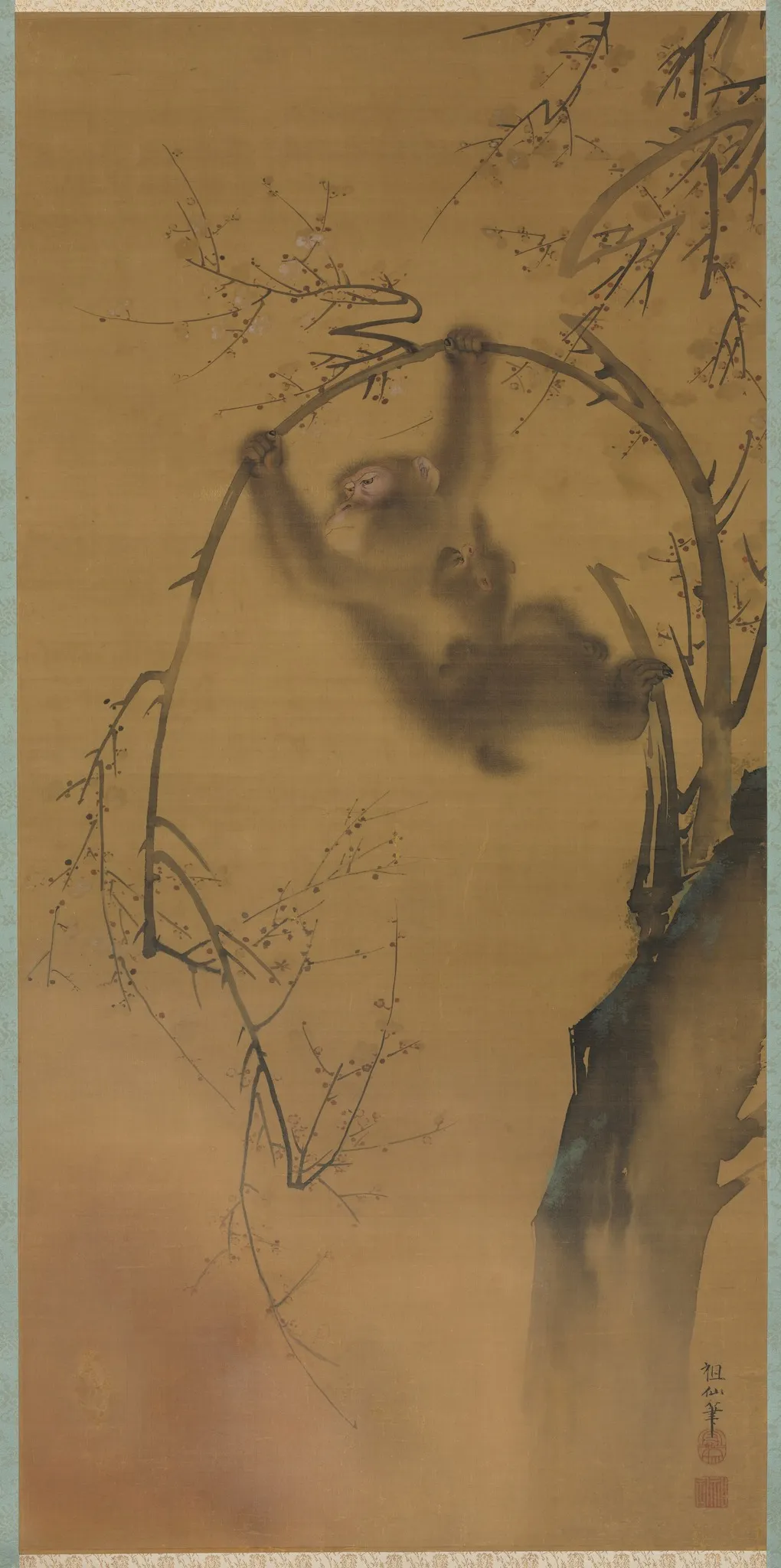
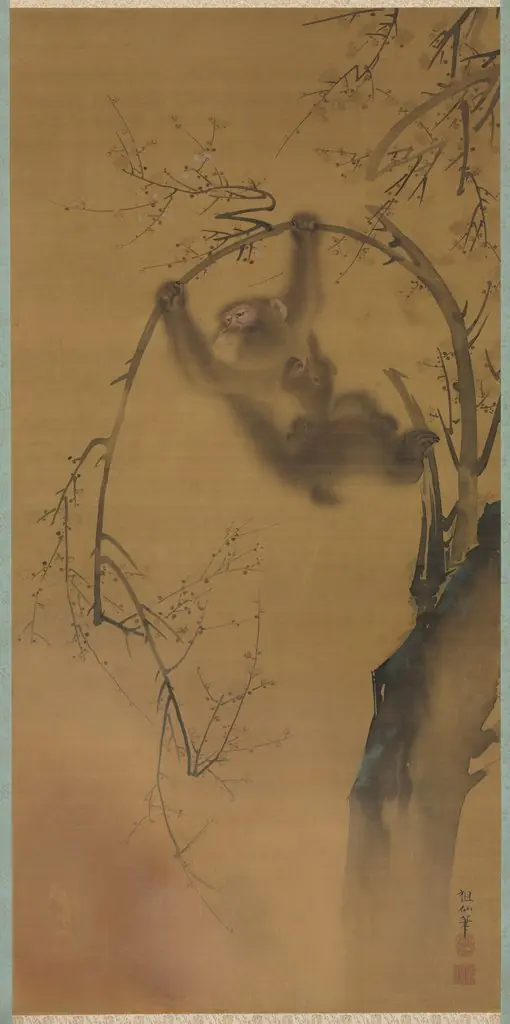
Monkeys in a Cherry Tree is an unspecified painting by the Rinpa school artist Mori Sosen. It dates from 1741 and is held in the collection of the Cleveland Museum of Art.
About this work
Technique & Style
The composition showcases the artist's signature attention to botanical detail and dynamic animal poses, reflecting Edo-period decorative sensibilities.
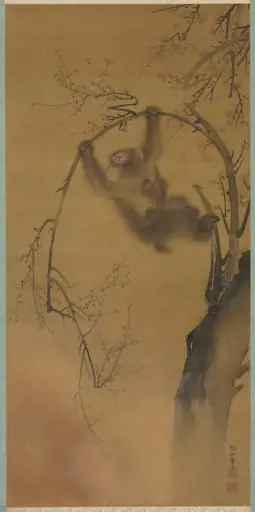
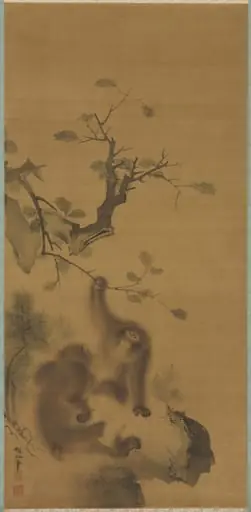
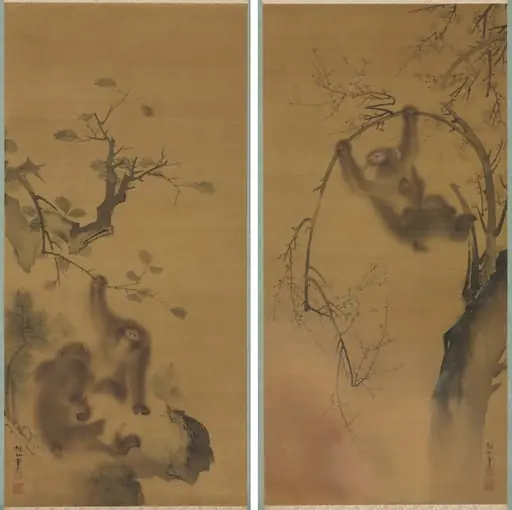
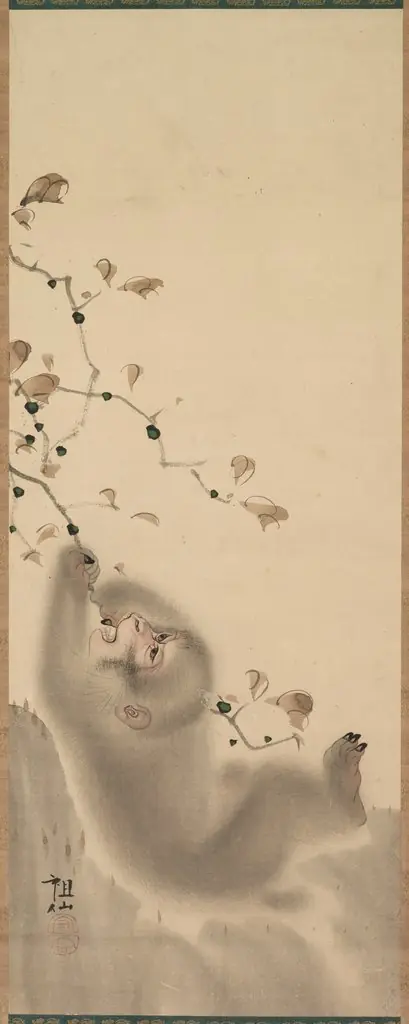
The work is an oil painting on silk depicting playful monkeys beneath blooming cherry branches, rendered through delicate brushwork and subtle gradations of color. The composition showcases the artist's signature attention to botanical detail and dynamic animal poses, reflecting Edo-period decorative sensibilities. The painting's handling of space and pattern demonstrates refined technical mastery within the tradition of Japanese screen painting.
The artwork is housed at the Cleveland Museum of Art, where it remains part of their collection of Japanese works from the 18th century.
History & Provenance
Monkeys in a Cherry Tree is a painting by the Japanese artist Mori Sosen dated to 1741. According to the work's cataloguing, it was created in Japan and has since entered the collection of the Cleveland Museum of Art, where it is held under the accession number 1998.425.1. No further details of commission, intermediate ownership, or acquisition circumstances are documented in the available sources.
Monkeys in a Cherry Tree by Mori Sosen is held by the Cleveland Museum of Art, where it is part of the museum's collection. The work is catalogued under the accession number 1998.425.1. Created in 1741 in Japan, the painting is classified as a painting within the museum's holdings.
No exhibition history is documented in the available sources for this work.
Context
Mori Sosen (1747-1821), a Japanese painter active in the late Edo period, created Monkeys in a Cherry Tree in 1741, reflecting his specialization in bird-and-flower subjects that blended meticulous natural observation with decorative compositional flair. This work exemplifies the ukiyo-e tradition while demonstrating Sosen's unique approach to depicting wildlife with anthropomorphic expressiveness, a style that influenced subsequent wildlife painting in Japan. The painting's presence in the Cleveland Museum of Art collection underscores its significance within the broader narrative of Japanese art's global transmission, particularly during the museum's early acquisitions of Edo-period works in the late 19th and early 20th centuries.
Scholars have noted its role in documenting the evolution of animal imagery from Edo-period natural studies to more stylized representations in modern Japanese art.
Overview
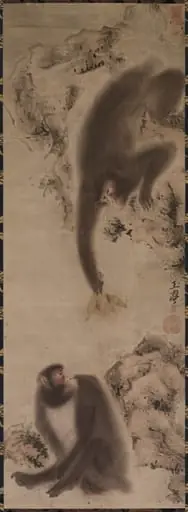
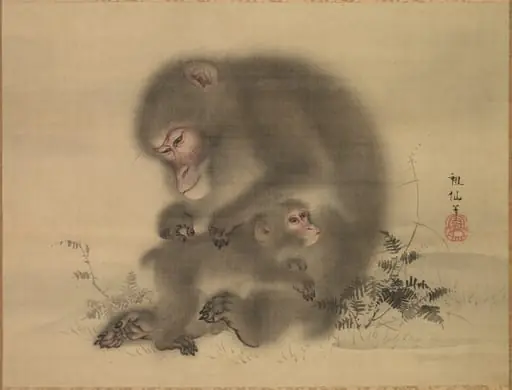
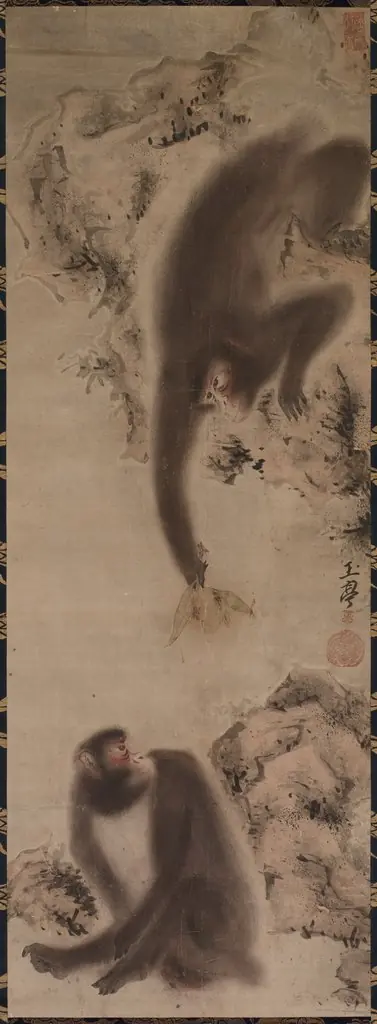
Created in 1741 by Japanese painter Mori Sosen, Monkeys in a Cherry Tree is an ink-and-wash work now in the collection of the Cleveland Museum of Art. The composition features two primates suspended from a stark cherry‑tree branch against a muted, warm‑brown ground that recalls aged paper. The piece exemplifies the artist’s interest in animal subjects and his skill in rendering movement with minimal means.
Subject & Meaning
The painting depicts a pair of monkeys engaged in playful activity: one hangs upside down while the other clings to the same branch. Their fuzzy forms and animated posture suggest a light‑hearted observation of nature, a common theme in Edo‑period art where monkeys symbolized curiosity and mischief. The bare cherry branch, devoid of blossoms, focuses attention on the animals rather than seasonal cues.
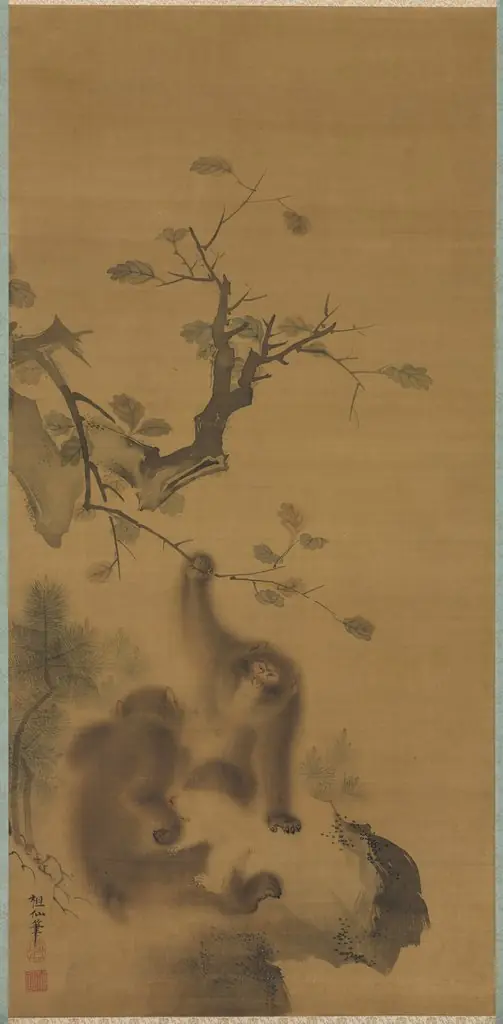
Artist & collection