Artwork
Jean Francois Paul de Gondy
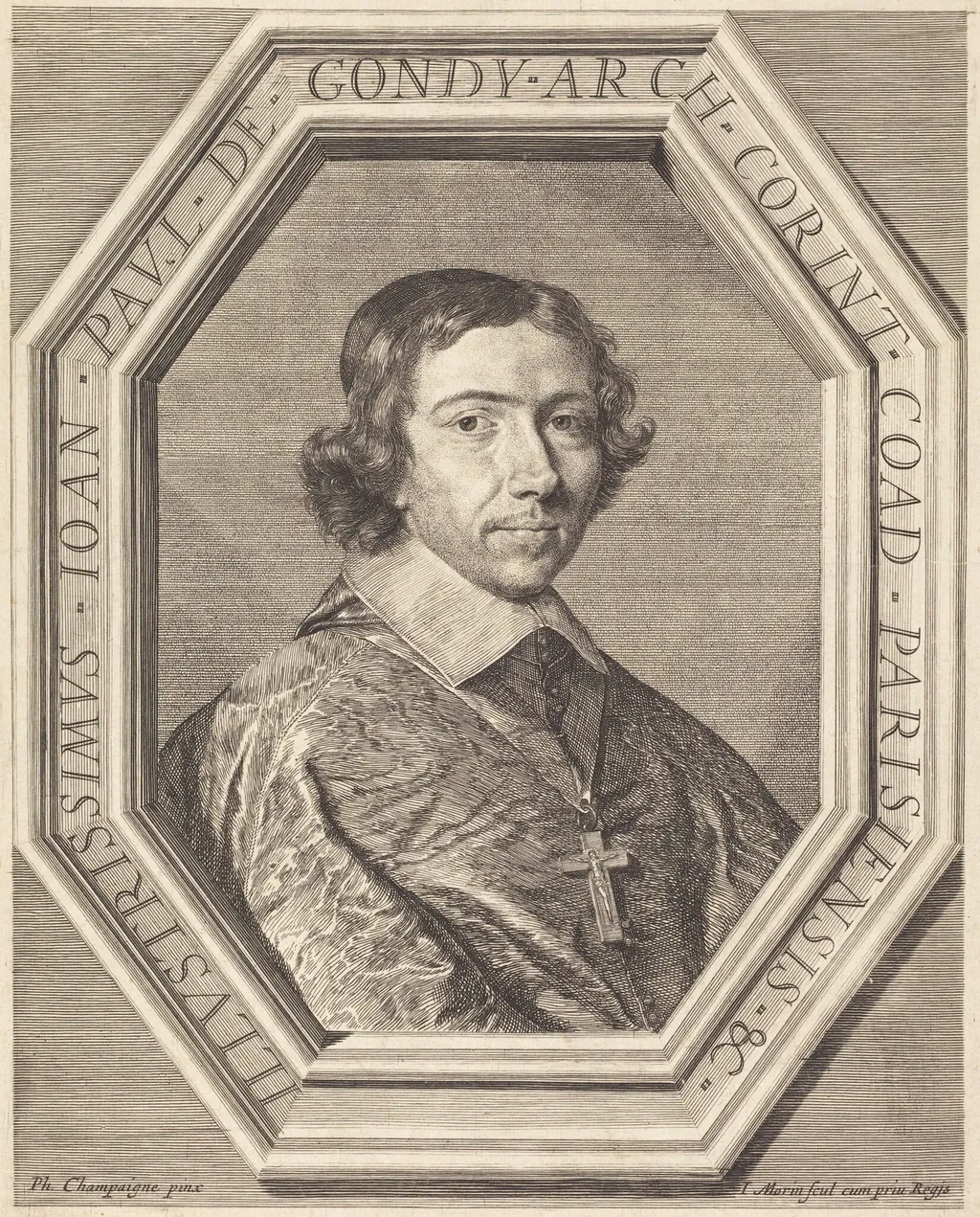
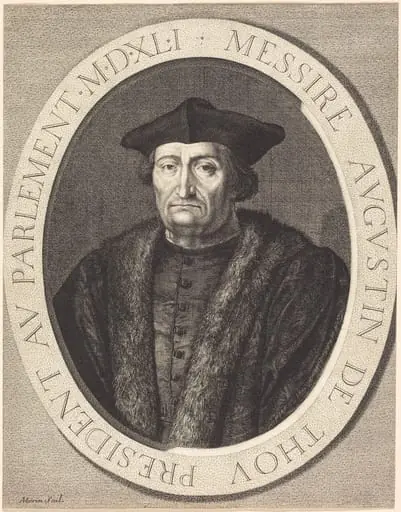
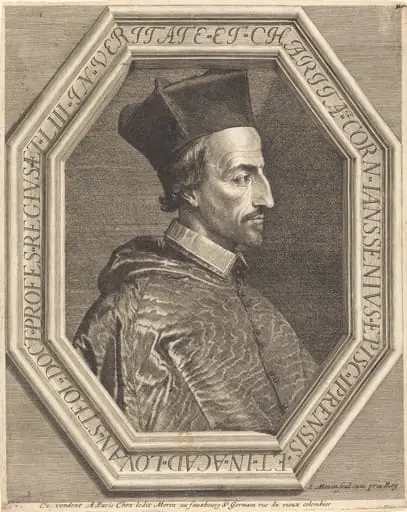
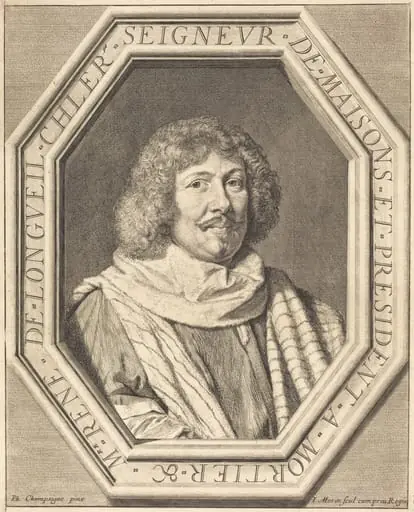
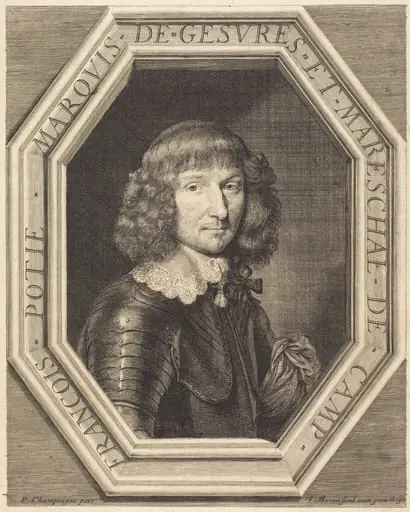
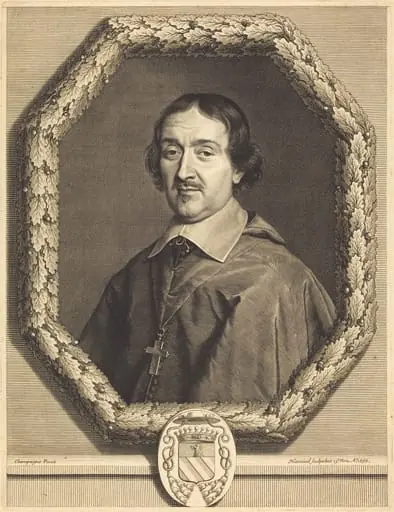
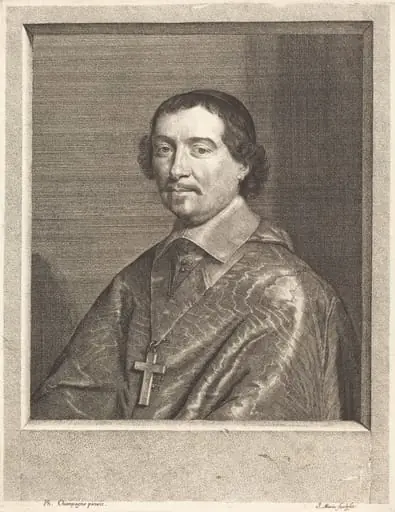
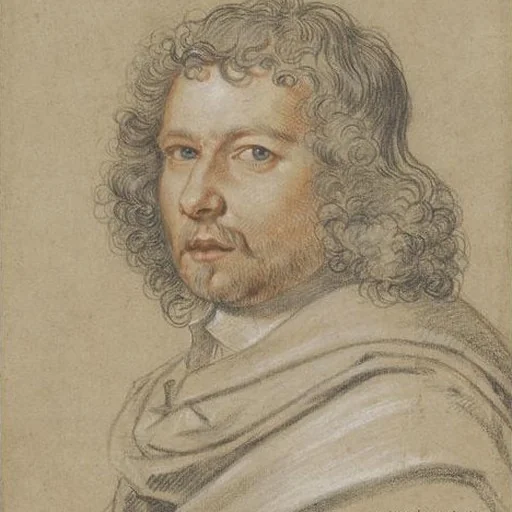
Jean Francois Paul de Gondy is an ink print by the Baroque artist Jean Morin. It dates from 1625 and is held in the collection of the National Gallery of Art.
- Inscription
- Inscribed:around circumference in plate in border: ILLVSTRISSIMVS.IOAN.PAVL.DE GONDY.ARCH.CORINT.COAD.PARISIENSIS.&.; lower left in plate: Ph. Champaigne pinx; lower right in plate: I Morin scul cum priu Regis; lL v//in graphite: CF / [?]-11-13 / R 54 / a 86015 v / [?]; lCv//in graphite: K.9949 A-15; lRv//in graph ite: HP18 / WM 1 & 1 / II/IV / R.D.54 / (illegible) 18 / II (V.IV)
About this work
Overview
The image is rendered in monochrome, emphasizing fine linear detail and tonal gradation rather than color, characteristic of early 17th-century portrait prints.
This 1625 print by Jean Morin portrays Jean François Paul de Gondy, a French nobleman and ecclesiastical figure. Executed in etching, engraving, and stippling on laid paper, the work exemplifies Morin’s technical experimentation with printmaking methods. The image is rendered in monochrome, emphasizing fine linear detail and tonal gradation rather than color, characteristic of early 17th-century portrait prints.
Subject & Meaning
The subject, Jean François Paul de Gondy, was a prominent figure in French religious and political life, later known as Cardinal de Retz. The portrait presents him in formal attire, a dark coat with a high collar and a sword at his side, signifying both his noble status and authority. The plain background focuses attention on his composed expression and the precision of his attire, reinforcing his public persona.
Technique & Style
Morin combined etching, engraving, and stippling to achieve nuanced texture and depth. Fine lines define contours, while dense clusters of tiny dots model the folds of fabric and the curl of hair. The effect is meticulous and intimate, resembling a drawing made with a fine tool rather than a brush.
The inscription along the frame’s edge, carved as part of the plate, adds a formal, heraldic quality to the composition.
History & Provenance
Created in 1625, the print emerged during Morin’s most active period as a printmaker in Paris. Though few of his works survive in large numbers, this portrait is among the better-documented examples of his hybrid technique. It likely circulated among elite circles as a means of disseminating the subject’s image before the widespread use of photography.
Context
In early 17th-century France, portrait prints served as tools of social and political representation. Morin’s fusion of etching and engraving reflected broader trends in printmaking, where artists sought greater control over tone and detail. The use of stippling, though labor-intensive, allowed for subtle shading that mimicked the softness of drawn portraits, bridging the gap between painting and print.
Legacy
Morin’s integration of multiple printmaking techniques influenced later generations of engravers who sought to expand the expressive range of the medium. While not widely known today, his approach to texture and detail contributed to the evolution of portrait prints in Europe, setting precedents for the tonal richness later achieved in mezzotint and other intaglio methods.
Own this work as a print
Artist & collection
Artist
Jean Morin (c.1595 or 1605 – 1650) was a French baroque painter, printmaker, painter, etcher, engraver and publisher.