Artwork
Alexander de Seve
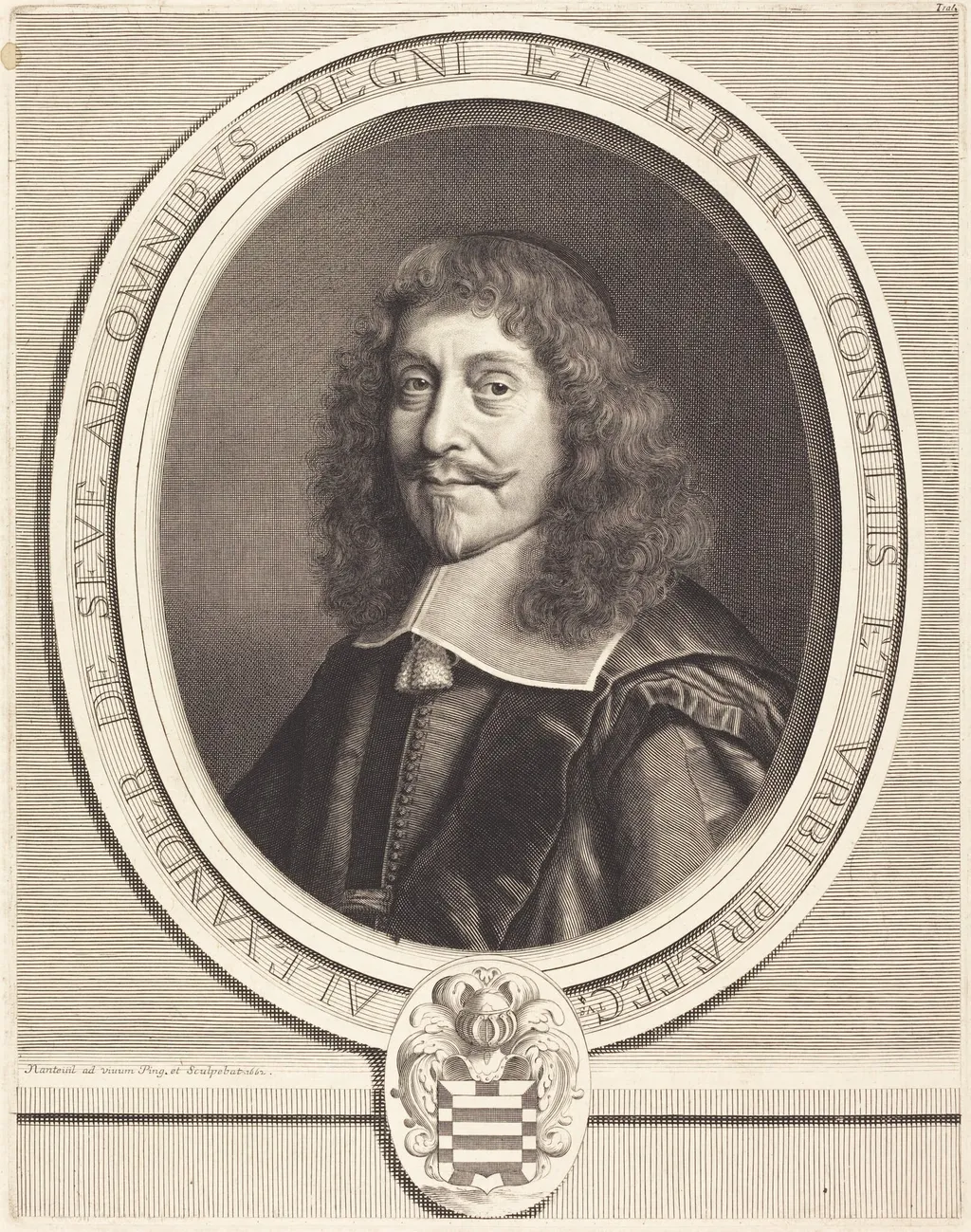
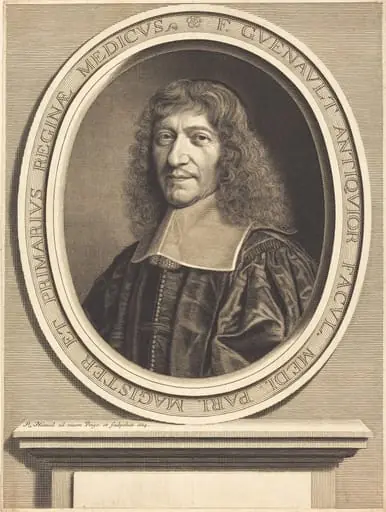
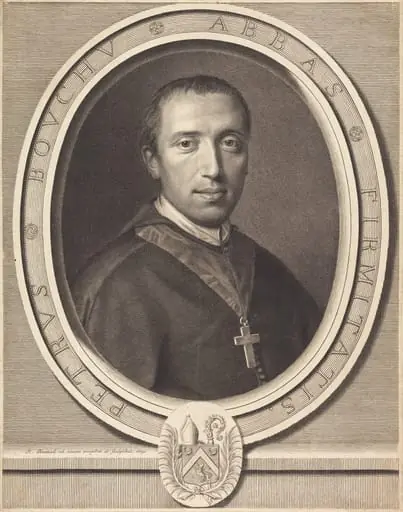
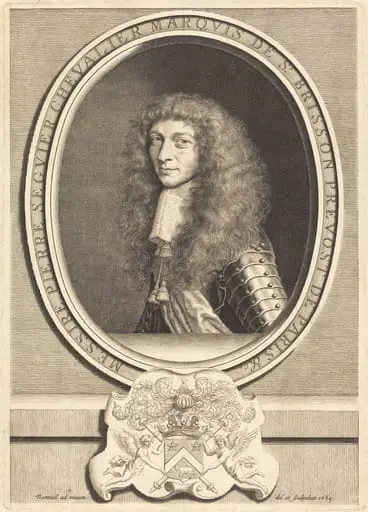
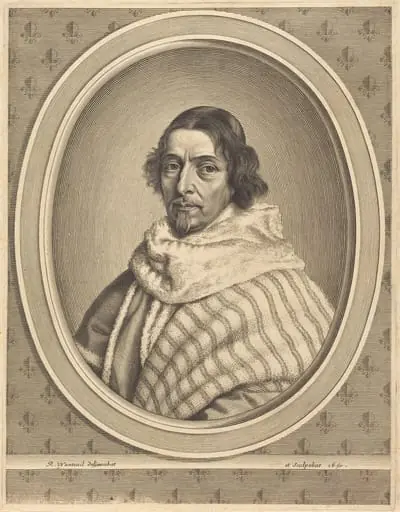
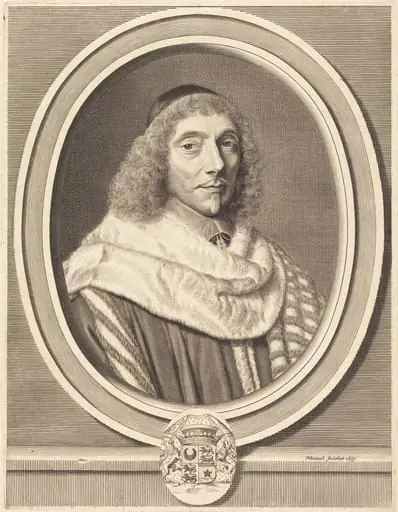
Alexander de Seve is an ink print by the Baroque artist Robert Nanteuil. It dates from 1662 and is held in the collection of the National Gallery of Art.
About this work
Overview
The composition is formal and restrained, emphasizing the subject’s dignity through precise detail and controlled tonal gradations.
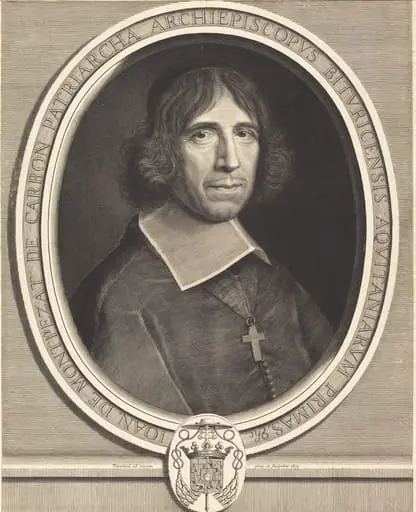
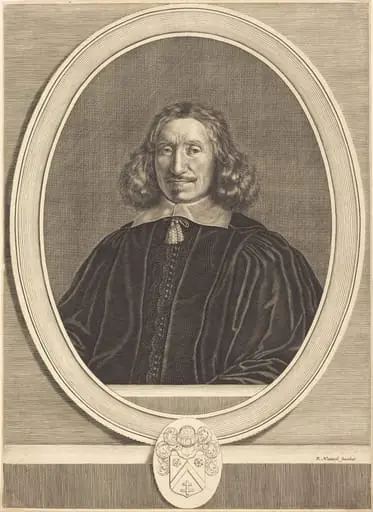
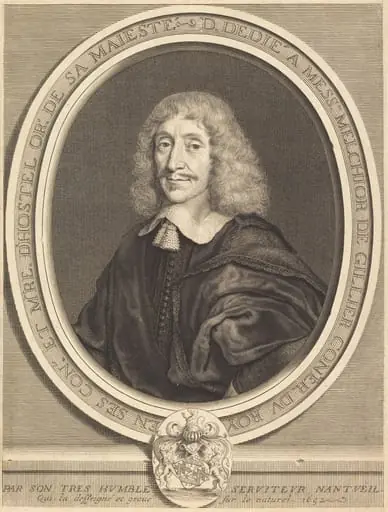
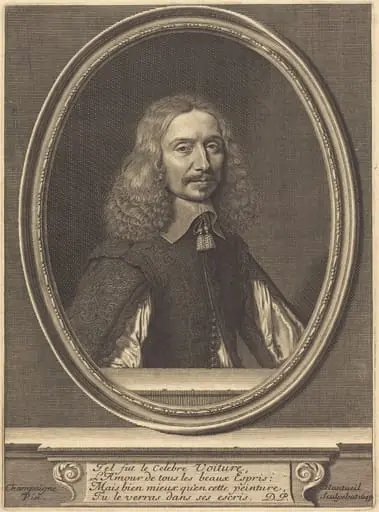
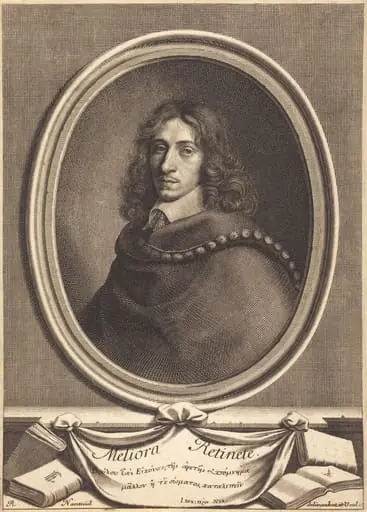
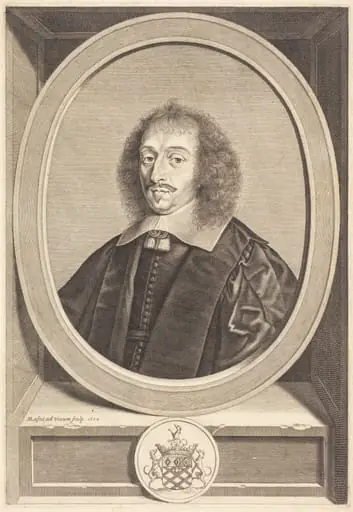
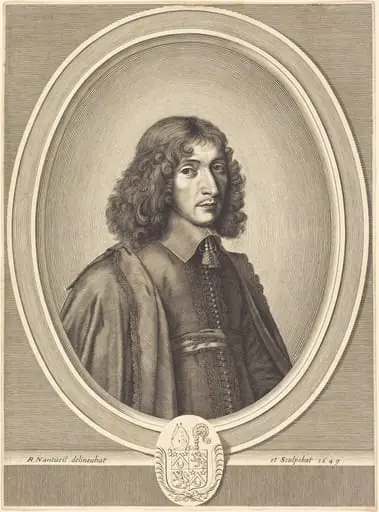
This 1662 engraving by Robert Nanteuil depicts Alexander de Seve, a figure of standing in the French court. Executed in black ink on paper, the portrait exemplifies Nanteuil’s mastery of fine-line engraving, a technique he refined during his tenure as official portraitist to Louis XIV. The composition is formal and restrained, emphasizing the subject’s dignity through precise detail and controlled tonal gradations.
Subject & Meaning
Alexander de Seve is portrayed with a composed, direct gaze and minimal ornamentation, suggesting his position as a courtier or official. The small shield beneath his chin, bearing a geometric pattern, may indicate familial heraldry or personal identity. His attire, a dark coat with crisp white lace, signals status without ostentation, aligning with the understated elegance favored in mid-17th-century French aristocratic portraiture.
Technique & Style
Nanteuil employed fine, incised lines to model form and texture, using cross-hatching and delicate stippling to render the fabric of the coat, the curl of hair, and the lace collar. The border surrounding the portrait is filled with intricate, rhythmic patterns that frame the image and enhance its tactile quality. This methodical approach reflects the precision expected in engraved portraiture, where clarity and likeness were paramount.
History & Provenance
Created during Nanteuil’s peak years at the French royal court, the engraving likely served as a circulating portrait for diplomatic or aristocratic circles. Such prints were often distributed to reinforce social connections and personal reputation. While specific early ownership records are sparse, the work aligns with Nanteuil’s broader output commissioned by nobility and high-ranking officials of Louis XIV’s reign.
Context
In mid-17th-century France, engraved portraits were vital tools for disseminating the likenesses of the elite before photography. Nanteuil’s work stood apart for its psychological nuance and technical control, distinguishing him from earlier, more rigid portrait engravers. His prints helped shape the visual language of French courtly identity, blending realism with a sense of quiet authority.
Legacy
Nanteuil’s engravings, including this portrait, influenced generations of printmakers in France and beyond. His ability to capture individual character through line alone set a standard for portrait engraving. Though his name is less known today than painters of the era, his technical innovations and refined aesthetic remain benchmarks in the history of printmaking.
Own this work as a print
Artist & collection
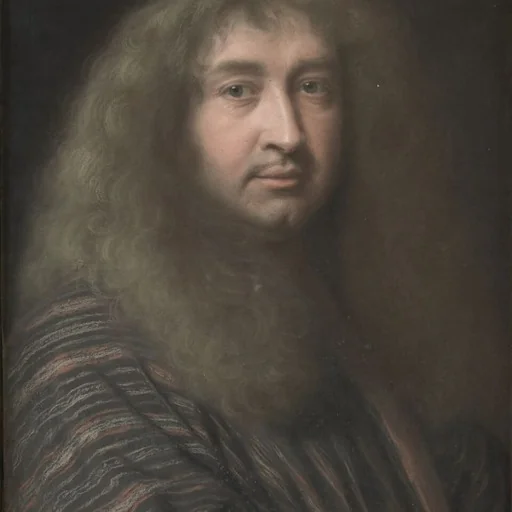
Artist
Robert Nanteuil (French pronunciation:; 1623 – 9 December 1678) was a French portrait artist: engraver, draughtsman and pastellist to the court of Louis XIV.