Artwork
Claude Thevenin
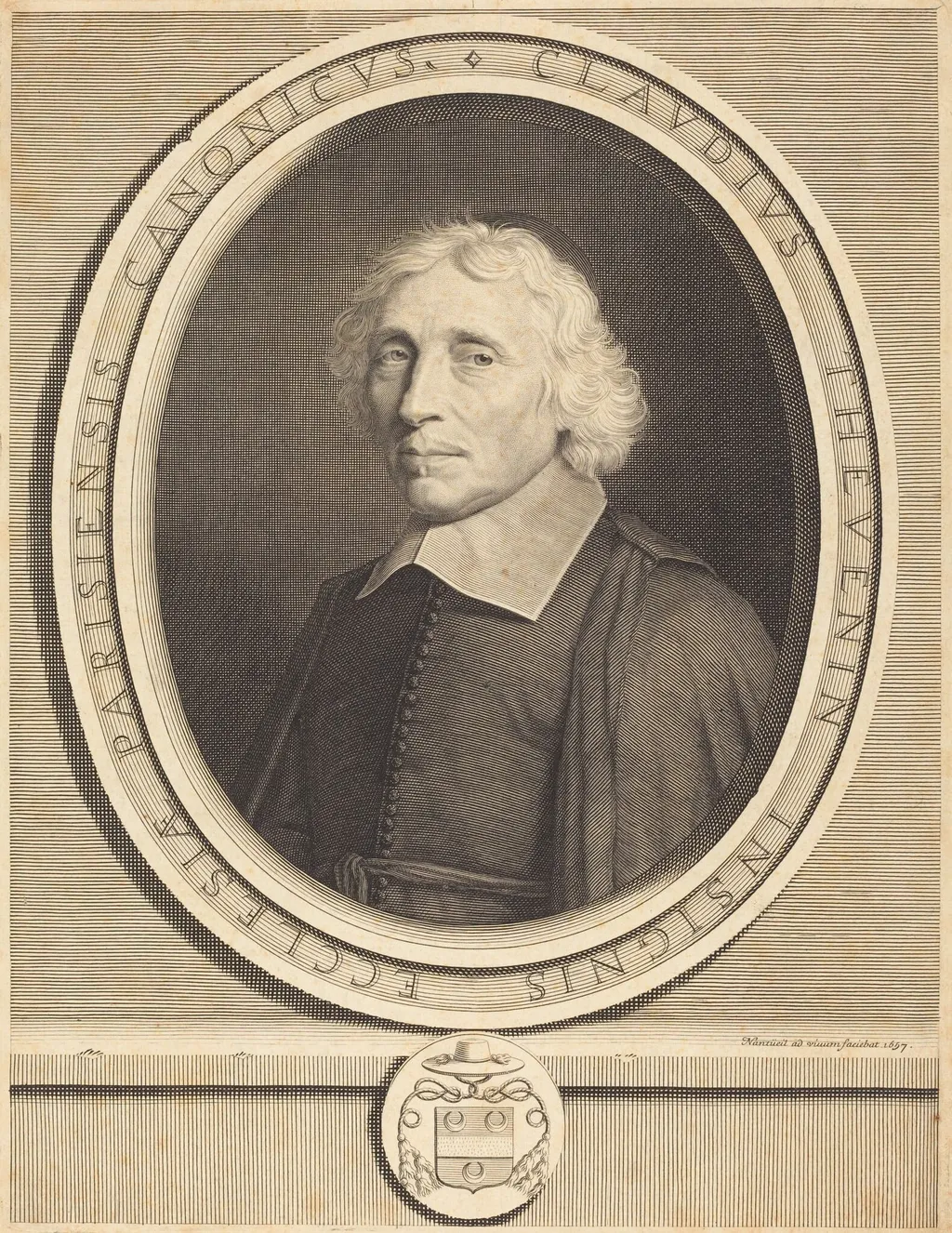
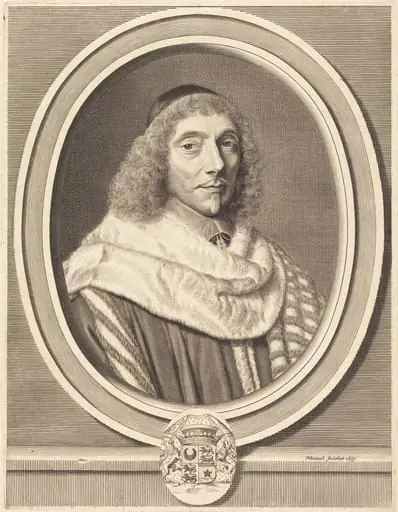
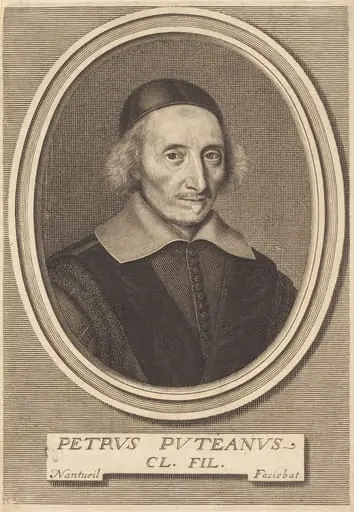
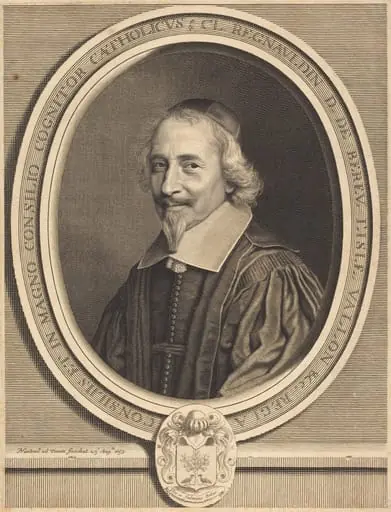
Claude Thevenin is an ink print by the Baroque artist Robert Nanteuil. It dates from 1657 and is held in the collection of the National Gallery of Art.
About this work
Overview
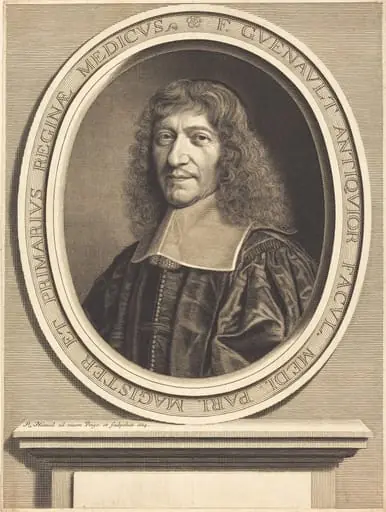
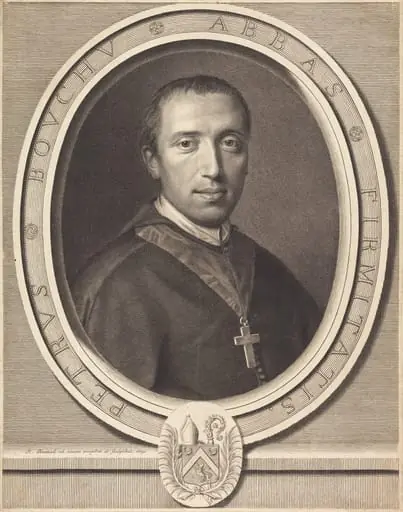
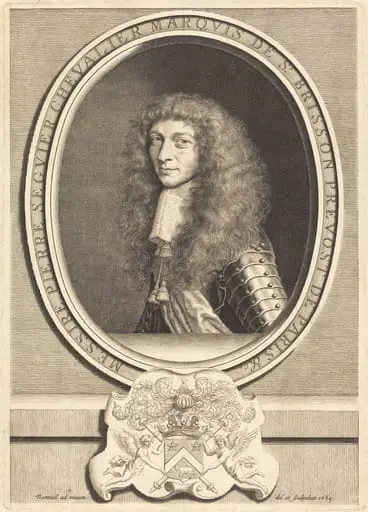
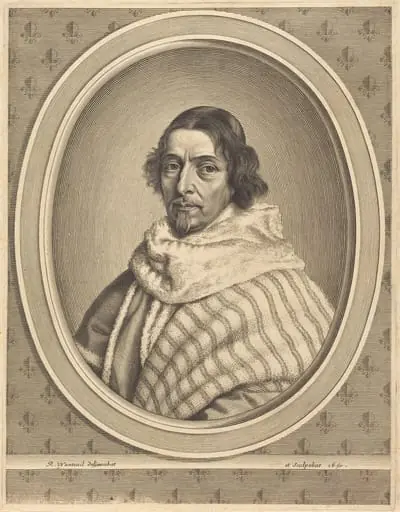
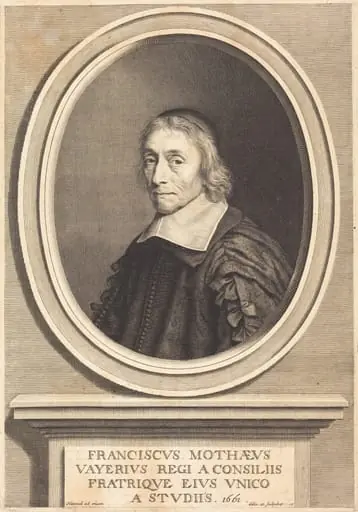
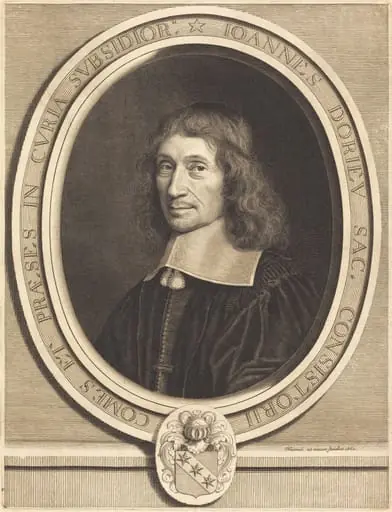
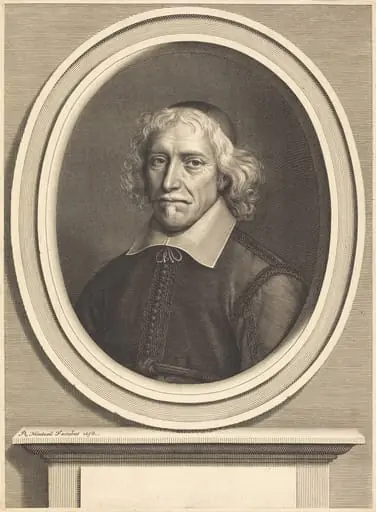
Robert Nanteuil’s 1657 engraving presents Claude Thevenin in a formal, mid‑17th‑century French portrait style. Executed in black and white, the image captures the sitter’s composed demeanor, set against a plain oval backdrop framed by decorative swirls. The work exemplifies the precision and restraint typical of court‑appointed engravers during the reign of Louis XIV.
Subject & Meaning
Claude Thevenin appears as a dignified gentleman, his curly hair and dark collar framing a calm, forward‑looking gaze. The restrained expression and orderly attire suggest a status of respectability, aligning with contemporary expectations for portraiture that conveyed the sitter’s social standing and personal gravitas without overt embellishment.
Technique & Style
Nanteuil employs fine cross‑hatching to model shadows, using dense parallel lines for the beard, collar, and facial planes. The surrounding ornamental motifs, reminiscent of musical notation, are rendered with delicate, interlacing strokes that enhance the composition’s rhythmic quality while maintaining a clear separation between figure and background.
History & Provenance
Created while Nanteuil served as the official engraver to Louis XIV’s court, the print reflects his reputation for accurate portraiture, a skill he honed alongside drawing and pastel work. The engraving was likely circulated among the aristocracy and collectors of the period, contributing to Nanteuil’s standing as a leading French printmaker of his generation.
Own this work as a print
Artist & collection
Artist
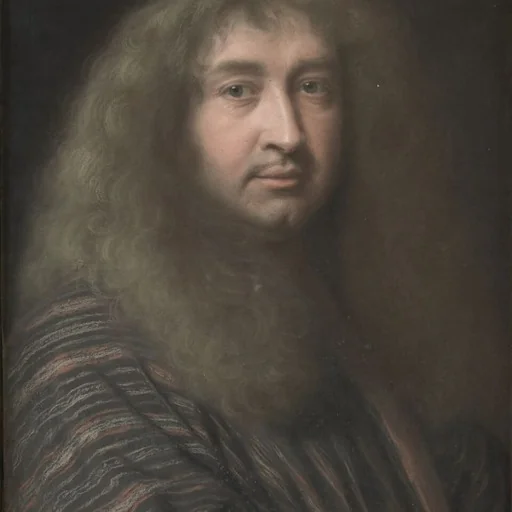
Robert Nanteuil (French pronunciation:; 1623 – 9 December 1678) was a French portrait artist: engraver, draughtsman and pastellist to the court of Louis XIV.