Artwork
Hippolyte Feret
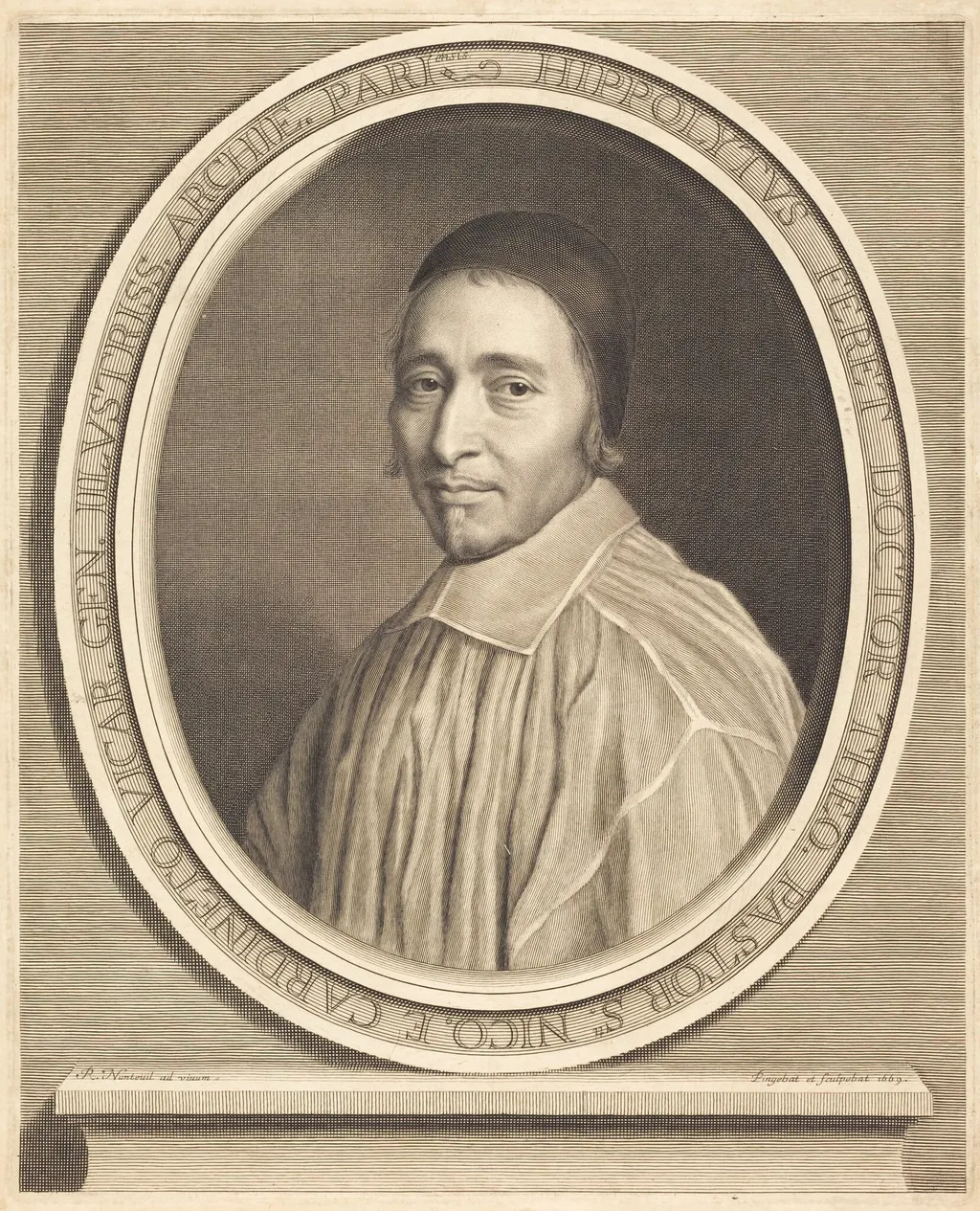
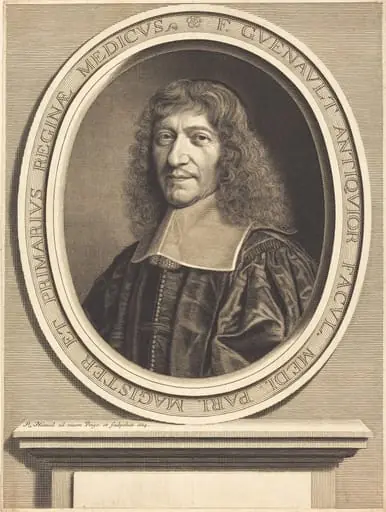
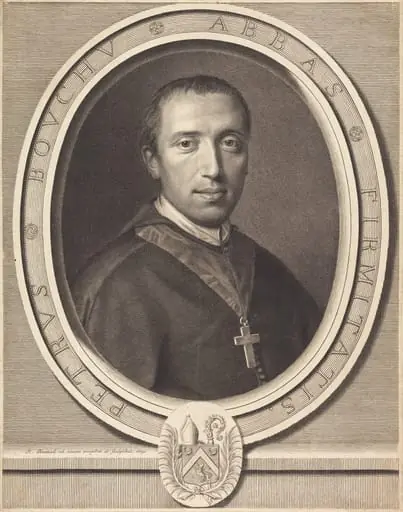
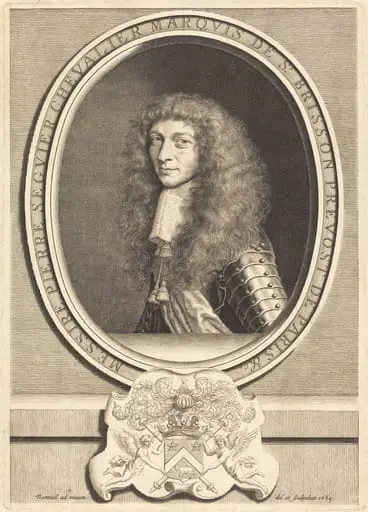
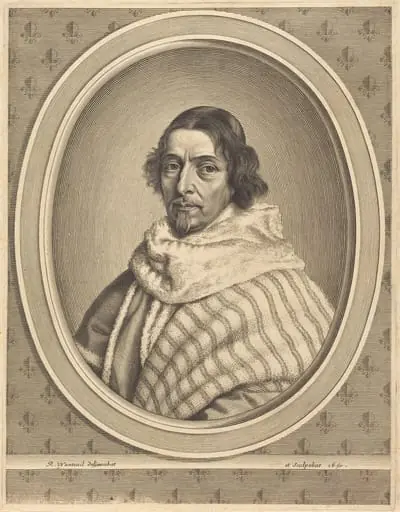
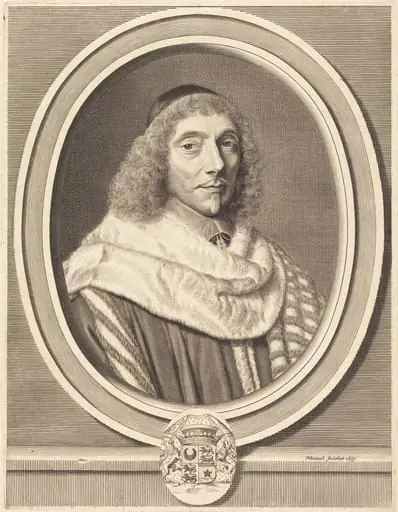
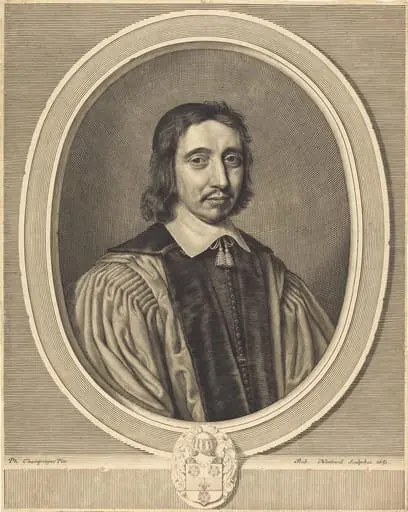
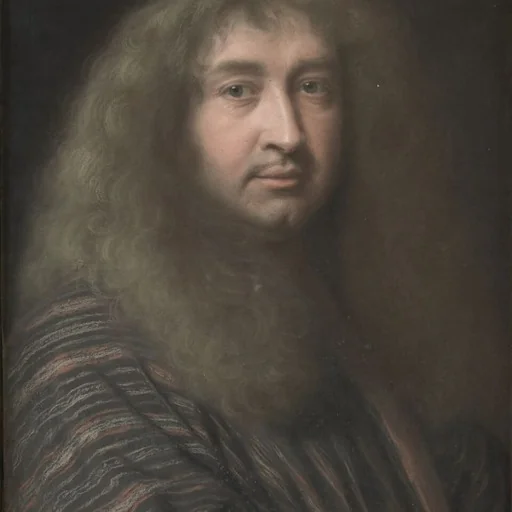
Hippolyte Feret is an ink print by the Baroque artist Robert Nanteuil. It dates from 1669 and is held in the collection of the National Gallery of Art.
About this work
Overview
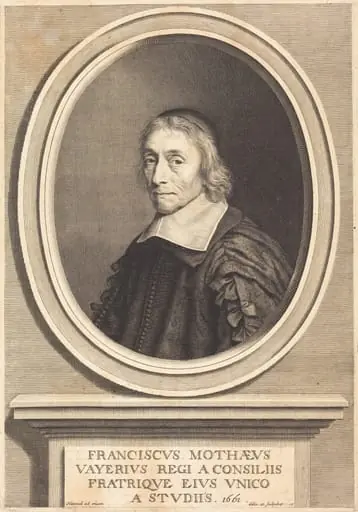
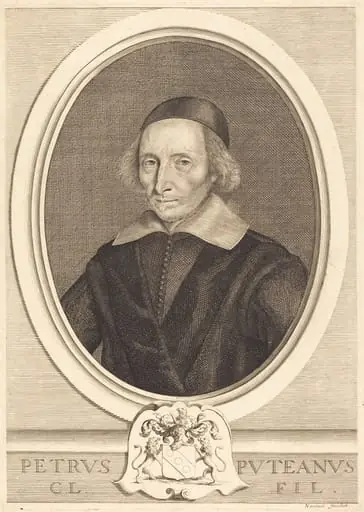
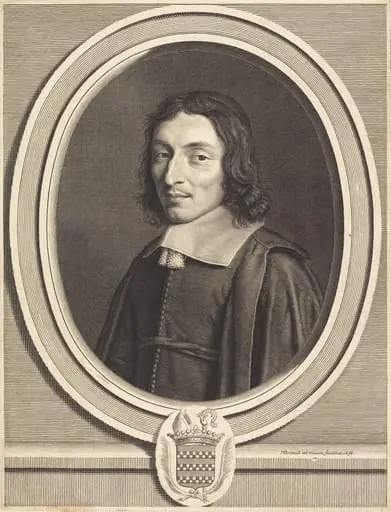
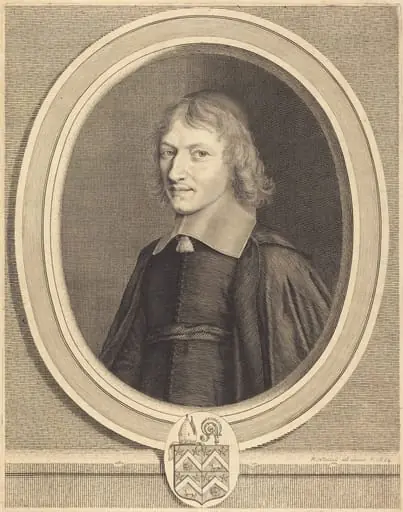
Hippolyte Feret is a 1669 engraving by Robert Nanteuil, created during his tenure as an official artist for the court of Louis XIV. The work is a portrait of Hippolyte Feret, a figure connected to the French royal administration at the time.
Subject & Meaning
The engraving portrays a man, possibly a clergy member, with a solemn expression, attired in a dark cap and a light robe with a high collar. His affiliation with the royal administration suggests the print may have served as an official representation or diplomatic gift.
Technique & Style
Nanteuil's expertise in engraving is evident in the finely detailed, realistic depiction of the subject. Subtle shading gradients impart depth to the man's facial features, set against a dark, monochromatic background that accentuates the portrait.
History & Provenance
Produced in 1669 for the court of Louis XIV, this engraving reflects Nanteuil's role in creating precise, official portraits for the royal court, leveraging his background in draughtsmanship and pastels.
Context
This work aligns with the broader artistic trends of the Baroque period, characterized by detailed realism and dramatic use of contrast, though its primary function was administrative and diplomatic rather than purely aesthetic.
Legacy
As part of Nanteuil's official body of work, Hippolyte Feret contributes to the historical record of Louis XIV's court and showcases the artistic standards of 17th-century French engraving.
Own this work as a print
Artist & collection
Artist
Robert Nanteuil (French pronunciation:; 1623 – 9 December 1678) was a French portrait artist: engraver, draughtsman and pastellist to the court of Louis XIV.