Artwork
The Edge of the Woods
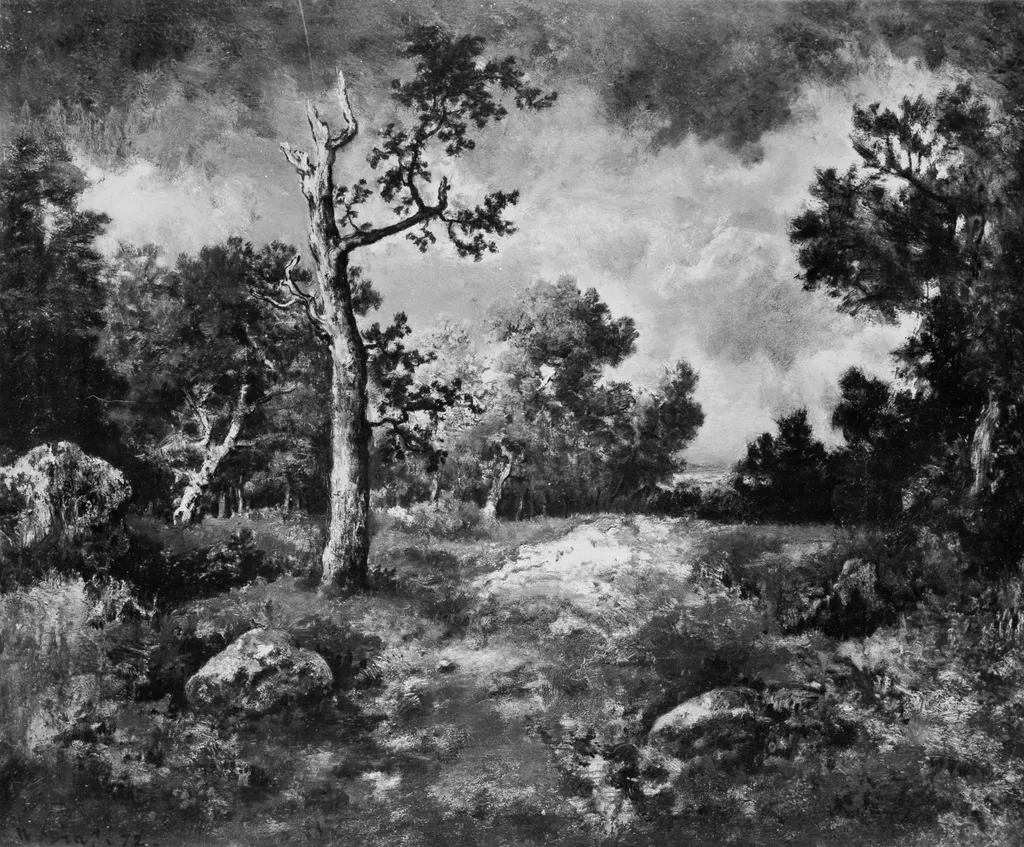
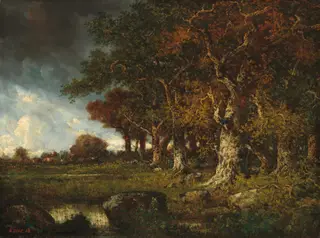
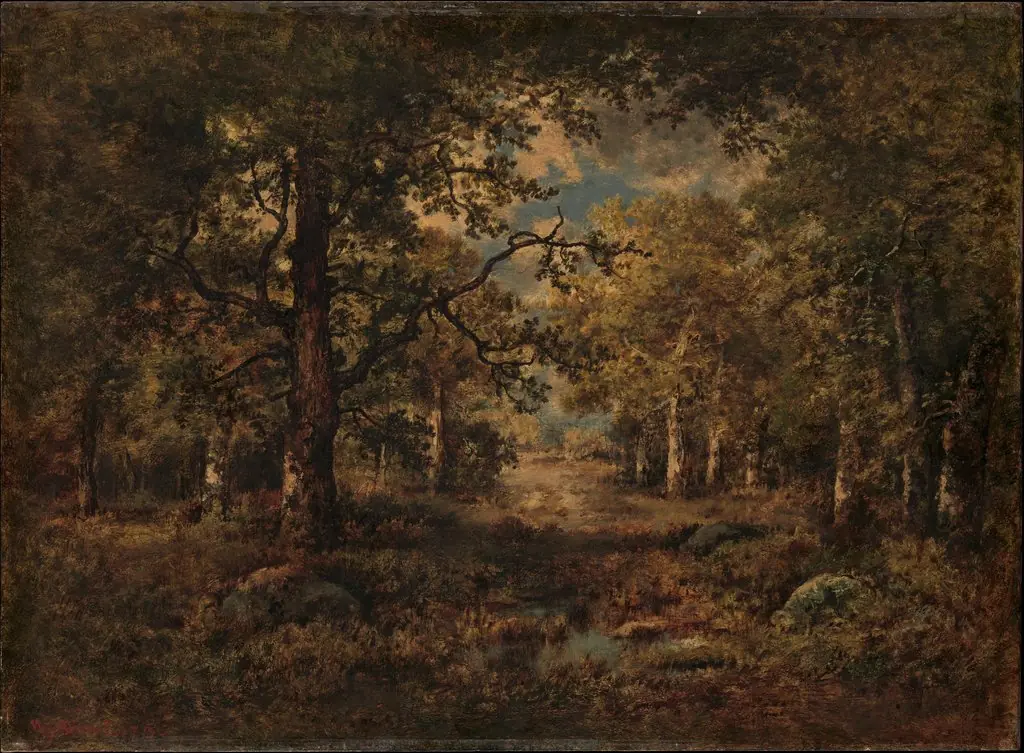
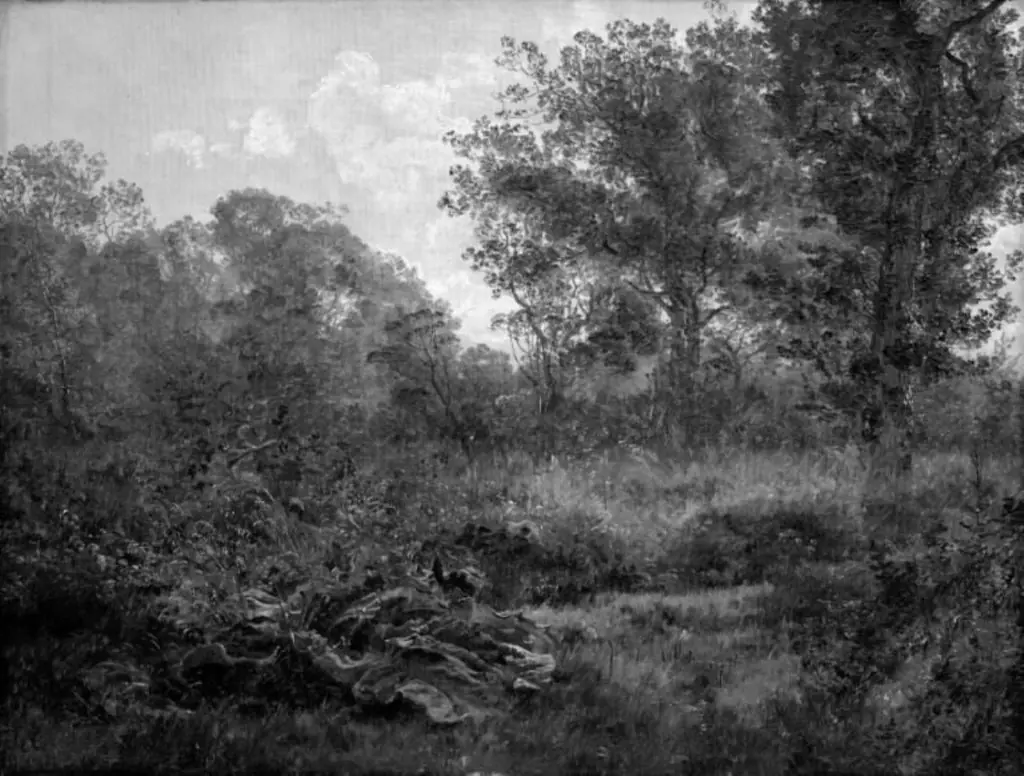
The Edge of the Woods is an oil painting by the Barbizon school artist Narcisse Virgilio Díaz. It dates from 1872 and is held in the collection of the Metropolitan Museum of Art.
About this work
Subject & Meaning
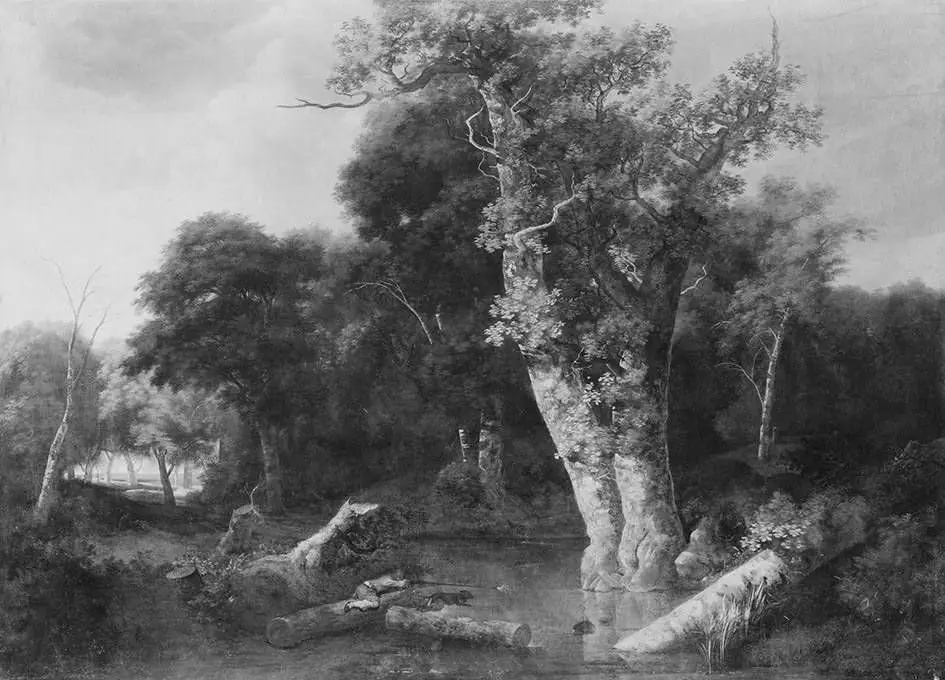
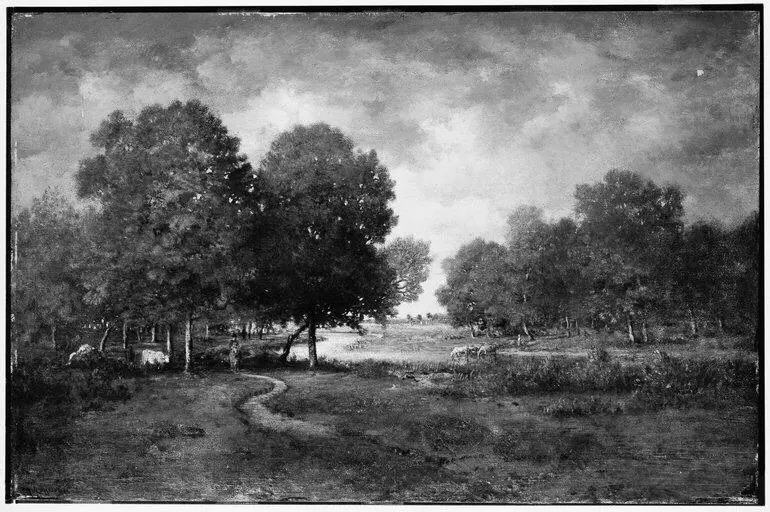
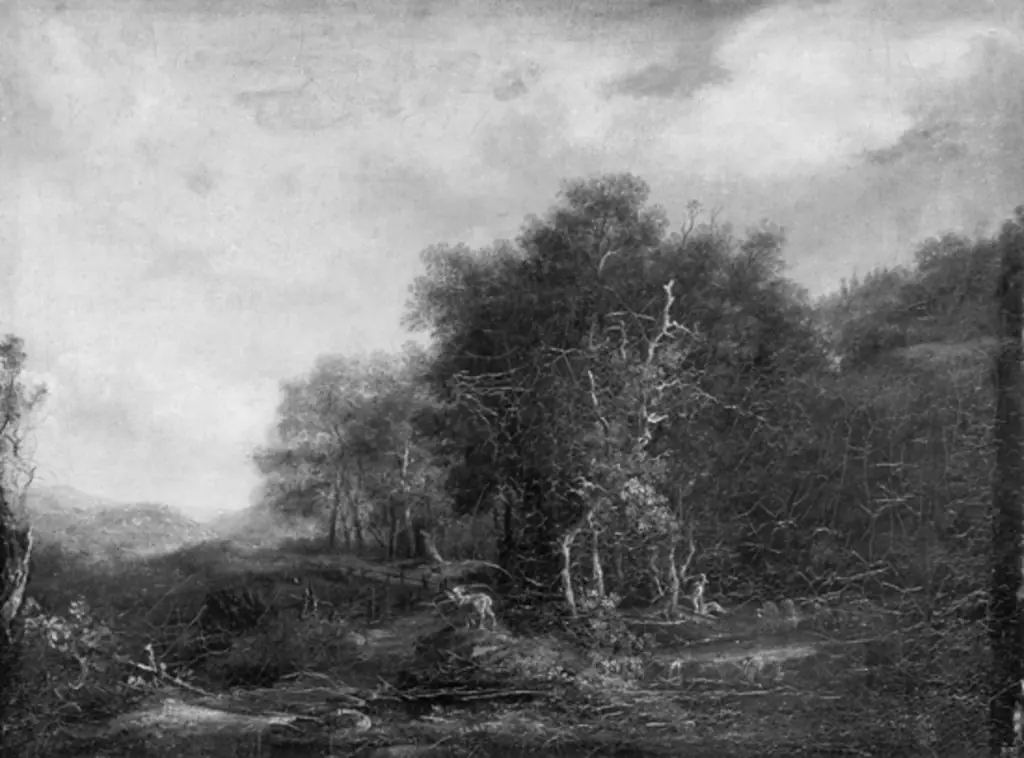
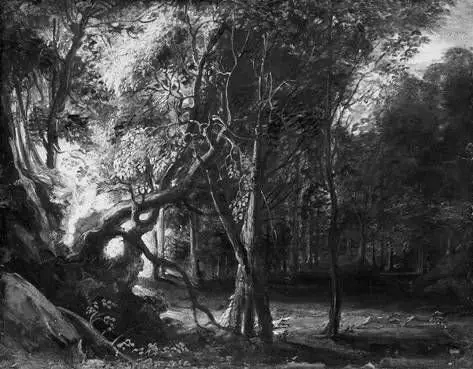
The Edge of the Woods is a forest landscape depicting trees at the boundary of a wooded area.
The Edge of the Woods is a forest landscape depicting trees at the boundary of a wooded area. As a landscape painting, the work belongs to the tradition of naturalistic depiction of woodland scenery, with trees and forest serving as its primary subject matter. The painting's meaning centers on the atmospheric threshold between dense woodland and open ground, a compositional motif that emphasizes the texture and density of tree forms.
Created in 1872 by Narcisse Virgilio Díaz, the work represents the artist's engagement with the Barbizon school's interest in unidealized nature, presenting the forest not as a symbolic or allegorical setting but as a direct observation of the wooded environment.
Technique & Style
The Edge of the Woods is an oil painting executed on a panel support, created by Narcisse Virgilio Díaz in 1872. Measuring 37.8 centimeters in height and 47 centimeters in width, the work belongs to the landscape genre and depicts a forest scene featuring trees. The piece is classified as a painting and represents the artist's engagement with wooded environments.
Its physical construction combines oil paint with a rigid panel base, a common choice for the period's smaller-scale landscape works. The formal qualities focus on the depiction of natural elements, specifically trees and forest settings, rendered in the medium of oil. The work remains in the collection of the Metropolitan Museum of Art, having been part of the Benjamin Altman acquisition.
History & Provenance
The Edge of the Woods, an 1872 oil on panel by Narcisse Virgilio Díaz, was painted during the latter phase of the artist’s career when he increasingly favored forest interiors. The work entered the collection of Benjamin Altman, who bequeathed it to the Metropolitan Museum of Art, where it remains on view. Its creation is documented as 1872‑01‑01 in the museum’s records, and technical analysis confirms oil paint applied to a wooden panel.
The painting’s subject, a dense woodland scene, reflects Díaz’s fascination with untamed nature, a motif that recurs throughout his oeuvre.
Overview
Narcisse Virgilio Díaz created The Edge of the Woods in 1872, an oil painting that captures a tranquil forest environment. This work is characterized by its focused depiction of a single prominent tree amidst a natural landscape. The painting is part of the collection at The Metropolitan Museum of Art, representing a moment in 19th-century landscape art.
Own this work as a print
Artist & collection
Artist
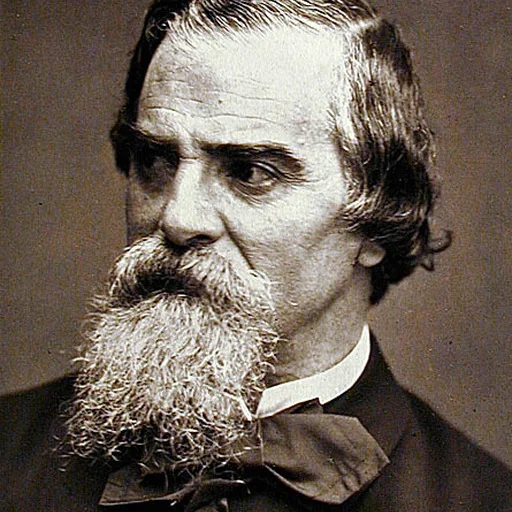
Narcisse Virgilio Díaz (1807–1876) was a French artist, born in Bordeaux.