Artwork
A River in a Meadow
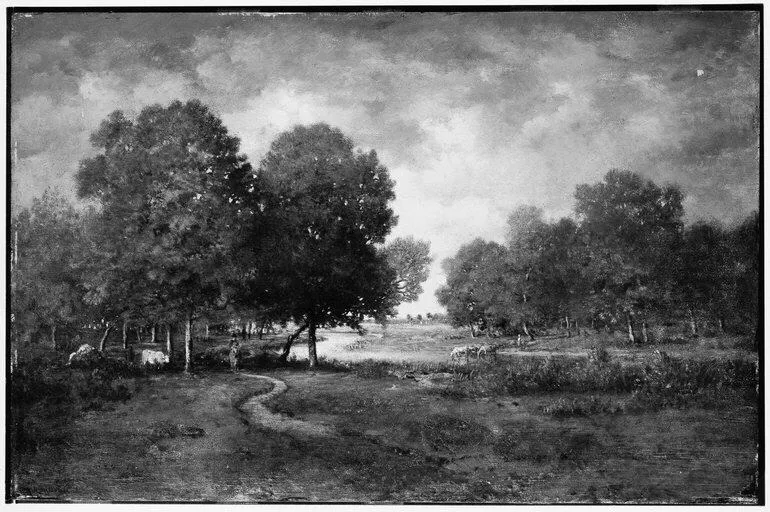
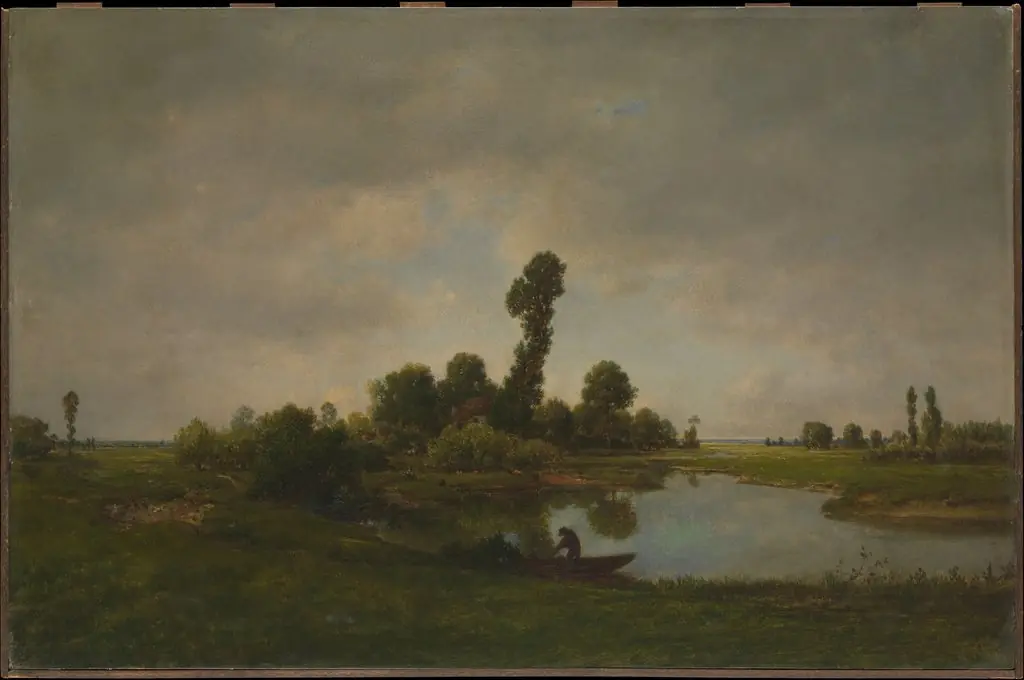
A River in a Meadow is an oil painting by the Barbizon school artist Théodore Rousseau. It dates from 1840 and is held in the collection of the Metropolitan Museum of Art.
About this work
Subject & Meaning
The painting titled A River in a Meadow, executed by Théodore Rousseau in 1840, is an oil work on panel that belongs to the landscape genre.
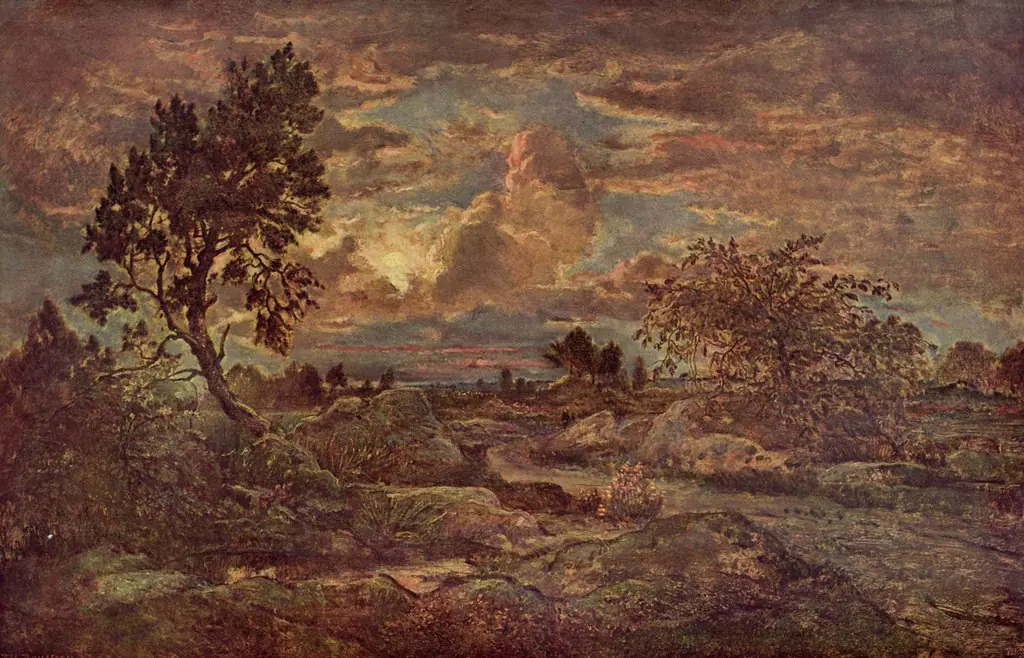
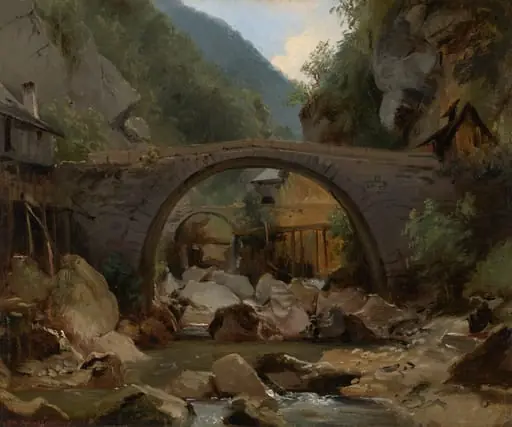
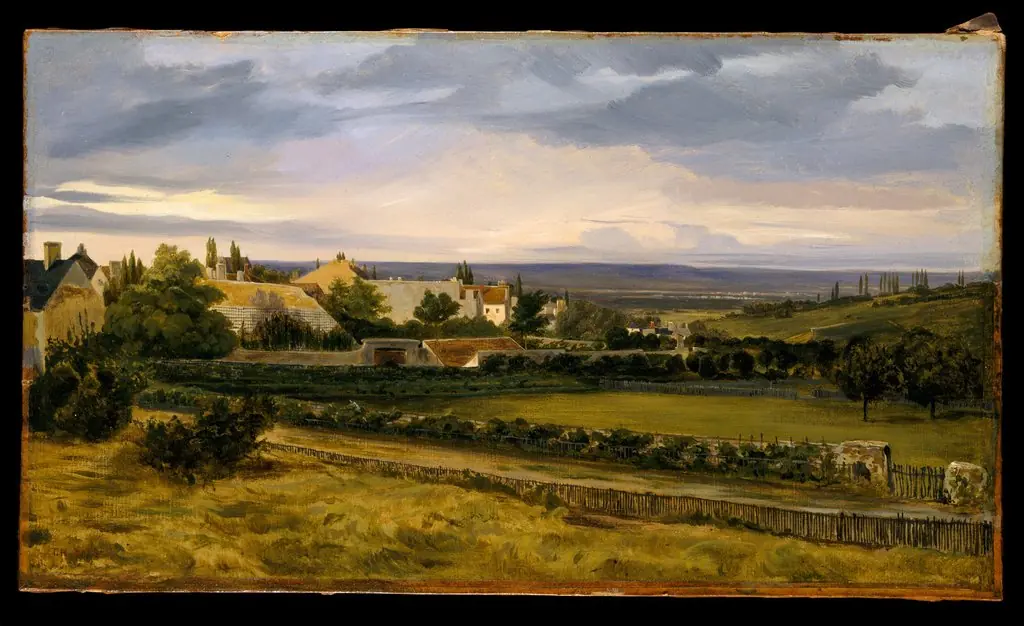
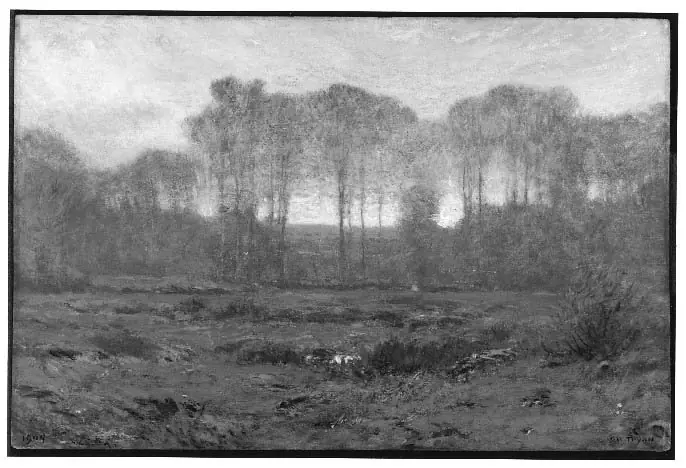
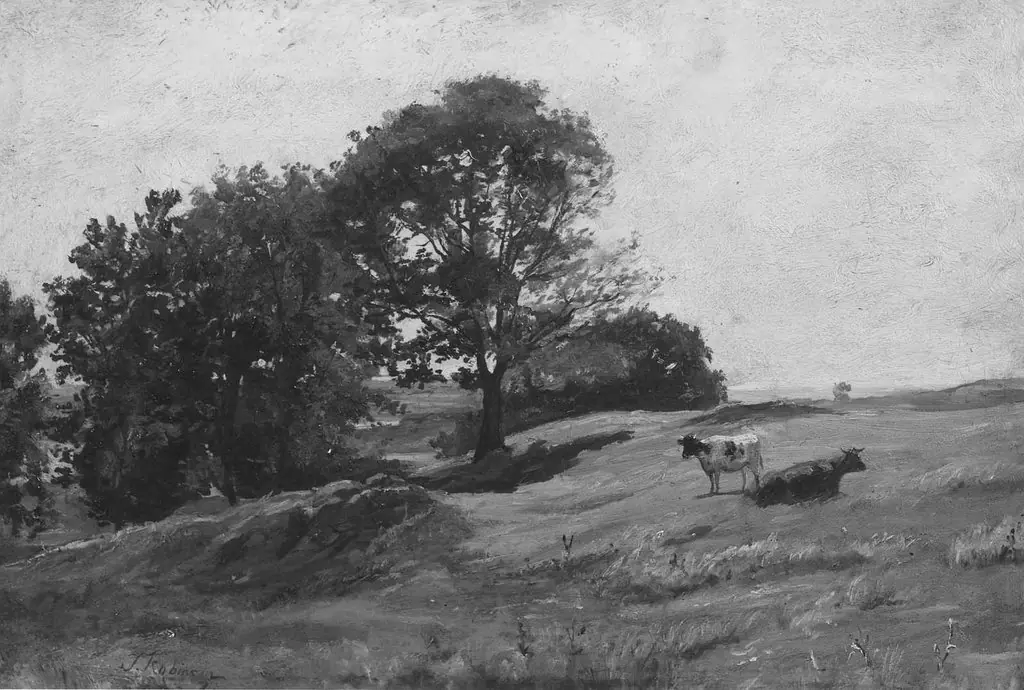
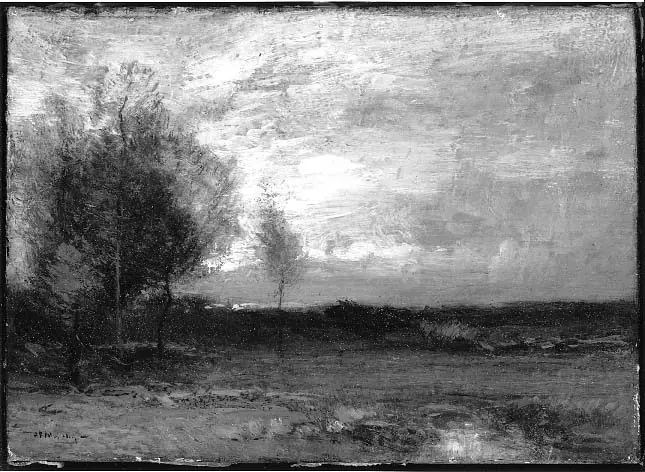
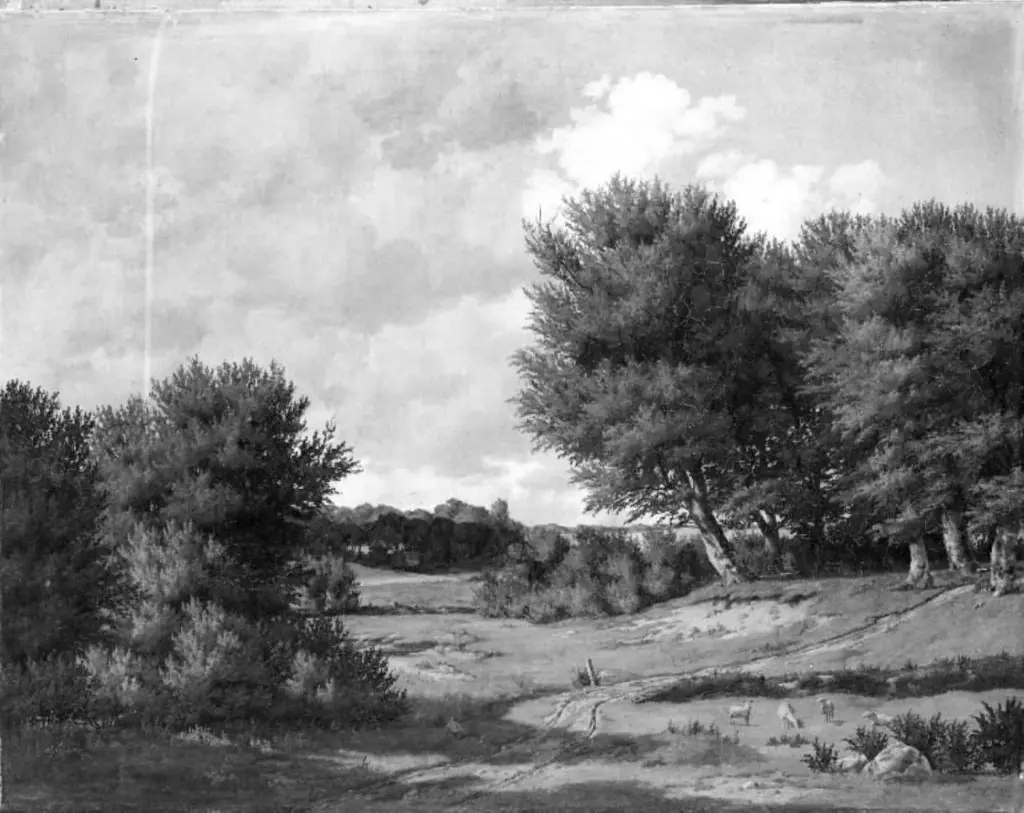
The painting titled A River in a Meadow, executed by Théodore Rousseau in 1840, is an oil work on panel that belongs to the landscape genre. According to the documented description, the composition shows a river winding through a meadow flanked by trees and accompanied by grazing cattle, elements that together form a typical pastoral scene. These iconographic components, water, woodland, and livestock, function as conventional symbols of rural abundance and harmonious interaction between humanity and nature in early-to-mid nineteenth-century French art.
The work is housed in the Metropolitan Museum of Art, where it is presented as an exemplar of the genre's emphasis on naturalistic observation and idealized countryside.
Technique & Style
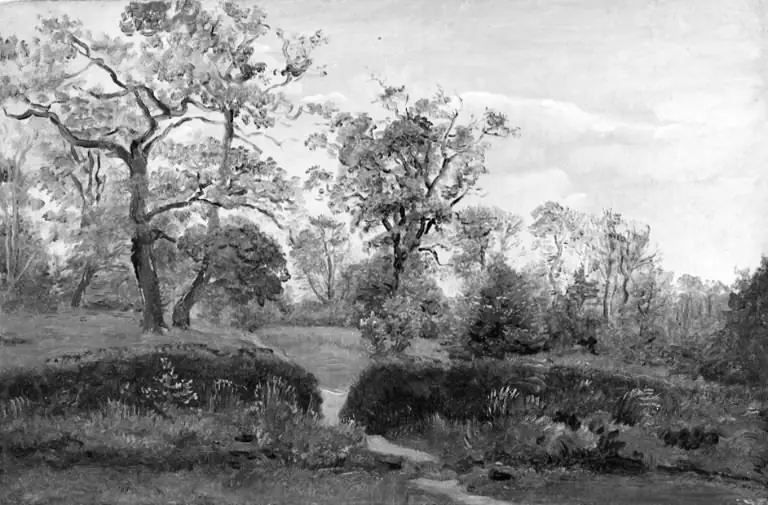
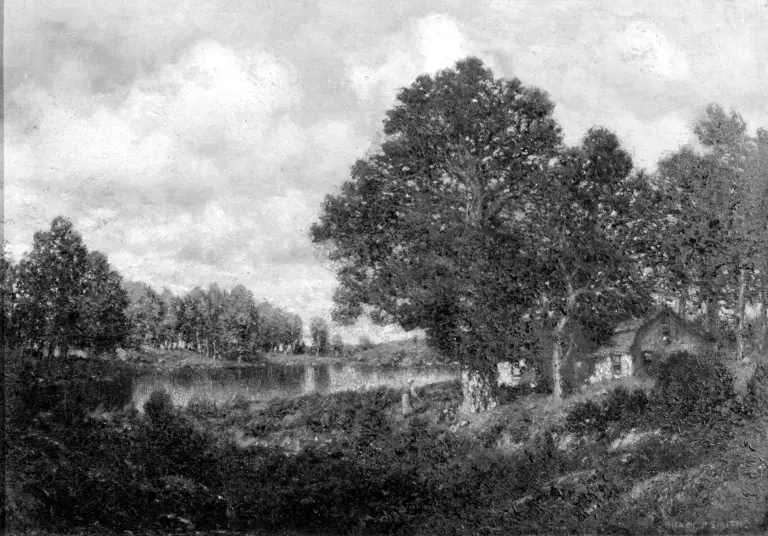
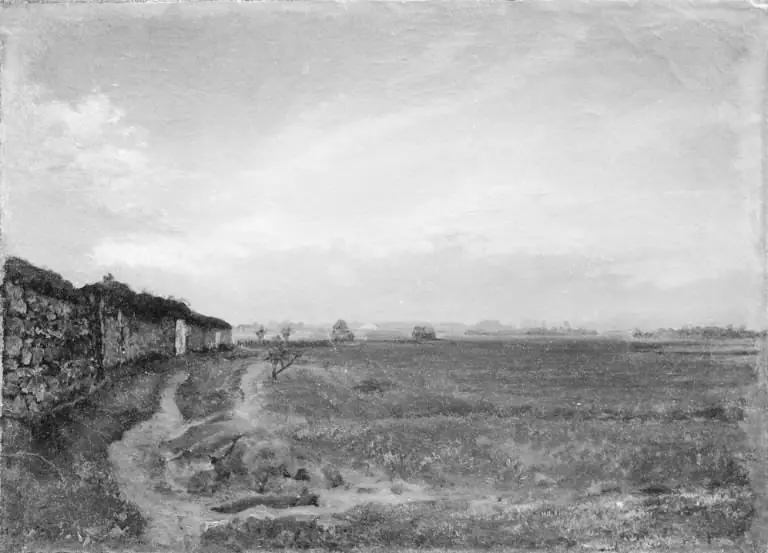
Théodore Rousseau created A River in a Meadow in 1840 as an oil painting executed on a panel support. The work measures 42.5 centimeters in height and 66.4 centimeters in width, presenting a landscape genre scene. The artist employed oil paint to depict specific natural elements, including trees, cattle, and a river within the composition.
Held in the collection of the Metropolitan Museum of Art, the piece exemplifies Rousseau's approach to landscape painting through its material construction and subject matter.
History & Provenance
Théodore Rousseau created the oil painting A River in a Meadow in 1840. Executed on panel, it measures 42.5 by 66.4 centimeters and depicts a landscape with a river, cattle, and trees. The work is held in the collection of the Metropolitan Museum of Art in New York, as part of its holdings of nineteenth-century European landscapes.
The specific commission details and earlier ownership chain are not documented in the available records, and no accession number or exhibition history is recorded.
Overview
Théodore Rousseau's A River in a Meadow, an oil painting from 1840, exemplifies the landscape genre. This work captures a serene rural vista, characteristic of the Barbizon school with which Rousseau was associated. It depicts a pastoral scene of cattle grazing beside a river, framed by trees, and is held in the collection of The Metropolitan Museum of Art.
Context
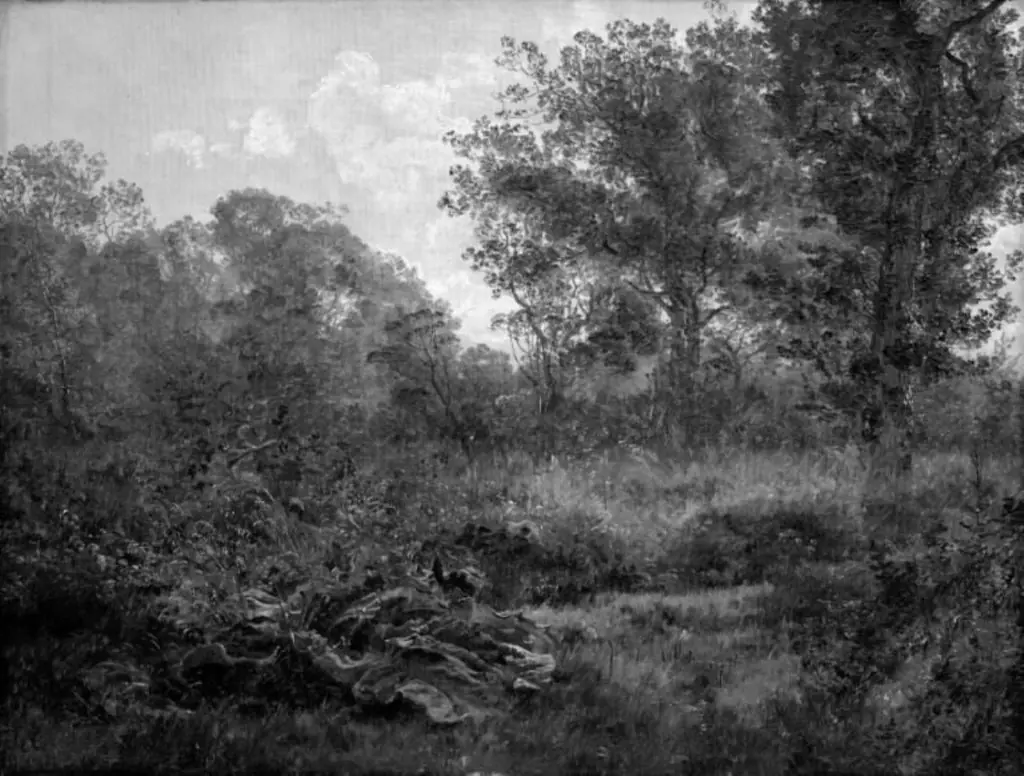
As a key figure of the Barbizon school, Théodore Rousseau was dedicated to portraying the French countryside directly from nature. A River in a Meadow aligns with his broader artistic practice, which frequently explored calm forest interiors and riverine landscapes, moving away from idealized or dramatic historical scenes towards an appreciation of the unadorned natural world.
Artist & collection
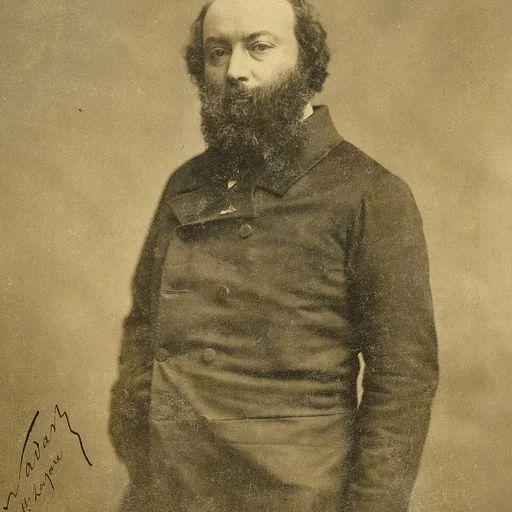
Artist
Étienne Pierre Théodore Rousseau (French pronunciation:; 15 April 1812 – 22 December 1867) was a French painter of the Barbizon school.