Artwork
Magnus Stenbock Surrenders the Fortress of Tønningen to Frederik IV in 1714
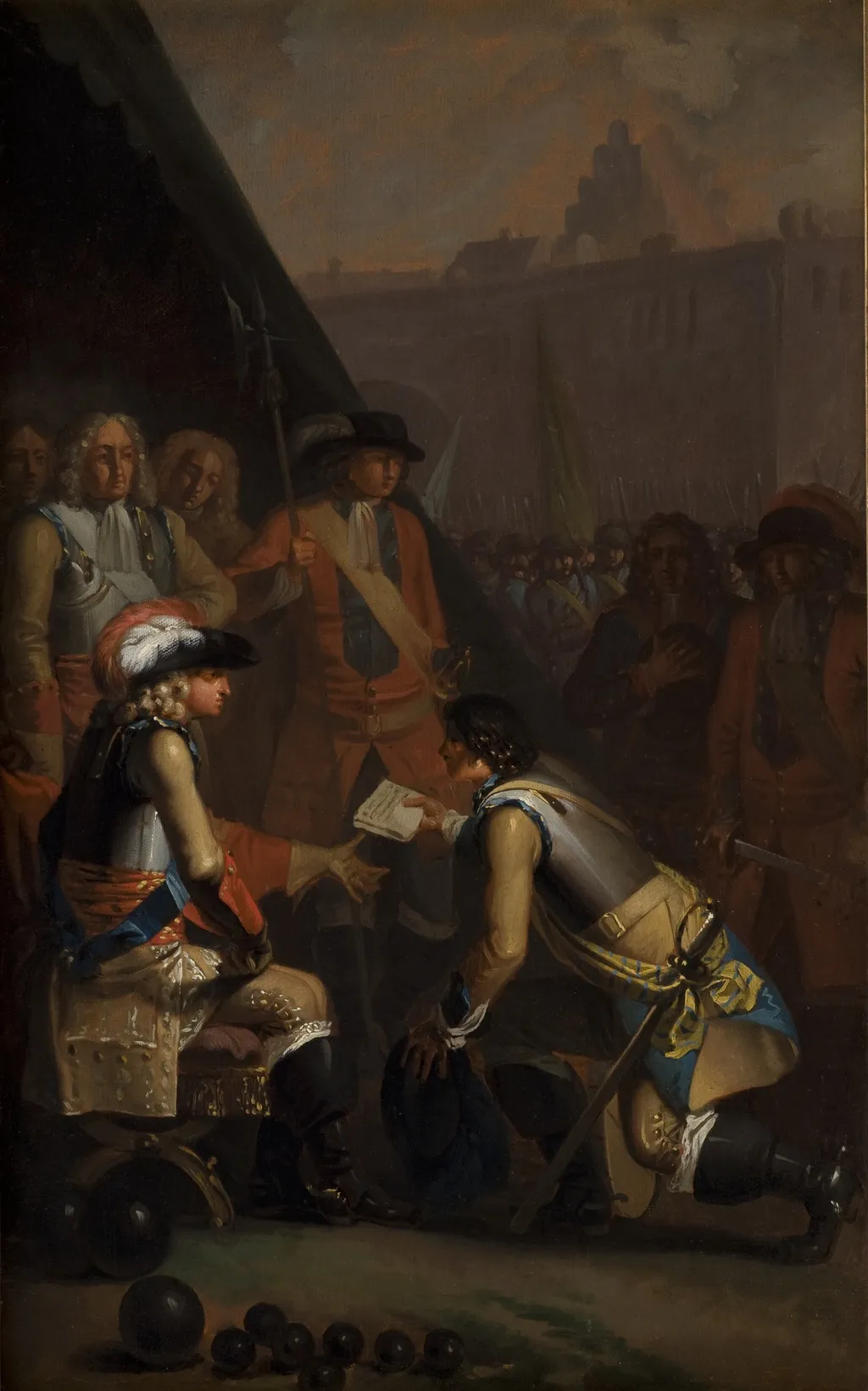
Magnus Stenbock Surrenders the Fortress of Tønningen to Frederik IV in 1714 is an oil painting by the Neoclassicist artist Nicolai Abildgaard. It dates from 1793 and is held in the collection of the Statens Museum for Kunst.
About this work
Subject & Meaning
The painting depicts the 1714 capitulation of the Swedish general Magnus Stenbock to the Danish king Frederik IV at the fortress of Tønningen during the Great Northern War. As a history painting functioning as a group portrait, it stages the two named protagonists, Frederik IV of Denmark and Magnus Stenbock, as the central figures of the surrender ceremony, condensing a decisive military-political event into a single pictorial encounter.
The genre pairing of history painting with group portrait signals that Abildgaard intended the work to commemorate both the specific moment of surrender and the identities of the participants. By rendering a recent Swedish defeat as a formal act of submission, the canvas carries a symbolic meaning tied to Danish royal triumph and the resolution of the conflict over Tønningen.
Technique & Style
Nicolai Abildgaard executed Magnus Stenbock Surrenders the Fortress of Tønningen to Frederik IV in 1714 in the year 1793 using oil paint applied to a canvas support. The work is classified as a history painting that also functions as a group portrait, depicting the surrender of the Swedish general Magnus Stenbock to Frederik IV of Denmark. Substantial in scale at 610 cm in height and 466 cm in width, its dimensions and oil-on-canvas support align with the grand tradition of history painting, accommodating multiple figures within a single monumental composition.
History & Provenance
The painting was created in 1793 by Nicolai Abildgaard as an oil on canvas depicting the surrender of Magnus Stenbock to Frederik IV.
The painting was created in 1793 by Nicolai Abildgaard as an oil on canvas depicting the surrender of Magnus Stenbock to Frederik IV. It entered the collection of the Statens Museum for Kunst in Copenhagen, where it remains. Its documented exhibition history includes the group show "Fire danske klassikere: Nicolai Abildgaard, Jens Juel, Christoffer Wilhelm Eckersberg og Bertel Thorvaldsen," which brought together works by four canonical Danish artists.
Context
The painting belongs to Abildgaard's mature history-painting practice and depicts the 1714 capitulation of Tønningen during the Great Northern War. It was shown in the exhibition "Fire danske klassikere" alongside works by Juel, Eckersberg, and Thorvaldsen, situating it within the Danish canon. The surrender scene allowed Abildgaard to explore themes of national identity and royal authority in late eighteenth-century Denmark.
Overview
Created in 1793 by Danish artist Nicolai Abildgaard, this oil painting records the moment when Swedish commander Magnus Stenbock yielded the fortress of Tønning to King Frederik IV of Denmark. Executed in the neoclassical style favored by the New Royal Danish Academy of Art, the work belongs to the tradition of history painting that dramatizes pivotal military events.
Own this work as a print
Artist & collection
Artist
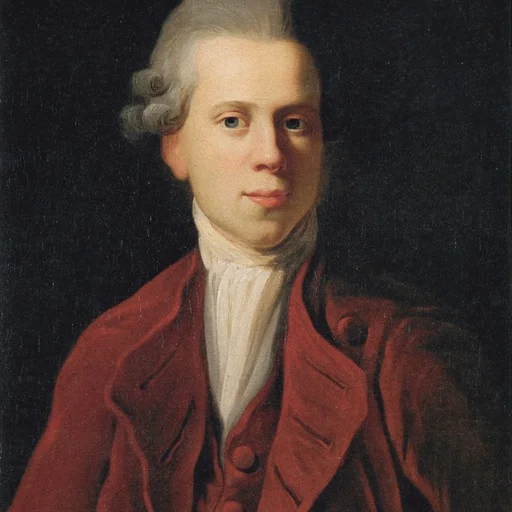
Nicolai Abraham Abildgaard (11 September 1743 – 4 June 1809) was a Danish neoclassical and royal history painter, sculptor, architect, and professor of painting, mythology, and anatomy at the New Royal Danish Academy of Art in Copenhagen…

 The Wounded Philoctetes
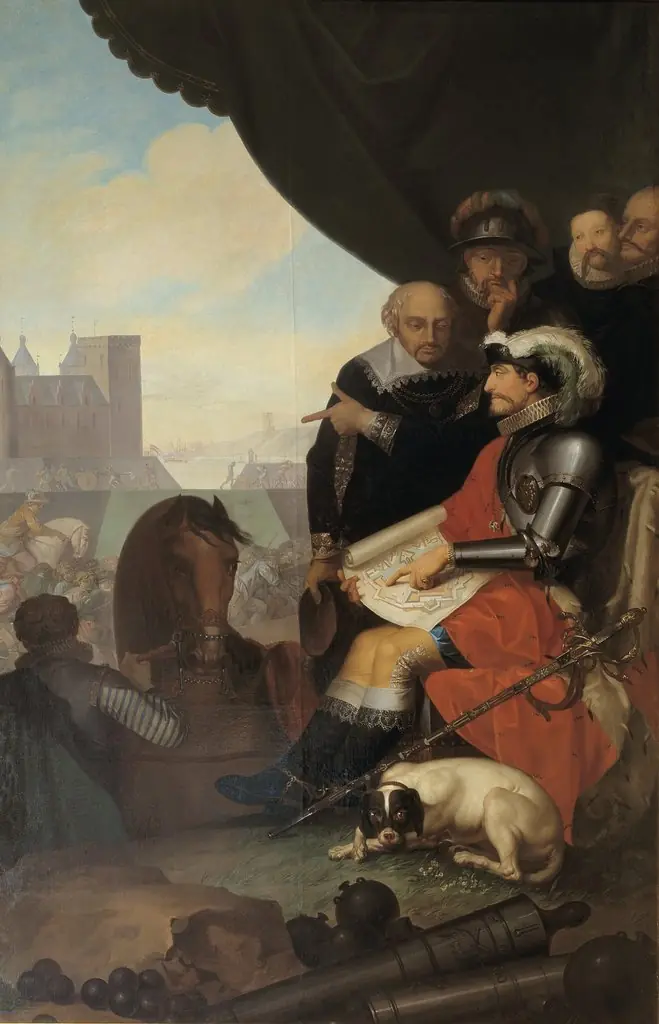 Frederik II Builds Kronborg Castle at Elsinore
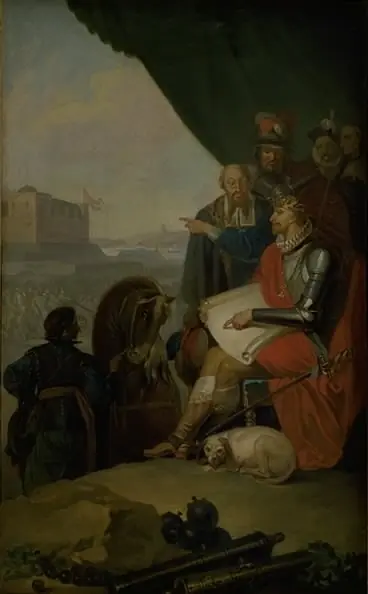 Frederik II Builds Kronborg Castle at Elsinore
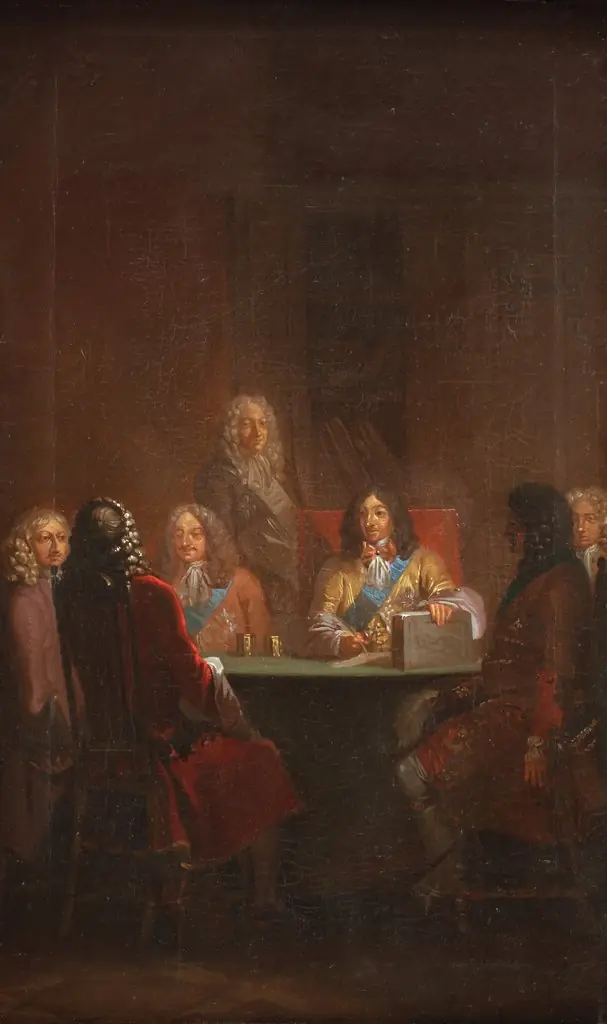 Christian V Presents Danish Law 1683
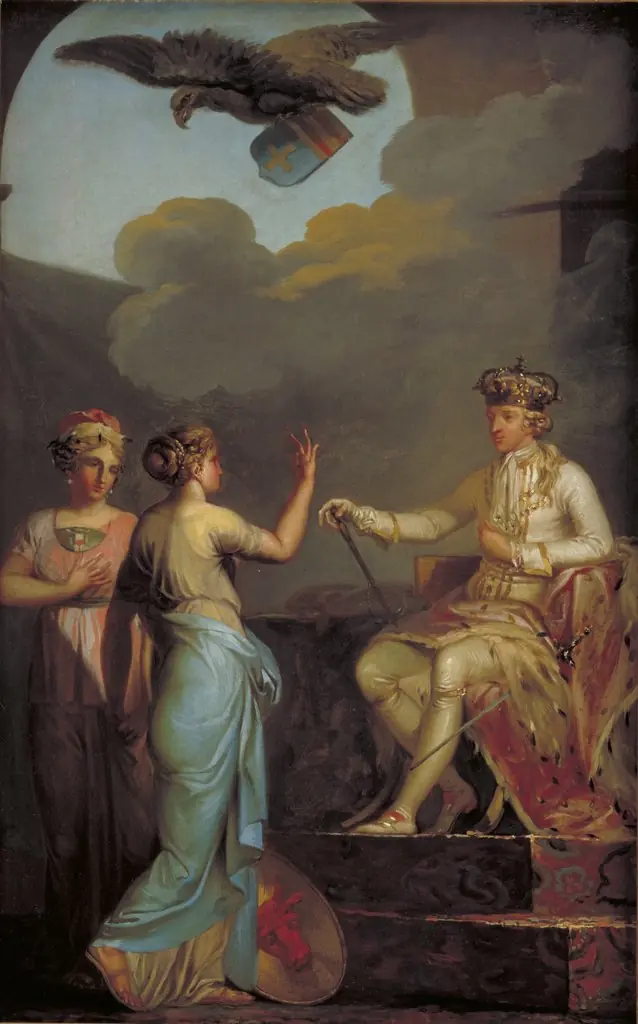 Christian VII Uniting the Ducal with the Royal Part of Holstein in 1767
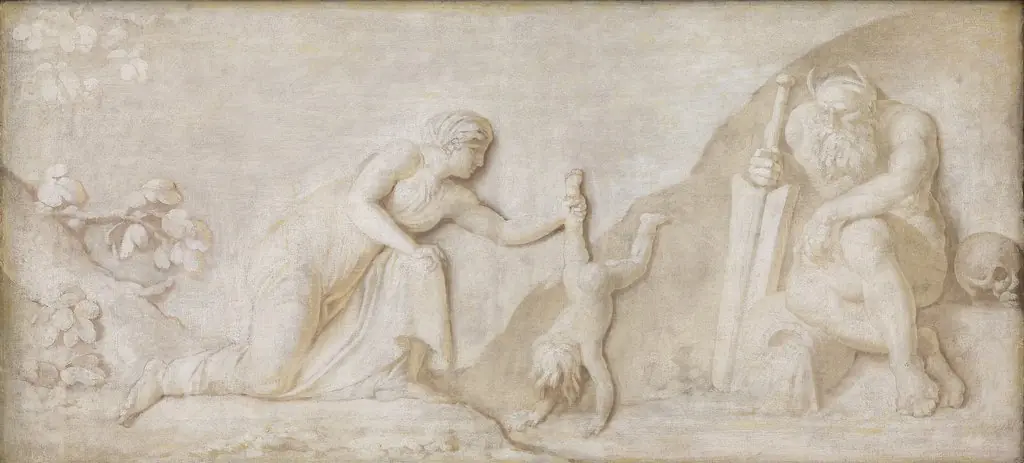 Thetis Immersing her Infant Son Achilles in the River Styx to Make him Invulnerable
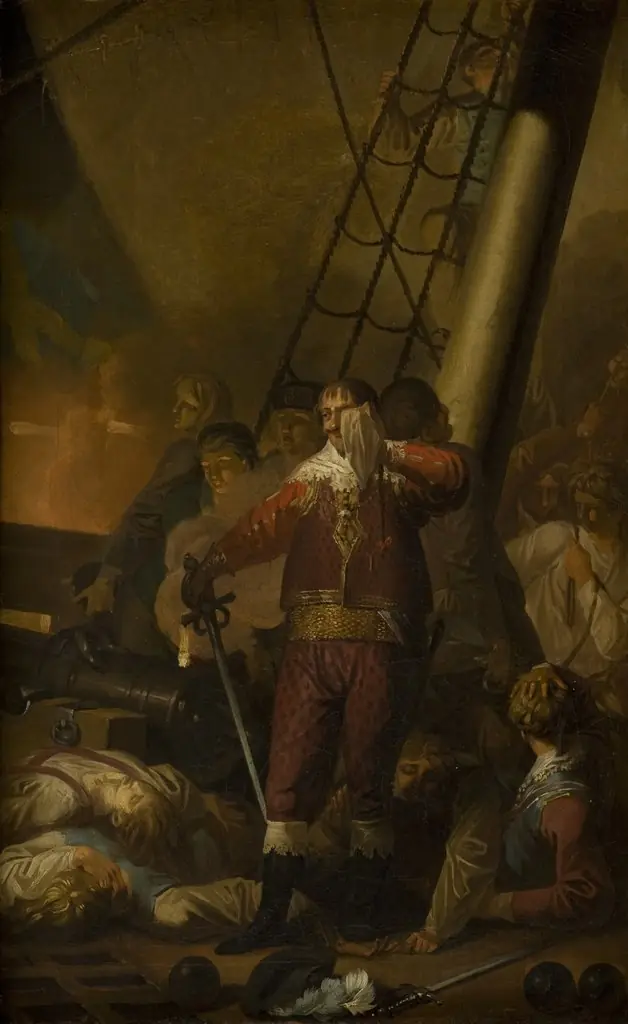 Christian IV Aboard his Flagship "The Trinity"
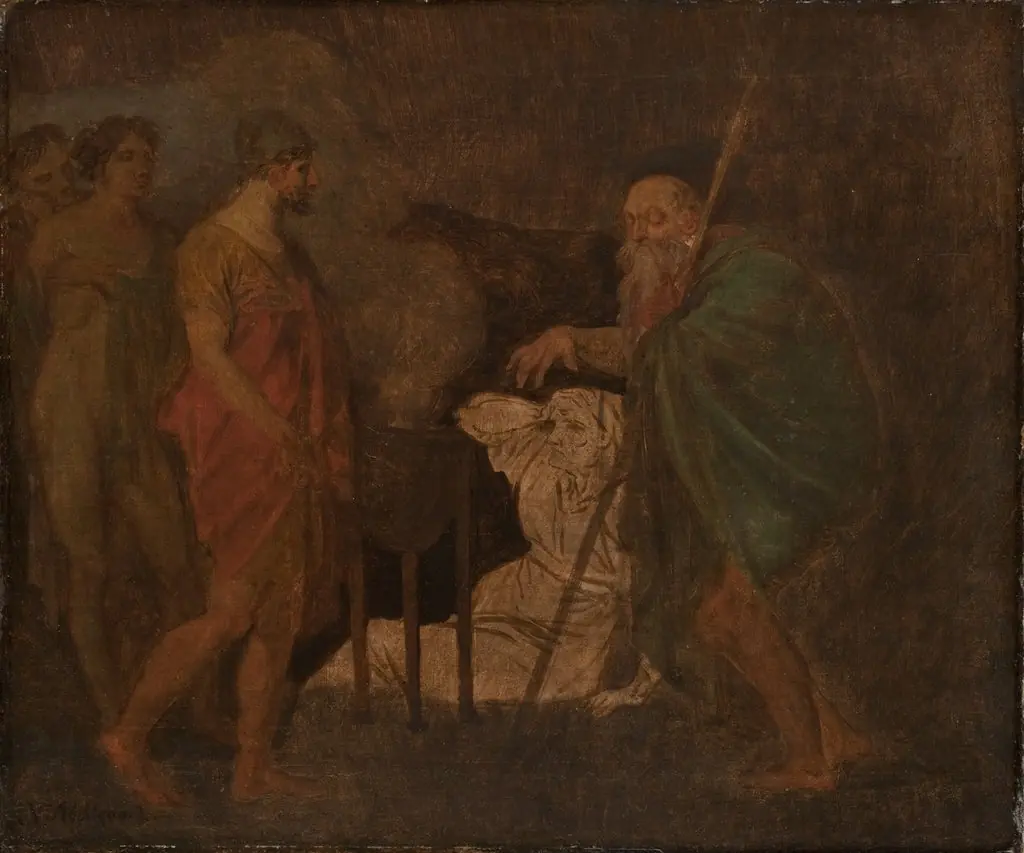 Odysseus Takes Counsel with Teiresias. From Homer´s Odyssey
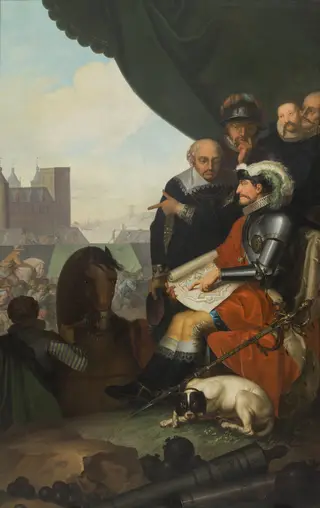 Frederik II Builds Kronborg Castle at Elsinore
 Frederik II Builds Kronborg Castle at Elsinore
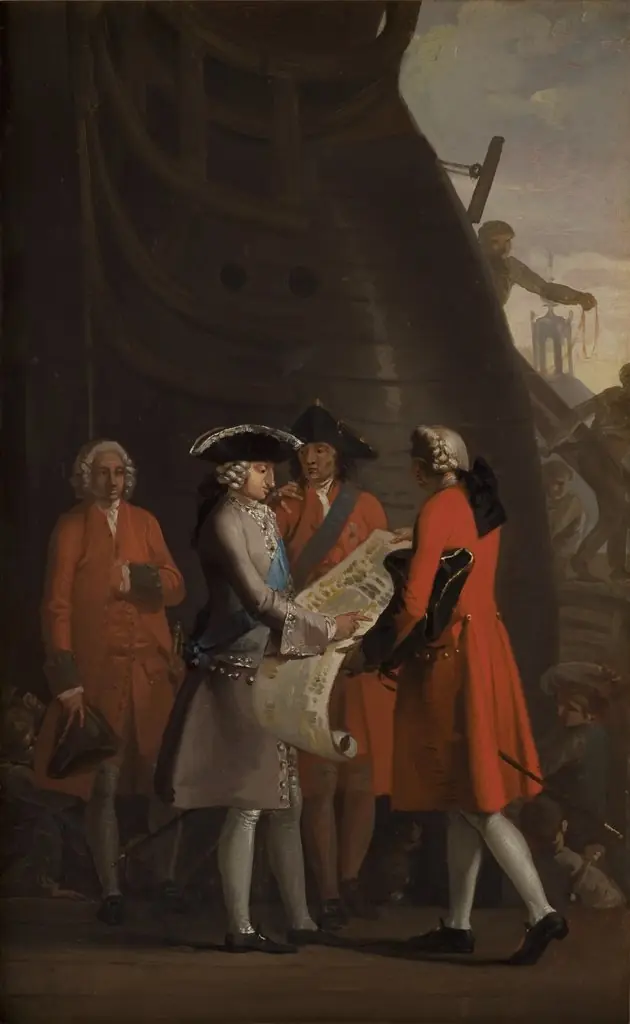 The Construction of Copenhagen´s Dock in the Reign of Christian VI
 The Construction of Copenhagen´s Dock in the Reign of Christian VI
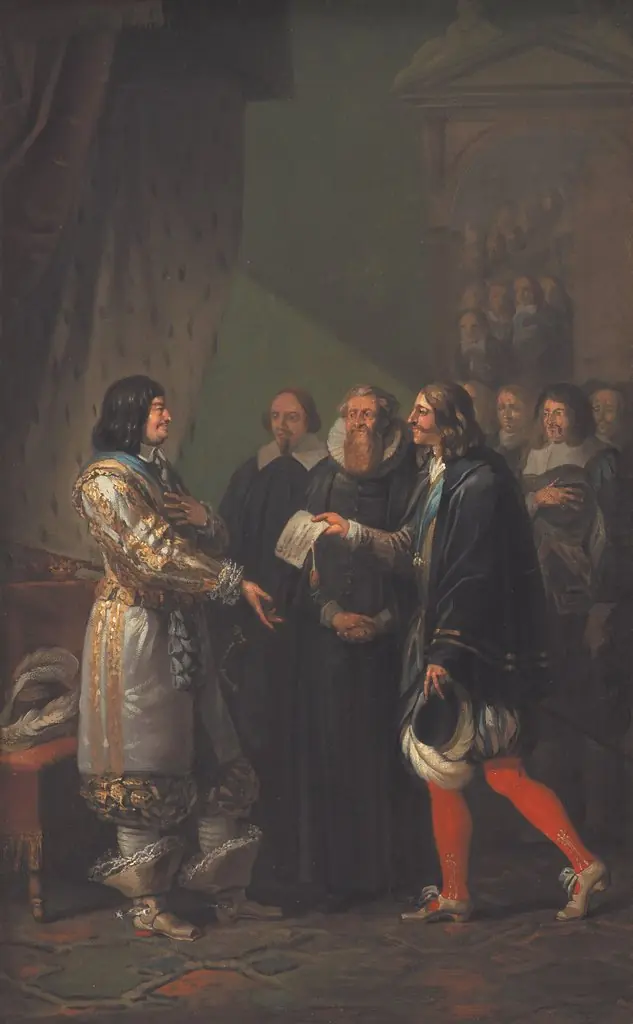 Absolute Monarchy Assigned to Frederik III in 1660
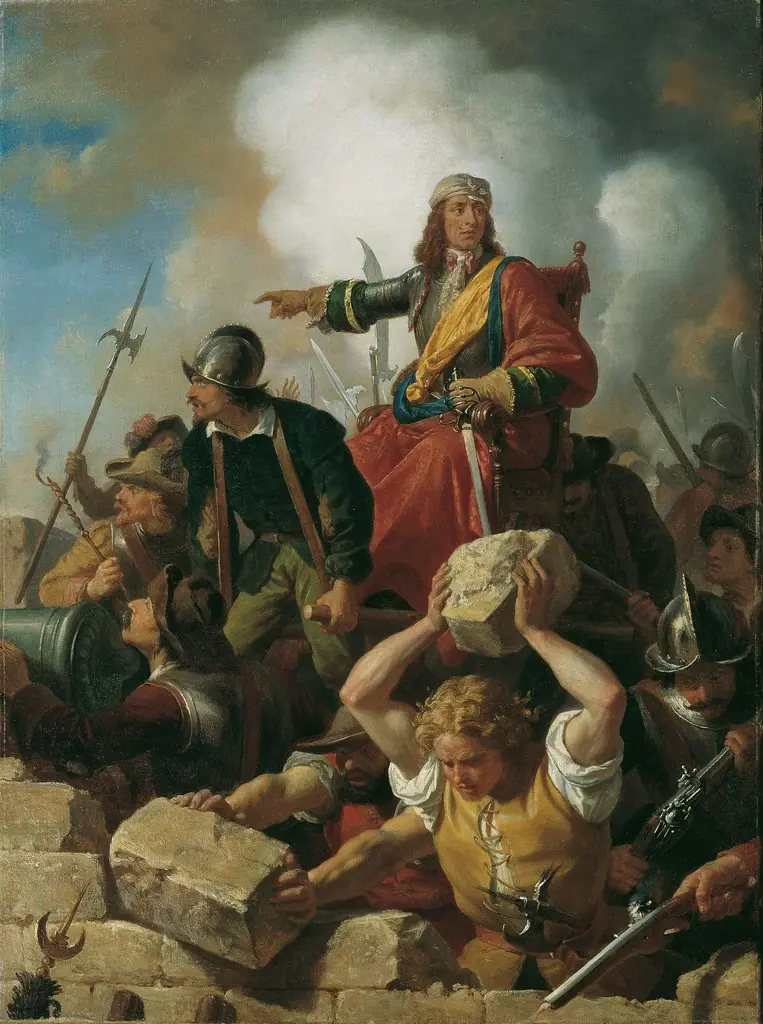 The defense of Vienna against the Turks in 1683
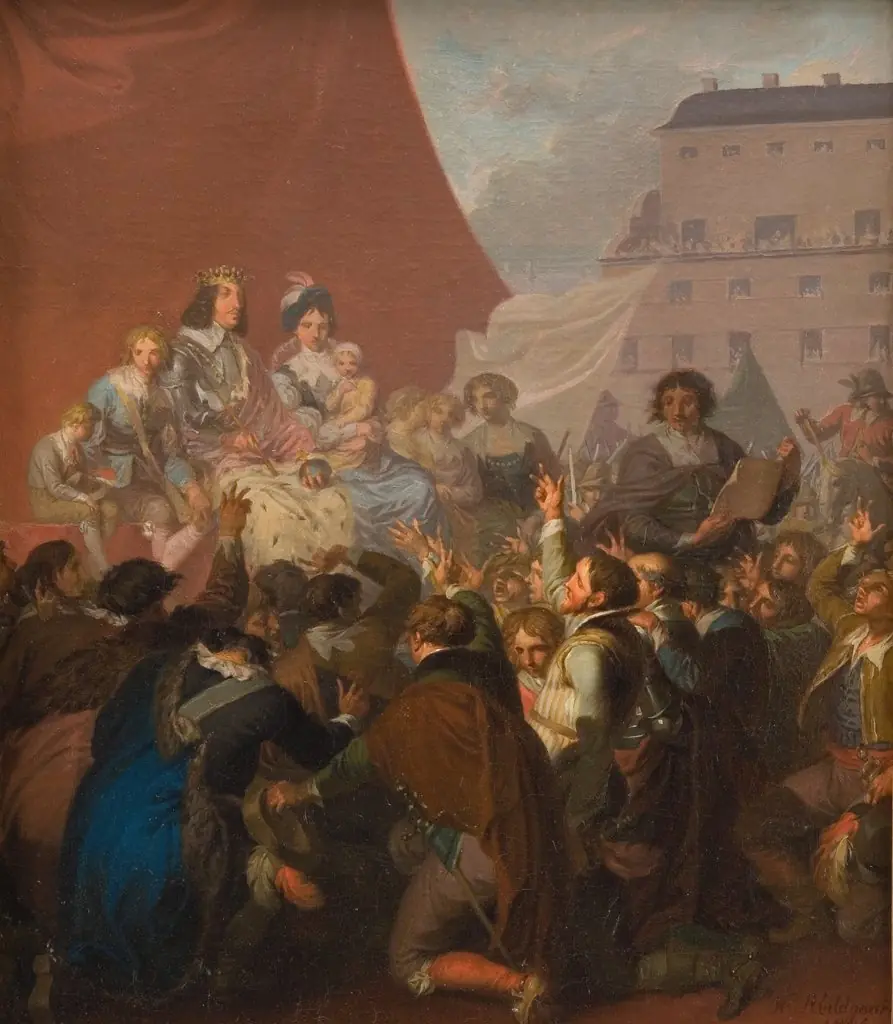 The Oath of Fealty in 1660
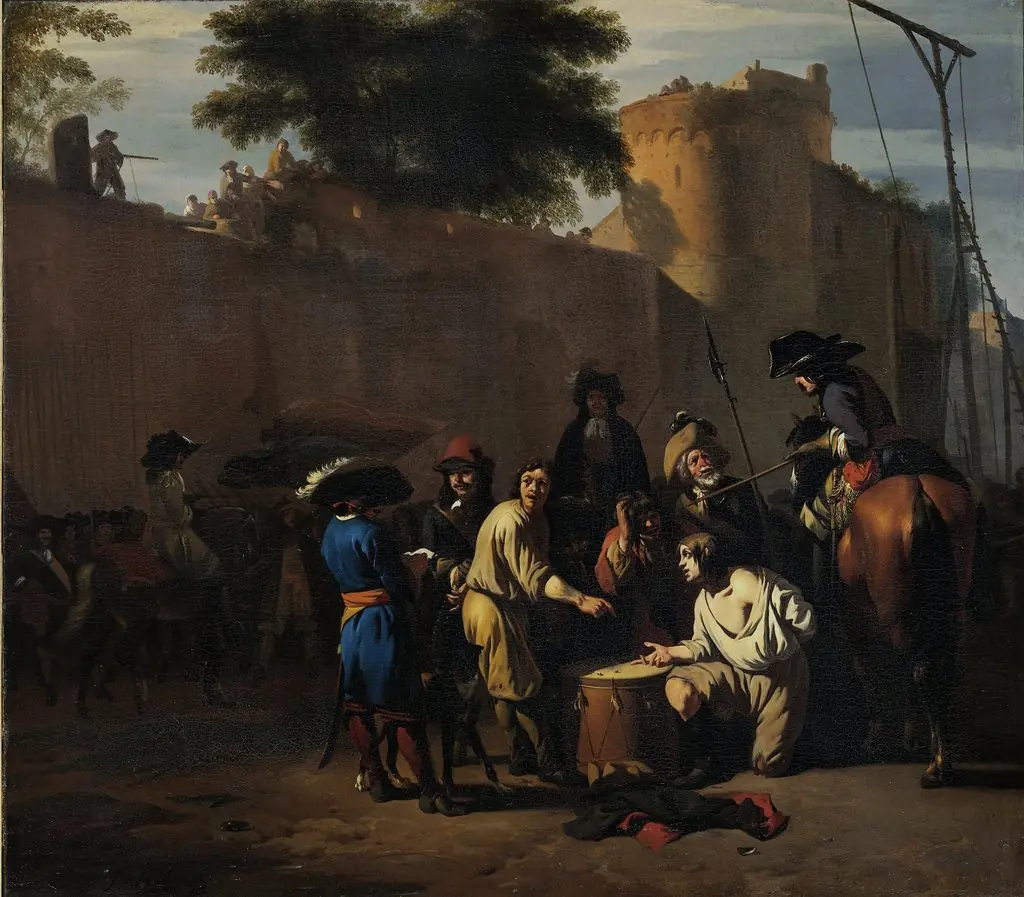 Casting the dice for life or death