Artwork
The Wounded Philoctetes
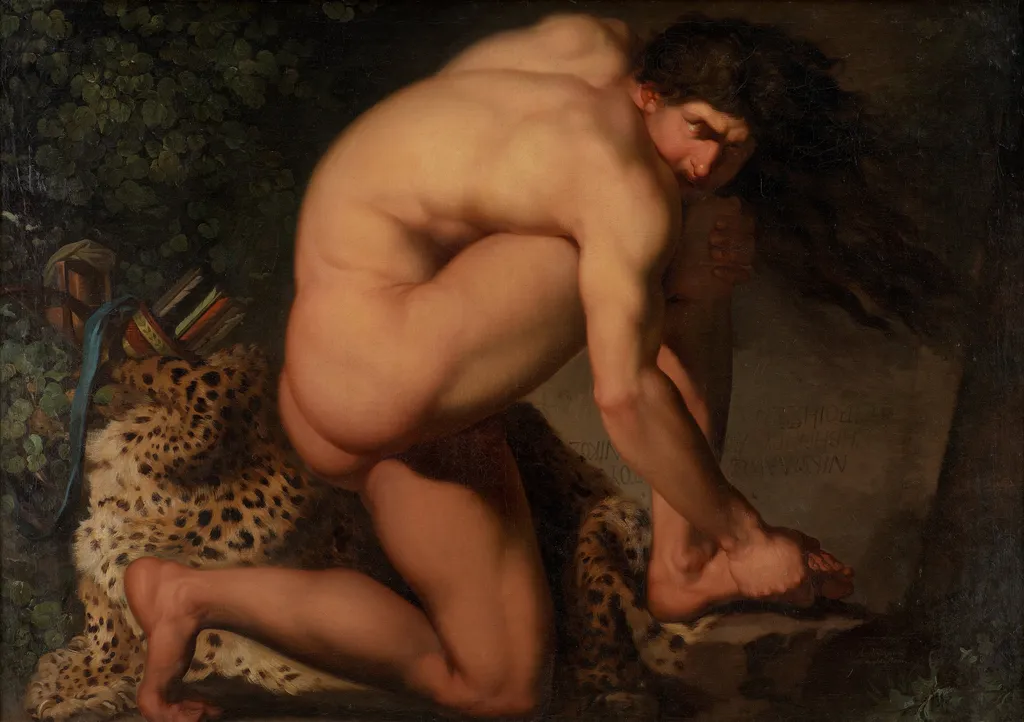
The Wounded Philoctetes is an oil painting by the Neoclassicist artist Nicolai Abildgaard. It dates from 1775 and is held in the collection of the Statens Museum for Kunst.
About this work
An oil painting from 1775 by the Danish artist Nicolai Abildgaard, taking its subject from Greek legend. It shows Philoctetes, a warrior left behind after a snakebite, usually pictured with a quiver of arrows and dressed in fur. Abildgaard made it early, before he turned to teaching other artists.
Subject & Meaning
The work illustrates the specific moment when Philoctetes, abandoned by his comrades on a desolate Greek island, suffers from an agonizing snakebite.
Nicolai Abildgaard's 1775 painting depicts the Greek mythological hero Philoctetes, a figure from the Trojan War narrative. The work illustrates the specific moment when Philoctetes, abandoned by his comrades on a desolate Greek island, suffers from an agonizing snakebite. Iconographically, the hero is rendered nude and kneeling, emphasizing his physical vulnerability and isolation.
Key attributes include a quiver and arrow, signaling his identity as an archer, while his long brown hair and the presence of animal fur further contextualize his wilderness existence. The composition focuses on the figure's back and buttocks, highlighting the physical toll of his wound and exile. This representation serves as a dramatic interpretation of suffering and abandonment, capturing the hero's plight after being left behind by his brothers-in-arms.
History & Provenance
Nicolai Abildgaard created The Wounded Philoctetes in 1775 while residing in Rome. This work was produced during a five-year scholarship awarded to the artist by the Royal Danish Academy of Fine Arts, which facilitated his stay in the Italian city. The painting depicts the mythological hero Philoctetes, who was abandoned on a Greek island after suffering a snakebite during the Trojan War.
Currently, the artwork is held in the collection of the Statens Museum for Kunst. Its exhibition history includes the show Fire danske klassikere, which featured Abildgaard alongside Jens Juel, Christoffer Wilhelm Eckersberg, and Bertel Thorvaldsen.
Context
The Wounded Philoctetes was painted by Nicolai Abildgaard in 1775 during his five-year scholarship from the Royal Danish Academy of Fine Arts, which he spent in Rome. The work belongs to the mythological and nude genres, depicting the hero Philoctetes wounded by a snake and abandoned on a Greek island by his comrades during the Trojan War. The painting is held in the collection of the Statens Museum for Kunst, situating Abildgaard among the major figures of Danish classicism.
Legacy
Nicolai Abildgaard’s The Wounded Philoctetes (1775) emerged as a seminal work in Danish neoclassical art, shaping the trajectory of mythological painting in Scandinavia. Celebrated for its dramatic portrayal of suffering and the human form, the work became a cornerstone of the Statens Museum for Kunst’s collection, where it remains a touchstone for studies of 18th-century academic art. Its exhibition in Fire danske klassikere (Four Danish Classics) alongside works by Jens Juel, Christoffer Wilhelm Eckersberg, and Bertel Thorvaldsen underscored its canonical status within Denmark’s artistic heritage.
The painting’s raw depiction of vulnerability and its synthesis of classical narrative with emotional intensity influenced later generations of artists exploring mythological themes.
Overview
Nicolai Abildgaard's painting, The Wounded Philoctetes, created in 1775, depicts a dramatic moment from ancient Greek mythology. Executed in oil paint, this work presents the hero Philoctetes, a figure known for his suffering and abandonment. The piece reflects Abildgaard's early engagement with classical themes, a common practice for artists of his era who sought inspiration from antiquity.

Own this work as a print
Artist & collection
Artist
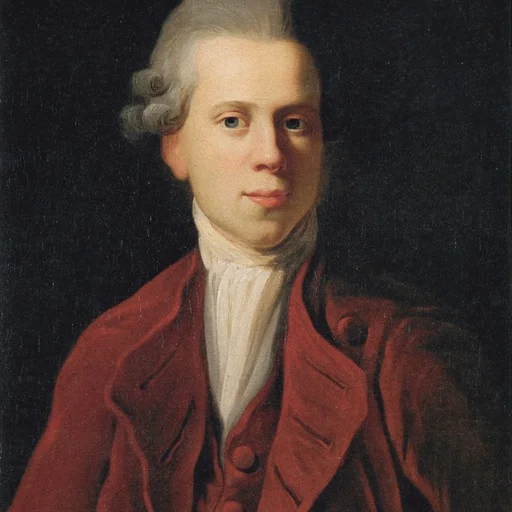
Nicolai Abraham Abildgaard (11 September 1743 – 4 June 1809) was a Danish neoclassical and royal history painter, sculptor, architect, and professor of painting, mythology, and anatomy at the New Royal Danish Academy of Art in Copenhagen…

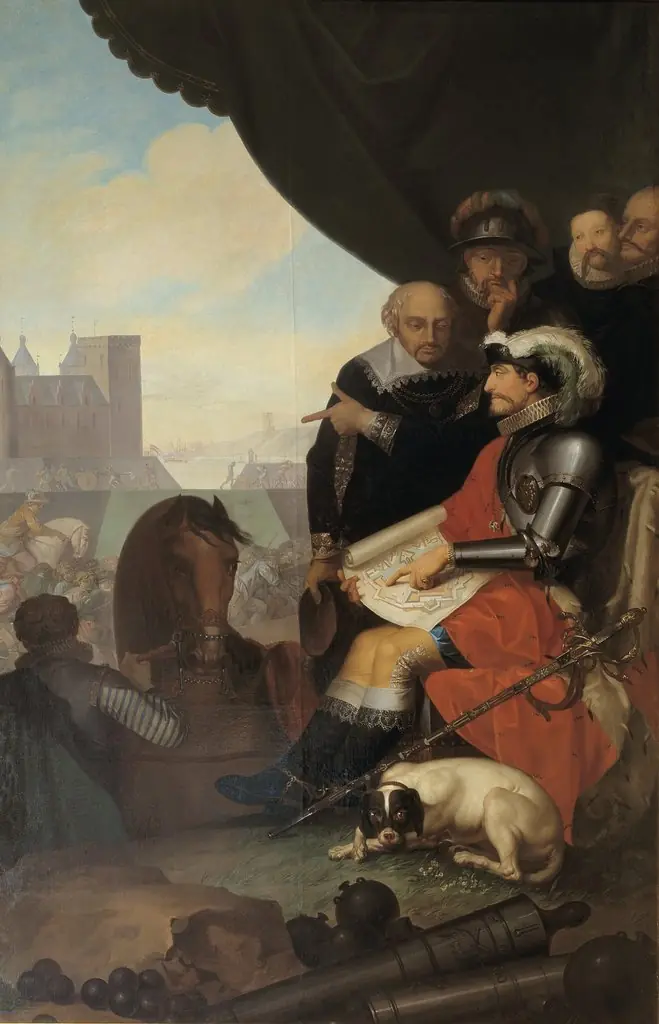 Frederik II Builds Kronborg Castle at Elsinore
 Frederik II Builds Kronborg Castle at Elsinore
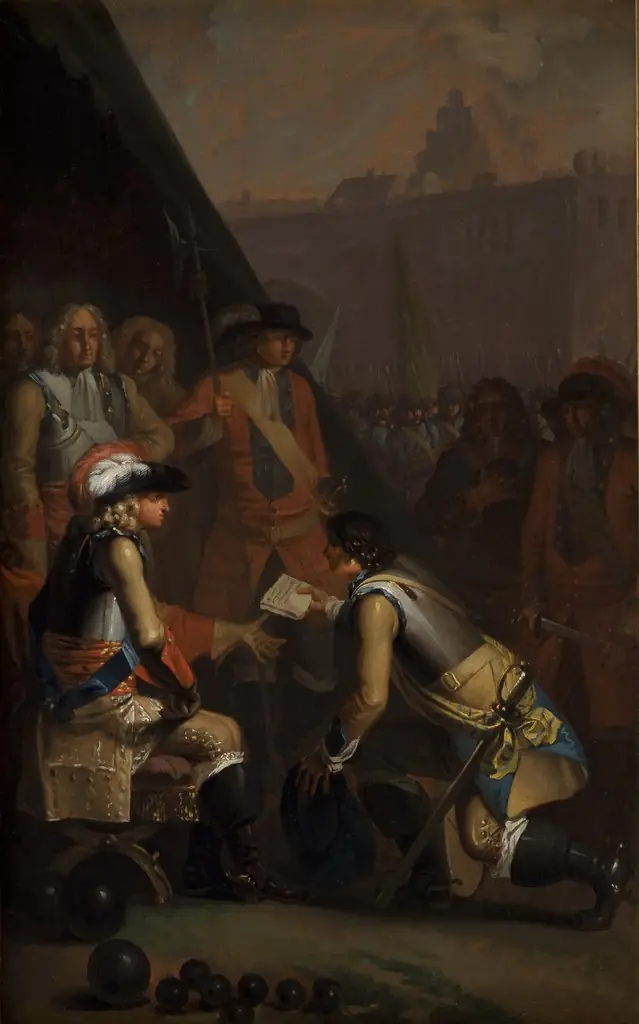 Magnus Stenbock Surrenders the Fortress of Tønningen to Frederik IV in 1714
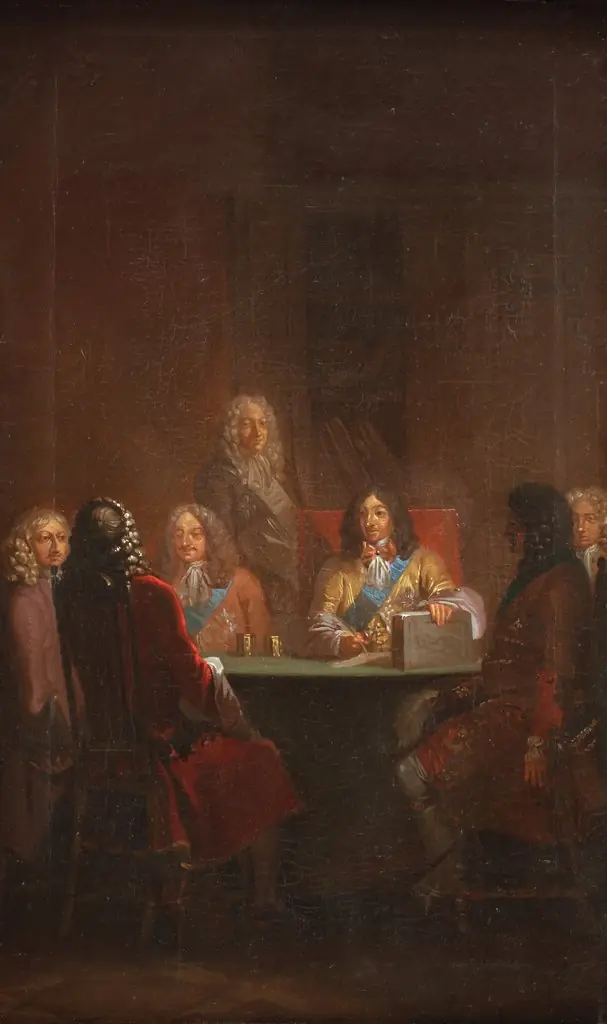 Christian V Presents Danish Law 1683
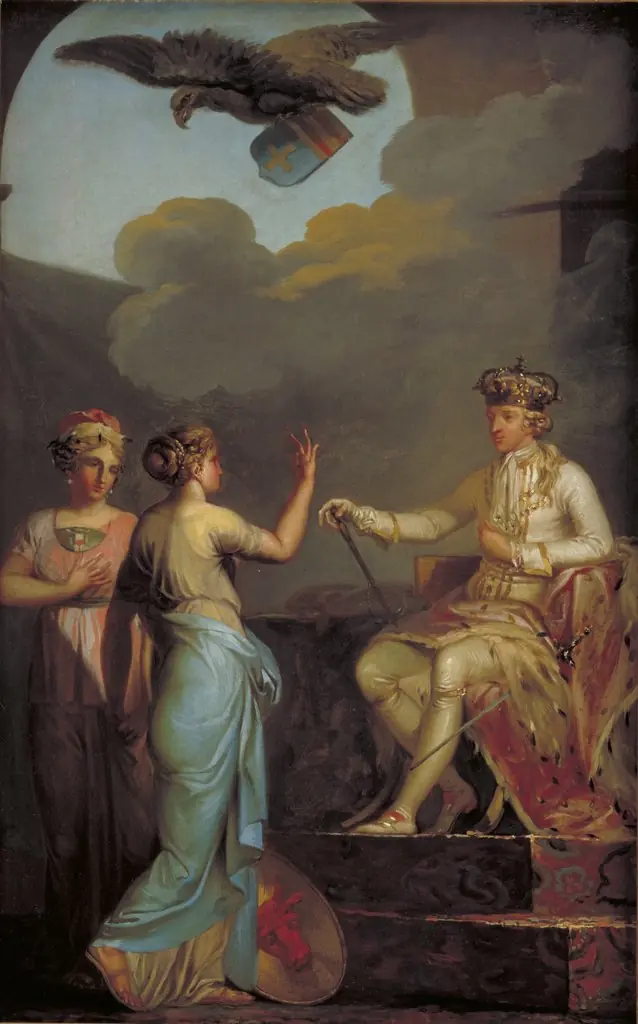 Christian VII Uniting the Ducal with the Royal Part of Holstein in 1767
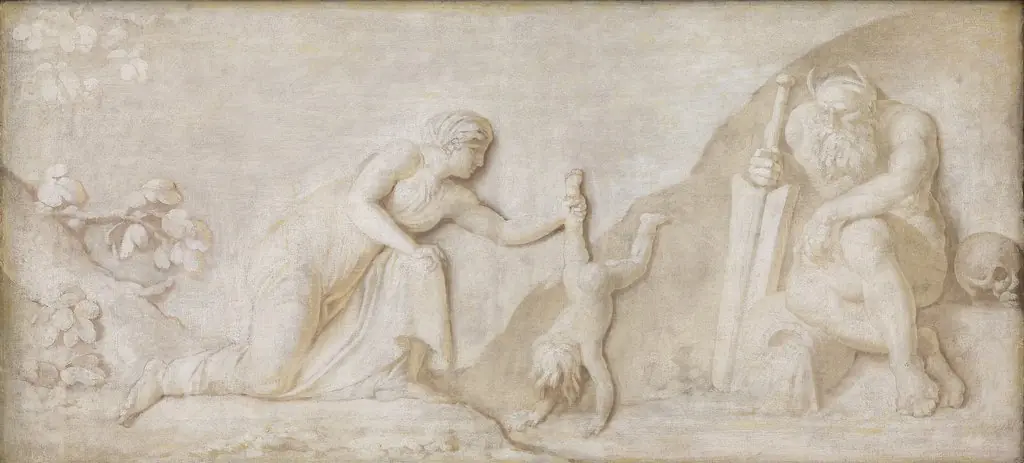 Thetis Immersing her Infant Son Achilles in the River Styx to Make him Invulnerable
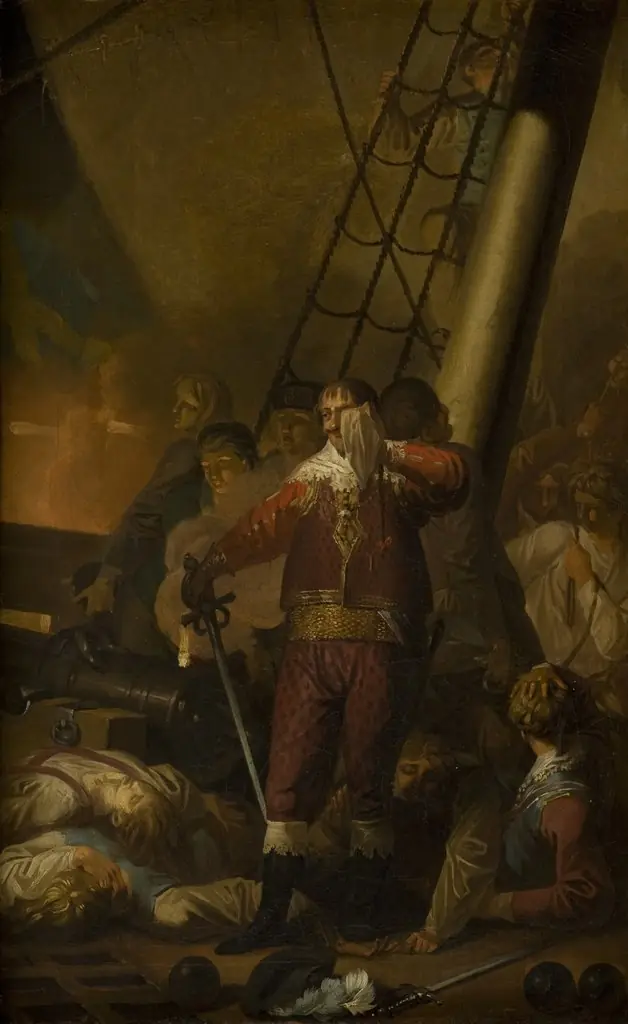 Christian IV Aboard his Flagship "The Trinity"
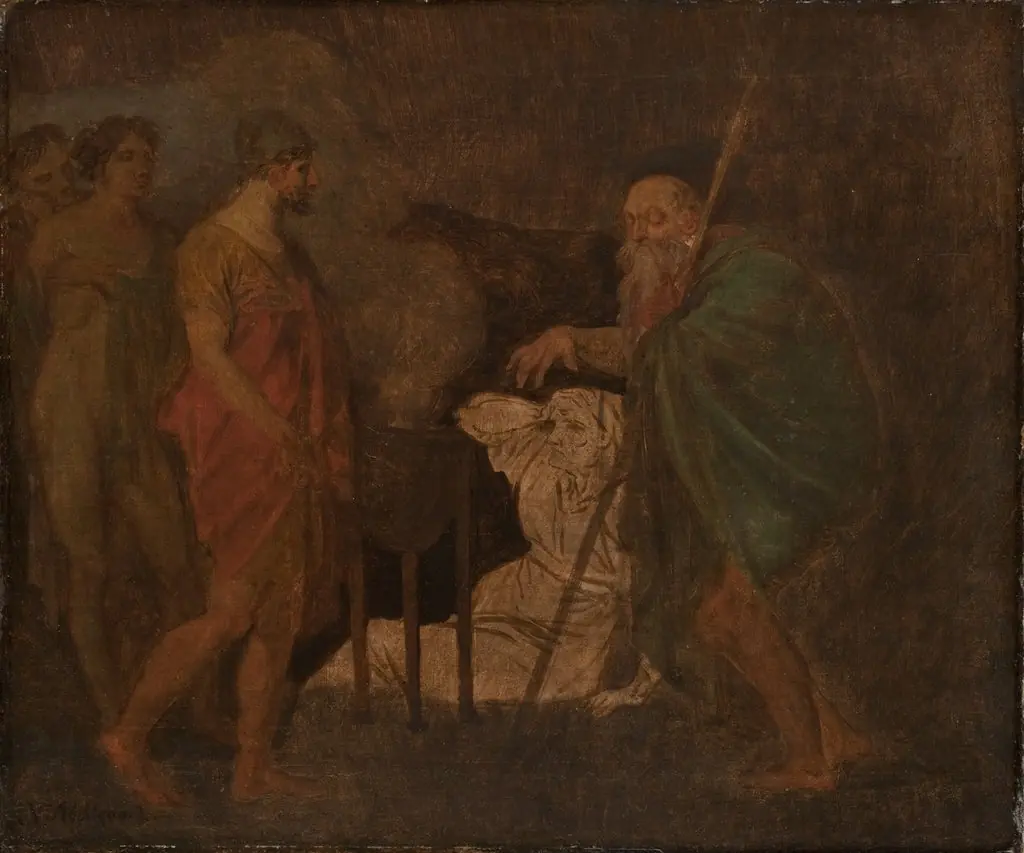 Odysseus Takes Counsel with Teiresias. From Homer´s Odyssey
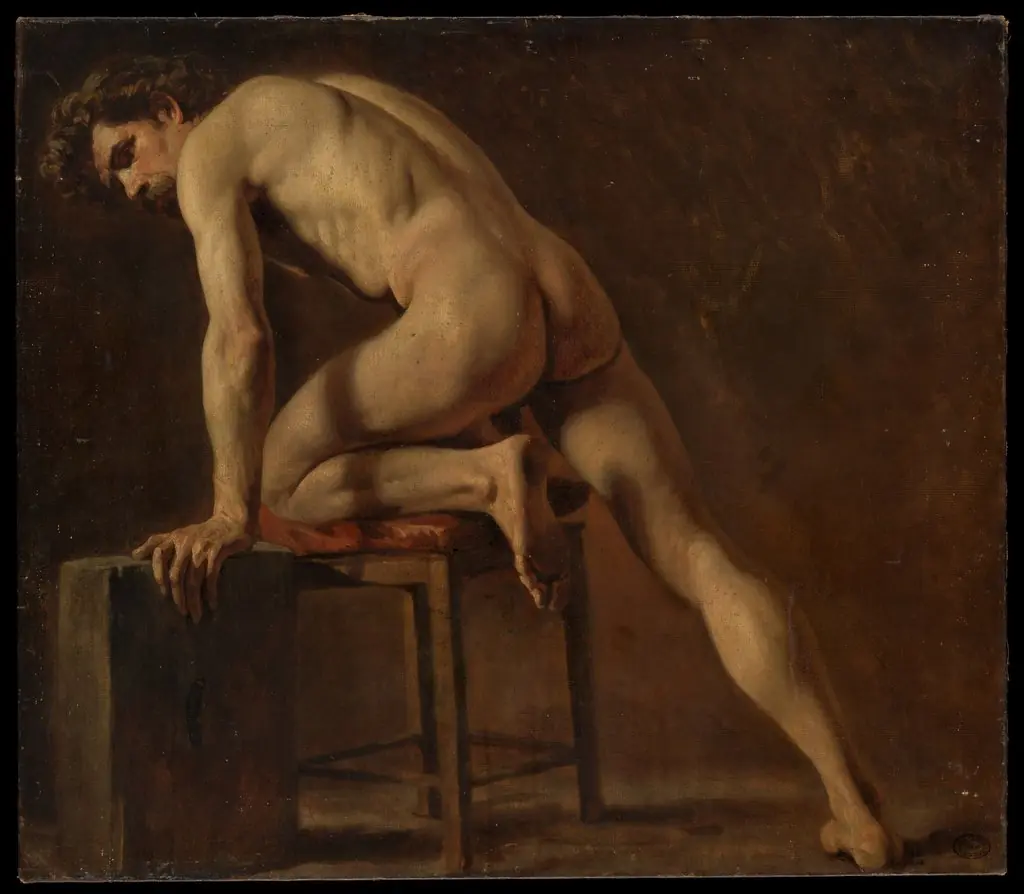 Study of a Nude Man
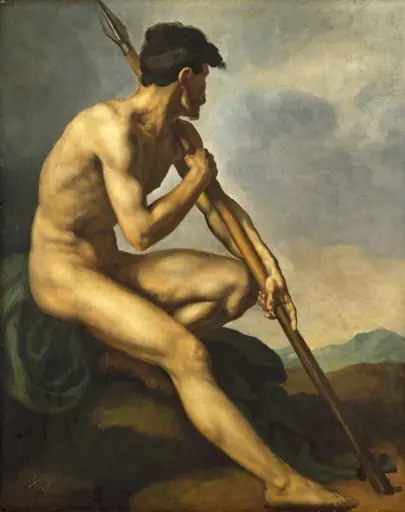 Nude Warrior with a Spear
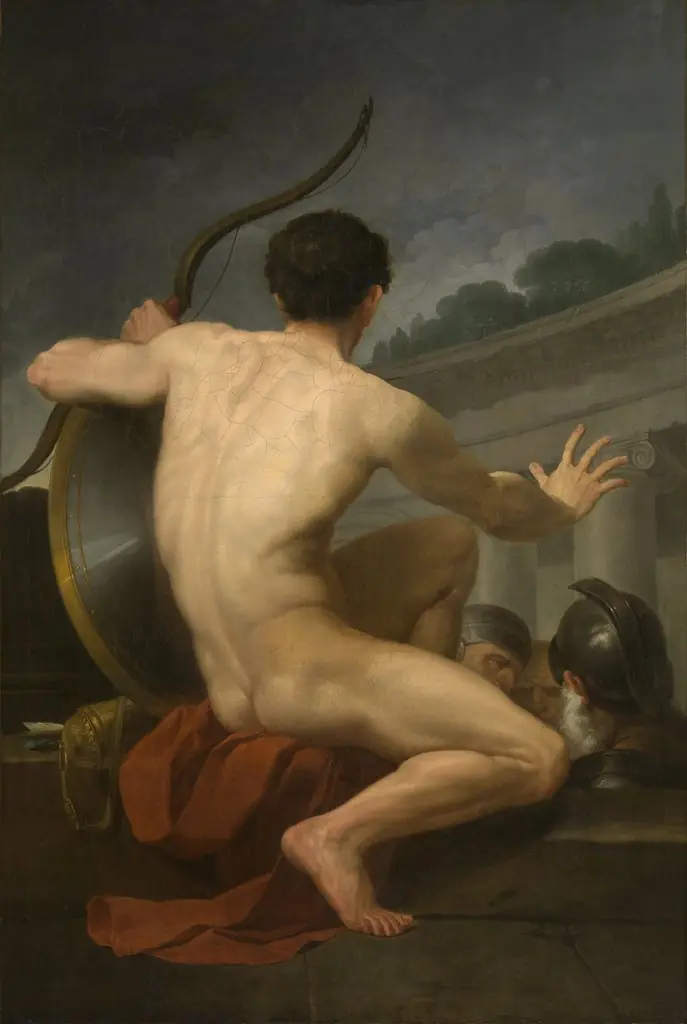 The naked warrior
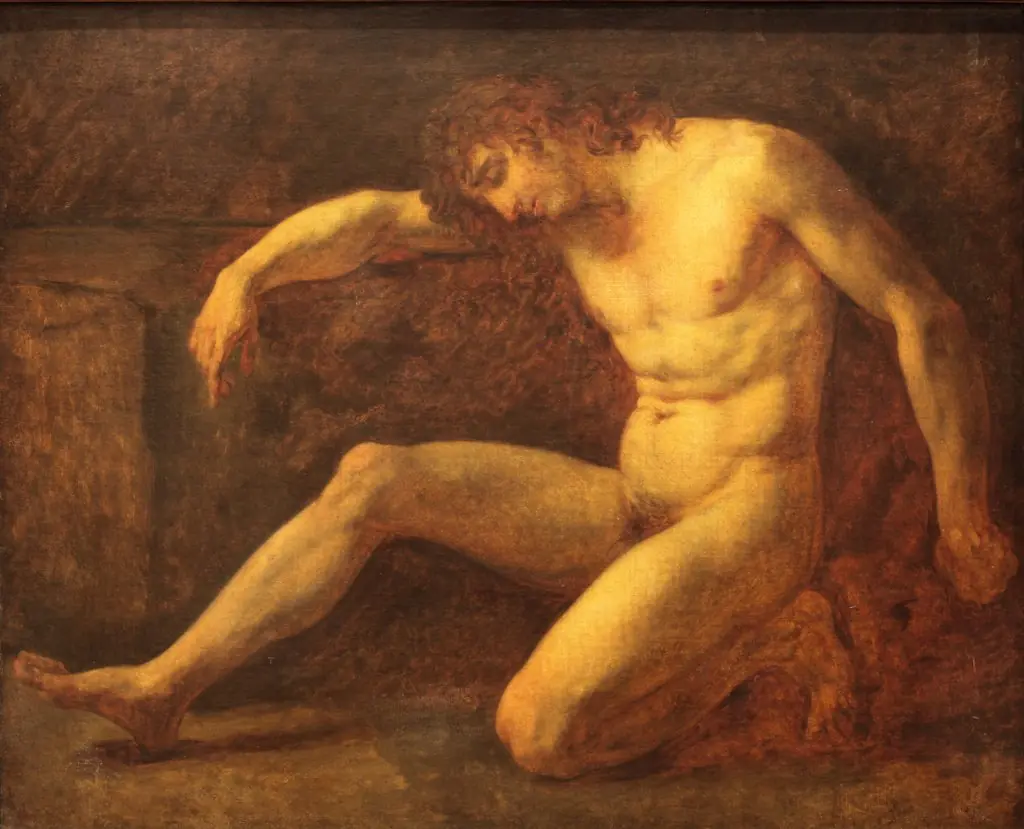 Death of Viala
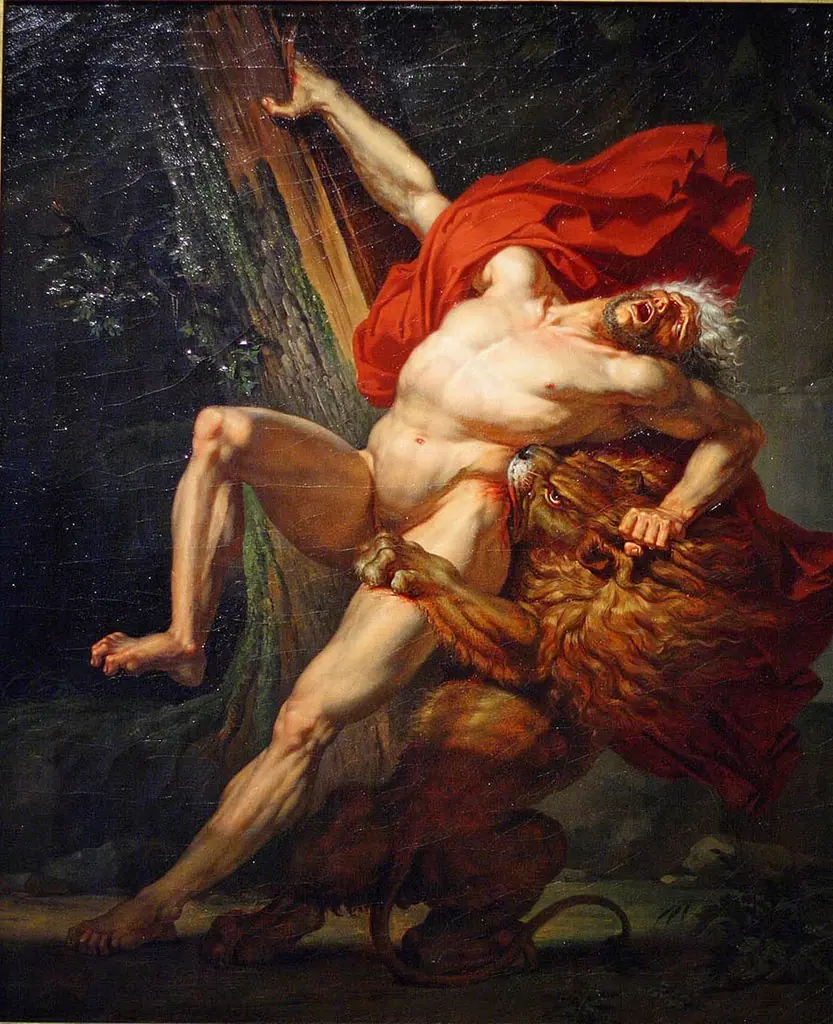 Milo of Croton, Attempting to Test His Strength, Is Caught and Devoured by a Lion
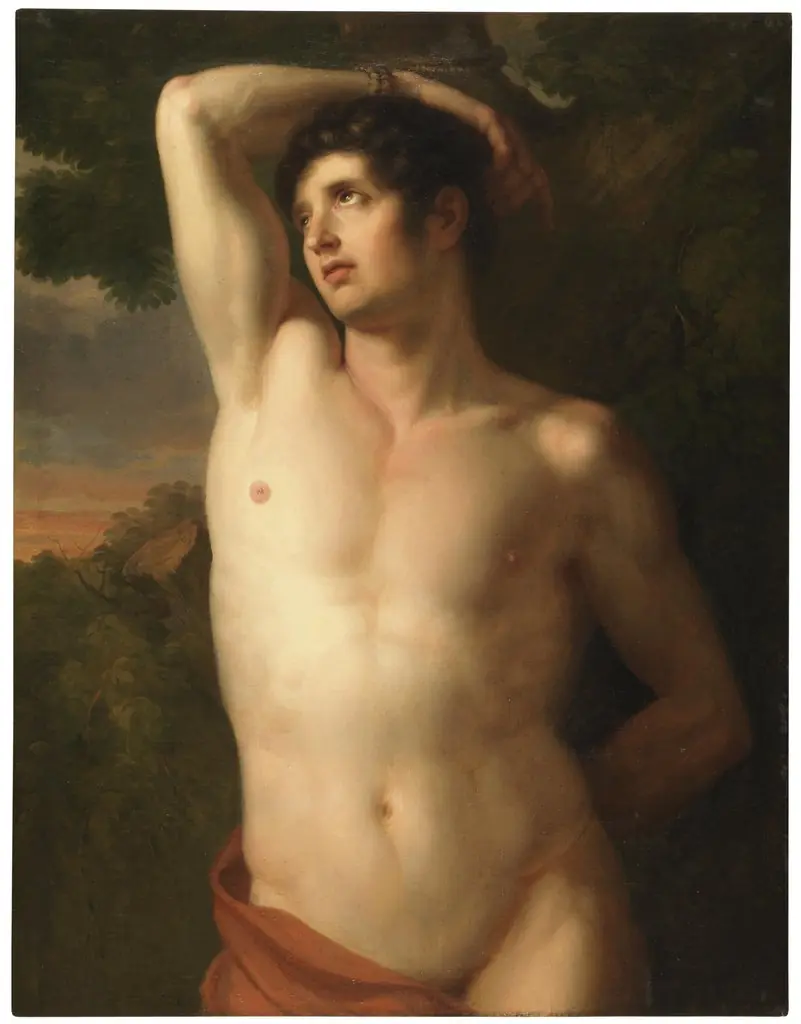 Saint Sebastian
 Milo van Croton
 Death of a Gladiator
 Oedipus and the Sphinx
 Apolo și Daphne
 Young Saint John the Baptist with ram
- The Wounded Philoctetes