Artwork
Elizabeth Throckmorton, Canoness of the Order of the Dames Augustines Anglaises
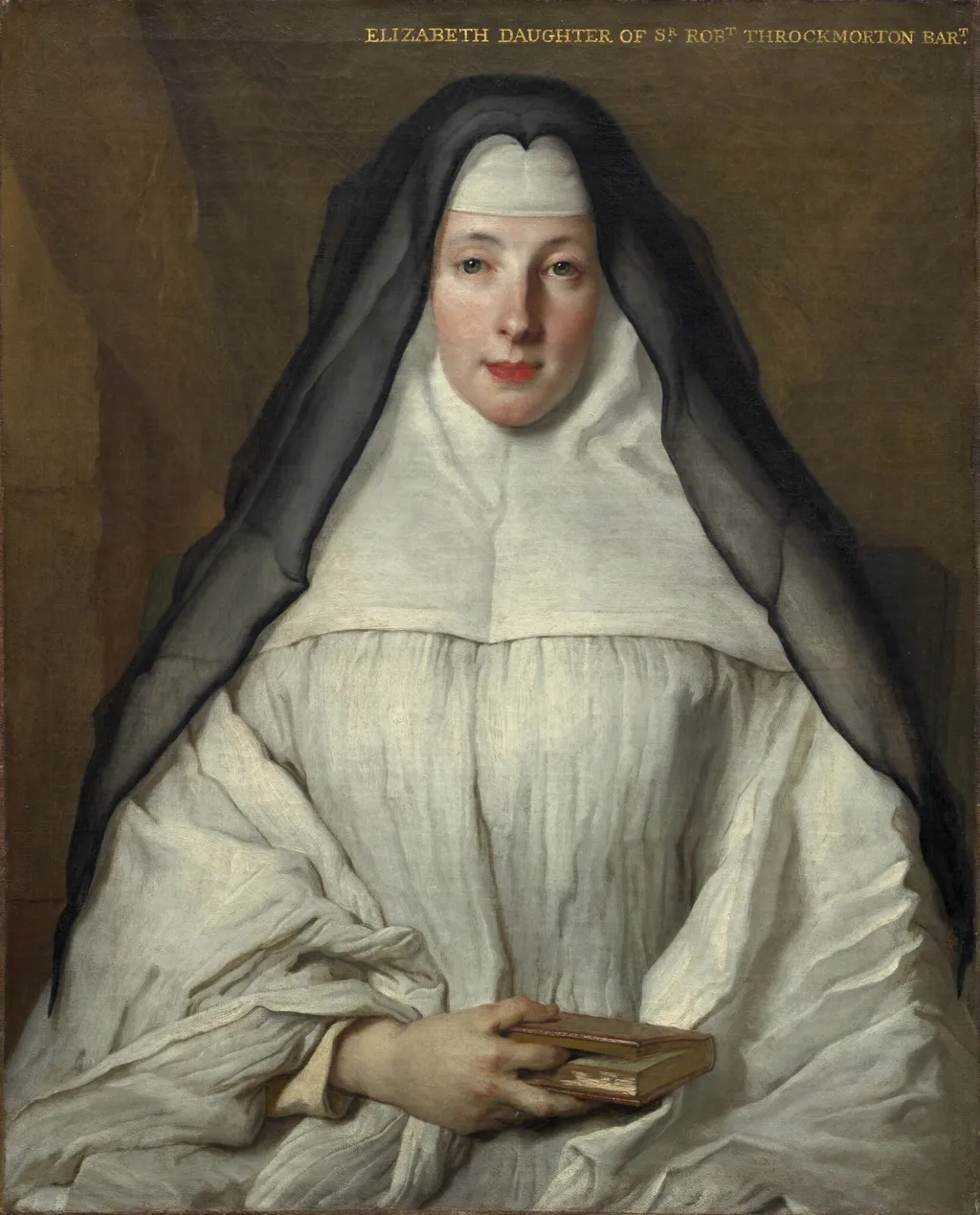
Elizabeth Throckmorton, Canoness of the Order of the Dames Augustines Anglaises is an oil painting by the Baroque artist Nicolas de Largillière. It dates from 1729 and is held in the collection of the National Gallery of Art.
- Inscription
- Inscribed:across top: ELIZABETH DAUGHTER OF SR ROBT THROCKMORTON BART; on reverse: peint par N de Largillierre / 1729
About this work
History & Provenance
The painting was sold at Christie's in London on 26 June 1964 by order of the trustees of the will of the late Sir Nicholas Throckmorton, then handled by Thos.
The portrait was commissioned in 1729 by Sir Robert Throckmorton, 4th Baronet, the sitter's brother, and originally hung in the parlor of Weston Underwood in Buckinghamshire. By 1855 it had been moved to the Throckmorton family seat of Coughton Court in Warwickshire, where it passed by inheritance through successive generations of the family, including Sir John Courtenay Throckmorton, 5th Baronet, Sir George Throckmorton, 6th Baronet, and Sir Charles Throckmorton, 7th Baronet, before descending to their nephew Sir Robert George Throckmorton, 8th Baronet, and subsequently to his sons the 9th and 10th Baronets and grandson Sir Robert George Maxwell Throckmorton, 11th Baronet. The painting was sold at Christie's in London on 26 June 1964 by order of the trustees of the will of the late Sir Nicholas Throckmorton, then handled by Thos.
Agnew and Sons, Ltd. (stockbook no. J 4530), and purchased on 29 October 1964 by the National Gallery of Art.
The portrait is held in the collection of the National Gallery of Art in Washington, D.C. Its path to the museum began when it was sold by order of the trustees of Sir Nicholas Throckmorton's will at Christie, Manson & Woods in London on June 26, 1964. Following the auction, the work passed through the London dealer Thos. Agnew and Sons, Ltd., before being acquired by the National Gallery of Art on October 29, 1964.
Prior to this sale, the painting remained within the Throckmorton family for generations, residing initially at Weston Underwood in Buckinghamshire and later transferring to Coughton Court in Warwickshire by 1855, where it stayed until the mid-20th century.
Context
The 1729 oil portrait of Elizabeth Throckmorton by Nicolas de Largillière exemplifies the artist’s mature portrait style, characterized by rich drapery and refined modeling. Executed in London while Largillière was active in England, the work reflects the transnational patronage of English Catholic families. Its provenance traces a continuous ownership within the Throckmorton lineage from the sitter’s brother to successive heirs, culminating in its sale at Christie’s in 1964 and acquisition by the National Gallery of Art.
The painting’s dimensions (81.5 × 65.7 cm) and inclusion in the National Gallery of Art collection underscore its significance as a representative example of early‑18th‑century portraiture within the broader context of European artistic exchange.
Overview
Artist Nicolas de Largillierre painted Elizabeth Throckmorton, Canoness of the Order of the Dames Augustines Anglaises in 1729. This oil on canvas work serves as a portrait of Elizabeth Throckmorton, a member of a religious order. The painting captures her likeness within a simple setting, emphasizing the details of her attire and surroundings with a realistic approach. It offers insight into the appearance and status of its sitter during the early 18th century.
Subject & Meaning
The portrait features Elizabeth Throckmorton, identified by the title as a Canoness of the Order of the Dames Augustines Anglaises. She is depicted wearing the traditional habit of her religious order, which signifies her commitment and position within the community. The portrayal emphasizes her individual identity while also representing her spiritual vocation, offering a glimpse into the lives of women in religious orders during this period.
Technique & Style
Largillierre executed this painting using oil on canvas, a common medium for portraiture in the 18th century. The artist's technique is characterized by its realism, evident in the meticulous rendering of Elizabeth Throckmorton's nun's habit and the simple room she occupies. This attention to detail in both her clothing and the domestic environment reflects a focus on capturing the tangible aspects of everyday life, a hallmark of Largillierre's approach to portraiture.
Own this work as a print
Artist & collection
Artist
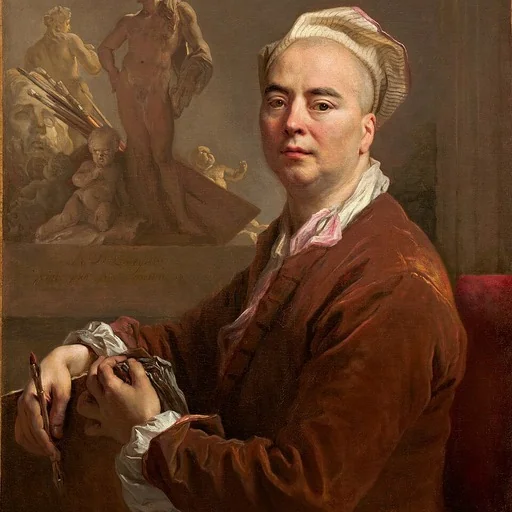
Nicolas de Largillière (French:; baptised 10 October 1656 – 20 March 1746) was a French painter and draughtsman. From 1733 until 1735, he was director of the Académie de Peinture et de Sculpture.

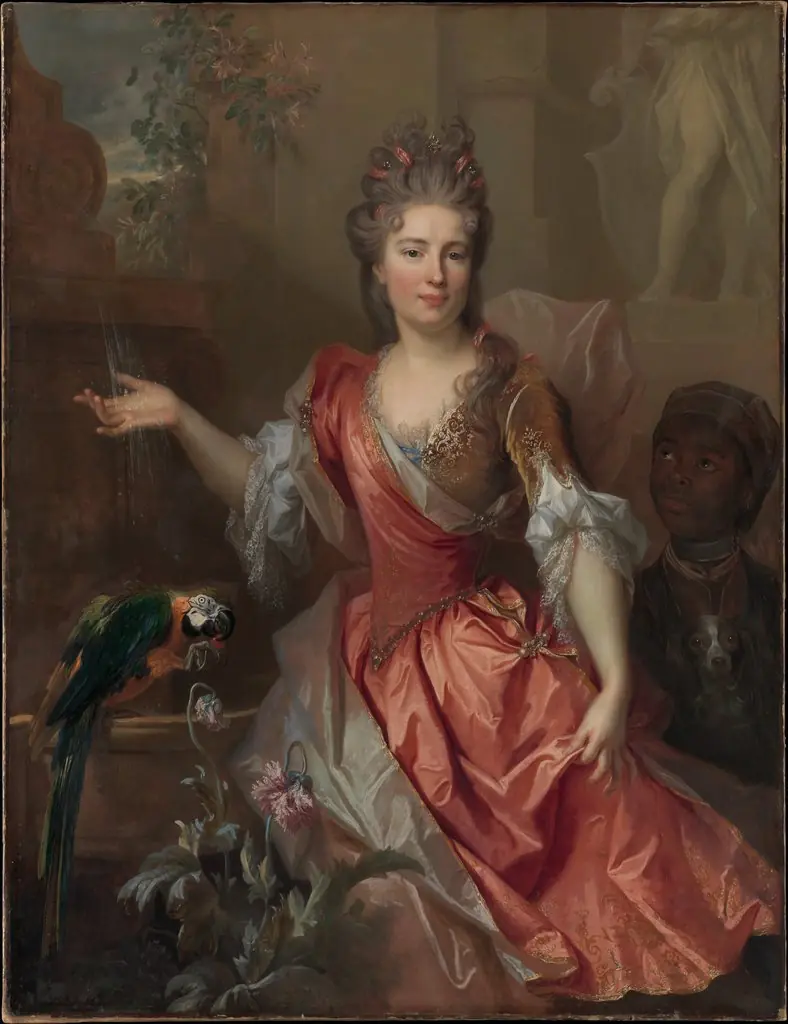 Portrait of a Woman, Possibly Madame Claude Lambert de Thorigny (Marie Marguerite Bontemps, 1668–1701)
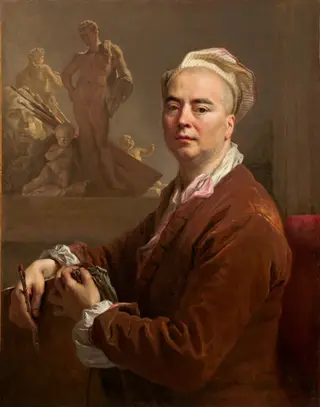 Self-Portrait
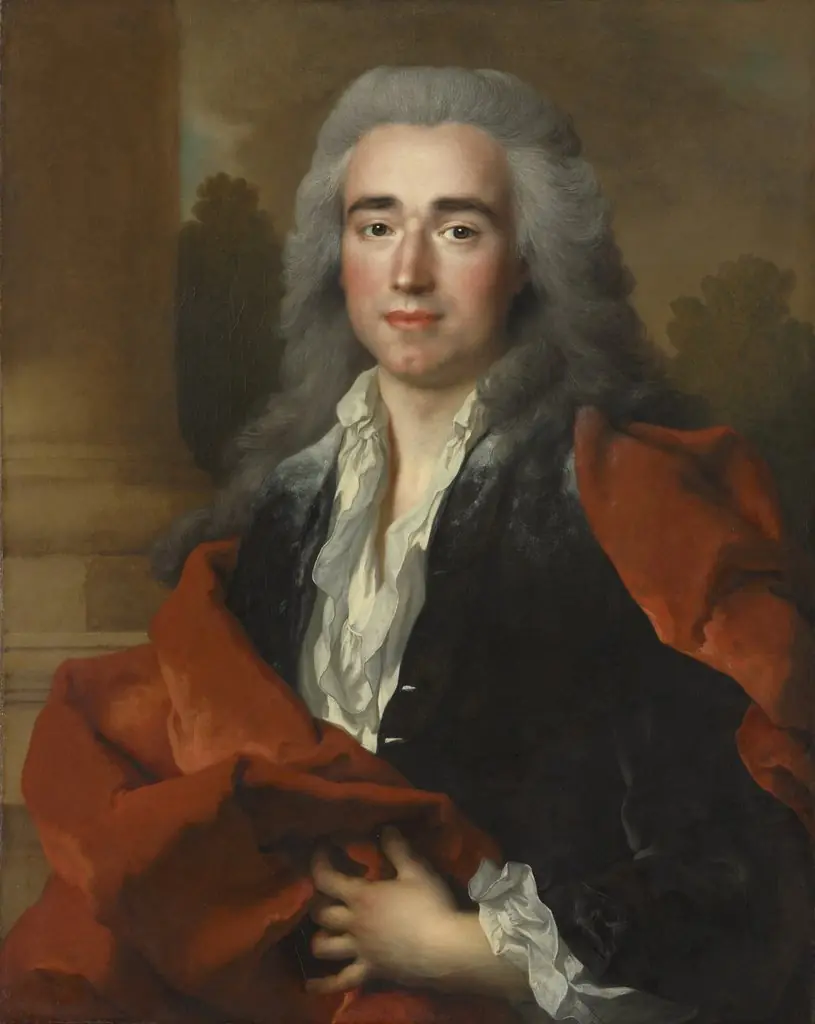 Portrait of Anne Louis Goislard de Montsabert, Comte de Richbourg-le-Toureil
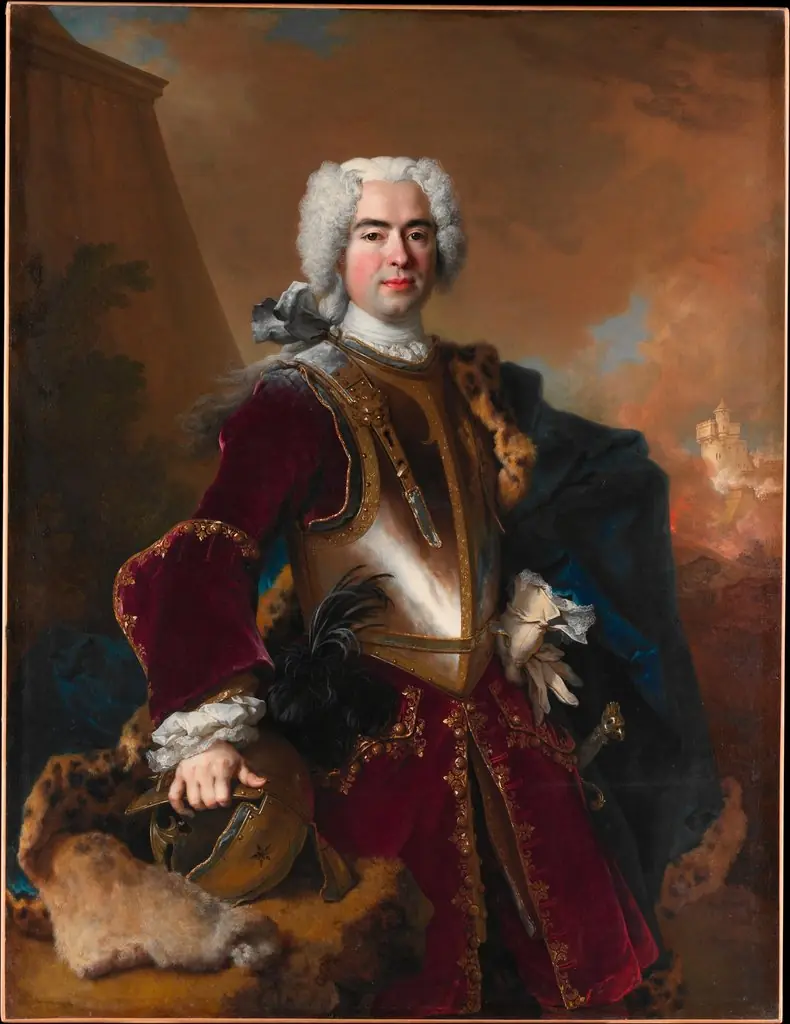 André François Alloys de Theys d'Herculais (1692–1779)
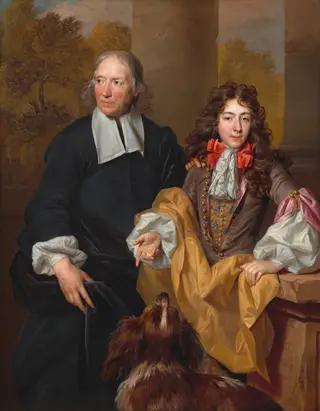 Portrait of a Young Man and His Tutor
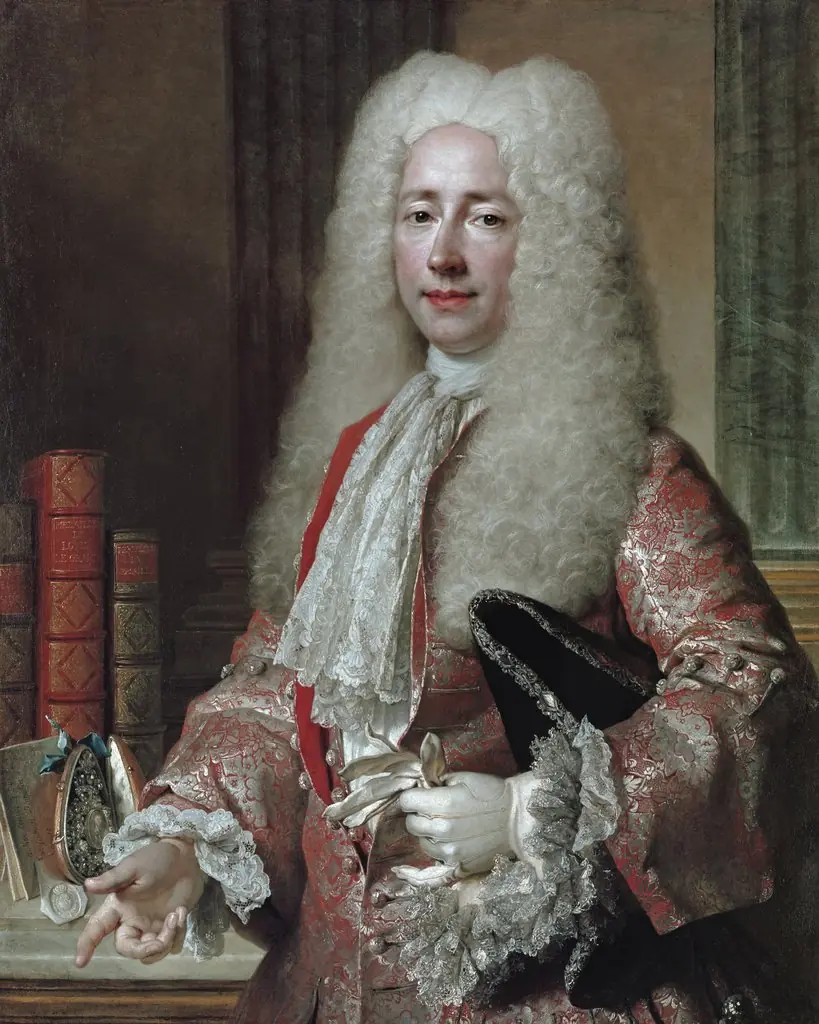 Portrait de Conrad Detlef, comte de Dehn
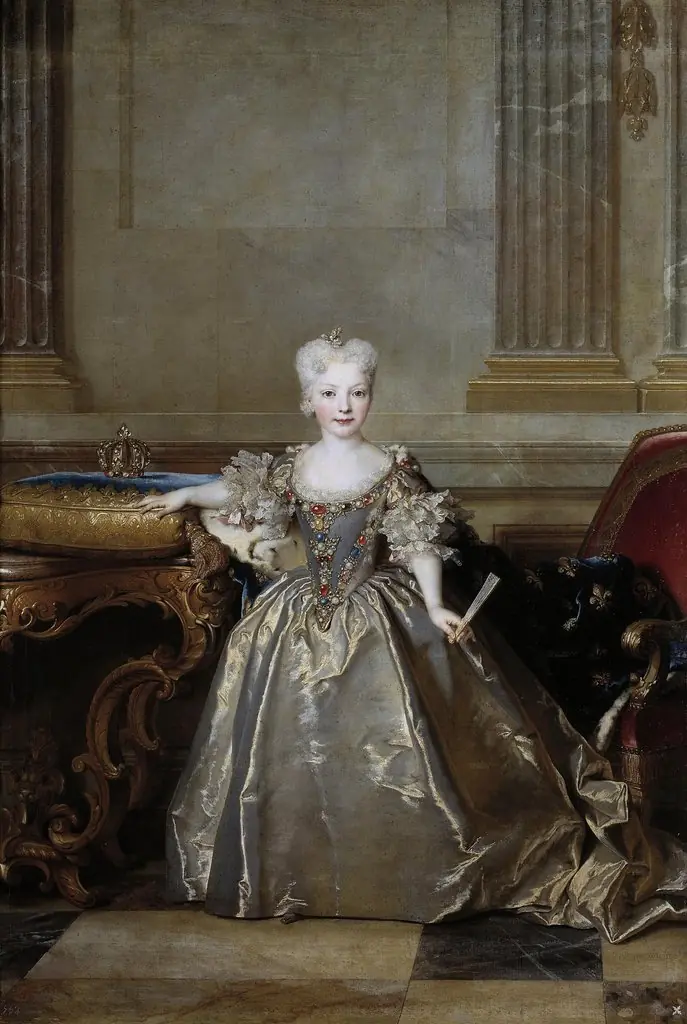 María Ana Victoria de Borbón y Farnesio
- Portrait of Gertruida Assink (1602-1679), wife of the mayor of Deventer
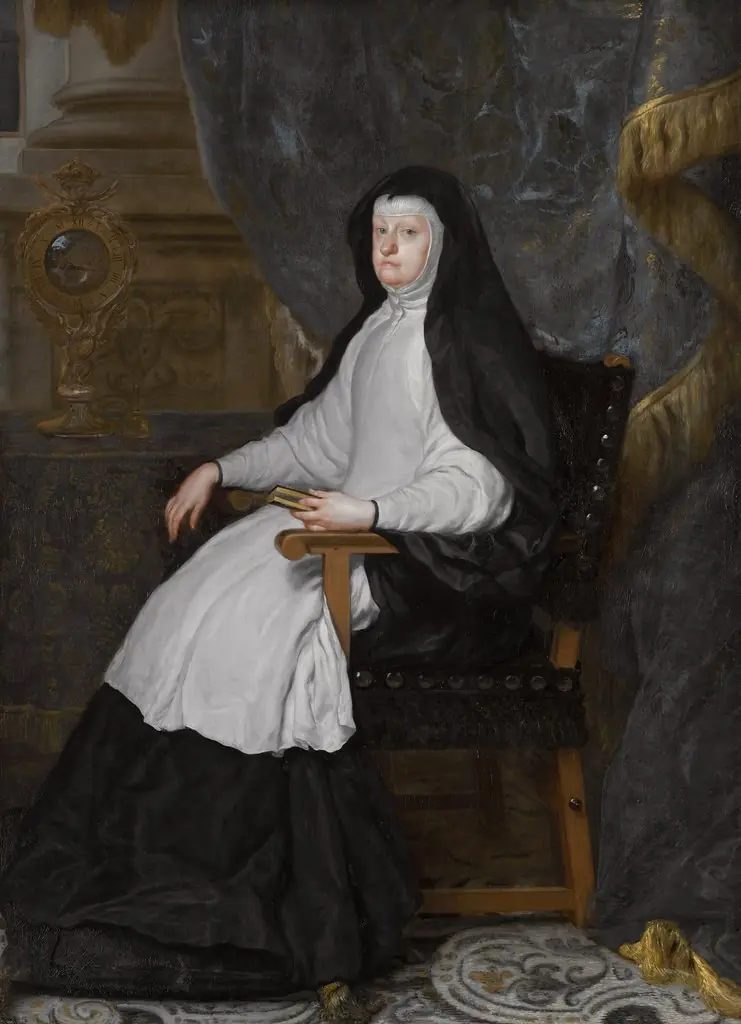 Mariana of Austria, Consort of King Philip IV of Spain, as a Widow
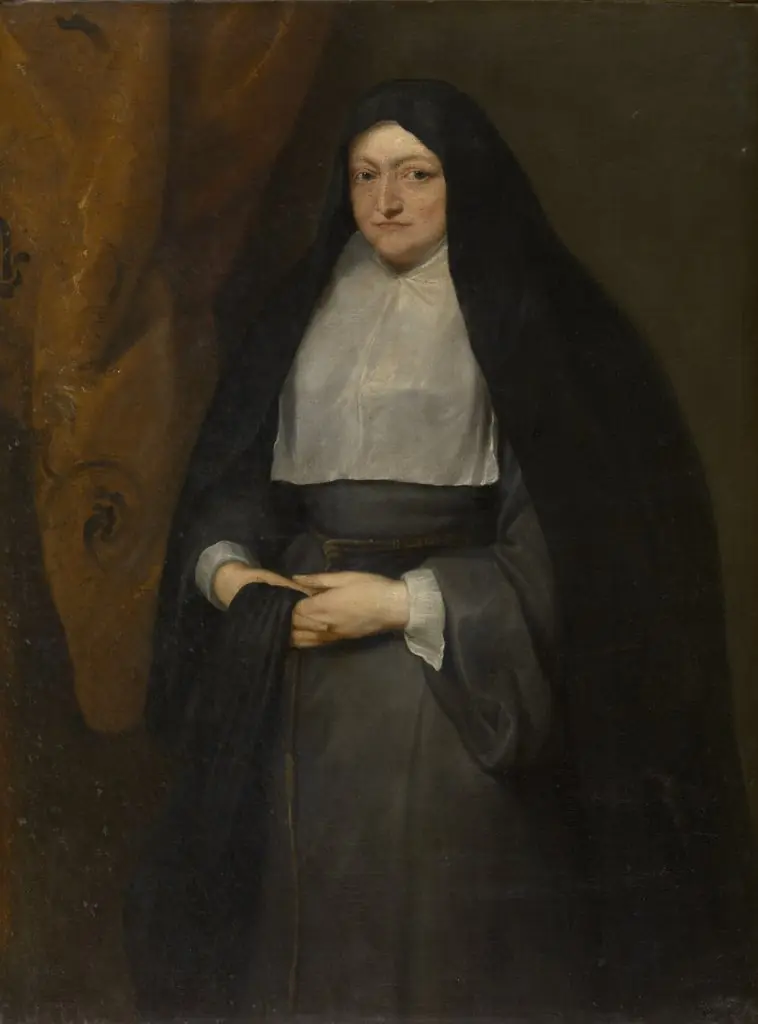 Infante Isabella Clara Eugenia
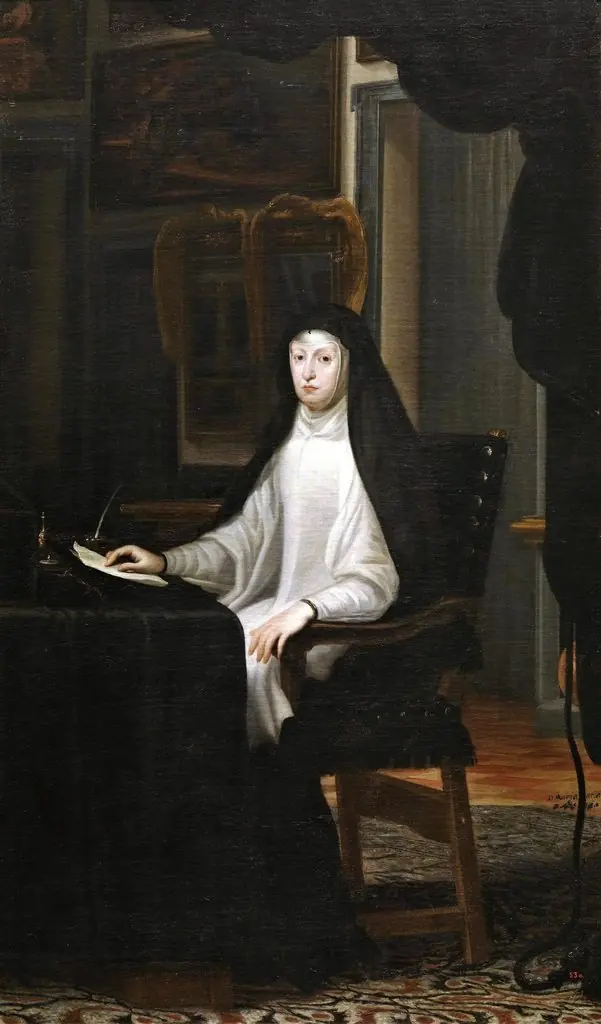 Queen Mariana de Austria as a Widow
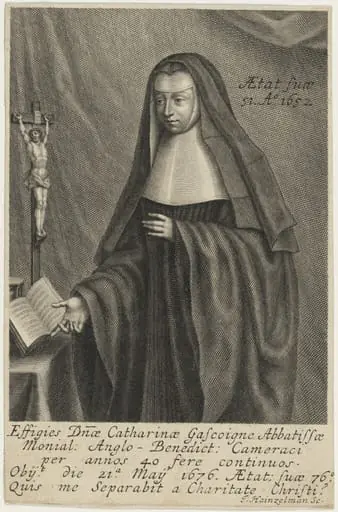 Catherine Gascoigne
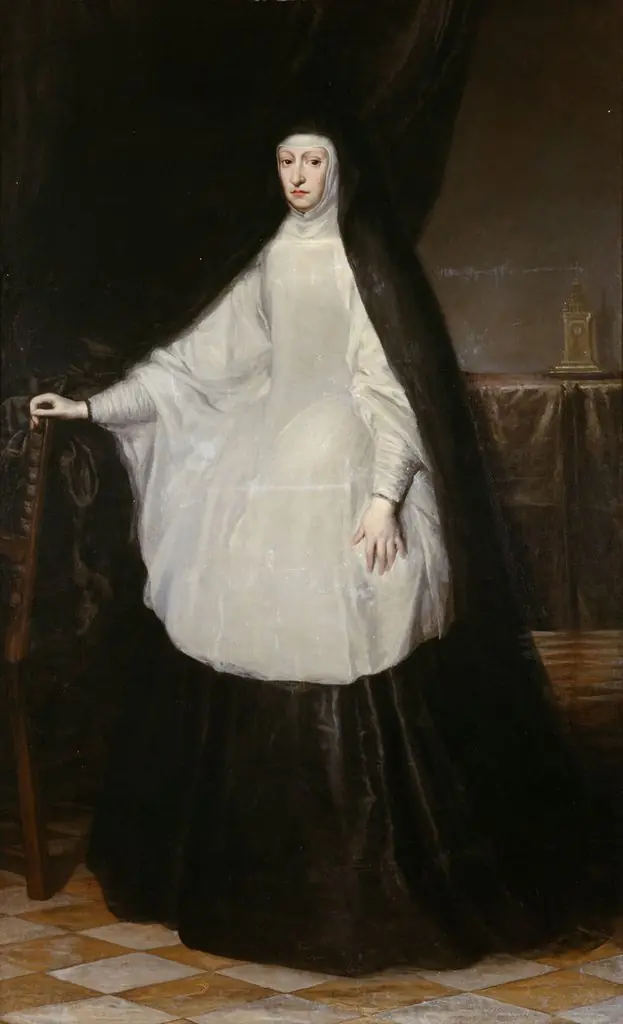 Erzherzogin Maria Anna, Königin von Spanien, als Witwe
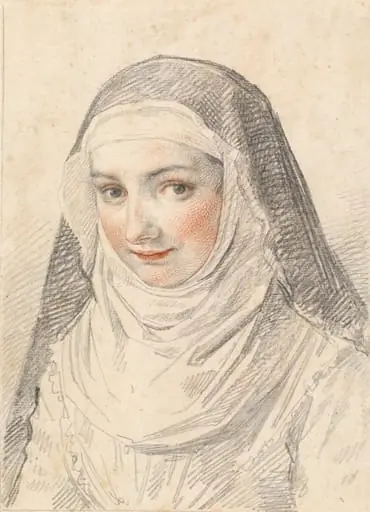 A Young Nun
 Prinzessin Maria
 Portrait of Isabel Clara Eugenia as a nun
 Portrait of a Nun Holding Crucifix
 Portrait of a woman
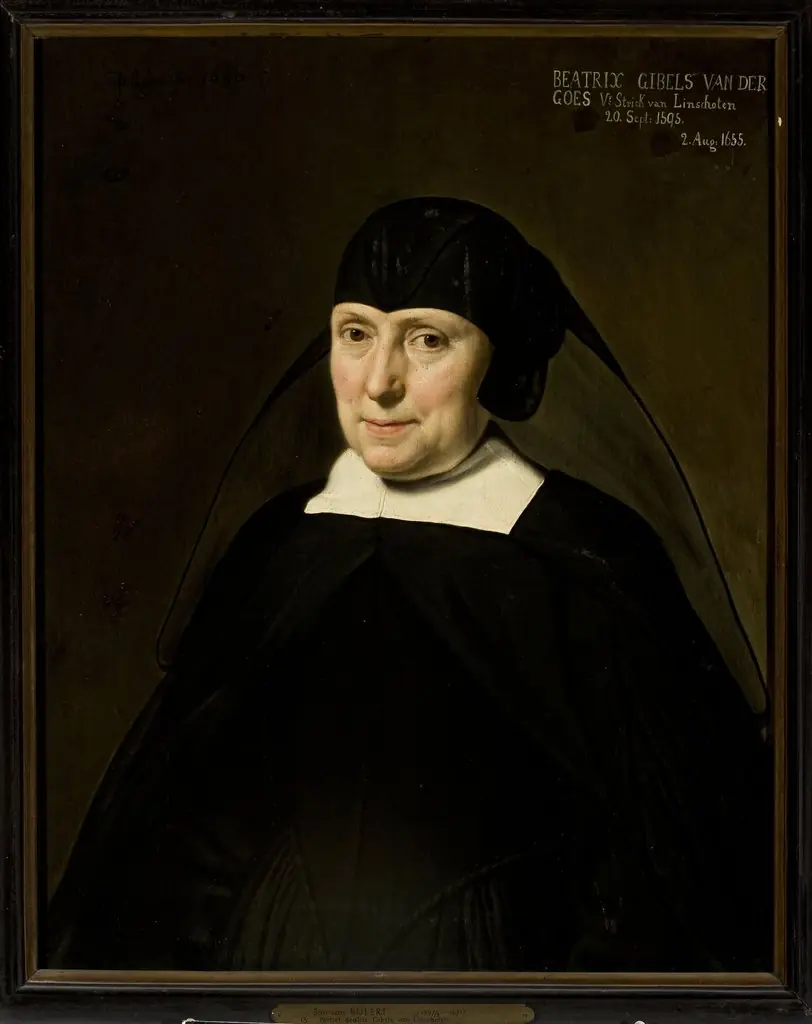 Portrait of Beatrix Gibels van Linschoten