Artwork
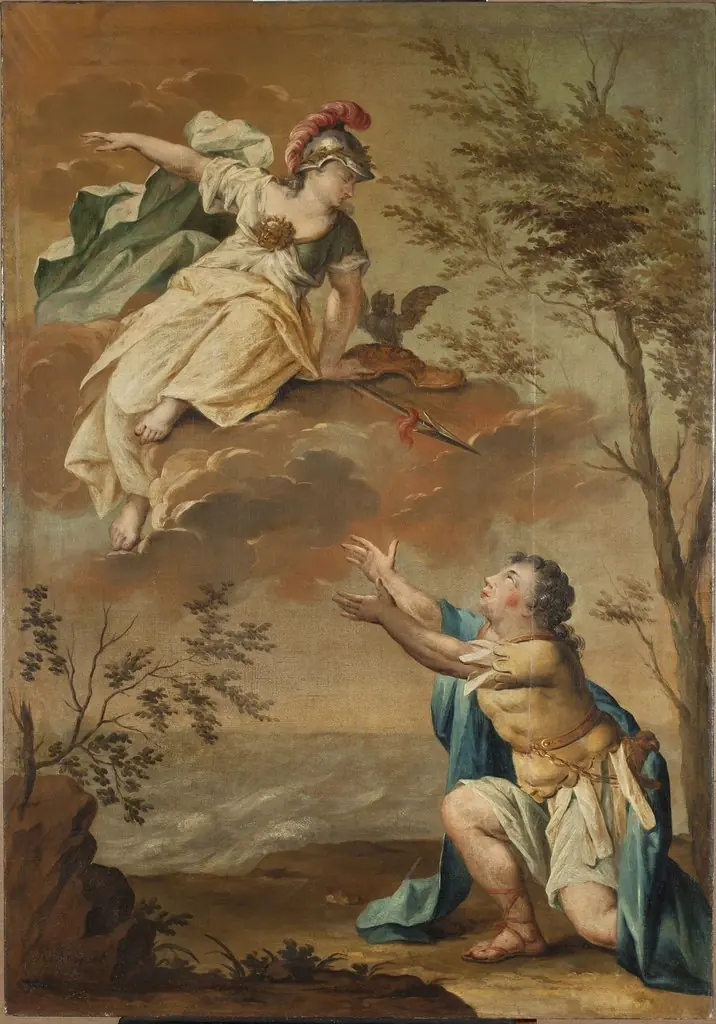
Story of Hercules - Juno and Hercules
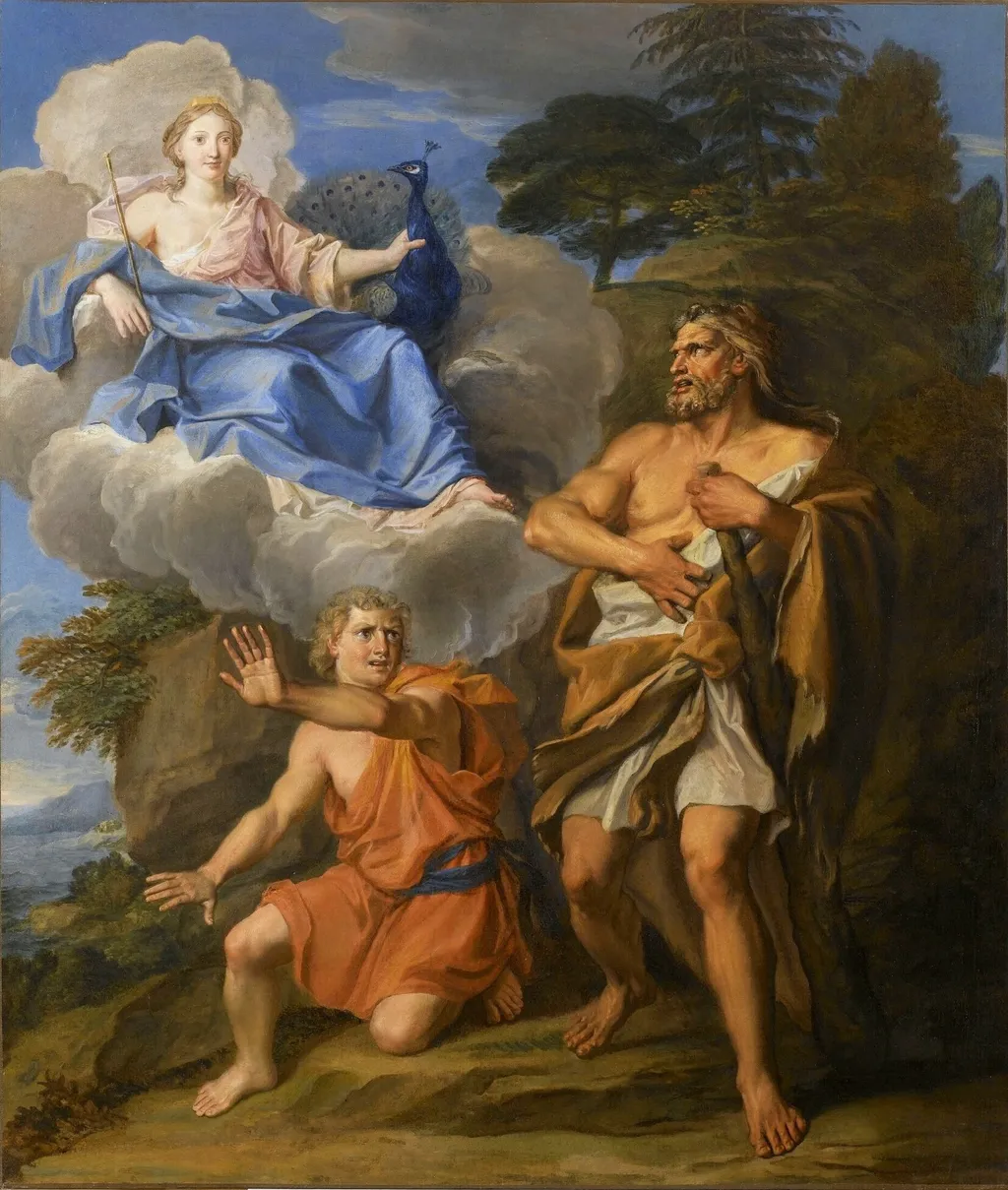
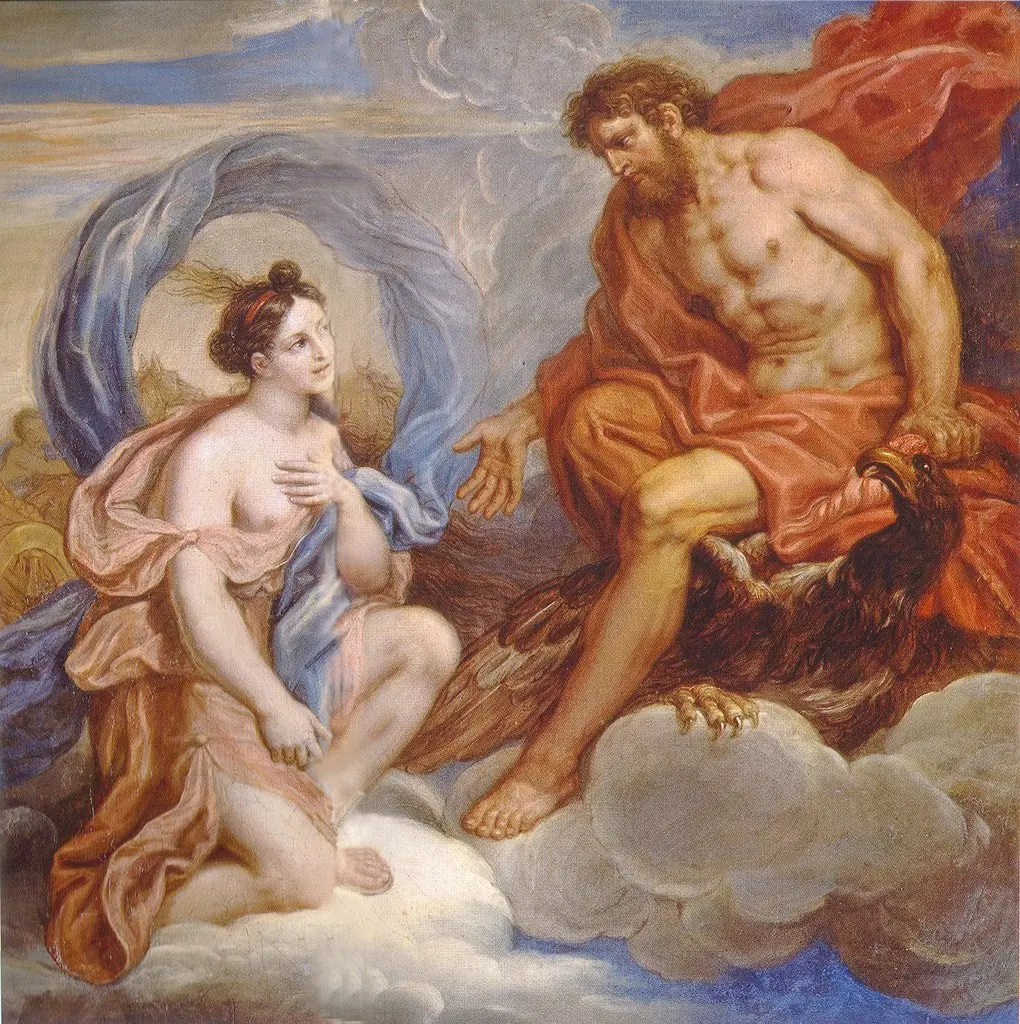
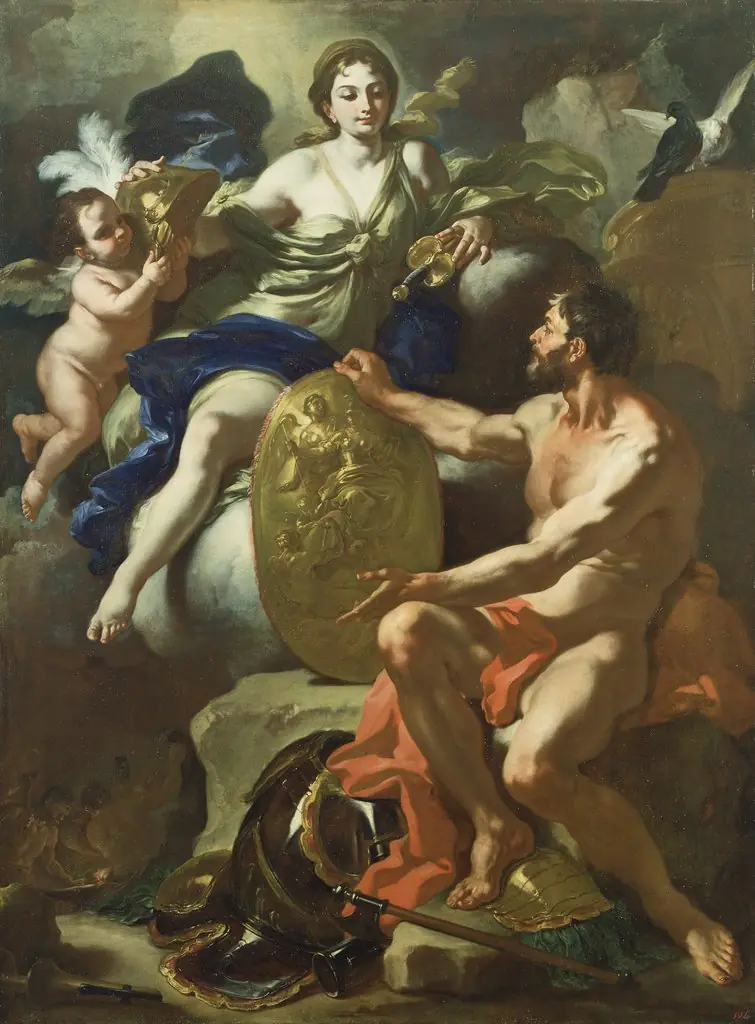
Story of Hercules - Juno and Hercules is an oil painting by the French Classical Baroque artist Noël Coypel. It dates from 1694 and is held in the collection of the Palace of Versailles.
About this work
Overview
Executed in the French Classical Baroque style, the painting reflects Coypel’s reverence for Nicolas Poussin’s compositional clarity and mythological gravitas.
Painted in 1694 by French artist Noël Coypel, this oil-on-canvas work illustrates a moment from the myth of Hercules, focusing on his fraught relationship with the goddess Juno. Executed in the French Classical Baroque style, the painting reflects Coypel’s reverence for Nicolas Poussin’s compositional clarity and mythological gravitas. It resides today in the Palace of Versailles, part of a larger series depicting Hercules’ labors and trials.
Subject & Meaning
The scene captures Juno, seated云端, observing Hercules and a kneeling male figure, likely a mortal supplicant or attendant. Juno’s calm demeanor contrasts with the tension inherent in her mythological role as Hercules’ perpetual adversary. Her presence, marked by the peacock feather, signals her divine authority.
The composition suggests a moment of quiet judgment rather than overt conflict, emphasizing fate and divine indifference over action.
Technique & Style
Coypel employs chiaroscuro to model the figures with soft, sculptural volume, enhancing their three-dimensionality against the atmospheric landscape. The figures are arranged in a stable, pyramidal group, a hallmark of Classical Baroque composition. Drapery is rendered with precision, and the sky transitions subtly from pale blue to soft cloud tones, grounding the mythic event in a believable natural world without sacrificing idealized harmony.
History & Provenance
Commissioned as part of a decorative cycle for the French royal court, the painting was completed during Coypel’s tenure as a painter to Louis XIV. It entered the Versailles collection shortly after its completion, where it remained as part of the palace’s mythological narrative program. Its survival in situ reflects its early recognition as a significant work within the royal artistic agenda.
Context
In late 17th-century France, mythological subjects were favored for courtly decoration, symbolizing virtue, power, and divine order. Coypel’s adherence to Poussin’s principles aligned with the Academy’s emphasis on intellectual rigor over theatricality. This painting reflects a broader trend of using classical myths to legitimize royal authority, positioning Hercules’ endurance as an allegory for the monarch’s trials and triumphs.
Legacy
Though less widely known today than some of his contemporaries, Coypel’s work contributed to the evolution of French academic painting. His integration of narrative restraint with classical form influenced later generations of history painters. The painting remains a representative example of how myth was harnessed for courtly expression, preserving a moment when art served both aesthetic and ideological ends.
Own this work as a print
Artist & collection
Artist
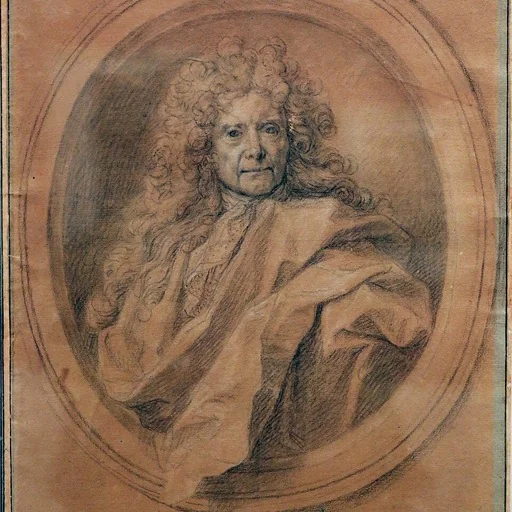
Noël Coypel (French pronunciation:; 25 December 1628 – 24 December 1707) was a French painter, and was also called Coypel le Poussin, because he was heavily influenced by Poussin.